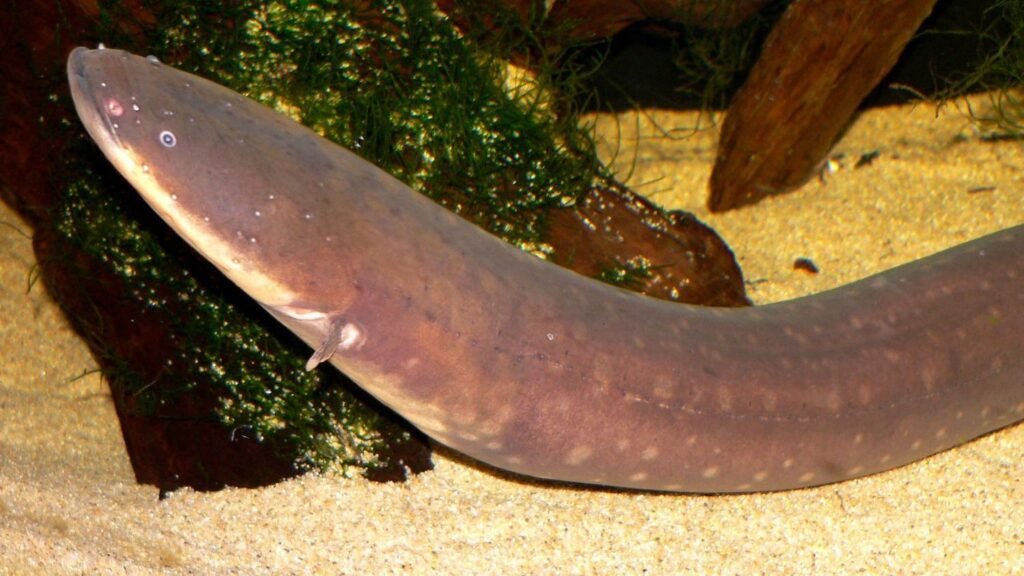

You probably know electric eels pack a punch. They’re famous for delivering jolts powerful enough to knock a horse off its feet. What surprises most people, though, is how these creatures wield electricity for so much more than simple defense or hunting. Let’s be real, these aren’t just swimming batteries.
Electric eels are nocturnal, obligate air-breathing animals, with poor vision complemented by electrolocation, thriving in the murky, oxygen-poor waters of South America. The thing is, they’ve evolved layers of electrical sophistication that border on the remarkable. Think remote control over prey, advanced tracking systems, and even social hunting strategies. So, let’s get started.
They Use Electricity Like Radar to Navigate Murky Waters
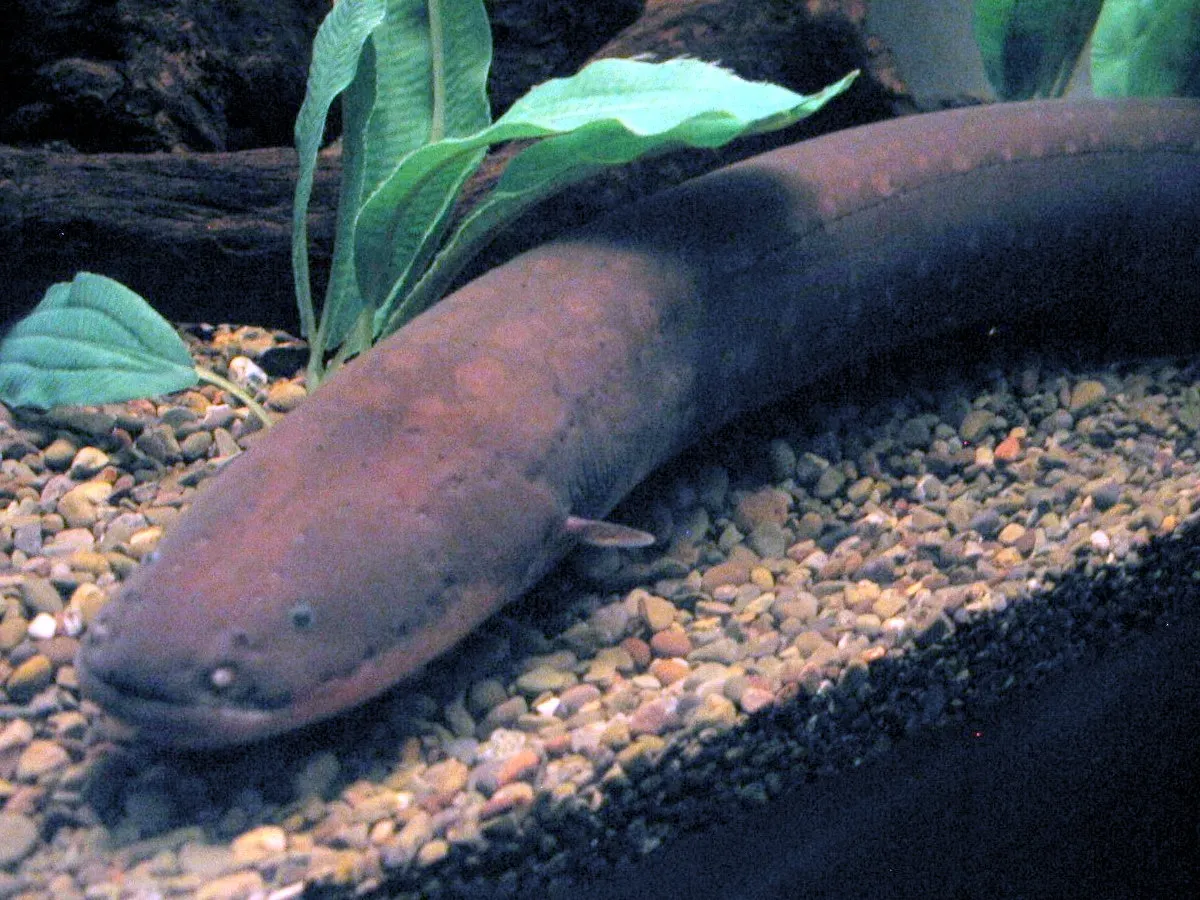
Imagine trying to find your way through pitch-black, muddy water where you can’t see your hand in front of your face. Electric eels have very poor eyesight and rely on their electrolocation abilities to navigate the murky backwaters of the Amazon and Orinoco rivers. They emit weak electrical pulses, much like bats use sonar, to create an electrical map of their surroundings.
Electric eels emit a weak electric signal, which they use like radar to navigate, to find a mate, and to find prey. This low-voltage output acts as a constant sensory scan of the environment. It’s hard to say for sure, but the sophistication of this system rivals anything humans have engineered. The electrical field they generate wraps around objects, and distortions in that field tell the eel what’s nearby, whether it’s food, a mate, or an obstacle.
They Remotely Control Their Prey’s Nervous System

Eels use their high-voltage electric discharge to remotely control prey by transcutaneously activating motor neurons. Here’s the thing: when an electric eel attacks, it doesn’t just stun its prey. It hijacks the target’s nervous system directly. The electrical pulses force the prey’s muscles to contract involuntarily, freezing them in place.
Subsequent experiments showed that the eel’s amped-up attack causes muscle contractions at abnormally high rates, totally and utterly exhausting prey in just a few seconds. Think of it like a biological Taser that drains the victim’s energy completely. It is the electric analogue of a neurotoxin, allowing the eel to capture and subdue otherwise dangerous animals, such as large, clawed crayfish. That’s pretty sophisticated for a fish.
They Double Their Power with a Simple Body Curl
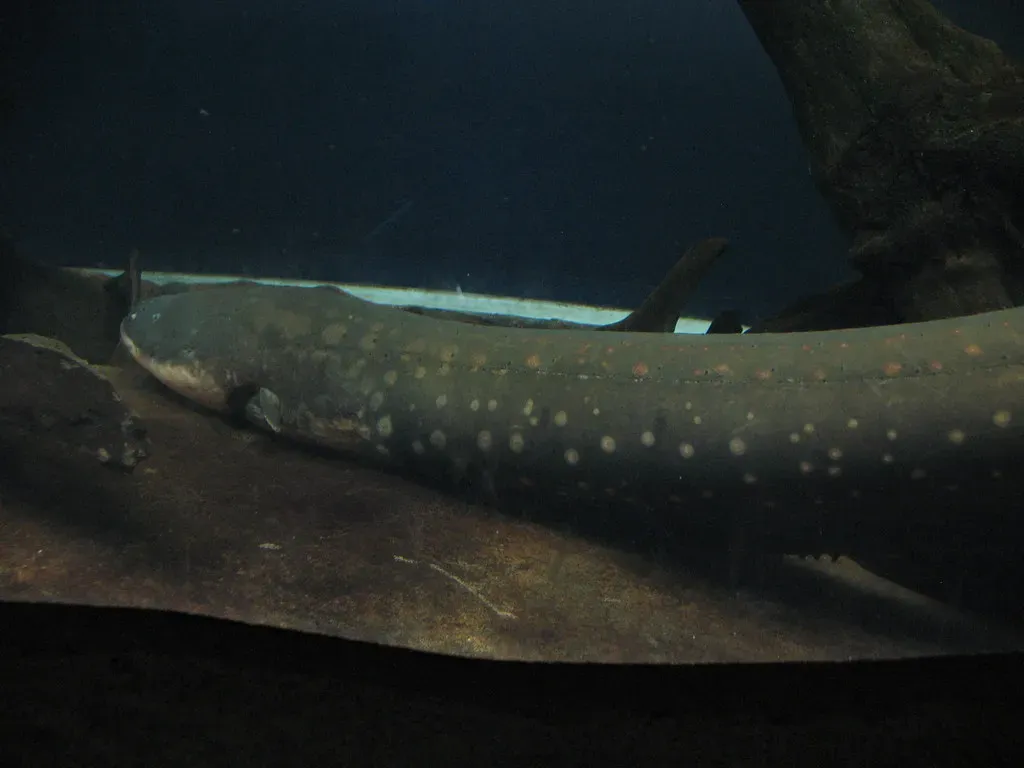
You’d think generating hundreds of volts would be enough, yet electric eels have discovered a clever trick to amplify their shocking power. When confronted with large or particularly evasive prey, electric eels execute a specialized attack where they quickly curl their body into a C-shape, bringing their head close to their tail while the prey is positioned in the middle. This posture doubles the electrical field strength by concentrating the current through a smaller area of water.
An eel can literally double the power communicated to prey by simply reorienting its tail. The maneuver is lightning-fast, too. High-speed video analysis has shown that eels can perform this complex maneuver in less than 100 milliseconds, demonstrating extraordinary neuromuscular coordination. It’s like focusing a flashlight beam to create one intense spot rather than diffuse light.
They Track Prey Using Their Own High-Voltage Shocks
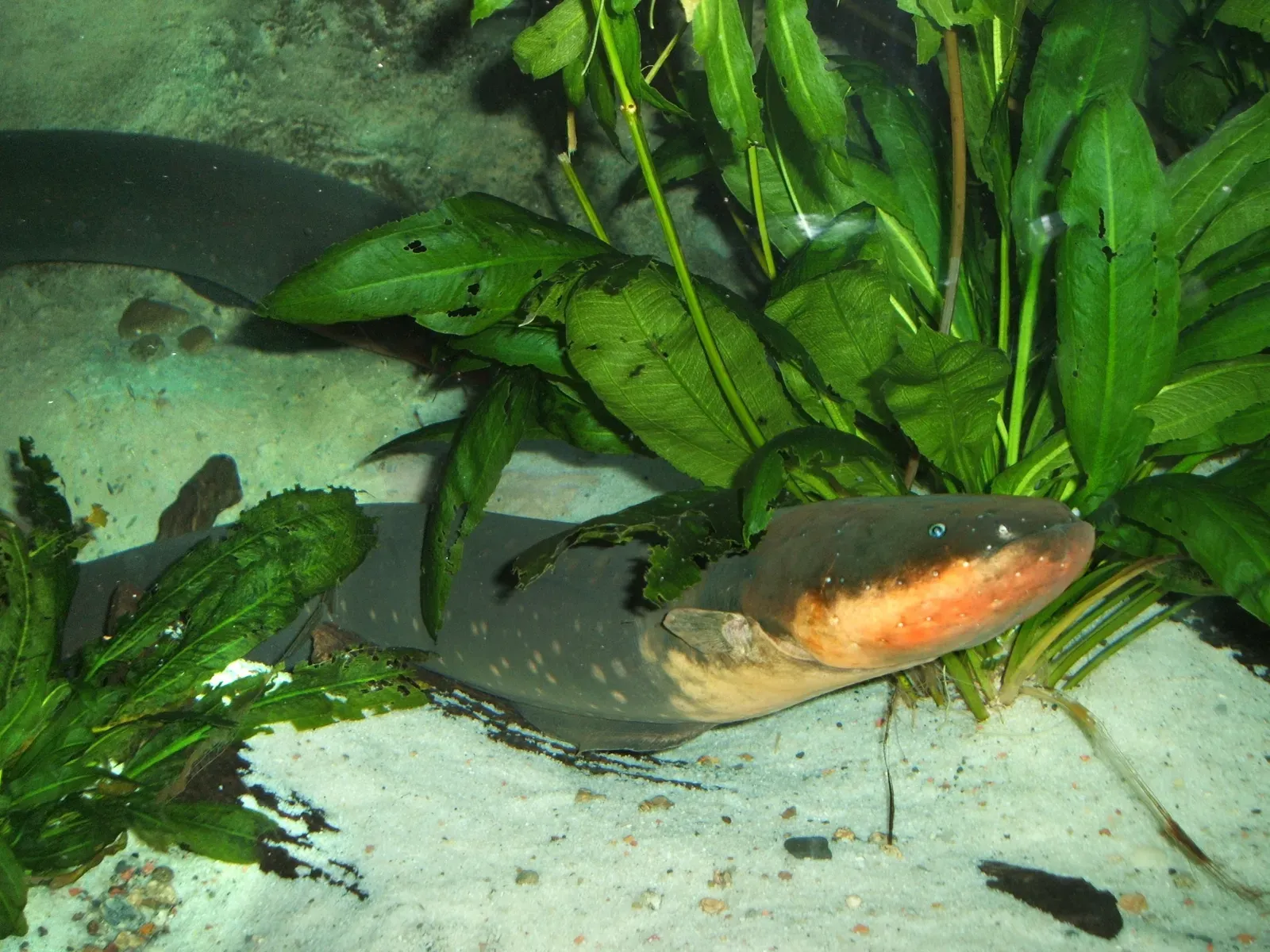
Electric eels use high-voltage simultaneously as a weapon and for precise and rapid electrolocation of fast-moving prey and conductors. Most scientists assumed the eel’s shocking abilities shut down its senses during an attack. Turns out, that’s completely wrong.
The eel turns on its high-voltage as a way to deactivate the fish, but at the same time, it’s also using that high-voltage as a way to track where the fish is. The speed and accuracy of this dual-purpose system is reminiscent of how bats use echolocation during their final feeding approach. Even when prey keep moving after being stunned, the eel locks onto them with remarkable precision. It’s a sensory superpower hidden in plain sight.
They Breathe Air Like Mammals
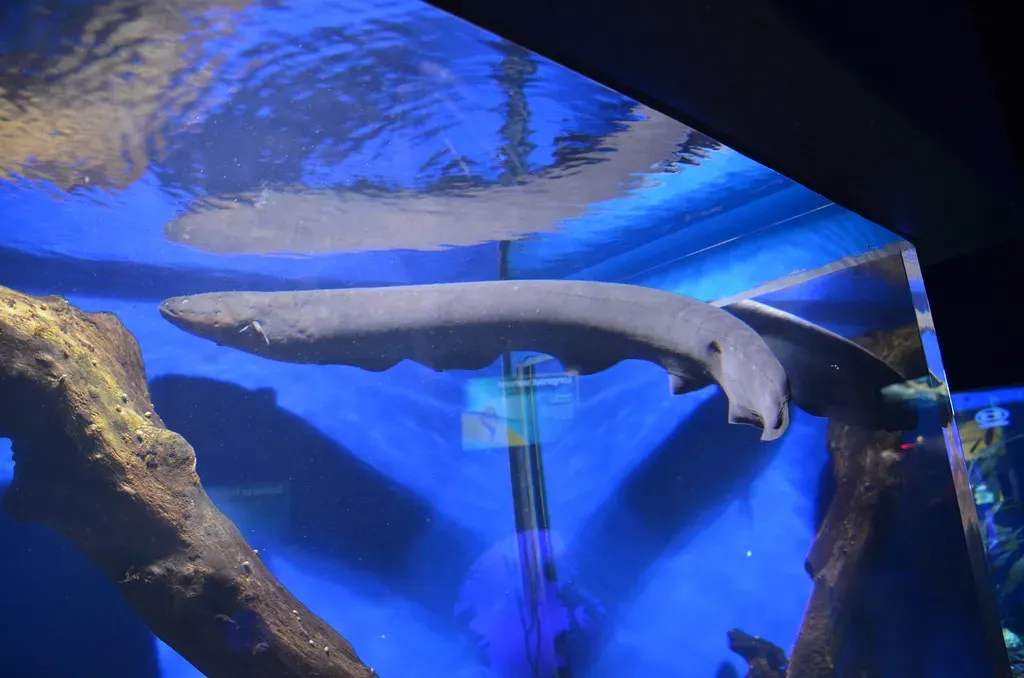
While most fishes breathe by passing water over their gills and absorbing the oxygen in it, electric eels breath air. They have to surface to breathe about every 10 minutes. That’s right: despite being fish, they’re obligate air breathers. Their gills are tiny and barely functional for oxygen intake.
They are air breathers, gaining up to 80 percent of their oxygen through this method. This feature allows E. electricus to survive comfortably in water that has a very low concentration of dissolved oxygen. The inside of their mouths is heavily lined with blood vessels that extract oxygen from gulped air. These fish can survive on land for some hours if their skin is wet enough. It’s an adaptation that lets them thrive in stagnant, oxygen-starved swamps where other fish would suffocate.
They Hunt in Coordinated Packs
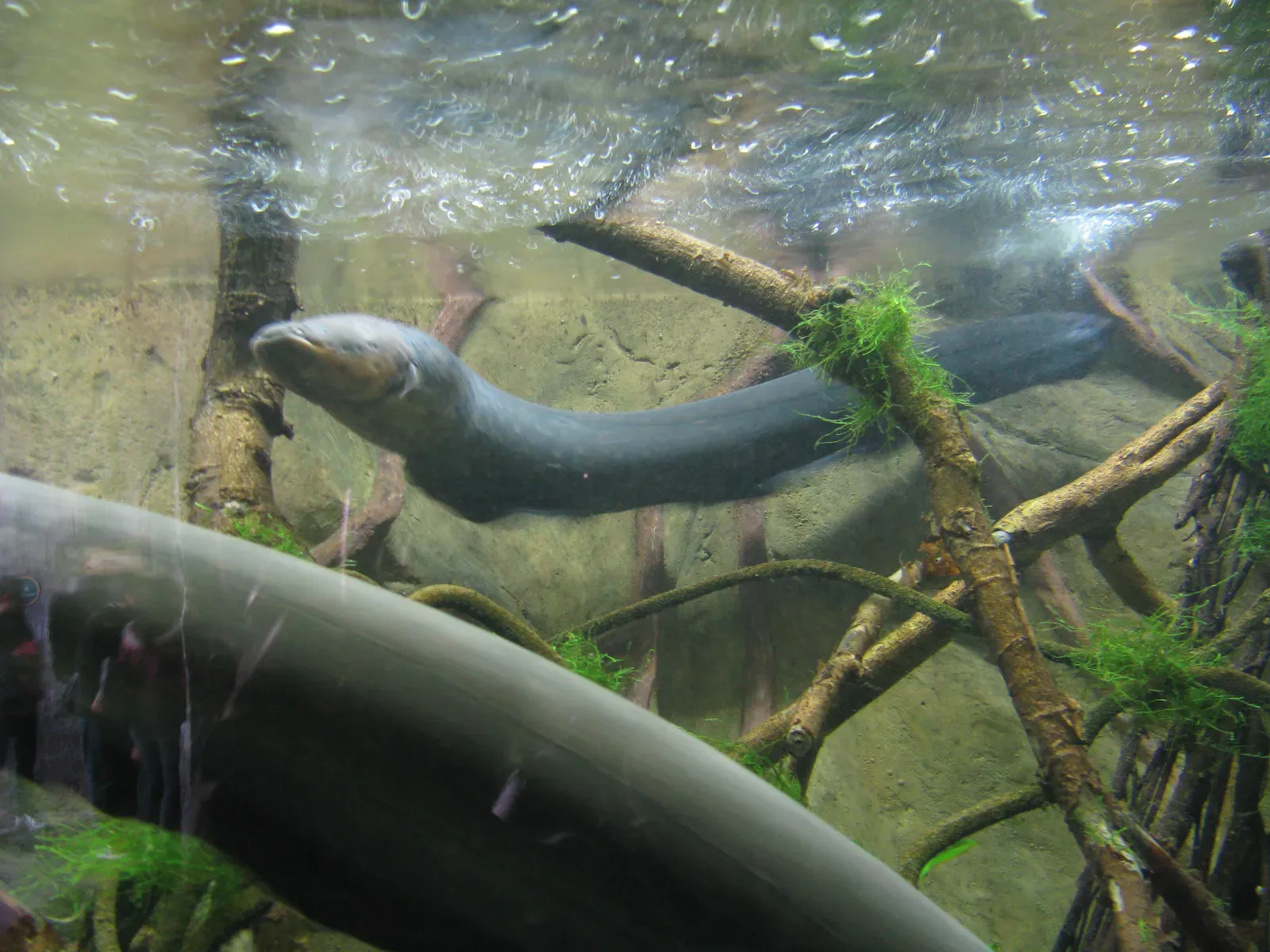
Electric eels have long been considered solitary hunters. Now, scientists have revealed the snakelike fish don’t always go it alone: They hunt in packs, similar to wolves, orcas, and some species of tuna. Honestly, this discovery shocked researchers who witnessed it firsthand.
E. voltai sometimes hunts in packs; and have been observed targeting a shoal of tetras, then herding them and launching joint strikes on the closely packed fish. The finding, a first among electric fishes, may open the way for new studies to investigate when social predation evolved among fishes. Watching a group of these creatures coordinate electrical attacks is equal parts fascinating and terrifying.
They Leap Out of Water to Deliver Maximum Shock

Water is a great conductor of electricity, which actually works against electric eels when defending themselves. If a predator is shocked while fully submerged under the water, it will feel a less powerful shock than it would if it was out of the water. So what’s an eel to do when faced with a large threat like a caiman or jaguar?
Electric eels are able to leap partially out of the water and press themself against a predator. Electric eels can leap out of the water and attach the most positively charged part of their body – their chin – to the predator. With their negative pole still in the water, this creates a powerful closed electrical circuit. This defensive leap delivers exponentially more voltage directly to the attacker. By jumping out of the water and touching the predator with its head, they can deliver a much stronger electric shock than that possible inside water.
They Communicate Through Electrical Pulses
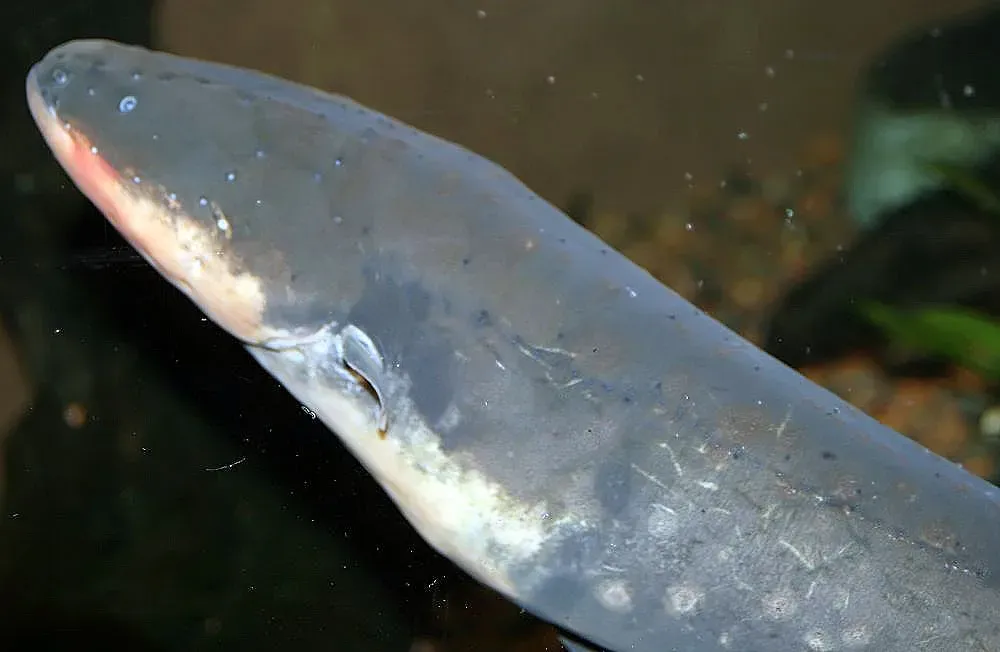
Electric eels communicate via low electric organ discharges that are produced in pulses, with shorter durations than the time intervals between them. Both the frequency and strength of these discharges vary between male and female individuals. Think of it as an electrical language that we’re only beginning to decipher.
Electric eels can recognize the electrical signatures of conspecifics versus other species, allowing them to identify potential mates or rivals. This sophisticated electrical communication system represents one of the most specialized forms of communication in the aquatic world. The pulses convey information about sex, readiness to mate, territorial boundaries, and individual identity. It’s like they’re having entire conversations in a frequency range we can’t naturally perceive.
They Force Hidden Prey to Reveal Themselves
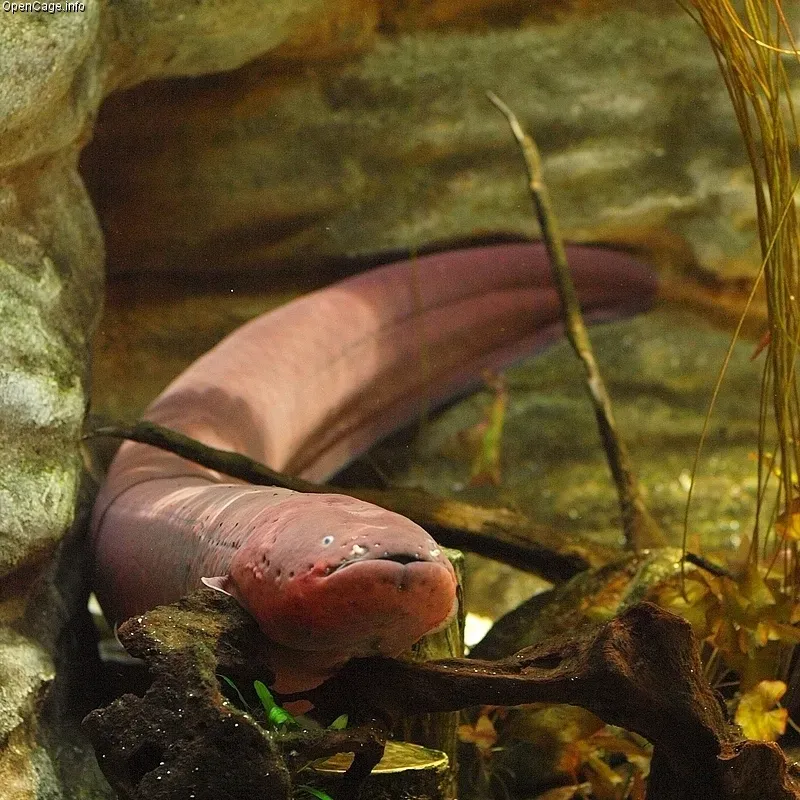
When the eel suspects a prey item is nearby, it emits two rapid electric pulses, called a doublet. This doublet affects the muscles of the prey, causing it to twitch involuntarily and alerting the electric eel to its presence. It’s an ingenious hunting tactic: the eel uses electricity to make hidden prey betray their location.
Electric eels can use their high-voltage attacks to coax prey out of hiding by causing the fish’s muscles to twitch. The eel detects this movement and hoovers up the prey. The doublet strategy is particularly efficient because it triggers powerful muscle contractions with minimal energy expenditure. Once the prey twitches, even if they’re hiding under rocks or in vegetation, the eel knows exactly where to strike.
They Continue Growing Throughout Their Entire Lives
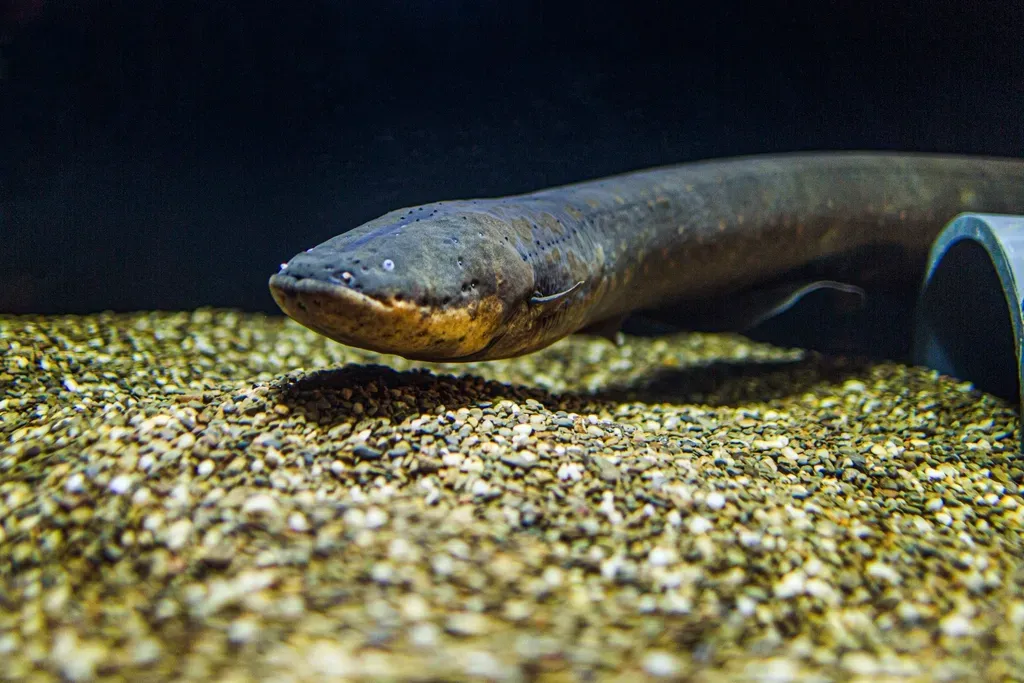
Electric eels grow for as long as they live, adding more vertebrae to their spinal column. Unlike most animals that reach a maximum size and stop growing, electric eels keep getting bigger and bigger. Males are larger than females. Some captive specimens have lived for over 20 years.
Their bodies are built for this continuous growth, with the capacity to add hundreds of vertebrae over time. The largest specimens can reach lengths exceeding eight feet and weigh nearly fifty pounds. This indeterminate growth pattern means older eels are not just more experienced hunters – they’re physically more formidable, with larger electrical organs capable of generating more powerful discharges. It’s a biological design that rewards longevity with increased power.
Conclusion
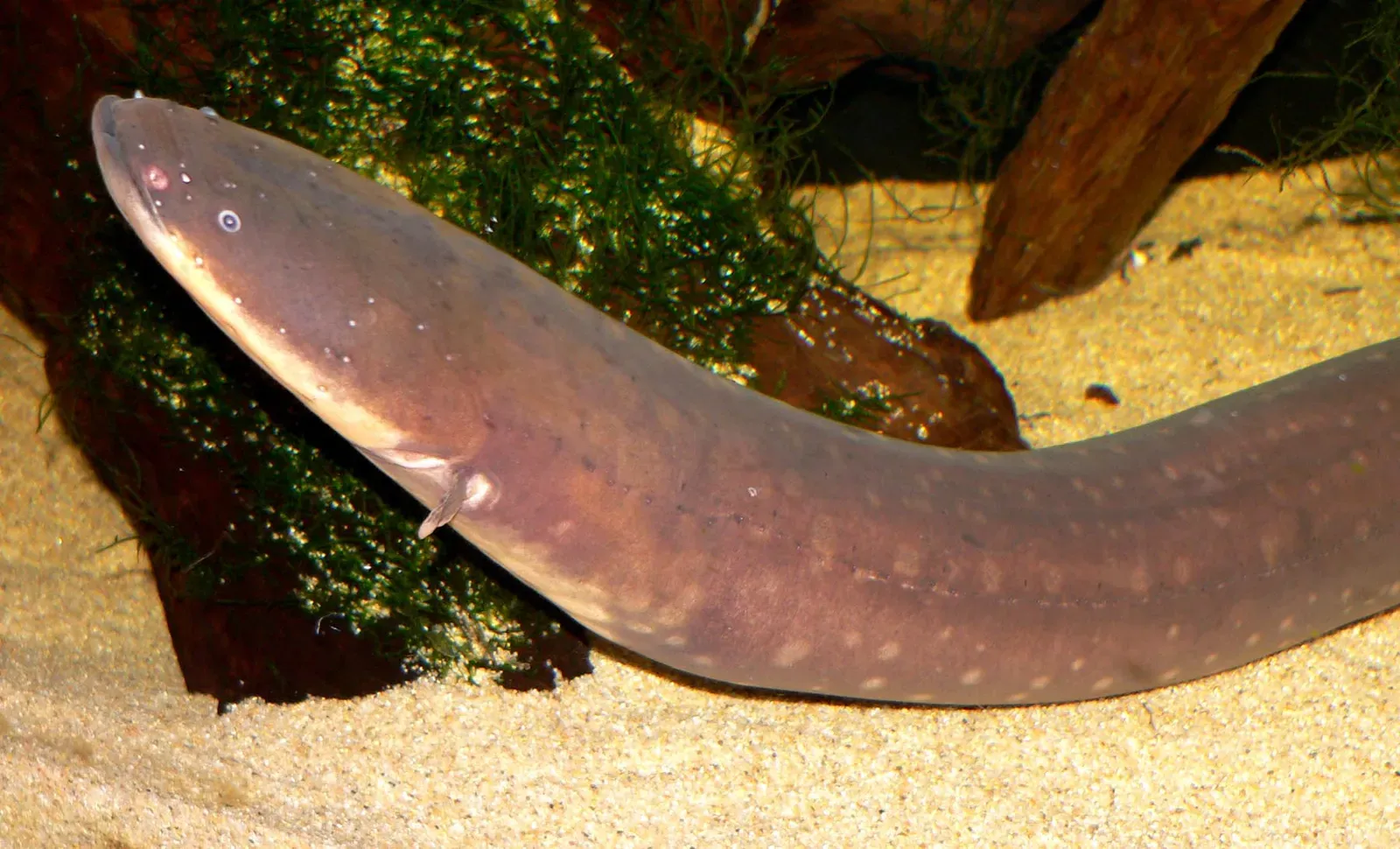
Electric eels are far more than nature’s stun guns. They’re sophisticated predators with an arsenal of electrical abilities that scientists are still working to fully understand. From hijacking prey nervous systems to communicating in electrical frequencies, from hunting cooperatively to tracking stunned victims with pinpoint accuracy, these creatures demonstrate evolutionary innovation at its finest.
Their adaptations for breathing air, surviving in oxygen-poor water, and defending themselves against massive predators show just how versatile electricity can be as a biological tool. What fascinates researchers most is that we’re likely only scratching the surface of what electric eels can do. What other electrical secrets are they keeping? What do you think about it?