Have you ever wondered what happens when humanity pushes nature too far? Picture this: walls of black dust rising thousands of feet into the sky, turning day into night within seconds. Families huddled in their homes with wet towels stuffed under doors, choking on the very earth they once farmed. This wasn’t some apocalyptic nightmare or distant memory from another world. This was America in the 1930s, and it was terrifyingly real.
The Dust Bowl was one of the most devastating environmental disasters in American history. What makes this catastrophe so remarkable isn’t just the scale of destruction, though that was staggering. It’s the fact that this wasn’t purely a natural disaster. Human hands played a massive role in creating the conditions for catastrophe. Let’s explore what happened, why it matters, and what we can still learn from those dark, dusty days nearly a century ago.
When Nature Collided With Human Ambition
The stage for disaster was set long before the first dust storm blackened the sky. Rising wheat prices in the 1910s and 1920s and increased demand for wheat from Europe during World War I encouraged farmers to plow up millions of acres of native grassland to plant wheat, corn and other row crops. Sounds like smart business, right? The problem was that these farmers were essentially ripping apart a natural defense system that had taken thousands of years to develop.
With insufficient understanding of the ecology of the plains, farmers had conducted extensive deep plowing of the Great Plains’ virgin topsoil during the previous decade; this displaced the native, deep-rooted grasses that normally trapped soil and moisture even during periods of drought and high winds. Think of those grasses like nature’s own soil anchors, holding everything in place through wet times and dry. When farmers removed them, they essentially left the soil naked and vulnerable. Crops began to fail with the onset of drought in 1931, exposing the bare, over-plowed farmland. Without deep-rooted prairie grasses to hold the soil in place, it began to blow away.
The Perfect Storm of Economics and Environment
Here’s where things get really interesting. The Dust Bowl wasn’t just about weather patterns gone wrong. When the Great Depression hit in 1929 and wheat prices began to plummet, farmers responded by plowing even more land to make up for the loss in price per bushel. Can you imagine the irony? Farmers desperately trying to survive financially ended up making the environmental situation exponentially worse.
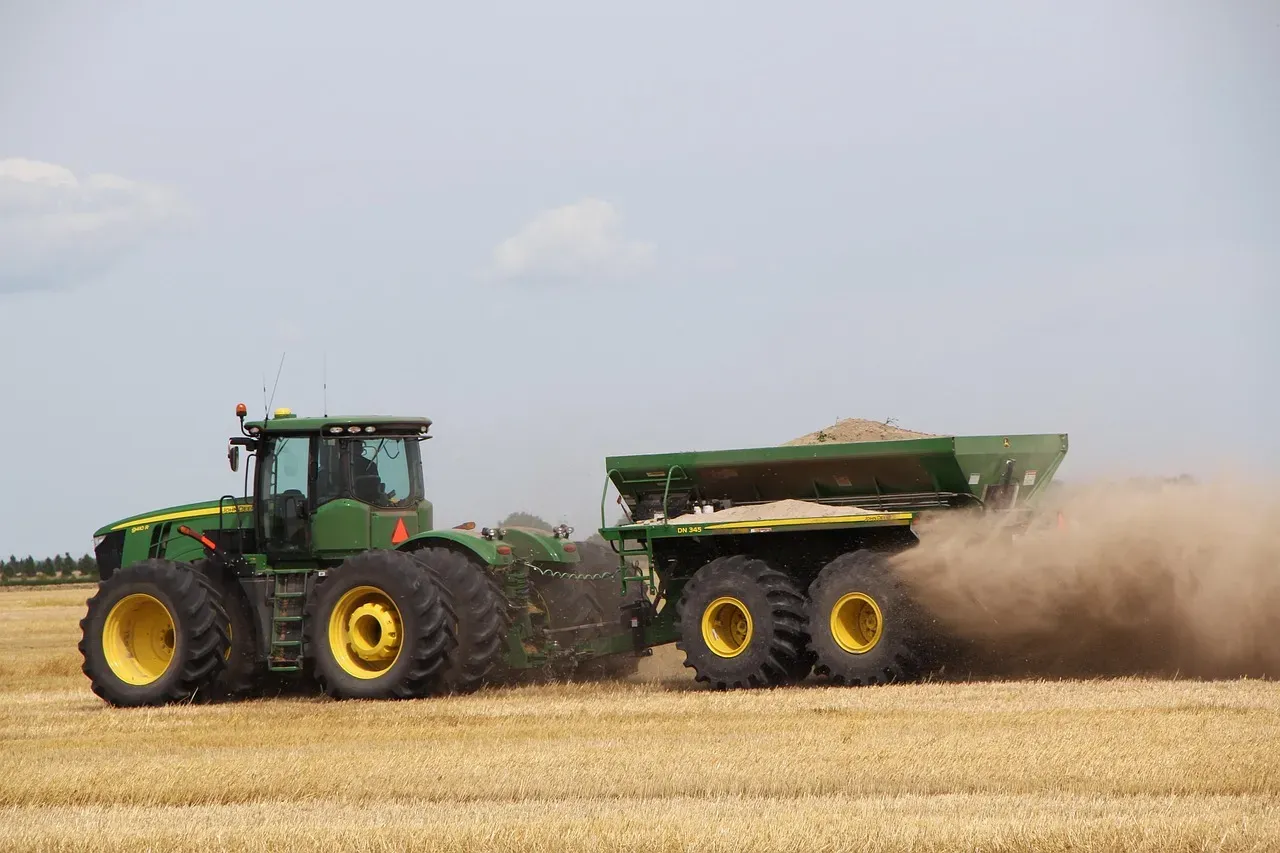
The rapid mechanization of farm equipment, especially small gasoline tractors, and widespread use of the combine harvester contributed to farmers’ decisions to convert arid grassland to cultivated cropland. Technology that was supposed to make life easier actually enabled destruction on a massive scale. Honestly, it’s a sobering reminder that progress isn’t always what it seems. The combination of economic desperation, technological capability, and ecological ignorance created conditions ripe for catastrophe.
Black Blizzards That Darkened Cities Thousands of Miles Away
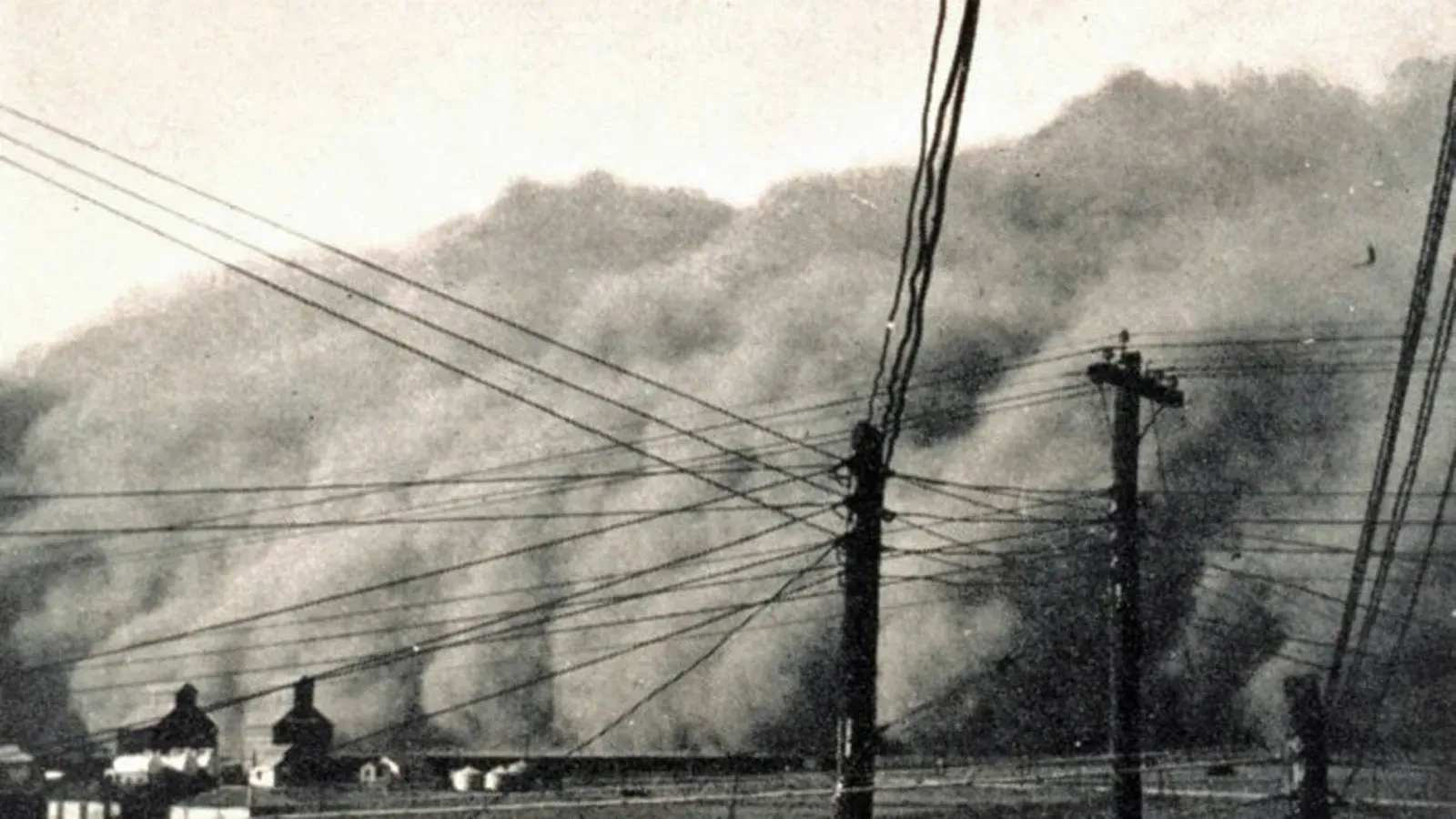
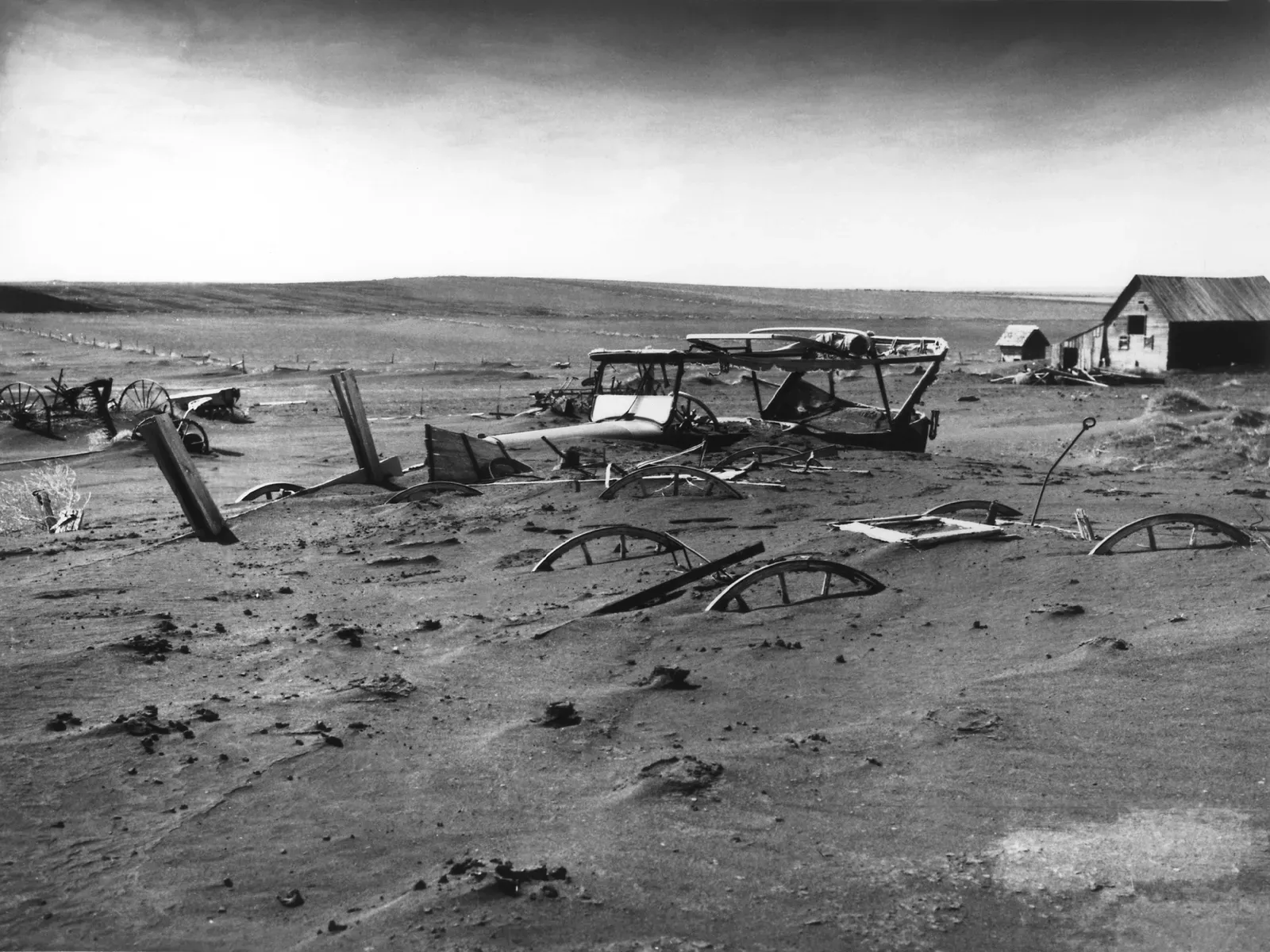
During the drought of the 1930s, the unanchored soil turned to dust, which prevailing winds blew away in huge clouds that sometimes blackened the sky. These choking billows of dust – named “black blizzards” or “black rollers” – traveled cross-country, reaching as far as the East Coast and striking such cities as New York City and Washington, D.C. Let that sink in for a moment. Soil from Oklahoma and Texas literally falling on the nation’s capital.
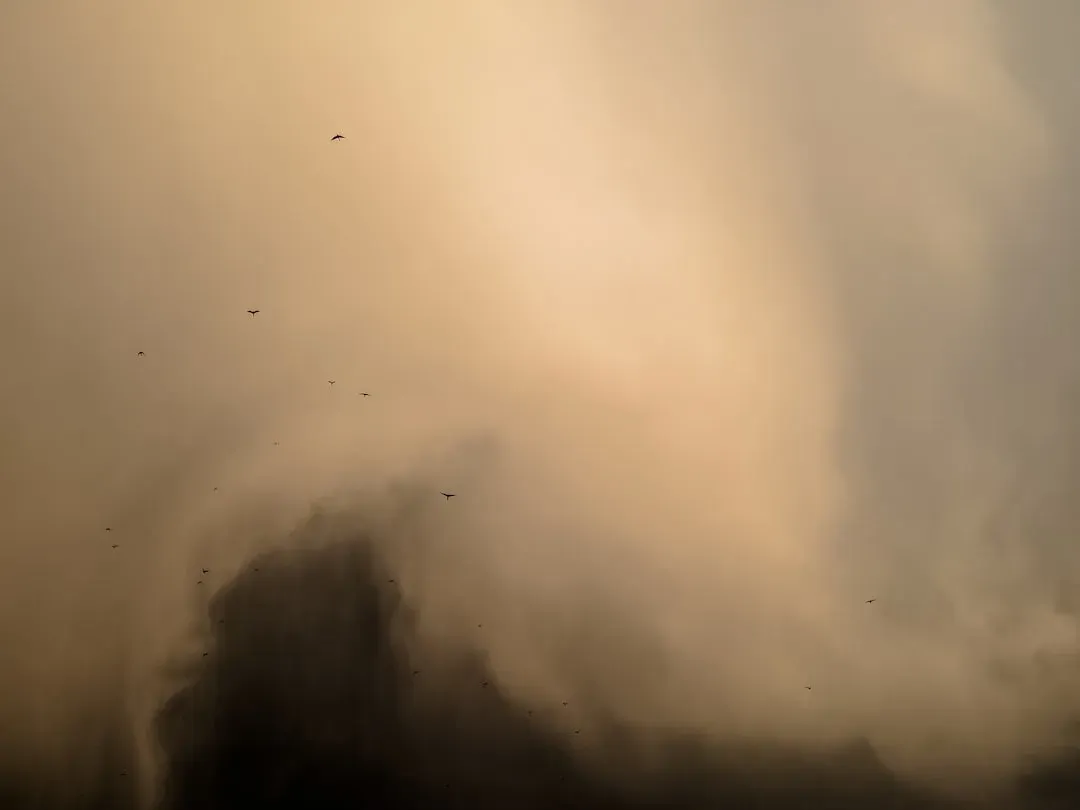
Huge walls of dust, sometimes more than 1.6 kilometers high, rolled across the plains at 100 kilometers per hour or faster, driving frightened birds before them. The sun would disappear, it would become as dark as night, and frightened people would huddle in their homes, their windows often taped shut. On occasion, people stranded outside during these severe storms suffocated. It sounds like something from a horror movie, yet this was everyday reality for thousands of families.
The Staggering Human Cost
The abandonment of homesteads and financial ruin resulting from catastrophic topsoil loss led to widespread hunger and poverty. In many regions, more than 75% of the topsoil was blown away by the end of the 1930s. Three quarters of the topsoil. Gone. Just think about what that means for families who depended entirely on that land for their survival.
Between 1930 and 1940, about 3.5 million people moved out of the Plains states. In just over a year, over 86,000 people migrated to California. The Dust Bowl forced tens of thousands of poverty-stricken families, who were unable to pay mortgages or grow crops, to abandon their farms, and losses reached $25 million per day by 1936. These weren’t just statistics. These were real people packing everything they owned into jalopies and heading west, hoping for something better. Most found conditions barely improved from what they’d left behind.
Government Response: Birth of Conservation Policy
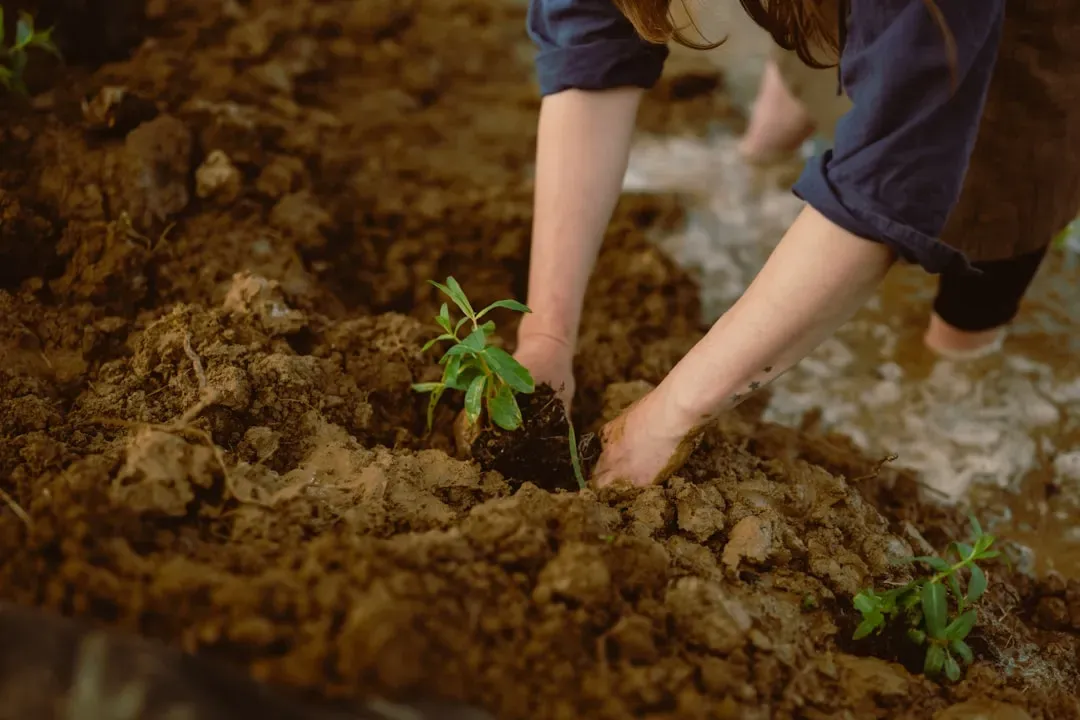
Let’s be real: the federal government’s response to the Dust Bowl fundamentally changed how America approached land management. Congress established the Soil Erosion Service and the Prairie States Forestry Project in 1935. These programs put local farmers to work planting trees as windbreaks on farms across the Great Plains. Finally, someone was paying attention to what nature had been trying to tell us all along.
Hugh Hammond Bennett, who came to be known as “the father of soil conservation,” led a campaign to reform farming practices with the backing of President Roosevelt. Some of the new methods he introduced included crop rotation, strip farming, contour plowing, terracing, planting cover crops and leaving fallow fields. The government paid reluctant farmers a dollar an acre to use the new methods. By 1938, the massive conservation effort had reduced the amount of blowing soil by 65%. Sometimes people need incentives to do the right thing, even when it’s in their own best interest.
What Modern Agriculture Can Learn
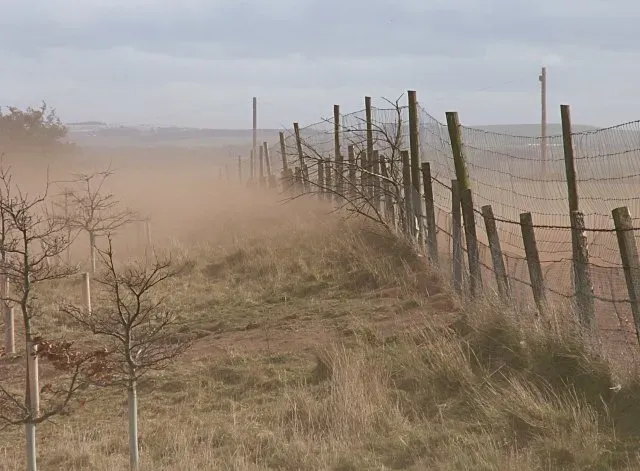
You’d think we’d have learned our lesson completely, right? Well, here’s the thing. Over 30 percent of North America is arid or semi-arid land, with about 40 percent of the continental United States vulnerable to desertification. Sustainable agriculture and soil conservation measures could help avoid another dust bowl, but experts aren’t sure that such measures will be enough if extended and severe drought revisits the Great Plains.
According to the U.S. Department of Agriculture’s National Resources Inventory, soil erosion rates on U.S. cropland decreased 34% between 1982 and 2015 thanks to conservation practices. That’s good news. Yet every year, U.S. croplands lose at least twice as much soil to erosion as the Great Plains are estimated to have lost annually during the peak of the Dust Bowl. So maybe we haven’t learned quite as much as we thought.
The Fragility of Human Systems in the Face of Environmental Crisis
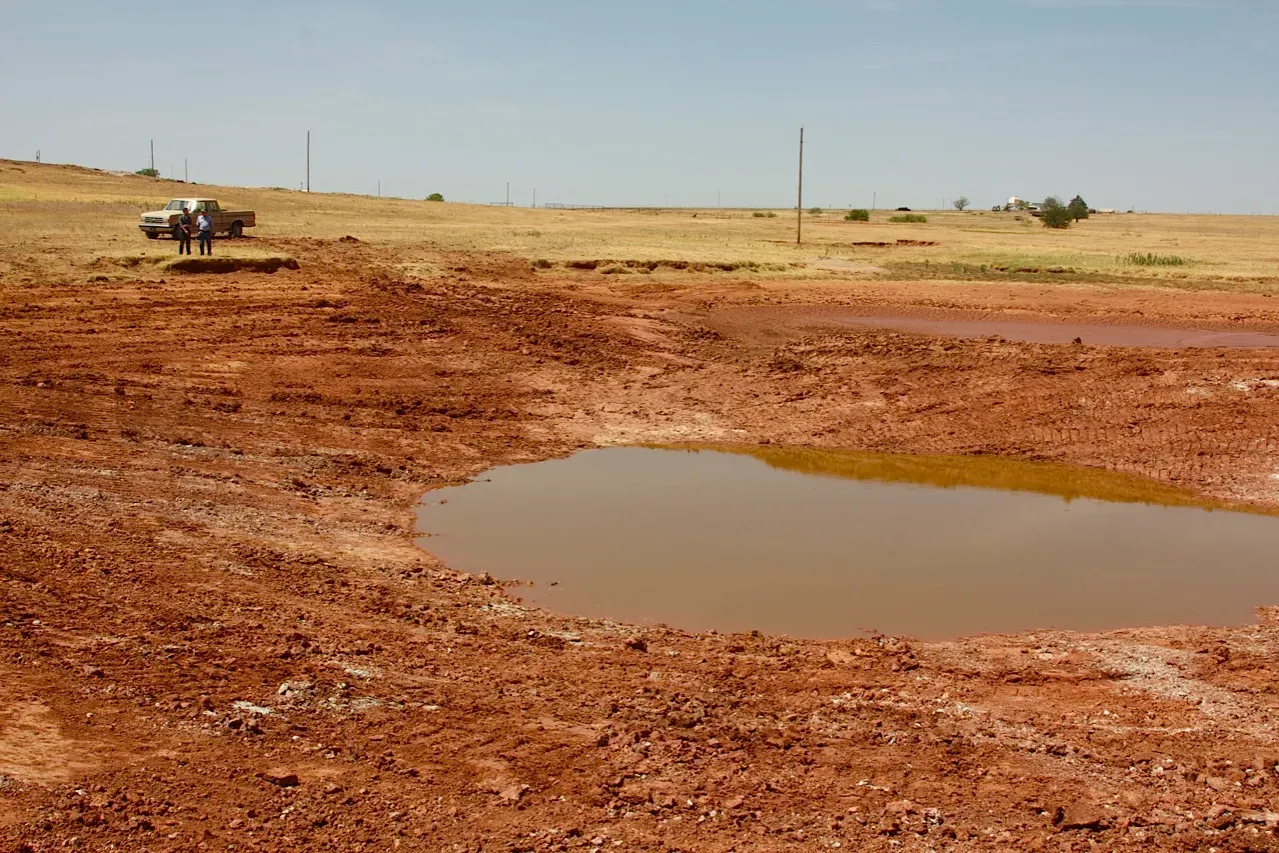
The early 1930s saw an influx of population to rural areas, especially to those where tenant farms were available, as people displaced from other sectors of the collapsing economy looked to farming as an alternative livelihood. Thus, the arrival of drought did not so much cause the soil erosion, farm abandonments, and distress migration as reveal the socio-ecological disequilibrium that had developed on the Plains. It’s hard to say for sure, but the drought might have simply exposed problems that were already there.
The Dust Bowl taught us that environmental disasters rarely have simple causes. They emerge from complex interactions between natural systems, economic pressures, policy decisions, and individual choices. The scale and scope of the Dust Bowl cannot be well explained by any single factor alone – the synergy of multiple natural and anthropogenic extreme events was necessary to create the disaster. This might be one of the most important lessons: looking for single causes or simple solutions to environmental problems is often futile.
Looking Forward: Are We Ready for the Next Crisis?
Ninety years on, the lessons of the Dust Bowl remain visible in the programs and policies that shape American agriculture. Financial incentives from the federal government remain strong, but the support structure around them to help the transition towards conservation practices are faltering. Future policies, and farmers’ decisions in their fields, will determine whether 90 years of response after the Dust Bowl is taking root or in the wind. That phrase “in the wind” hits differently now, doesn’t it?
Ultimately, it was a technological innovation in the form of center pivot irrigation that has thus far largely prevented another Dust Bowl. This innovation, however, involves extracting a non-renewable resource. We’re essentially borrowing from the future again, just like those farmers did in the 1920s. The question is whether we’ll recognize this pattern before it’s too late.
The Great American Dust Bowl stands as one of history’s clearest warnings about what happens when we ignore ecological limits. It wasn’t inevitable. It resulted from choices made by individuals, communities, and governments who prioritized short-term gains over long-term sustainability. The land paid the price. Families paid the price. Future generations paid the price. Yet from that devastation came innovation, new policies, and a deeper understanding of our relationship with the land. Whether we continue to heed those lessons or repeat past mistakes remains one of the defining questions of our time. What do you think – have we truly learned from the Dust Bowl, or are we setting ourselves up for the next ecological catastrophe?