
When you think about the future of medicine, what comes to mind? Flying nanobots? Robotic surgeons? Here’s the thing: the truly revolutionary changes happening right now are even more remarkable than science fiction imagined. From editing the human genome with surgical precision to teaching your own immune system to hunt down cancer cells, we’re living through what might be the most transformative era in medical history.
The pace of innovation today feels almost dizzying. What took decades to develop just a few years ago can now happen in months. Some of these breakthroughs sound like they belong in a movie, yet they’re already helping real patients in real hospitals. So let’s dive in and explore the scientific advances that are fundamentally changing how we treat disease, extend lives, and reimagine what’s possible in healthcare.
CRISPR Gene Editing Is Rewriting the Future of Treatment
Picture a baby, just six months old, whose genes were edited using CRISPR to correct a unique mutation in his liver. This actually happened in 2025. The treatment didn’t cure him completely, but it allowed him to resume a normal diet and spared him from the liver transplant he likely would have needed otherwise.
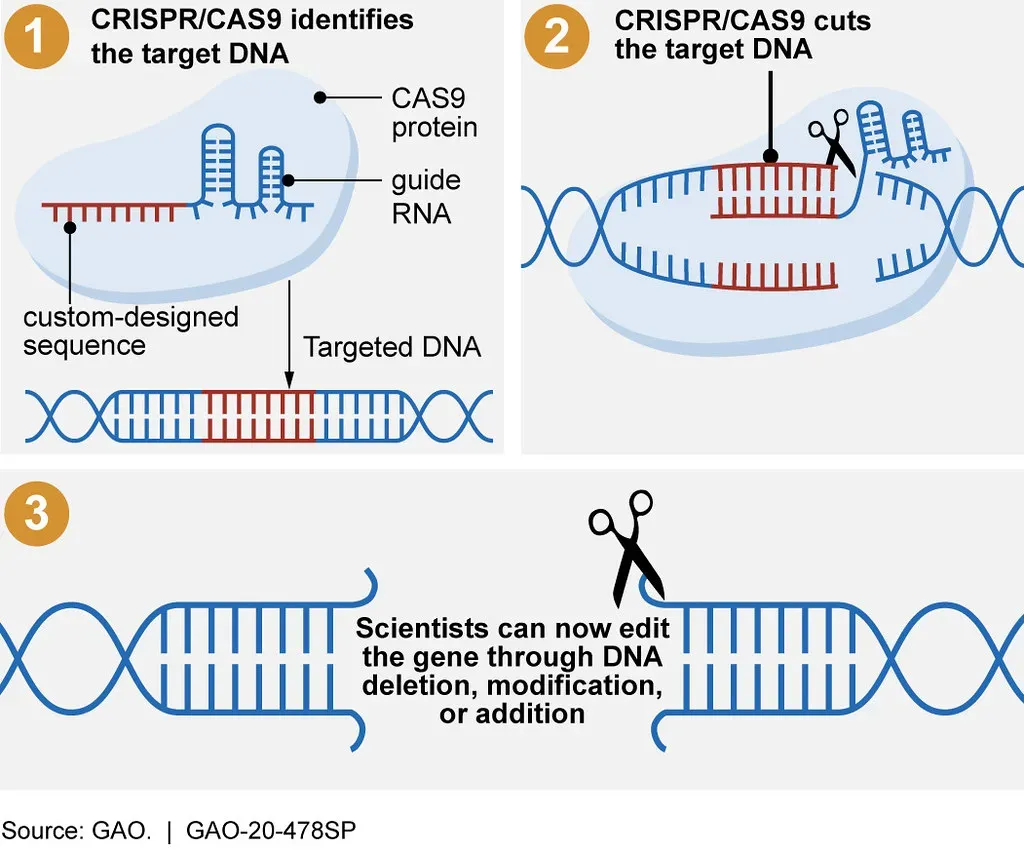
CRISPR is a fairly new and highly precise gene editing tool that is changing cancer research and treatment. Think of it like molecular scissors that can snip out problematic DNA sequences and replace them with healthy ones. Stanford researchers unveiled CRISPR-GPT in mid-2025, an AI copilot that can design CRISPR experiments in months rather than years, accelerating the speed at which therapies reach patients. Scientists administered the first fully personalized CRISPR treatment to a six-year-old child, dramatically reducing the child’s need for medication and proving that truly individualized medicine is within reach.
Artificial Intelligence Is Becoming Your Doctor’s Best Diagnostic Partner
Let’s be real: doctors are brilliant, but they’re also human. They get tired, they miss things, and they can’t possibly remember every rare disease ever documented. That’s where AI steps in.
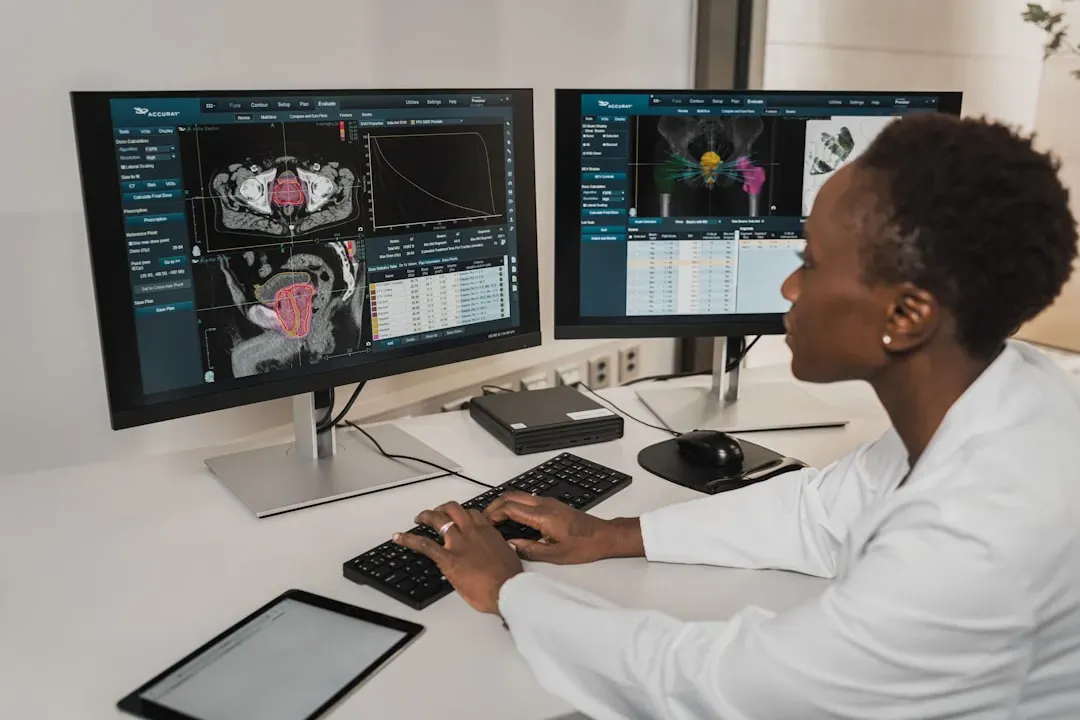
In a 2025 study, researchers trained an AI called EchoNext on over a million heart scans, and it outperformed cardiologists at detecting heart disease from electrocardiograms. ChatGPT on its own performed very well in diagnostic tests, posting a median score of about 92, the equivalent of an A grade. The technology isn’t meant to replace physicians but to augment their capabilities, catching patterns in imaging scans or patient data that might otherwise slip through the cracks. Nearly 400 Food and Drug Administration approvals of AI algorithms for the radiology field have been granted.
mRNA Technology Is Expanding Beyond COVID Vaccines
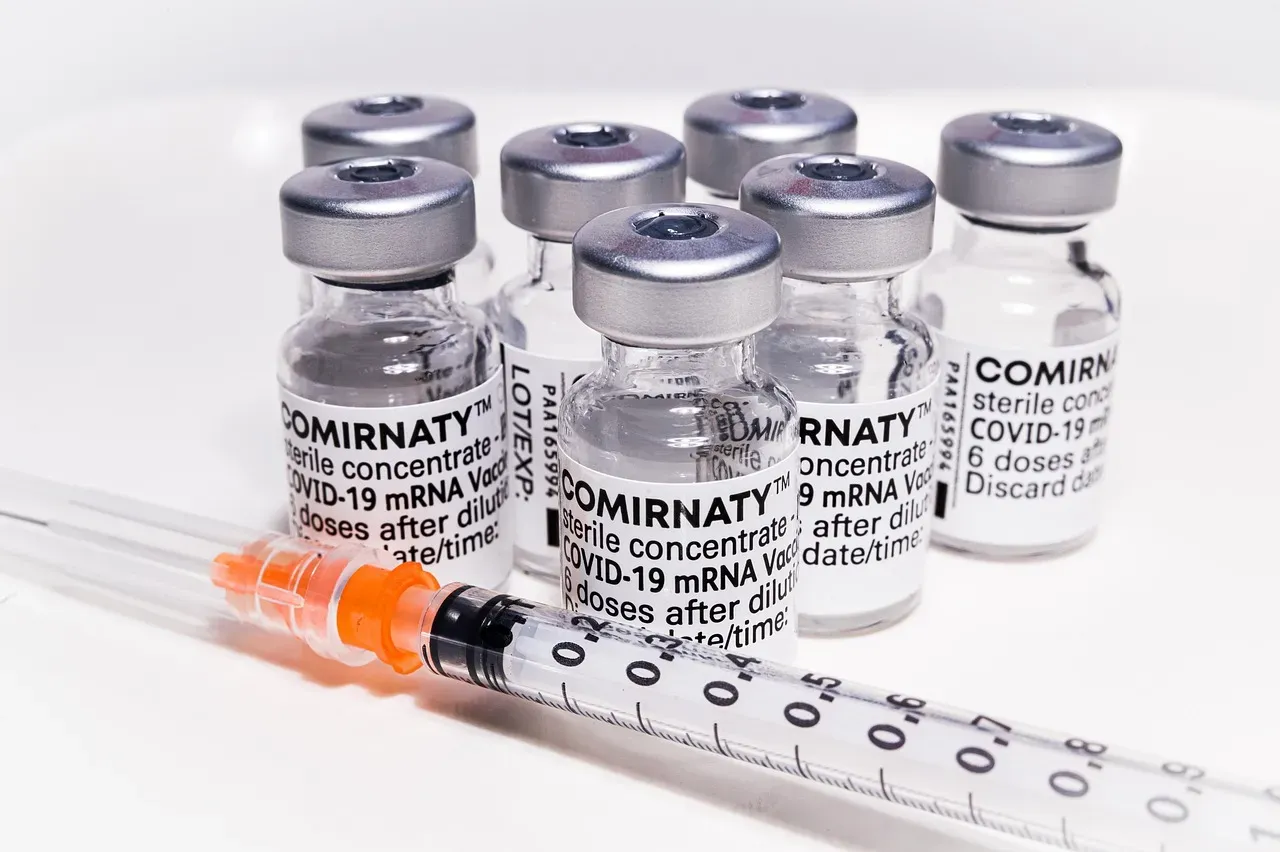
While mRNA vaccines for COVID-19 and other infectious diseases prevent disease, mRNA technology can also help treat existing diseases like cancer, with the platform’s flexibility allowing researchers to create mRNA cancer vaccines that activate the immune system to attack cancer cells.
The beauty of mRNA vaccines lies in their speed and adaptability. This could facilitate the creation of multivalent vaccines, allowing multiple antigen targets for the same or different pathogens to be delivered in one vaccine lipid nanoparticle, and Moderna is already in phase 1 with a seasonal influenza quadrivalent product. Three recent Phase 3 trials for cytomegalovirus, Influenza A and B, and respiratory syncytial virus can lead to new clinically applicable vaccines in the near future. The same technology used to fight COVID is now being tested against HIV, cancer, tuberculosis, and even norovirus.
Personalized Cancer Immunotherapy Is Teaching Cells to Fight Back
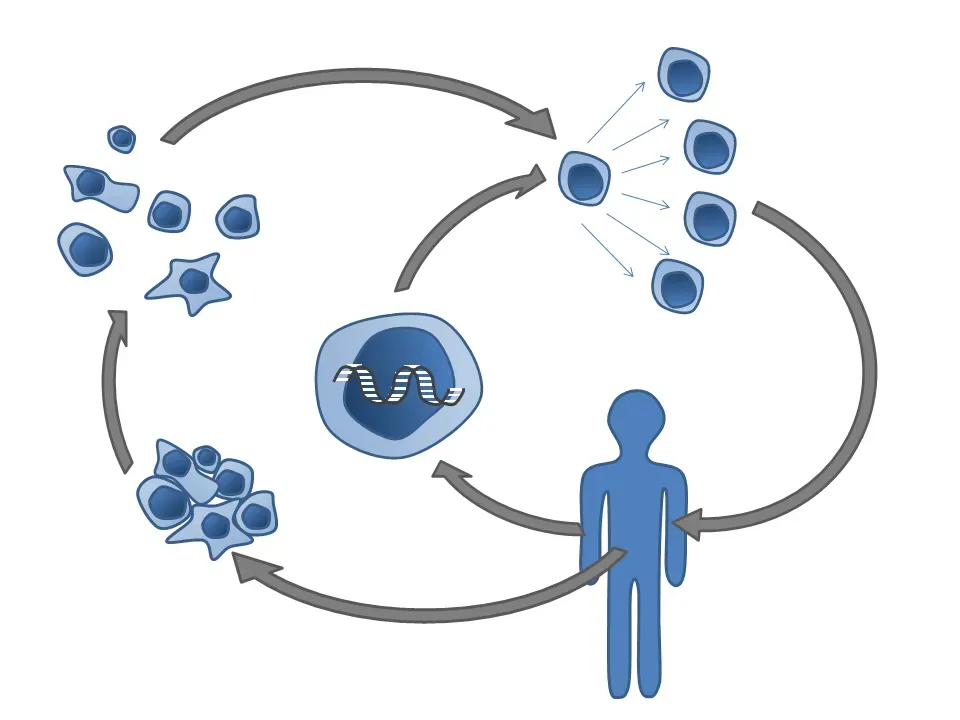
People with advanced lung and skin cancer who took a COVID-19 mRNA vaccine within three months of starting immunotherapy treatment for their malignancy improved the medicine’s response to the tumors and lived longer than those who didn’t. Scientists can’t fully explain why this works, but it seems that revving up the immune system gives it extra ammunition against cancer.
CAR-T cell therapy represents another frontier. Doctors extract a patient’s immune cells, engineer them to recognize cancer, then infuse them back. In immunotherapy, researchers engineer immune cells to target and kill cancer cells, and in CAR-T immunotherapy, T cells have a receptor that recognizes cancer cells, telling the T cells to attack. CAR T cells made with CRISPR are more effective at killing human tumor cells in mouse models, and the improved killing could be traced to the fact that the cells are less likely to become exhausted.
Regenerative Medicine Is Making Limb Regrowth Less Sci-Fi
Honestly, this one sounds crazy, but stick with me. Scientists studying how amputated salamanders regrow their limbs pinpointed an enzyme that fine-tunes levels of retinoic acid, essential to regeneration, and identified a gene that controls the appendage’s size and development, and because humans have the same molecular ingredients, the findings offer a rough blueprint that could one day guide limb regrowth in people recovering from traumatic injuries.
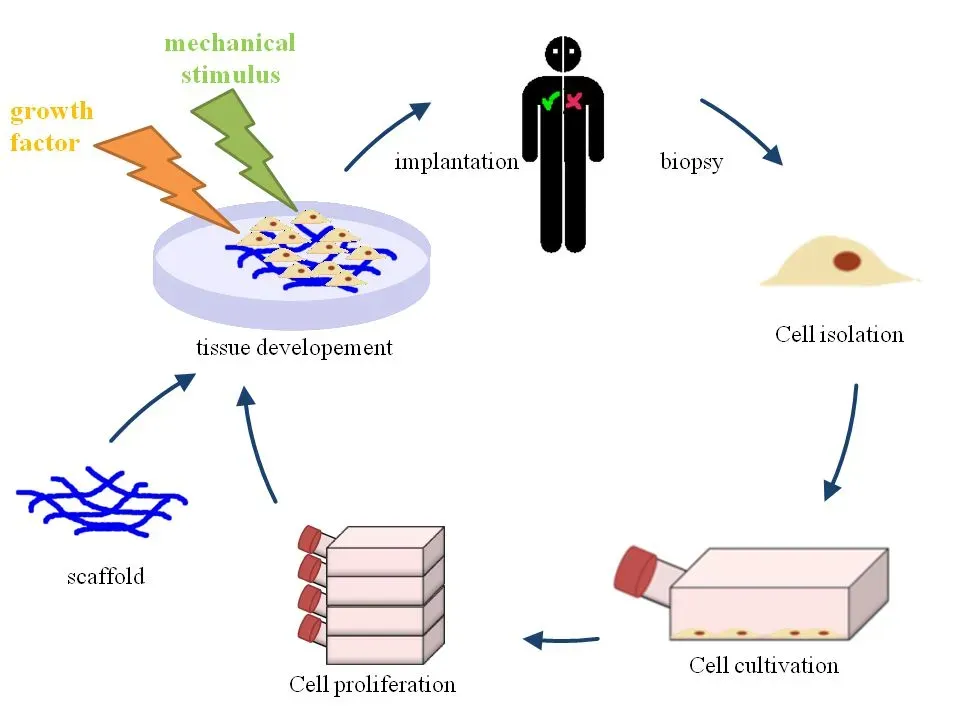
The purpose of regenerative therapy is to repair, replace or regenerate damaged cells, tissues or organs so they can regain their normal functionality, and several areas have fast-expanding bodies of research, most notably gene therapy, cell therapy and tissue engineering. We’re talking about growing new organs from a patient’s own cells, repairing damaged heart tissue with stem cells, and even 3D-printing replacement tissues. Scientists are working on ways to grow new organs using a patient’s own cells.
3D Bioprinting Is Creating Custom Body Parts
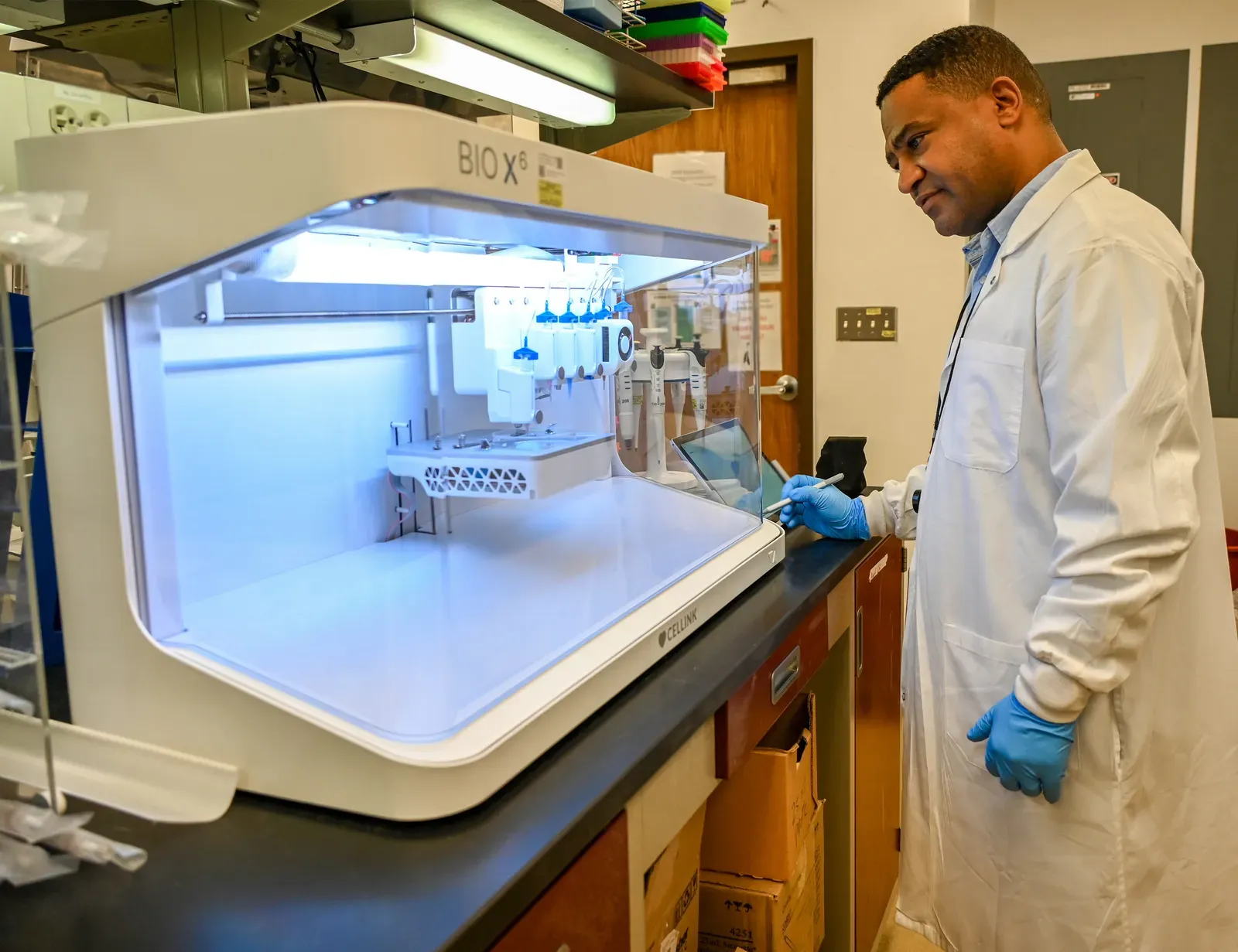
Patient-specific implants are one of the most exciting advancements, and using 3D printing, surgeons can create implants that are perfectly tailored to a patient’s anatomy, improving compatibility and speeding up recovery.
Researchers found that 3D-printed chewable formulations for children with certain metabolic disorders maintained target amino acid levels as effectively as conventional medications, and the medicine also narrowed fluctuations in blood levels, allowed for polypill combinations and improved both patient acceptability and treatment adherence. Another group successfully 3D printed alveolar lung tissue with functional, multilayered structures that responded physiologically to infection. The implications stretch from printing custom bones and joints to potentially creating entire organs for transplant.
Telemedicine and Virtual Care Are Democratizing Access
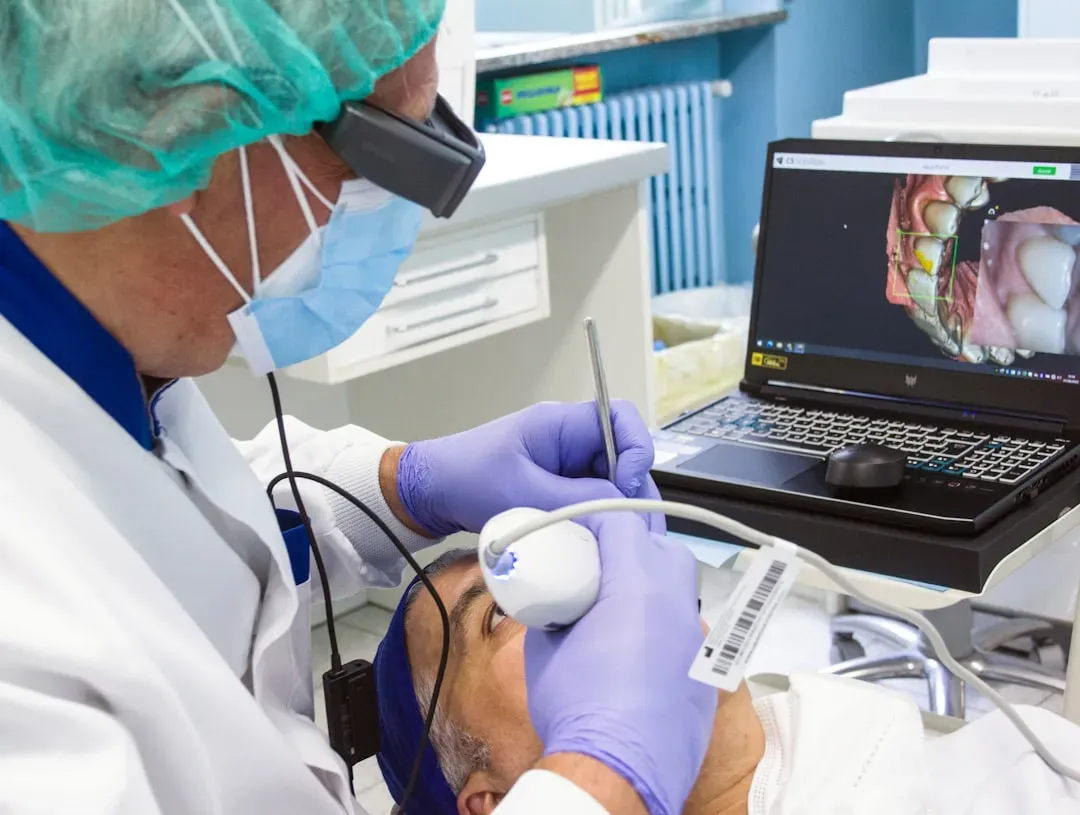
In 2024, the number of patients worldwide who consulted with their doctor online surpassed 116 million, nearly doubling from about 57 million in 2019. Remote care isn’t just about convenience anymore. It’s about reaching underserved populations and making expert consultations available to people who would otherwise have no access.
In 2025, Saudi Arabia launched the world’s first fully virtual hospital, linking 130 clinics and treating up to 400,000 patients a year, and more countries are expected to follow suit. Virtual reality is also being used for surgical training and pain management. A scoping review found that virtual reality-based training improved learning outcomes in 17 studies, and 20 studies reported higher accuracy in medical practice among those trained with VR.
Injectable HIV Prevention Is Changing the Game
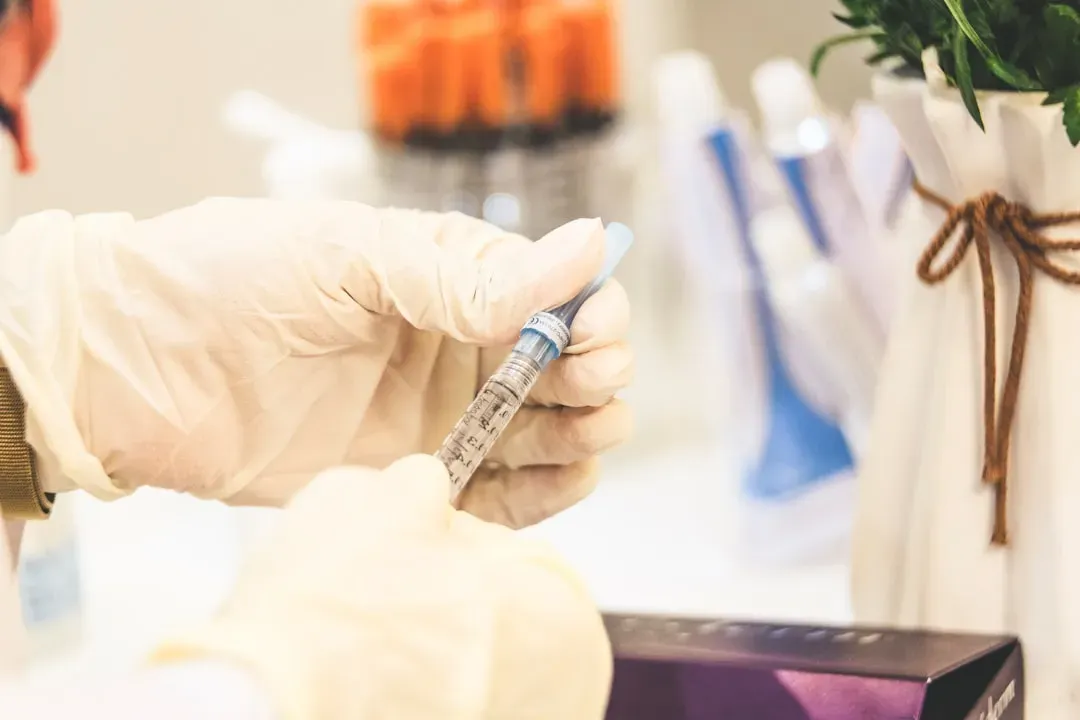
A new injectable form of pre-exposure prophylaxis for HIV offers a powerful tool for prevention, with studies showing it can block nearly all transmission of the virus when taken twice a year. Compare that to daily pills, which require consistent adherence and still have uptake challenges.
Human immunodeficiency virus remains a major global health challenge, and in the United States, more than 100 people are diagnosed daily. This twice-yearly injection could be transformative for prevention efforts, particularly in communities where stigma or access barriers make daily medication difficult. It’s hard to overstate how significant this shift could be for public health.
Advanced Blood Testing Is Getting Faster and Smarter
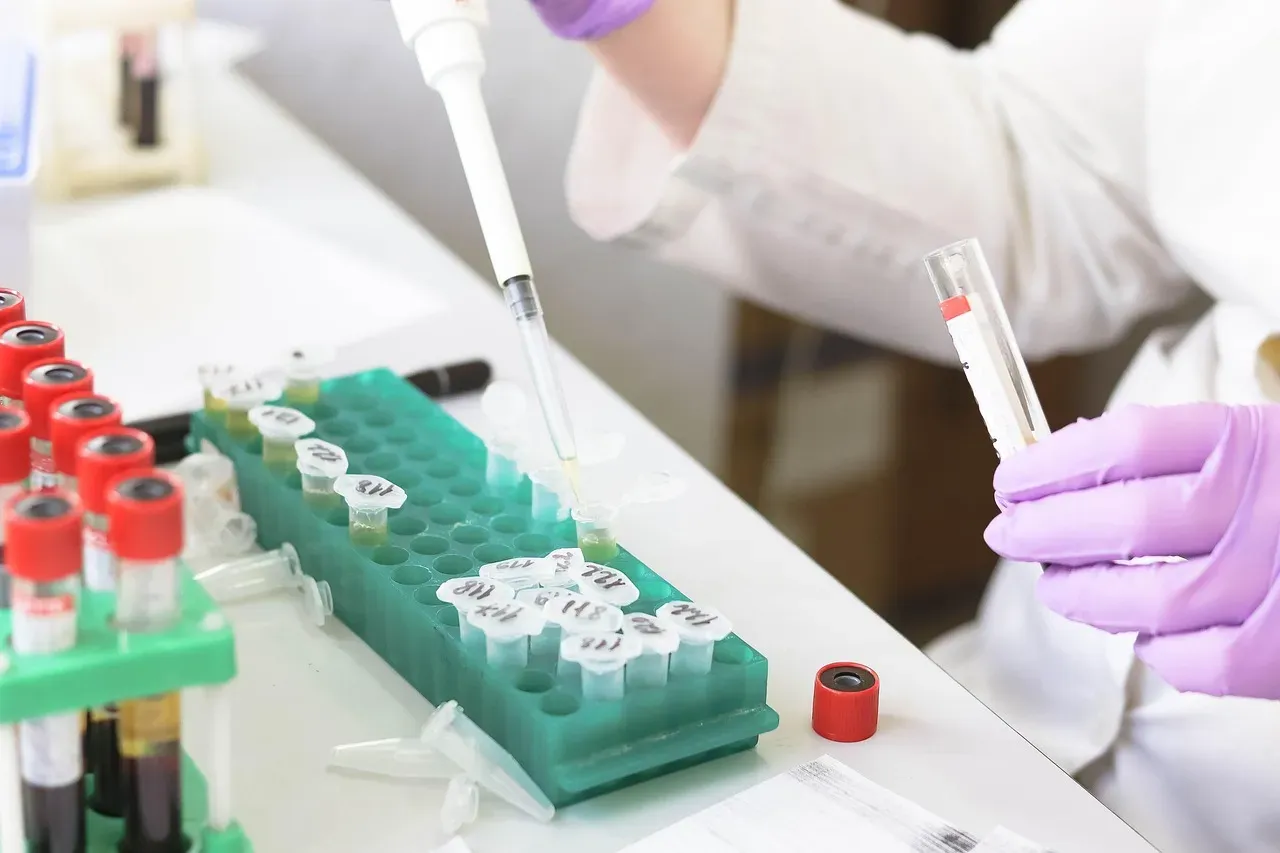
Microfluidic technologies can conduct multiple complex tests on a single drop of blood. Gone are the days when you needed multiple vials drawn for different panels. By 2026, new medical technology will allow for accurate tests that require only minimal blood samples, and this latest technology in medicine accelerates diagnosis, enabling quicker responses from healthcare providers.
The development of sophisticated point-of-care testing devices means tests can be performed outside of traditional labs, which is particularly vital for patients in remote or underserved areas. Imagine getting comprehensive blood work results in minutes at your local clinic rather than waiting days for lab processing. That future is arriving faster than you might think.
Epigenetic Clocks Are Revealing How Fast You’re Really Aging
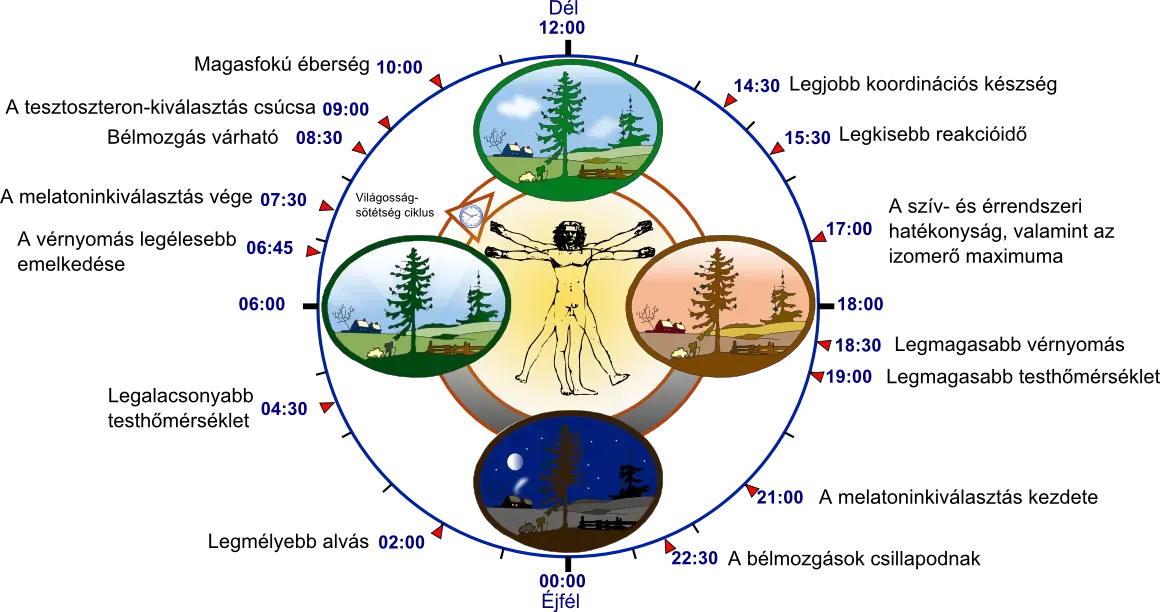
In 2026, larger clinical trials will test how epigenetic clocks and other aging biomarkers respond to interventions, and these studies will reveal whether observed changes reflect true biological improvement, guiding strategies to promote healthy aging.
Think of epigenetic clocks as molecular timekeepers that measure your biological age versus your chronological age. Two people might both be 50 years old on paper, but their cells could be aging at vastly different rates. These clocks analyze chemical modifications on DNA to assess cellular aging. The exciting part? If we can measure biological age accurately, we can test interventions to slow it down. Researchers will see major progress in understanding the links between aging and cancer, including why aging is the main risk factor and why younger and older patients respond differently to treatment.
Conclusion: A New Era of Precision and Possibility
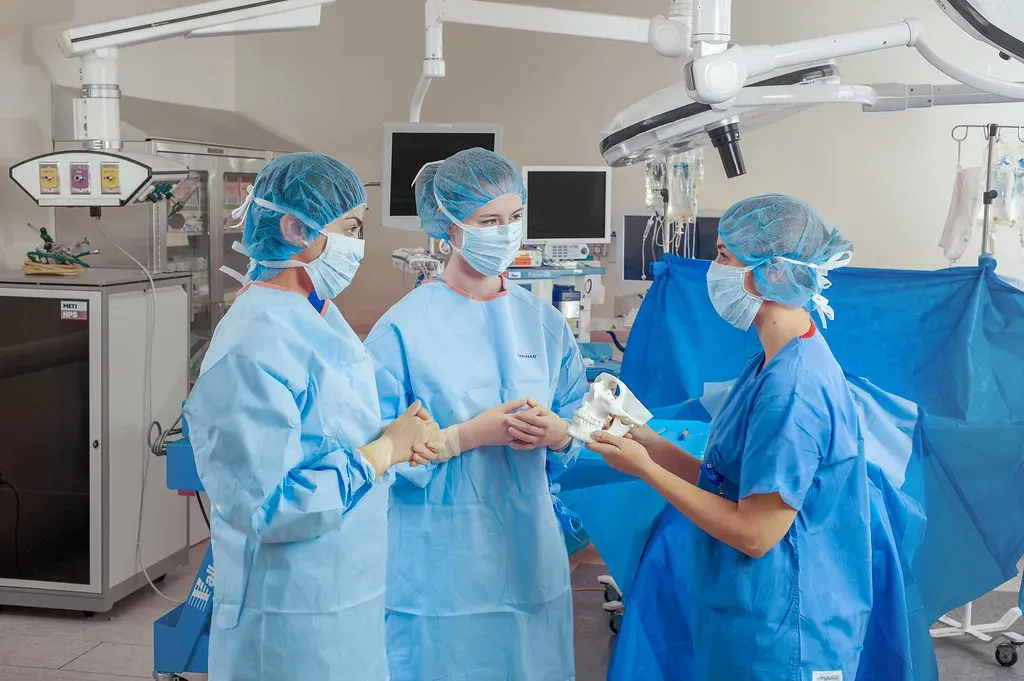
Here’s what strikes me most about these breakthroughs: they’re not isolated miracles. They’re converging and amplifying each other. AI is making CRISPR faster. mRNA technology is supercharging immunotherapy. 3D printing is enabling regenerative medicine. The synergy between these advances suggests we’re not just seeing incremental improvements but a fundamental reimagining of what medicine can accomplish.
Despite a year marked by budget cuts and shrinking research teams, science delivered some remarkable wins in 2025. Make no mistake: science didn’t stop, and medicine has had its share of major advances. The question isn’t whether these technologies will change healthcare. They already are. The real question is how quickly we can make them accessible to everyone who needs them.
What do you think about these breakthroughs? Which one surprises you the most, or which gives you the most hope for the future?