
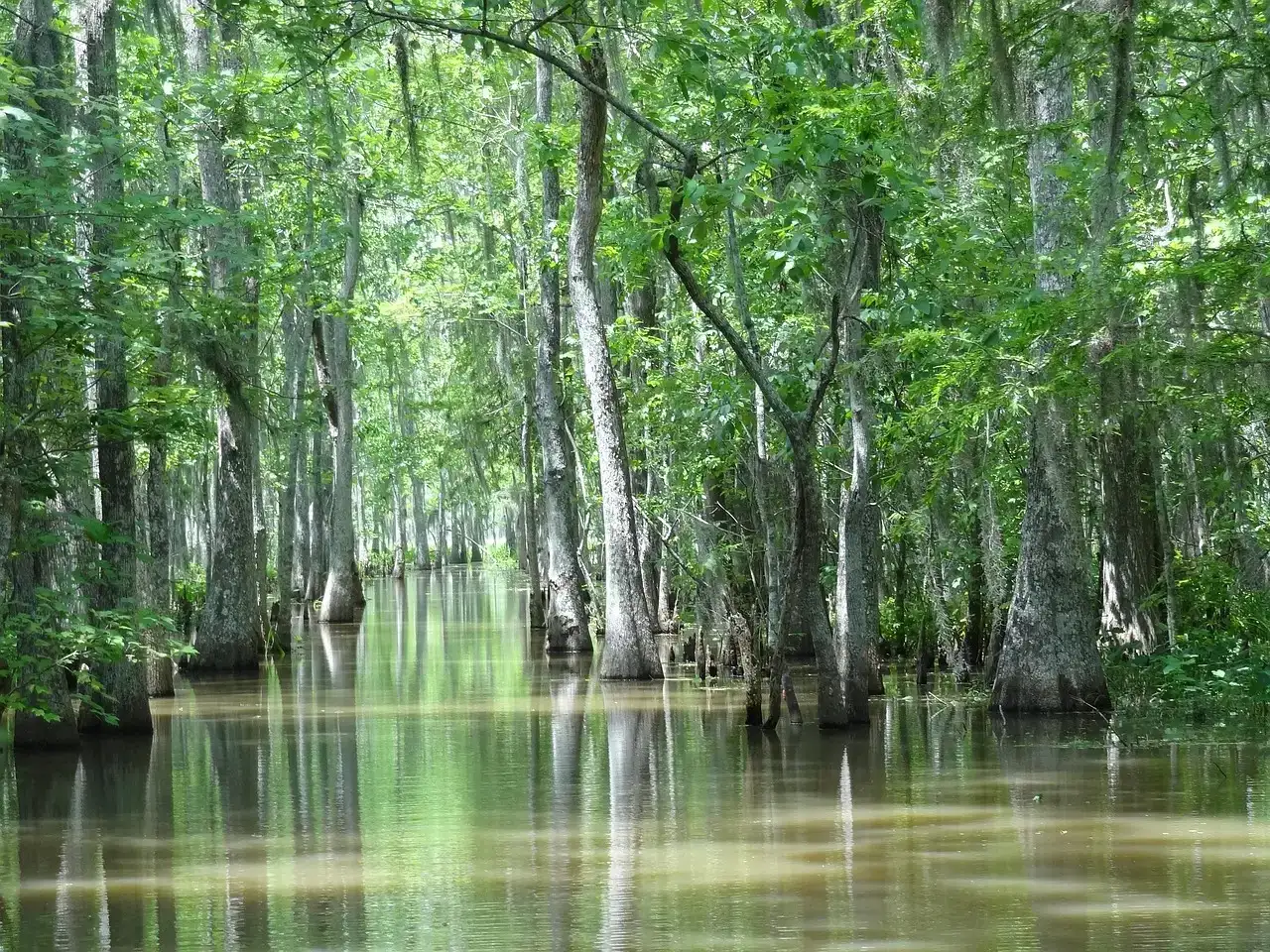
Picture this. You’re standing at the edge of dark water that seems to stretch forever, where ancient cypress trees rise up like natural cathedrals and Spanish moss hangs down like gray curtains. The air is thick with humidity and the promise of something wild. Louisiana’s swamps aren’t just beautiful though, they’re biological powerhouses that quietly fuel one of the most productive ecosystems on the entire continent.
While most people think of rainforests or coral reefs when they imagine biodiversity hotspots, Louisiana’s wetlands are right up there competing for the title. These waterlogged landscapes do something remarkable. They take sunlight, water, and nutrients and transform them into an explosion of life that feeds everything from microscopic organisms to massive alligators. The system is so efficient, so interconnected, that scientists often compare it to a finely tuned machine where every part matters. So let’s dive in and discover what makes these swamps so extraordinarily productive.
The Foundation: Where Dead Plants Become Gold
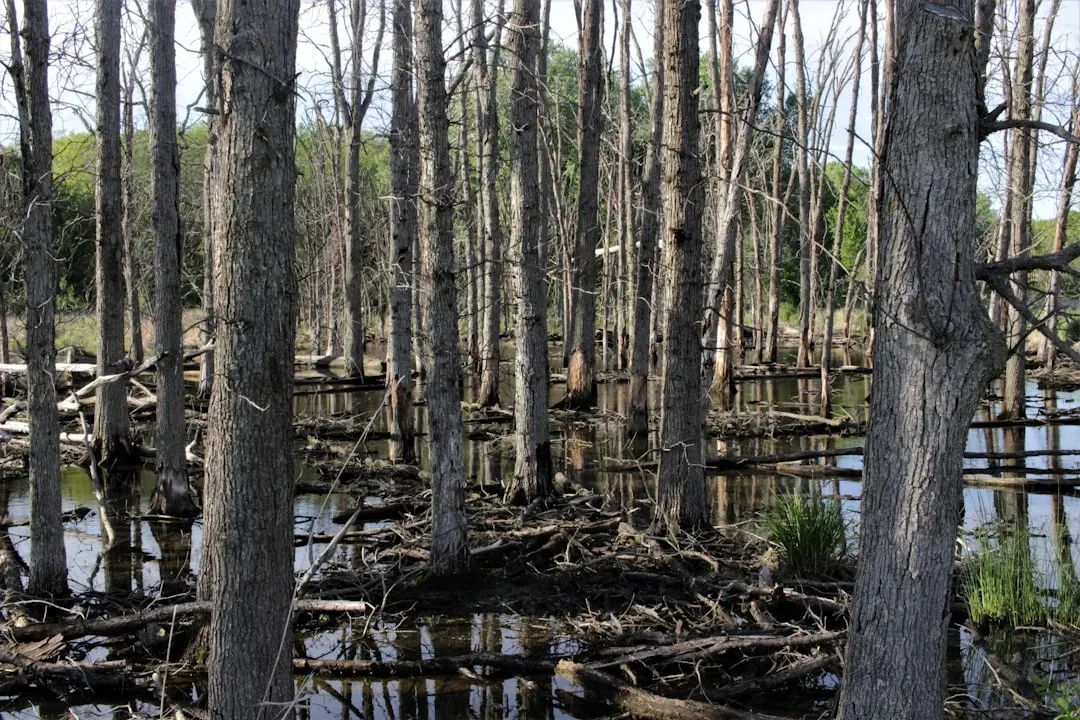
Dead plant leaves and stems break down in the water to form small particles of organic material called detritus, which feeds many small aquatic insects, shellfish and small fish that are food for larger predatory fish, reptiles, amphibians, birds and mammals. Think of it like nature’s own recycling program, except way more efficient than anything humans have ever designed.
Louisiana swamps are characterized by their slow-moving water and rich organic material, with the decomposition of plant matter providing nutrients that support a diverse food web, including everything from small fish to apex predators like alligators. This constant breakdown of organic material creates what scientists call a detritus-based food web. It’s messy work, but absolutely critical. Without this foundation, the entire system would collapse.
The Nursery Effect: Why Baby Fish Love These Swamps
Here’s something that might surprise you. Roughly one sixth of the nation’s fisheries harvest, including shrimp, crabs, crayfish, oysters and many finfish, comes from Louisiana’s coast, and more than three quarters of Louisiana’s commercially harvested fish and shellfish species are dependent on wetlands. That’s an astonishing percentage when you stop and think about it.
Coastal wetlands provide valuable breeding, spawning, feeding and nursery grounds for many of these species at some point during their life cycles. The shallow waters, thick vegetation, and abundance of food create perfect hiding spots for juvenile fish and crustaceans. They can grow relatively safely before venturing out into deeper, more dangerous waters. It’s like the swamp operates as a massive daycare center for marine life.
The Land-Water Interface: Nature’s Most Productive Edge
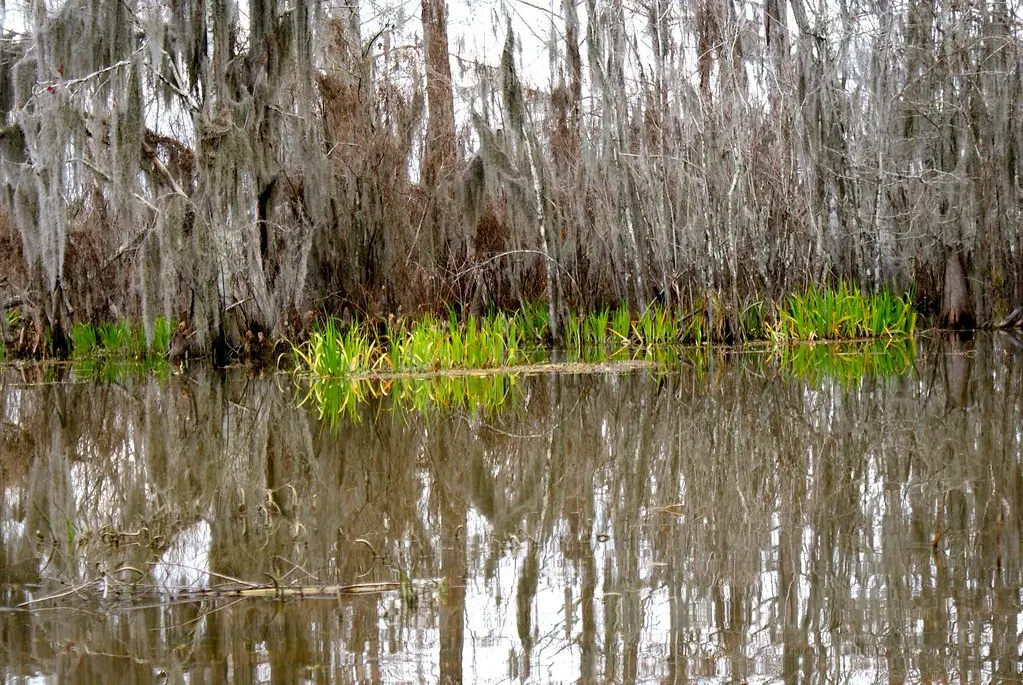
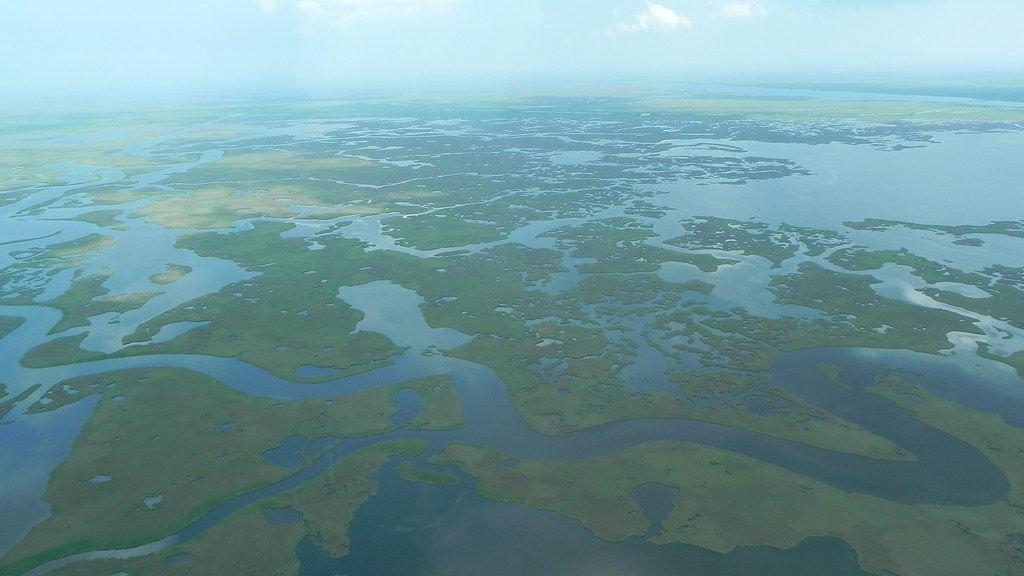
The length of the land-water interface has been identified as one of the most important features of wetland habitat related to biological productivity because it provides access to food resources for nekton and refuge from predators. Scientists call these transition zones “ecotones,” and they’re where the magic really happens.
Imagine the edge where water meets land, where cypress knees poke up through the surface, where roots tangle beneath and grasses wave above. These zones teem with life because they offer the best of both worlds. Fish can dart into shallow water to grab insects that fall from overhanging branches. Birds can wade through the shallows hunting for crawfish. The more edge habitat you have, the more species can find their niche.
Nutrient Cycling: The Swamp’s Hidden Superpower
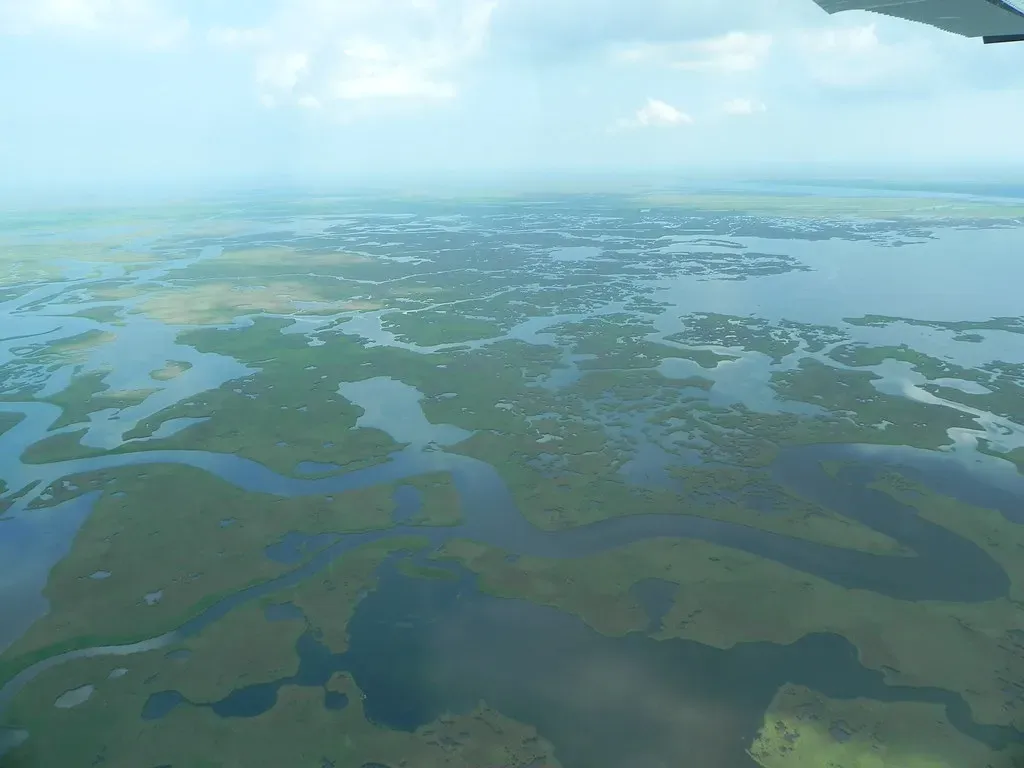
Natural wetland functions include absorbing nutrients, sediment and contaminants while maintaining high biological productivity and biodiversity. Louisiana swamps act like giant filters, taking water loaded with nutrients from agricultural runoff and transforming potential pollutants into plant growth and animal life.
The slow movement of water through these systems gives plants and microorganisms time to extract nitrogen and phosphorus from the water column. Plants pull these nutrients up through their roots, use them to grow, then return them to the system when they die and decompose. It’s a closed loop that keeps productivity high without the system getting overloaded. Pretty clever for a place that doesn’t have a brain.
The Flood Pulse: When Water Brings Life
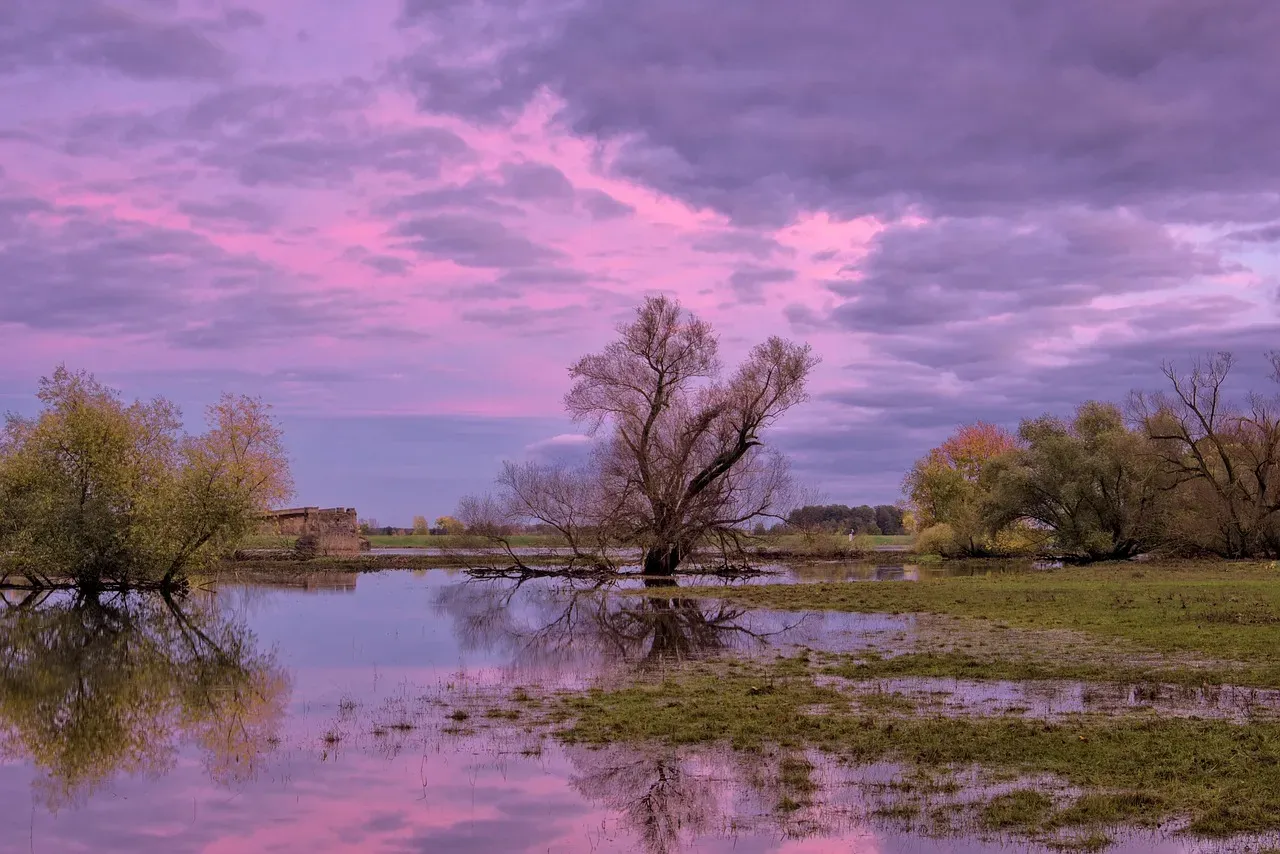
Water levels rise and fall like a breathing chest in these swamps, revealing clues in rings of dried silt, dragonfly swarms, and tracks pressed into soft banks, with each mark hinting at timing such as when fish move inland, when wading birds circle, and when crawfish erupt from burrows after warm spring rains. This natural rhythm drives the entire ecosystem.
Fisheries, from crawfish to catfish, rely on the flood pulse to replenish stocks. When waters rise seasonally, they flood forests and grasslands that have been accumulating nutrients on dry ground. Suddenly fish have access to all that stored energy. They feed, they spawn, they grow fat. When waters recede, concentrated pools become fishing grounds for herons and egrets. The pulse creates a feast or famine cycle that species have adapted to over millennia.
Alligators and Apex Predators: Top-Down Control
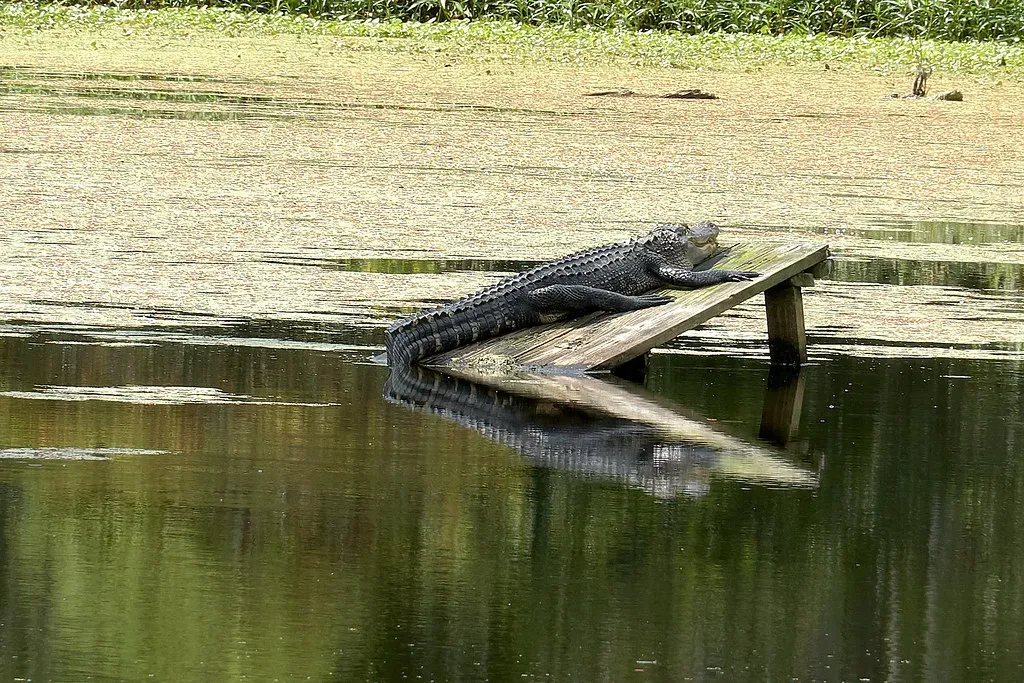
Louisiana and Florida have the largest alligator populations with more than one million wild alligators in each state, and although alligators can be found in ponds, lakes, canals, rivers, swamps, and bayous in Louisiana, they are most common in coastal marshes. These prehistoric reptiles aren’t just tourist attractions, they’re ecosystem engineers.
As alligators reach adulthood their diet expands to include muskrats, nutria, beavers, raccoons, large birds and fish, snakes, turtles, and deer. By controlling populations of mid-level predators and herbivores, alligators prevent any single species from dominating and throwing the system out of balance. They even create “gator holes” during dry periods that become refuges for other species. Honestly, it’s hard to overstate how important these armored giants are to maintaining the web.
Microbial Armies and the Invisible Food Web
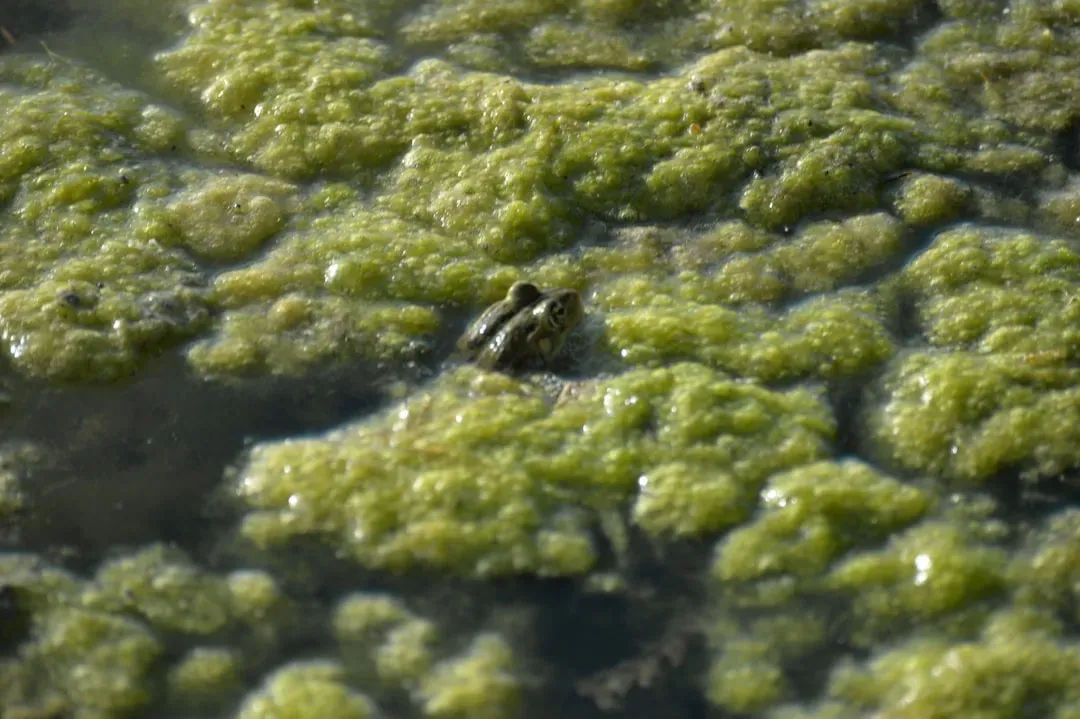
Most visitors to Louisiana swamps never think about bacteria, but these microscopic workers are absolutely essential. The food web systems found in estuarine environments are complex due to mixing of freshwater and salinity that creates a gradient of different habitats resulting in an abundance of many kinds of primary producers and large volumes of detritus, with bacteria and microbial communities making up a portion of the lower trophic levels.
These microbes break down dead material at a microscopic level, making nutrients available to larger organisms. They process everything from fallen leaves to dead fish, converting complex organic compounds into simpler forms that plants can absorb. Without this army of tiny decomposers working round the clock, the whole system would grind to a halt. They’re the unsung heroes keeping the nutrient wheel spinning.
The Diversity Dividend: Why More Species Mean More Resilience
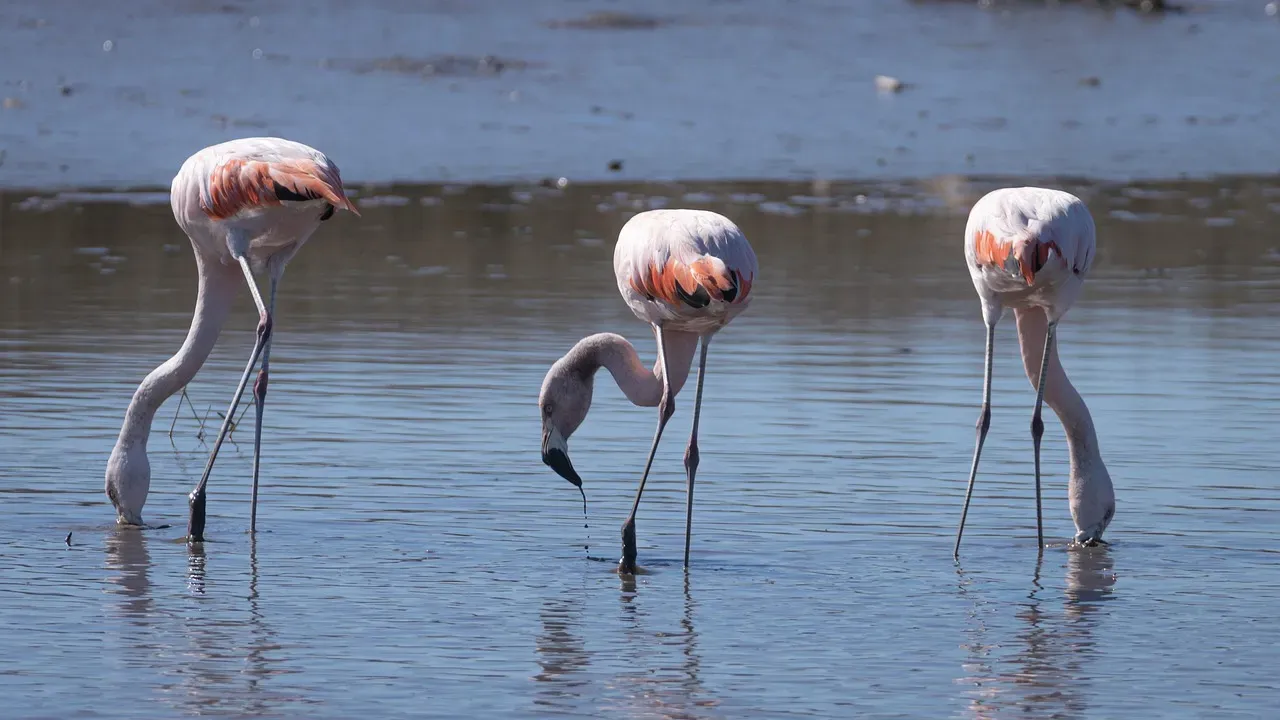
Wetlands are among the most productive ecosystems in the world, comparable to rain forests and coral reefs, with an immense variety of species of microbes, plants, insects, amphibians, reptiles, birds, fish and mammals being part of a wetland ecosystem. This incredible diversity isn’t just impressive, it’s functional.
More than 100 fish species, 250 bird species and 65 reptile and amphibian species live in the Atchafalaya. When you have this many species occupying different niches, the ecosystem becomes more stable. If one species population crashes due to disease or environmental stress, others can fill the gap. The web has backup systems built into its very structure. It’s like having a safety net made of thousands of threads, each one supporting the others.
What did you think? Did you realize just how interconnected and productive these swamps really are? Louisiana’s wetlands represent one of nature’s greatest achievements in biological efficiency, turning water, sunlight, and organic matter into an explosion of life that supports everything from crawfish boils to commercial fisheries worth billions. These aren’t just pretty places to take a boat tour, they’re living proof that when nature is left to do its work, the results can be absolutely extraordinary.