
Picture a landscape ravaged by flames. Everything’s turned to ash, the air hangs heavy with smoke, and silence blankets what used to be teeming forest life. Now imagine a pocket of green amidst all that destruction, a small oasis where birds still call and water still flows. Sounds impossible, right?
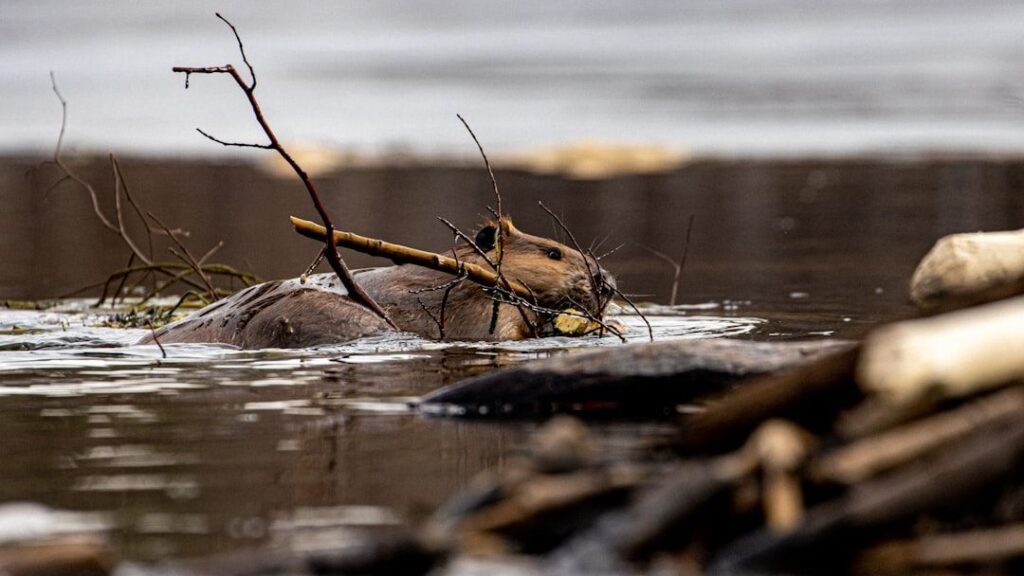
Well, nature has its own firefighters, and they’re not what you’d expect. These engineers don’t wear helmets or carry hoses. They’ve got flat tails, impressive teeth, and honestly, they’ve been doing this job far longer than we have. As wildfires grow more intense and widespread across the West, scientists and land managers are turning their attention to an unlikely ally that’s been right under our noses all along.
Nature’s Original Engineers Return to the Landscape
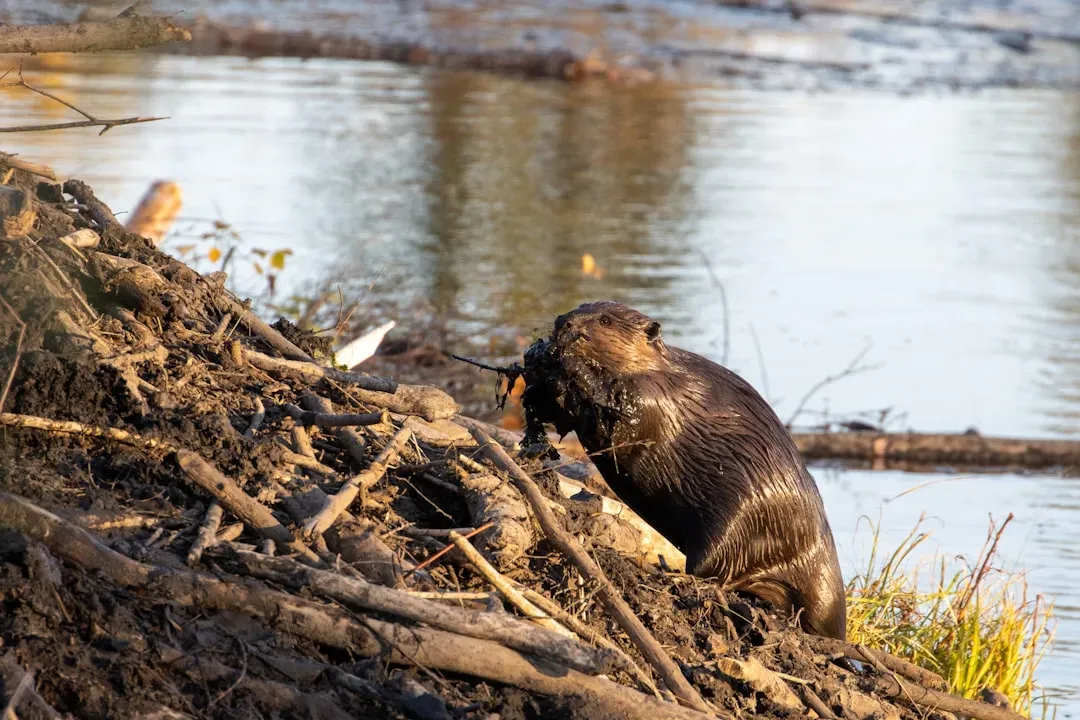
Beavers used to be everywhere across the Western landscape in numbers reaching into the millions, but the fur trade in the 1800s and early 1900s drastically reduced their population. We’re talking about a population crash of epic proportions here. At one time, as many as 400 million of them roamed North America and constructed up to 250 million ponds.
The loss of beaver populations had a dramatic negative impact on the landscape, creating trouble in the watersheds of the western United States. Streams dried out faster, wetlands disappeared, and entire ecosystems shifted in ways we’re only now beginning to fully understand. The thing is, removing a keystone species from an environment doesn’t just leave a gap. It fundamentally changes how that entire system functions.
How Beaver Dams Create Living Firebreaks
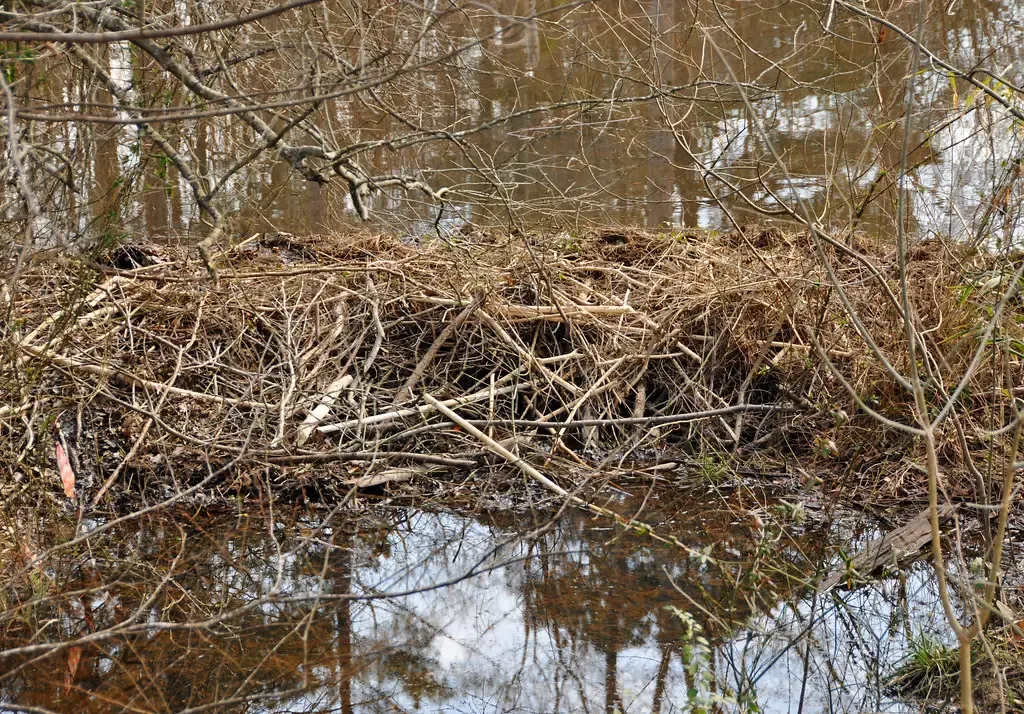
Let’s be real, the concept sounds almost too simple to be effective. The large volume of water stored in the beaver ponds and active pond management by the beavers keeps plants and soil lush and green even during intense droughts, and when fires spark in these drought-stricken areas the wet, green beaver-dammed wetlands are too soggy to burn. It’s the same principle as trying to start a campfire with wet sticks. You just can’t get it going.
In beaver-dammed stream sections, vegetation remained more than three times lusher as wildfire raced over the creek, and beavers had so thoroughly saturated their valleys that plants simply didn’t ignite. Think about that for a second. While everything around them burned to a crisp, these beaver-created wetlands just stayed green and alive. Wetlands act as natural fuel breaks, giving firefighters a chance for containment.
The Science Behind Saturated Landscapes
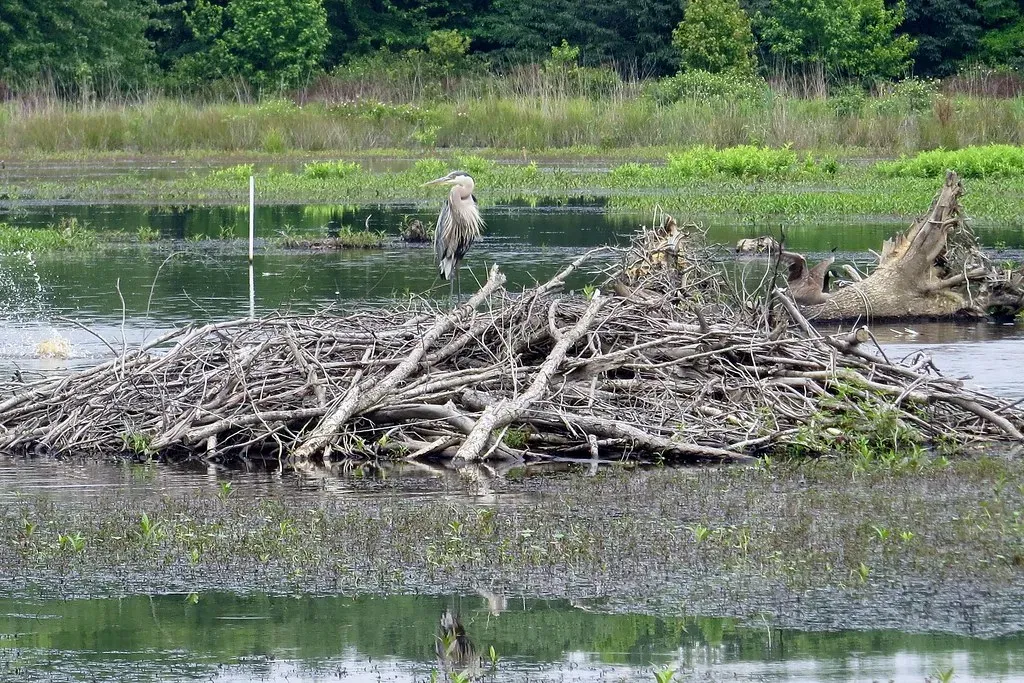
Researchers examined satellite images of land in five western states scorched by massive wildfires, and a consistent trend emerged: the areas that had beaver dams before the fire stayed green during and after the fire, while the rest of the landscape was burned. This wasn’t just some lucky coincidence spotted in one or two locations. The pattern held across multiple states and different fire conditions.
Beaver dams help slow the flow of spring run-off, reserving water to be used later in the summer when water is often scarce, and they raise the water table to keep water on the landscape, creating and preserving wetland habitat for other species. What’s happening here is essentially hydraulic engineering on a massive scale. Patchy landscapes like valleys dotted with beaver dams can slow a fire by forcing it to hop over hard-to-burn areas. Fires need continuous fuel to spread quickly, and beaver wetlands interrupt that continuity.
Wildlife Refuges During and After the Flames
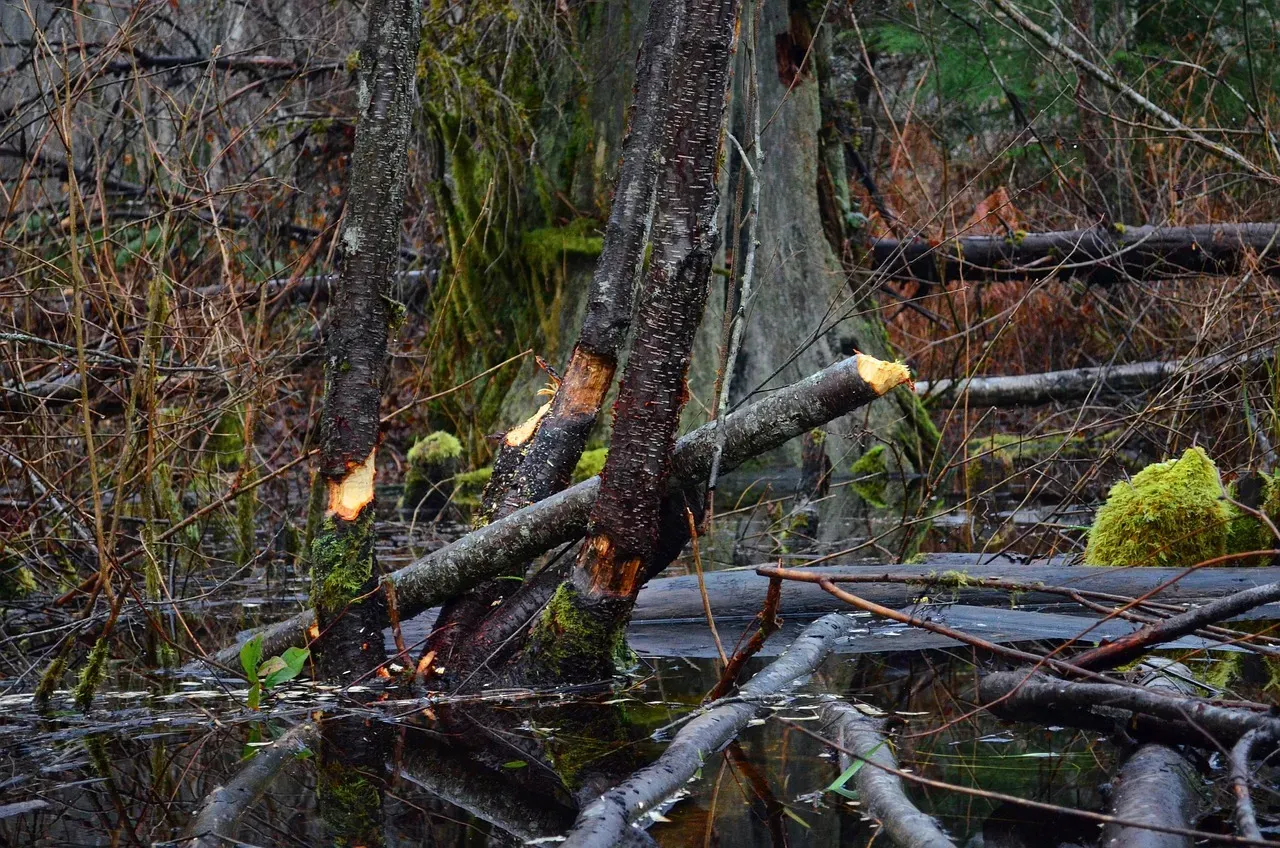
Here’s something that’ll give you chills in a good way. A broad menagerie including amphibians, reptiles, birds, and small mammals likely hunker down in these beaver-built fire refugia. During a catastrophic wildfire, when everything’s burning and animals are fleeing for their lives, these wetlands become literal lifeboats. I find that image incredibly powerful.
During active fires, many animals take shelter in or near beaver ponds since these areas stay cooler and provide reliable access to water and food, and birds, insects, amphibians, and mammals often survive wildfires specifically because they are able to retreat to beaver-shaped wetlands, which means that the ecosystem rebounds more quickly. Without these refuges, local extinctions would be far more common after major fires. The recovery period would stretch on for years, maybe decades, longer than it does with beaver wetlands present.
Humans Learning From Beaver Architecture
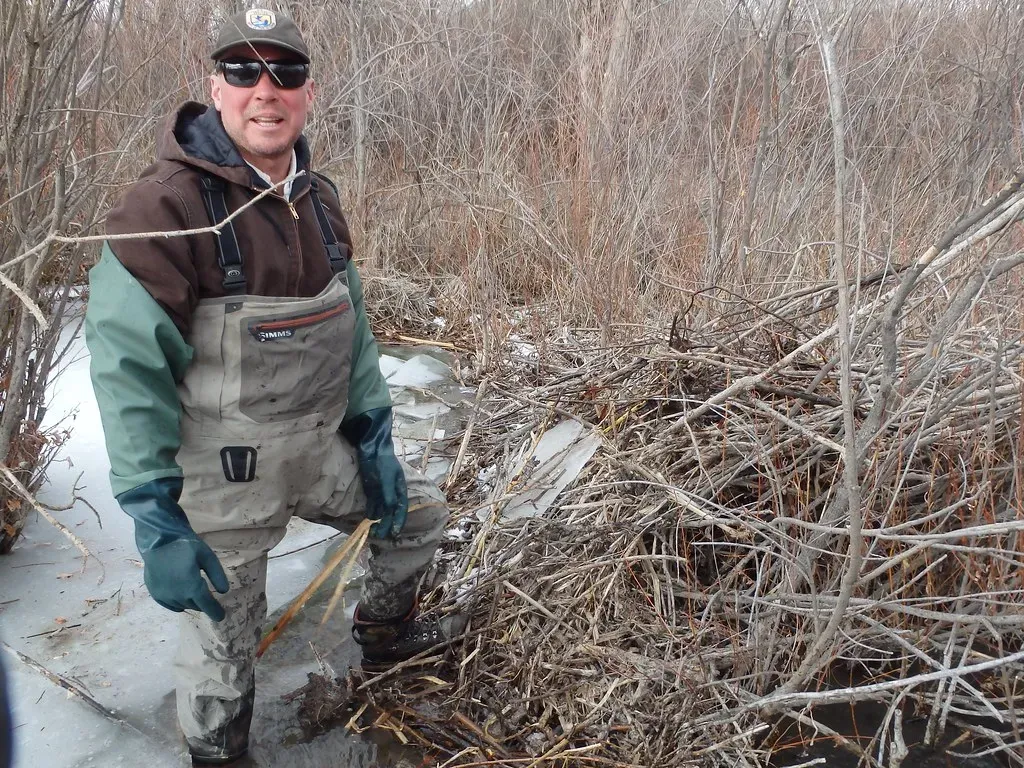
The ecosystems that beavers create are so effective at restoring wetlands and retaining water that land managers are mimicking their structures through beaver-based restoration, using beaver dam analogues or BDAs, which are man-made structures that imitate beaver dams, constructed with wooden fence posts and willows. When nature does something better than we can, sometimes the smartest move is just to copy the homework.
This is a low-cost, low-maintenance, and fast-acting method to help prevent an area from burning and it protects water quality. One team built 316 beaver mimicry structures in just two years, about half of which were BDAs, many constructed by volunteers, and this project re-wetted 45 acres of historic wetlands and improved 1.4 miles of riverscape. Those are impressive numbers for what amounts to sticking some posts in the ground and weaving branches between them.
Reintroduction Programs Gain Momentum
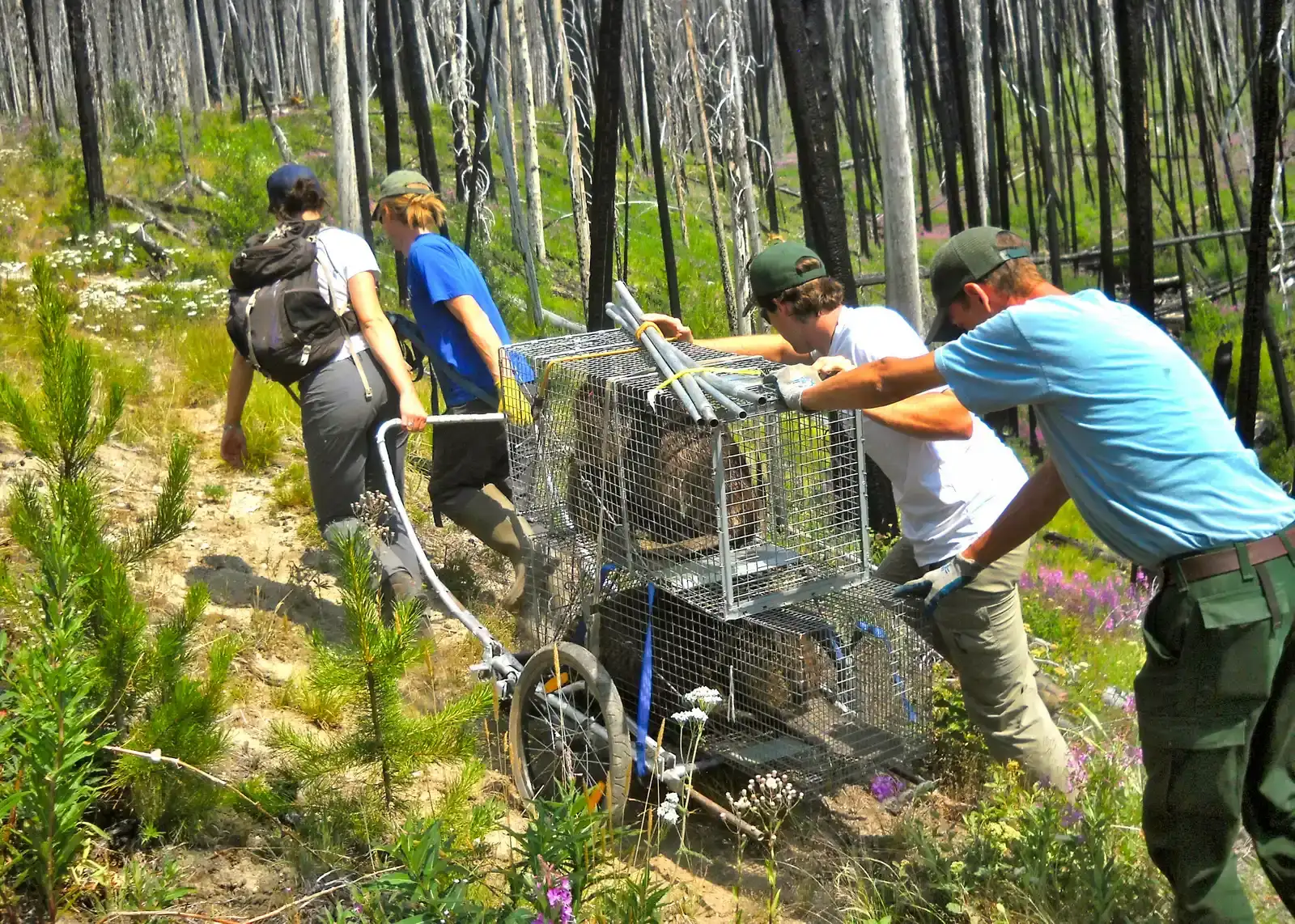
Wildlife officials in states like California are now reintroducing beavers to make the land more resilient, especially as climate change raises the risk of extreme fires. This represents a complete reversal from previous policies where beavers were considered pests to be eliminated. The California Department of Fish and Wildlife implemented a beaver restoration program to aid in drought and wildfire resistance.
After beaver policy in California was updated in June 2023 to allow for beaver translocation within the state, the California Department of Fish and Wildlife started accepting applications from land management entities and private landowners who wish to have beavers relocated to their property. It’s one thing to recognize the value of beavers in theory. Actually changing regulations and getting bureaucracies to embrace rewilding is another matter entirely. This shift signals a fundamental change in how we view our relationship with these animals.
Post-Fire Recovery Accelerates With Beaver Presence
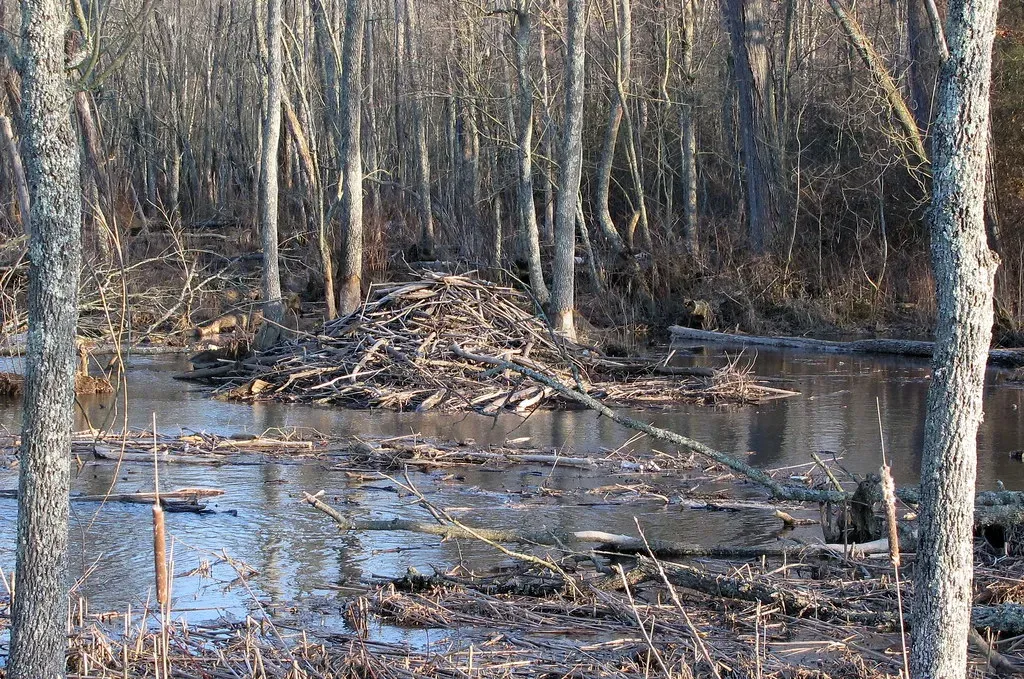
Researchers sampled burned areas with and without beaver dams to see how recovery varied, and they found the streambanks with beaver dams had more woody species like willow and aspen, which create stable stream banks and provide shelter and habitat. The benefits don’t stop once the flames are out. Recovery is where the long game plays out.
Beaver dams and ponds also function as filters for ash and other fire-produced pollutants that enter waterways, thus maintaining water quality for fish, other aquatic animals, and humans. Research provides evidence that beaver ponds effectively trap and retain post-fire sediment. This sediment trapping prevents downstream water contamination that can last for years after a fire and devastate aquatic ecosystems far from the burn zone.
The Climate Change Connection Nobody Expected
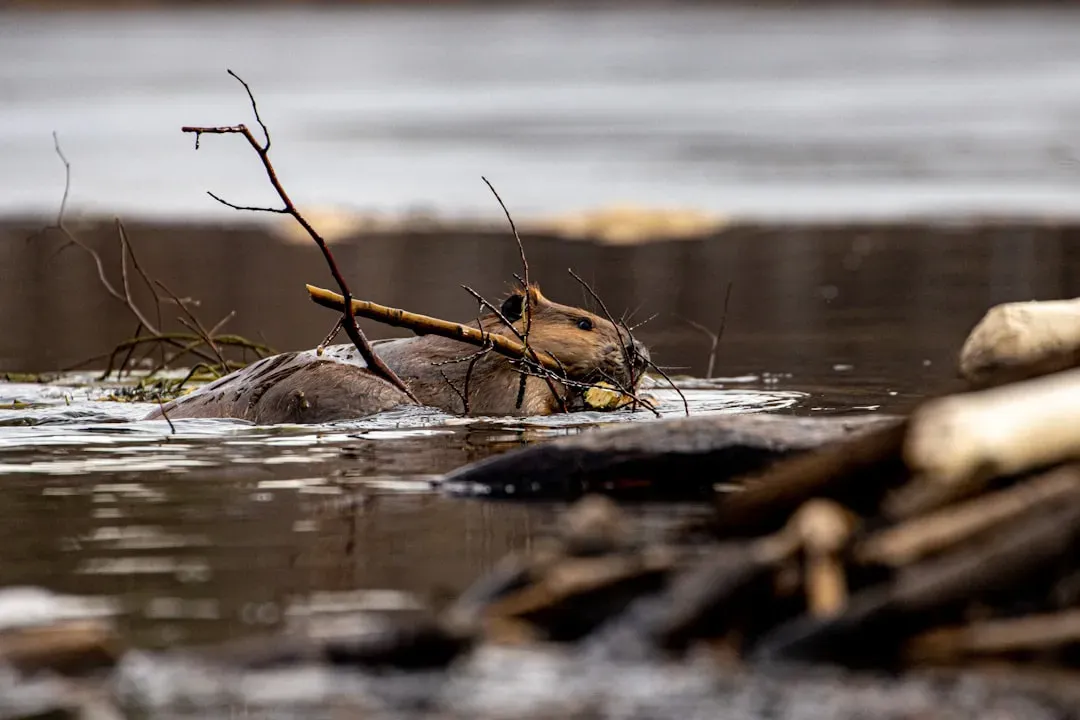
Climate change is altering precipitation patterns, causing longer droughts, more heatwaves, and more intense wildfire seasons, and in this challenging new environment, beavers are increasingly being recognized as powerful allies because their wetlands store water, cool the environment, and support biodiversity even under extreme conditions. It’s almost poetic how the solution to modern problems was here all along, swimming in our streams.
Conservative estimates suggest that beaver dams have the potential to store a total of 120 million cubic meters of surface water and create 2200 square kilometers of fire resilience in high fire risk areas. Those aren’t small numbers we’re talking about. Recent research demonstrates that freshwater ecosystems with beaver activity are significantly more fire-tolerant, and these zones suffer only one-third of the fire damage compared to similar areas without beaver presence. When you consider the billions spent fighting wildfires each year, that kind of natural protection starts looking pretty valuable.
Conclusion: Small Architects, Massive Impact
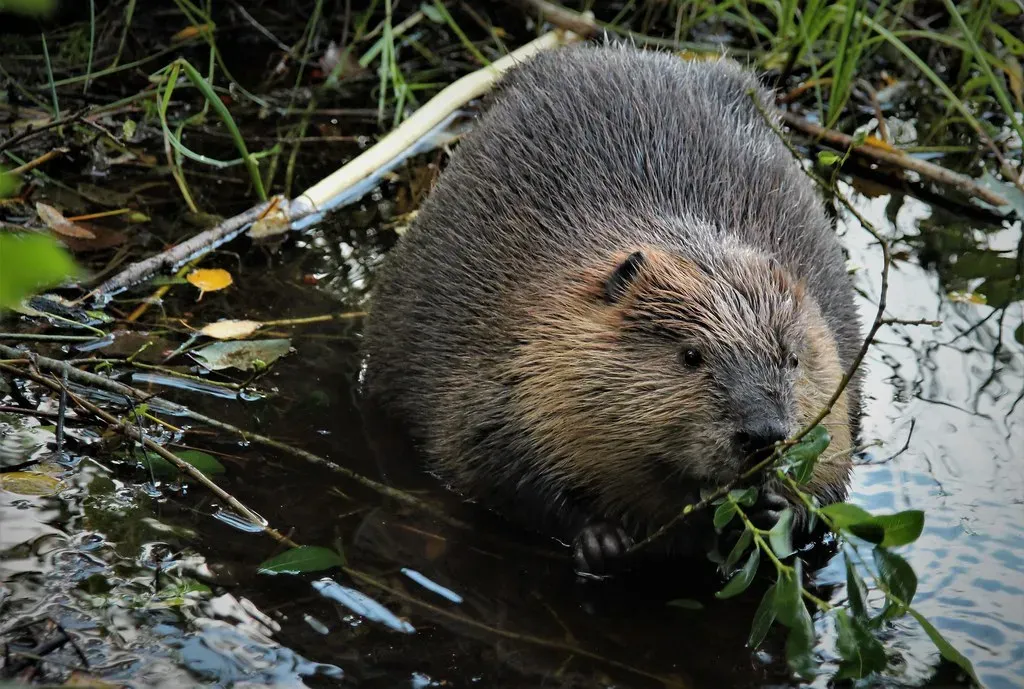
Beavers serve as a beacon of hope to help fight our wildfire crisis across the country. Who would’ve thought that buck-toothed rodents could be such powerful climate allies? The evidence is overwhelming at this point. These animals aren’t just cute dam-builders. They’re reshaping landscapes in ways that make entire ecosystems more resilient to the fires that will keep coming as our climate warms.
In Idaho, a wildfire stopped at the healthy, robust, beaver-created wetland, while in the area without a dam, where the stream was reduced to a single thread, the entire area burned catastrophically. That stark contrast tells you everything you need to know. The path forward involves working with nature instead of against it, letting beavers do what they’ve been doing for millions of years.
What strikes me most about this whole story is how we nearly wiped out the very creatures that could help protect us from one of our biggest environmental threats. Sometimes the best technology isn’t something we need to invent. It’s something we need to allow back into existence. Makes you wonder what else we’ve lost that we desperately need, doesn’t it?