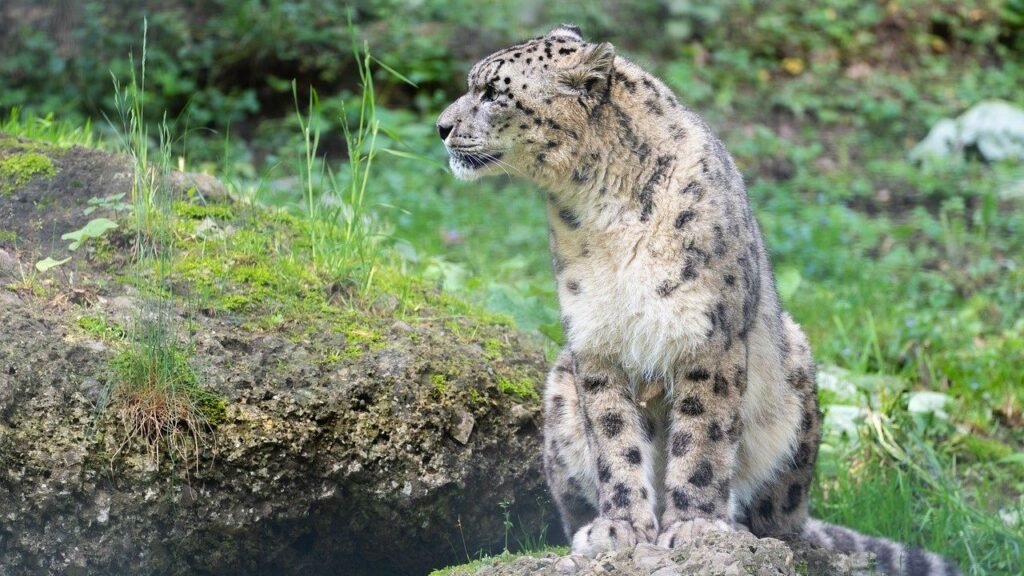

Something remarkable is happening in the mountains of Asia. Snow leopards, those elusive gray ghosts of the peaks, are showing up in locations where they’ve been absent for years, sometimes even decades. These phantom cats are making appearances at lower elevations, wandering into territories they haven’t occupied in living memory, and being captured by camera traps in valleys that locals thought were long abandoned.
This isn’t just another wildlife mystery. The story behind these reappearances touches on everything from climate shifts and conservation victories to changing prey patterns and human attitudes. The real question isn’t just where these cats are going, it’s why they’re suddenly visible again after so many years in the shadows.
Conservation Efforts Are Finally Paying Off
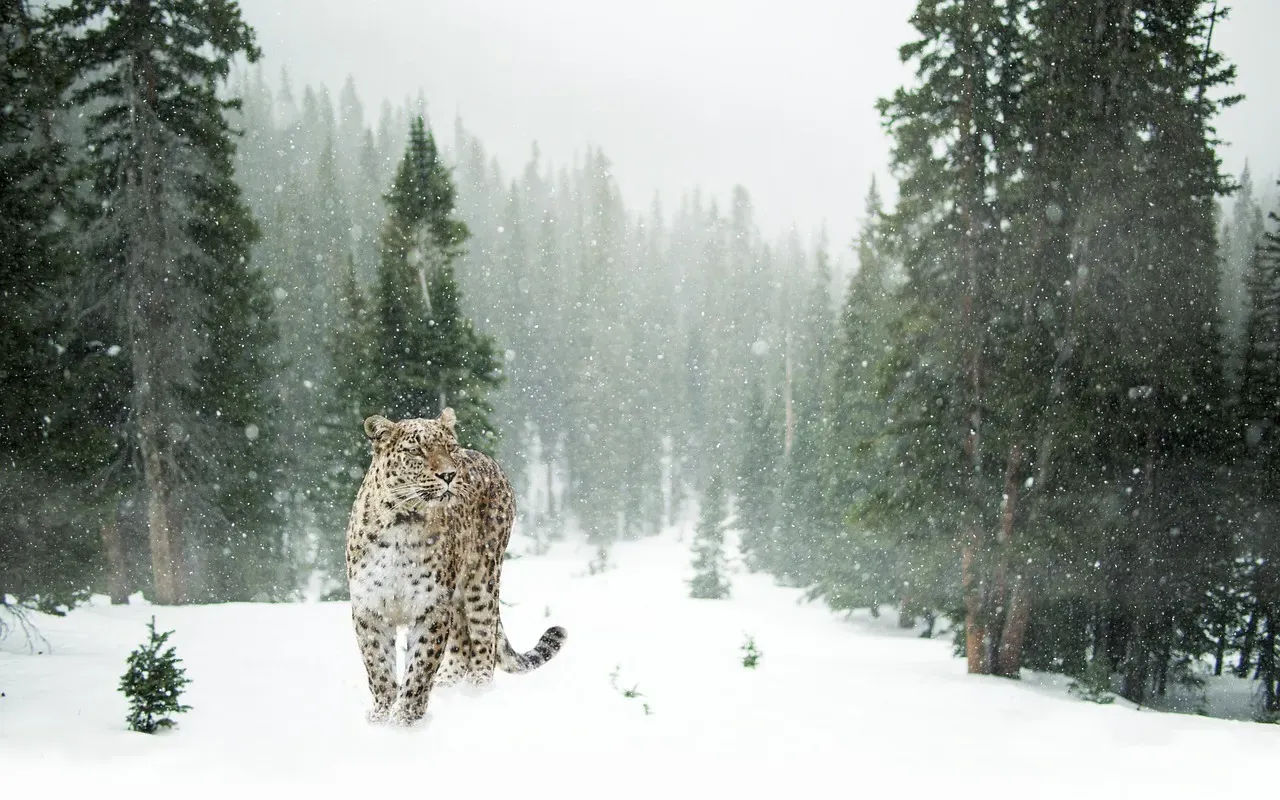
In some places, snow leopards are recovering and thriving. Here’s the thing: decades of protection work are beginning to show tangible results. In Bhutan, the Second National Snow Leopard Survey from 2022 to 2023 revealed a population increase of nearly forty percent since 2016, suggesting that conservation initiatives are succeeding and establishing the country as a stronghold for snow leopards.
Similar success stories are emerging across the species’ range. In India’s Himachal Pradesh state, snow leopard numbers increased from 51 recorded in 2021 to 83 individuals. India’s Himachal Pradesh region has seen increases of around eighteen percent, while Bhutan’s confirmed snow leopard numbers have increased about forty percent since 2016. When populations grow, animals naturally expand into previously occupied territories, recolonizing old haunts that might have been empty for years.
Climate Change Is Redrawing the Mountain Map
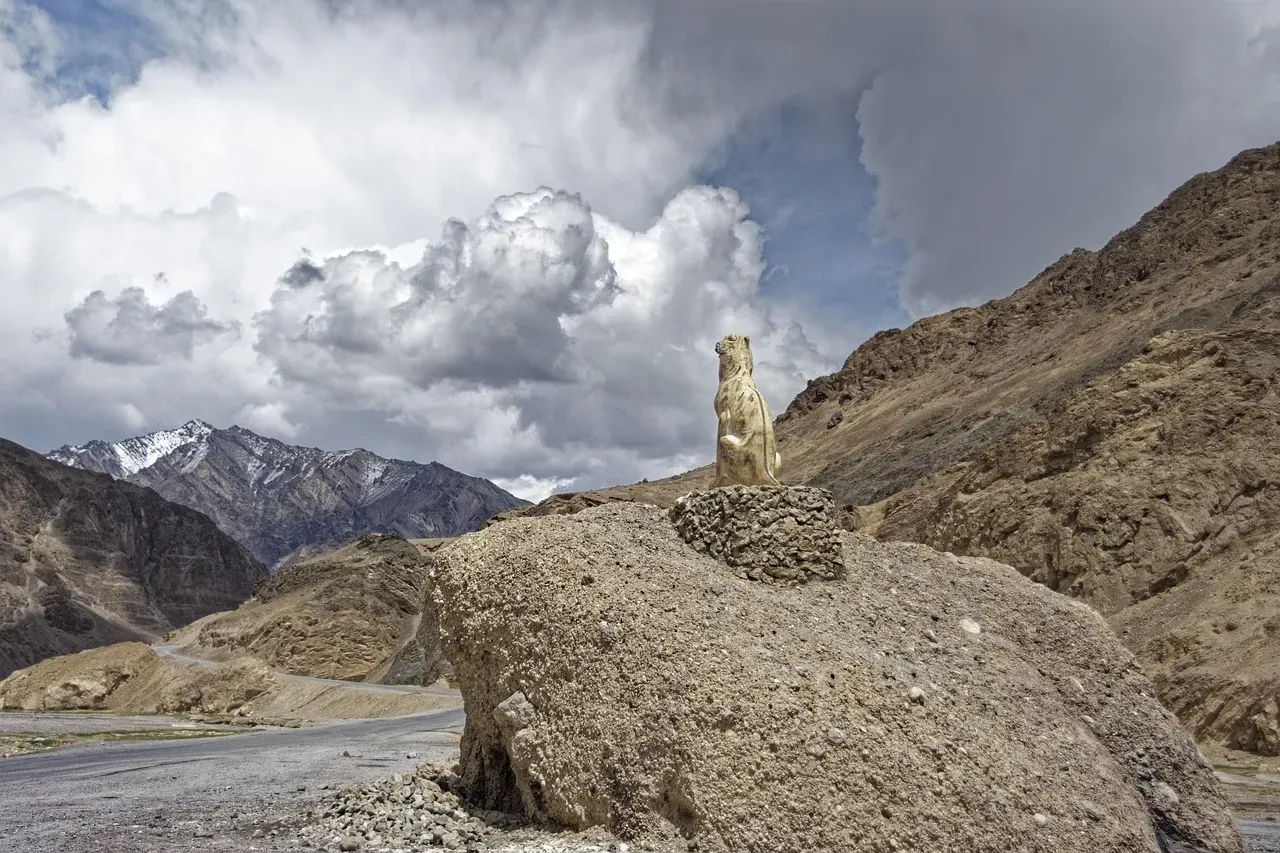
Climate change operates like a slow-moving hand, reshaping the landscape in ways both subtle and dramatic. The Tibetan Plateau region is warming more than twice as fast as the Northern Hemisphere on average. This accelerated warming is forcing both snow leopards and their prey to adjust their ranges.
Increased temperatures are altering vegetation types in high-altitude areas, reducing the availability of alpine meadows and affecting interactions between snow leopards and their prey, prompting prey species like blue sheep to migrate and compelling snow leopards to descend to lower elevations. Think of it as the mountains shifting beneath their paws. A warmer climate is expected to shift the tree line up the slopes, which could drastically reduce the amount of suitable territory for this highly adapted hunter. Lower elevations that were once unsuitable are becoming viable territories.
Prey Are Following New Migration Routes
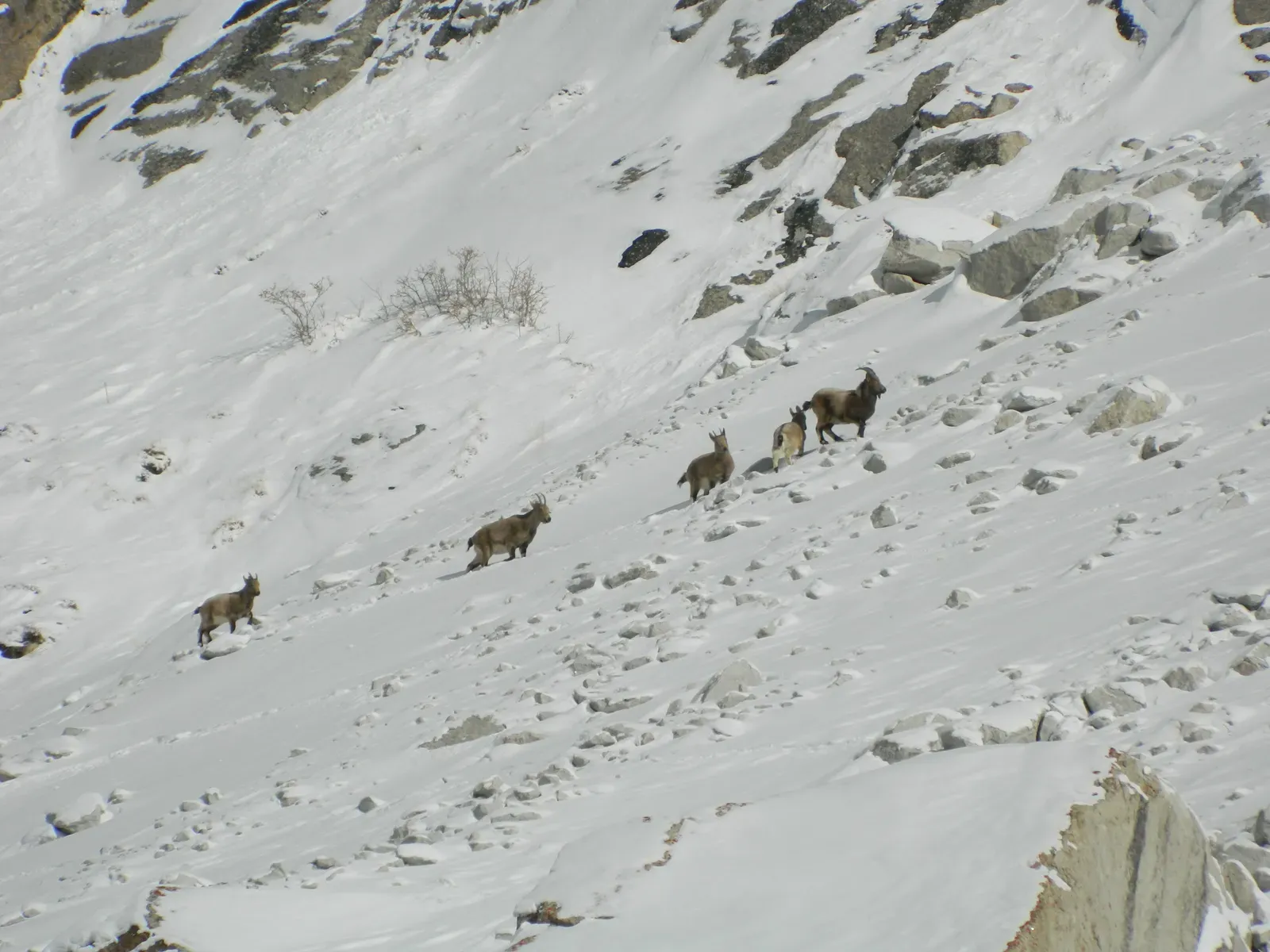
Where prey goes, predators follow. It’s one of nature’s most reliable rules. Winter snow at higher elevations forces animal prey like blue sheep and ibex to lower elevations for grazing, and snow leopards follow these ungulates.
Recent studies show that prey species aren’t just moving seasonally anymore. They’re adjusting their entire ranges. Seasonal migration from higher to lower elevations may depend on climatic conditions and the movements of ungulate herds, and during winter snow leopards may descend to the lower zones. When blue sheep, ibex, and other ungulates establish themselves in valleys they haven’t occupied in years, the snow leopards eventually show up too. Sometimes this happens in areas where the cats haven’t been documented for generations.
Better Monitoring Technology Is Revealing Hidden Populations
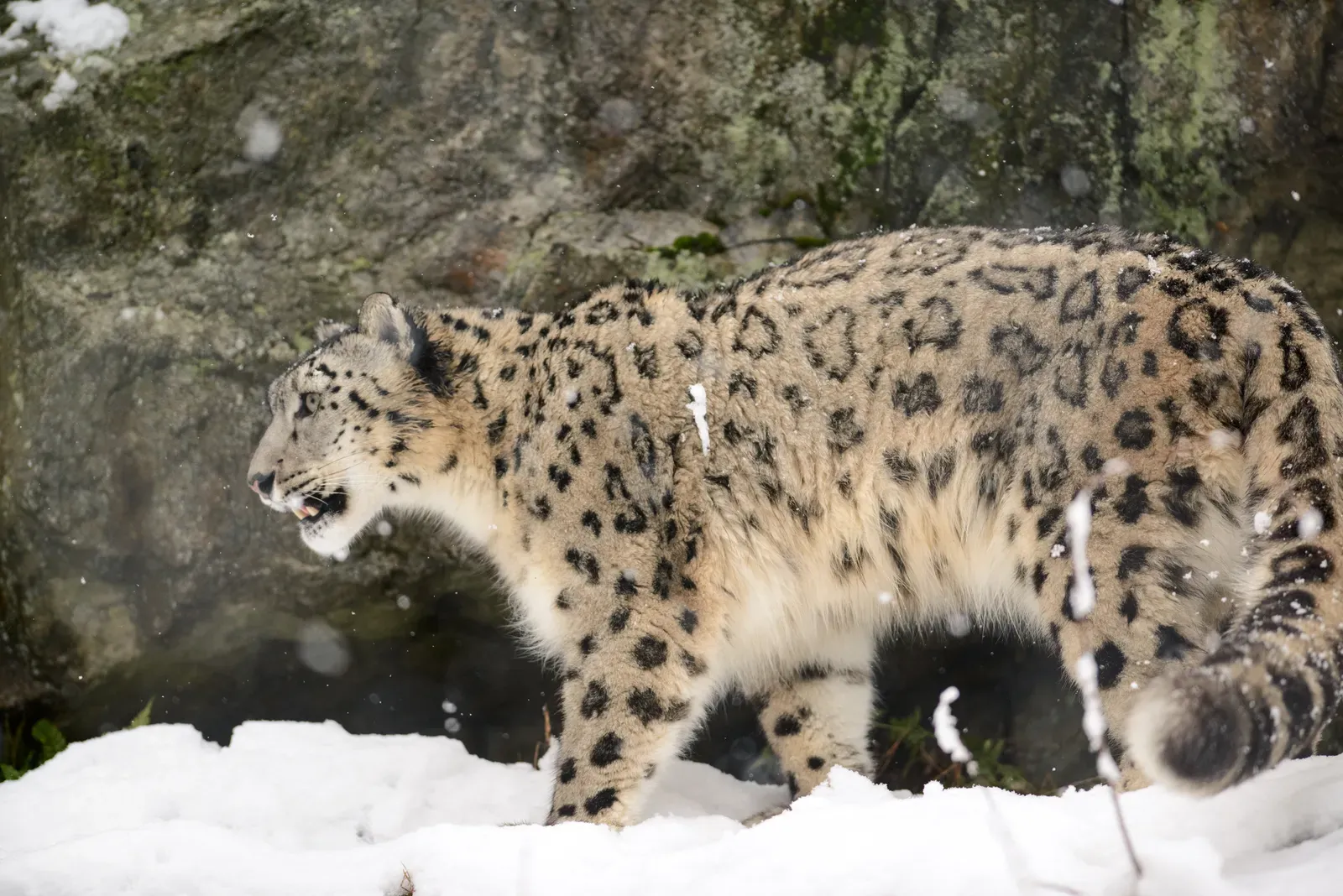
Let’s be real: snow leopards have always been there. We just couldn’t see them. It’s difficult to measure the population of a secretive, elusive and solitary cat that lives across millions of square kilometers of the highest and most isolated mountains in the world, but over the past couple of decades monitoring techniques have improved, and researchers concluded that the global population is bigger than previously thought, with estimates now between 4,000 and 9,000 individuals.
Modern camera traps, GPS collaring technology, and genetic analysis from scat samples have revolutionized how scientists track these animals. Footage of four rarely-seen snow leopards together in northern Pakistan has created a frenzy of excitement among conservationists, with the sighting being celebrated as a success story for conservation efforts. Places that seemed empty might actually harbor small populations that simply went undetected for decades.
Local Communities Are Shifting From Persecution to Protection
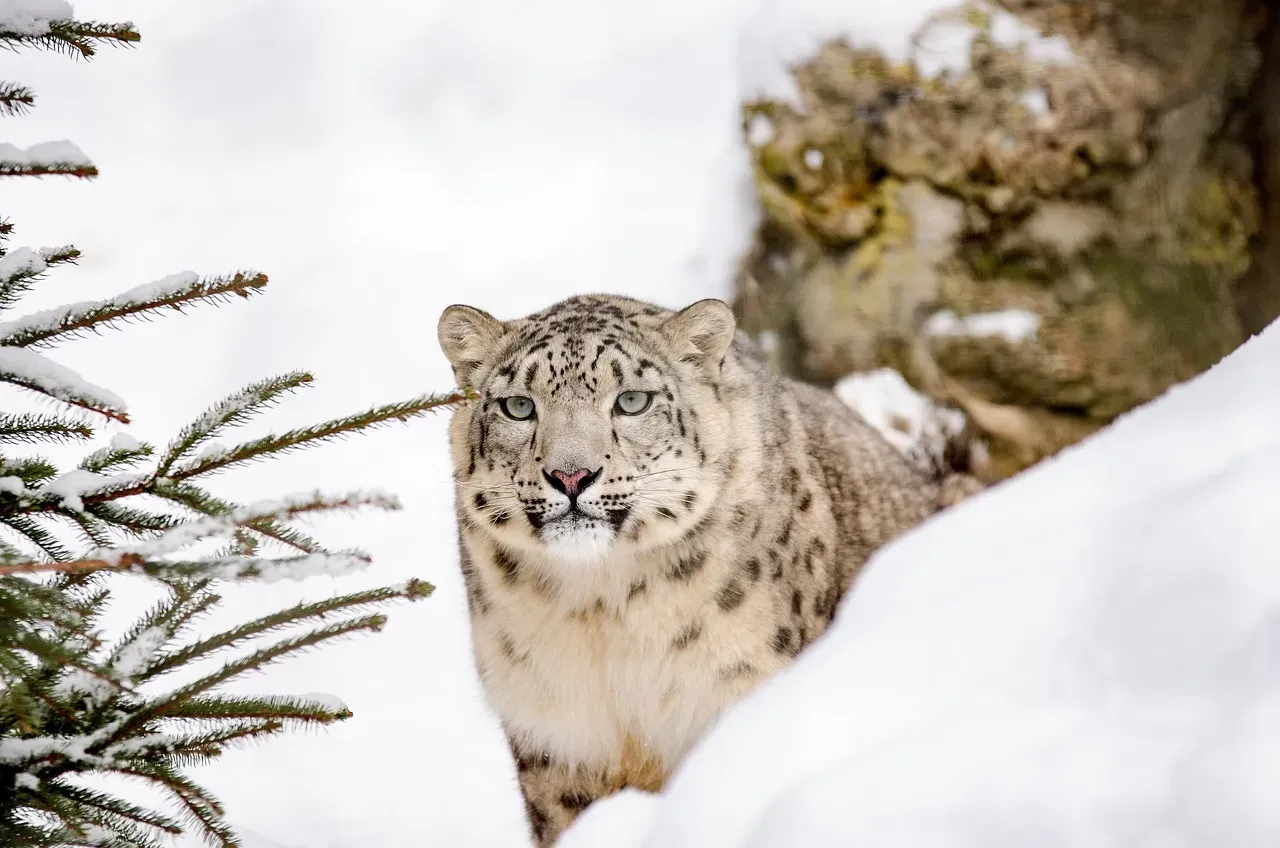
One of the most profound changes happening across snow leopard territory is a shift in human attitudes. Conservation efforts have increased awareness amongst local communities about the importance of protecting snow leopards, with eighty percent of community members now involved in conservation, tracking and awareness activities in some regions.
Thanks to conservation initiatives and local communities’ sustainable cultural pastoral practices, cats and humans coexist largely in peace in many areas, with Buddhist culture and economic incentives to preserve the species allowing populations to increase in density. When persecution declines and tolerance increases, snow leopards can reoccupy territories they once fled. This cultural transformation might be as important as any environmental factor in explaining their reappearance.
Protected Areas Are Creating Safe Corridors
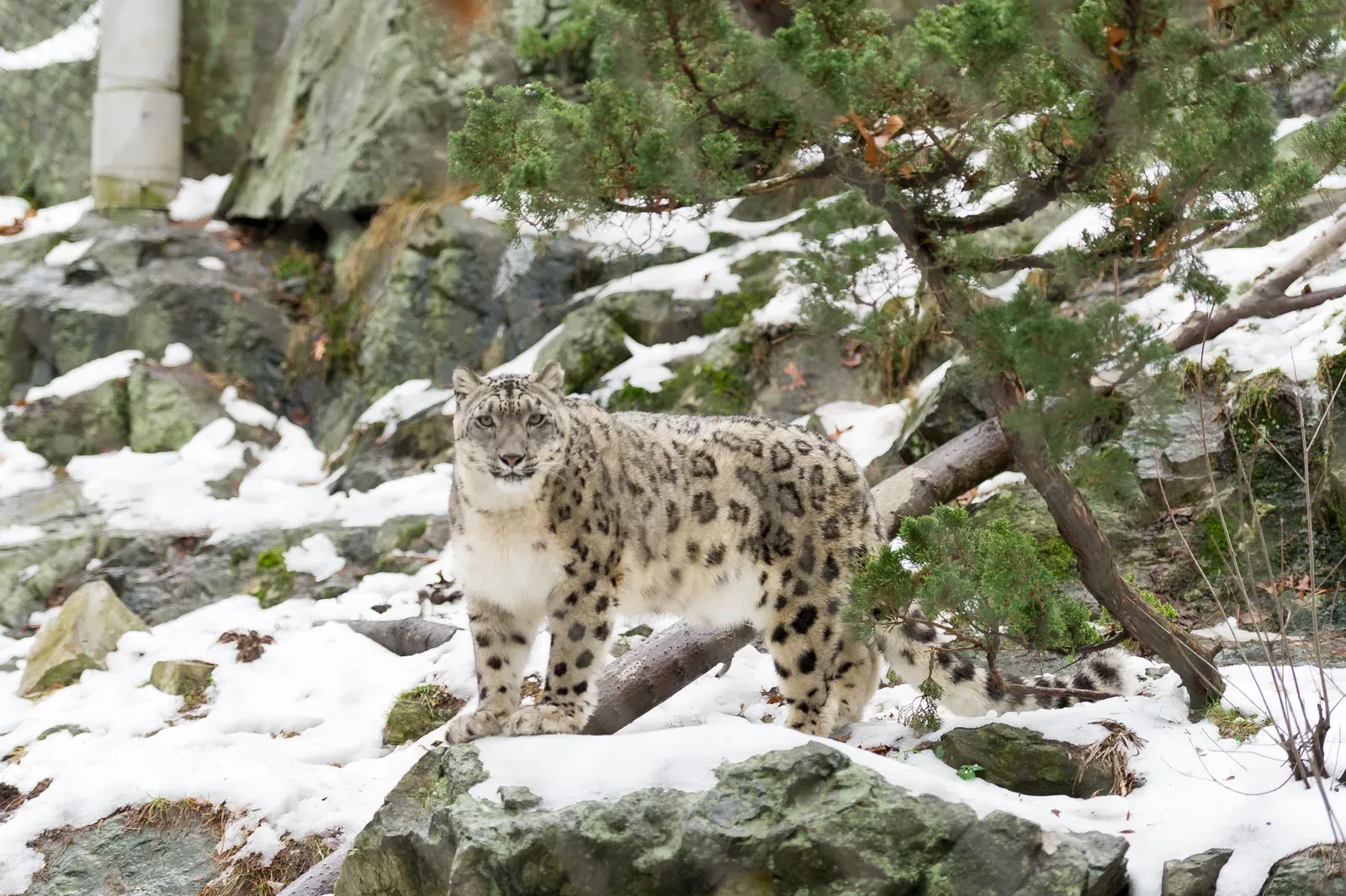
Snow leopards need space, lots of it. Home range sizes can vary from less than five square miles in Nepal to over 193 square miles in Mongolia, with population density ranging depending on prey densities and habitat quality. The expansion of protected areas and wildlife corridors across Central and South Asia is creating safe pathways for movement.
Researchers tracking four GPS-collared snow leopards in Nepal found they frequently crossed borders, spending up to a third of their time in neighboring India and China, proving that national borders are human constructs that snow leopards don’t recognize. As connectivity between habitats improves through conservation planning, snow leopards can travel between mountain ranges more safely, reappearing in places that were previously isolated.
Reduced Poaching Pressure in Key Regions
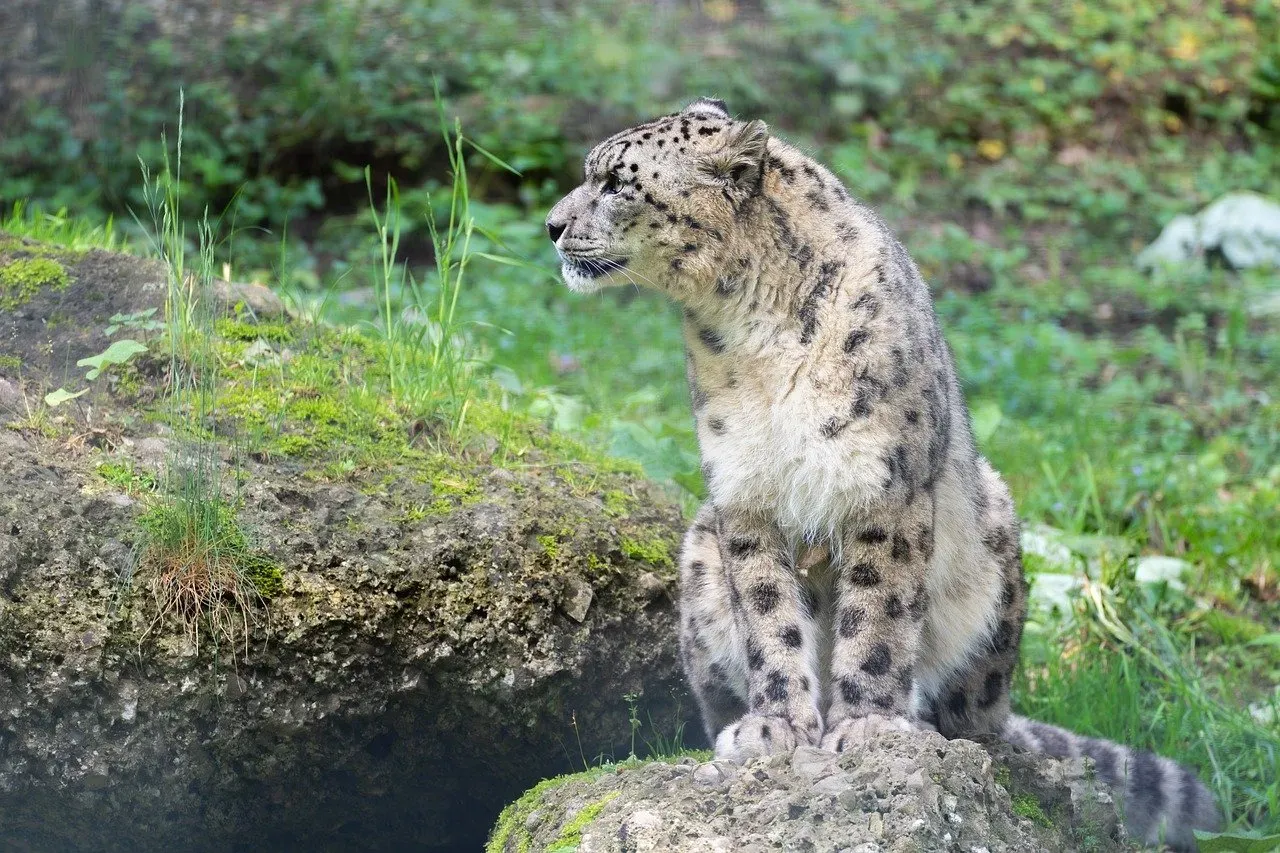
Poaching in some landscapes has declined dramatically and prey populations have increased by over fifty percent in the past decade. When the threat of poaching diminishes, wildlife populations respond quickly. Snow leopards are remarkably adaptable when given the chance.
Conservation efforts have improved conditions for snow leopards in much of their habitat, with poaching and killing becoming more infrequent in some areas and multiple countries seeing large swaths of leopard habitat protected and community-based conservation initiatives implemented. Reduced poaching doesn’t just help current populations grow. It allows young dispersing leopards to colonize territories without facing the same deadly threats their ancestors encountered.
Seasonal Patterns Are Becoming More Extreme
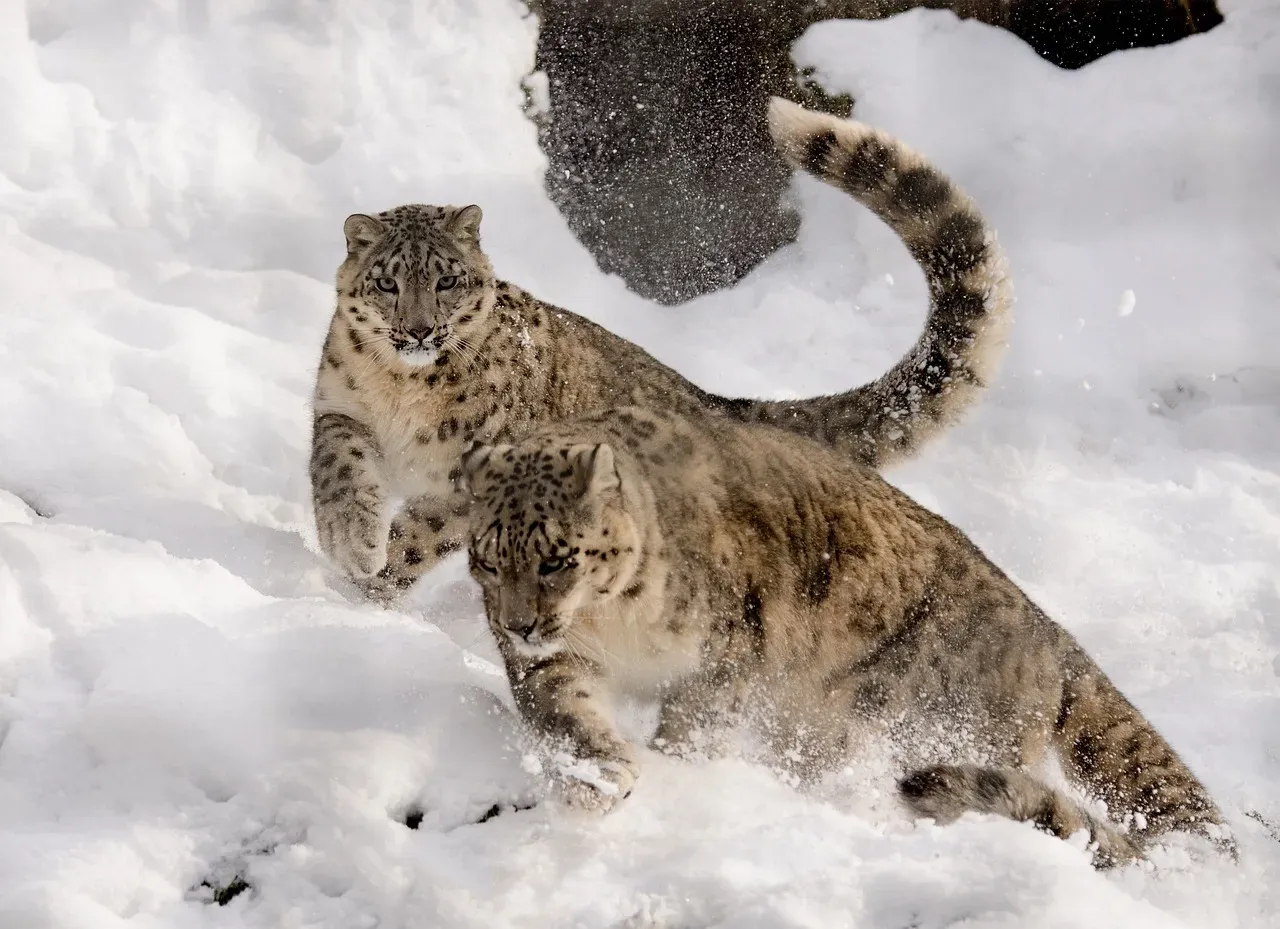
Snow leopards have always moved seasonally, following prey and weather patterns. What’s changing is the intensity of these movements. The season also overlaps with the mating period for snow leopards, making winter particularly important for sightings in lower elevations.
Researchers are discovering that extreme weather events are pushing snow leopards into unexpected areas. Heavy snowfall at high altitudes can drive them down faster and farther than usual. Conversely, warmer winters might keep them at higher elevations longer. These shifting patterns mean they’re appearing in locations outside their traditional seasonal ranges, sometimes catching researchers and local residents completely off guard.
Improved Prey Base Outside Traditional Ranges
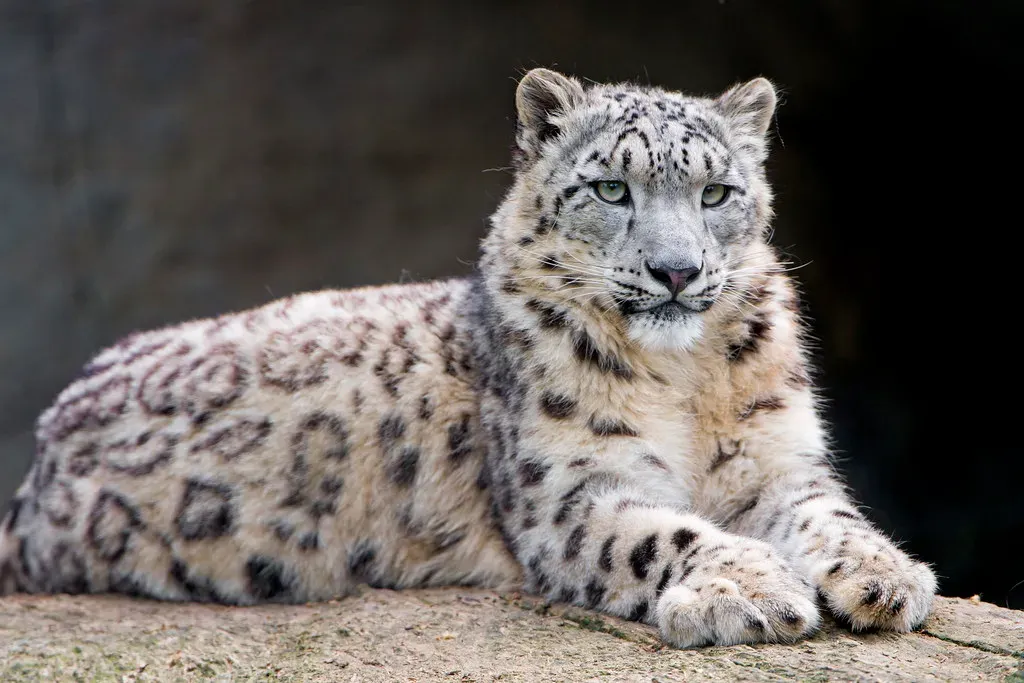
Something fascinating is happening with prey populations in transitional zones. Footage showed activities of a female snow leopard and her three cubs, proving that in areas around the leopards there are abundant sources of food, a healthy population, good living conditions and a high regional density.
Areas that once couldn’t support snow leopards because of depleted prey are recovering. Conservation programs focused on protecting ungulate populations are creating viable hunting grounds in valleys and lower mountain slopes. When the food is there, snow leopards will eventually find it. It’s happening in regions across their range, from Pakistan to Mongolia to the Indian Himalayas. The cats are essentially following the comeback of their prey species into territories both abandoned long ago.
The Role of Transboundary Movement
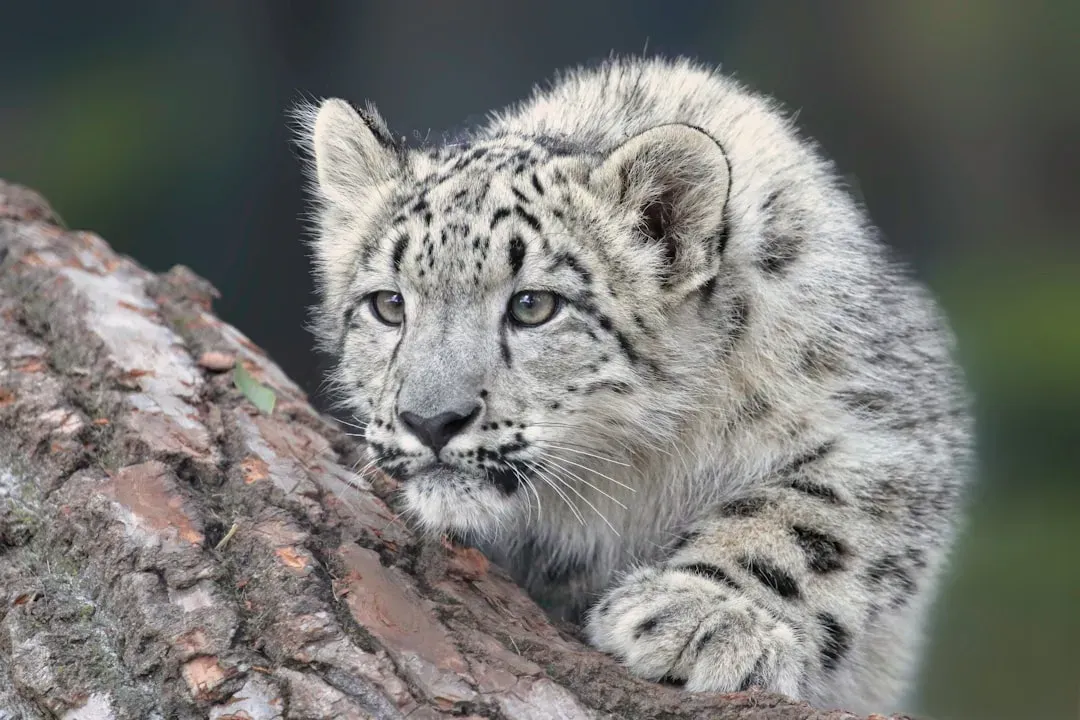
Snow leopards don’t carry passports, and they certainly don’t respect political boundaries. The presence of domestic sheep in summer scat samples suggested that snow leopards exhibit extensive movement patterns, including transboundary movement between valleys and neighboring countries. These cats are covering enormous distances, crossing international borders regularly.
Spatial analysis has suggested that certain areas could serve as transboundary corridors for snow leopards, potentially connecting local populations and creating a metapopulation. What appears to be a “new” population in one country might actually be individuals wandering in from a neighboring nation. The increased documentation of these movements helps explain sudden appearances in locations that seemed devoid of snow leopards. They were always passing through; we’re just finally paying attention.
The reappearance of snow leopards in long-abandoned territories tells a complicated story of hope, adaptation, and ongoing challenges. These ghost cats are reclaiming old haunts thanks to a combination of successful conservation, environmental shifts, and changing human attitudes. Yet their future remains uncertain as climate change continues to reshape their mountain homes. One thing seems clear though: snow leopards are more resilient and mobile than we ever imagined. What surprises will the next decade bring as these elusive predators continue rewriting the map of their range?