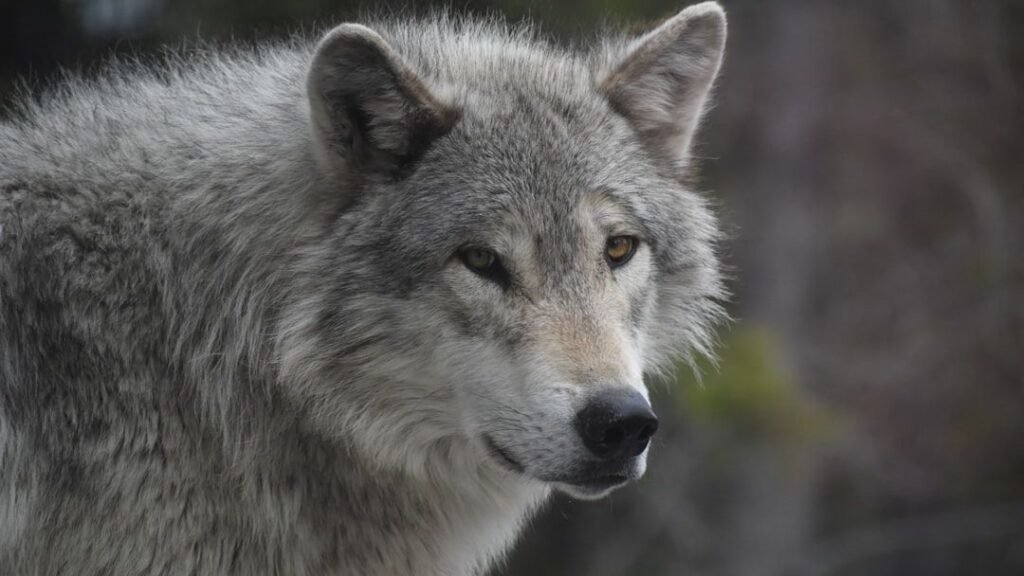

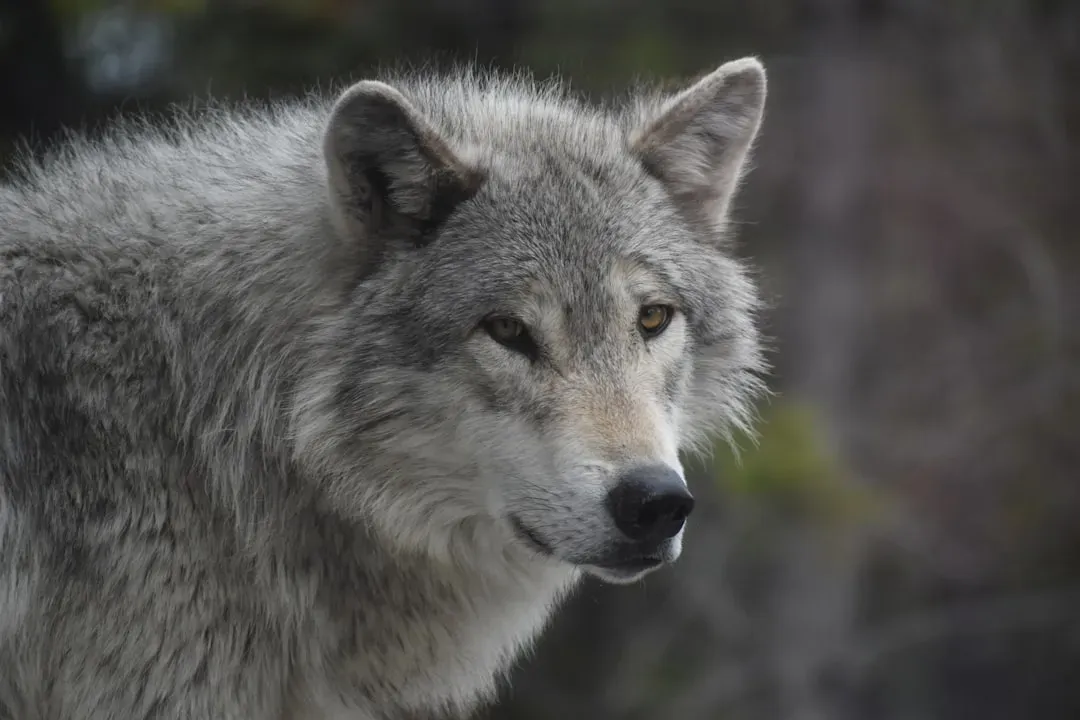
In the mid‑1990s, a small group of gray wolves stepped out of transport crates into the snowy forests of Yellowstone National Park. Nobody standing there with cold fingers and fogged-up glasses could have predicted that those animals would, in time, change the paths of rivers. Predators, after all, usually grab headlines for the drama of the hunt, not for subtle shifts in stream banks and willow roots.
Yet three decades later, Yellowstone has become the classic real-world story for how nature is wired together in ways that are both delicate and surprisingly tough. Wolves did more than return a missing piece of the park’s wildness; they triggered a chain reaction that rippled through elk, trees, birds, beavers, and finally right into the gravel and curves of the rivers themselves. The changes aren’t magic, and they aren’t uniform, but they are real enough that scientists and visitors can see them on the ground today.
From Vanished Predator to Surprising Catalyst
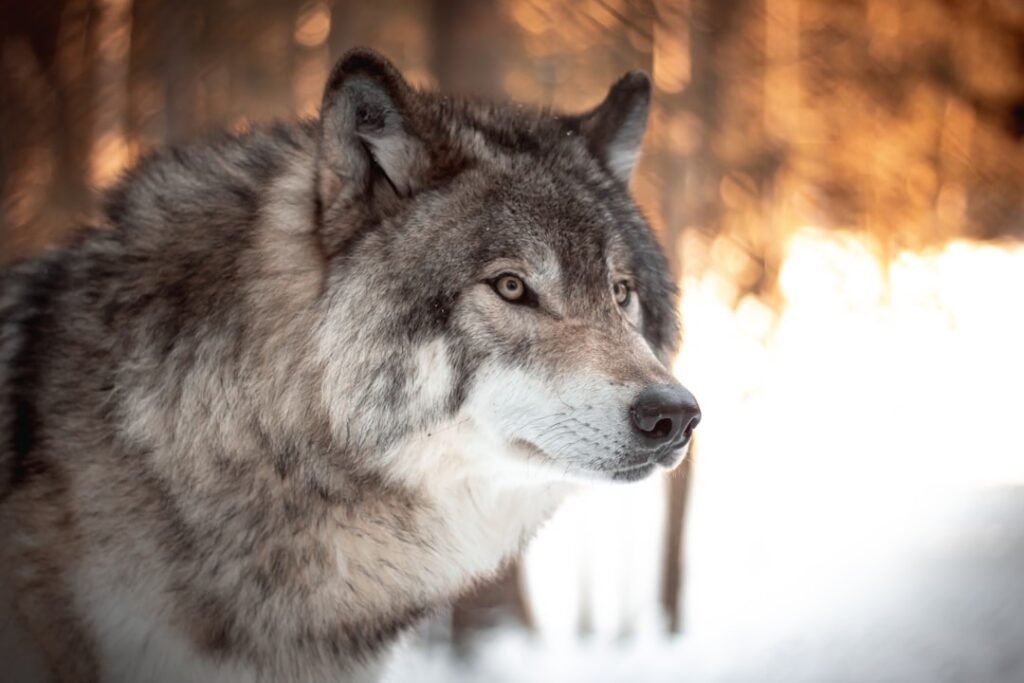
When wolves were eradicated from Yellowstone in the early twentieth century, it was seen as a win for ranchers and hunters, not as the start of an ecological experiment. For roughly seventy years, the park existed without its top predator, and elk numbers grew large while their fear of being hunted on the landscape slowly faded away. Elk herds could linger in the lush river valleys for long stretches, browsing young willows, aspens, and cottonwoods almost as fast as they sprouted.
By the late twentieth century, many of Yellowstone’s streamside areas looked strangely bare, with lots of mature trees but very few young ones making it past sapling stage. When wolves were reintroduced in 1995 and 1996, the immediate focus was on whether they’d survive, what they’d eat, and how many there would be. Nobody was promising that rivers would shift or forests would rebound. But by putting the missing predator back into the food web, managers unknowingly restarted a long-stalled ecological process that would start to reshape the park’s watery edges.
Elk Behavior: The Fear Factor That Started It All
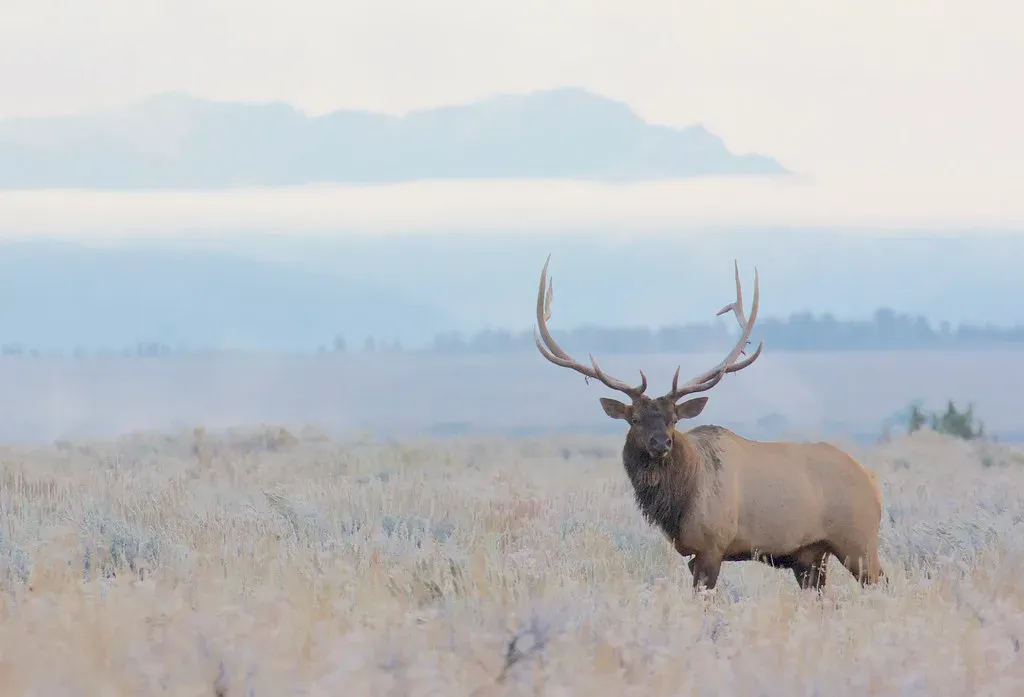
The biggest shift wolves triggered wasn’t how many elk lived in Yellowstone, but how those elk behaved. Animals that once browsed like relaxed tourists in river bottoms suddenly had to move more, scan more, and avoid open, risky patches where they were easier targets. Ecologists call this the “landscape of fear,” and you can think of it like a moving zone of caution that follows the predator around.
In practical terms, that meant elk spent less time hanging out in some of the most vulnerable riparian areas, especially spots with poor escape routes or limited visibility. They still used the valleys, but now their feeding was more scattered and less intense. It’s a bit like having a strict landlord start checking the building more often: you might still throw parties, but you don’t trash the place every night. Over time, that small change in daily decisions gave young trees and shrubs something they hadn’t had in decades – breathing room.
Tree and Shrub Comebacks Along the Banks
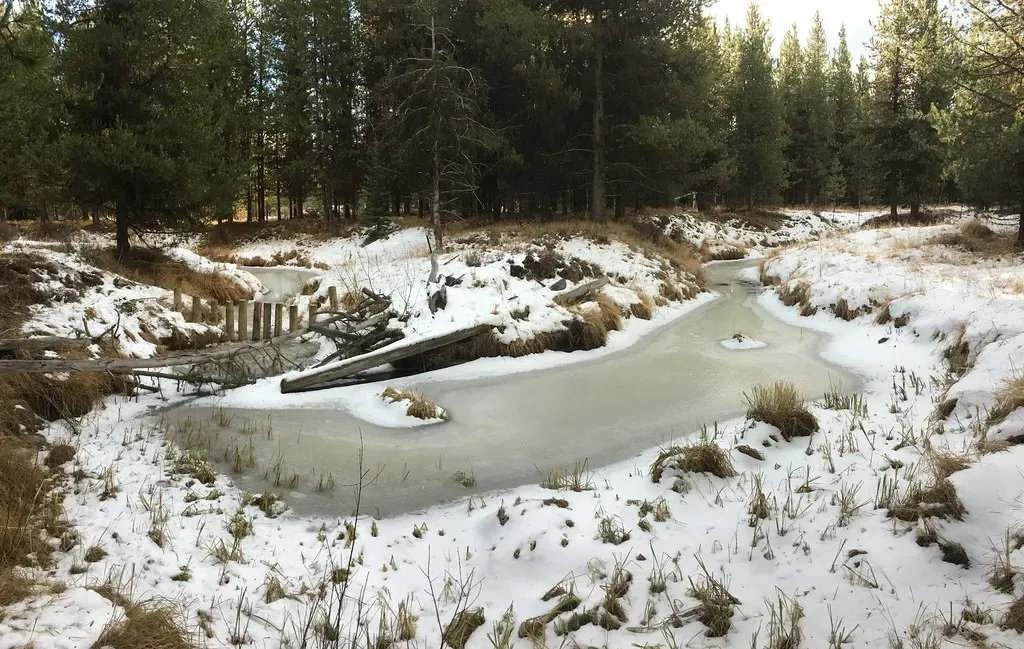
With elk no longer parked for days in the same lush bottoms, young willows, cottonwoods, and aspens finally had a chance to get some height on them. In several places, scientists started to see taller, denser stands of vegetation along creek and river edges compared to the wolf-free years. These new shoots and saplings turned into thickets, and then into small groves, knitting together the banks and casting shade onto the water.
That matters for rivers because plants are basically living armor along a bank. Their roots hold soil in place, their stems break the force of flowing water, and their shade keeps streams cooler for fish and insects. As vegetation thickened, some stretches that had been open and eroding started to stabilize, and small side channels and pools could persist rather than getting scoured out. It wasn’t a neat, instant carpet of green, but more like a slow reweaving of torn fabric, patch by patch.
Beavers: Nature’s Patient River Engineers
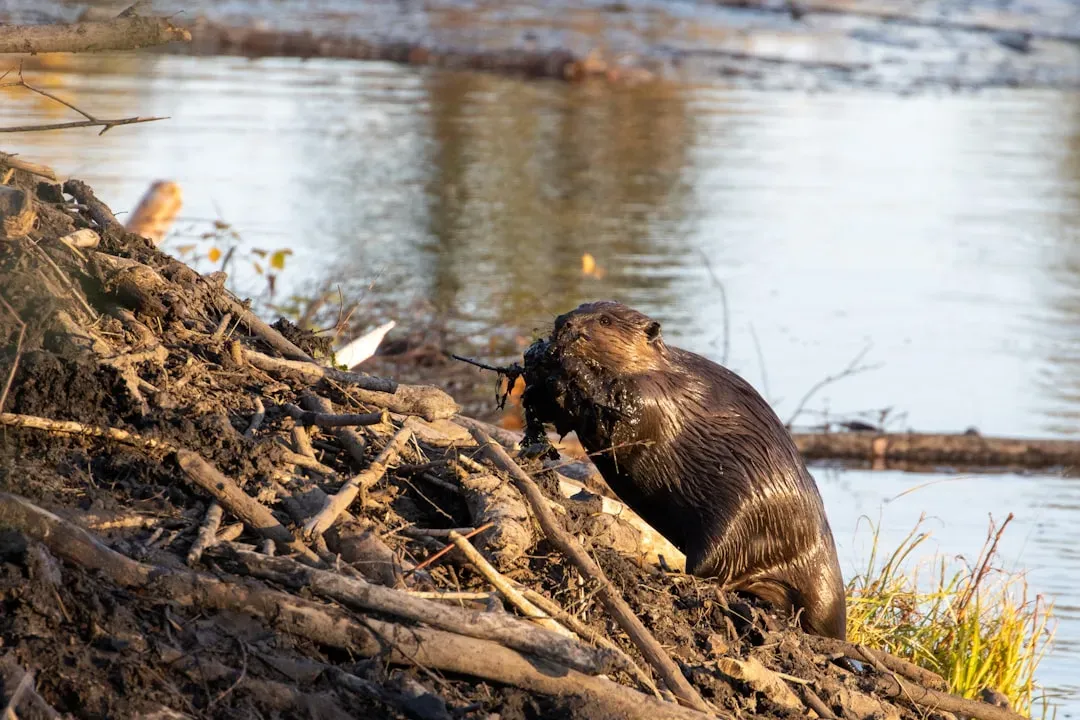
Beavers were another quiet winner in this slow-motion story. Before wolves came back, the heavy browsing by elk meant fewer tall willows and cottonwoods near many streams, which are exactly the plants beavers rely on for food and building material. In some areas, beaver numbers had dropped, and a lot of old dams had broken down and washed away. That meant fewer ponds, fewer wetlands, and a simpler, faster-flowing channel in many places.
As willows and other shrubs recovered along certain creeks, beavers had more to work with and began returning, building new dams and reinforcing old ones. Each dam acts like a low wall that slows water, spreads it sideways, and creates ponds that store sediment. Those ponds buffer floods, recharge groundwater, and create messy, branching mosaics of channels. In a very literal way, beavers started to redraw small parts of Yellowstone’s blue lines on the map once they had enough plants to support their engineering.
How River Channels and Banks Responded
When you look at a stream on a map, it seems like a fixed line, but in reality, rivers are constantly bargaining with gravity, soil, and vegetation. In Yellowstone, places with recovering plants and active beavers began to show signs of narrower, more stable channels compared to their more degraded state in previous decades. Banks that were once raw and slumping in some reaches became firmer, with roots binding the soil like rebar in concrete.
Beaver ponds and thick riparian vegetation also nudged water to linger longer on the landscape, rather than rushing straight downstream. This made some floodplains wetter and more complex. Instead of one deep, rapidly cutting channel, certain sites shifted toward multi-threaded, braided systems with side pools, backwaters, and meanders. For aquatic insects, amphibians, and fish, that kind of physical diversity can mean more habitats and cooler refuges during hot, dry spells.
Birds, Fish, and Hidden Beneficiaries
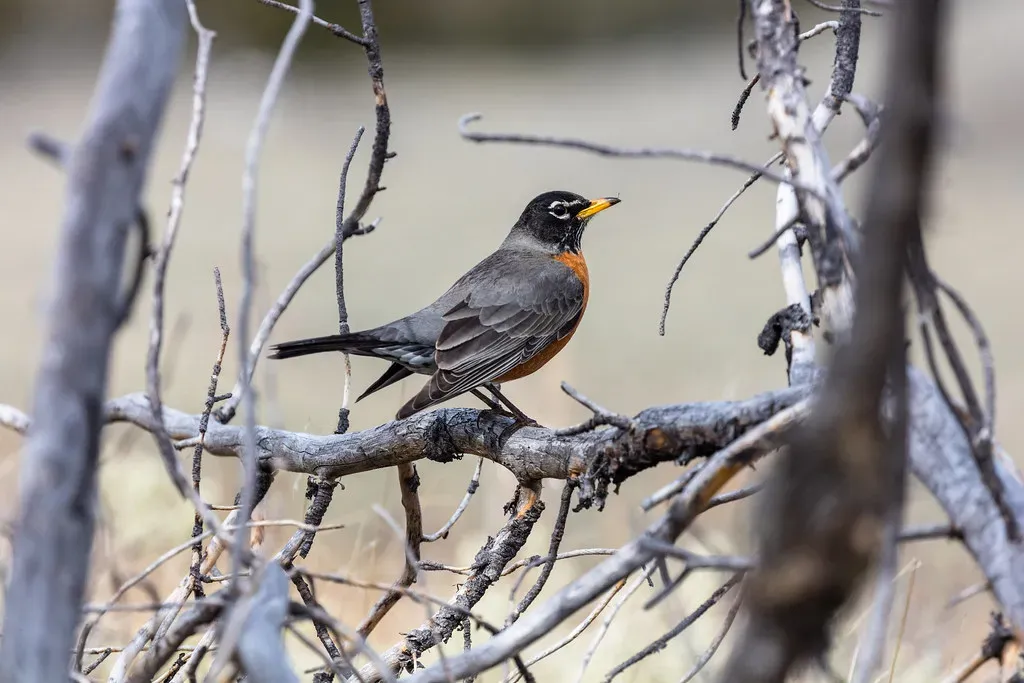
The story of wolves and rivers is also a story of countless smaller lives that benefit from the changes without ever encountering a wolf. Taller shrubs and young trees along streams created better nesting habitat and perches for songbirds and raptors. Some bird species that depend on dense willows or young aspen stands have shown local increases where that vegetation rebounded. The visually lush, buzzing feel you get walking along certain creeks now is very different from the sparse, over-browsed look captured in some older photographs.
In the water, cooler, more shaded stretches and the complex habitat around beaver ponds can help support trout and other fish, especially during warm summers and low flows. Ponds and slow side channels also serve as nurseries and shelter for aquatic insects and amphibians. None of this means every species is thriving everywhere, or that wolves alone deserve credit, but the return of a more tangled, three-dimensional riverscape has opened up new niches for many organisms that were previously squeezed into a simpler, harsher environment.
The Real Picture: Nuance, Debate, and a Changing Climate
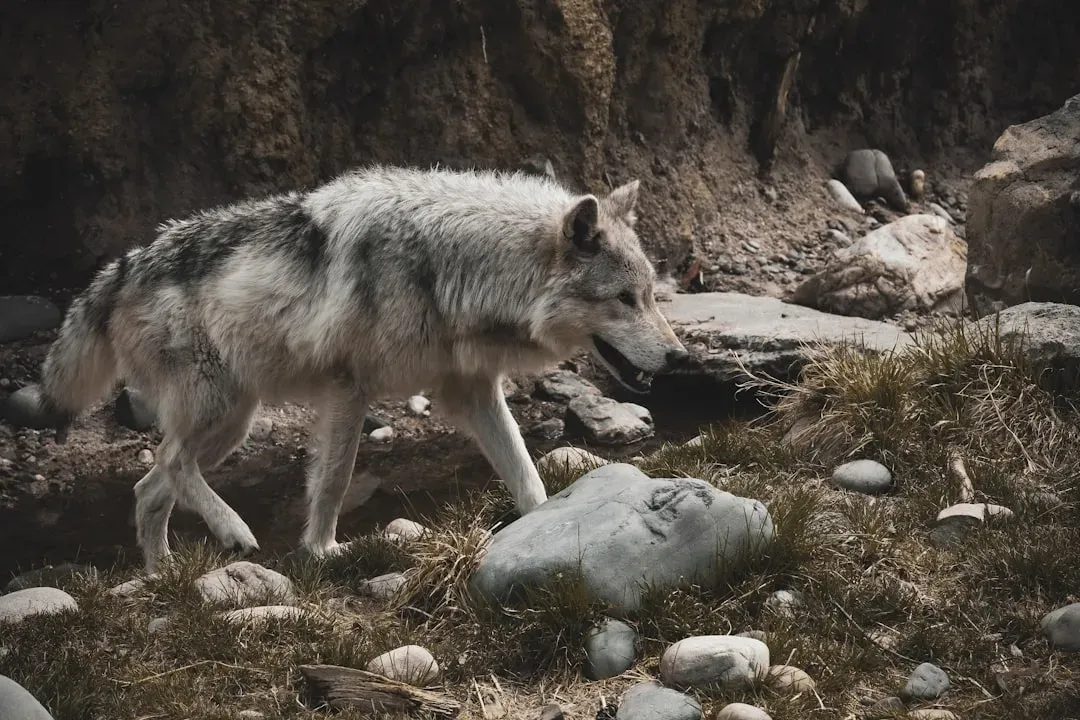
As inspiring as the Yellowstone wolf story is, the science behind it has become more nuanced over time. Early descriptions of a clean, dramatic “trophic cascade” – wolves return, elk drop, trees boom, rivers heal – turned out to be too simple. Researchers have pointed out that elk numbers were already changing before wolves due to human hunting outside the park and harsh winters, and that climate shifts and other factors also influence vegetation and streams. In some places, riparian recovery has been strong; in others, it has been weaker or inconsistent.
That doesn’t erase the role of wolves, but it does remind us that ecosystems behave more like a crowded conversation than a solo speech. Fire regimes, drought, disease, visitor pressure, and management decisions all layer on top of predator–prey interactions, especially in a warming climate. Rivers in Yellowstone today are responding to a combination of cooler shade, shifting snowpack, altered flows, and the growing and chewing of countless species. Wolves helped nudge the system back toward a more dynamic, self-regulating state, but they are only one part of a much larger, still unfolding story.
What Yellowstone’s Wolves Teach Us About Wild Systems
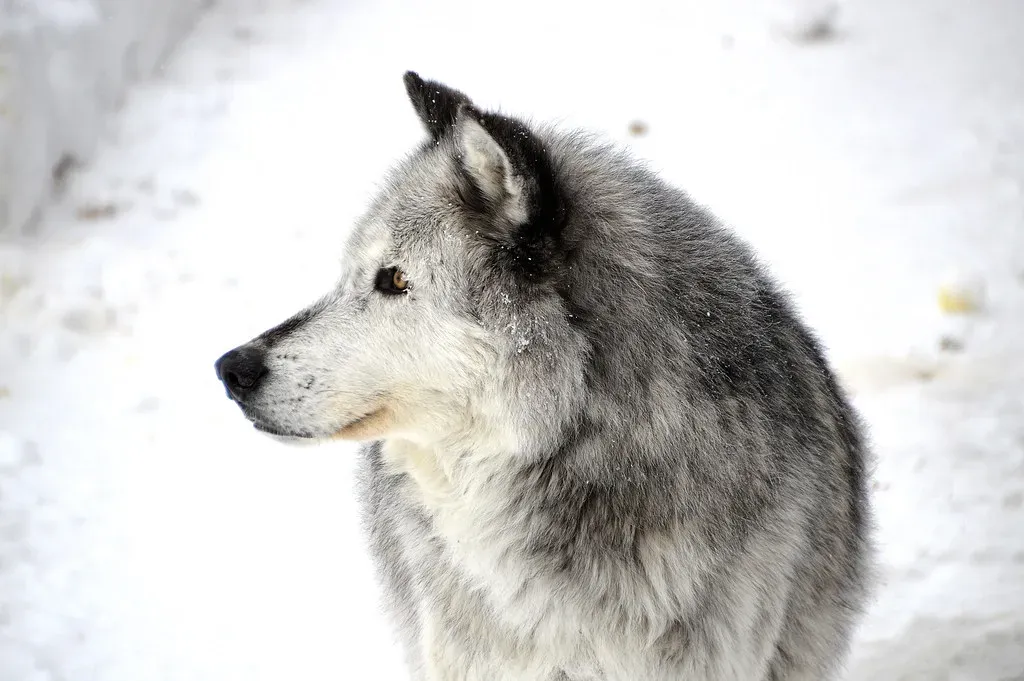
Standing on a bridge over a Yellowstone stream today, it’s hard to see every thread that ties a wolf’s paw print to the curve of a riverbank, but the connection is there. The park has become a sort of open-air lesson in how top predators can influence not just what lives in an ecosystem, but how the land and water themselves are shaped. For me, visiting Yellowstone after reading about these changes felt like seeing an old black-and-white photo slowly gain color; the willows, birds, and beaver ponds gave the valleys a layered, living feel that simple numbers on a chart can’t capture.
At the same time, Yellowstone’s experience warns against quick fixes or neat stories about “just add wolves” and everything snaps back to perfection. Real landscapes are messy, political, and changing under the pressure of climate, people, and time. The quiet reshaping of river systems in Yellowstone suggests that when we restore missing pieces of the natural puzzle, we may unlock processes we didn’t fully realize we’d lost. It leaves an open question hanging over any place where large predators have vanished: if they returned, what else might quietly begin to change?