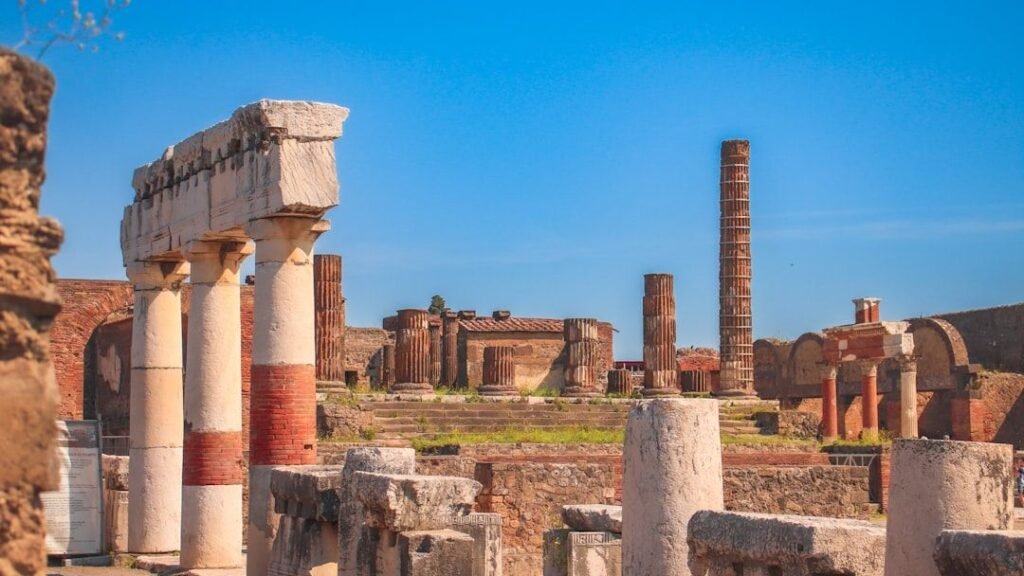

Picture a hot afternoon in ancient Pompeii. You’re done with your work, heading to the baths for a well-deserved soak. You strip down, rub some olive oil on your skin, and slide into the warm pool. Sounds blissful, right? Here’s the thing: a groundbreaking study from Johannes Gutenberg University Mainz has just shattered that idyllic image.
The water you’d be bathing in was replaced only once per day, and it was contaminated with things you really don’t want to think about. Lead, zinc, and copper peaks in the anthropogenic carbonate deposits revealed something unsettling about what Romans were actually exposing themselves to. This wasn’t the pristine Roman hygiene we’ve been taught to admire. Let’s dive in and see what scientists discovered lurking in the ancient pools.
The Limescale That Told the Truth
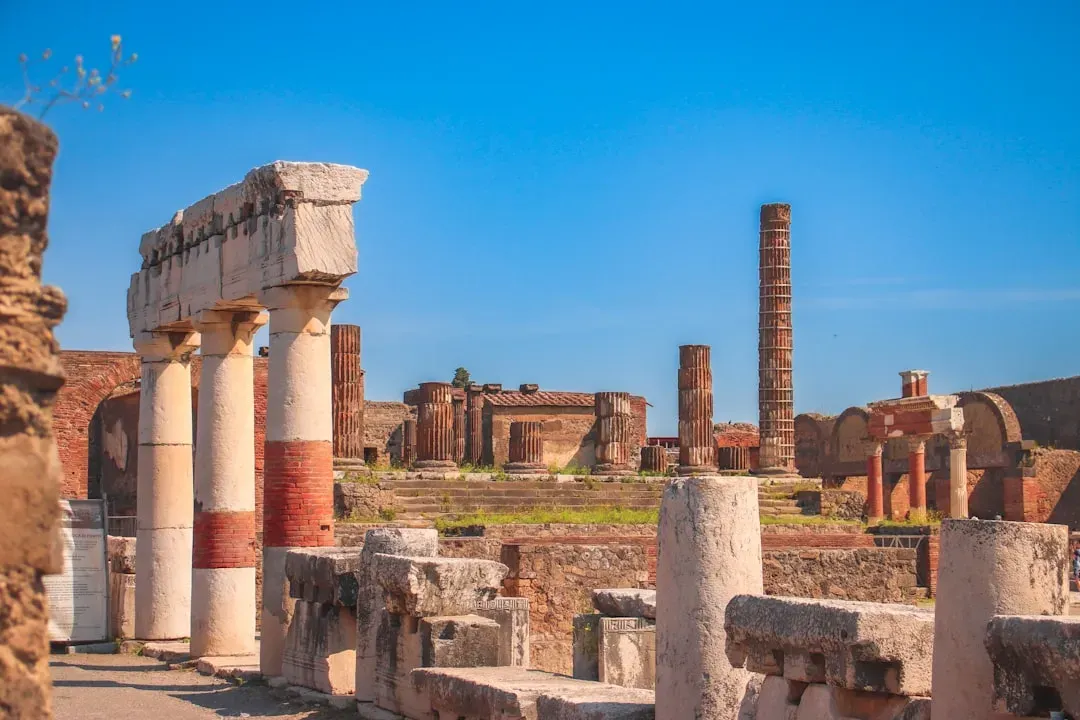
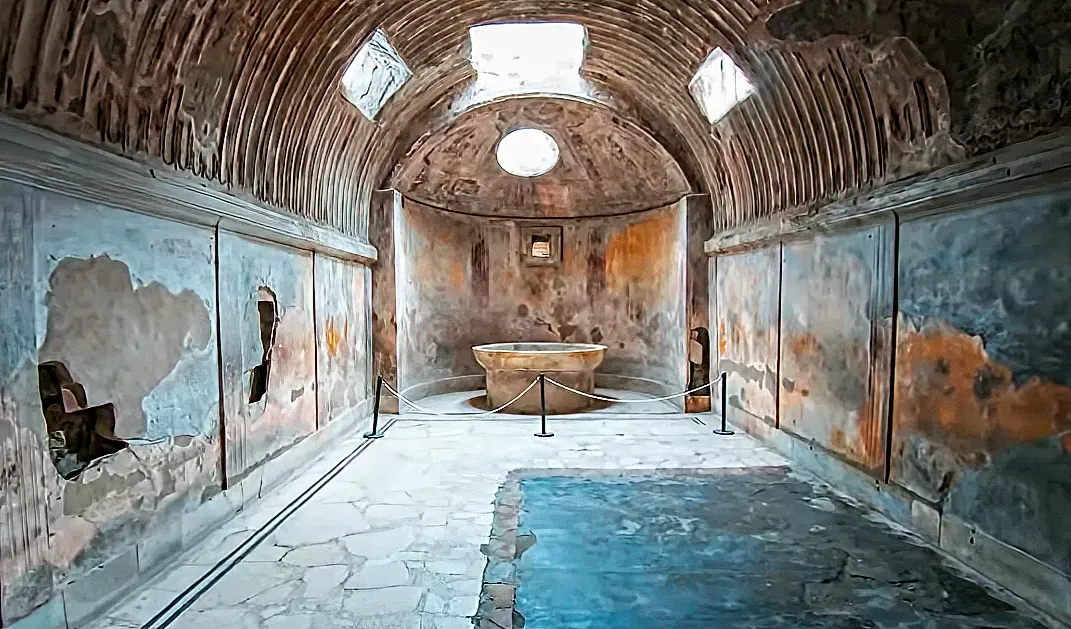
Scientists didn’t have time machines, so they did the next best thing. Researchers analyzed the chemical compound calcium carbonate preserved in incrustations in the Republican Baths at Pompeii to peek into the past. Think of limescale as nature’s recording device. Every layer of crusty buildup in those ancient pipes and pools captured a snapshot of what the water contained centuries ago.
The Republican Baths, the oldest public bathing facilities in the city, dating back to pre-Roman times around 130 BC, became the focus of this investigation. What the team found was honestly shocking. These weren’t just mineral deposits. They were time capsules preserving evidence of contamination that would make any modern health inspector lose sleep.
Water from the Depths, Changed Once Daily
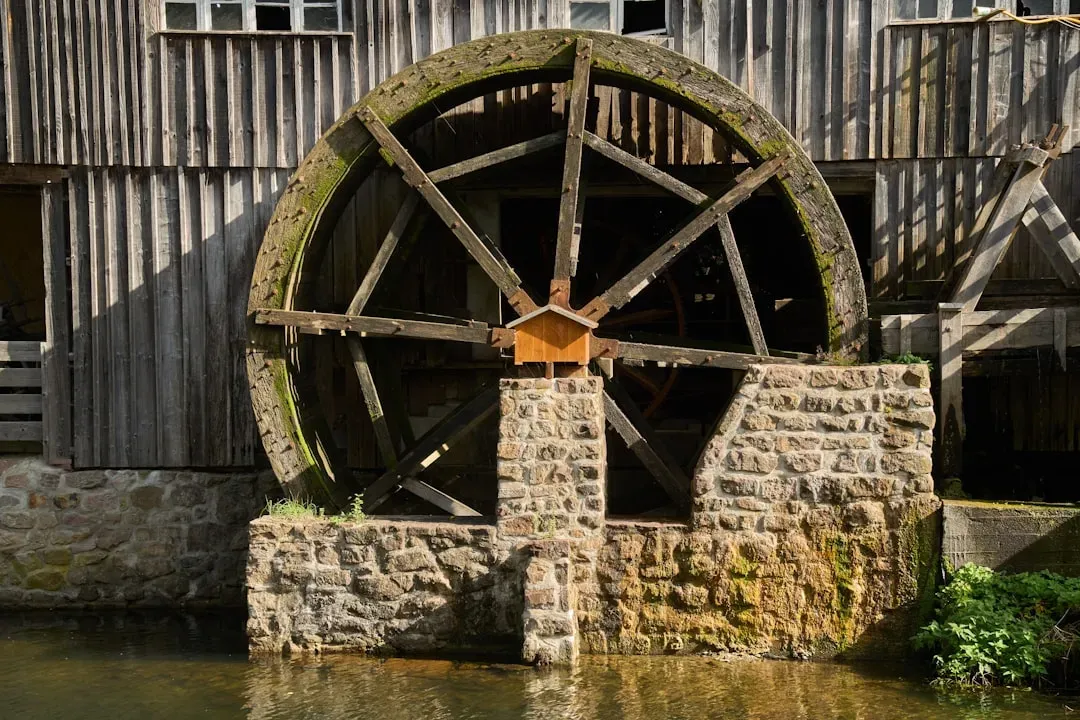
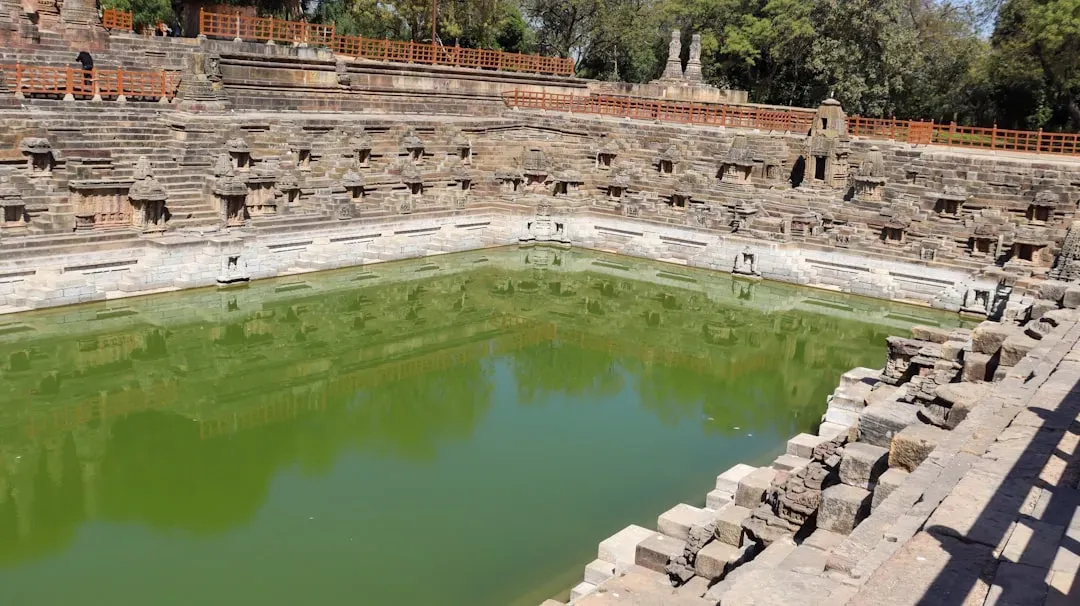
Before Pompeii had its fancy Roman aqueduct, things were rough. Bathing facilities were filled with water from wells and cisterns via a single water-lifting machine that was operated by enslaved people. Picture this: a treadwheel system, powered by human labor, struggling to haul water up from deep underground wells.
Here’s where it gets real. The system would have only pulled up between 238 and 1,321 gallons of well water per hour, meaning those pools stayed pretty much the same all day long. The water could not be replenished more than once a day, and in this setting, water would be less clean, especially before the bathing water was refreshed again. Imagine dozens, maybe hundreds of bodies passing through that same water before it finally got changed.
Human Waste and Heavy Metals
Let’s be honest about what was floating around in there. The water in the heated pools of the Republican Baths shows high contamination by human waste, suggesting that it was not replenished regularly and that it offered poor hygienic conditions for the Pompeiian bathers. We’re talking sweat, urine, and worse.
Romans didn’t use soap like we do. People would not use soap, but olive oil to rub in and scrape the dirt off, and some of that oil would land in the water. The scraped-off grime, dead skin, and oily residue all ended up in the communal pool. On top of that biological soup, researchers found lead, zinc, and copper peaks in the anthropogenic carbonate deposits, which indicates contamination with heavy metals in the water of the baths.
When Rome Brought the Aqueduct
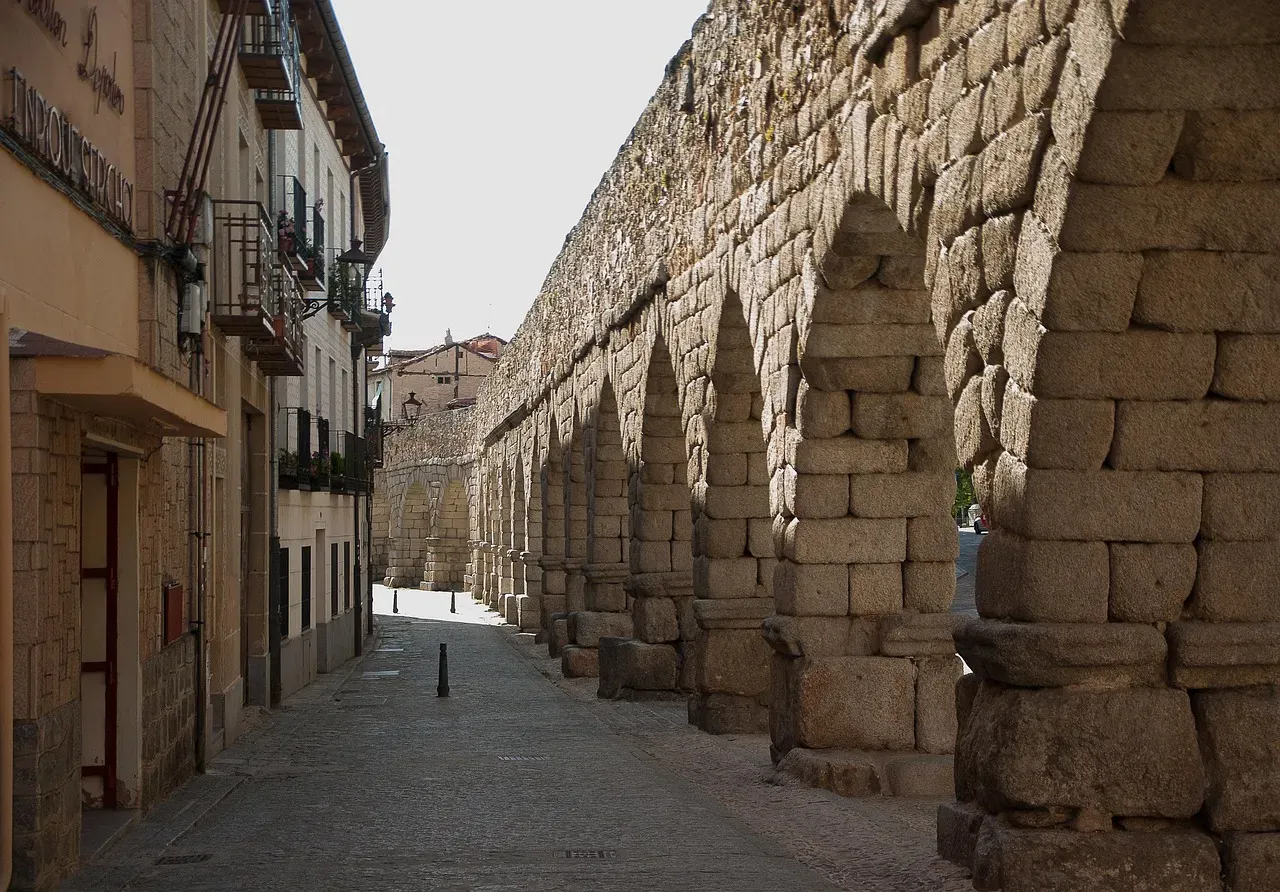
Things improved when Roman engineering arrived. After Pompeii became a Roman colony around 80 BC, engineers constructed an aqueduct bringing fresh spring water from approximately 35 km (22 miles) northeast. This was a game changer.
The aqueduct could transport around 50 times this amount compared to the old well system. More water meant more frequent changes, which meant cleaner pools. When the scientists investigated historical mineral deposits from the Roman aqueduct era, they found evidence of much less organic matter, which suggests that the water in the pools was cleaner, though likely still not pristine. Still, don’t get too comfortable with that improvement.
Lead Pipes Brought New Problems
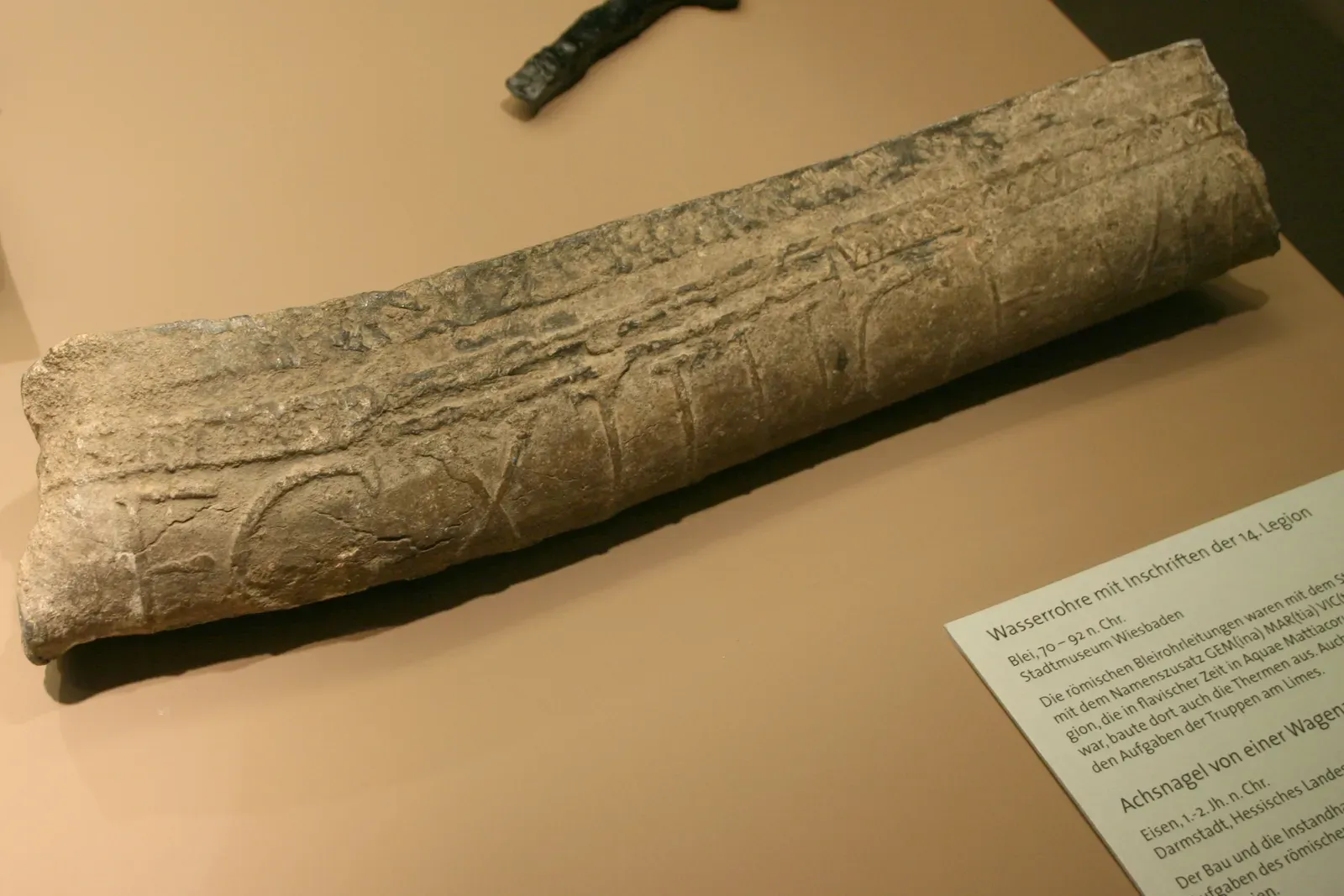
Roman innovation came with a hidden cost. The water was distributed throughout the city via a series of pipes made of lead, now a well-known neurotoxin that can cause serious health problems. The irony is brutal: cleaner water delivered through poisonous pipes.
Elevated levels of lead were identified in the Republican Baths, likely introduced through the lead-pipe system, though over time, the gradual incrustation of the pipes with calcium carbonate would have reduced the water’s lead level. Mineral buildup became an accidental shield. However, any time the city replaced the pipes with new ones, the contamination probably got worse again.
The Class Divide in Water Safety
Not everyone suffered equally. The wealthy elite likely had rainwater-capture systems on their large homes, so they didn’t end up drinking as much lead-filled water. Meanwhile, Pompeii’s poorer and working-class residents, who relied almost exclusively on public fountains for their drinking water, were probably the most affected by the lead contamination.
It’s a pattern we still see today. The people with resources could opt out of the public system entirely. Everyone else had no choice but to use whatever water the city provided, contaminated or not. The baths were communal, sure, but the health consequences weren’t equally distributed.
Conclusion
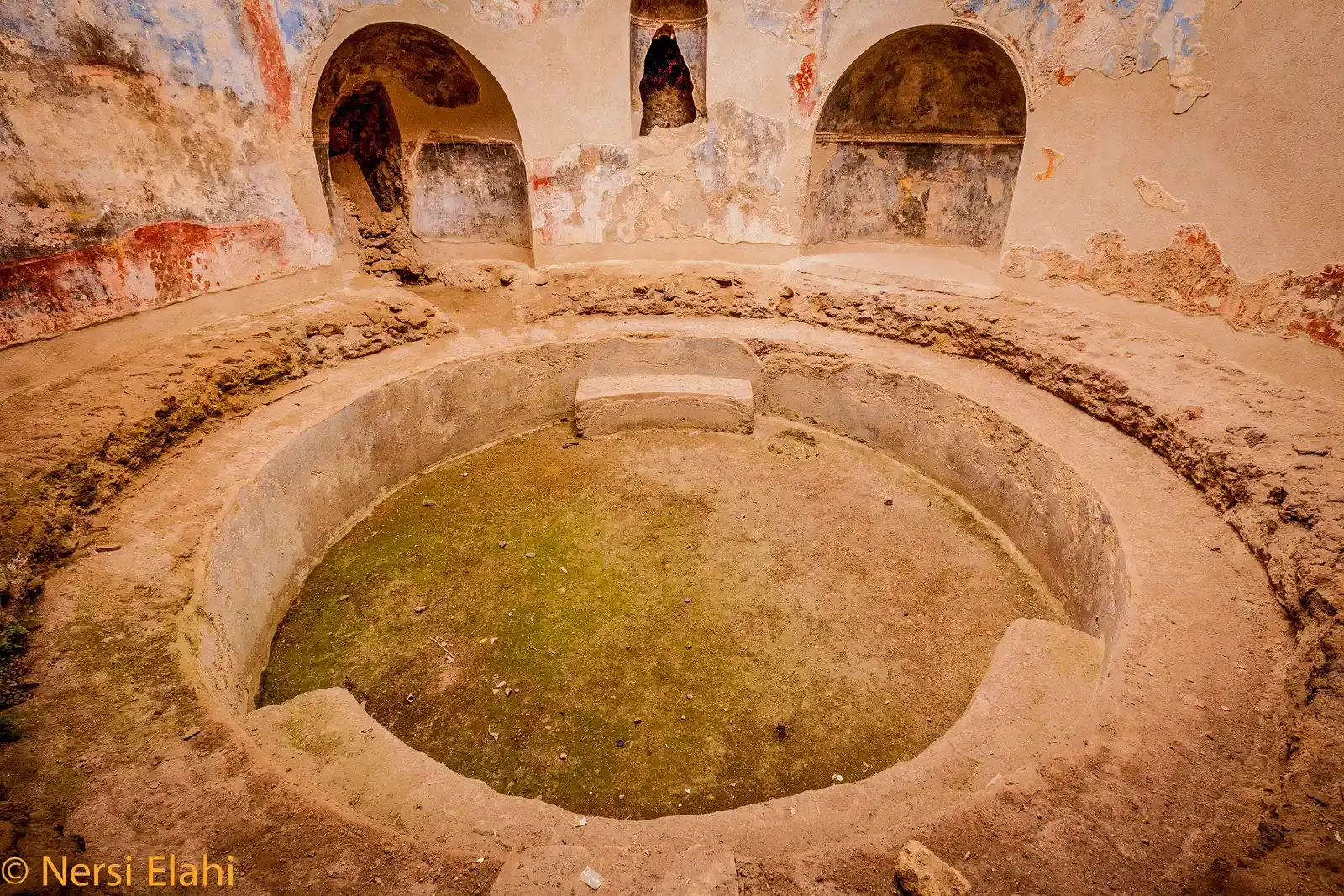
So what does all this tell us? The Romans weren’t as clean as we’ve romanticized them to be. The hygienic condition did not meet the high hygienic standards usually attributed to the Romans, at least not in early Pompeii. Those public baths we’ve admired for centuries were often breeding grounds for bacteria, heavy metal exposure, and communal filth.
Yet people kept going. The baths were social hubs, places to see and be seen, to strike deals and gossip. Maybe the Romans knew the water wasn’t perfect. Maybe they just accepted it as the price of participation in public life. What would you have done? Would you have skipped the baths and risked social isolation, or taken your chances in the contaminated water? Tell us what you think in the comments.