
Have you ever woken up with a bizarre dream clinging to your thoughts, wondering what on earth your brain was doing all night? Most of us have. For centuries, dreams were dismissed as mystical messages or random mental noise. Some thought they were prophecies, while others believed they were just the brain cleaning out the day’s garbage. Yet here in 2026, neuroscience is painting a wildly different picture.
Advanced neuroscientific techniques have found that dreams have underlying physiological correlates. Dreams aren’t random. They’re deeply connected to how our brains process emotions, memories, and experiences. Let’s be real, your brain is doing some serious heavy lifting while you’re drooling on your pillow. What scientists are discovering is that dreams offer us a rare glimpse into the brain’s hidden machinery, revealing processes that shape who we are and how we function.
The Brain’s Emotional Laundromat: How Dreams Process Feelings

Think of your dreams as an emotional washing machine. Honestly, it’s not far from the truth. People who report dreaming show greater emotional memory processing, suggesting that dreams help us work through our emotional experiences. Research from the UC Irvine Sleep and Cognition Lab has shown something remarkable: participants who dreamed after viewing emotionally charged images remembered the intense moments better while feeling less reactive to them the next day.
Depressed divorcees who dreamed about their ex-spouses were more likely to have a significant reduction in depressive symptoms at 1-year follow up. The brain, it seems, isn’t just replaying our day. It’s actively working through the tough stuff, softening the sharp edges of painful memories while keeping the important lessons intact.
Dreaming and REM Sleep Aren’t the Same Thing

Here’s something that might blow your mind. For decades, scientists assumed dreaming only happened during REM sleep – that stage where your eyes dart around beneath your lids. Turns out, they were wrong. Dreaming and REM sleep are actually controlled by different parts of the brain. You can have REM without dreaming, and dreaming without REM.
The cholinergic brain stem mechanisms that control the REM state can only generate the psychological phenomena of dreaming through the mediation of a second, probably dopaminergic, forebrain mechanism. Basically, your brainstem controls REM sleep, but it’s your forebrain that creates the actual dream experience. This discovery has completely reshaped how neuroscientists think about consciousness during sleep.
Your Brain Is Rewriting Your Autobiography While You Sleep
Memory consolidation during sleep has become one of the hottest topics in neuroscience. Dreams incorporate recent experiences, and memory-related brain activity is reactivated during sleep, suggesting that dreaming, memory consolidation, and reactivation are tightly linked. Picture your brain as a writer, editing the story of your life each night. It’s deciding what to keep, what to file away, and what to toss in the recycling bin.
Recent studies have shown that when people listen to an audiobook before sleeping, brain activity patterns during REM sleep held information about which audiobook our participants had listened to before falling asleep. The brain literally replays and processes what you learned during the day. It’s not just storing facts like a hard drive – it’s weaving them into your existing knowledge, making connections you might not consciously realize.
The Amygdala and Hippocampus: Dream Central Command
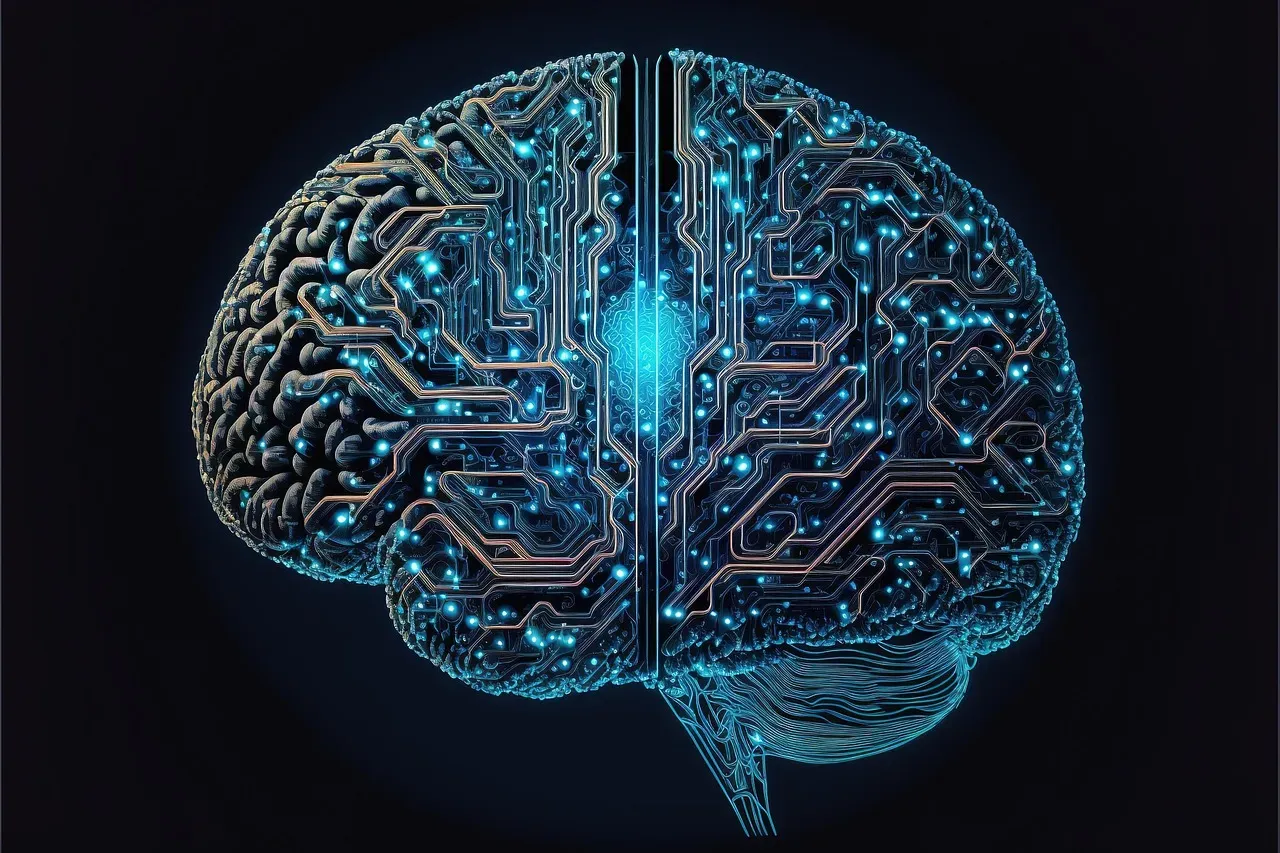
So where exactly does dreaming happen? The answer is more complex than you’d think. fMRI scanning with simultaneous EEG scalp recordings demonstrate selective activation of the pontine tegmentum, thalamic nuclei, several limbic elements including the amygdala and the hippocampus, anterior cingulate cortex, insula, mediobasal prefrontal lobes during dreaming. That’s a mouthful, I know.
What matters is this: your emotional center – the amygdala – is firing away during dreams, while the rational prefrontal cortex that usually keeps you grounded takes a nap. This explains why dreams feel so emotionally intense yet logically absurd. You’re flying through your childhood home chased by a talking sandwich, and in the dream it makes perfect sense.
Dreams Help You Forget the Right Things

This might sound counterintuitive, but dreams actually help you forget. The emotional memory trade-off – negative images maintained at the cost of neutral memories – only occurred in those who reported dreaming, and not in Non-Dream-Recallers. Your brain is making executive decisions about what deserves precious mental real estate.
Participants who reported dreaming had better recall and were less reactive to negative images over neutral ones, a pattern that was absent in those who did not remember dreaming. It’s like your brain is saying, “Sure, remember that near-miss car accident so you’ll be more careful, but forget what color shirt you wore on Tuesday.” Dreams prioritize emotional significance over mundane details, which is honestly a pretty smart system.
The Unique Electrical Signature of Dream Sleep
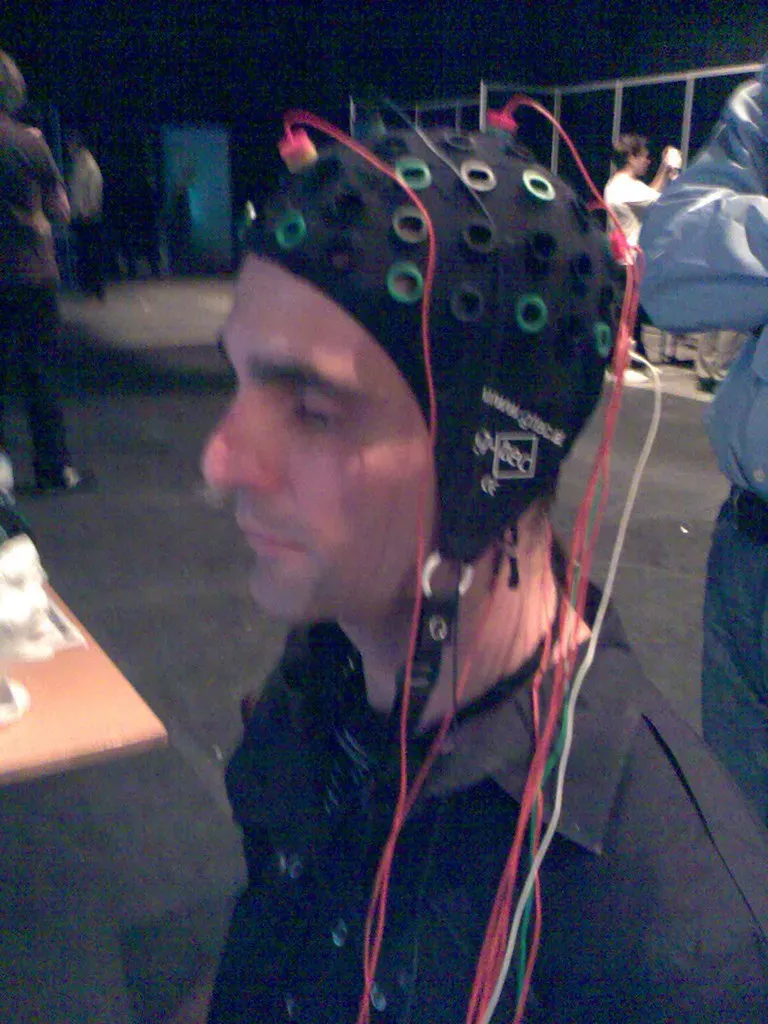
Scientists have now discovered something extraordinary: an EEG signature of REM sleep, allowing scientists for the first time to distinguish dreaming from wakefulness through brain activity alone. For years, doctors could only tell if someone was dreaming by watching their eyes move rapidly under closed lids. Now we can actually read the brain’s electrical activity and know.
A faster drop-off of high-frequency activity, relative to low-frequency activity, is a unique signature of REM sleep. This breakthrough could help doctors understand coma patients better and could even reveal what’s happening under anesthesia. The brain’s “noise” that was previously ignored turns out to contain incredibly valuable information about consciousness itself.
Threat Simulation: Your Brain’s Virtual Reality Training

Ever notice how many dreams involve some kind of conflict or challenge? There’s a reason for that. The simulation theory of dreaming emphasizes the active role of dreaming in emotional processing, positing that dreams serve to simulate threats and rehearse coping methods in a virtual context. Your brain is essentially running disaster drills while you sleep.
There is a threat circuit that is composed of the amygdala, periaqueductal gray, hippocampus, medial prefrontal cortex that activates during dreaming. This isn’t accidental. It’s your brain preparing you for potential future challenges, working through scenarios where you might need to escape, fight, or cope. It’s ancient survival programming meeting modern life, which is why you might dream about missing a work presentation with the same intensity your ancestors dreamed about escaping predators.
Why We Remember Some Dreams and Forget Others

Most people forget the vast majority of their dreams within minutes of waking. So why do some dreams stick around? Higher dream recall frequency was related to increased white matter microstructure integrity in regions including the orbitofrontal cortex, parahippocampal gyrus, superior parietal lobule, and occipital cortex. People who regularly remember their dreams have measurable differences in their brain structure.
Frontal theta oscillations during the last segment of REM sleep before awakenings were predictive of dream recall after awakening. The brain activity right before you wake up determines whether you’ll remember that wild adventure or lose it forever. It’s not about the dream itself being more memorable – it’s about your brain state during the transition from sleeping to waking.
Conclusion: Dreams as a Mirror and a Workshop

Dreaming is the product of a mind that is constantly encoding and processing information about the world. Dreams aren’t mystical messages from another realm, nor are they meaningless static. They’re your brain doing exactly what it’s designed to do: process, consolidate, problem-solve, and heal. Every bizarre narrative, every impossible scenario, every emotional rollercoaster is the brain’s workshop in action.
The more we learn about dreaming, the more we realize how essential it is to our mental health and cognitive function. Dreams reveal not just what we’re thinking about, but how our brains organize experience, regulate emotion, and prepare us for tomorrow. They’re a window into neural processes we can’t access any other way – our brain’s hidden workings laid bare, one strange story at a time.
What was the last dream you remember? Did it surprise you?