Every single person on the planet spends roughly two hours each night in a world entirely disconnected from reality. We experience vivid sensory hallucinations, bizarre narratives, and intense emotions, all while lying motionless in bed. Yet when morning comes, most of us barely remember these nocturnal adventures. It’s hard to say for sure why evolution programmed us this way, but what scientists do know is that our brains are conducting one of the most remarkable experiments in psychology night after night, without our conscious participation.
Dreams show that our brain, disconnected from the environment, can generate by itself an entire world of conscious experiences. Think about that for a moment. Your brain, cut off from external input, crafts entire storylines, populates them with characters, and creates sensory experiences that feel absolutely real in the moment. So what’s actually happening up there when you drift off?
The Brain’s Nightly Performance Begins in REM Sleep

Dreaming can happen during any stage of sleep, but dreams are the most prolific and intense during the rapid eye movement (REM) stage. Most people think REM sleep and dreaming are essentially the same thing, but honestly, the relationship is more complicated than that. Sleep studies show our brainwaves are almost as active during REM cycles as they are when we’re awake.
Here’s where it gets really interesting. Experts believe the brainstem generates REM sleep and the forebrain generates dreams, and if the brainstem is injured, patients dream but don’t go into REM sleep, while if the forebrain is injured, patients go into REM sleep but don’t dream. This suggests something crucial: dreaming and REM sleep are actually controlled by different neural machinery, even though they usually happen together.
Multiple Brain Regions Work Together to Build Your Dreams

During rapid eye movement sleep, neural activity in the pons (brainstem) activates the brain, particularly the lateral geniculate nucleus and visual cortex, to generate information. The process involves a remarkable coordination of brain areas. Brain imaging studies found increased regional brain activity in the limbic and paralimbic structures, pontine tegmentum, thalamus and basal forebrain during REM sleep, as compared to wakefulness.
But there’s a twist. Other brain areas are hypoactive during REM sleep compared to the waking state, such as the dorso-lateral prefrontal cortex, precuneus, orbitofrontal cortex and posterior cingulate gyrus. This explains why dreams often lack logical consistency and why we accept bizarre scenarios without question while dreaming. Your brain’s executive control center is basically taking a nap while the emotional and visual centers throw a party.
Dreams Aren’t Just Random Neural Noise
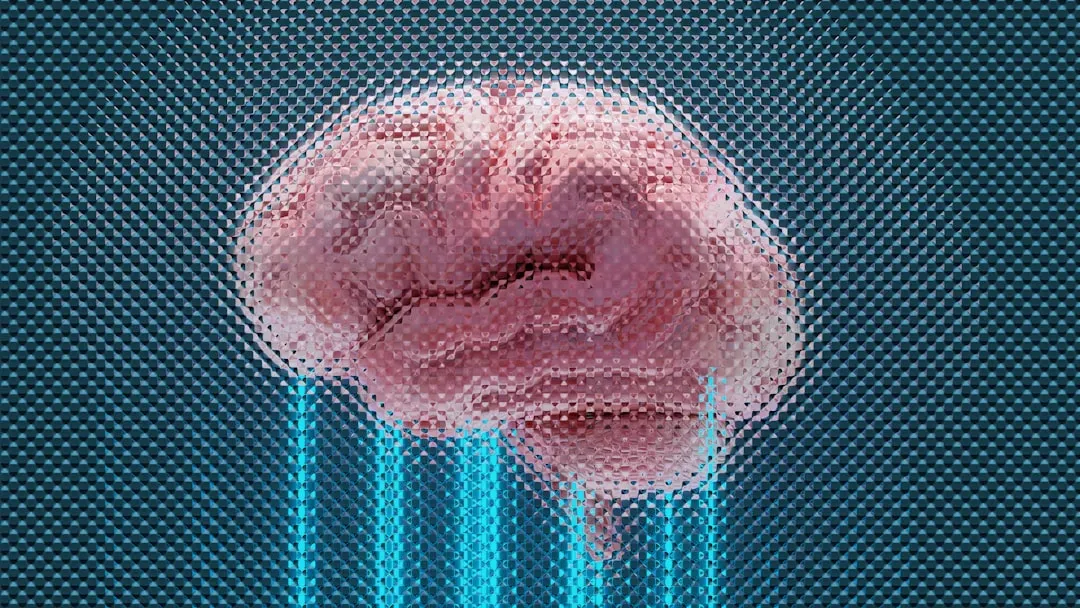
For decades, one popular theory suggested dreams were meaningless byproducts of random brain activity. One prominent neurobiological theory of dreaming is the “activation-synthesis hypothesis,” which states that dreams don’t actually mean anything: they are merely electrical brain impulses that pull random thoughts and imagery from our memories. Let’s be real, though – that theory never quite sat right with anyone who’s had a vivid, emotionally charged dream that stuck with them for days.
Dreams incorporate recent experiences, and memory-related brain activity is reactivated during sleep, suggesting that dreaming, memory consolidation, and reactivation are tightly linked. Recent research from 2025 showed that participants who dreamt of content they’d experienced before sleep showed stronger neural reinstatement patterns. Your brain isn’t just throwing random images on a screen; it’s actively processing, sorting, and connecting information from your waking life.
Memory Consolidation Happens While You Dream

During sleep, newly-formed memories are gradually stabilized into a more permanent form of long-term storage in the brain, and dreaming is influenced by the consolidation of these memories during sleep. Think of it like your brain is filing away the day’s experiences, deciding what’s important enough to keep and what can be discarded.
Participants who dreamed about a virtual maze showed dramatic improvements in their ability to find the exit the next day. This isn’t some abstract concept – it has real implications for learning and performance. That’s probably why cramming before an exam without sleeping doesn’t work as well as studying earlier and getting proper sleep. Vivid, bizarre and emotionally intense dreams are linked to parts of the amygdala and hippocampus. These structures are crucial for emotional memory processing, which suggests dreams help us deal with both the facts and the feelings of our experiences.
Emotional Processing Gets Special Treatment at Night

Dreaming has the potential to help people de-escalate emotional reactivity, probably because the emotional content of dreams is paired with a decrease in brain noradrenaline. Noradrenaline is a stress-related chemical, so when it drops during REM sleep, your brain can replay emotional experiences without the full stress response that accompanied them in waking life.
Studies have shown something remarkable about this process. Those who slept between viewing emotional images reported a significant decrease in how emotional they felt in response to seeing those images again, and their MRI scans showed a significant reduction in reactivity in the amygdala, with a reengagement of the rational prefrontal cortex that helped maintain a dampening influence on emotional reactivity. Essentially, sleep acts as overnight therapy. Dreams let you process difficult emotions in a neurochemical environment that takes the sting out of painful experiences.
Why Visual Content Dominates Our Dreams

One fascinating theory suggests dreams serve a specific evolutionary purpose related to vision. In the “defensive activation theory,” dream sleep exists to keep neurons in the visual cortex active, thereby combating a takeover by the neighboring senses. The argument goes like this: our ancestors spent half their lives in darkness, and without input, the visual cortex risked being commandeered by other senses like touch or hearing.
Dream sleep keeps neurons in the visual cortex active, thereby combating a takeover by the neighboring senses, and dreams are primarily visual precisely because this is the only sense that is disadvantaged by darkness. It sounds almost too clever, but the evidence is compelling. Scans of dreaming people show most of the brain activity associated with REM is within the visual cortex, and dreams are the brain’s way of fighting takeover from other senses, with REM activation prompting internally generated activity in the visual cortex as a means to safeguard its territory. Even people born blind experience dream activity in these regions, though their dreams incorporate other sensory experiences instead of visual imagery.
Brain Waves Hold the Key to Dream Recall

Ever wonder why some dreams stick with you while others vanish within seconds of waking? Scientists predicted the likelihood of successful dream recall based on a signature pattern of brain waves. Dream recall is predicted by an extensive reduction of delta activity during the last segment of sleep, encompassing left frontal and temporo-parietal areas.
The increased frontal theta activity observed looks just like the successful encoding and retrieval of autobiographical memories seen while we are awake, suggesting that the neurophysiological mechanisms employed while dreaming and recalling dreams are the same as when we construct and retrieve memories while awake. Your brain uses the same machinery for both waking memories and dream memories. That’s why dreams sometimes feel like real memories, at least until you wake up and realize you’ve never actually flown over your childhood home or had a conversation with a purple elephant.
Conclusion: A Nightly Mystery Still Being Unraveled

Even with ongoing research, it may be impossible to conclusively prove any theory for why we dream. Scientists have made tremendous progress understanding the neural mechanisms, brain regions, and chemical processes involved in dreaming. We know dreams serve important functions for memory consolidation, emotional regulation, and possibly even maintaining the brain’s sensory systems. Still, there’s something fundamentally mysterious about why evolution gifted us with these nightly journeys into alternate realities.
Perhaps dreams aren’t instilled with meaning, symbolism, and wisdom in the way we’ve always imagined, and they simply reflect important biological processes taking place in our brain, but with all that science has uncovered about dreaming and the ways in which it links to creativity and memory, the magical essence of this universal human experience remains untainted.
What do you think happens in your brain when you dream? Do you remember your dreams, or do they slip away like smoke? Tell us in the comments.