For generations, schoolbook history painted ancient civilizations as brilliant in a hazy, romantic way but fundamentally “primitive” compared with us. Over the last few decades, that picture has been quietly falling apart. High-resolution satellite data, underwater surveys, micro-archaeology, and advances in dating technologies keep exposing knowledge systems that were not only sophisticated for their time, but eerily aligned with modern science. This is not about aliens or magic; it is about human ingenuity pushed to its limits in environments as harsh as high Andean plateaus and monsoon-soaked jungles. Looking closely at seven ancient cultures, we are only now starting to understand how much they actually knew – and how much we still have to learn from them.
Ancient Mesopotamia: Cuneiform Tablets and the Birth of Precise Science
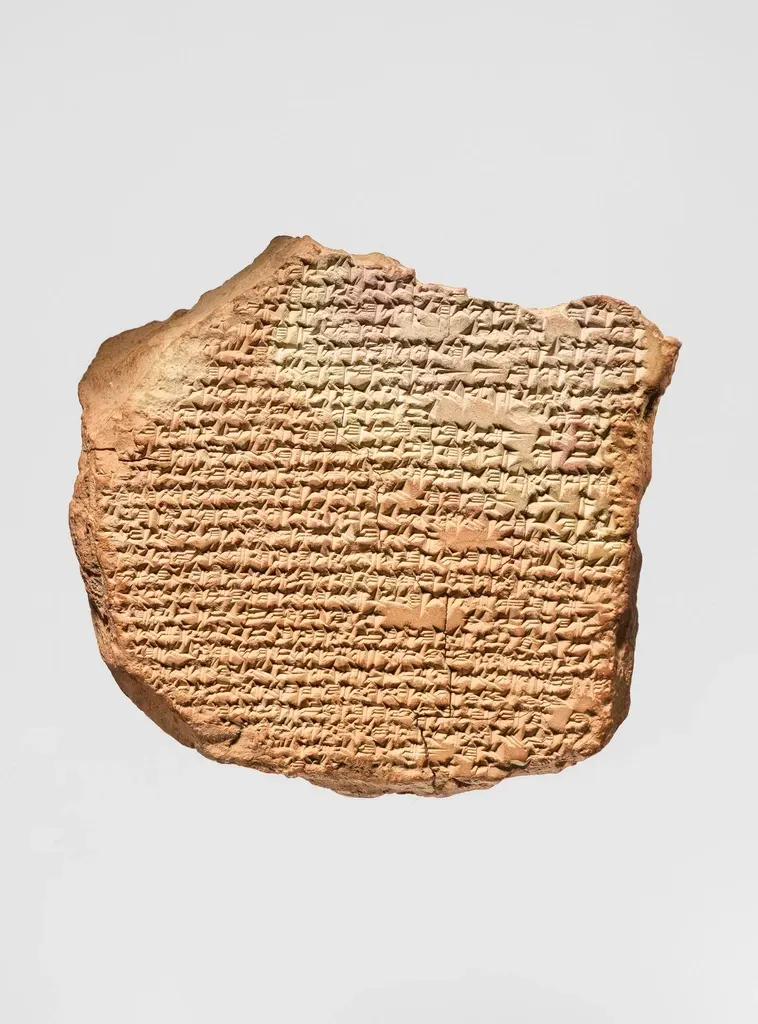
Imagine trying to model the motions of planets without a telescope, a calculator, or even the concept of algebra as we know it. That is exactly what scholars in ancient Mesopotamia, particularly the Babylonians, pulled off on clay tablets more than two thousand years ago. Recent reanalysis of these tablets has shown that they were using geometric methods that resemble modern calculus-like reasoning to track the motion of Jupiter. When I first read that, it felt a bit like discovering that your great-grandparents had been secretly doing quantum physics on the kitchen table. It forces a rethink of how we define “advanced” mathematics.
Those same cuneiform records also include detailed medical texts and diagnostic handbooks that list symptoms, potential causes, and treatments in a way that looks uncanny to anyone familiar with clinical manuals. Some treatments were rooted in ritual, but others relied on herbal compounds and observation-based trial and error over many generations. Their legal codes and accounting records reveal a culture where writing was not just for stories or religion, but a practical data system running an entire economy. When we dig into the details, Mesopotamia starts to look less like a distant cradle of civilization and more like an early experiment in evidence-based knowledge management.
Old Kingdom Egypt: Hidden Mathematics Behind Monumental Stonework
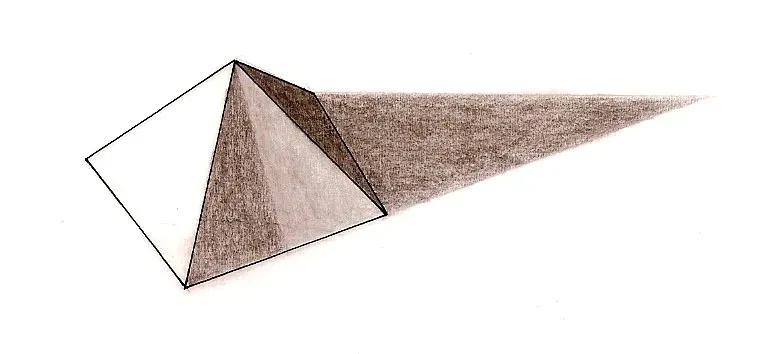
It is easy to look at the pyramids and think mainly of brute labor: thousands of workers dragging blocks through the desert. Yet the more engineers and archaeologists collaborate, the more the focus shifts to fine-tuned measurement and project management. The Great Pyramid at Giza is aligned to true north with an accuracy that rivals many pre-GPS modern buildings, and the base is astonishingly level despite its huge footprint. Survey data and recent reconstructions of likely building ramps show careful planning of forces, friction, and material limits, even if the Egyptians never wrote down the formulas the way we would.
Less famous but just as revealing are the pyramids’ internal passages and the surrounding temples, where angles, proportions, and sightlines appear to have been chosen for both symbolic and structural reasons. Stone-cutting marks and tool traces give us a peek at iterative techniques, where craftspeople refined methods across generations. Papyrus fragments with calculations for volumes and areas show an applied geometry rooted in practice rather than abstraction. The more we can model these structures with modern software and test hypotheses on experimental sites, the clearer it becomes that Old Kingdom architects were not guessing – they were working with a confident, tested mathematical toolkit.
Indus Valley Cities: Urban Planning Without Kings, Texts, or Chaos
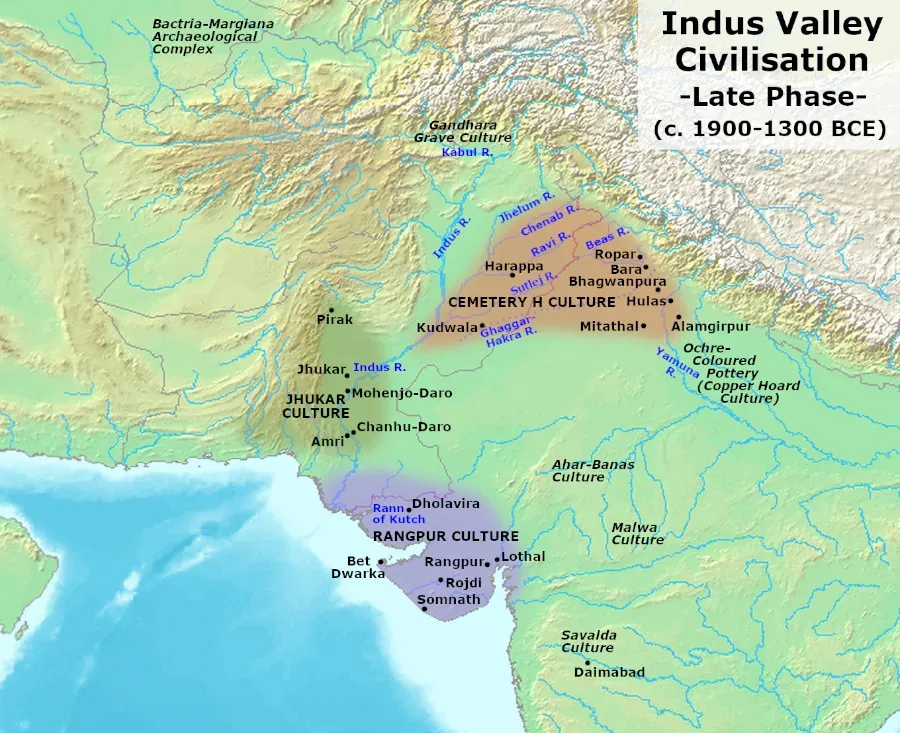
The Indus Valley civilization, stretching across what is now Pakistan and northwest India, is one of the most quietly radical examples of advanced ancient knowledge. Their cities – Mohenjo-daro, Harappa, and others – were laid out on grid-like plans, with standardized brick dimensions and evidence of zoning for different activities. When you see these aerial plans, they look disturbingly modern, like someone dropped a planned industrial town into the Bronze Age. Yet we have found no monumental palaces, no royal tombs, and no clear central authority carved into stone.
Recent analyses of their drainage systems and “great bath” complexes suggest a culture that invested heavily in public sanitation and water management. Many houses had access to wells and latrines connected to covered drains, something most of the world would not achieve again for a very long time. The uniformity in weights and measures across distant sites tells us they shared standards and quality control, even without the kind of empire-building kings we see in Mesopotamia or Egypt. The big mystery, still unresolved because their script remains undeciphered, is how they coordinated all of this. Our modern assumption that you need visible rulers and loud monuments to run a complex city does not hold up well in the Indus Valley.
Classical Maya: Deep-Time Astronomy Carved Into Stone
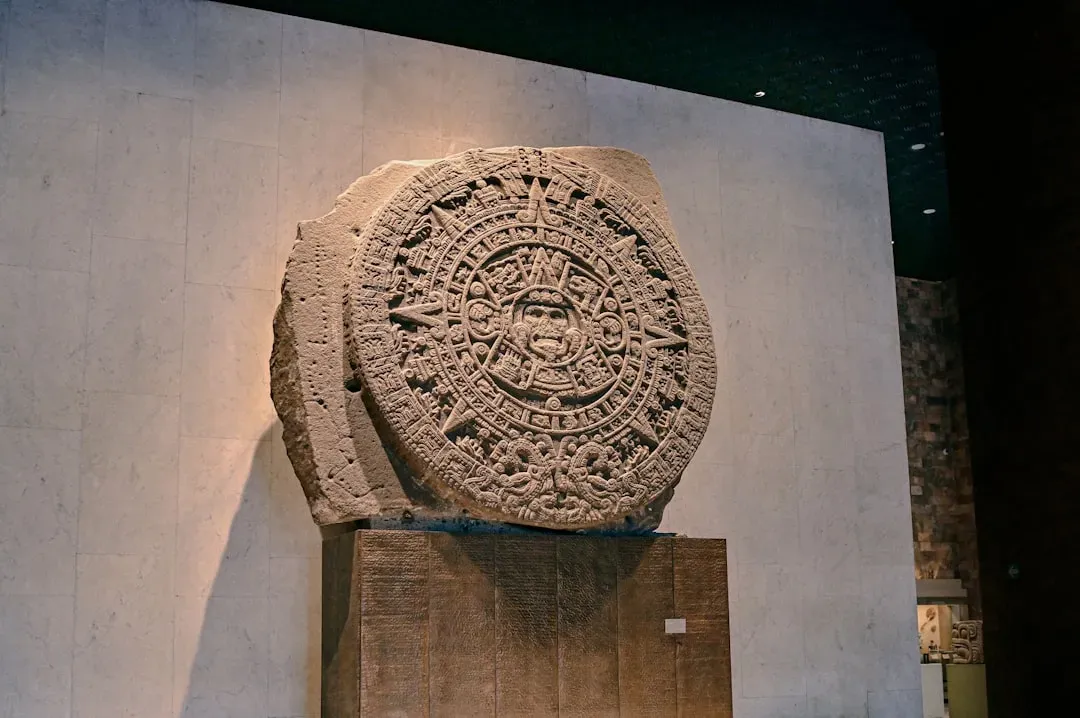
For a long time, the Maya were stereotyped in popular culture as obsessed with apocalypse dates, thanks to misunderstanding around their calendar. In reality, recent decipherment of glyphs and astronomical tables shows something much more impressive: they tracked celestial cycles over centuries with precision good enough to correct for small drifts. Their codices and inscriptions record patterns of eclipses, the movements of Venus, and the cycles of the Moon in a way that allowed them to predict future events. Standing under a Maya observatory ruin, you realize you are in a place designed for continuous long-term observation, not single ritual spectacles.
What has changed in the last couple of decades is the combination of epigraphy, archaeology, and statistical analysis of their data. Researchers have found that some of the “mythological” narratives double as encoding of astronomical insights, merging story with scientific tracking so that knowledge could be remembered and transmitted. Structures in cities like Chichén Itzá and Uxmal align with solstices and planetary risings, hinting at a built-in astronomy that turned cityscapes into giant measuring instruments. When we strip away the doomsday hype, the Maya come into focus as careful sky-watchers running a long-running natural experiment in celestial mechanics by eye and memory alone.
Ancient India: From Sulba Sutras to Surgical Manuals
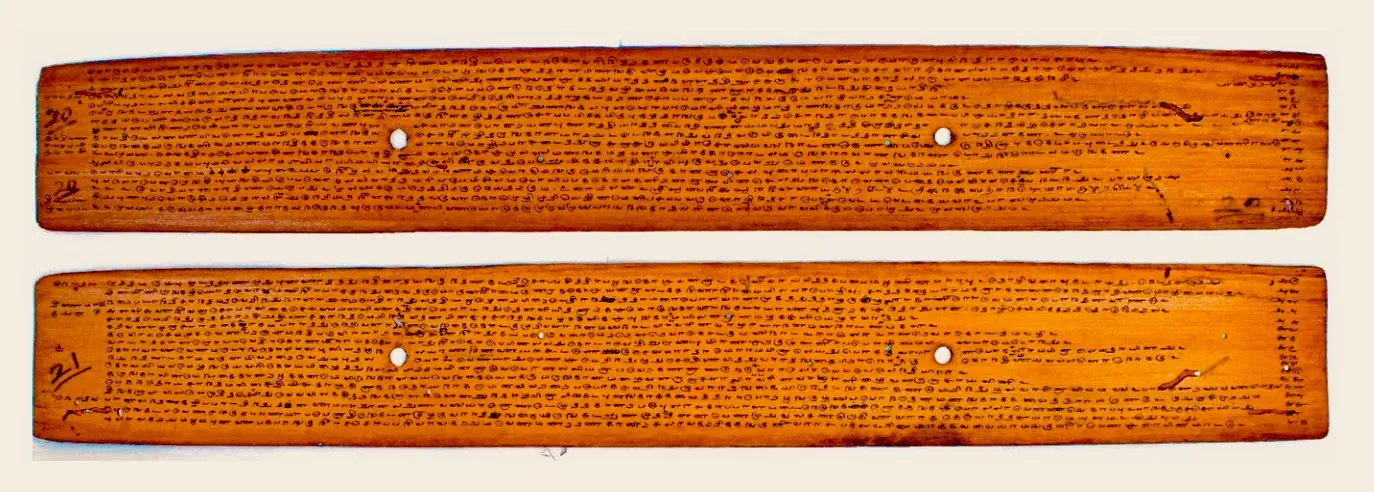
Ancient South Asia produced some of the world’s most quietly influential mathematical and medical ideas, many of which only gained full recognition when historians of science dug into Sanskrit and related texts with fresh eyes. The Sulba Sutras, ritual geometry manuals linked to Vedic traditions, contain rules for constructing altars that essentially require knowledge of what we now call the Pythagorean theorem. These were not polished theorems set in a classroom, but working recipes used to ensure that sacred spaces met strict proportional requirements. In practice, that meant geometry you could stake out with rope and pegs, centuries before Greek mathematicians formalized similar relationships.
On the medical side, classic Ayurvedic treatises such as surgical compendia describe procedures like rhinoplasty and cataract surgery in striking anatomical detail. Modern clinicians who study these texts sometimes find careful step-by-step instructions, tool descriptions, and post-operative care guidelines. Of course, not everything in these works aligns with contemporary evidence-based medicine, but the presence of empirical observation and experimental refinement is unmistakable. The more we place these texts back into their archaeological and social context, the harder it becomes to cling to the old story that science blossomed in a single place and time, then spread outward in a straight, clean line.
The Andean World: Inca Road Networks, Quipu Data, and High-Altitude Engineering
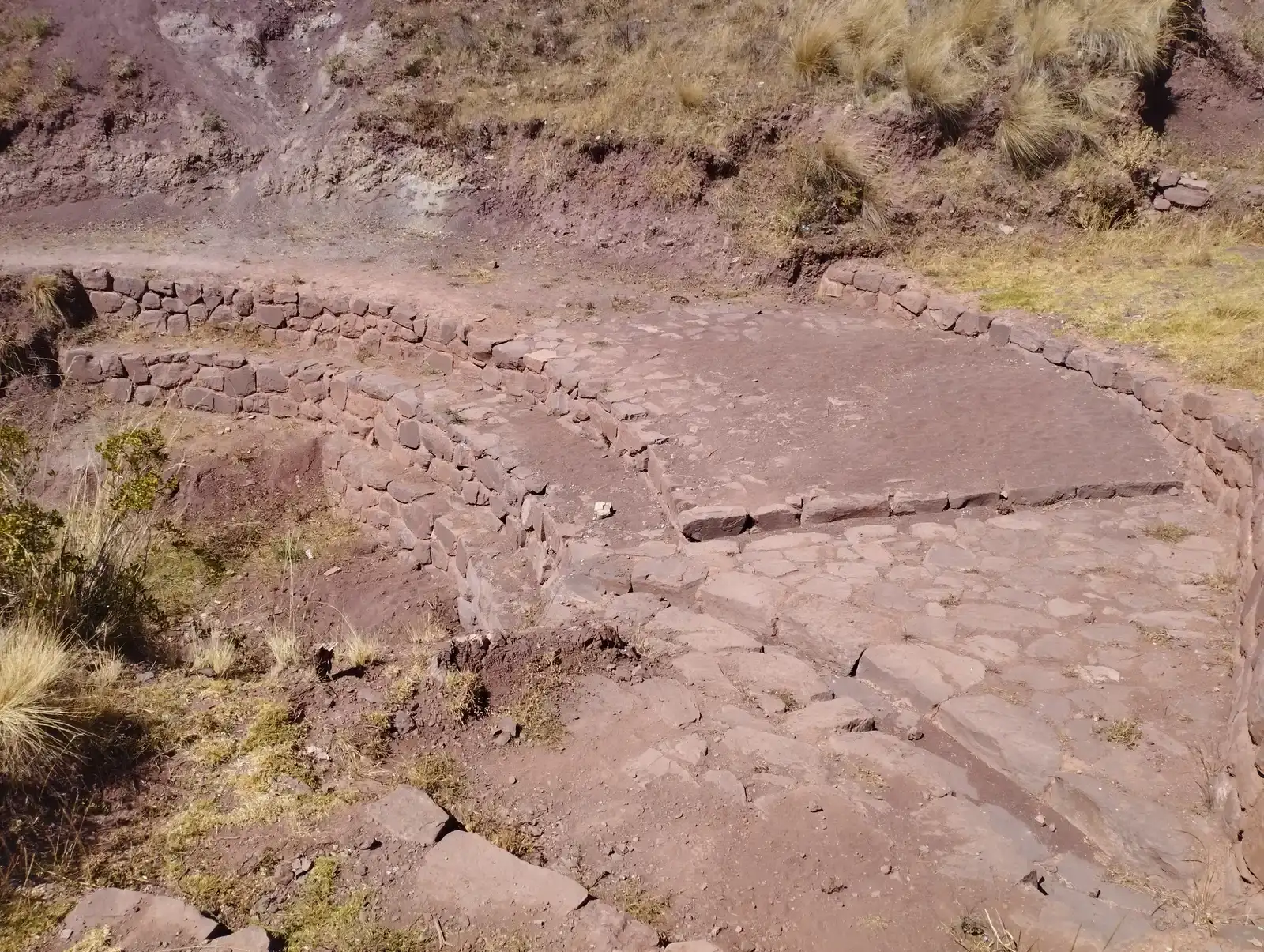
High in the Andes, the Inca built an empire without iron, the wheel for transport, or written scripts in the conventional sense, and yet they managed feats that still challenge modern engineers. Their road network stitched together deserts, valleys, and mountain passes with suspension bridges of woven fiber and stone-paved routes that resisted landslides and erosion remarkably well. Walking sections of those surviving trails today, you feel how carefully they hug contours, avoid unstable slopes, and integrate local materials. This is civil engineering tuned to complex terrain rather than imposed on it.
Equally intriguing are the quipu – bundles of knotted cords used for recording information. For years they were treated as glorified abacuses, but statistical and computational work on surviving examples suggests they might encode not just numbers but categories and narrative data. Combined with terracing and irrigation structures that optimized scarce water at high altitude, the picture that emerges is of a knowledge system focused on logistics, monitoring, and environmental adaptation. Instead of libraries full of books, you have fibers, terraces, and pathways that together store and move information through both space and time. We are only beginning to understand the grammar of that system.
Ancient China: Seismographs, Metallurgy, and Early Engineering Theory
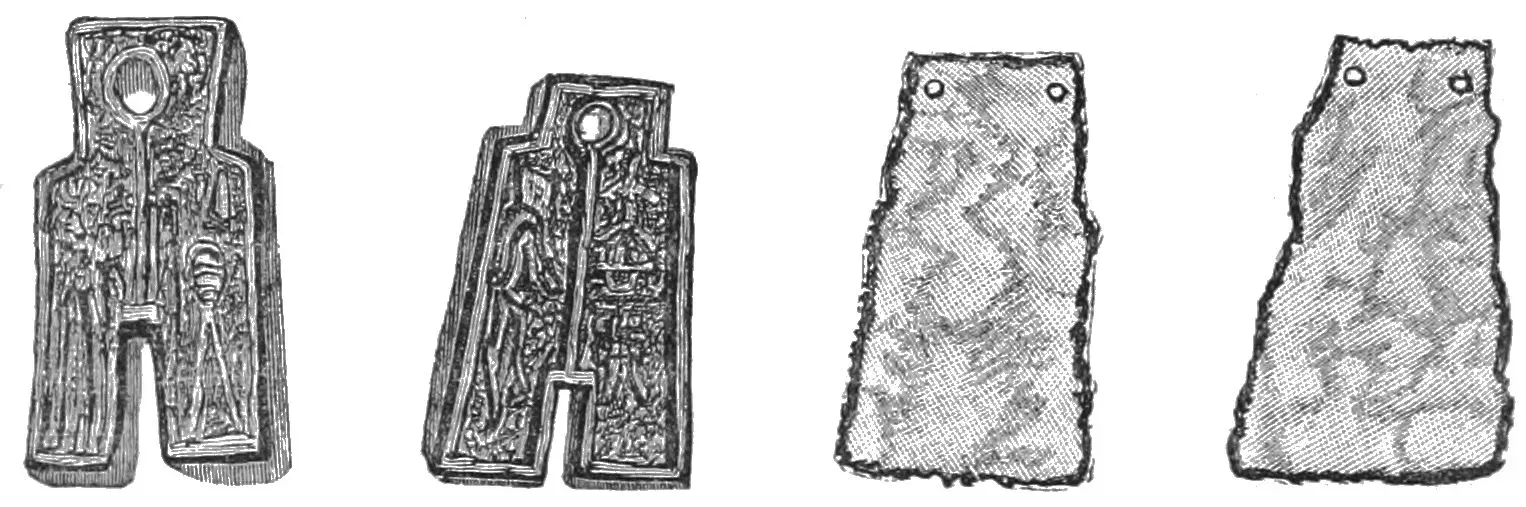
Ancient China often gets compressed into a greatest-hits list of inventions – paper, gunpowder, the compass – but recent scholarship highlights a deeper thread of experimentation and theory. Early seismographs, for example, used hanging mechanisms and directional triggers to register distant earthquakes with surprising accuracy for the time. Metallurgical analysis of ancient swords, bells, and tools has revealed intentional alloying strategies that balanced hardness, flexibility, and acoustic properties. These objects were not accidents; they were the outcomes of long, structured engagement with materials.
Texts on engineering, agriculture, and statecraft show attempts to generalize from those experiments, turning craft knowledge into something more like portable theory. Hydraulic engineering for floods and irrigation relied on careful study of river behavior and sediment, with officials documenting interventions and their outcomes across generations. As with other civilizations in this list, our modern view has often been distorted by which texts survived, which ones were translated, and which stories fit a convenient narrative of Western scientific “arrival.” Now that historians, archaeologists, and materials scientists are working together, ancient Chinese knowledge is emerging less as a series of isolated gadgets and more as an integrated scientific culture in its own right.
Rewriting the Timeline of “Advanced” Knowledge
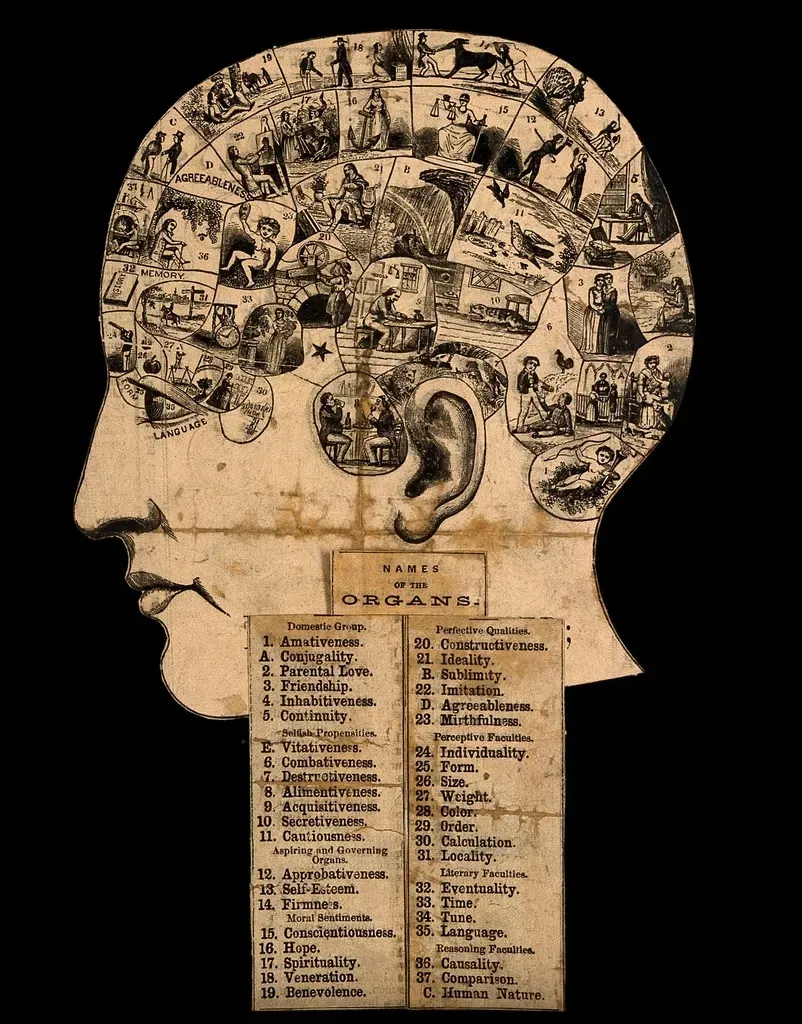
Pulling these seven cases together, a pattern jumps out: advanced knowledge is not a one-time spark, but a recurring human response to complex problems under different constraints. In Mesopotamia and the Maya world, the challenge was predicting the heavens with minimal instruments; in the Indus Valley and the Inca domain, it was managing cities and empires without toxic waste build-up or collapse under logistical strain. Egypt and ancient China pushed materials and construction to their limits, while South Asian traditions wove mathematics and medicine into ritual and daily life. Each civilization carved out its own version of systematic, testable knowledge, often without the conceptual labels we now use.
For a long time, older scholarship tended to slot these achievements into a ladder leading up to modern science, with some cultures placed closer to the top. Current research is more interested in cross-comparison: how Maya eclipse tables stack up against Babylonian ones, how Indus drainage compares to Roman sewers, how Inca roads fare next to modern hillside highways. When we compare like with like – accuracy, resilience, efficiency under local conditions – many of these ancient systems hold up surprisingly well. The deeper significance is humbling: modern science is powerful, but it is one branch on a very old tree of human curiosity and problem-solving, not the tree itself.
Why This Long-Lost Expertise Still Matters to Us
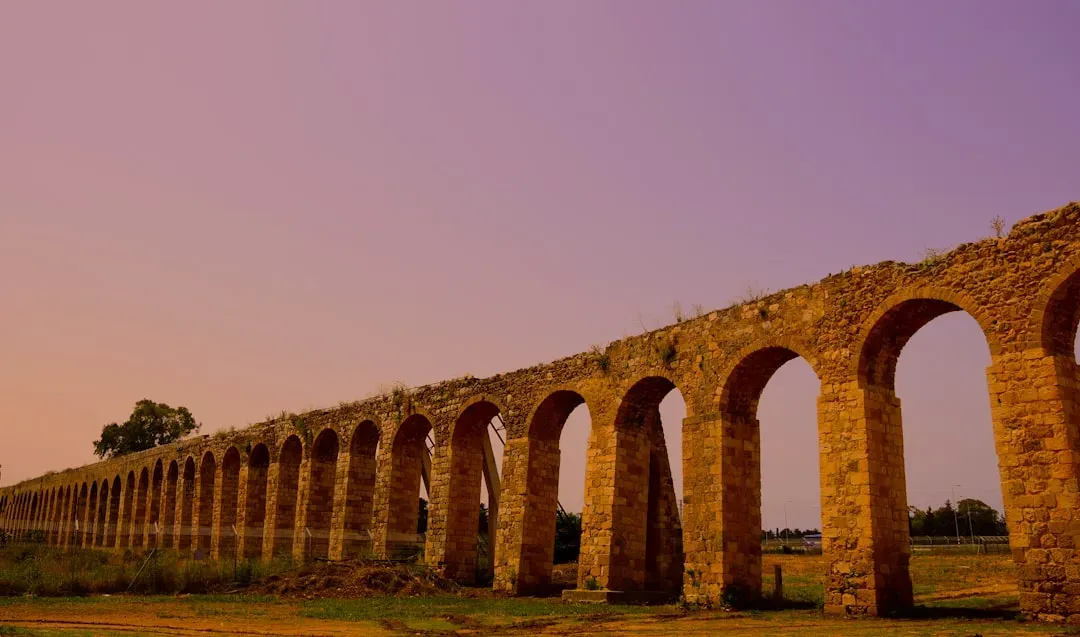
It is tempting to treat these discoveries as fun historical trivia, but they have very real implications for how we design and live today. Climate adaptation researchers, for instance, study Andean terraces and Inca water channels to inspire low-energy, gravity-fed irrigation suited to steep, erosion-prone landscapes. Urban planners look to Indus Valley layouts and drainage for ideas about decentralized, robust sanitation systems in rapidly growing cities. Even the rediscovery of ancient medical and mathematical texts can inspire new hypotheses or low-cost techniques that fit contexts where high-tech solutions are not feasible.
There is also a cultural and ethical side: recognizing the depth of these knowledge systems challenges persistent myths about “civilized” and “uncivilized” peoples. When students learn that Babylonian astronomers or Maya mathematicians were working with concepts that resonate with modern methods, it broadens their sense of who gets to be seen as a scientist. At the same time, separating evidence-based insights from mythmaking – especially conspiracy-tinged “lost technology” fantasies – requires careful reading and methodological rigor. If we do this well, we do not just rewrite the past; we gain a richer toolkit for facing the environmental, social, and technological crises of the present.
Staying Curious About the Civilizations Beneath Our Feet
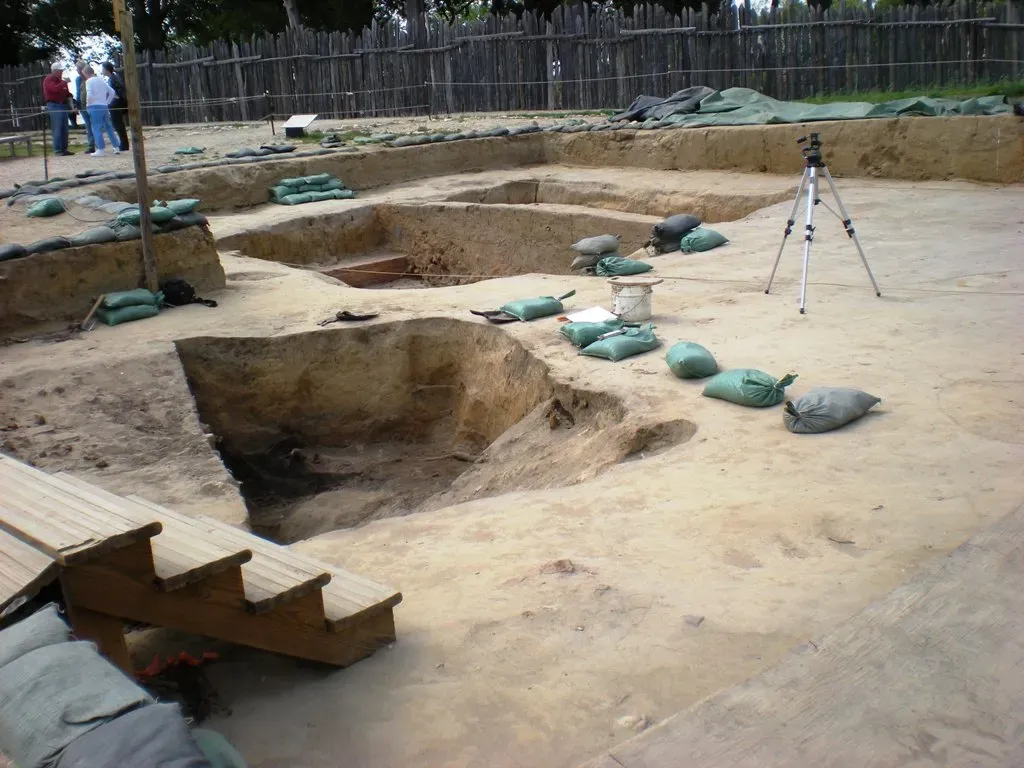
One of the most grounding realizations, after years of reading these studies, is that our ancestors were not less intelligent than us; they just had different tools, worldviews, and constraints. Their solutions may look strange, but so would our cloud servers and asphalt highways to someone from a Bronze Age city. The difference today is that we have the luxury – and responsibility – of looking back with instruments that can detect buried streets, micro-residues in ancient cookware, and tiny variations in metals and stone. That means our picture of the ancient world is still changing, and probably will keep changing as new sites are excavated and old collections reanalyzed.
If you want to dig deeper, you do not need to become an archaeologist overnight. Visiting museum collections with a more critical eye, supporting local heritage protections, and reading work by archaeologists, historians of science, and Indigenous scholars are all ways to stay engaged. Even something as simple as questioning a dramatic headline about “mysterious lost technology” and asking what the actual evidence says helps keep the conversation honest. The past is not a static story we inherited; it is an ongoing investigation we are all quietly participating in, whether we notice it or not.