If you think archaeology is just about dusty bones and broken pots, you’re in for a shock. The deeper researchers dig, the stranger human history starts to look, from skeletons rearranged like puzzles to cities swallowed by deserts and seas. Sometimes it feels less like reading a history book and more like scrolling through the strangest corners of the internet, except every bizarre detail actually happened.
What fascinates me most is that many of these discoveries completely shattered what experts were sure they knew. I still remember the first time I read about bodies preserved in acid bogs with hair and fingerprints intact – it felt like a horror movie meeting a time machine. The weirdest part is not just the discoveries themselves, but what they quietly suggest: that humans have always been complicated, emotional, ritual-obsessed, and occasionally very, very weird.
1. Bog Bodies That Look Almost Alive
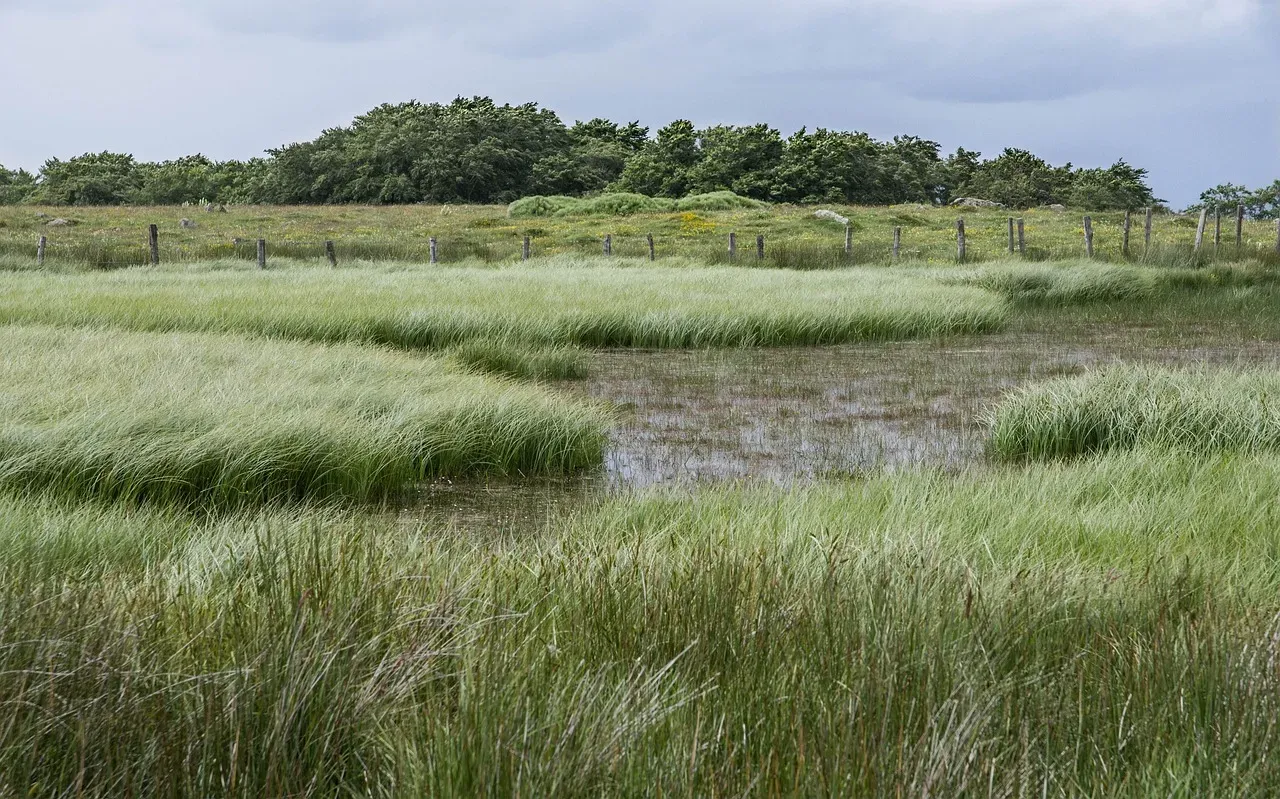
Imagine walking through a quiet marsh and discovering a human body so well preserved you can still see stubble on his chin and wrinkles around his eyes – even though he died more than two thousand years ago. That’s what happened with the famous bog bodies of northern Europe, where people from the Iron Age were swallowed by peat bogs and essentially pickled by nature. The acidic, oxygen-poor environment tanned their skin like leather and preserved hair, nails, internal organs, and even fingerprints. Archaeologists have found stomach contents, last meals, and sometimes even the rope or leather straps used to bind them.
What’s especially unsettling is how many of these people show signs of violent deaths: slit throats, skull fractures, strangulation marks. Some seem to have been carefully placed in the bog, not just casually dumped, with evidence that they might have been part of ritual killings or sacrifices. Their faces often look strangely peaceful, like they’ve just fallen asleep in the mud, which makes it feel deeply personal when you realize they lived, loved, and suffered in a world that disappeared long ago. Seeing someone’s last meal from twenty centuries ago turns history from an abstract timeline into something that feels almost uncomfortably intimate.
2. The Ancient City Swallowed by the Sand (and Then by the Sea)
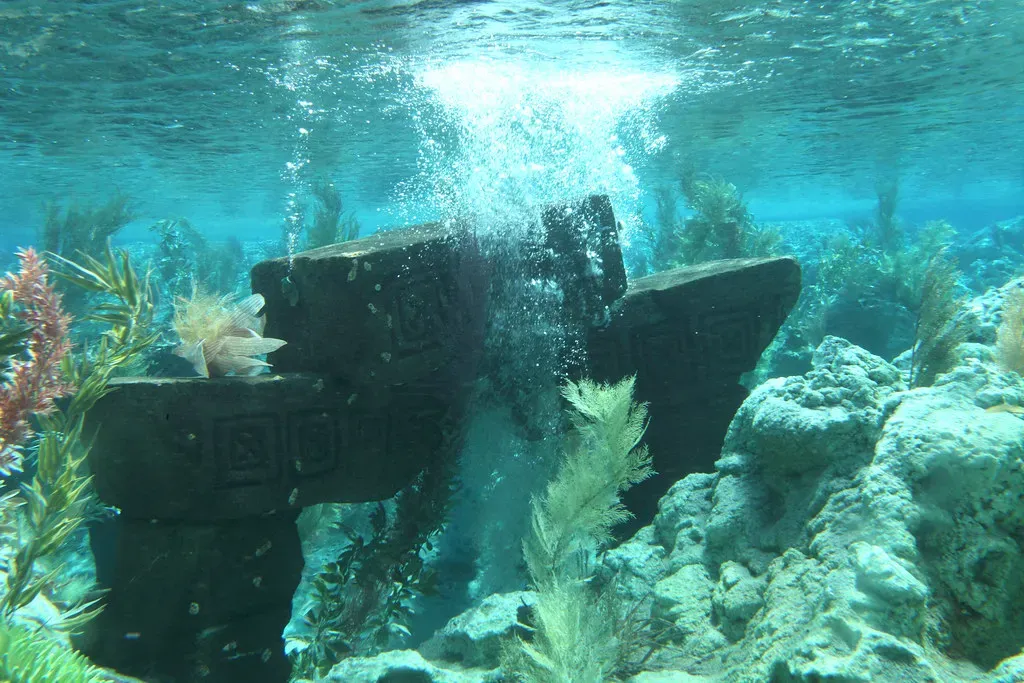
Off the coast of Egypt, divers have explored a sunken city that for centuries was basically a rumor in old texts. The city, often identified with the legendary Heracleion/Thonis, was once a bustling port before Alexandria stole the spotlight. For a long time, it was assumed to be more myth than reality, until underwater archaeologists started finding colossal statues, temple ruins, and shipwrecks lying under layers of silt. It’s as if an entire harbor just slipped quietly under the water and waited there, undisturbed, for more than a thousand years.
What’s eerie is how intact some of it is: massive statues of pharaohs and gods lying on their sides, inscribed stones still legible, boat hulls preserved in mud. The city seems to have suffered from a combination of rising sea levels, unstable ground, and possibly sudden catastrophes, turning it from a powerful trading hub into a ghost city on the seafloor. It flips the usual story of lost cities hidden in jungles or deserts; here, it’s waves and currents instead of vines and sand doing the hiding. Thinking about people walking busy docks that now sit quietly under meters of seawater makes the modern coastline feel temporary and fragile.
3. Skulls with Neatly Drilled Holes – That People Survived
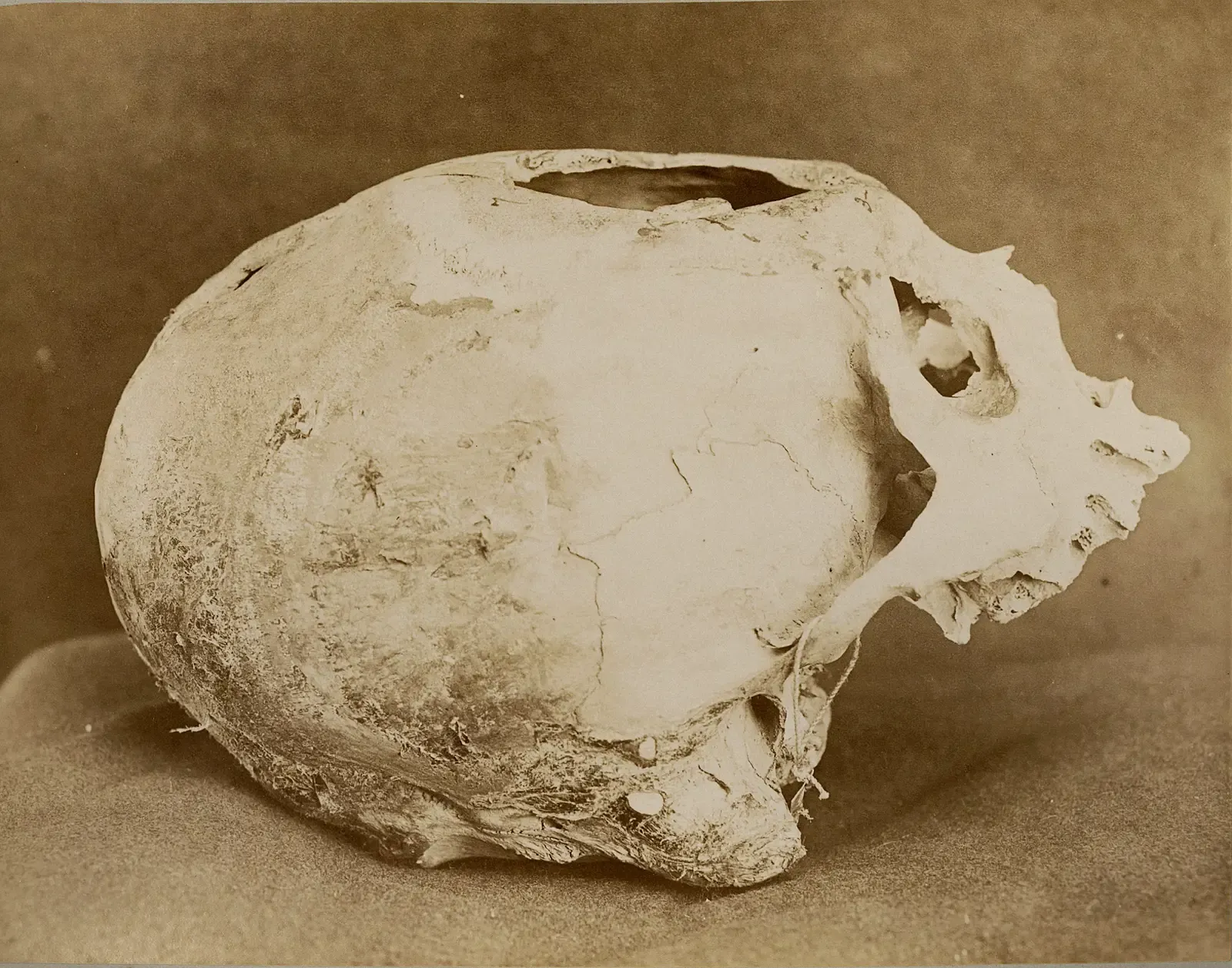
One of the most disturbing things archaeologists find are human skulls with round holes cut straight through the bone – not by violence, but by surgery. This ancient procedure, called trepanation, shows up from prehistoric Europe to pre-Columbian South America, where healers scraped or drilled openings in living skulls. The weirdest part isn’t that people tried this; it’s that many patients clearly survived. New bone growth around the cut edges shows that people lived months or years after their skulls were opened.
We still don’t know exactly why it was done in every case. Some theories point to attempts to treat head injuries, seizures, or severe headaches, while others see it as a ritual to release evil spirits or rebalance the body. Either way, it means ancient people were performing brain-adjacent surgery without modern anesthesia, antibiotics, or sterile tools, and still had a surprisingly good track record. You can picture someone lying still while a healer carefully scrapes away bone, both of them trusting a process that must have looked and sounded terrifying. It makes our fear of modern medical procedures look almost mild by comparison.
4. The Tiny Desert Lines Only Visible from the Sky
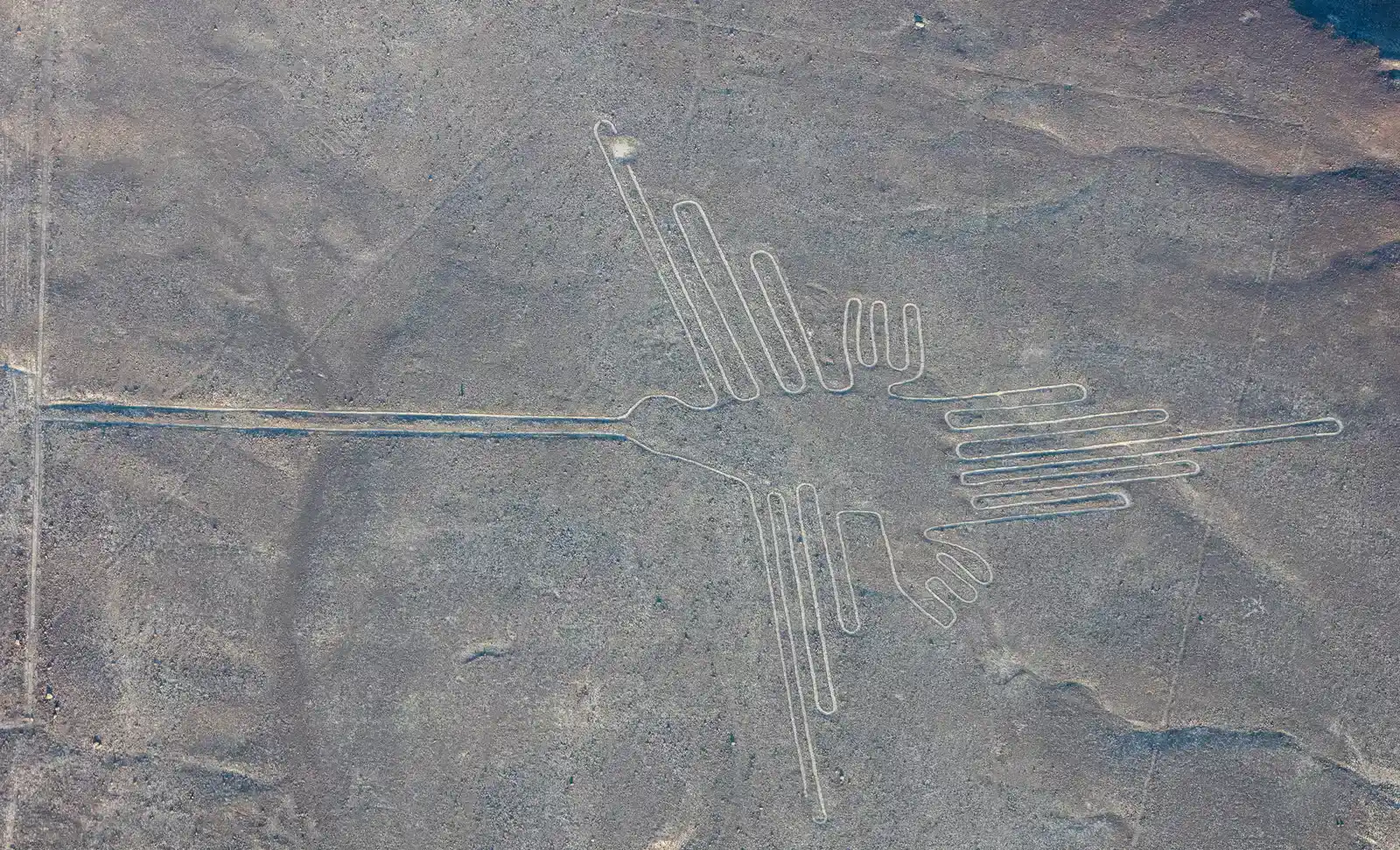
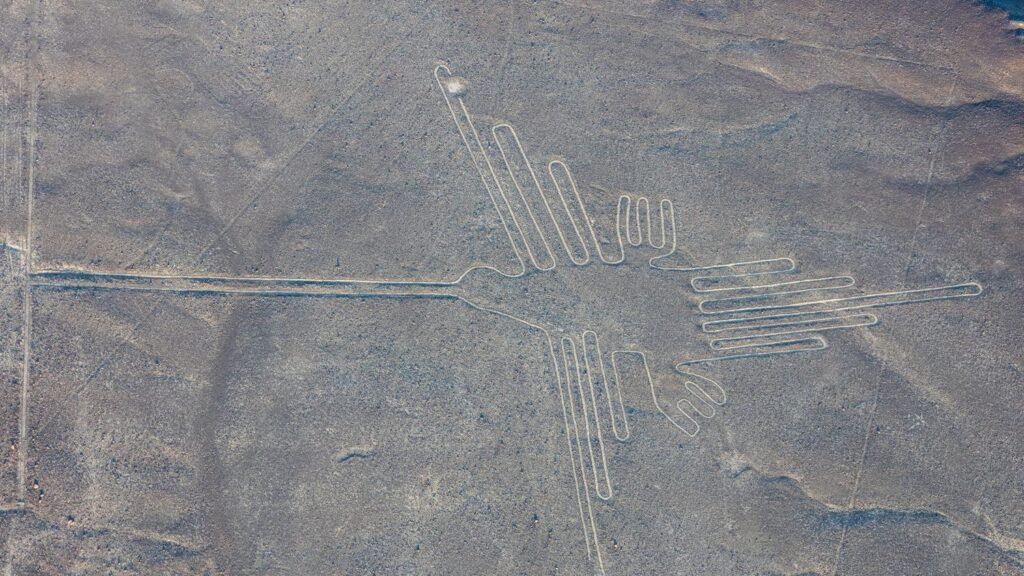
Scattered across the desert plains of Peru are enormous figures etched into the ground: animals, plants, strange shapes, and long, straight lines that run for kilometers. These are the famous geoglyphs often referred to as the Nazca lines, created by removing the dark surface stones to reveal the lighter soil beneath. From the ground, many of them just look like faint paths or random lines, but from the air the designs jump into focus: a giant hummingbird, a monkey with a spiraled tail, or perfectly straight runways of bare earth. They’re so big that they were only fully appreciated once aircraft became common.
Archaeologists generally think they were made for ritual or astronomical reasons, maybe as offerings to deities tied to water and fertility in an unforgiving landscape. What still feels uncanny is the precision: long, ruler-straight lines over uneven terrain, perfectly balanced figures drawn at a scale that the artists themselves could never see in full. It’s like painting a huge mural while standing just inches from the wall and somehow getting every proportion right. Standing on one of those lines, you’d see only a strip of pale ground stretching ahead, never guessing you were walking across the wing of a massive bird drawn a thousand years before your grandparents were born.
5. Mass Graves That Tell Stories of Ancient Plagues and Violence
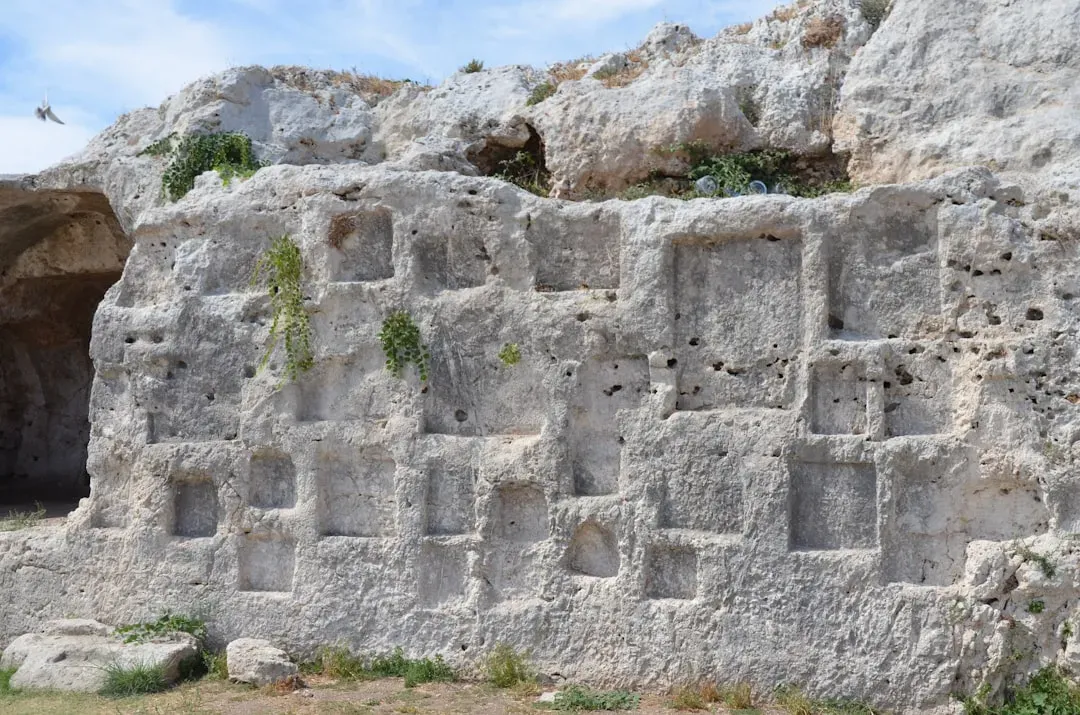
When archaeologists uncover mass graves, it’s not just bones in the ground; it’s a frozen emergency moment from the past. In some medieval cemeteries, they’ve found layers of bodies hurriedly buried during plague outbreaks, sometimes laid in tight rows or stacked with almost no spacing. DNA and chemical analysis of teeth and bones have identified traces of bacteria responsible for historic pandemics, confirming that written accounts of devastating diseases weren’t exaggerating. You can almost feel the panic of communities digging faster than they could mourn.
Other mass burials tell completely different stories: signs of massacres, executions, or battles gone horribly wrong. Skeletons with bound wrists, arrows lodged in vertebrae, or shattered skulls paint a grim picture of organized violence. In some prehistoric sites, entire family groups were killed and dumped together, suggesting social conflict or warfare on a scale people once thought impossible for early farmers. There’s something especially haunting when archaeologists spot healed injuries alongside fatal ones – proof that some of these people had already survived earlier violence, only to die in another wave. It turns abstract ideas like “war” or “epidemic” into brutally personal realities.
6. Ancient Batteries and Mysterious Tech-Looking Artifacts
Every so often, an artifact pops up that looks suspiciously like it belongs in a modern toolbox instead of an ancient ruin. One of the most famous examples is a group of clay jars found near Baghdad that some researchers interpret as early electrical cells. These so-called “batteries” consist of a ceramic pot, a copper cylinder, and an iron rod, and when filled with an acidic liquid they can generate a small electric current. Not everyone agrees they were used that way, but the fact that they can work is wild enough to spark endless debate.
Then there are ancient mechanical devices that show mind-bending levels of engineering skill. Detailed bronze mechanisms recovered from shipwrecks in the Mediterranean, with interlocking gears and inscriptions, have been interpreted as complex astronomical calculators. They could predict eclipses and track celestial cycles using technology that wouldn’t look out of place in a clockmaker’s workshop many centuries later. These finds don’t mean that ancient people had smartphones or light bulbs, but they do remind us that human curiosity and ingenuity are far older than industrial factories and tech startups. Sometimes history feels less like a straight line of progress and more like a series of forgotten experiments.
7. The Skeletons with Extra Heads and Mixed-Up Bones
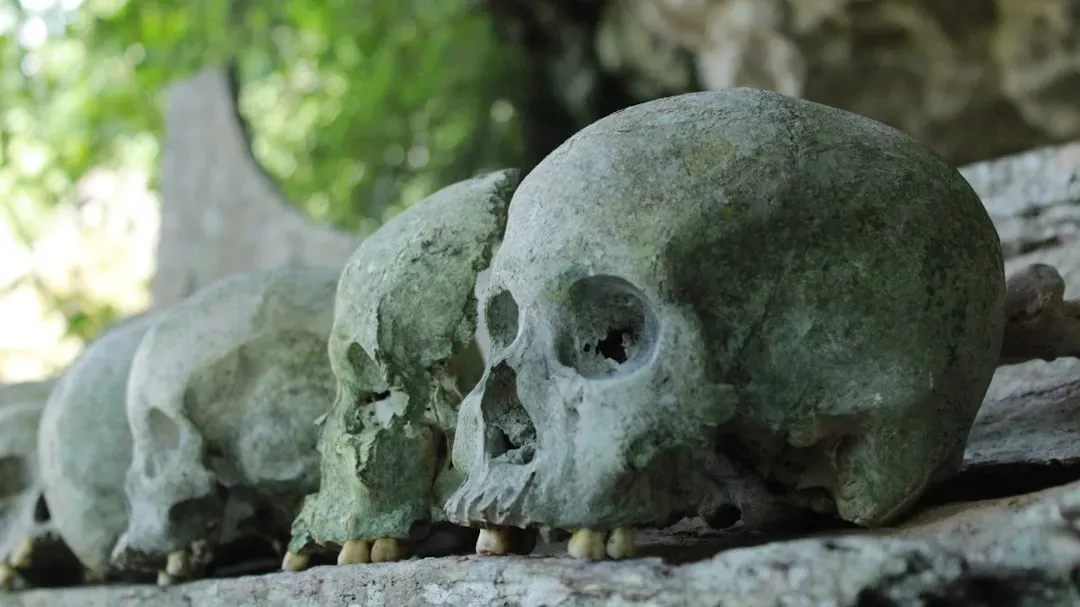
In some cemeteries, archaeologists have opened graves expecting a single, neat skeleton and instead found something far stranger. There are burials where one body is accompanied by extra skulls, or where bones from different individuals are deliberately rearranged. In certain cases, a head is placed at the feet, or additional skulls are tucked beside the main body, as if the deceased is being buried with someone else’s remains as a kind of offering or symbolic companion. This goes way beyond accidental mixing and points toward intentional, ritual behavior.
One especially strange pattern shows up in sites where decapitated skulls were buried separately, sometimes placed in niches, baskets, or special pits. Archaeologists suspect these may have been revered ancestors or trophies from enemies, later reburied or displayed. Whatever the motive, it shows that for many ancient cultures, the body was not a fixed, untouchable unit after death. Instead, bones could be moved, combined, or curated like sacred objects in a very literal sense. It’s jarring to realize that where we might see something grotesque, they might have seen respect, power, or even love.
8. Food That Refused to Rot for Millennia
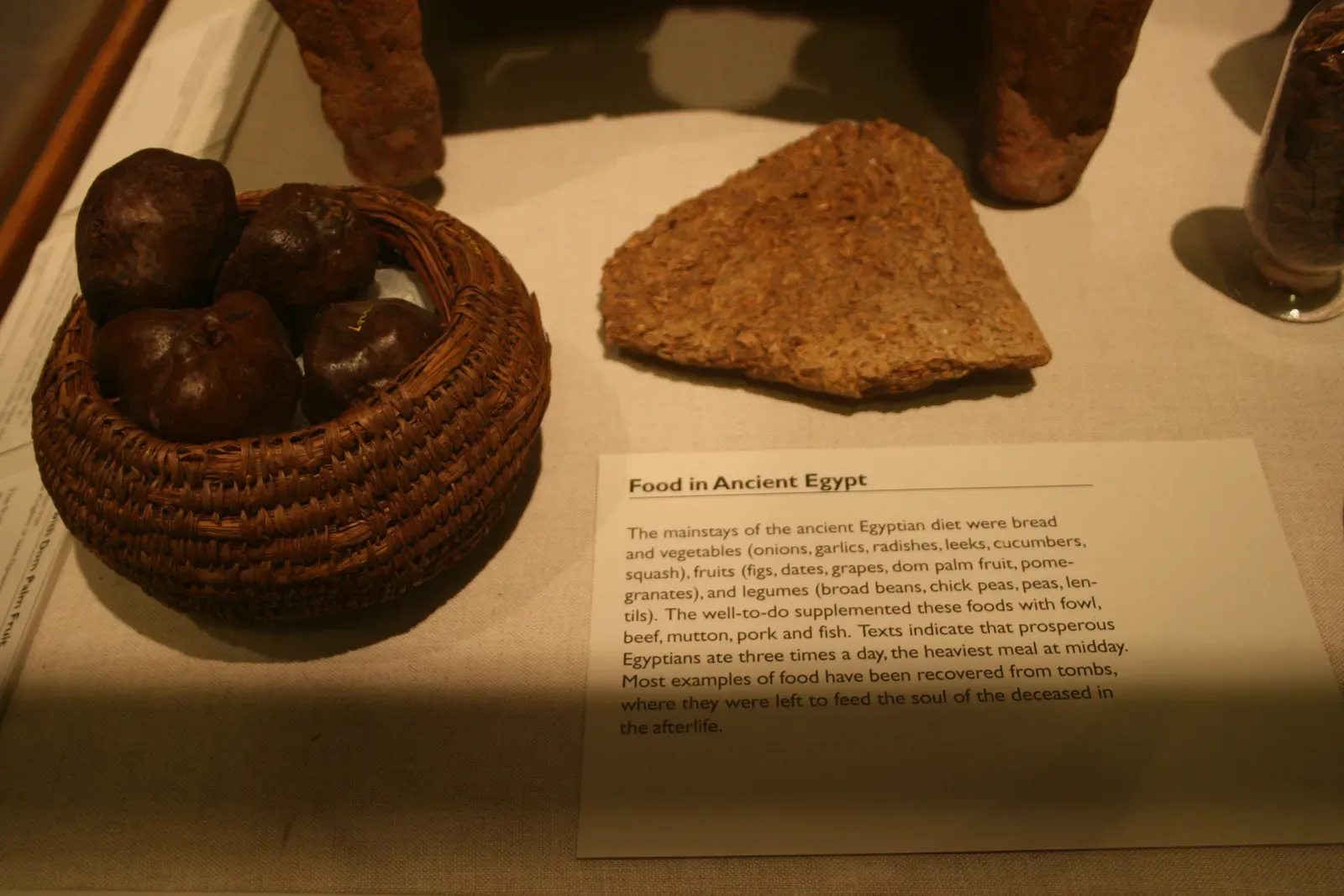
One of the oddest categories of finds is ancient food that simply never went away. In shipwrecks and desert tombs, archaeologists have discovered jars of honey that are still technically edible after thousands of years, thanks to honey’s low moisture and antibacterial properties. There are loaves of bread from ancient ovens, blackened but still clearly shaped, with fingerprints and knife marks frozen in place. Sometimes entire storage jars of grain or seeds survive in dry or waterlogged conditions, giving a literal snapshot of someone’s pantry from ages ago.
There are also weirder examples, like preserved cheese residues stuck to pottery or solidified fats on cooking vessels that can be chemically analyzed. These traces reveal who was drinking milk, making butter, or fermenting something long before modern recipes existed. It’s oddly intimate to see bite marks on a centuries-old piece of bread or a burnt crust still clinging to the side of a pot. You can almost picture someone cursing under their breath because dinner burned, never imagining that their kitchen mishap would become a lab sample in a museum thousands of years later.
9. Ancient Pets Buried Like Family
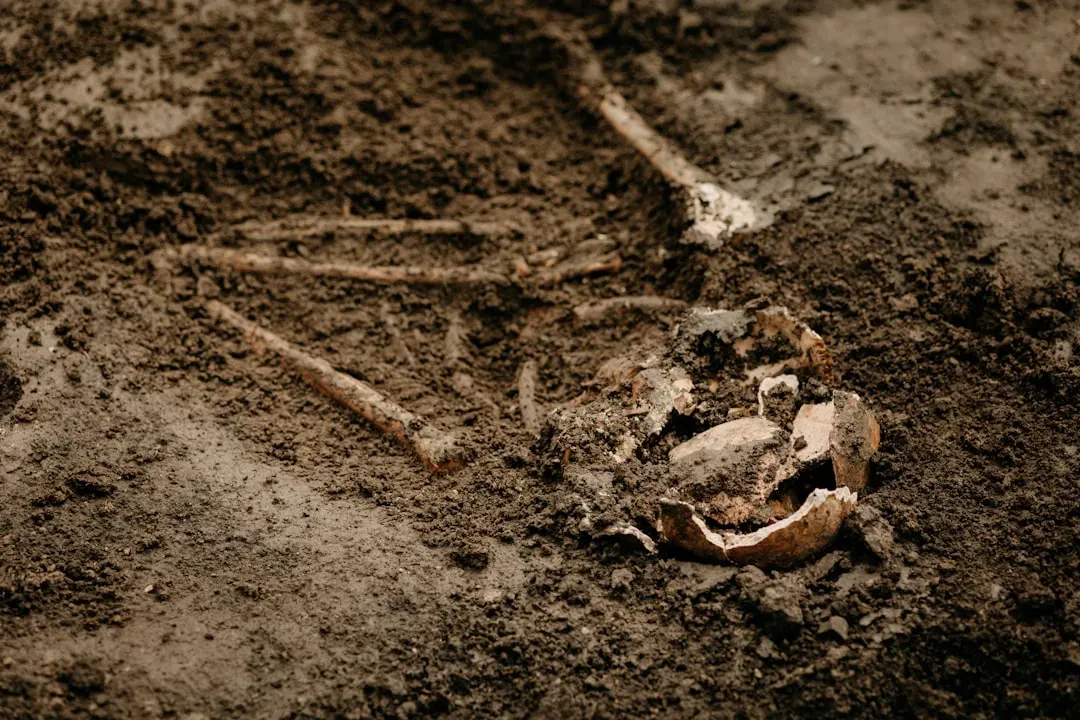
People loving their pets is not a modern obsession; archaeology proves it over and over again. In burial sites across the world, animals like dogs and cats have been found laid to rest with the same care given to humans: curled on their sides, sometimes wrapped, sometimes with grave goods of their own. In some ancient cities, entire pet cemeteries have been uncovered, with dozens or hundreds of animals deliberately buried in orderly rows. You can see signs of healing injuries on their bones, suggesting someone cared enough to treat them when they were hurt.
It’s not just dogs and cats, either. There are carefully buried monkeys, birds, and even more unusual companions, depending on the culture and period. Some animals were clearly symbols or sacred creatures, but many show the telltale marks of long-term close contact with humans: worn teeth from being fed soft food, joint changes from living indoors, even arthritis in older animals. These finds make the past feel familiar in a tender way. It’s easy to imagine a grieving child insisting that their dog or cat be buried properly, a feeling that crosses any distance in time.
10. Mysterious Giant Stone Balls and Perfectly Shaped Megaliths
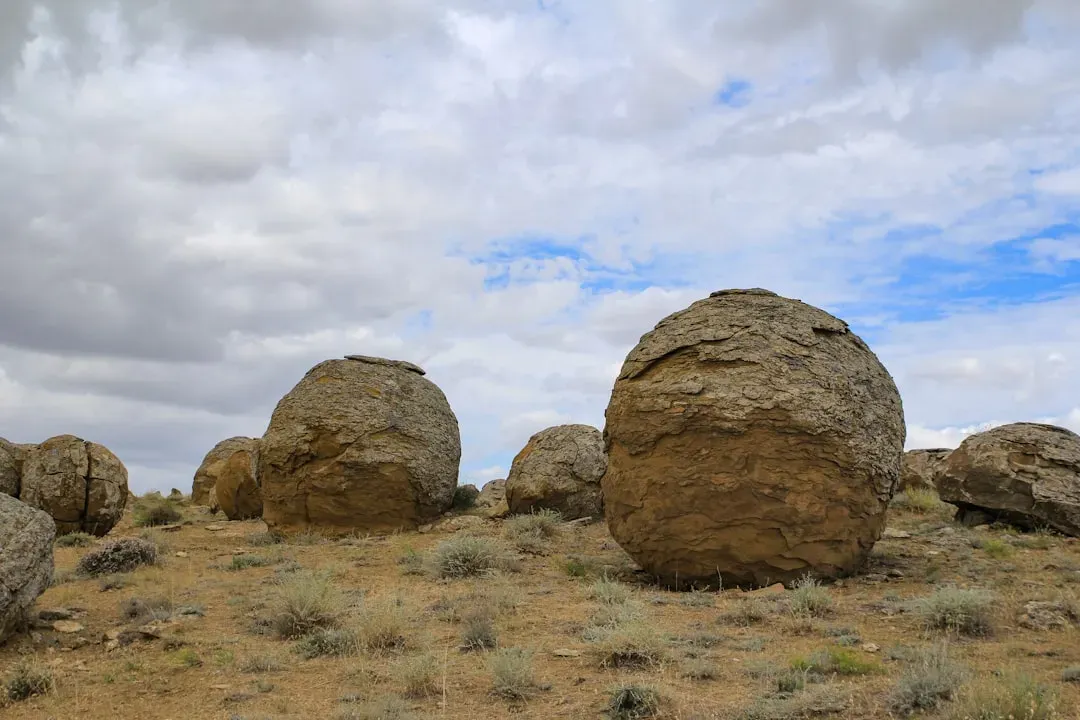
Scattered through certain parts of the world, especially in Central America and parts of the Balkans, archaeologists have found huge stone spheres carved with surprising precision. Some are the size of a football, while others are as big as a small car, with surfaces smoothed into nearly perfect spheres. They weren’t used as simple building stones or random fillers; many appear to have been deliberately placed in clusters or lines, possibly marking social status, sacred spaces, or territorial boundaries. Seeing a row of massive stone balls in the middle of a jungle clearing feels like stumbling onto a level in a video game.
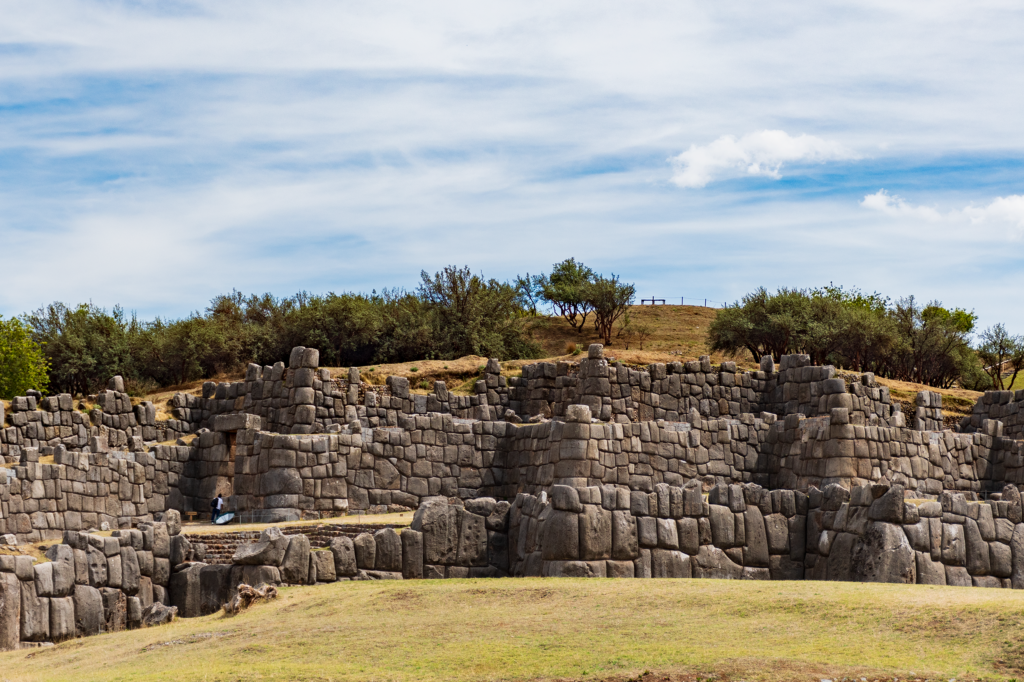
Elsewhere, megalithic blocks weighing many tons have been cut, shaped, and stacked with such exactness that people still argue over how it was done. Some stones fit together so snugly that even a modern razor blade can barely slide between them. While we have reasonable engineering explanations involving ramps, levers, sledges, and a lot of coordinated labor, the sheer effort involved is still staggering. These monuments were not casual weekend projects; they took planning, organization, and a shared belief that moving a mountain of rock was worth it. Standing in front of them today, you feel small in the best possible way, like you’re looking at the physical proof of determination hard enough to literally reshape the landscape.
The weirdest part might be realizing how much we still don’t know. Every excavation is basically a carefully controlled act of destruction, peeling away layers that will never exist in the same form again, and yet huge stretches of the planet remain unexplored or buried under modern cities. Somewhere out there, more unsettling, touching, or mind-bending artifacts are waiting to be found. Which of these strange corners of history surprised you the most?