Every time we think we finally have the universe figured out, it pulls the rug out from under us. Just when the equations line up and the theories feel neat and tidy, a new discovery shows up that basically says: not so fast. It’s almost as if reality itself is daring us to keep up, handing us puzzle pieces that don’t quite fit the picture we thought we were building.
In the last few decades especially, astronomers and physicists have uncovered clues that suggest the cosmos is not just big and beautiful, but deeply weird at a level that borders on unsettling. From invisible forms of matter and energy that dominate everything, to time-bending black holes and a universe that might not be the only one, our best science now points to a reality that’s far more alien than most science fiction. And yet, this is the very strangeness that makes the universe so irresistible to explore.
The Invisible Stuff That Runs The Show: Dark Matter
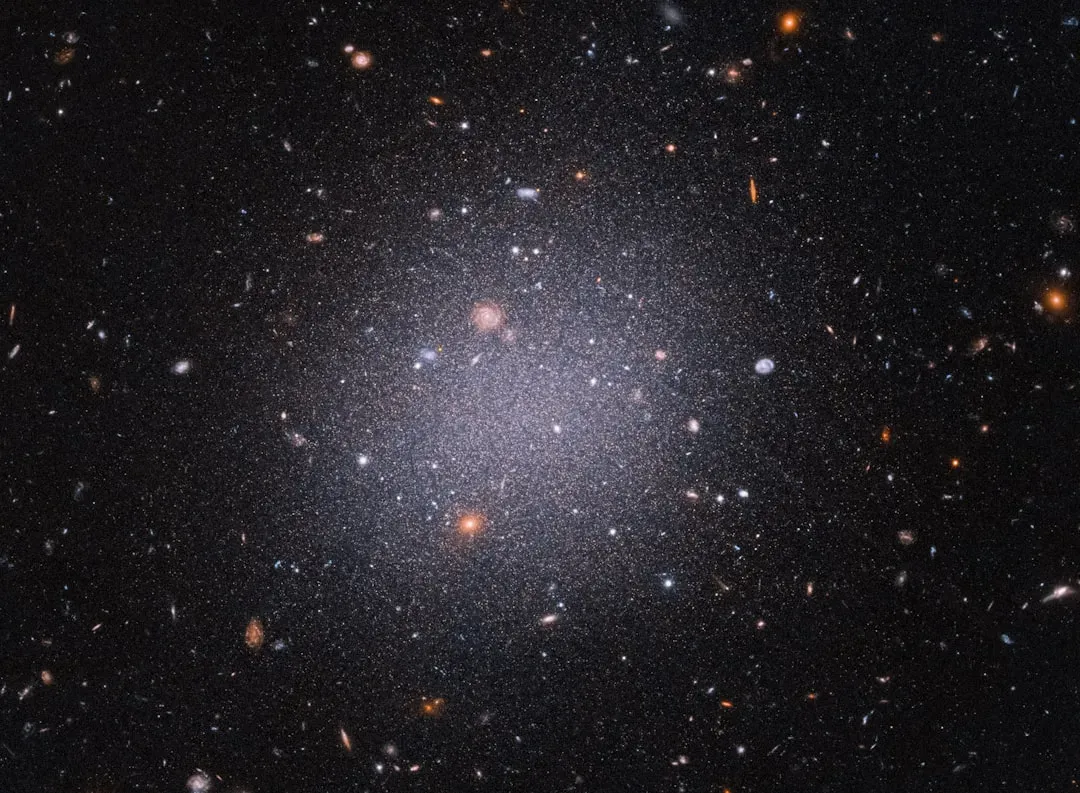
Imagine looking around your room and realizing that everything you can see – every object, every color, every little detail – adds up to only a tiny fraction of what’s actually there. That’s pretty much our situation with the universe. All the stars, planets, gas clouds, and galaxies that light up the sky account for only a small slice of the total matter out there. The rest is something we can’t see directly: dark matter. We infer it because galaxies spin so fast that, without some extra hidden mass holding them together, they’d simply fly apart.
What makes this so wild is that we still don’t know what dark matter actually is. It doesn’t glow, reflect, or absorb light in any way we can detect, and yet its gravity shapes the large-scale structure of the entire cosmos, like an invisible scaffolding. Physicists have proposed exotic particles to explain it, and huge underground detectors have been quietly waiting for the faintest hint of its presence. So far, though, the universe is keeping this particular secret close. It’s like knowing there’s a huge animal moving through the forest because you see the branches sway, but never once catching it on camera.
The Mysterious Force Tearing Space Apart: Dark Energy
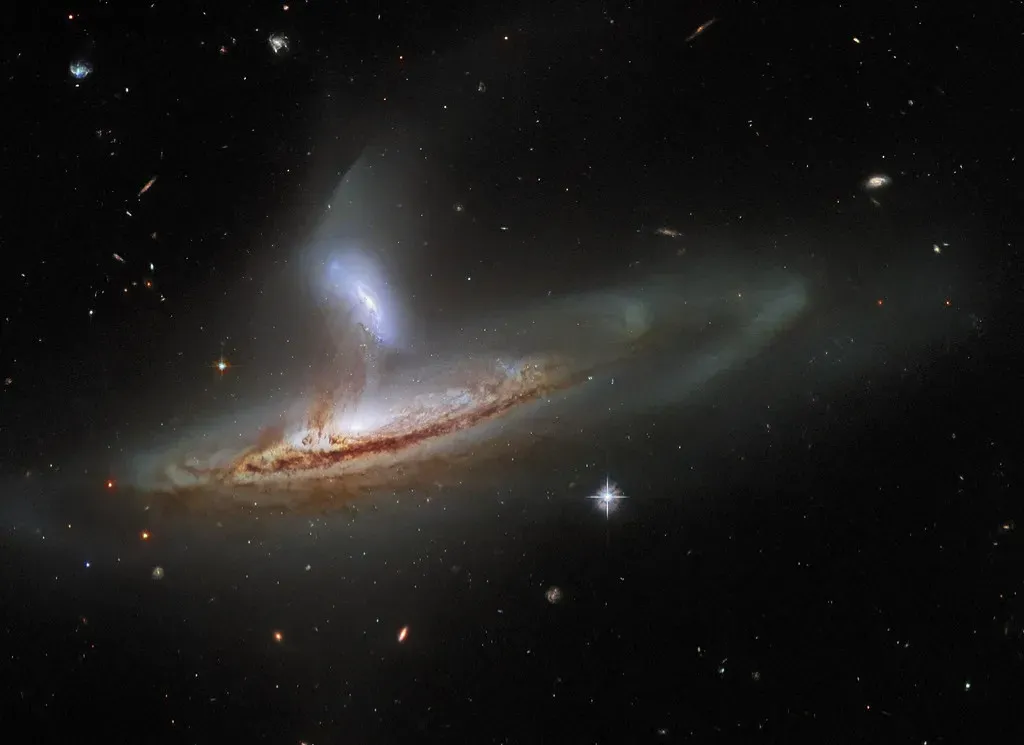
As if invisible matter weren’t strange enough, the universe hit us with an even bigger shock: it’s not just expanding; the expansion is speeding up. That discovery, based on careful observations of distant supernovas, overturned a lot of expectations. Instead of gravity slowly reining everything in, some unknown force is pushing space itself outward faster and faster. Scientists gave it a name that sounds almost like a placeholder: dark energy.
What dark energy actually is remains one of the deepest puzzles in physics. It might be some kind of energy built into empty space itself, or it might be pointing toward new physics that we haven’t even started to understand. Either way, it dominates the energy budget of the entire universe, quietly steering its long-term fate. Picture trying to understand a car while knowing almost nothing about the engine, only that something under the hood is not just running but steadily flooring the accelerator. That’s roughly where we are with dark energy.
Black Holes: Where Our Intuition Completely Breaks
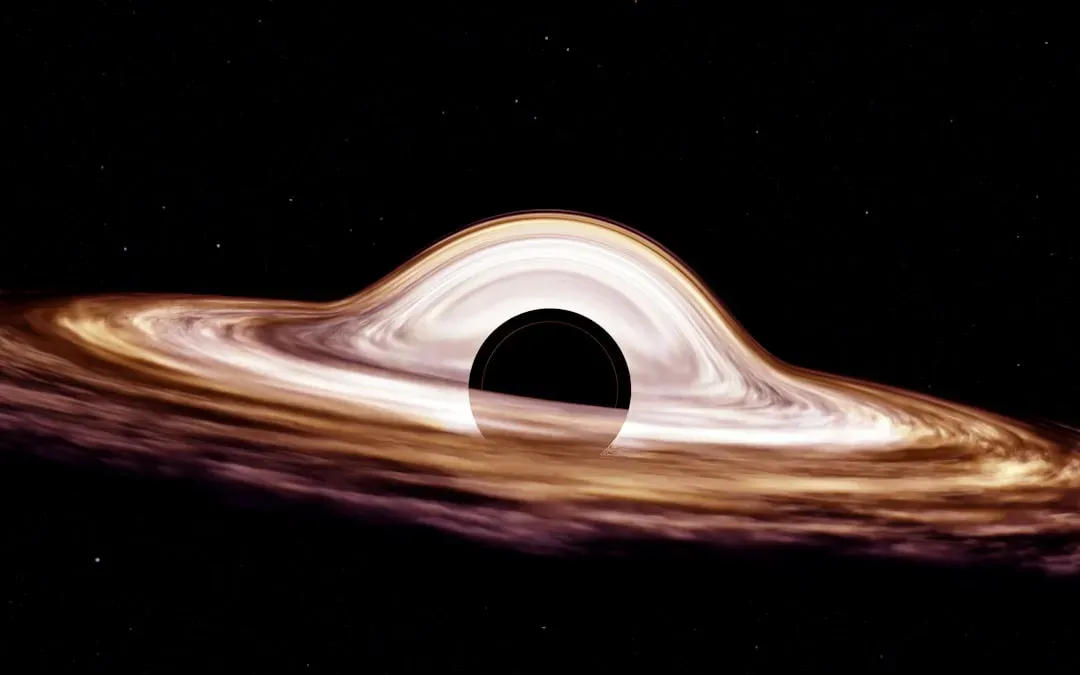
Black holes sound like science fiction until you realize they’re not just real, they’re common. These are regions where gravity has crushed matter so intensely that nothing, not even light, can escape once it gets too close. Around their edges, at the event horizon, space and time are stretched in ways that make our everyday ideas about cause and effect crumble. To a distant observer, anything falling in appears to slow down and freeze, while from the falling object’s point of view, it plunges right through.
What makes black holes truly unsettling is what they say about information and reality itself. According to quantum physics, information about the state of matter should never be completely lost, yet black holes seem built to erase information behind a one-way curtain. The tension between those ideas has sparked decades of intense debate and new theories. The fact that we’ve now directly imaged the shadow of a black hole and detected the ripples in spacetime from black hole collisions only deepens the strangeness. These aren’t just theoretical monsters on paper; they’re real, and they’re out there quietly rewriting our understanding of the universe.
Quantum Weirdness: A Universe That Won’t Behave
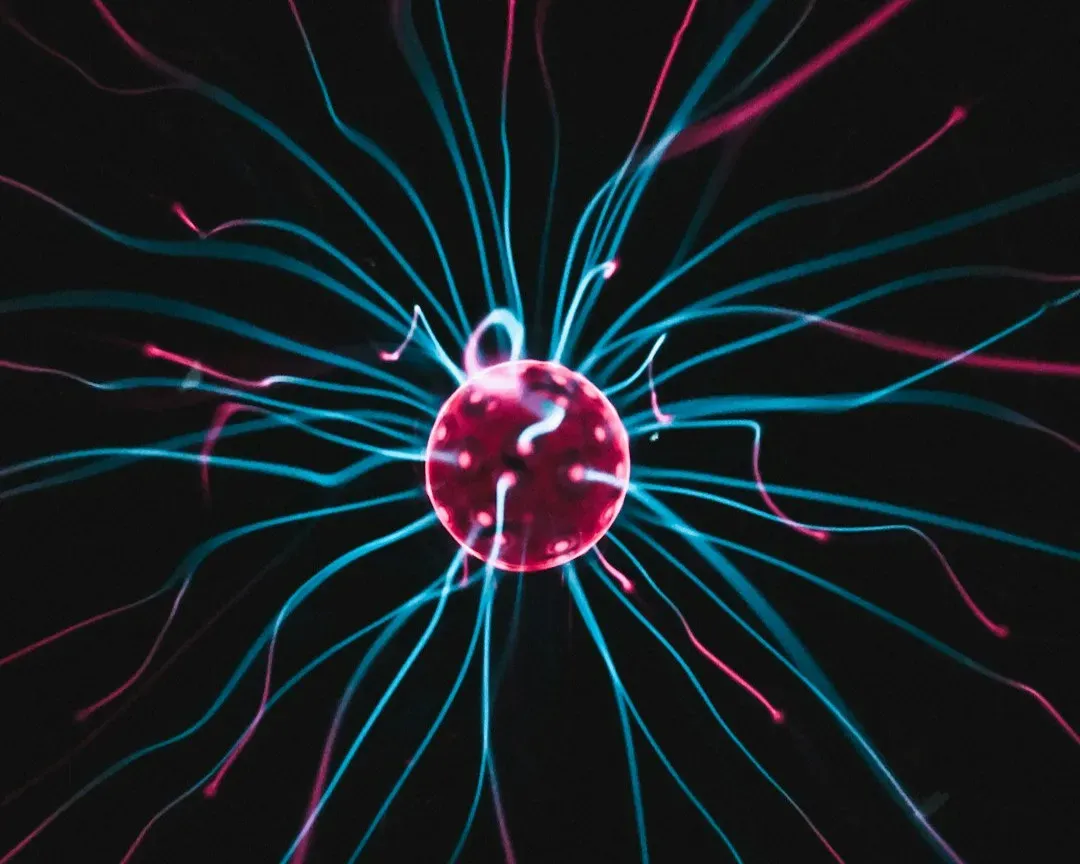
Zoom in far enough, and the universe stops behaving like anything we can easily picture. At the quantum level, particles can act like waves, exist in multiple states at once, and seem to affect each other instantly across vast distances. Experiments have repeatedly confirmed that this is not just some math trick, but how nature actually works when you peel it down to its smallest scales. The universe, at its foundation, is not a tidy machine of tiny billiard balls; it’s more like a restless sea of possibilities.
What’s even more unsettling is that our measurements appear to influence what becomes real, as if the act of looking collapses a cloud of maybes into a single outcome. Different interpretations of quantum mechanics offer different stories about what’s really going on, from many worlds to hidden variables to more radical ideas. None of them feel fully comfortable, and yet the technology built on this weirdness – from lasers to modern electronics – works astonishingly well. It’s like living in a house built on rules we don’t truly understand, only knowing that if we flip the switches just right, the lights come on every time.
Time Might Not Work The Way We Think
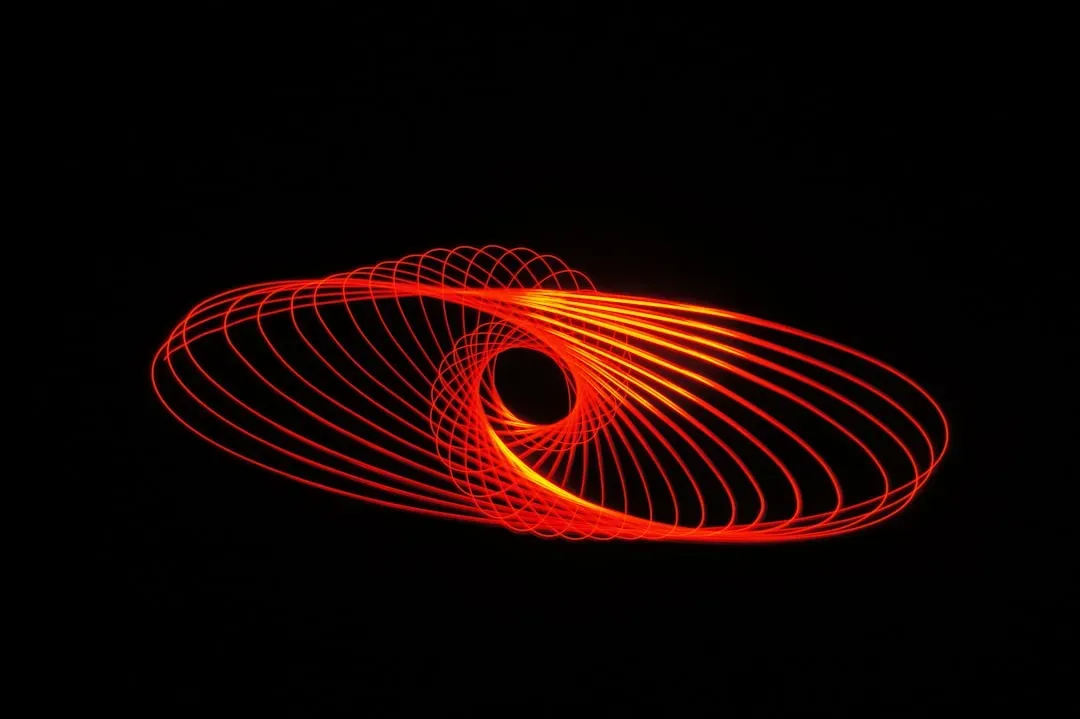
Most of us experience time as a steady flow from past to future: yesterday, today, tomorrow. Physics, however, tells a less comforting story. Einstein’s theories showed that time is tangled up with space itself, forming spacetime, and that it can stretch or compress depending on how fast you’re moving or how strong gravity is. Atomic clocks flown on planes or placed at different altitudes really do tick at slightly different rates. Time is not some rigid universal beat; it’s flexible and relative.
When you add in quantum mechanics and the earliest moments of the universe, things get stranger still. Some approaches to cosmology suggest that time might have behaved very differently near the Big Bang, or that the direction we call “forward” is tied to how disorder increases, not some built-in arrow of the cosmos. There are even serious discussions about whether time, as we perceive it, might be an emergent property rather than a fundamental ingredient of reality. In that picture, the flow of time is more like the way a movie plays in your mind than something written into the deepest code of the universe.
Are We Living In A Multiverse, Not A Universe?
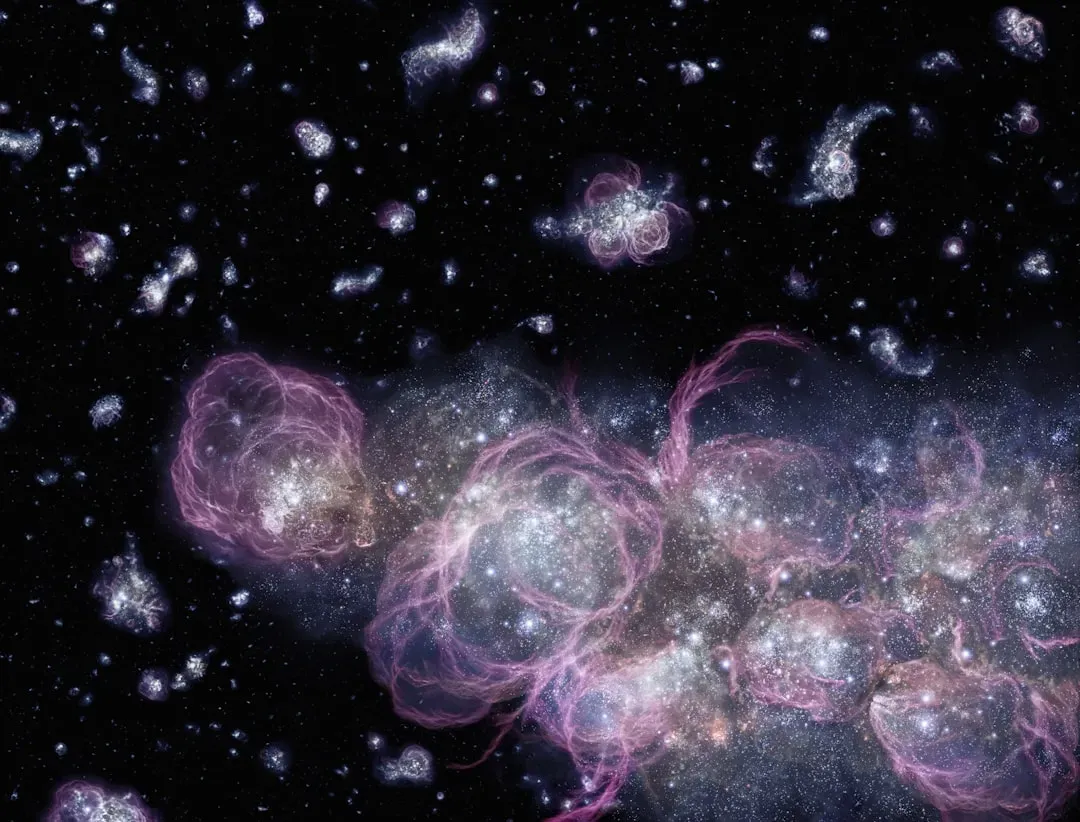
Once you start pushing our best theories to their limits, a wild idea keeps popping up: maybe our universe is just one bubble in a vast cosmic foam. Some versions of cosmic inflation suggest that while our patch of space stopped inflating and cooled into stars and galaxies, other regions could have kept going, spawning countless other universes with different properties. It’s not that anyone has seen these other universes; rather, they fall out naturally from equations we already use to explain what we do see.
Other hints come from attempts to unify quantum physics with gravity, where multiple possible configurations of fundamental laws and constants might all be realized somewhere in a grand multiverse. If that’s true, then many things we take as fundamental facts might instead be local conditions – like the particular weather pattern in just one town on Earth. The idea is controversial, partly because it risks drifting beyond what can be tested. Still, the fact that serious physicists have to grapple with the possibility that “everything” might actually be just a tiny island in a much bigger sea says a lot about how strange our universe might really be.
Conscious Minds In A Cosmic Labyrinth
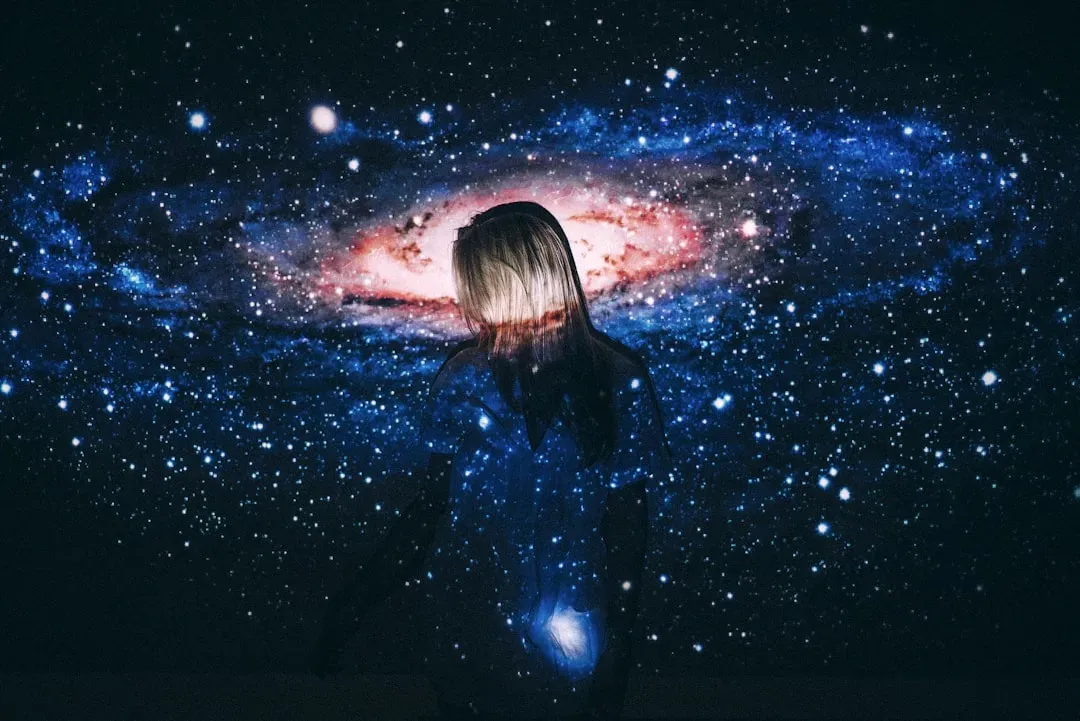
One of the strangest facts about the universe is simply that we’re here to notice it. Out of all the ways matter and energy could have arranged themselves, at least one corner of the cosmos produced conscious beings who ask questions, feel awe, and argue about the nature of reality. Some scientists point out that we shouldn’t be surprised to find ourselves in a universe that allows life, because if it didn’t, we wouldn’t be here to talk about it. But that answer, while logically neat, doesn’t fully dissolve the weirdness of being self-aware patterns of atoms thinking about the stars.
As we build more advanced simulations, artificial intelligence, and brain-mapping tools, an uncomfortable thought sneaks in: what if consciousness itself is part of the bigger puzzle of reality, not just a side effect? Some researchers explore ideas in which information, not matter, is the true bedrock of the universe, with minds emerging from how that information is processed and arranged. Others wonder whether future civilizations could simulate entire worlds so convincingly that their inhabitants would have no idea. In that light, our everyday lives might be unfolding in a universe that is far more layered, and far less straightforward, than our senses are built to reveal.
Living With The Cosmic Strange
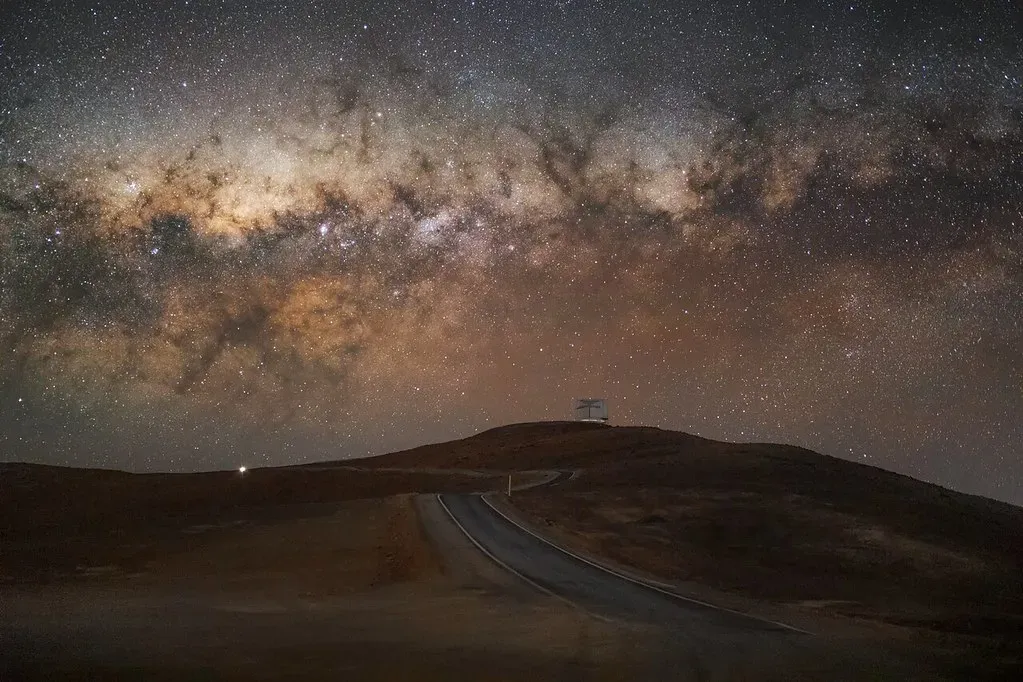
Taken together, dark matter, dark energy, black holes, quantum oddities, flexible time, possible multiverses, and conscious observers paint a picture of reality that’s anything but ordinary. The universe turns out to be less like a well-lit showroom and more like a vast, dimly lit warehouse where every new flashlight beam reveals something baffling. Each breakthrough solves a piece of the puzzle but also exposes a deeper mystery hiding underneath. Instead of approaching a final answer, we seem to be peeling an onion with no obvious core.
Maybe that’s the point. The universe might be stranger than we ever imagined not because we’re failing, but because we’re finally asking better questions and daring to follow the answers wherever they lead. Our theories will change, our models will be revised, and some of today’s boldest ideas may turn out to be dead ends, but the drive to understand will keep dragging us forward. In the end, the strangest fact of all might be that a species on a small, ordinary planet can even begin to glimpse how bizarre the cosmos really is. What do you think we’ll discover next?