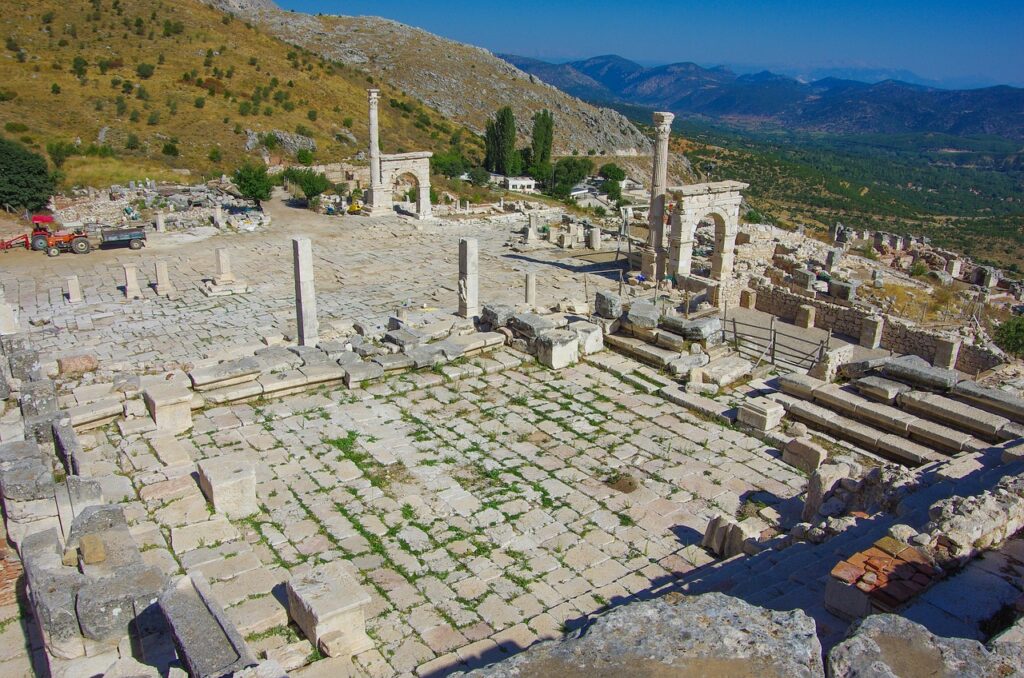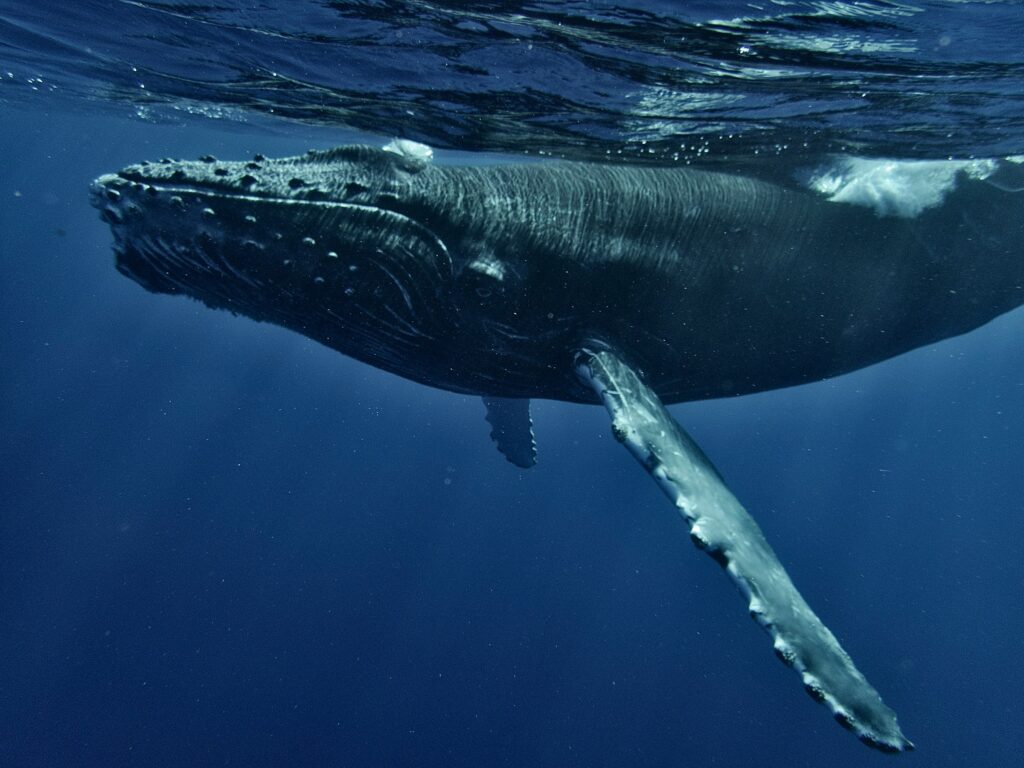

Some of the most transformative discoveries now on the horizon will not come from a single telescope, a lone robot, or a heroic expedition, but from a web of sensors, algorithms, ships, labs, and curious people all probing the unknown at once. Over the next few decades, exploration will stretch into places that once belonged entirely to myth: subsurface oceans on icy moons, the crushing darkness of the deep seabed, and even the intricate geography of our own minds. What makes this moment different is that exploration is turning from a series of isolated “firsts” into a continuous, planetary-scale effort powered by data and collaboration. The choices we make about where and how we explore will feed directly into how we live, what we value, and even who gets to participate in the next era of discovery.
Life Beneath Alien Ice: Ocean Worlds As The New Frontier
The most profound discovery in the coming century could be something microscopic, fragile, and utterly foreign: life thriving beneath the ice of distant moons. Missions now in development to Jupiter’s moon Europa and Saturn’s moon Enceladus are being designed around a deceptively simple question: if there is liquid water, energy, and the right chemistry, does life almost inevitably emerge. These worlds have global oceans sealed under thick ice shells, shielded from radiation and stirred by tidal forces that may power deep hydrothermal vents, a configuration that looks surprisingly similar to life-friendly environments on Earth’s seafloor. If probes detect organic molecules in patterns that scream metabolism, or even complex cell structures, our definition of “habitable” will explode outward from a thin surface band around sunlike stars.
Such a discovery would not just be a new entry in a catalog; it would force us to confront the idea that biology might be a common cosmic outcome rather than a fluke. The philosophical shock would rival the moment humans first understood that Earth orbits the Sun, but this time the shift would be about our biological uniqueness rather than our spatial position. Religions, ethics, and law would all feel the pressure: do alien microbes have intrinsic value, and what obligations do we have not to contaminate or exploit them. In a very practical sense, it would change how planetary missions are run, pushing ultra-clean spacecraft designs and perhaps international treaties to protect alien ecosystems from human interference.
The Deep Ocean’s Hidden Architecture Of Life
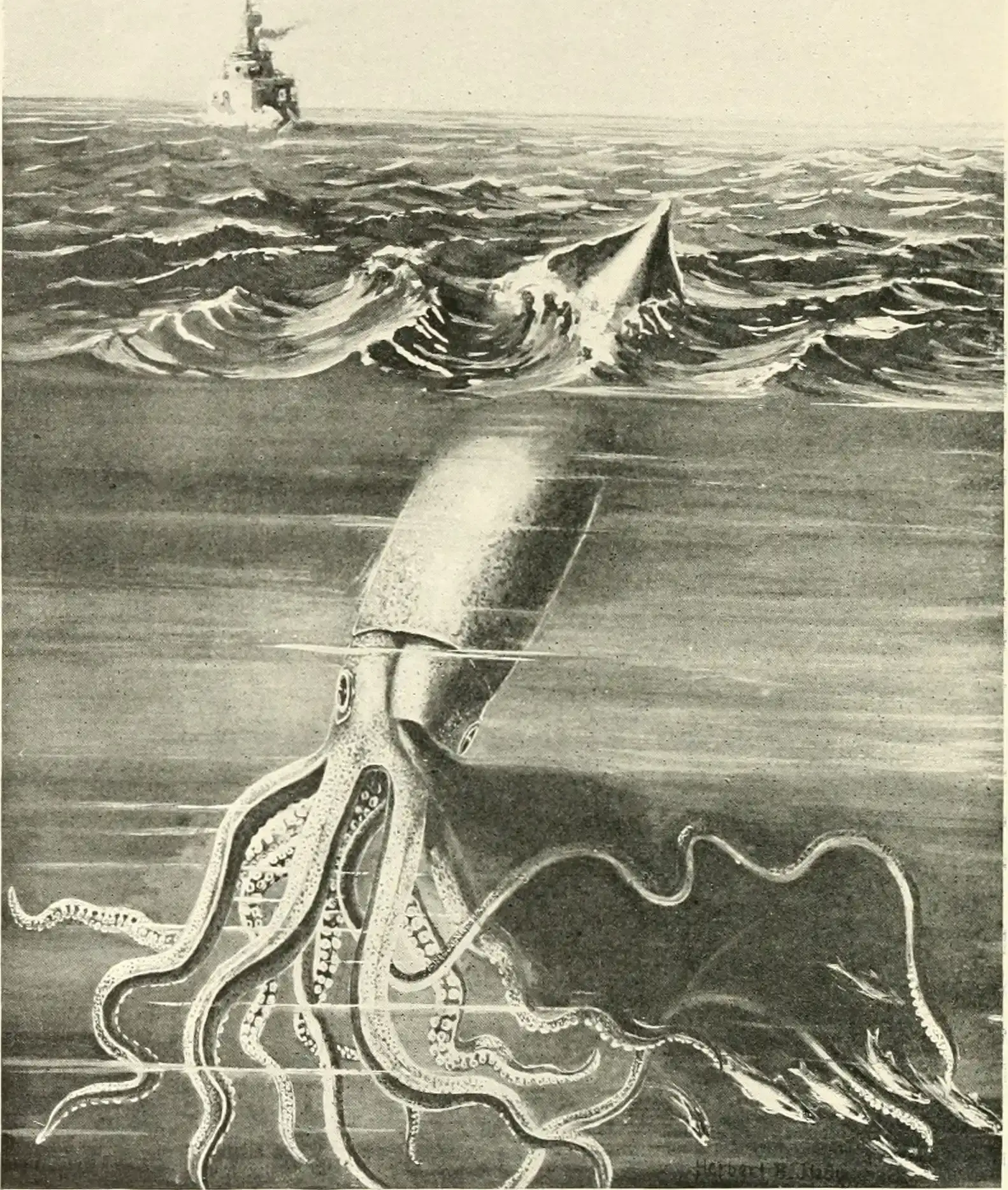
Even as we send precision instruments to other worlds, the least explored domain is still our own planet’s deep ocean. A large fraction of the seafloor remains unmapped at high resolution, and only a tiny slice of the deep biosphere has been sampled directly, leaving vast “dark ecosystems” essentially invisible to science. Remotely operated and autonomous underwater vehicles equipped with high-definition imaging, DNA samplers, and chemical sensors are beginning to sketch an intricate architecture of life that operates under crushing pressure and near-freezing temperatures. There are hints that entire branches of microbial life and unknown metabolic pathways – ways of extracting energy from rock, hydrogen, or methane – are quietly sustaining complex food webs far from sunlight.
This emerging picture matters far beyond scientific curiosity. The deep ocean is increasingly targeted for mining of metals used in batteries and electronics, yet we barely understand the ecological roles of the organisms living on and around those mineral-rich nodules. Discoveries over the next decade will likely show just how tightly deep microbial processes are linked to global cycles of carbon and nutrients, and how disturbing them could echo back into climate and fisheries. Knowing what is at stake gives society a chance to decide, with eyes open, whether some parts of the deep sea should be treated more like underwater national parks than industrial zones. In a sense, exploration is arriving just in time to inform whether we will be guardians or grazers of the deep.
Mapping The Mind: New Explorers Of Inner Space
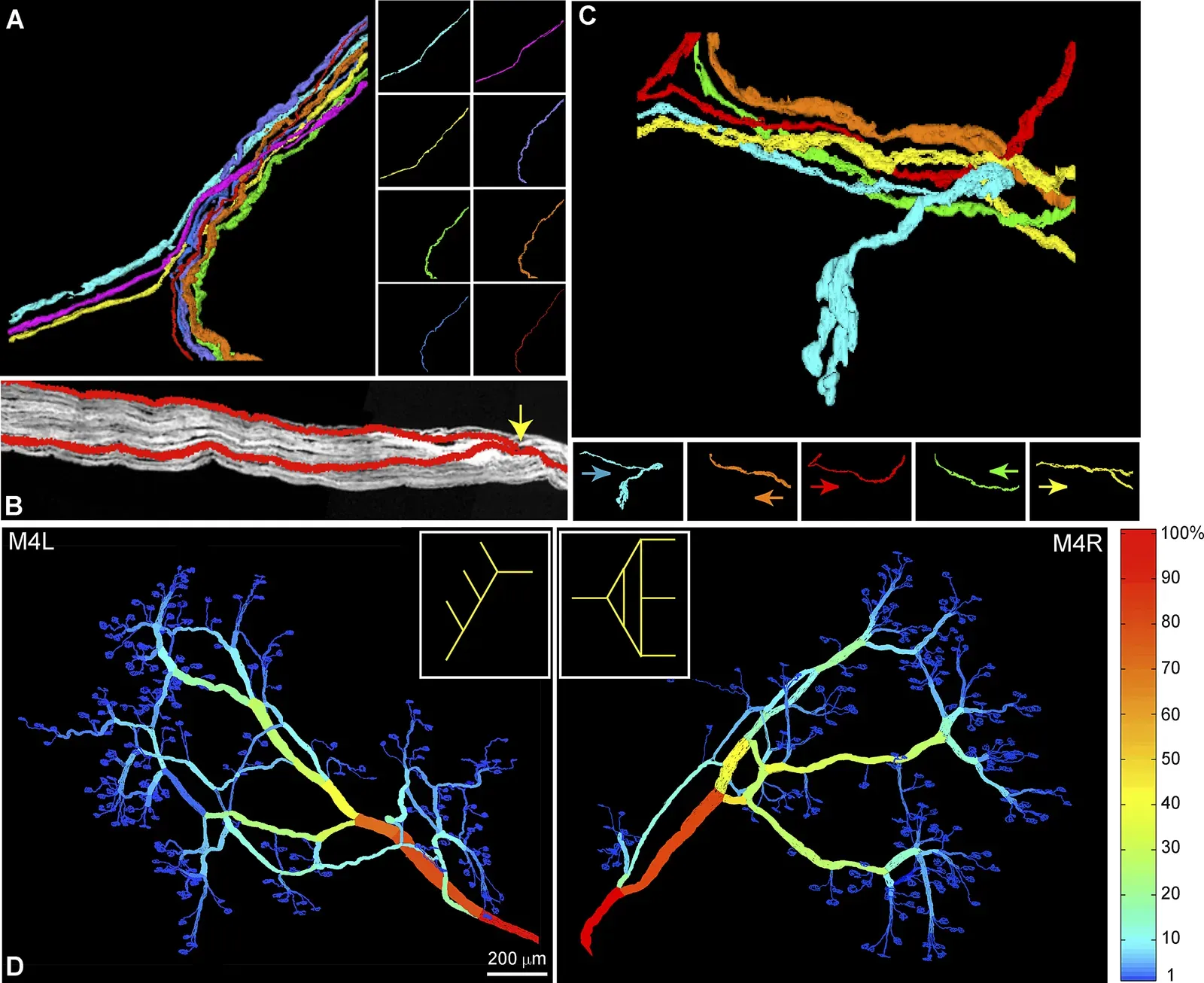
For all our telescopes and probes, one of the strangest frontiers is still inside each of our skulls. Brain-mapping projects now combine ultra-fast imaging, genetic tools, and powerful computation to trace how signals move through neural circuits during thought, memory, and emotion. Instead of treating the brain as a black box, scientists are beginning to chart it like a new continent, complete with networks, hubs, and tiny “villages” of specialized cells whose collective activity shapes our sense of self. Techniques that can record from thousands, even millions of neurons at once are already revealing patterns that challenge older, simpler models of how perception and consciousness work.
These explorations will have consequences that are both thrilling and unsettling. On the hopeful side, more precise maps of brain circuits could unlock better treatments for depression, epilepsy, and neurodegenerative diseases, replacing blunt drugs with targeted interventions that modulate specific pathways. At the same time, the ability to read or even nudge patterns of brain activity raises difficult questions about privacy, consent, and what counts as mental autonomy. Societies will be forced to decide how far they are willing to go in using brain data for education, criminal justice, or even workplace optimization. The future of exploration here is not just about technology; it is about how much we want our inner lives to be legible to others.
AI As Co‑Explorer: When Algorithms Lead Us To The Unknown
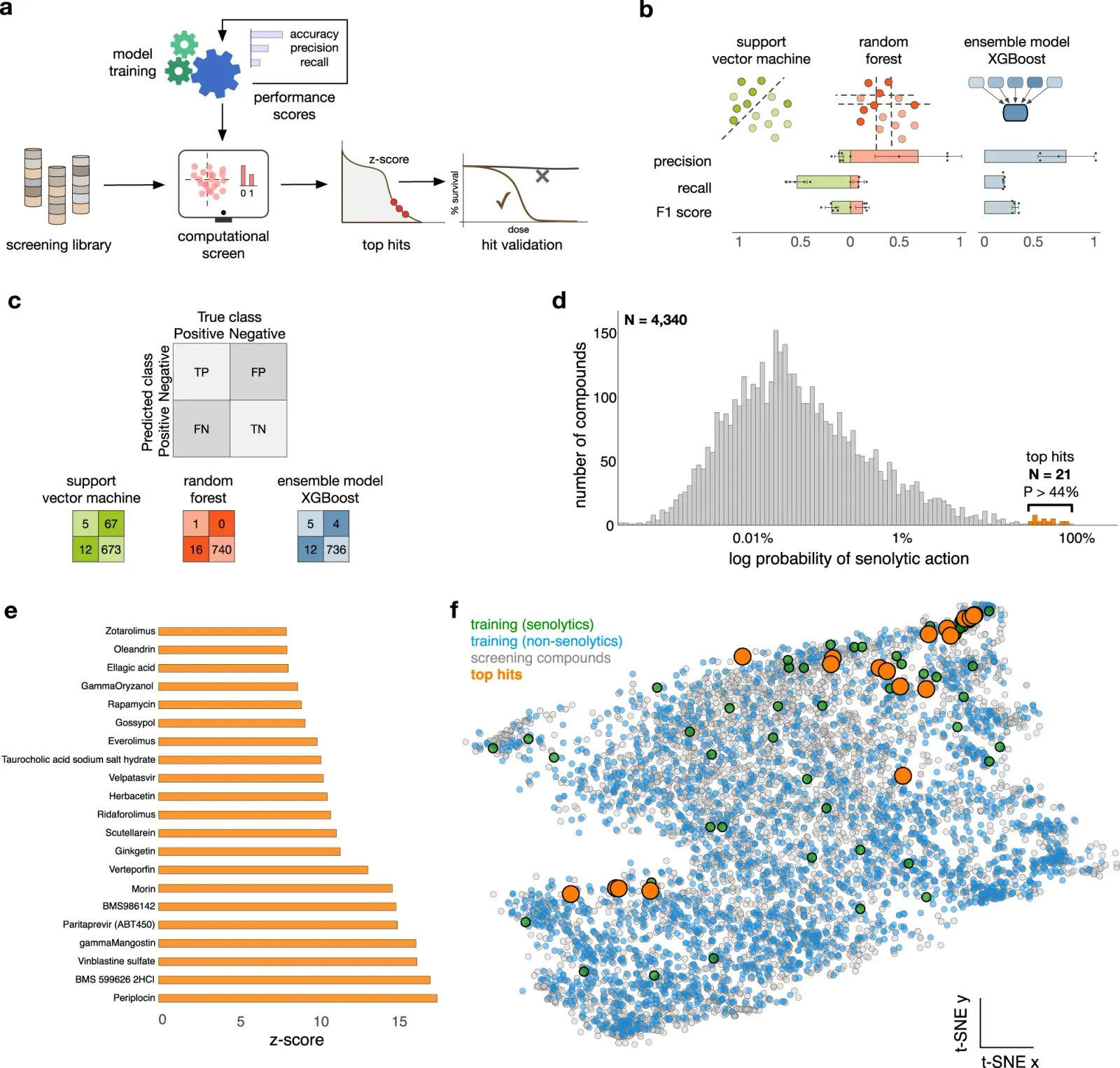
Exploration has always depended on tools, from sextants to satellites, but artificial intelligence is poised to become something stranger: a partner that suggests where to look next. Machine-learning systems are already sifting through torrents of telescope data to flag unusual stars, asteroids, and potential exoplanets that human eyes would likely miss. In genomics and materials science, algorithms are proposing unconventional molecules or crystal structures that challenge human intuition, effectively generating maps of possibility space that would take lifetimes to explore by trial and error. As sensor networks spread across forests, glaciers, and cities, AI systems can watch for subtle anomalies that hint at new phenomena or emerging risks long before a person would notice.
This shift changes who gets to be an explorer and what counts as a “discovery.” Instead of a lone researcher spotting a pattern, we increasingly have humans interpreting a signal first noticed by a machine, a kind of collaborative curiosity. Done well, this can democratize exploration by giving smaller labs, citizen scientists, and underfunded regions access to sophisticated pattern-finding tools. Done poorly, it can concentrate power in institutions that control data infrastructure and algorithms, with opaque models steering scientific agendas. The challenge will be to design AI-driven exploration that remains transparent, accountable, and open, so that curiosity does not become just another proprietary service.
Rewriting Earth’s Past With Ancient DNA And Planetary Archives
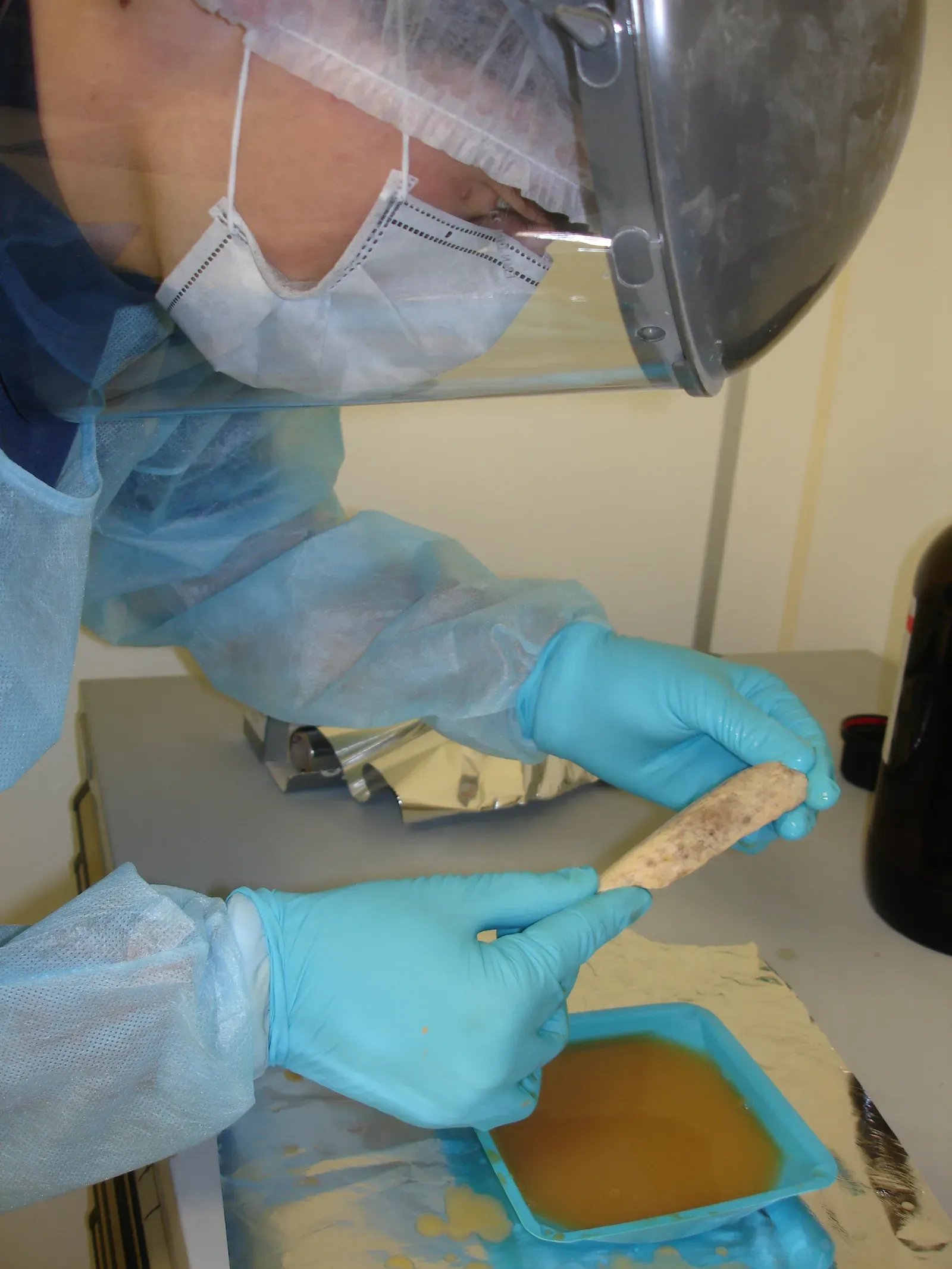
Some of the most radical explorations ahead will look backward instead of outward, using new tools to reconstruct worlds that vanished millions of years ago. Ancient DNA techniques now allow researchers to pull genetic fragments from sediments, ice cores, and fossil bones, assembling snapshots of past ecosystems where long-gone animals, plants, and microbes all left molecular fingerprints. Combined with high-resolution climate records from tree rings, cave stalagmites, and deep-sea sediments, these data sets reveal how life on Earth responded to extreme warming, abrupt cooling, and massive volcanic eruptions. The emerging story is that ecosystems can be both surprisingly resilient and shockingly fragile, snapping into new states when pushed past certain thresholds.
These insights are not just intellectual puzzles; they are test cases for our own century of rapid change. By comparing modern shifts in temperature, sea level, and species ranges with events in the geologic past, scientists can refine models of future risk and identify which combinations of stressors are especially dangerous. They can also spot “refugia” – places that stayed livable for many species during past upheavals – that might be key to conserving biodiversity today. Exploring Earth’s deep history in this way gives humanity something it rarely has: a set of real experiments already run by the planet itself, with lessons we ignore at our peril.
The Deeper Meaning Of Exploration In A Crowded, Warming World

It is tempting to treat exploration as a luxury, something societies do when they have spare resources and a taste for adventure, but that view is badly outdated. In a world facing climate disruption, biodiversity loss, and growing inequality, exploration is increasingly the way we learn which futures are even possible. The new probes, surveys, and simulations described above are not just gathering trivia; they are testing fundamental assumptions about how common life is, how robust ecosystems are, and how flexible human brains and cultures can be under stress. Compared with earlier eras, modern exploration is less about planting flags and more about mapping limits, feedbacks, and hidden connections.
This shift carries a cultural cost and a benefit. The cost is that some of the romance of “conquering” unknown lands has rightly evaporated, replaced by the sobering awareness that human activity is already reshaping nearly every environment we touch. The benefit is a richer, more honest understanding of our place in the web of life, one that treats discovery and responsibility as inseparable. Seeing Europa’s ocean or the deep seabed not as blank slates but as living systems forces us to examine the values underlying our curiosity. In that sense, the deeper meaning of exploration today lies in how it reframes humanity from master to participant in a larger story.
Unfinished Questions: What We Still Do Not Know About The Next Age Of Discovery
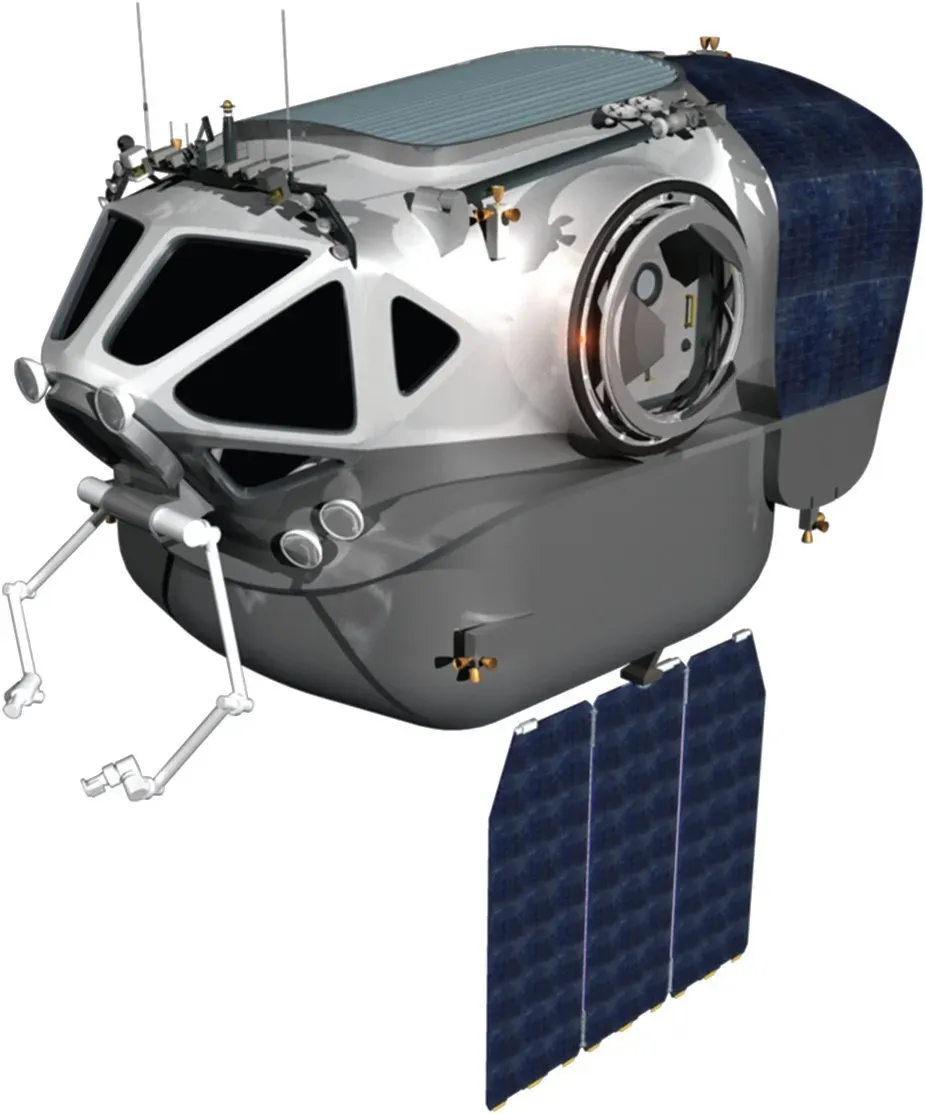
For all the confident engineering timelines and mission roadmaps, the next age of discovery is full of unresolved questions that matter as much as any measurement. We do not yet know whether international law will evolve fast enough to govern commercial activity in space and the deep ocean before serious damage is done. We do not know whether the benefits of new exploration technologies will be shared broadly or captured by a small number of wealthy nations and corporations. On the scientific side, we still lack clear answers to basic questions: Is there a second genesis of life in our solar system, what kinds of minds nonhuman animals truly have, and how close climate systems are to critical tipping points.
Facing these unknowns honestly is part of what makes this era so charged. Unlike previous centuries, we now have the ability to detect early warning signs and adjust course, but we also have tools powerful enough to cause planetary-scale harm. Exploration will increasingly be judged not only by what it discovers, but by the futures it enables or closes off. That is an uncomfortable responsibility for a species that only recently realized it could alter the atmosphere, redirect rivers, and move species around the globe at will.
How Ordinary People Can Share In This New Era Of Exploration
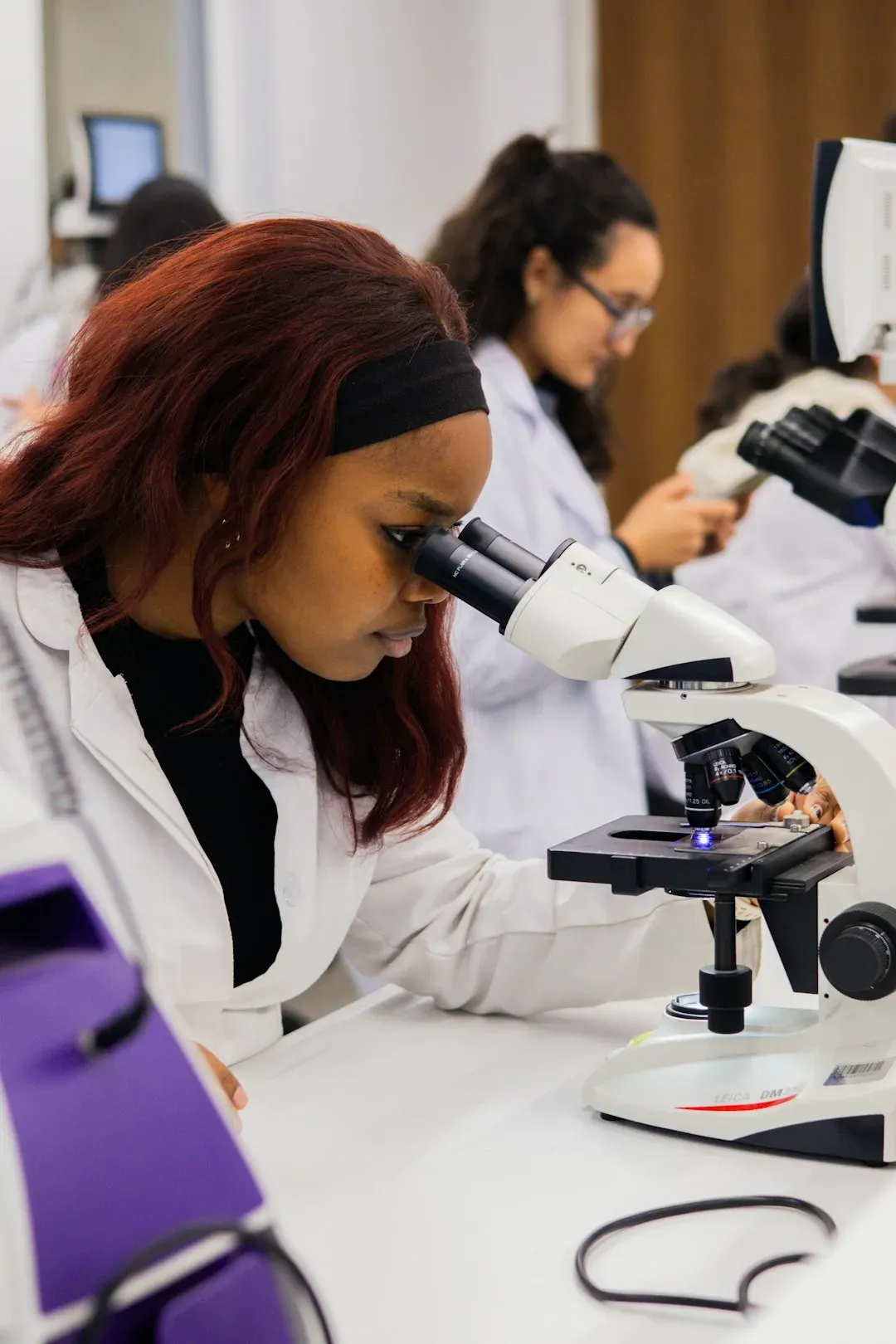
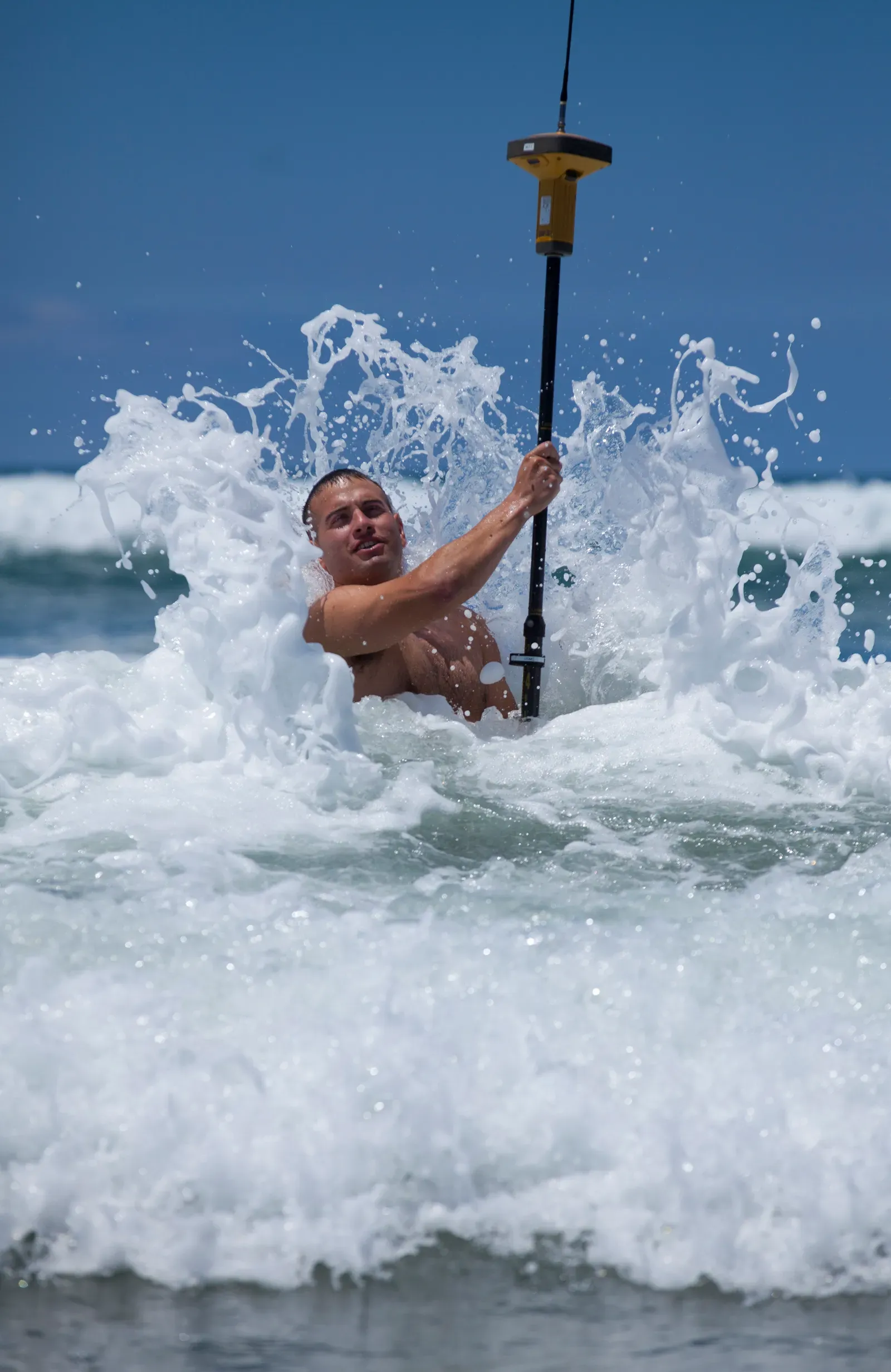
Despite the high-tech nature of many upcoming missions and experiments, the future of exploration is not limited to professional scientists or astronauts. Anyone with an internet connection can already help classify galaxies, identify wildlife in camera-trap photos, or track seasonal changes in local plants and insects, feeding data directly into global research projects. Low-cost sensors and open-source tools let communities monitor air quality, water pollution, or urban heat, turning neighborhoods into living observatories. Teachers and students can tap into live data streams from Mars rovers, ocean buoys, and earthquake networks, bringing the feeling of real-time discovery into classrooms and homes.
These everyday forms of participation are more than feel-good add-ons; they shape what gets studied and whose experiences count in the story of science. When people document disappearing glaciers, shifting bird migrations, or unusual disease outbreaks, they are not just observing change – they are helping society decide which changes are unacceptable. The more we treat exploration as a shared civic project rather than a distant spectacle, the more likely it is that its benefits will be spread and its risks debated openly. In the end, the discoveries that reshape humanity will come not only from new places we reach, but from new ways we pay attention. What part of that unfolding story do you want to see up close.
Suhail Ahmed is a passionate digital professional and nature enthusiast with over 8 years of experience in content strategy, SEO, web development, and digital operations. Alongside his freelance journey, Suhail actively contributes to nature and wildlife platforms like Discover Wildlife, where he channels his curiosity for the planet into engaging, educational storytelling.
With a strong background in managing digital ecosystems — from ecommerce stores and WordPress websites to social media and automation — Suhail merges technical precision with creative insight. His content reflects a rare balance: SEO-friendly yet deeply human, data-informed yet emotionally resonant.
Driven by a love for discovery and storytelling, Suhail believes in using digital platforms to amplify causes that matter — especially those protecting Earth’s biodiversity and inspiring sustainable living. Whether he’s managing online projects or crafting wildlife content, his goal remains the same: to inform, inspire, and leave a positive digital footprint.