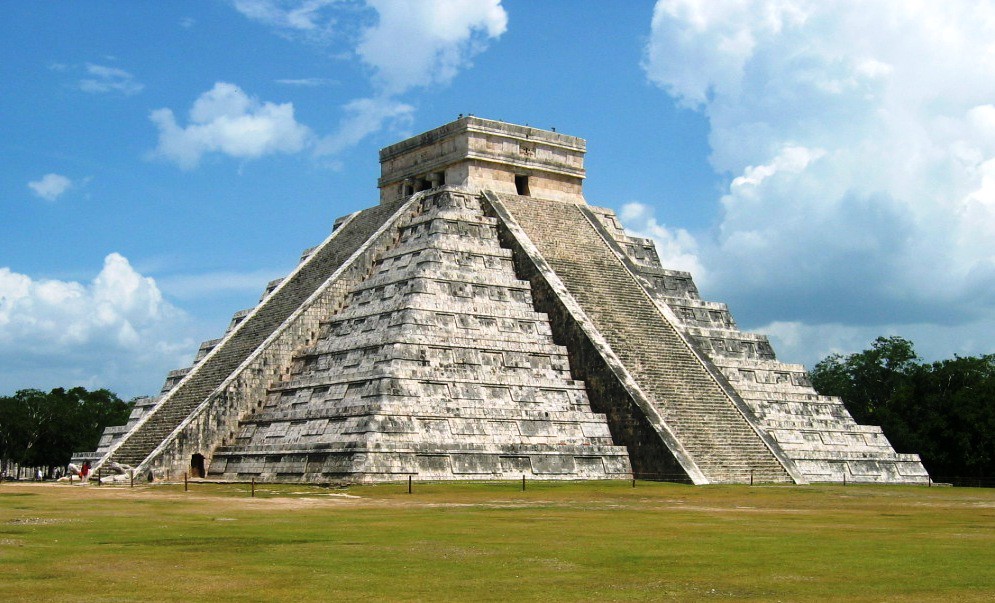
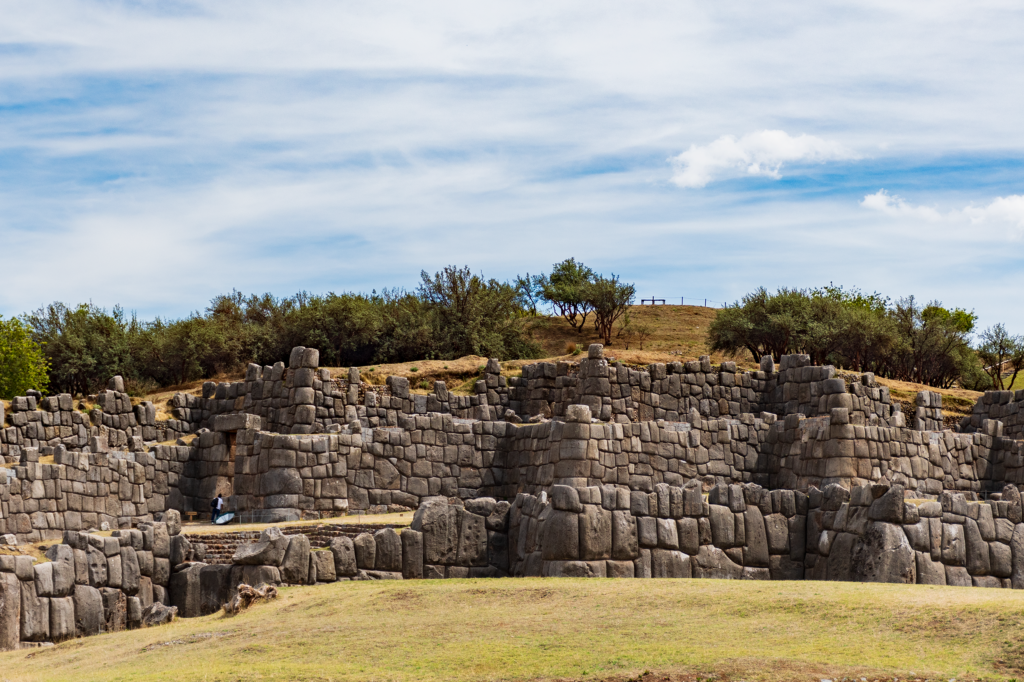
Every rock is a memory stick of the planet, and some of those memories simply refuse to make sense. We can split atoms, land rovers on Mars, and map the ocean floor from space, yet Earth’s deep past still hides stories that slip through our fingers like sand. Some of the strangest puzzles are not about life or lost civilizations, but about the planet’s own bones: mountains, craters, strange stones, and vanished oceans that seem to break the rules.
What makes these geological mysteries so addictive is that they sit in that delicious space between “we kind of know” and “we honestly have no idea.” The data is there: layers of rock, magnetic stripes, shattered minerals, odd formations in impossible places. But the story tying them together? Still incomplete. Let’s dig into ten of the most stubborn puzzles that keep geologists up at night, even in 2026, and see how far science has pushed the line between the known and the unknown.
The Late Heavy Bombardment: Did Earth Survive a Cosmic Shooting Gallery?
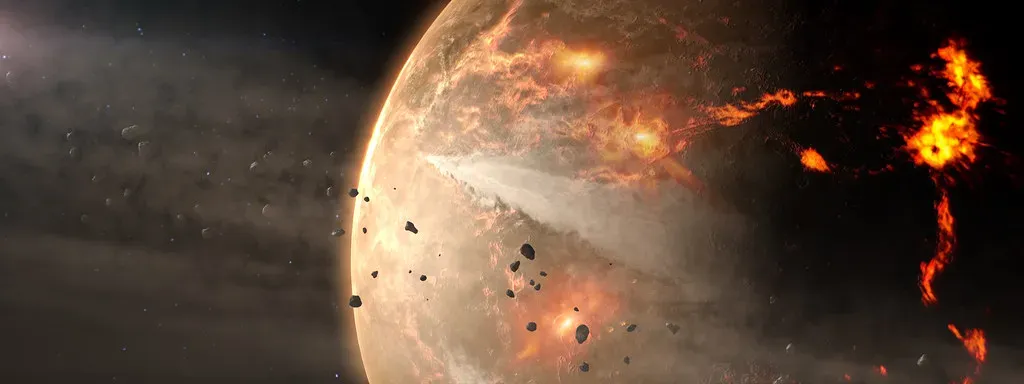
Imagine the early Earth not as a calm blue marble, but as a target in a cosmic shooting gallery, with asteroids and comets slamming into it at a terrifying rate. Many planetary scientists argue that roughly about four billion years ago, the inner solar system went through a period now called the Late Heavy Bombardment, when impacts spiked dramatically for tens of millions of years. The Moon’s surface, scarred with ancient craters of similar age, is often used as the crime scene record for this suspected event. But here’s the problem: Earth’s surface has been recycled by plate tectonics, erosion, and volcanism, so almost all direct physical traces of those impacts are gone.
Some geologists point to tiny spherules and shocked minerals in extremely old rocks as evidence that Earth was hammered at the same time as the Moon, possibly reshaping the crust and influencing how oceans and continents formed. Others argue the bombardment might be an illusion created by how we date lunar rocks and interpret crater ages. Was there really a single intense spike in impacts, or just a long, chaotic decline that looks like one in the data? The stakes are huge, because this timing overlaps with the earliest signs of life, raising the wild possibility that life either barely survived or was jump-started by colossal impacts that would have turned much of the surface into a temporary hellscape.
The Great Unconformity: A Missing Billion Years of Earth’s History
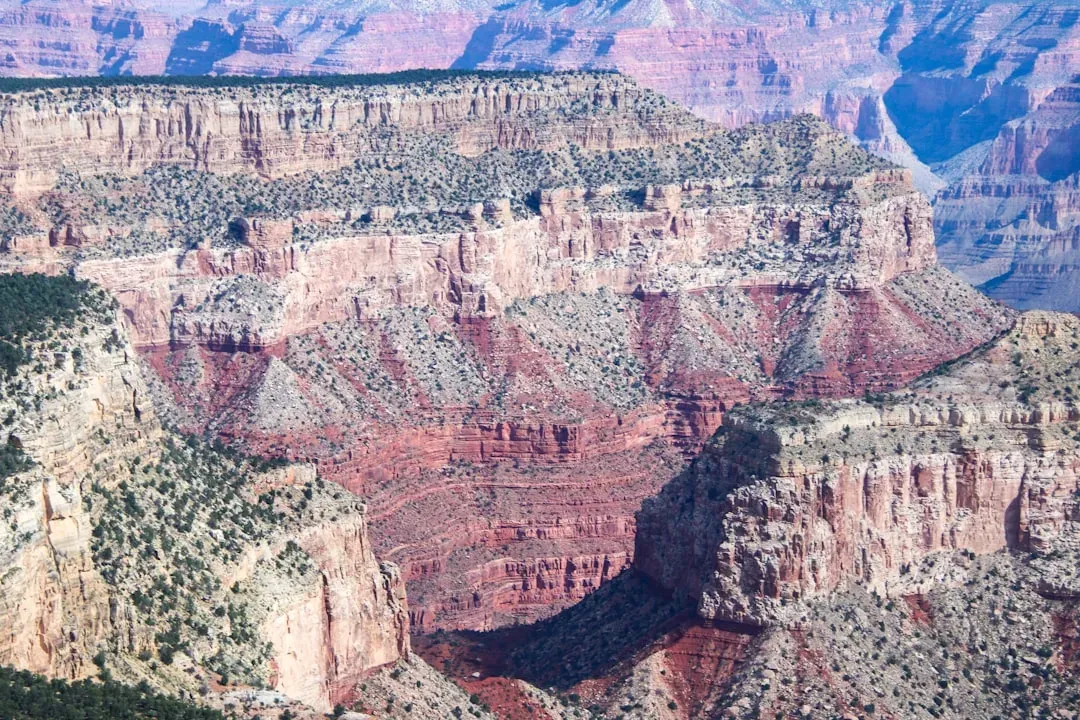
In several famous places on Earth, including the Grand Canyon, you can put your hand on a literal time jump: younger rocks lying right on top of much older rocks, with up to a billion years of history just… gone. Geologists call this yawning gap the Great Unconformity, and it’s one of the most unsettling absences in Earth’s rock record. To put it in perspective, that’s like reading a history book that jumps straight from ancient Mesopotamia to the industrial revolution, with no explanation. Somewhere in that missing time, continents rose and sank, climates flipped, and early life slowly complicated itself.
One leading idea is that massive glaciations, possibly related to so-called Snowball Earth episodes, ground away enormous thicknesses of crust and washed the debris into the oceans. Another possibility is that long periods of uplift and weathering stripped the continents before new sediments were laid down, erasing whole chapters of geological history. What makes this mystery even stranger is that the Great Unconformity seems to appear in many parts of the world at roughly similar times, hinting at a global-scale process. Yet even with modern tools like zircon dating and geochemical fingerprints, scientists are still arguing over exactly what carved this planetary scar and why it lines up so intriguingly with the rise of complex life.
Snowball Earth: Was Our Planet Once Frozen Solid?
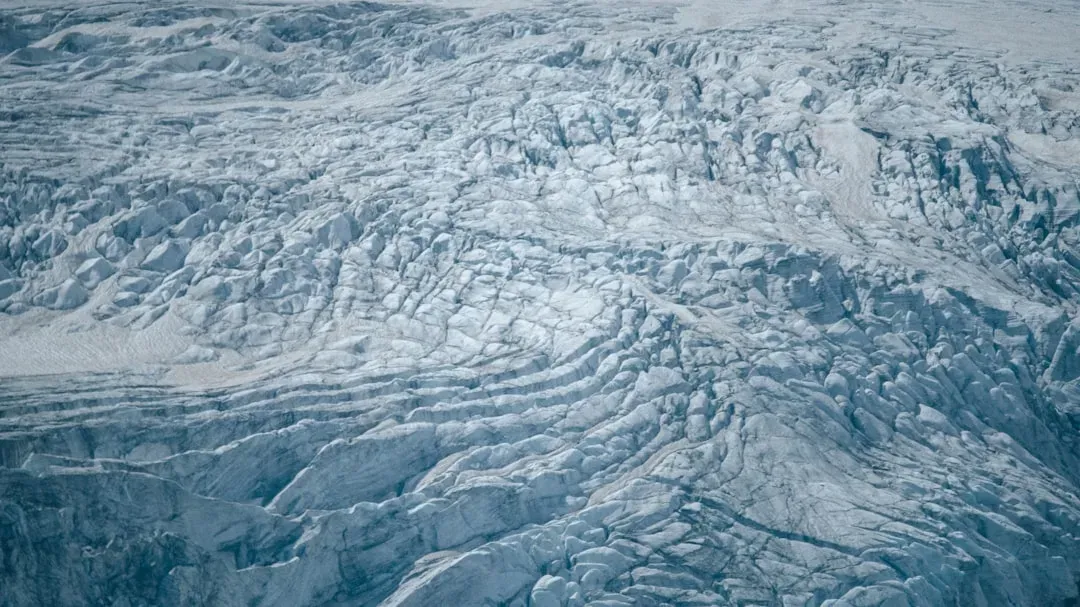
The idea that Earth may once have been almost entirely encased in ice sounds like something out of science fiction, but rocks tell a story that’s hard to ignore. Around seven hundred million years ago, glacial deposits appear at latitudes that should have been tropical, and certain chemical signatures in ancient sediments suggest oceans locked under thick ice. The Snowball Earth hypothesis argues that the planet went into a runaway deep freeze, with ice stretching from pole to pole and temperatures plunging so low that most of the surface would have been unlivable by modern standards. Yet somehow, life not only survived but eventually exploded into new, complex forms.
The physics is tantalizing but messy. Once ice spreads far enough, it reflects more sunlight, which cools the planet further, driving more ice growth in a vicious feedback loop. To escape, Earth would have needed an enormous buildup of greenhouse gases, likely carbon dioxide from volcanoes, eventually triggering a rapid, intense warming that melted the global ice. Still, scientists disagree on key questions: Was Earth truly completely frozen, or more like a “slushball” with open waters near the equator? How many of these deep-freeze events were there, and how precisely did they end? The link between these glaciations and later bursts of biological innovation only deepens the mystery of how a planet can nearly die and then come roaring back to life.
The Sudden Rise of the Himalayas: How Fast Can Mountains Really Grow?
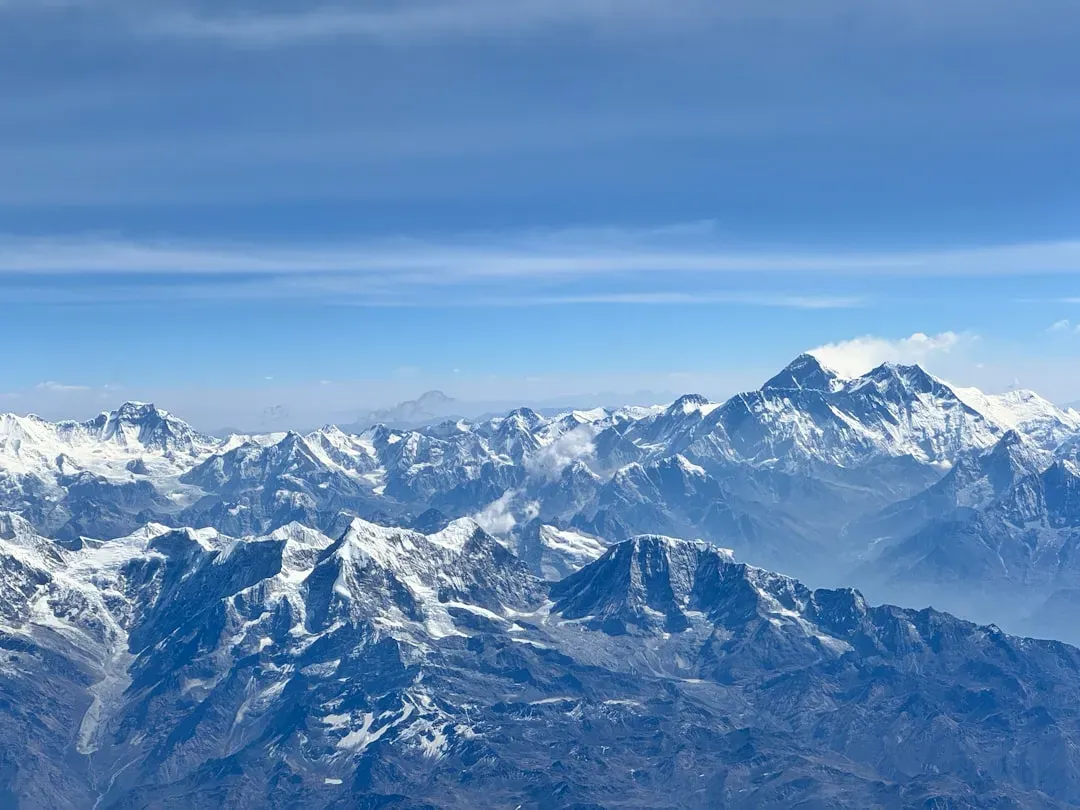
On a human timescale, mountains feel eternal, but geologically speaking, the Himalayas are shockingly young and aggressive. They began to rise when the Indian plate, racing north faster than almost any plate we know today, slammed into Eurasia tens of millions of years ago. What baffles researchers is how quickly this collision built the highest mountain range on Earth and how complex the resulting mess of folded, crumpled crust really is. The rocks there record staggering pressures and temperatures, hinting at slabs of crust being shoved deep and then hoisted back up again in what feels like fast-forward.
Even with modern satellite measurements showing that some Himalayan peaks are still rising by millimeters each year, the timing and exact mechanics of their uplift remain debated. Did the mountains shoot up in sudden pulses driven by changes in erosion and climate, or was it more of a steady, relentless grind? There is also the puzzle of how thick continental crust can get before it starts flowing sideways like warm putty, redistributing the load. The Himalayas are more than just a dramatic skyline; they’re a live experiment in how hard you can push a planet’s crust before it does something unexpected.
The Origin of Plate Tectonics: When Did Earth’s Crust Start Drifting?
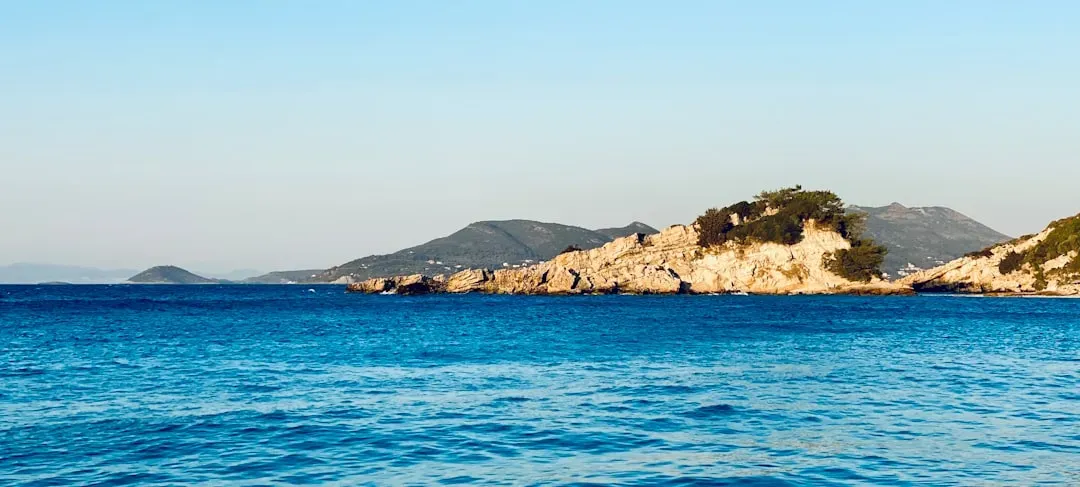
Plate tectonics is the grand unifying story of modern geology, explaining earthquakes, volcanoes, mountain belts, and even long-term climate regulation. Yet strangely, we still do not know exactly when or how this system of moving plates actually began. The earliest rocks on Earth, older than three and a half billion years, show hints of processes that might resemble plate movement, but the signals are faint and ambiguous. Some researchers argue for an early start, with a hotter, more vigorous mantle driving small, unstable plates. Others think Earth spent a long time with a stagnant lid, more like modern Venus, before finally cracking into mobile plates.
The transition matters because plate tectonics recycles carbon, nutrients, and water between the surface and deep interior, shaping the conditions that life depends on. Clues come from ancient zircons, geochemical ratios, and the structures of the oldest surviving crustal fragments called cratons. But these relics are heavily reworked and partly overwritten, like a palimpsest that has been written on too many times. Was there a single tipping point that launched true plate tectonics, or did the system evolve gradually from patchy, local subduction zones? Until we solve that, the early chapters of Earth’s story will stay frustratingly out of focus.
Deep Mantle Structures: The Strange Blobs at Earth’s Core–Mantle Boundary
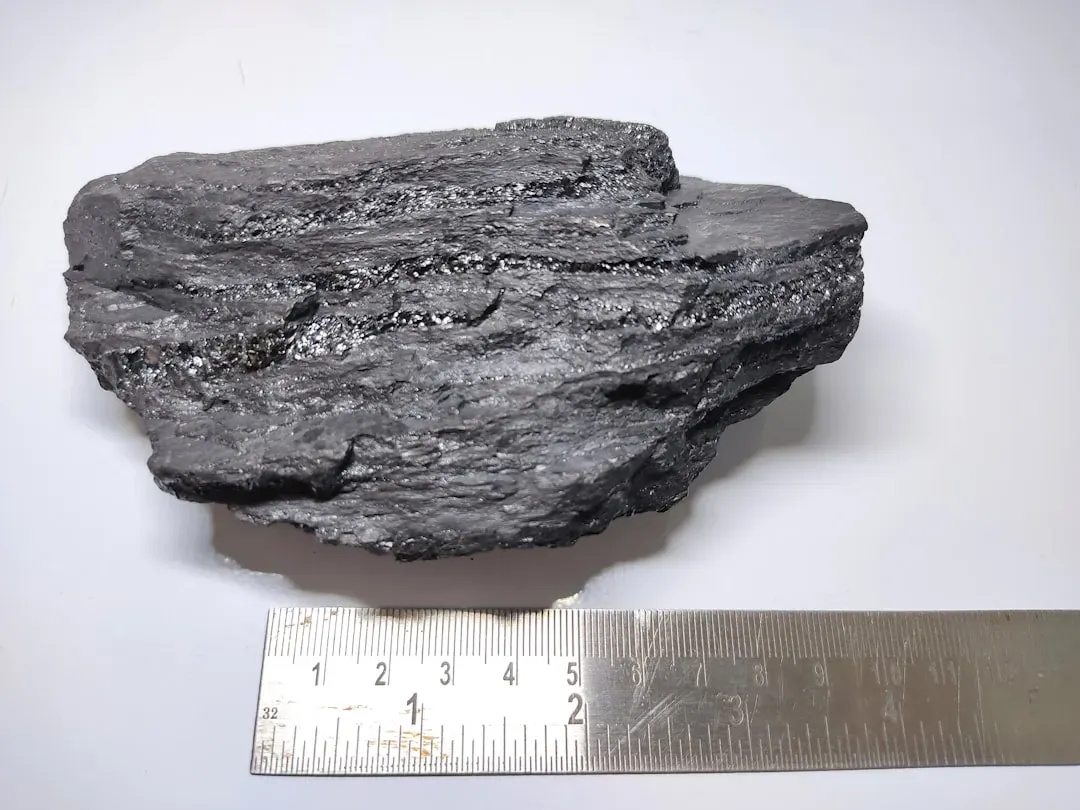
Far below our feet, at depths of nearly three thousand kilometers, seismic waves hint at two gigantic, mysterious structures sitting atop the core like buried continents of strange rock. These regions, often described as large low-shear-velocity provinces, slow down earthquake waves and may be denser and chemically different from the surrounding mantle. One sits under Africa, the other under the Pacific, and together they might be among the largest coherent features inside the planet. We cannot sample them directly, so almost everything we think we know comes from indirect imaging and models.
Some scientists suspect these blobs are piles of ancient oceanic crust that have sunk and accumulated over billions of years, forming long-lived graveyards of subducted plates. Others think they might be remnants of an early magma ocean, a leftover from a time when the young Earth was mostly molten. There is even the idea that they help control where supervolcanoes and massive flood basalts erupt at the surface, shaping continental breakups and mass extinctions. The truth may be a complicated mix of these ideas, but until seismic imaging becomes much sharper or we develop entirely new tools, these ghost continents of the deep will remain one of geology’s eeriest puzzles.
The Origin of Banded Iron Formations: Why Did the Oceans Rust All at Once?
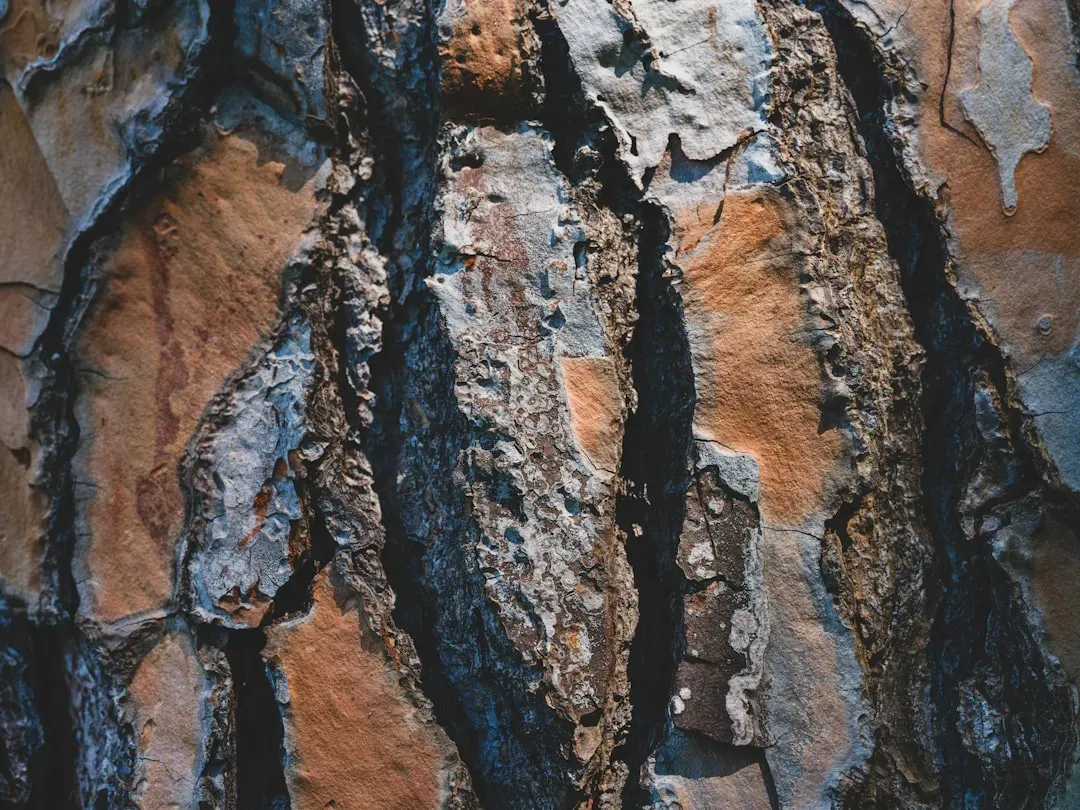
In many ancient rocks, especially those older than two billion years, you can see striking stripes of dark iron-rich layers alternating with lighter silica-rich bands. These banded iron formations are not just pretty; they record a massive shift in Earth’s atmosphere and oceans. The most widely accepted idea is that early oceans were rich in dissolved iron, and when photosynthetic microbes began releasing oxygen, that oxygen reacted with the iron, forming solid minerals that settled to the seafloor. In effect, the oceans rusted, and the rock record kept the receipts. But the detailed patterns, timing, and stop–start nature of these deposits are still hard to fully explain.
Why did these formations appear in pulses and then largely stop once oxygen levels rose further? Some researchers think there were cycles of oxygen production and consumption, with deep waters periodically becoming anoxic and iron-rich again before another oxygen burst triggered fresh iron deposition. Others argue that changes in volcanic activity, ocean circulation, or nutrient delivery might have controlled the supply of iron and the productivity of microbes. The end result is that banded iron formations look like a planetary heartbeat recorded in stone, but we still don’t fully understand what set the rhythm, or how closely that rhythm ties to the early evolution of complex metabolic pathways.
The Mysterious Stability of Ancient Cratons: Why Don’t Earth’s Oldest Cores Break?
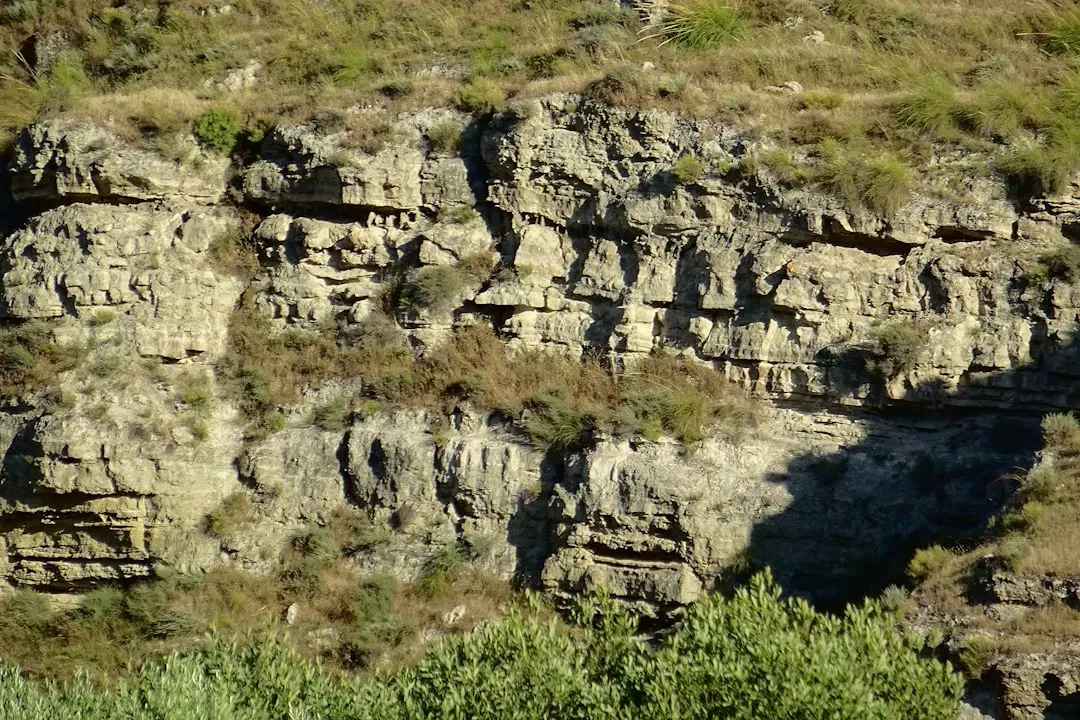
Cratons are the ancient, thick roots of continents, some more than three billion years old, and they behave like stubborn, unbudgeable anchors in the swirling mosaic of plate tectonics. While younger crust is endlessly swallowed and reborn at subduction zones, these old cores just refuse to die. Their keels can extend hundreds of kilometers into the mantle, and they are surprisingly cool and strong for such old pieces of rock. What puzzles scientists is how these cratons formed in the first place and why they have stayed so stable while everything around them has been churned and recycled.
One possibility is that they were forged in ultra-hot, early Earth conditions, when mantle plumes and massive magmatic events built thick, buoyant roots that were then chemically altered to become even more rigid and hard to melt. Another idea is that repeated tectonic collisions stitched together smaller fragments, welding them into megastructures that are now almost impossible to break. Yet cratons are not perfectly inert; some host rich mineral deposits and show signs of subtle deformation at the edges. They sit at the uncomfortable intersection of what we can measure at the surface and what we can only model at depth, turning them into a long-running riddle about how you build something on a restless planet that can last billions of years.
The Chicxulub Impact and Other Craters: How Many Extinctions Came from the Sky?
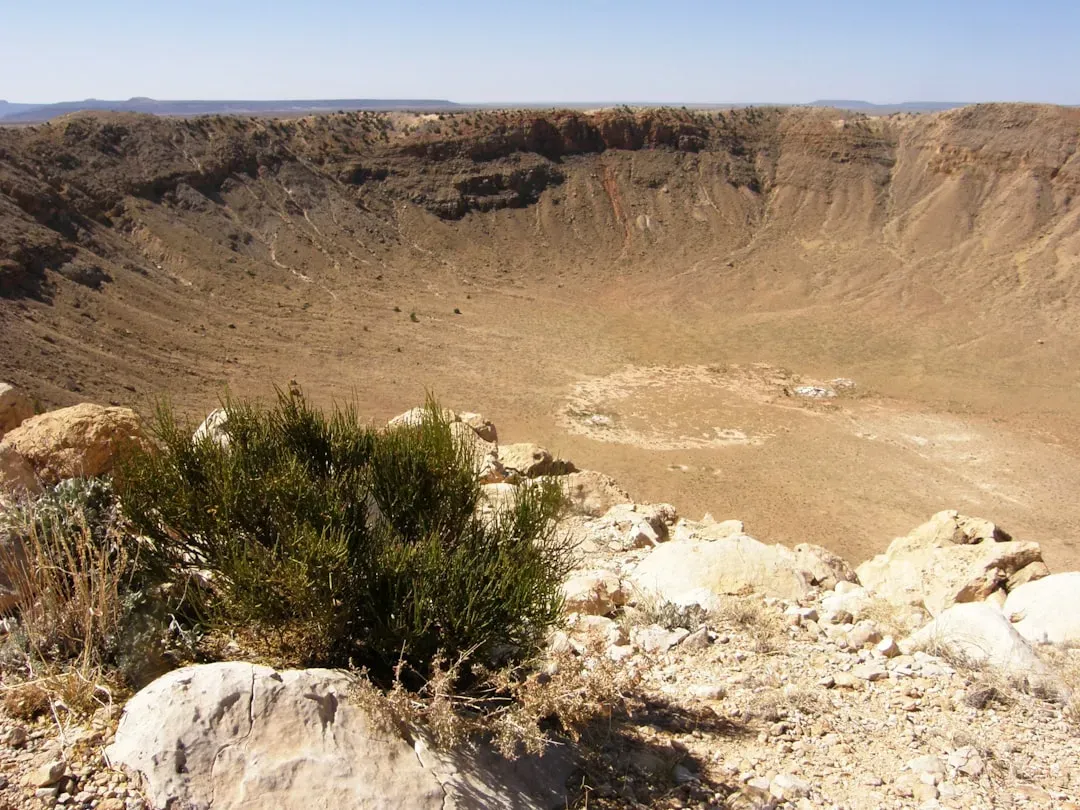
The Chicxulub crater buried under Mexico’s Yucatán Peninsula is one of the rare geological mysteries where the broad outline is strongly supported: a large asteroid or comet slammed into Earth about sixty-six million years ago, contributing to the demise of non-avian dinosaurs and many other species. Drilling into this crater has revealed shocked rocks and melted materials that match models of colossal impacts, and layers of debris around the world line up in age and composition. Yet even here, questions remain. Scientists still debate the exact sequence of environmental disasters that followed: did soot-darkened skies, sulfur aerosols, wildfires, and acid rain all pile on in a perfect storm, or were some effects far more important than others?
Beyond Chicxulub, Earth’s surface holds a scattered, imperfect record of other large impact craters, many deeply eroded, buried, or entirely erased. Some mass extinctions line up suspiciously with impact evidence, while others seem tied more to huge volcanic eruptions and climate swings. There is an ongoing argument about whether we are underestimating the role of smaller or older impacts whose traces have been mostly destroyed by plate tectonics and weathering. The uneasy truth is that the sky has never been completely safe, and we still do not fully grasp how often cosmic blows have quietly redirected the path of evolution and geology on our planet.
True Polar Wander: Did the Whole Earth’s Crust Suddenly Roll Over?
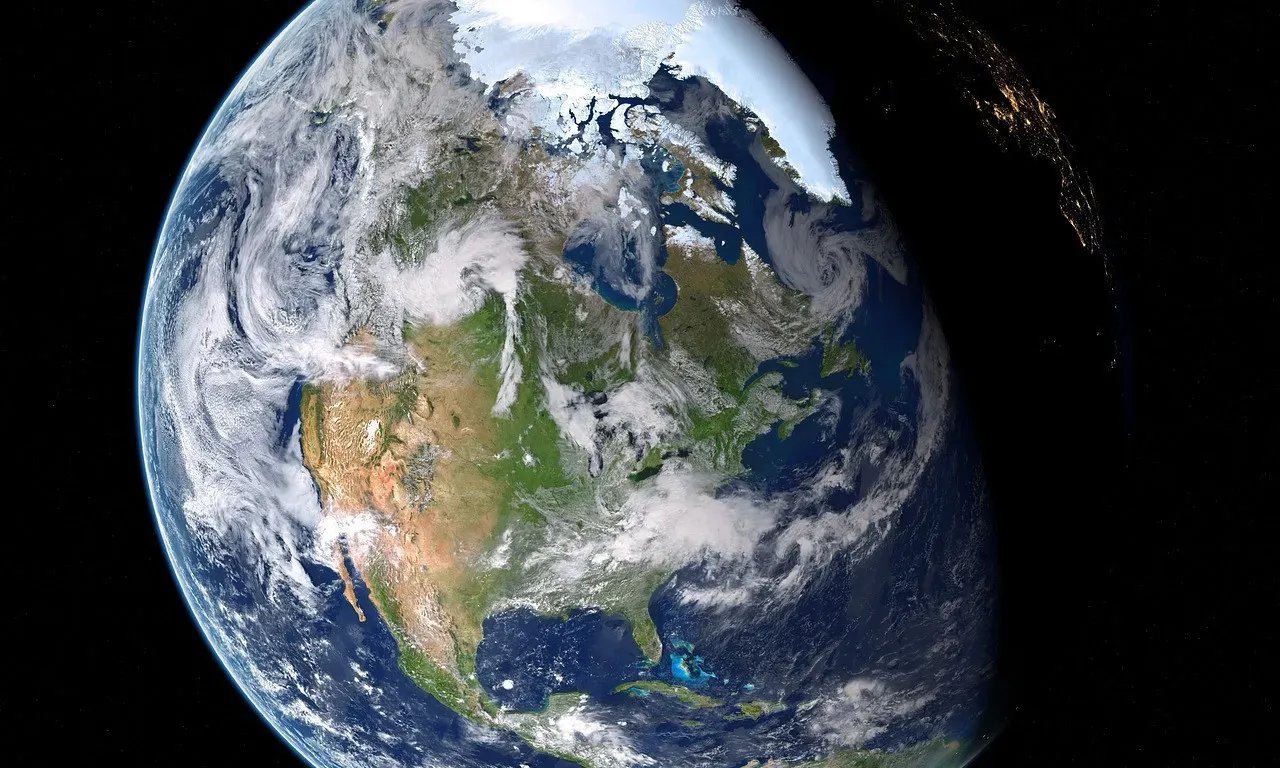
Most people are familiar with continents drifting, but there is a more unsettling possibility lurking in the rock record: that the entire solid outer shell of the Earth might occasionally shift relative to the rotation axis. This idea, called true polar wander, suggests that if mass inside the planet becomes unevenly distributed, the whole globe can slowly reorient to restore rotational balance, much like a spinning top adjusting when you tape a weight to one side. Paleomagnetic data from some ancient rocks show puzzling changes in apparent latitude that might reflect not just plate motions, but whole-planet tipping episodes.
The controversy is intense because separating the signals of plate tectonics from a global reorientation is tricky, and our models of Earth’s deep interior are still incomplete. If large true polar wander events did occur, they could have dramatically changed climates, shifting continents into new climate zones in relatively short geological intervals. This would reshape patterns of erosion, sedimentation, and perhaps even spur evolutionary bursts or extinctions. On the other hand, some geoscientists argue that many supposed polar wander signatures can be explained by more ordinary processes. Until the magnetic and structural clues from multiple continents can be reconciled consistently, this remains one of those haunting possibilities that sits right on the edge between wild speculation and uncomfortable reality.
In a way, it’s almost reassuring that in 2026, with all our technology, we still stand on shorelines and canyon rims staring at rocks we don’t fully understand. A world with no geological mysteries would be a world where curiosity had nothing left to chase. The planet beneath us is still rewriting its own past, and we’re just now learning how to read the edits in its stone-bound diary. When you look at a mountain, a rust-red cliff, or a lonely boulder in the wrong place, does it feel a little different now, knowing how many secrets might be locked inside?