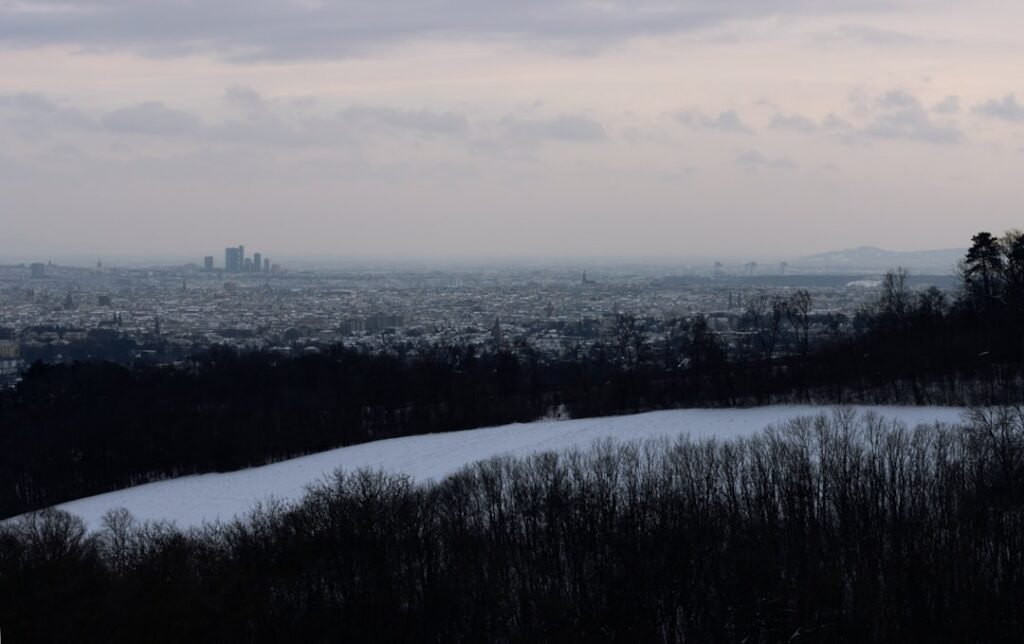

A Fresh Disruption Takes Shape (Image Credits: Unsplash)
High above the Arctic, a subtle shift in atmospheric patterns promises to deliver a sharper edge to winter across the Northern Hemisphere this month.
A Fresh Disruption Takes Shape
Forecasters recently confirmed the emergence of a new stratospheric warming event, poised to unsettle the polar vortex by mid-January. This development marks a pivotal change in the season’s trajectory, as model data from leading weather agencies painted a picture of intensifying cold. The polar vortex, that swirling mass of frigid air encircling the North Pole, had held steady through the early weeks of winter. Now, this warming phenomenon threatens to weaken its grip, allowing Arctic air to spill southward.
Experts noted that such events often precede prolonged cold spells, drawing from historical precedents where similar disruptions led to notable temperature drops. The timing aligns with broader seasonal forecasts, which had already hinted at a cooling trend influenced by La Niña conditions. As the warming builds in the stratosphere, ground-level weather patterns begin to respond, setting the stage for a more wintry January.
Stratospheric Warming Explained
Stratospheric warming occurs when temperatures in the upper atmosphere rise abruptly, sometimes by as much as 50 degrees Celsius in just days. This process disrupts the vortex’s structure, causing it to stretch or even split, much like a weakening spin on a top. Recent observations showed this warming gaining strength over the past week, with projections indicating peak effects around January 15.
Unlike typical winter cold snaps, these high-altitude changes can influence weather for weeks, amplifying the flow of polar air into mid-latitudes. Scientists at meteorological centers tracked the event using satellite data and computer simulations, confirming its non-reversal type, which still packs enough punch to alter jet stream paths. The result? A reconfiguration of pressure systems that favors colder, more stable conditions below.
Cold Air Targets North America
In the United States and Canada, the impending vortex disruption could usher in waves of Arctic air, particularly affecting the central and eastern regions. Model runs from early January suggested temperatures plunging well below seasonal norms, with potential for heavy snowfall in the Midwest and Northeast. Cities like Chicago and Toronto might see their first deep freeze of the year, extending into the latter half of the month.
Previous winters with comparable events delivered memorable cold outbreaks, and current outlooks echoed that potential. High-pressure blocks over the continent would trap the chill, leading to sustained low temperatures rather than fleeting dips. Residents in these areas prepared for impacts on travel and heating demands, as the shift promised to test infrastructure amid the ongoing season.
Europe Faces a Frosty Turn
Across the Atlantic, Europe anticipates a similar chill, with the vortex’s wobble directing cold northerly flows toward Scandinavia and Central Europe. Forecasts indicated below-average temperatures spreading from the UK to the Balkans, potentially disrupting mild patterns that dominated December. Snowfall risks heightened in mountainous areas, while lowland regions braced for icy conditions.
The event’s reach extended to the Mediterranean, where even southern locales could experience rare winter bites. Weather services in London and Berlin issued early advisories, urging precautions against frost and wind. This alignment with the polar vortex’s evolution underscored how interconnected global weather remains, pulling distant air masses into play.
Broader Winter Implications
Beyond January, the warming’s ripple effects might sustain a colder tone through February, challenging earlier predictions of a milder season. La Niña’s influence, combined with the vortex dynamics, tilted the odds toward more frequent cold surges across affected areas. While not every region would feel the full brunt, the overall pattern shifted toward winter’s classic severity.
To highlight the key elements:
- The stratospheric warming event peaks mid-January, weakening the polar vortex.
- Arctic air outbreaks target the U.S., Canada, and Europe with below-normal temperatures.
- Snow and ice risks rise, particularly in northern and central zones.
- Historical analogs suggest prolonged impacts, lasting into late winter.
- Preparation focuses on travel disruptions and energy use spikes.
Key Takeaways
- Monitor updates from Severe Weather Europe for evolving forecasts.
- Expect colder-than-average conditions to dominate mid-month onward.
- Historical disruptions like this have led to record lows in past winters.
As this atmospheric drama unfolds, it reminds us of winter’s unpredictable power, turning mild starts into memorable deep freezes. What preparations are you making for the colder days ahead? Share your thoughts in the comments.