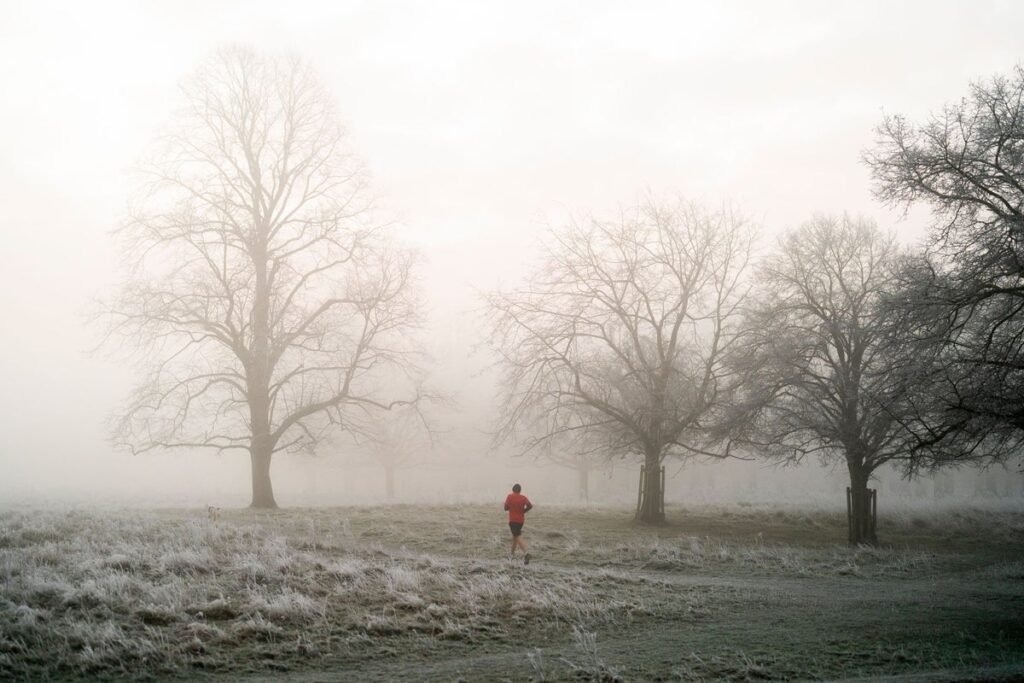

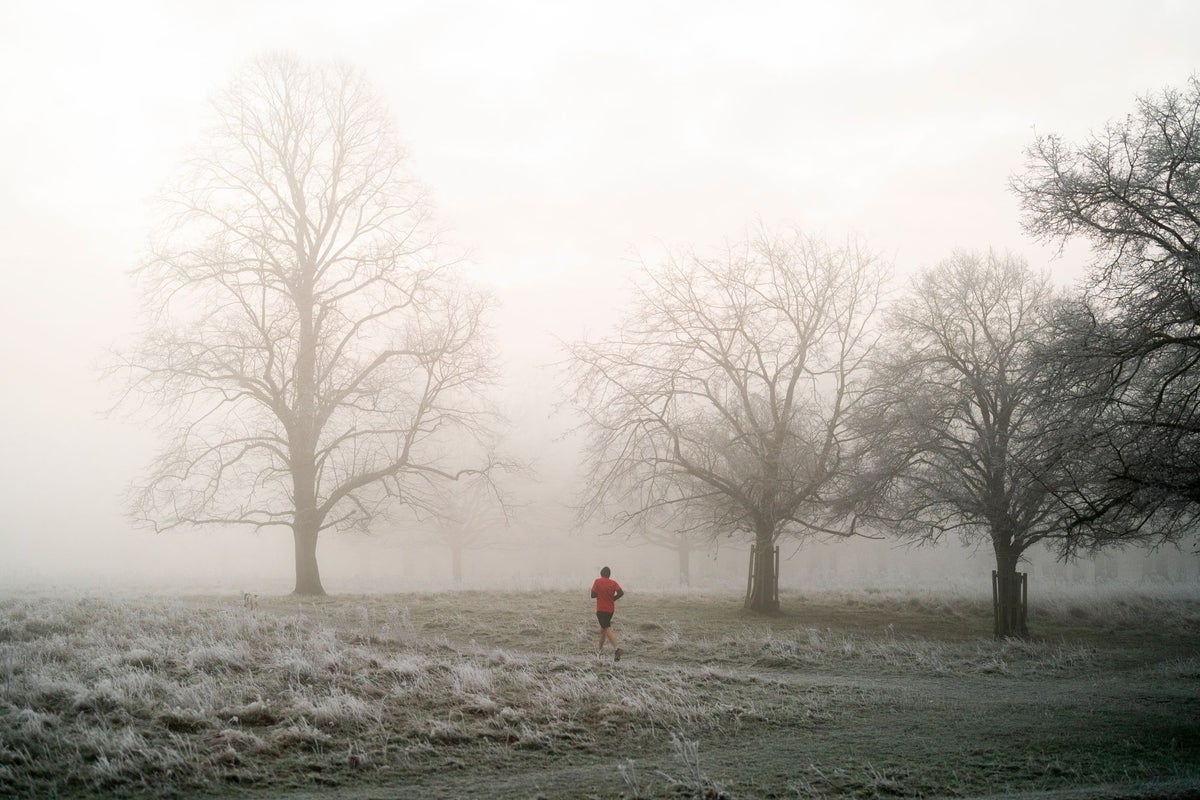
A Sudden Shift to Subzero Temperatures (Image Credits: Static.independent.co.uk)
Northern England faces a sharp turn toward wintry conditions as the new year begins, prompting health officials to issue urgent alerts for vulnerable residents.
A Sudden Shift to Subzero Temperatures
The United Kingdom experienced a relatively mild close to 2025, but forecasters predicted a rapid change as 2026 approached. Temperatures hovered around 7 to 8 degrees Celsius in the final days of the year, offering little respite from the gathering chill. However, conditions deteriorated quickly, with cold air masses moving in from the north.
By New Year’s Day, wintry showers swept across the northern regions, bringing blustery winds and the threat of snow. Daytime highs dropped to 3 to 5 degrees Celsius in affected areas, while overnight lows plunged toward -3 degrees Celsius. In higher elevations of Scotland, readings could reach as low as -7 degrees Celsius, intensifying the freeze.
Amber Alerts Highlight Health Risks
The UK Health Security Agency responded swiftly by elevating cold weather warnings to amber status for the North East and North West of England. This alert activated at 8 p.m. on Sunday and extended through noon on January 5, 2026, signaling significant impacts on health services. Officials warned that hospitals and care homes might struggle to maintain indoor temperatures above 18 degrees Celsius during the prolonged cold spell.
Particularly at risk were the elderly and those with underlying health conditions, as the alerts forecasted a potential rise in deaths among vulnerable groups. The agency emphasized the need for community support, noting that cold weather often exacerbated respiratory issues and cardiovascular problems. Forecasters from the Met Office echoed these concerns, highlighting how the shift from settled chill to active wintry weather would amplify hazards.
Met Office forecaster Dan Stroud explained the transition: “We’re losing this sort of settled but chilly conditions, and bringing in something a little bit more showery with more wintry hazards in the forecast, particularly for the north of the country.”
Regional Impacts and Preparations
Snowfall emerged as a key concern, especially in the North West, where temperatures dipped to -4 degrees Celsius in some spots. Blustery conditions accompanied the precipitation, creating slippery roads and potential disruptions to travel. Northern England bore the brunt of these effects, with scattered wintry showers persisting into early January.
Local authorities urged residents to check on neighbors and ensure heating systems functioned properly. Emergency services prepared for increased calls related to falls on ice and hypothermia cases. The alerts covered a broad area, from urban centers like Manchester to rural parts of Yorkshire, ensuring widespread awareness.
To aid preparations, health officials provided guidance on staying warm, including layering clothing and avoiding strenuous outdoor activities during peak cold hours.
Broader Implications for the Nation
While the amber alerts focused on northern regions, yellow warnings applied elsewhere in England, indicating milder but still notable cold risks. The UK Health Security Agency’s dashboard offered real-time updates, including maps of affected zones and protective measures. This coordinated response aimed to mitigate the strain on the National Health Service during a busy post-holiday period.
Experts noted that such early-year cold snaps often set the tone for winter patterns, potentially leading to extended periods of low temperatures. Residents in Scotland and other elevated areas reported wind chills making conditions feel even harsher, prompting school closures and event postponements in isolated cases.
- Stock up on essentials like blankets, hot water bottles, and non-perishable foods.
- Ensure smoke alarms and carbon monoxide detectors are operational.
- Limit alcohol consumption, as it can impair the body’s ability to regulate temperature.
- Contact vulnerable individuals regularly to assess their well-being.
- Follow official updates from the Met Office and UKHSA for evolving forecasts.
Key Takeaways
- Amber alerts signal major health service pressures and risks to the vulnerable from January 1 to 5, 2026.
- Northern England and Scotland face the coldest conditions, with snow and subzero nights expected.
- Preparation now can prevent emergencies; community checks are vital for at-risk groups.
As Britain navigates this frosty welcome to 2026, the emphasis remains on collective vigilance to safeguard lives amid the chill. Simple actions today could make all the difference in the days ahead – what steps are you taking to stay safe this winter? Share your thoughts in the comments.