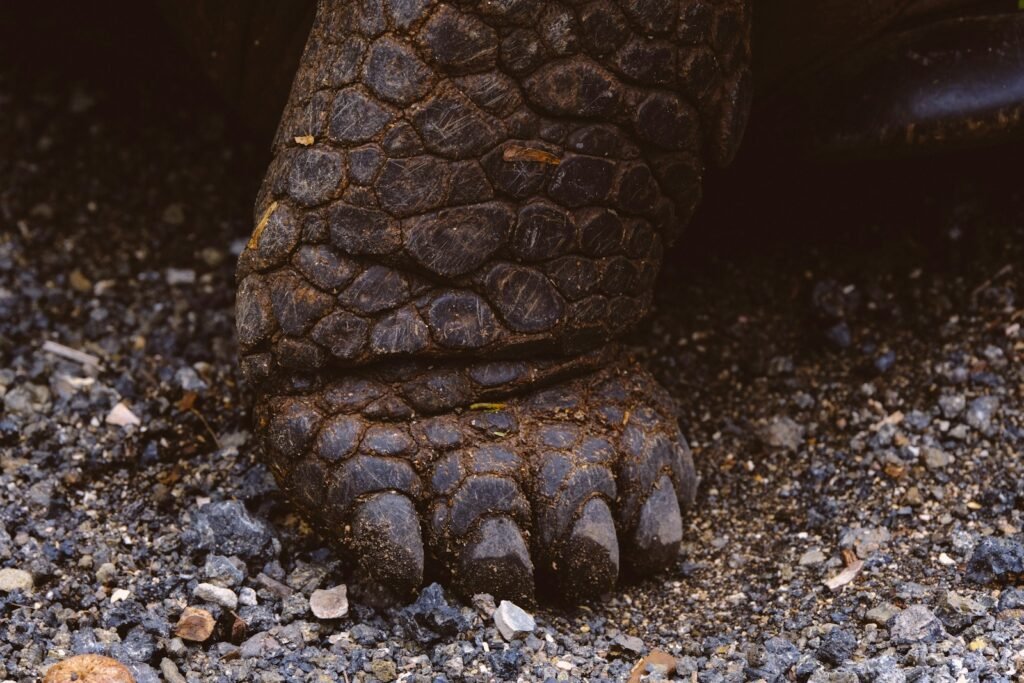

On a foggy night in the Pacific Northwest, the idea of a towering, shadowy figure moving between the trees feels oddly plausible. For more than a century, reports of a huge, hair-covered primate have flickered at the edges of North American folklore, turning remote forests into stages for one of our most persistent modern legends. Yet behind the campfire stories and blurry photos lies a serious scientific question: could a large, unknown mammal still be hiding in plain sight in an age of satellites and smartphones? Biologists, anthropologists, and data sleuths are now picking apart that question with tools that would have been unimaginable to early Bigfoot hunters. The result is a story less about monsters, and more about how science wrestles with uncertainty, belief, and the tantalizing possibility of the unknown.
The Hidden Clues in the Woods

Walk into a temperate rainforest in Washington State or British Columbia and it is immediately obvious why Bigfoot captured imaginations in the first place: the forest is dense, noisy, and full of places for the mind to project shapes into shadow. Eyewitness accounts often describe the same details – a powerful, upright figure, a musky smell, and a sense of being watched from just beyond clear sight. Many reports come from hunters, loggers, or rural residents who know local wildlife well, which makes their stories psychologically compelling even if not scientifically conclusive. At the same time, research on human perception shows how easily we misjudge size and distance in low light or under stress, turning a bear on its hind legs into something far more dramatic. The forest, in other words, is both a real ecosystem and a kind of psychological amplifier where expectation, fear, and folklore can bend reality.
Scientists looking for hard evidence focus on tracks, hair samples, scat, and audio recordings attributed to an unknown primate. Casts of oversized footprints with apparent dermal ridges have been analyzed, with some proponents arguing they are too detailed and anatomically consistent to be faked. However, forensic experts and wildlife trackers have repeatedly shown how hoaxers can carve wooden feet, exaggerate step length, or exploit soft ground to create misleading impressions. Hair and tissue samples submitted as possible Bigfoot evidence have consistently turned out to be from bears, deer, dogs, cows, or humans when subjected to modern genetic analysis. Instead of confirming a mystery ape, the “hidden clues” so far mostly reveal how messy, noisy, and error-prone real-world evidence can be when myth and nature collide.
From Campfire Tales to Citizen Science
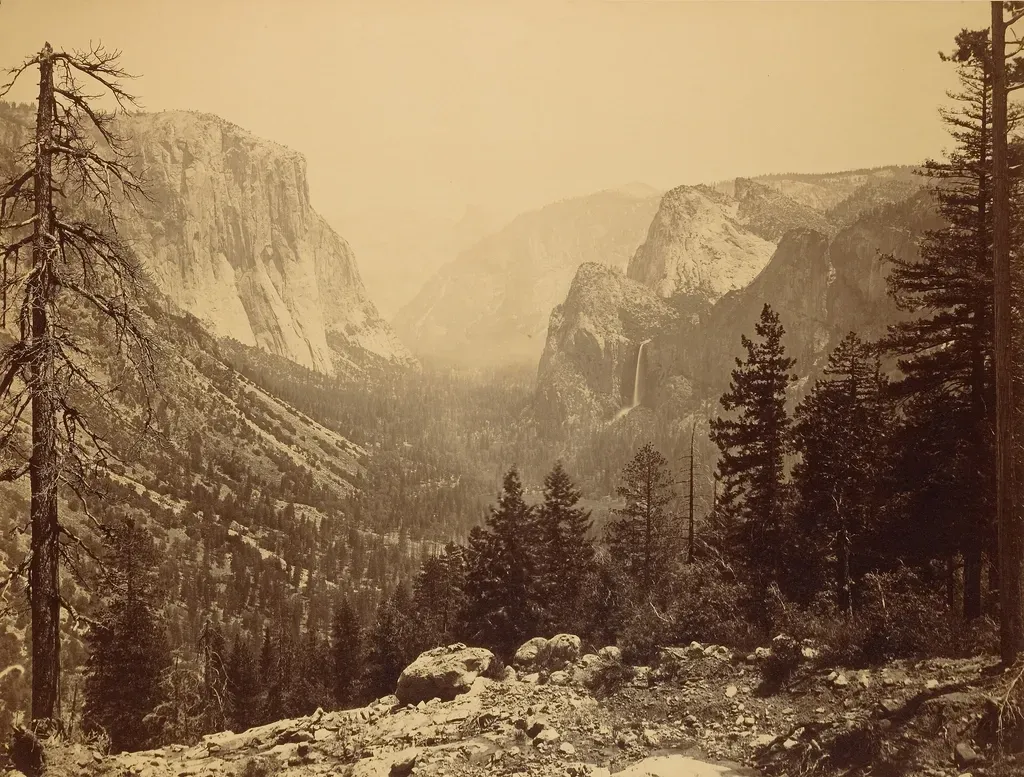
The modern Bigfoot story really took off in the mid-twentieth century, when sensational headlines and tabloid photos pushed the creature into national consciousness. For many people, the legend was transmitted not through journals, but through TV specials, roadside attractions, and those grainy images replayed in endless loops on late-night shows. This pop-culture version of Bigfoot tends to blur together native stories, logging-camp rumors, and modern sightings into a single narrative of an elusive North American ape. Yet when anthropologists actually dig into Indigenous oral traditions from the Pacific Northwest, they find a more diverse set of beings – some more spiritual than biological, some more moral lesson than monster. That gap between folklore and alleged biological animal is one of the first things serious researchers must untangle.
In the last two decades, smartphones, trail cameras, and online forums have turned Bigfoot chasing into a kind of informal citizen science project. Ordinary people now share audio clips, photos, and sighting reports across global networks within hours. Some volunteer groups attempt to standardize their methods, logging GPS coordinates, habitat types, and weather conditions for each report. This flood of data has made it easier to spot patterns and weed out obvious hoaxes, but it has also created a colossal sorting problem: a handful of potentially interesting signals buried under an avalanche of noise. In that sense, Bigfoot research looks a lot like the search for rare astronomical events or the hunt for new particles – except the signal here is tangled up with human hopes, jokes, and deeply held beliefs.
The Science of Seeing Things That Aren’t There

One of the most revealing frontiers in Bigfoot research is not in the forest but in the brain. Cognitive scientists studying eyewitness testimony have shown that memory is more like a sketch that gets redrawn each time we recall it, rather than a fixed recording. Stress, darkness, and prior expectations can all warp that sketch, especially in wild settings where animals appear suddenly and vanish quickly. When someone already believes that a giant ape might be out there, the brain is more likely to interpret an ambiguous shape as proof rather than noise. This phenomenon, sometimes called pattern completion, helps explain why people can sincerely report details that later turn out not to match objective evidence.
Visual illusions and pareidolia – the tendency to see faces or figures where none exist – play a big role in alleged photos and videos of Bigfoot. A dark stump seen at a distance, slightly blurred by camera motion, can easily be read as a hunched figure if you are primed to expect one. Neuroscience experiments show that the brain’s object recognition systems are wired to make fast guesses that favor potential threats or important agents, even at the cost of accuracy. It is a sort of evolutionary safety margin: better to misidentify a shadow as a predator than the other way around. The Bigfoot legend taps into that wiring perfectly, offering a ready-made label for every strange rustle and shadowed outline a hiker encounters.
What DNA and Ecology Tell Us

From a strict biological standpoint, the question of Bigfoot comes down to this: is there room, ecologically and genetically, for a large, undiscovered primate in North America? Large mammals need substantial, reliable food sources, especially in colder climates where winters are long and harsh. Ecologists can estimate how many big animals an ecosystem can support, based on prey abundance, plant productivity, and competition with known species like bears, wolves, and humans. These models generally leave little space for a hidden population of massive primates without noticeable impact on prey, vegetation, or existing predator hierarchies. If a breeding population existed, we would expect to see not just rare individuals, but ongoing traces in the landscape – carcasses, clear nests, or frequent sign, as happens with other big mammals.
Genetics adds another sharp test. Over the past decade, environmental DNA (eDNA) methods have allowed scientists to detect species simply by sampling water, soil, or air and sequencing the genetic material left behind. These techniques have confirmed the presence of rare species and even rediscovered animals thought extinct in certain regions. So far, extensive eDNA surveys in North American forests routinely detect bears, elk, deer, and countless smaller organisms, but nothing that clearly points to an unknown great ape. Hair and tissue samples that enthusiasts send to labs keep resolving into familiar species under mitochondrial and nuclear DNA analysis. That does not absolutely disprove Bigfoot, but it forces any believer to imagine an animal so vanishingly rare and strangely undetectable that it starts to drift out of biological plausibility.
- Most alleged Bigfoot DNA samples tested so far have matched known animals such as bears, dogs, cows, horses, and humans.
- Large mammals typically leave extensive physical and genetic traces – scat, carcasses, bones, shed hair – within their range.
- Environmental DNA surveys are increasingly sensitive, routinely detecting species that are otherwise rarely seen.
Why It Matters Beyond the Monster

It is tempting to dismiss Bigfoot as a harmless curiosity, but the legend actually touches on some of the biggest questions in how we do science. First, it highlights the gap between public fascination and scientific standards of evidence: a single dramatic photo may sway millions online, while a biologist demands repeatable data, clear provenance, and independent verification. That tension shows up in other areas too, from UFO claims to miracle cures, where stories feel more compelling than statistics. Bigfoot, in that sense, is a case study in how humans weigh narrative versus numbers when deciding what to believe. Watching how people argue about it reveals a lot about trust in experts and institutions in an era of misinformation.
There is also a more practical angle. Time, funding, and public attention are finite, and some ecologists worry that chasing cryptids can distract from efforts to protect very real but less glamorous species on the brink of extinction. On the other hand, curiosity about Bigfoot has drawn many people into caring about remote forests and biodiversity in the first place. A child who starts out obsessed with finding a mysterious ape might grow into an adult who works on habitat conservation or wildlife biology. The key question becomes how to harness that sense of wonder without sacrificing critical thinking. If we can use a famous mystery to teach people how evidence works, rather than simply endorsing or mocking their beliefs, then the legend starts to look less like a distraction and more like an educational tool.
Global Echoes and Human Longing

North America does not have a monopoly on wild man stories. The Himalayas have the yeti, China has the yeren, Russia has the almasty, and Australia has the yowie, each with its own cultural flavors and geographical quirks. Anthropologists notice striking parallels: tall, hairy figures living on the edges of human settlement, sometimes dangerous, sometimes wise, often tied to warnings about respecting the land. These similarities suggest that the idea of a hidden, humanlike creature arises from shared psychological roots rather than shared biology. As long as people live next to deep forests and mountain ranges, they seem drawn to imagine a watcher just beyond the firelight.
From a scientific perspective, these global echoes can be read as reflections of our species’ long memory of sharing the planet with other humanlike beings. For most of our evolutionary history, Homo sapiens coexisted with Neanderthals, Denisovans, and perhaps other hominins we are only beginning to discover in the fossil and genetic record. The notion that we might still have a cousin out there, half myth and half flesh, carries an emotional charge that goes beyond simple monster stories. It taps into a kind of homesickness for a world where we were not alone. In that sense, Bigfoot and its global counterparts are less about apes in the woods and more about our struggle to accept that those other branches of our family tree are gone.
New Tools, Old Forests: The Future of the Search
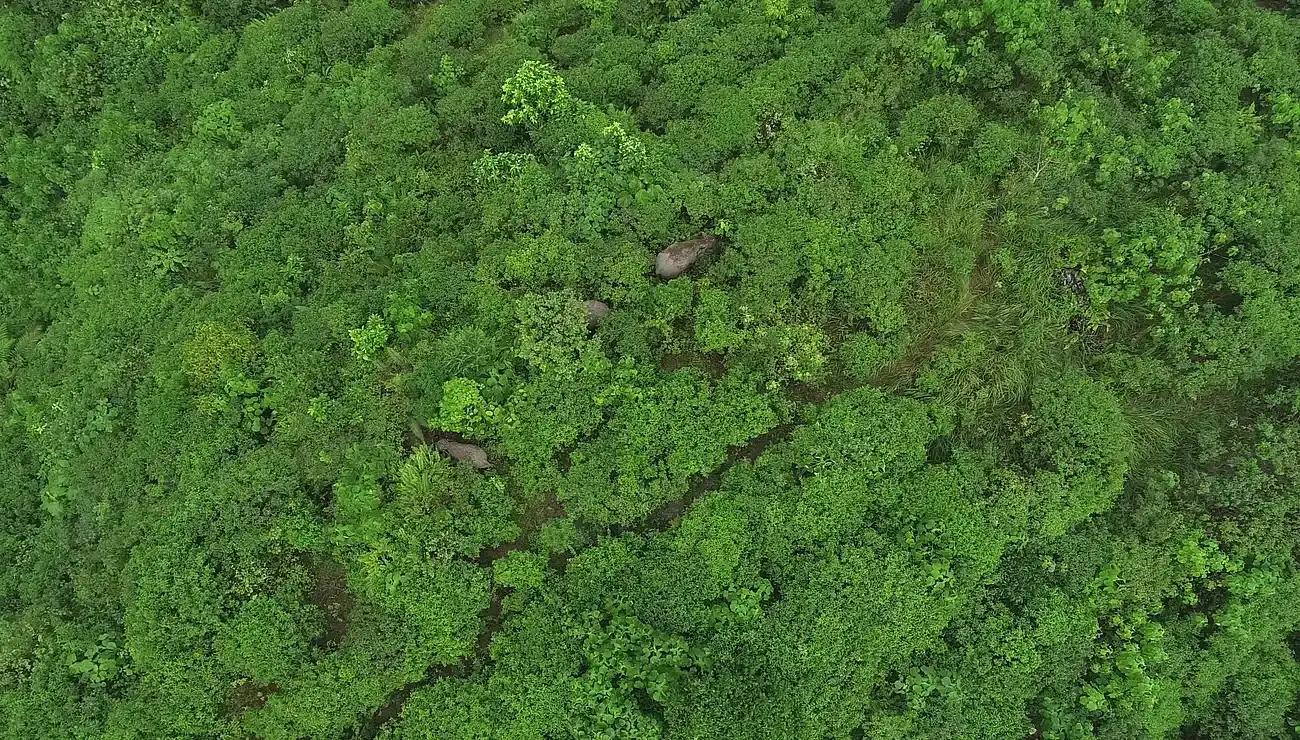
Even skeptics admit that the tools available to investigate Bigfoot today are more powerful than anything early researchers could have imagined. High-resolution satellite imagery, thermal drones, and AI-assisted pattern recognition are transforming wildlife surveys, making it harder for large animals to avoid detection. Environmental DNA sampling continues to grow cheaper and more comprehensive, enabling researchers to sweep entire landscapes for genetic traces. If a substantial population of unknown primates exists, these technologies should, in theory, make them increasingly difficult to hide. The next decade will be a critical test of how speculation fares against expanding surveillance of Earth’s remaining wild places.
There is a twist, though: the very forests that host most Bigfoot reports are themselves under pressure from logging, development, and climate-driven changes such as increased wildfire. As habitats shift and shrink, large animals are often forced closer to human communities, which can temporarily spike sightings and strange encounters. That means we might see more reports and more blurry videos even as the ecological odds of an undiscovered ape grow slimmer. The future of the legend may not hinge on what is truly out there, but on how rapidly technology, land use, and human psychology evolve together. In a world where nearly everyone carries a camera and machine learning can scan millions of images for patterns, Bigfoot becomes a moving target in more ways than one.
How You Can Engage with the Mystery Responsibly

For readers fascinated by Bigfoot, the challenge is not to extinguish that curiosity but to sharpen it. One simple step is to treat each new claim as an opportunity to practice critical thinking: ask how the evidence was gathered, whether it can be independently verified, and what more mundane explanations might fit the facts. If a video or photo excites you, consider what conditions – lighting, distance, camera quality – might distort what you are seeing. This kind of mental habit does not kill the fun; it actually deepens it, turning passive consumption into an active investigation. You can enjoy the story while still respecting the difference between folklore and field biology.
If the wild places associated with Bigfoot matter to you, there are direct ways to help protect them. Supporting local conservation groups, participating in habitat restoration projects, or simply following responsible hiking and camping practices all contribute to keeping forests healthy. You can also back community science initiatives that monitor wildlife using trail cameras or eDNA sampling, many of which welcome volunteers and public data submissions. Bigfoot may never step into the frame, but countless other species will, and the data gathered can influence real conservation decisions. In the end, the best way to honor the mystery might be to safeguard the ecosystems that make such legends possible in the first place.
Suhail Ahmed is a passionate digital professional and nature enthusiast with over 8 years of experience in content strategy, SEO, web development, and digital operations. Alongside his freelance journey, Suhail actively contributes to nature and wildlife platforms like Discover Wildlife, where he channels his curiosity for the planet into engaging, educational storytelling.
With a strong background in managing digital ecosystems — from ecommerce stores and WordPress websites to social media and automation — Suhail merges technical precision with creative insight. His content reflects a rare balance: SEO-friendly yet deeply human, data-informed yet emotionally resonant.
Driven by a love for discovery and storytelling, Suhail believes in using digital platforms to amplify causes that matter — especially those protecting Earth’s biodiversity and inspiring sustainable living. Whether he’s managing online projects or crafting wildlife content, his goal remains the same: to inform, inspire, and leave a positive digital footprint.