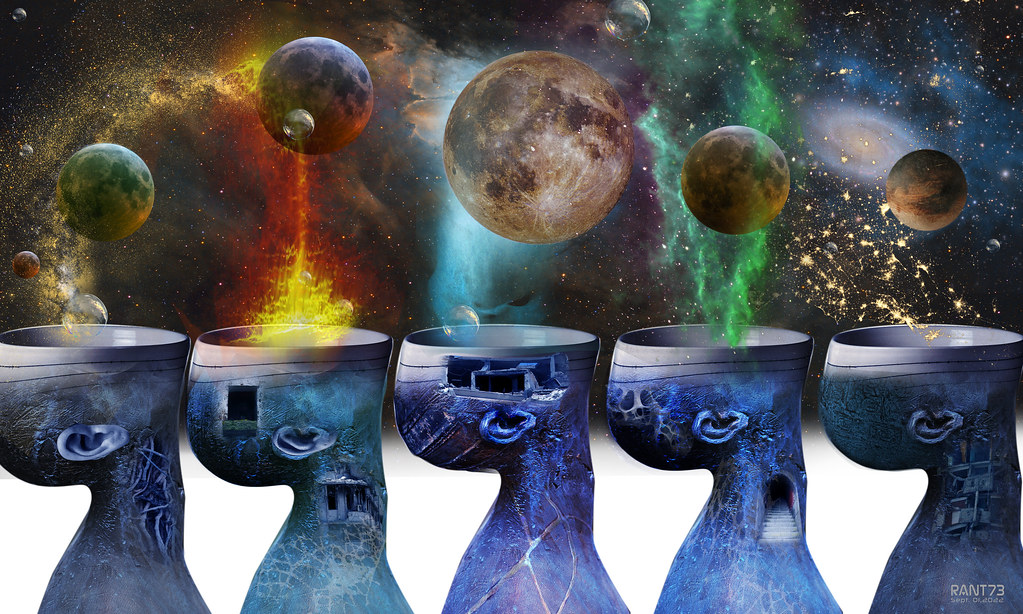

The star we treat as a familiar backdrop to daily life has quietly become one of the strangest laboratories in modern physics. Over the past few years, spacecraft have plunged into its blistering atmosphere, neutrino detectors have listened for ghostly particles from its core, and radio telescopes have watched it flicker in ways that defy our old textbook diagrams. Each new observation peels back a layer of certainty and replaces it with something stranger: a Sun that is turbulent, asymmetric, and perhaps entangled with the wider cosmos in ways we are only starting to guess. Instead of a solved problem in astronomy, the Sun is turning into a bridge between solar physics, plasma turbulence, and even quantum theory. And the more clearly we see it, the less “ordinary” our ordinary star appears.
The Hidden Clues in a Star We Thought We Knew
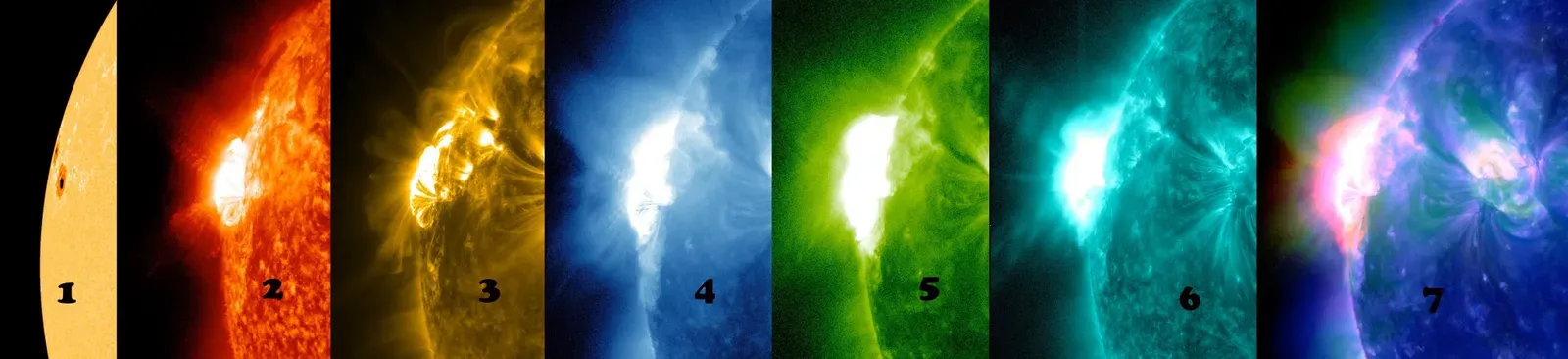
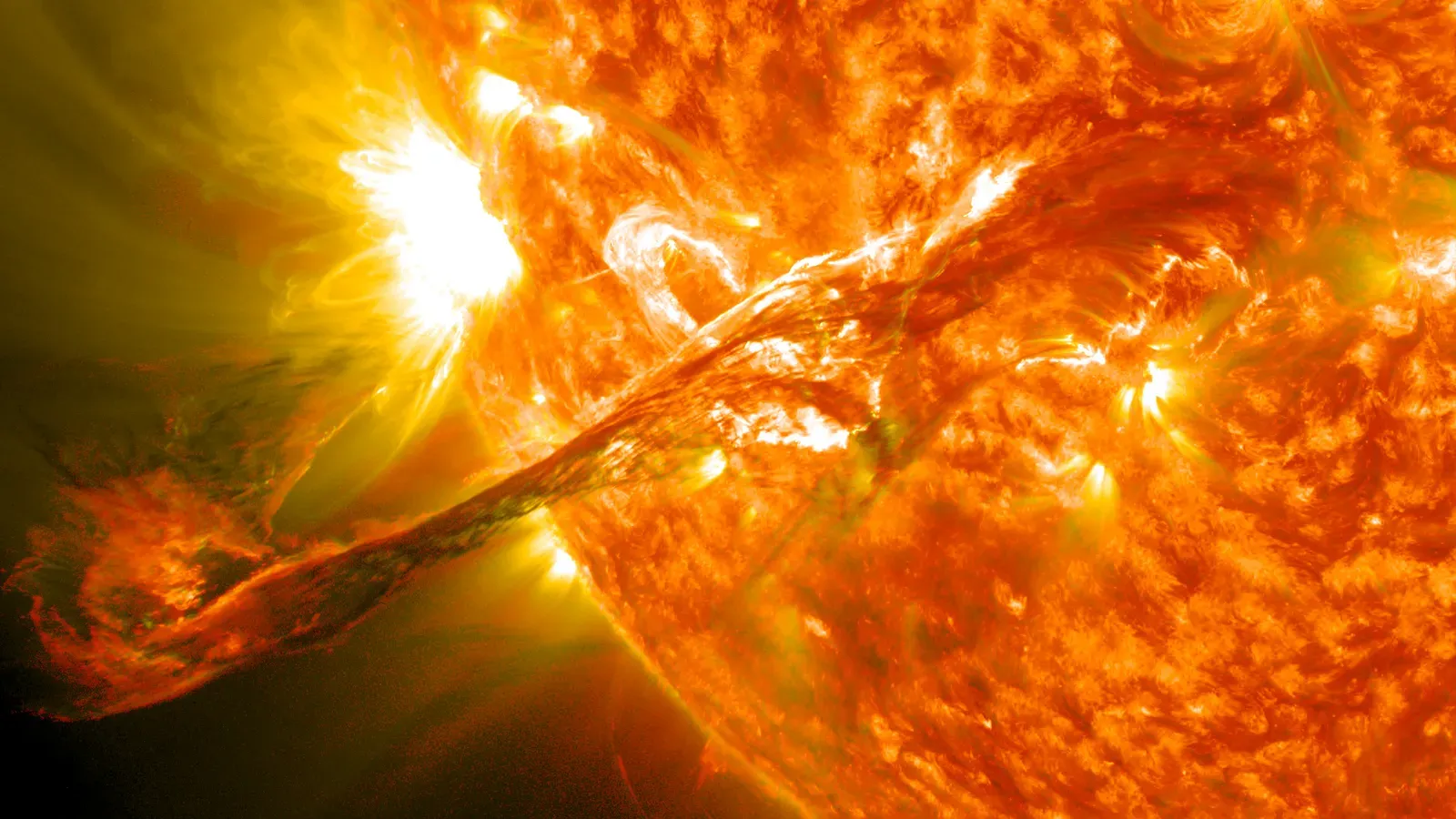
It is almost unsettling to realize that the star that sets your circadian rhythm is still full of basic unsolved puzzles. For decades, school diagrams showed a neat onion of layers: a dense core, a radiative zone, a convective envelope, a smooth surface boiling away. In reality, recent high-resolution images from solar observatories reveal an atmosphere crackling with braided magnetic arcs, supersonic jets, and sudden holes where charged particles stream into space. Rather than a steady, tame fusion reactor, the Sun behaves like a wild, self-organizing plasma machine constantly flirting with instability. Those “hidden clues” were always there; we just lacked the instruments to see them without being blinded.
One of the biggest shocks is how dynamic the magnetic fields really are. Magnetic loops twist, snap, and reconnect in milliseconds, releasing energy that dwarfs humanity’s entire power consumption in a single flare. Dark sunspots, once thought of as simple blemishes, are now understood as the visible tips of titanic magnetic knots reaching deep into the solar interior. Subtle oscillations on the surface, measured by helioseismology, hint that flows and fields inside the Sun may be more complex and uneven than standard models assumed. The Sun, in other words, is not a simple glowing ball; it is closer to a turbulent, living ocean of charged particles and fields.
From Ancient Sun-Watchers to Spacecraft That Almost Touch the Fire
Humans have always watched the Sun, but for most of history it was a distant, untouchable disk that rose and set like clockwork. Early eclipse records carved into stone tablets and painted on bones show that ancient observers already sensed that the Sun could change, darken, or disappear in a way that carried deep meaning. Fast forward to the nineteenth and twentieth centuries, and ground-based telescopes revealed sunspot cycles and prominences, slowly building a picture of an active star. Yet those efforts still looked at the Sun from the safety of Earth’s orbit, through a thick veil of atmosphere and magnetic distance.
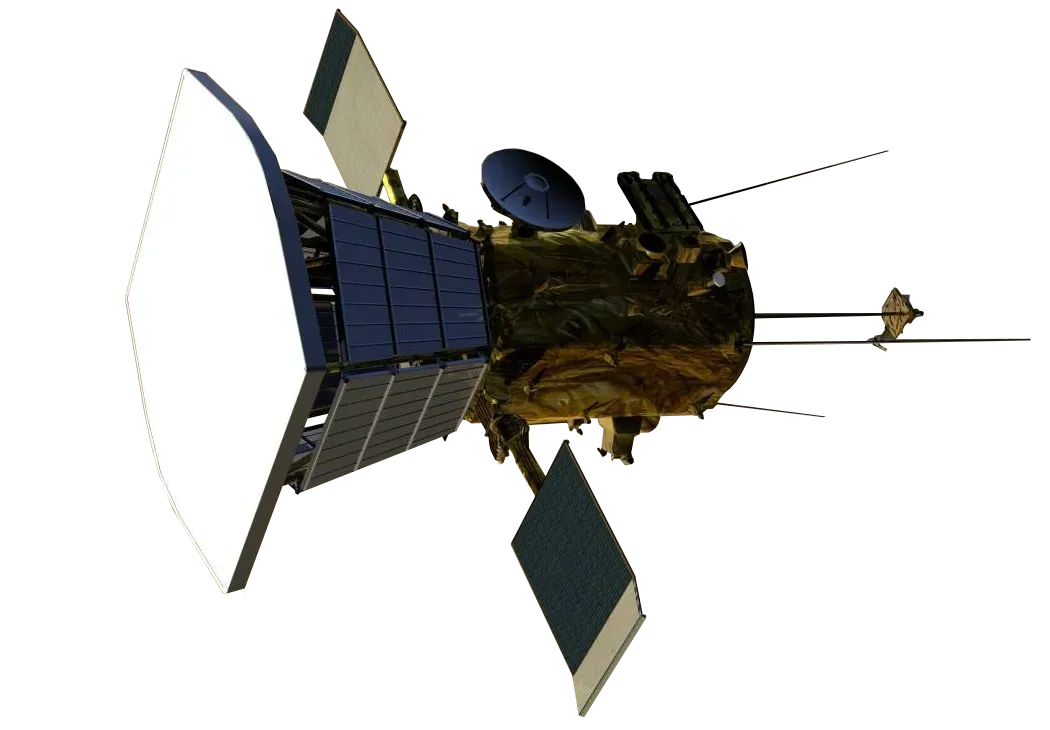
That sense of distance changed when a new generation of spacecraft began flying almost suicidally close. NASA’s Parker Solar Probe and ESA’s Solar Orbiter have dipped into regions of the solar corona where temperatures soar to millions of degrees, sampling particles and fields in real time. These missions are uncovering details of how the solar wind is born, how tiny magnetic explosions called nanoflares may heat the corona, and why the Sun’s poles behave so strangely. The timeline feels almost cinematic: from priests and philosophers staring at eclipses to robotic probes literally surfing the shockwaves of the solar wind. What has stayed constant is the same raw intuition: this star is powerful, unpredictable, and worth fearing a little.
The Quantum Echo in Our Everyday Star
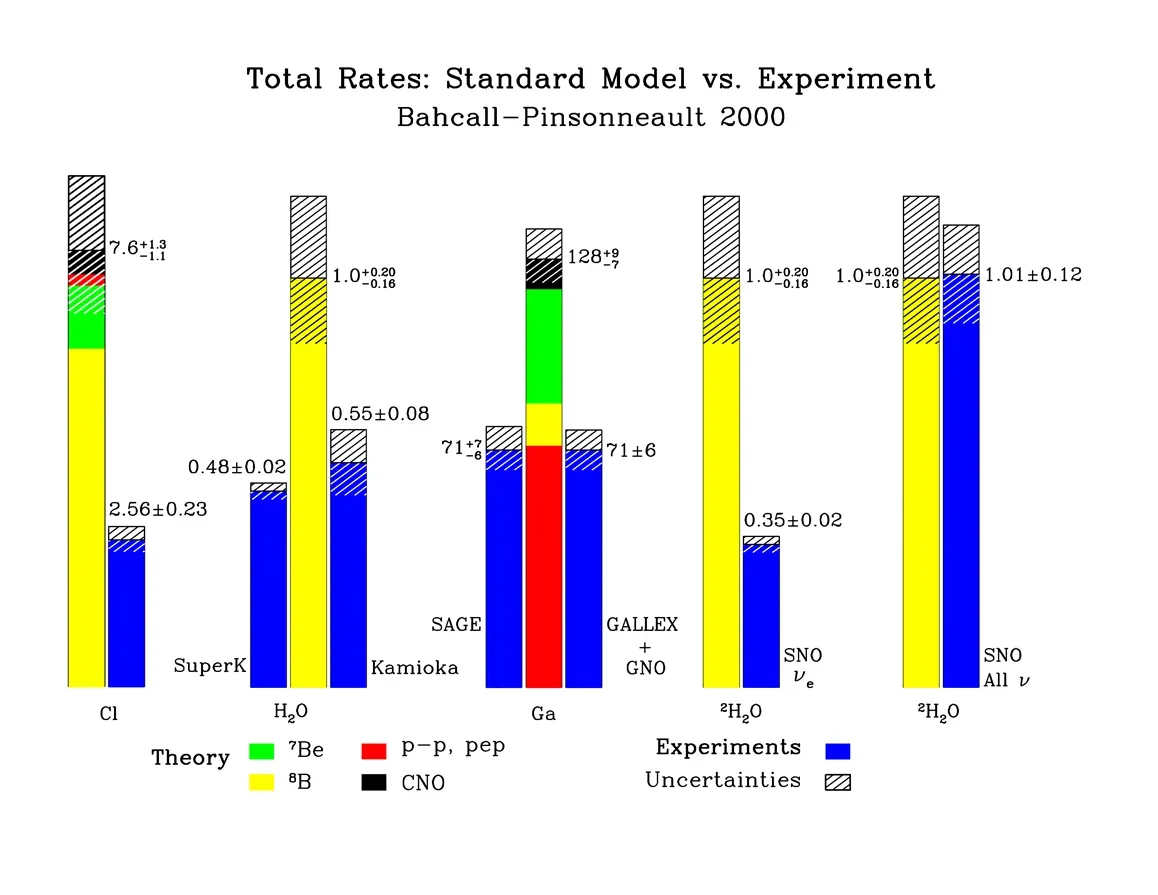
At first glance, it sounds like hype to link our Sun to quantum physics or multiverse-style theories of the universe. Yet peel back the layers and you find quantum processes baked into its very heartbeat. The fusion reactions in the core are quantum tunneling made real on a stellar scale, as protons overcome their mutual repulsion not through brute force but through sheer probabilistic weirdness. Neutrinos streaming out from those reactions are ghostlike quantum messengers, barely interacting with matter, yet detectable in underground tanks on Earth as faint flashes of light. For years, the “solar neutrino problem” hinted that either our model of the Sun or our understanding of particle physics was wrong; it turned out neutrinos themselves were stranger, changing flavors mid-flight.
There are also deeper, more speculative threads tying solar physics into the fabric of cosmology. Precise measurements of how the Sun’s core behaves, inferred from neutrinos and helioseismic waves, feed into models of stellar evolution, which then shape estimates of how common different types of stars are in the universe. Those star populations, in turn, influence theories about how dark matter, dark energy, and even the early quantum fluctuations of the Big Bang have sculpted cosmic structure. In that sense, the Sun acts like a nearby, high-resolution test of the same physics that governs galaxies and cosmic backgrounds. Our local star becomes a bridge: a place where everyday sunlight meets the deep, unsettling rules of the quantum universe.
Solar Mysteries That Refuse to Behave
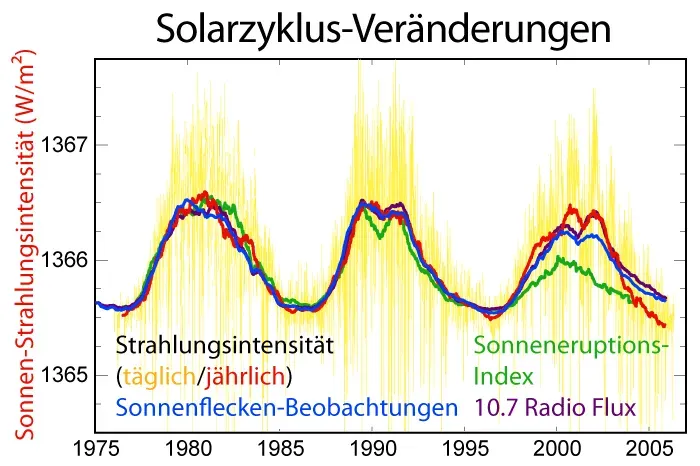
Some of the Sun’s current puzzles are almost embarrassingly basic, given how long we have studied it. The coronal heating problem remains a kind of cosmic insult: why is the outer atmosphere hundreds of times hotter than the visible surface below it? Observations suggest a stew of possible culprits, from tiny magnetic reconnection events to waves rippling up from the convective zone, but no single mechanism cleanly accounts for it all. Similarly, the solar cycle, with its roughly eleven-year swings in activity, still resists a complete, predictive theory. We can describe it, and we can track it, but we cannot yet forecast it with the confidence we have for planetary orbits.
Then there are the smaller, weirder irregularities. The Sun’s rotation is not uniform; the equator spins faster than the poles, and this differential rotation twists magnetic fields in ways that seem crucial but not fully mapped. Certain oscillations in the solar interior show small but persistent differences from what models expect, hinting at missing physics or unappreciated flows. Even the output of sunlight itself, once considered almost perfectly stable, flickers slightly over cycles and flares in ways that matter for climate and space weather. Each of these mismatches is a clue: a signal that our neat equations, while impressive, are still only approximations of a star more unruly than we assumed.
Why It Matters: A Star That Writes Our Weather and Our History
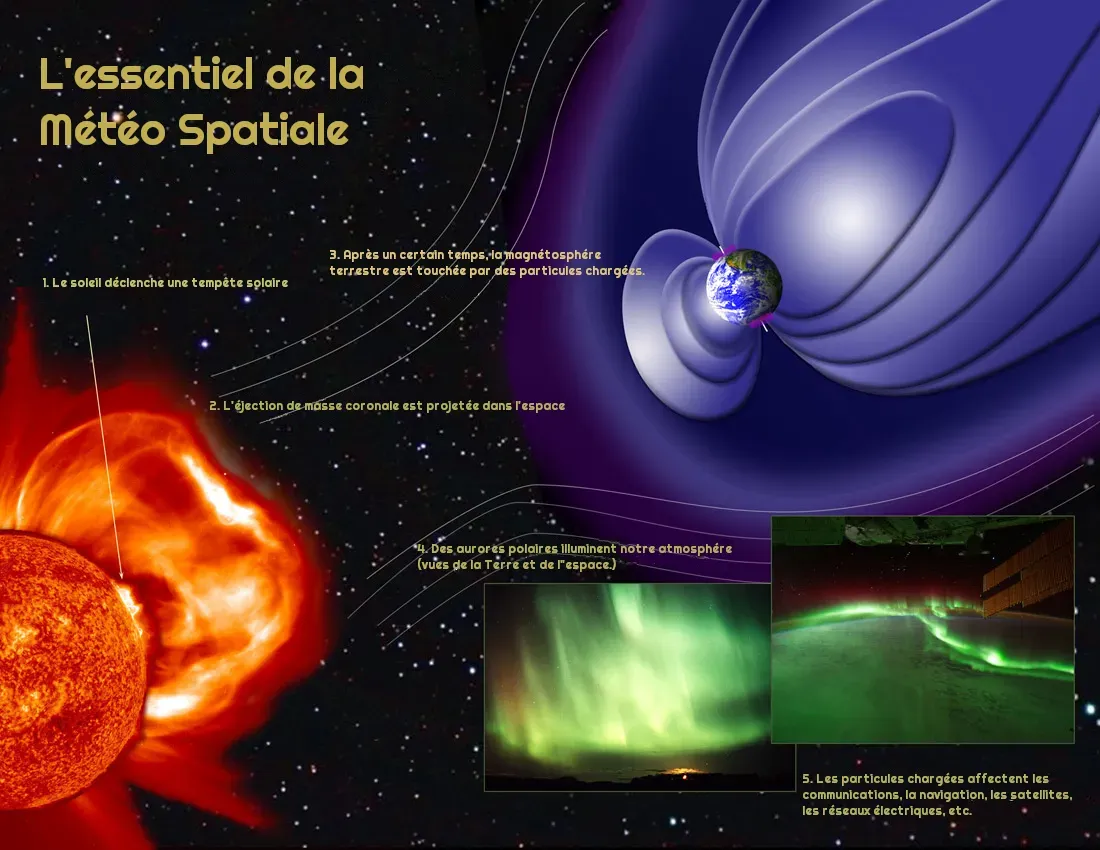
The Sun’s mysteries are not just academic puzzles for astronomers; they reach right into our power grids, satellites, and even the stories we tell about civilization. Solar storms, driven by eruptions from tangled magnetic fields, can slam into Earth and trigger geomagnetic disturbances that knock out transformers, disrupt GPS, or force airlines to reroute polar flights. Historical records link extreme solar events to telegraph failures in the nineteenth century and auroras seen far from the poles. As our dependence on digital infrastructure grows, understanding when and how the Sun might lash out becomes a kind of planetary insurance policy. The difference between a mild storm and a severe one can be the difference between a lovely aurora and a continent-scale blackout.
On longer timescales, solar variability threads through climate studies and even archaeology. Subtle changes in solar output can influence atmospheric circulation patterns, especially when combined with volcanic eruptions and greenhouse gases. Tree rings and ice cores carry isotopic traces of past solar activity, connecting modern space physics with ancient droughts, harvests, and migrations. When scientists refine models of the solar cycle or discover new behavior in its magnetic engine, it feeds back into how we interpret those records. That is why the Sun’s “weirdness” matters: because this is not just an abstract star, it is the engine that has silently shaped the background of human history.
Global Eyes on a Restless Star
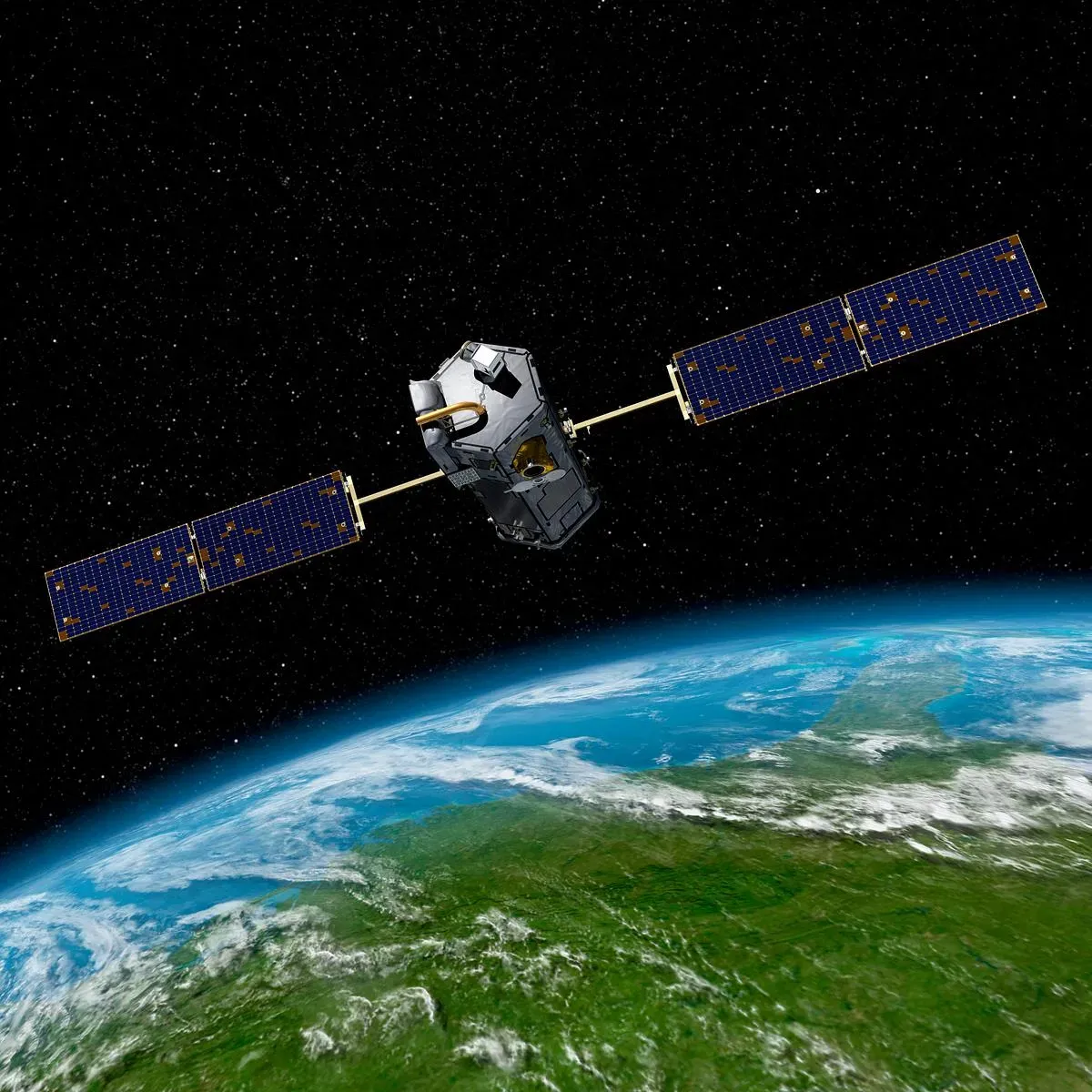
One of the most striking changes in solar science is how global and collaborative it has become. No single country owns the Sun, and no single observatory can watch it in all wavelengths, from radio static to gamma-ray flashes. Instead, a patchwork of ground-based telescopes, orbiting observatories, and deep-space probes share data in near real time. In the United States, Europe, Japan, India, and beyond, teams coordinate campaigns that follow a flare from its birth on the surface to its ripple across the heliosphere. The Sun has turned into a shared, distributed laboratory, and that global perspective is changing how we think about it.
International cooperation also matters because the risks and benefits of solar activity ignore borders. A major space weather event can hit North America, Asia, and Europe within hours, regardless of politics or economics. That reality has pushed space agencies and research institutes to share models, warning systems, and best practices more openly. It has also sparked efforts to standardize how we measure and classify solar eruptions so utilities and airlines can interpret warnings quickly. The Sun, in a way, forces us into a kind of scientific diplomacy: a reminder that some challenges can only be faced together, under the same sky.
The Future Landscape: New Telescopes, AI, and Risky Close Encounters
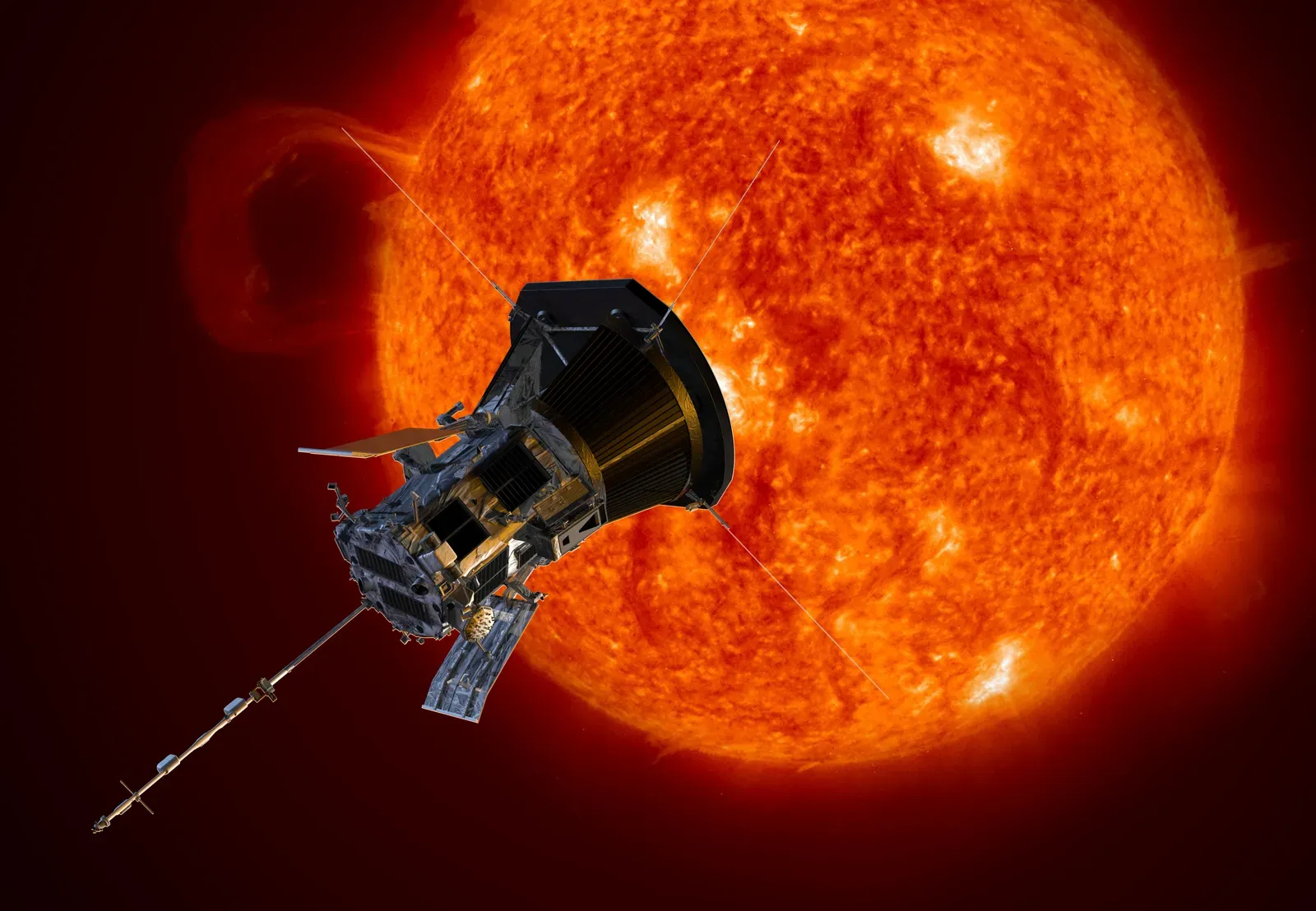
The next decade of solar exploration is set to be both thrilling and slightly nerve-racking. Spacecraft like Parker Solar Probe are still spiraling inward, using repeated flybys to get closer and closer to the Sun’s surface than any mission before. Planned upgrades to ground-based facilities, including enormous solar telescopes, will sharpen our view of sunspots and magnetic filaments down to scales once reserved for lab plasmas. At the same time, artificial intelligence is slipping into the toolkit, helping to spot early signs of dangerous flares or coronal mass ejections in torrents of data. This mix of hardware and algorithms promises a kind of space-weather forecasting that could move from hours of warning to days.
But progress comes with its own challenges. Instruments that operate near the Sun endure conditions that can tear spacecraft apart, so every close pass is a delicate engineering gamble. Vast data streams must be filtered carefully to avoid false alarms about storms that never materialize. And as models improve, they will inevitably reveal new anomalies, fresh places where reality does not quite match our expectations. In that sense, the future landscape of solar science looks less like a march toward final answers and more like a series of deeper questions framed by better tools. Each new mission is not just a step closer to the Sun; it is a step into a more complicated, more fascinating picture of what a star can be.
How You Can Stay Connected to Our Unruly Star
Most of us do not have a neutrino detector in the backyard or a spacecraft in the garage, but there are surprisingly simple ways to stay engaged with the Sun’s evolving story. Space agencies and observatories now release live images and alerts that anyone can follow – from safe eclipse viewing guides to dashboards that track active regions and flares. Amateur astronomers contribute real observations with modest telescopes and solar filters, feeding into databases used by professionals. Even following reliable science reporting and public briefings helps create a culture where solar risks and discoveries are part of the public conversation rather than obscure jargon.
On a more practical level, awareness of space weather can translate into resilience. Utilities, airlines, and satellite operators make contingency plans when high activity is forecast, and informed citizens can support investments in grid hardening and research funding. Teachers can fold the latest solar images and missions into lessons, turning textbook diagrams into something alive and current. Simply stepping outside during an aurora or a safe, partial eclipse, and knowing that you are seeing magnetic chaos from a hundred and fifty million kilometers away, can reframe your sense of scale. The Sun is not just a backdrop; it is an active character in our technological and emotional lives, and paying attention to it is one of the simplest, most rewarding forms of curiosity we have.
Suhail Ahmed is a passionate digital professional and nature enthusiast with over 8 years of experience in content strategy, SEO, web development, and digital operations. Alongside his freelance journey, Suhail actively contributes to nature and wildlife platforms like Discover Wildlife, where he channels his curiosity for the planet into engaging, educational storytelling.
With a strong background in managing digital ecosystems — from ecommerce stores and WordPress websites to social media and automation — Suhail merges technical precision with creative insight. His content reflects a rare balance: SEO-friendly yet deeply human, data-informed yet emotionally resonant.
Driven by a love for discovery and storytelling, Suhail believes in using digital platforms to amplify causes that matter — especially those protecting Earth’s biodiversity and inspiring sustainable living. Whether he’s managing online projects or crafting wildlife content, his goal remains the same: to inform, inspire, and leave a positive digital footprint.