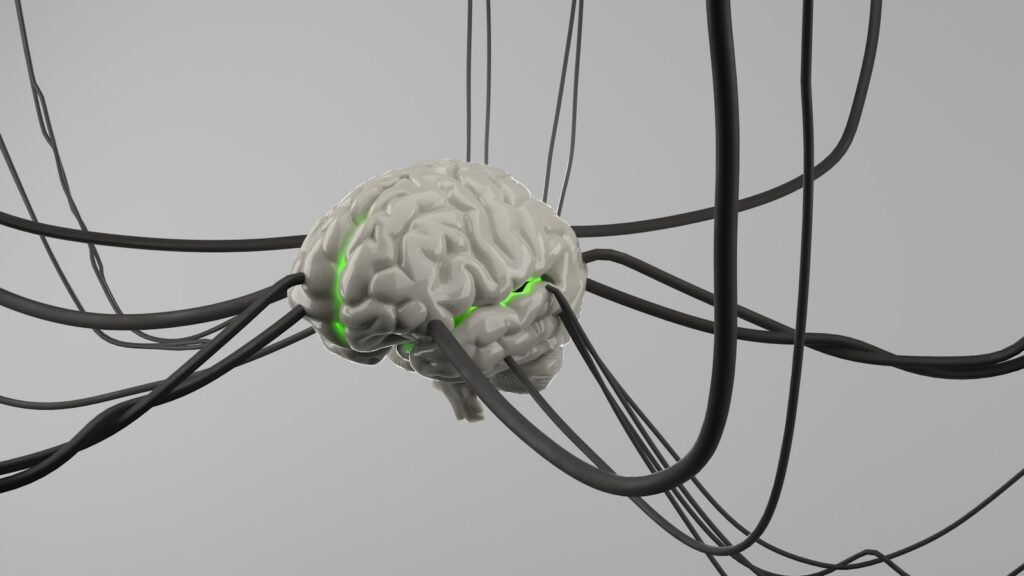

Walk into any neuroscience lab in 2025 and you’ll find brain scanners humming, algorithms sorting through neural spikes, and researchers promising they’re on the brink of decoding consciousness. Yet beneath the confident conference talks and glossy brain images lurks a stubborn, almost embarrassing problem: we still don’t know how bare awareness itself arises. We can trace signals, map circuits, and predict behavior with eerie accuracy, but the raw felt quality of experience – the blueness of blue, the ache of heartbreak, the simple sense of “being here” – remains unexplained. For all our progress, the field is circling around a question it cannot quite grab: why does certain brain activity feel like something from the inside instead of just being information processing? That gap between neural data and lived experience is no longer a philosophical side note; it is becoming the central challenge of modern brain science.
The Hidden Clues Inside the Living Brain
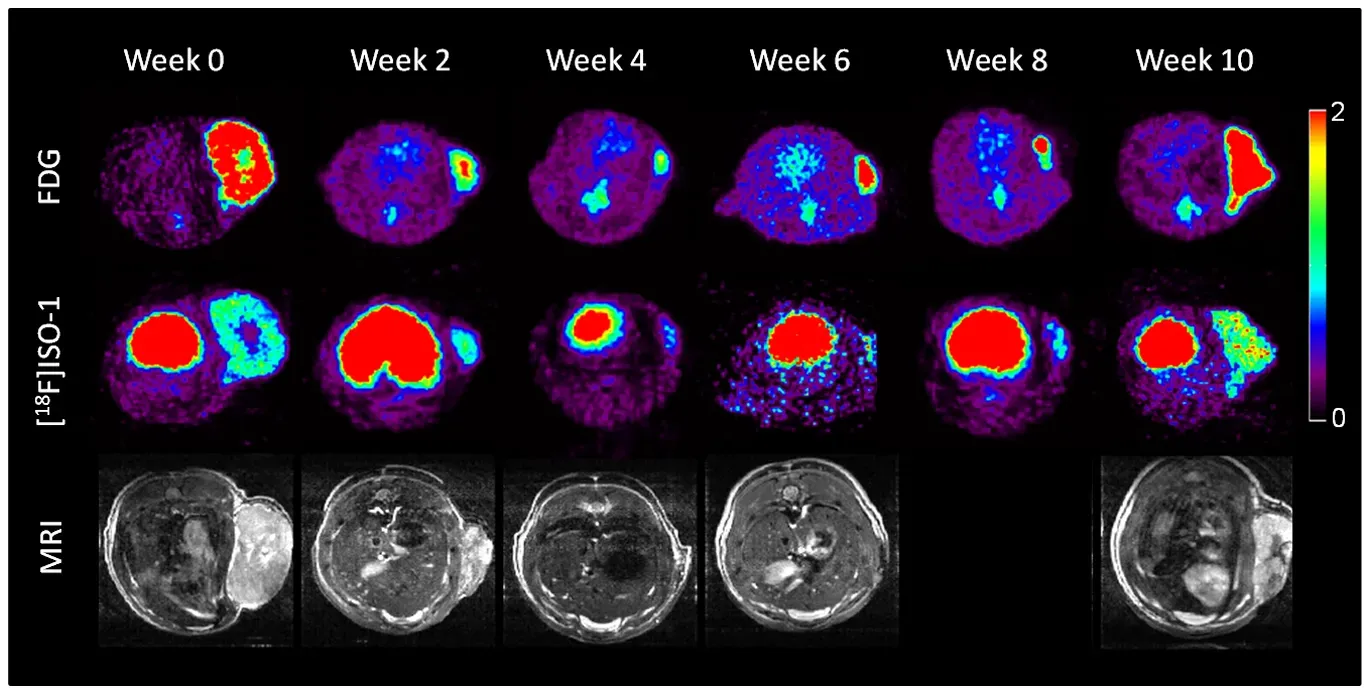
One of the most surprising twists of the last two decades is how good neuroscientists have become at reading patterns in the brain without actually understanding what those patterns fundamentally mean. Using techniques like functional MRI and invasive electrode arrays, researchers can often tell whether someone is looking at a face or a house, remembering a song, or even thinking about moving a hand – all from shifting patterns of activity in specific regions. In some experiments, scientists can predict simple decisions fractions of a second before a person becomes consciously aware of making them. It feels like mind reading, and in limited ways, it almost is.
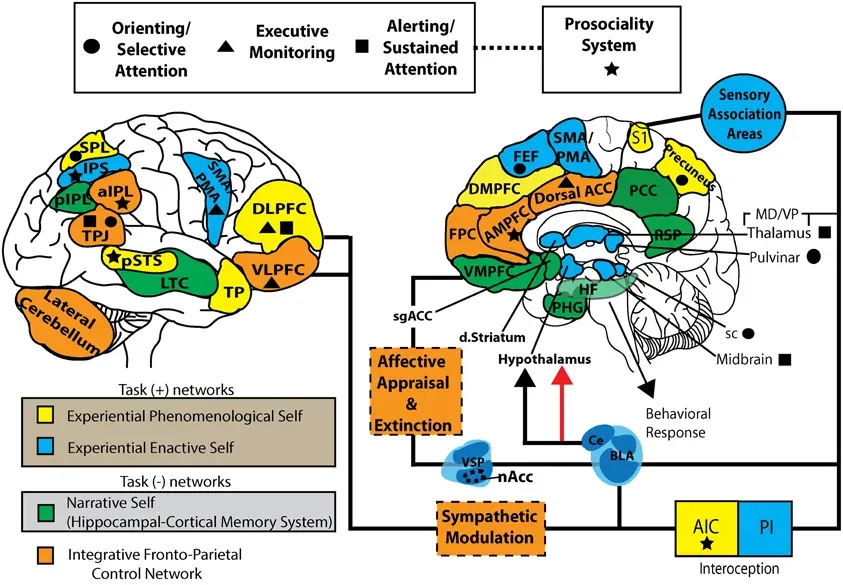
But here’s the uncomfortable part: none of this tells us why those patterns are accompanied by awareness at all. You can imagine a hypothetical brain-like machine that processes the same information flawlessly yet never feels anything, like a perfectly running search engine that has no inner life. Neuroscientists can point to “neural correlates of consciousness” – the brain regions and rhythms most tightly linked to being awake, self-aware, or in a dreamlike state. Yet a correlate is not a cause, and it certainly isn’t an explanation. The clues keep piling up inside the living brain, but the central mystery refuses to resolve into a clear picture.
From Ancient Puzzles to Modern Scanners
The tension between brain and awareness is not new; it is just newly urgent. Philosophers in ancient Greece were already arguing about whether mind and matter are separate substances or two sides of the same coin. For centuries, the debate stayed mostly in the realm of thought experiments and metaphors – souls, spirits, invisible essences. Then, with the rise of neuroscience in the twentieth century, it started to look as if the old metaphysical questions might simply evaporate under the weight of experimental data.
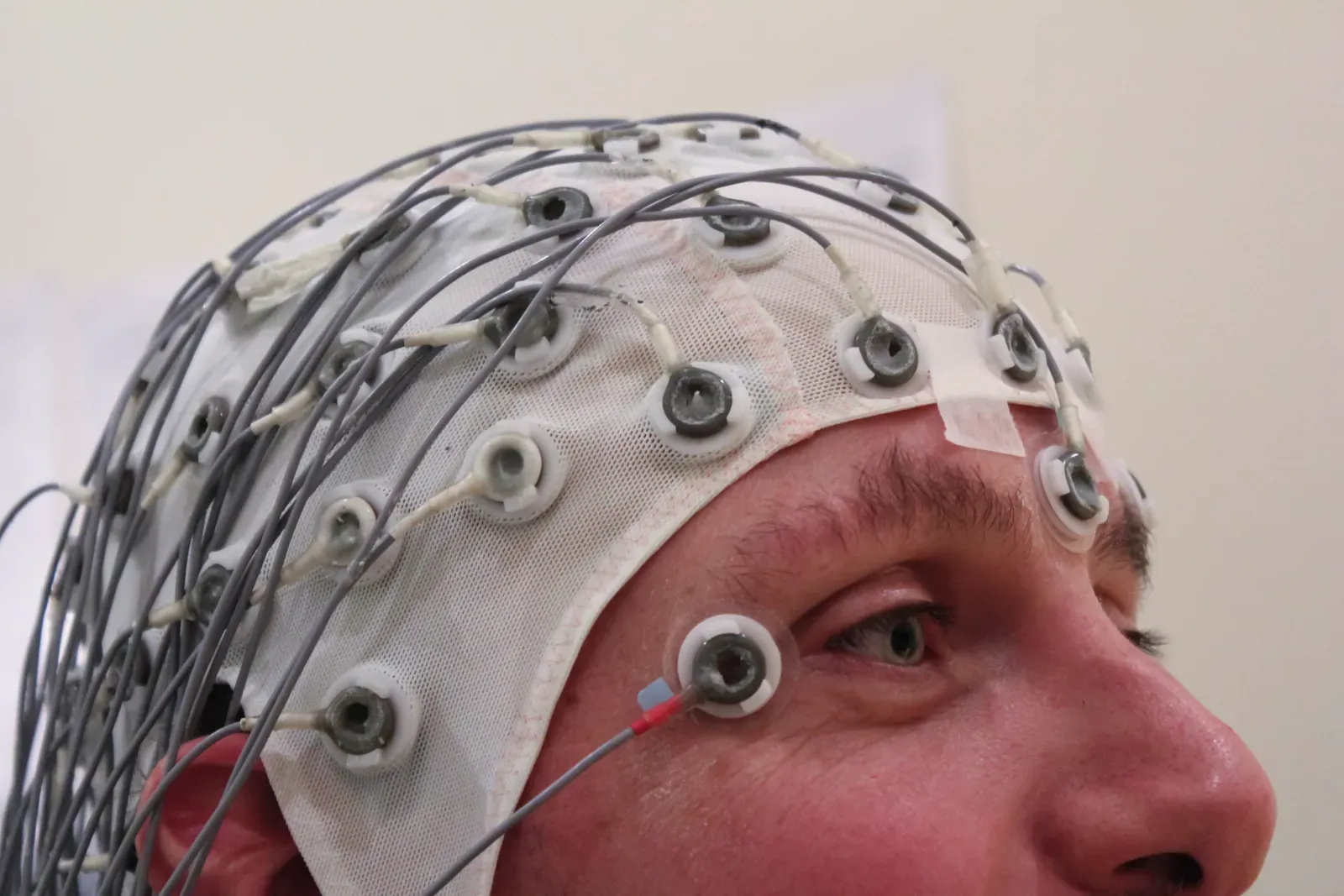
Powerful tools like EEG, MRI, and optogenetics changed the game by giving scientists direct access to brain activity in real time. Researchers could switch specific circuits on or off in animals and watch behaviors flicker in and out, or scan the brains of patients under anesthesia and see consciousness seemingly drain away. It was tempting to assume that if we could just refine the technology – sharper images, faster recording, better models – awareness would eventually be revealed as a straightforward brain function. Instead, the better our tools became, the clearer the gap looked between mapping neural activity and explaining subjective experience. It is as if we built better and better telescopes, only to discover the universe is stranger than we hoped.
The Uncomfortable Question at the Heart of Neuroscience
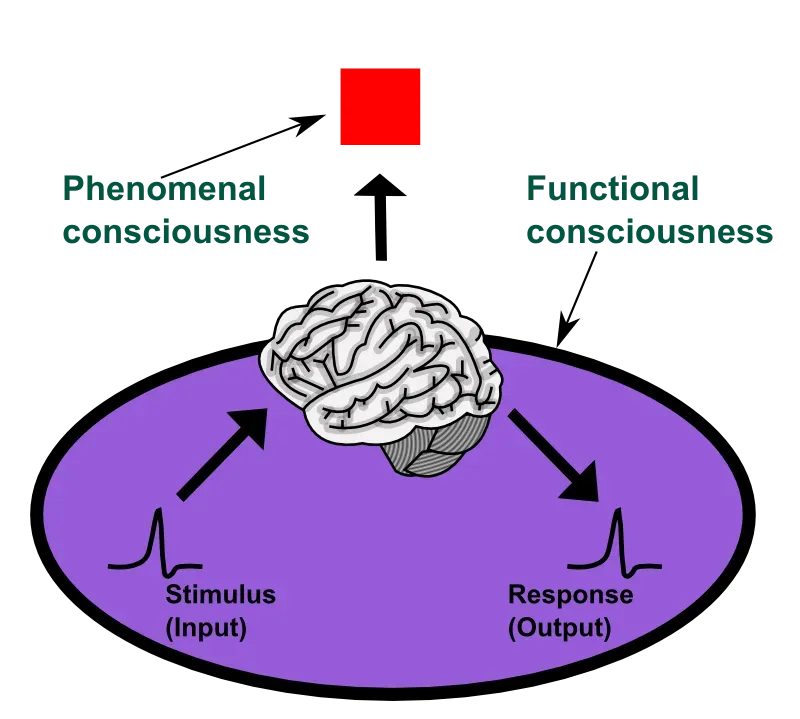
The question that will not go away sounds almost childlike: why should any physical process feel like something from the inside? You can describe neurons as cells that fire electrical impulses, exchange neurotransmitters, and update their connections based on experience. You can model networks of them as systems that transform inputs into outputs, take in sensory data, and generate actions. None of that, on its own, contains the raw feel of pain, the taste of coffee, or the quiet background hum of simply existing. This is sometimes called the “hard problem” of consciousness, and many scientists privately admit it makes them uneasy.
Some researchers argue that once we fully explain the functions of the brain – how it integrates information, guides behavior, and reports on its own internal states – the sense of an extra mystery will fade. Others insist that this misses the point completely, because even a perfect functional explanation would not show why those processes are accompanied by experience instead of being dark and silent. There is a deeper worry that our current scientific concepts, forged to explain objects and forces and measurable quantities, might simply be the wrong tools for capturing subjective awareness. It is like trying to describe a melody using only a list of frequencies – you can get close, but you never quite arrive.
The Hidden Clues in Disorders of Consciousness
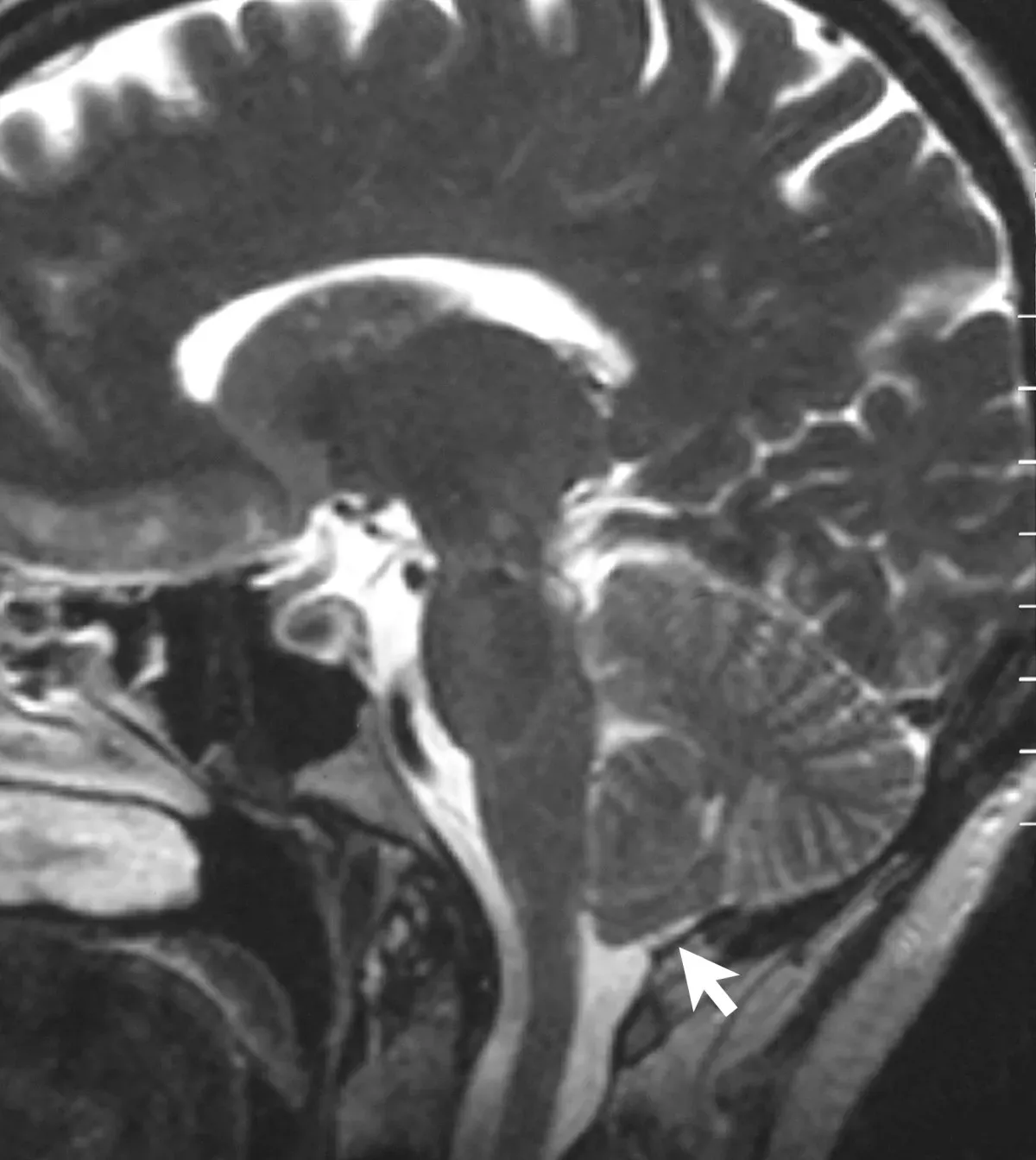
Some of the most haunting clues about awareness come from people whose consciousness is altered, dimmed, or trapped. Patients in comas, vegetative states, or minimally conscious conditions push our definitions to their limits. Brain scans have shown that a small subset of patients diagnosed as unresponsive can, when prompted, modulate their brain activity in ways that suggest they understand spoken instructions. In a few famous cases, people who appeared entirely unaware were able to answer yes-or-no questions by imagining specific actions, which lit up corresponding brain regions on a scanner.
These findings raise deeply unsettling questions. If outward behavior can be almost zero while inner awareness persists, how many people might be misdiagnosed, written off, or treated as if they are not there? At the same time, such cases hint that awareness might be more robust than our usual markers – eye tracking, movement, speech – suggest. Yet even when we can say with some confidence that certain brain dynamics support consciousness, we still do not know what turns this set of dynamics into a lived reality. The science is saving lives and reshaping medical ethics, but it has not cracked the underlying riddle.
Why It Matters Far Beyond the Lab
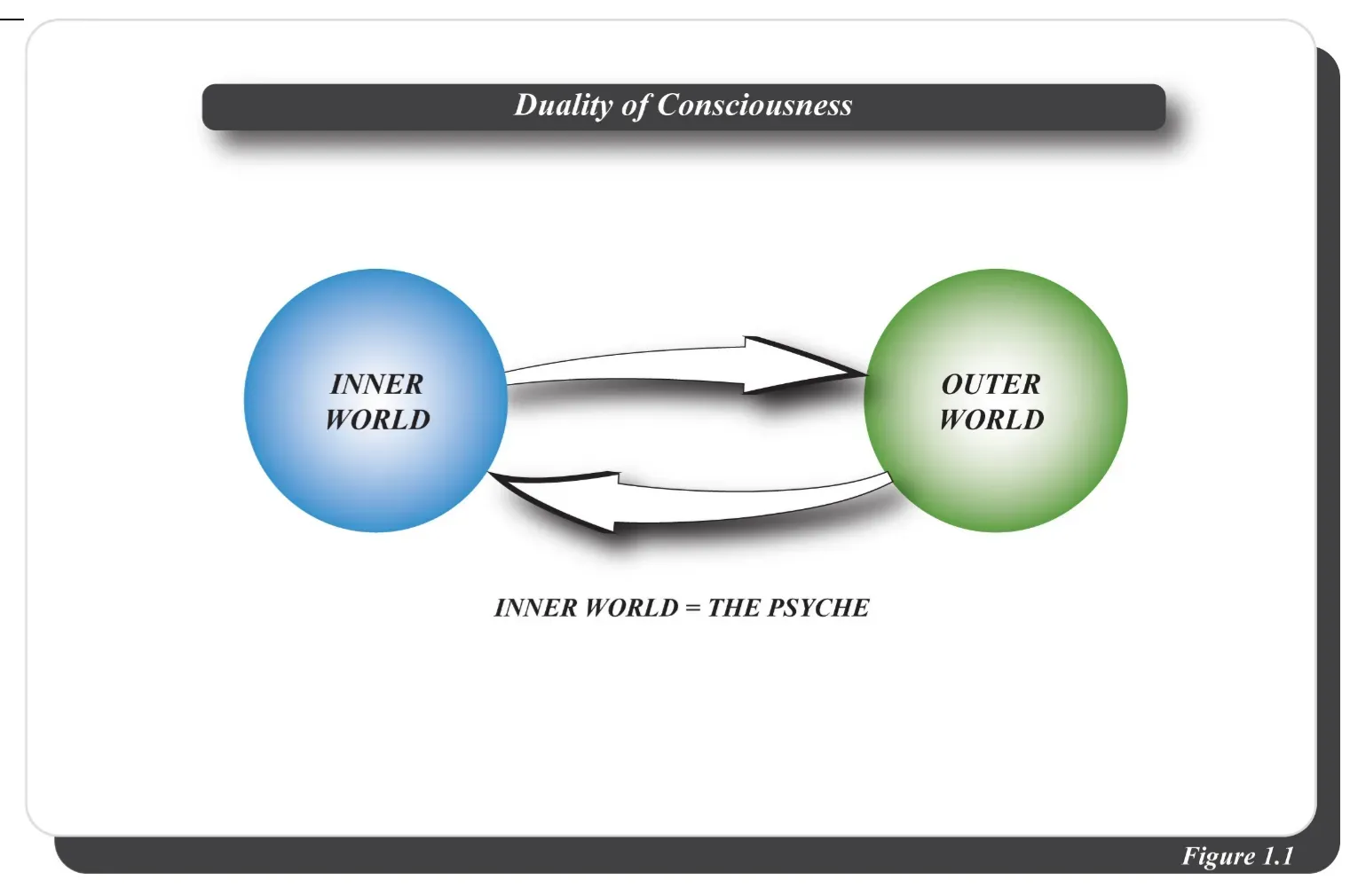
It might be tempting to treat all this as an abstract puzzle, the kind of thing philosophers debate late at night and then set aside. But the stakes are rapidly becoming practical, personal, and in some cases, urgent. Medical decisions about end-of-life care, pain management, and anesthesia depend on how confident we are about who is aware and who is not. In a world where some patients in “unresponsive” states turn out to have hidden awareness, uncertainty becomes more than uncomfortable – it can be tragic.
Outside the clinic, the rise of sophisticated AI systems is forcing a new version of the same question. As machine learning models get better at mimicking language, vision, and planning, some people wonder whether awareness might eventually emerge in silicon. Right now, most researchers argue that today’s systems show competence without consciousness, pattern mastery without inner life. But without a clear scientific theory of what awareness is and how it arises, our confidence here is on shaky ground. The way we treat animals, advanced AI, and even future brain–computer hybrids will hinge on how we answer, or fail to answer, this question about subjective experience.
Competing Theories and Their Limits
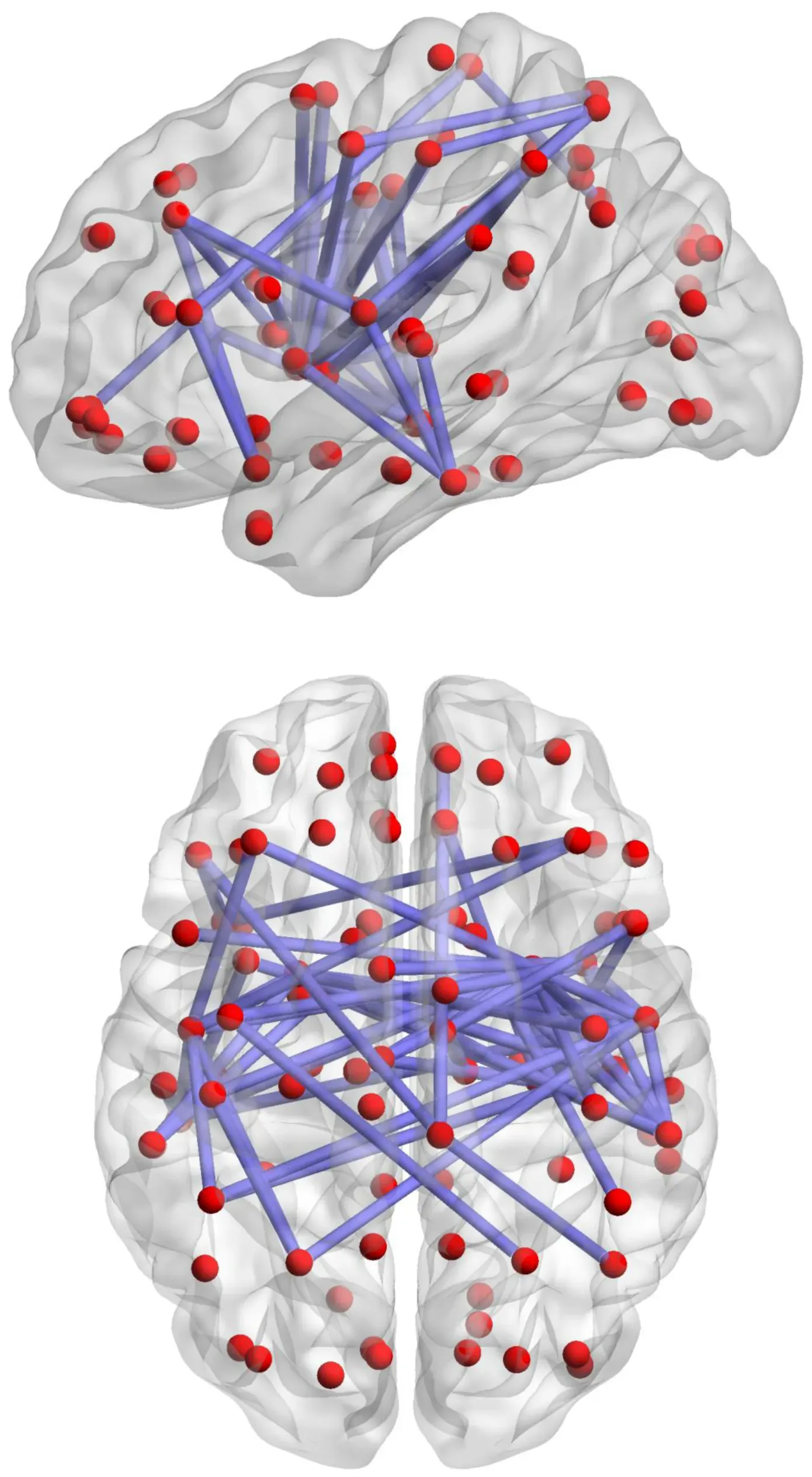
Neuroscience is not short on theories of consciousness; it is short on decisive evidence that favors one view over the others. Some frameworks argue that awareness emerges when information in the brain becomes globally available, broadcast across widely connected networks that allow perception, memory, and decision-making to interact. Others suggest that consciousness arises from highly integrated information, where the whole system does more than the sum of its parts, in a way that cannot be broken down into independent components. A third family of ideas focuses on specific patterns of feedback loops and recurrent processing, claiming that awareness shows up when signals do not just flow forward but loop back in structured ways.
Each theory can point to experiments that seem to support it, and each has ways to explain away conflicting data. Yet all of them share a similar weakness: they tend to tell us when and where consciousness is present without revealing why it should feel like something. They refine the correlation rather than bridge the explanatory gap. It is possible that the winner, if there is one, will emerge from a clever experiment in humans or animals that definitively rules out rival models. It is equally possible that we are still missing a key conceptual ingredient, something as radical as the shift from classical physics to quantum theory, and that our current attempts are circling the problem rather than solving it.
The Future Landscape of Awareness Research
Looking ahead, the search for awareness is likely to become even more interdisciplinary and technologically bold. New brain–computer interfaces promise to record from and stimulate massive numbers of neurons simultaneously, giving scientists a chance to manipulate patterns of activity with unprecedented precision. Advanced imaging could link these micro-level manipulations to large-scale brain dynamics, while computational models attempt to simulate what happens when certain circuits are pushed into or out of conscious states. There is a real possibility that we will soon be able to toggle specific kinds of experience in animals and, one day, in consenting humans.
At the same time, ethical concerns will intensify. If we can induce or suppress awareness, where do we draw the line in research, therapy, or enhancement? As global collaborations grow, different cultures and legal systems will bring their own views about personhood, suffering, and moral status to the table. There is also the prospect of cross-species comparisons, using the same theoretical tools to probe awareness in birds, octopuses, or other animals with radically different brains. The future landscape will not just map where and when consciousness appears; it will force us to decide what kinds of minds we are willing to recognize and protect.
How You Can Engage With the Mystery
For most of us, the frontier of awareness research will never involve running an MRI scanner or implanting electrodes, but that does not mean we are shut out of the conversation. Simple choices about how we talk about animals, patients, and machines already shape the cultural landscape in which science unfolds. Supporting organizations that advocate for better standards in coma care, pain management, and palliative medicine helps ensure that uncertainty about awareness is met with caution and compassion. Paying attention to how new AI and neurotechnology are regulated, and lending your voice when public comment is invited, can influence how boldly or recklessly we push into this territory.
On a more personal level, there is value in treating your own moments of awareness as something worth noticing instead of taking for granted. Practices like mindfulness, careful reflection, or even keeping a simple journal about how your experience feels from the inside can deepen your curiosity about what is at stake in this science. You do not have to solve the hard problem to appreciate the fact that, for reasons we still cannot fully explain, there is something it is like to be you right now. Staying informed, asking skeptical questions, and resisting easy answers are small but meaningful ways to engage with a mystery that sits at the center of every waking moment.
Suhail Ahmed is a passionate digital professional and nature enthusiast with over 8 years of experience in content strategy, SEO, web development, and digital operations. Alongside his freelance journey, Suhail actively contributes to nature and wildlife platforms like Discover Wildlife, where he channels his curiosity for the planet into engaging, educational storytelling.
With a strong background in managing digital ecosystems — from ecommerce stores and WordPress websites to social media and automation — Suhail merges technical precision with creative insight. His content reflects a rare balance: SEO-friendly yet deeply human, data-informed yet emotionally resonant.
Driven by a love for discovery and storytelling, Suhail believes in using digital platforms to amplify causes that matter — especially those protecting Earth’s biodiversity and inspiring sustainable living. Whether he’s managing online projects or crafting wildlife content, his goal remains the same: to inform, inspire, and leave a positive digital footprint.