
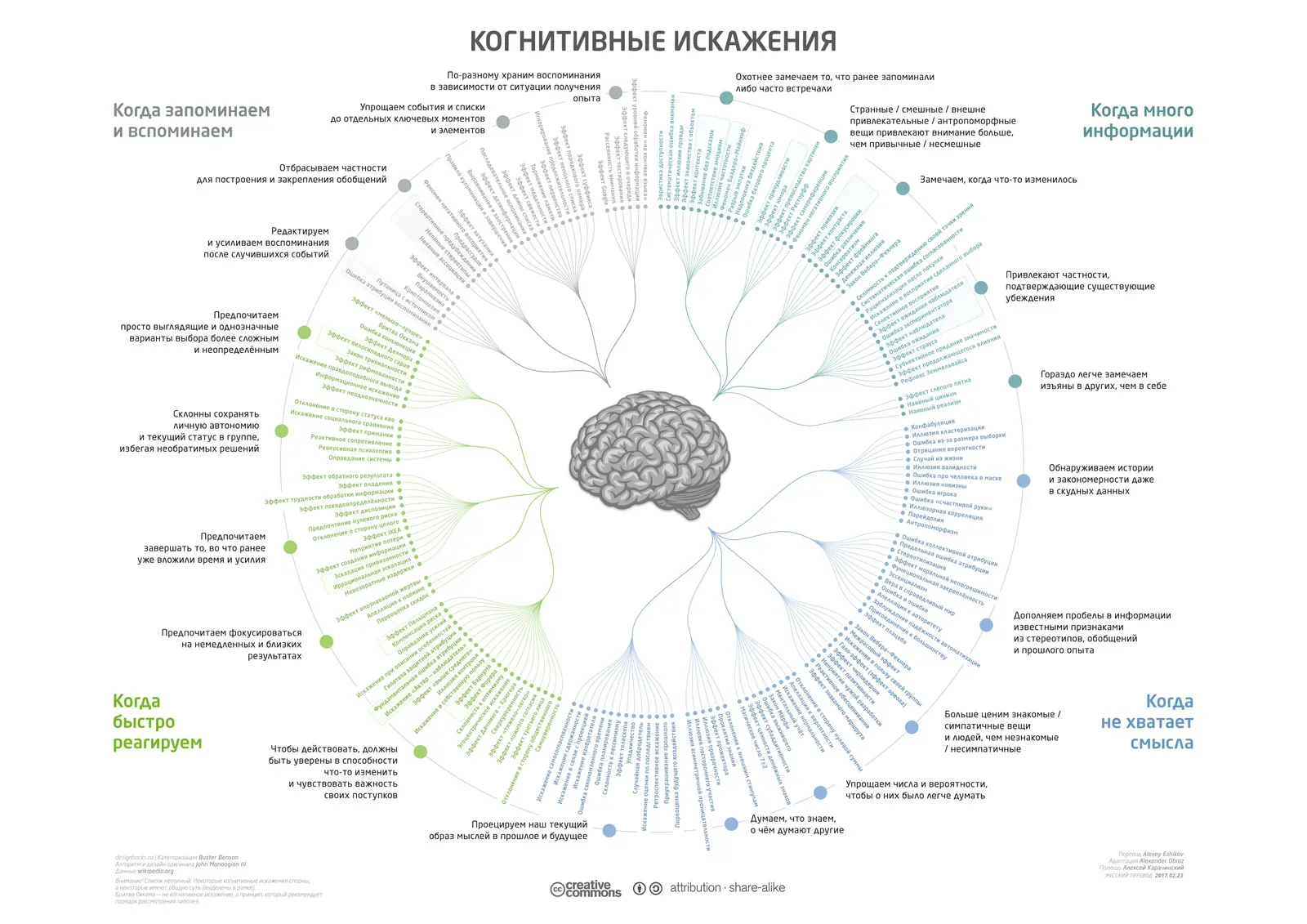
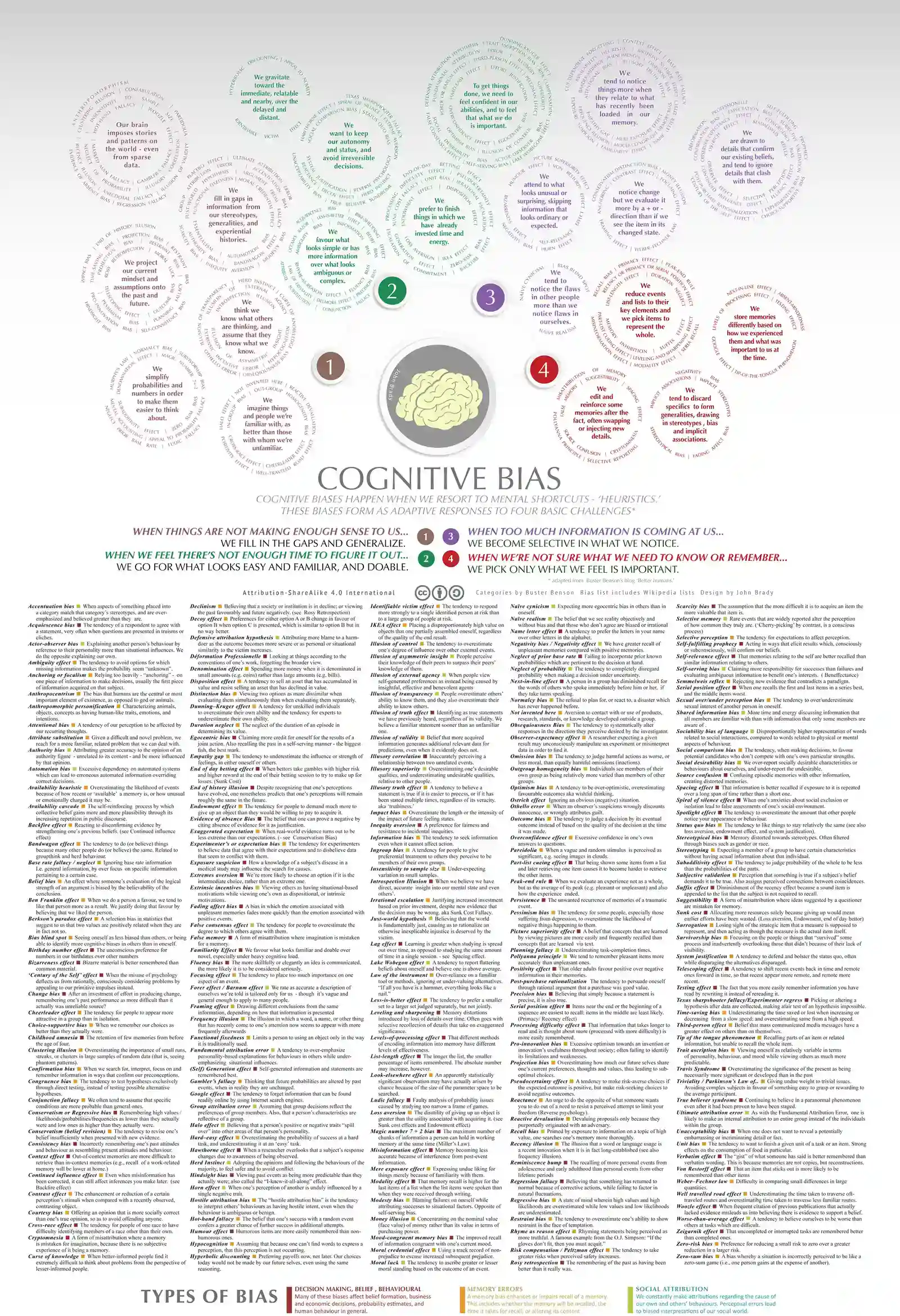
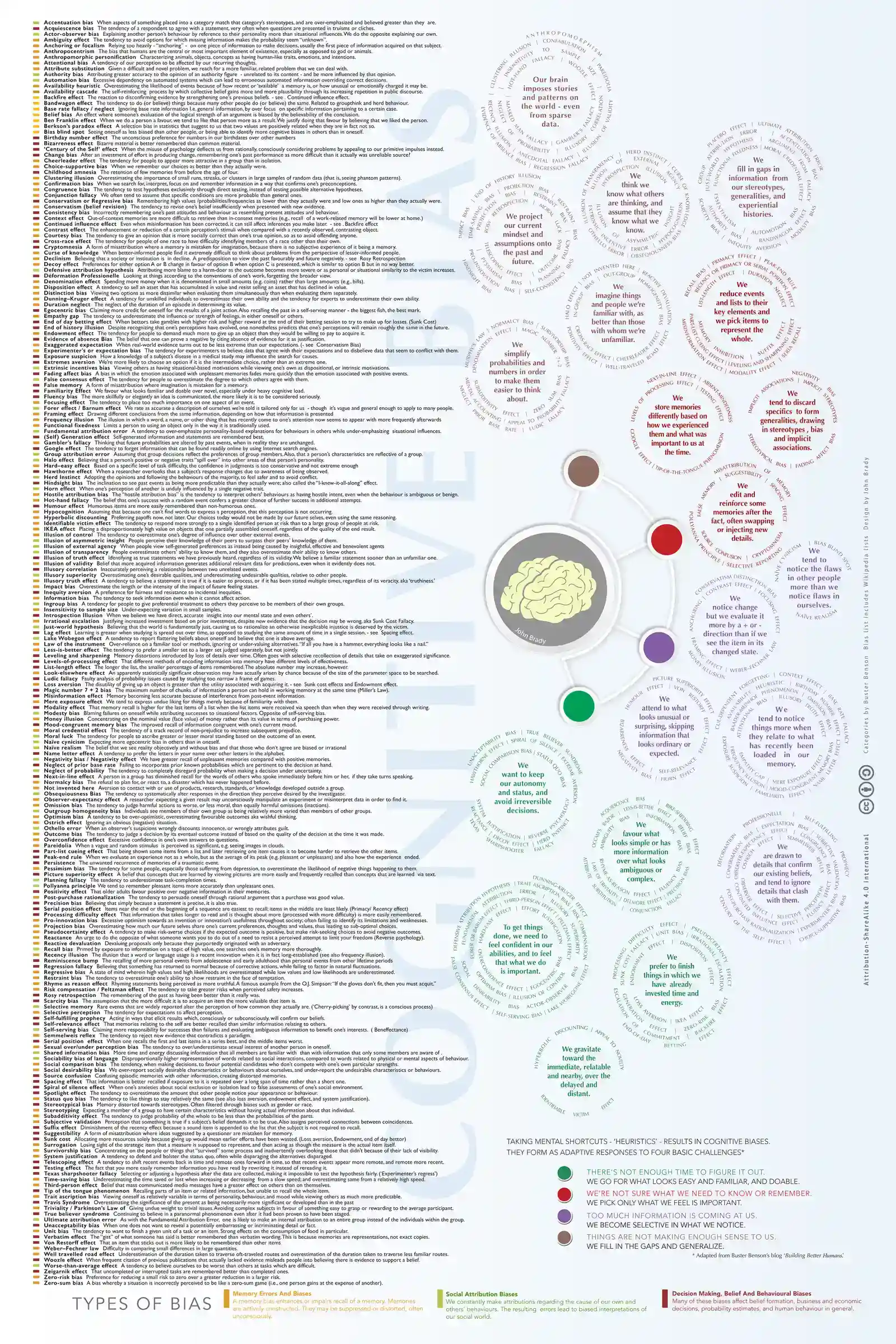
We like to believe our choices are the result of careful thinking, but much of the time our brain is quietly steering us down mental side roads we never notice. From money decisions to medical choices to who we trust, hidden shortcuts in our minds can tilt us toward outcomes we later regret. Psychologists call these shortcuts cognitive biases, and they are not rare glitches but built-in features of how the human brain copes with uncertainty and overload. The bad news is that these biases can push us into costly, even dangerous, mistakes. The good news is that once you learn to spot them, you can start wrestling back control from the quiet forces shaping your decisions.
The Hidden Clues: Why Your First Impression Is Usually Wrong
Imagine you meet someone for ten seconds in a hallway and instantly feel like you “just know” whether they’re trustworthy, competent, or arrogant. That snap judgment feels natural and almost undeniable, but it is often your brain’s confirmation bias getting a head start. Confirmation bias makes us latch onto the first piece of information we see and then twist everything that follows to fit that initial story. If your first impression is positive, you’ll subconsciously downplay later warning signs; if it is negative, you’ll ignore quiet evidence that you judged too harshly.
This bias is why a polished résumé or confident handshake can overshadow more meaningful signals like reliability, track record, or how someone behaves under pressure. Experiments have repeatedly shown that once people form an opinion, they search for and remember information that supports that belief far more than anything that contradicts it. It is a mental shortcut that saves effort, but it also blinds us to crucial details that do not match the story we have already decided is true. In everyday life, this means our first impression becomes a filter, and reality has to fight to get through.
From Ancient Tools to Modern Science: How Loss Aversion Hijacks Our Choices
Loss aversion is one of the most powerful and quietly destructive tricks our brain plays on us: we feel the pain of losing something roughly about twice as strongly as the pleasure of gaining something of equal value. From an evolutionary standpoint, this made sense; our ancestors could not afford to be careless with scarce food, tools, or allies. But in the modern world, this ancient wiring can make us cling to bad investments, toxic jobs, or failing projects simply because we cannot bear the feeling of loss. We tell ourselves we are “being patient” or “staying committed” when, in reality, we are trapped by our own fear of letting go.
Behavioral economists have documented loss aversion in lab experiments and real markets, where investors hold onto plummeting stocks far longer than is rational. In everyday terms, this is why people finish a terrible meal because they paid for it, or keep using a gym membership they hate simply to avoid admitting it was a mistake. The brain is not weighing costs and benefits on a clean slate; it is scrambling to avoid the emotional sting of loss at nearly any price. Recognizing this bias does not stop the pain, but it can help you ask a harder question: If I had to decide fresh today, with no history, would I still choose this?
Anchored and Sunk: When Random Numbers Steer Serious Decisions
One of the strangest findings in decision science is how easily our brains can be “anchored” by completely irrelevant numbers. If you see a high price first, a slightly lower price looks like a bargain even if it is still wildly expensive. Classic experiments show that people’s estimates of things like the number of countries in Africa or the value of a car can be nudged dramatically just by exposing them to a random number beforehand. The brain grabs that number as a reference point without telling you it’s doing so.
In real life, this anchoring effect plays out everywhere from salary negotiations to medical decisions. A first offer in a negotiation is not just a starting point; it quietly drags the entire conversation toward itself, often to the advantage of the person who spoke first. Similarly, a patient who hears a high estimate of risk may perceive later, more accurate information through that initial frame. This is not about being gullible; it is about a brain that hates starting from scratch and will cling to almost any starting value, even when it is arbitrary. Unless we deliberately seek multiple reference points, we are essentially letting the first number we hear write the opening chapter of our decision.
The Illusion of Control: Why We Overestimate Our Power Over Chaos
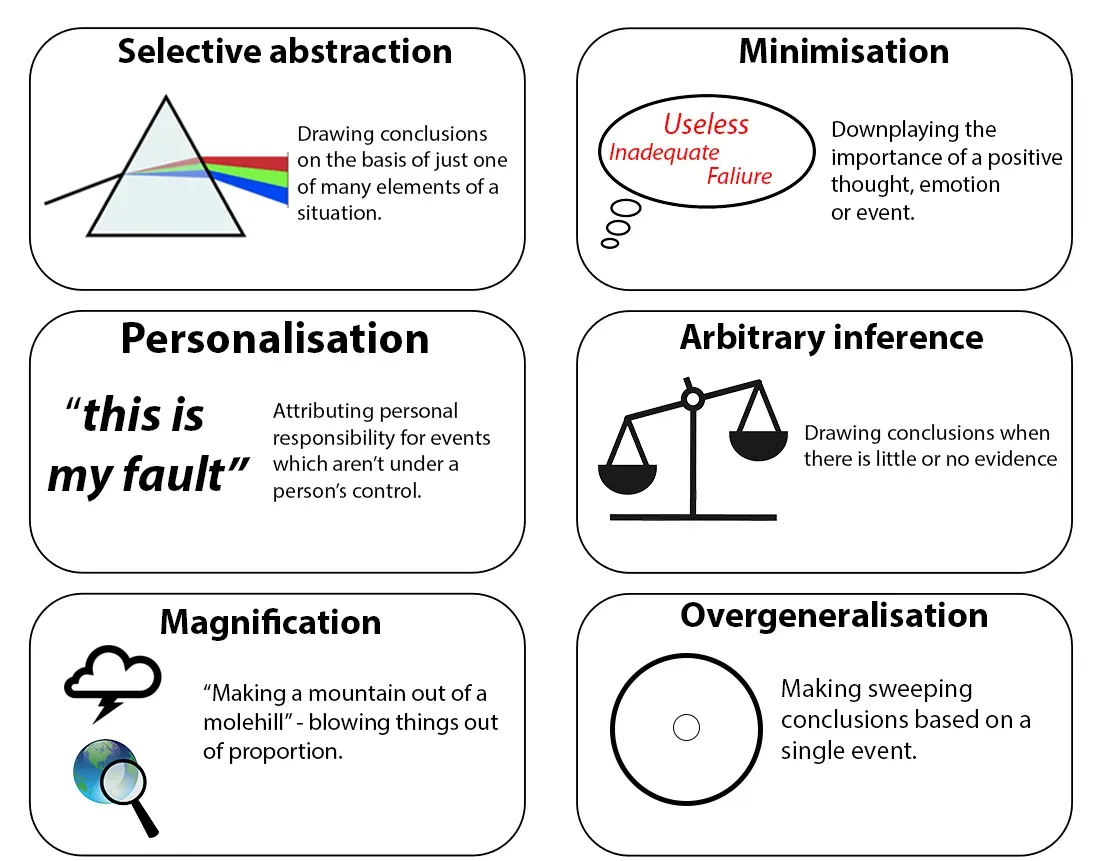
Our brains are deeply uncomfortable with randomness, so they quietly smooth the world into patterns, causes, and control where very little truly exists. The illusion of control bias makes us believe our actions influence outcomes that are mostly governed by chance. People will throw dice differently when they want high or low numbers, pick “lucky” lottery tickets, or feel safer driving than flying simply because they are the one holding the steering wheel. None of this changes the underlying probabilities, but it soothes a psychological itch.
This bias turns dangerous when it leaks into health, finance, or safety decisions. Someone might delay seeing a doctor because they feel they can “manage it” with willpower, or they might take risky financial bets believing their personal insight can outsmart a complex market. The brain is not lying to us on purpose; it is overconfidently stitching stories of cause and effect to avoid admitting how much of life lies outside our reach. The cruel twist is that thinking we control more than we do can leave us less prepared for what we cannot control at all. Learning to distinguish influence from fantasy is uncomfortable, but it is also a powerful shield against reckless choices.
Why It Matters: The High Cost of Invisible Biases
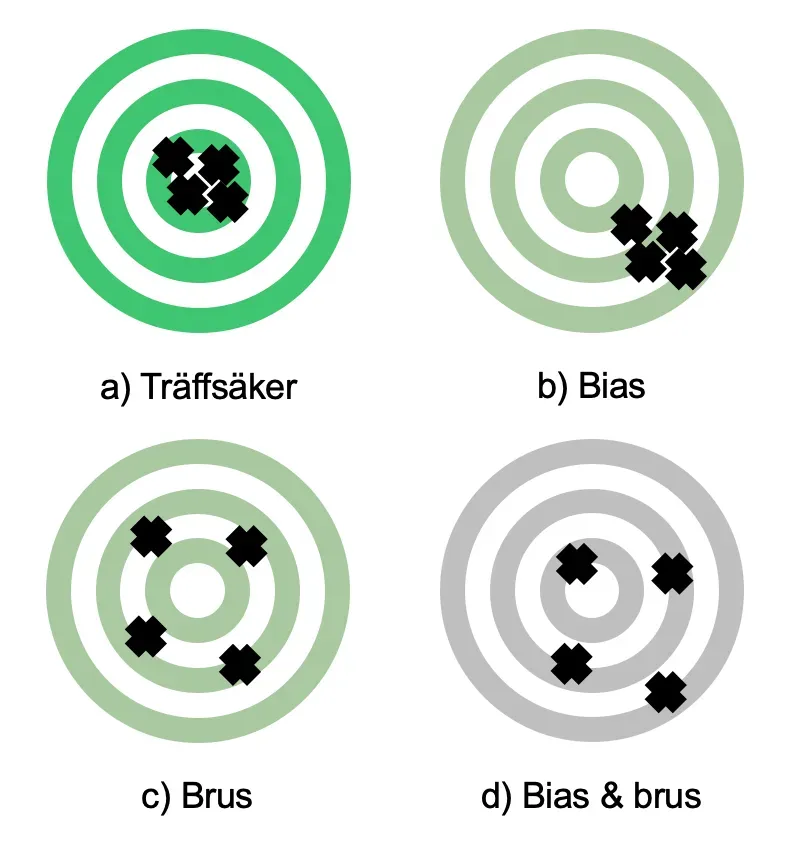
Cognitive biases are not just abstract curiosities tucked away in psychology textbooks; they shape decisions about justice, medicine, climate policy, and everyday safety. When a doctor unconsciously anchors on an early diagnosis, they might miss a rare but serious condition. When a hiring manager falls prey to confirmation bias, they can overlook talented candidates who do not fit a familiar mold, reinforcing inequality they never intended. Loss aversion keeps governments and companies clinging to outdated systems because abandoning them feels like admitting defeat.
Compared to the idealized picture of rational decision-making that economics once relied on, these psychological findings paint a far messier, more human landscape. Traditional models assumed we coolly weigh options like perfect calculators; modern behavioral science shows we are more like storytellers, editing facts to fit emotional narratives. That matters because policies, technologies, and institutions designed for fictional rational beings will fail real people. Acknowledging our mental blind spots is not an admission of weakness; it is a necessary update to how we design systems that are meant to protect and serve us. If we ignore the tricks our brains play, we end up building a world that quietly magnifies them.
The Status Quo Trap: When Familiar Feels Safer Than Better
One of the most stubborn biases sabotaging our decisions is the status quo bias: a strong, often irrational preference for keeping things as they are. Even when change would clearly improve our situation, the brain exaggerates the risks and downplays the benefits of doing something new. This is why people hesitate to switch banks, change phone plans, or leave a city that no longer suits them, even after months of complaining. The current state carries a built-in advantage simply because it is familiar.
Researchers have found that when people are offered multiple choices, they will often stick with the default option even if it is objectively worse for them. That small checkbox already ticked on a form can sway everything from retirement savings rates to participation in organ donation programs. The brain is conserving energy by avoiding active choice, but it disguises this laziness as prudence or caution. Over a lifetime, this quiet drag toward “same as before” adds up to missed opportunities, underused talents, and policies that lag behind what science and technology can already offer. The status quo feels safe, but in a fast-changing world, it can be the riskiest decision of all.
The Future Landscape: Can Technology Save Us from Ourselves?
As decision science digs deeper into our mental blind spots, technology is racing to build tools that can flag, nudge, or even override our worst biases. In finance, algorithms can monitor trading behavior and highlight when a human investor is clinging to a losing position out of loss aversion. In healthcare, decision-support systems can prompt doctors to consider alternative diagnoses or double-check treatments that deviate from evidence-based guidelines. These tools act like external guardrails, catching some of the errors our brains are wired to make.
But there is a darker side to this future as well. The same insights into attention, emotion, and bias that can protect us can also be weaponized in advertising, political campaigns, and addictive app design. Sophisticated systems can learn exactly which framing nudges you toward impulsive purchases, prolonged scrolling, or polarized beliefs. The risk is that we outsource too much thinking to machines designed to optimize clicks or profit, not our well-being. The challenge for the coming years is to develop transparent, accountable systems that help us see our own biases rather than exploit them. If we get that balance wrong, we may simply be trading one set of invisible influences for another.
The Negativity Magnet: Why Bad News Wins and Calm Facts Lose
Our brains did not evolve to scroll calmly through endless streams of information; they evolved to react fast to threats. Negativity bias means we pay more attention to bad news, remember it more clearly, and give it more weight in our decisions than neutral or positive information. This made sense when missing a threat could be fatal, but today it can distort how we see risks, communities, and even ourselves. A single criticism can linger longer than a dozen compliments, and a dramatic headline can overshadow quieter but more accurate data.
This bias warps decisions in subtle ways. People may overestimate rare dangers because they are dramatic and underreact to slow-moving risks like chronic illness or climate change. It can also trap us in cycles of anxiety, where we continually seek more negative information to confirm a grim view of the world that already feels true. The result is a decision environment where fear and outrage are amplified, while thoughtful, boring truth struggles to compete. Being aware of this bias does not mean ignoring threats; it means asking whether our emotional reaction matches the actual evidence, not just the loudest story.
Call to Action: How to Fight Back Against Your Own Brain
You cannot uninstall your cognitive biases, but you can make them less powerful by dragging them into the light. One simple habit is to pause before important decisions and ask which bias might be at work: Are you clinging to the status quo, avoiding loss, or inflating your sense of control? Writing down your reasoning, including what would make you change your mind, can weaken the grip of confirmation bias. Seeking out one solid piece of evidence that contradicts your initial view turns your brain from a defense lawyer into something closer to a curious investigator.
You can also support institutions and tools that are built with human fallibility in mind: transparent algorithms, checklists in medicine, default options that nudge toward long-term benefits rather than short-term comfort. Talk openly with friends, coworkers, and family about the ways your own thinking goes wrong; the more normal it feels to admit bias, the easier it becomes to correct it. In a world overflowing with choices and information, learning how your brain quietly misleads you is not a luxury; it is a survival skill. The next time a decision feels strangely “obvious,” it might be worth asking: whose side is your brain really on right now?
Suhail Ahmed is a passionate digital professional and nature enthusiast with over 8 years of experience in content strategy, SEO, web development, and digital operations. Alongside his freelance journey, Suhail actively contributes to nature and wildlife platforms like Discover Wildlife, where he channels his curiosity for the planet into engaging, educational storytelling.
With a strong background in managing digital ecosystems — from ecommerce stores and WordPress websites to social media and automation — Suhail merges technical precision with creative insight. His content reflects a rare balance: SEO-friendly yet deeply human, data-informed yet emotionally resonant.
Driven by a love for discovery and storytelling, Suhail believes in using digital platforms to amplify causes that matter — especially those protecting Earth’s biodiversity and inspiring sustainable living. Whether he’s managing online projects or crafting wildlife content, his goal remains the same: to inform, inspire, and leave a positive digital footprint.