
Prehistoric life is often reduced to a few overused images of roaring tyrannosaurs and lumbering sauropods, but the fossil record tells a far stranger and more staggering story of size. Over the last two decades, scientists have been quietly revising the record books as new skeletons, better models, and advanced imaging reveal animals that push the limits of biology. Some of these giants are so massive they bend our intuition about what bones, muscles, and lungs can actually support. Others are not the biggest in absolute terms, but are shockingly huge for their type of animal, rewriting what we thought evolution could do. These discoveries are not just about bragging rights for “largest ever” but about decoding how life copes with extremes – and what that might mean for our own future on a changing planet.
The Hidden Clues: Unearthing the True Scale of Patagotitan
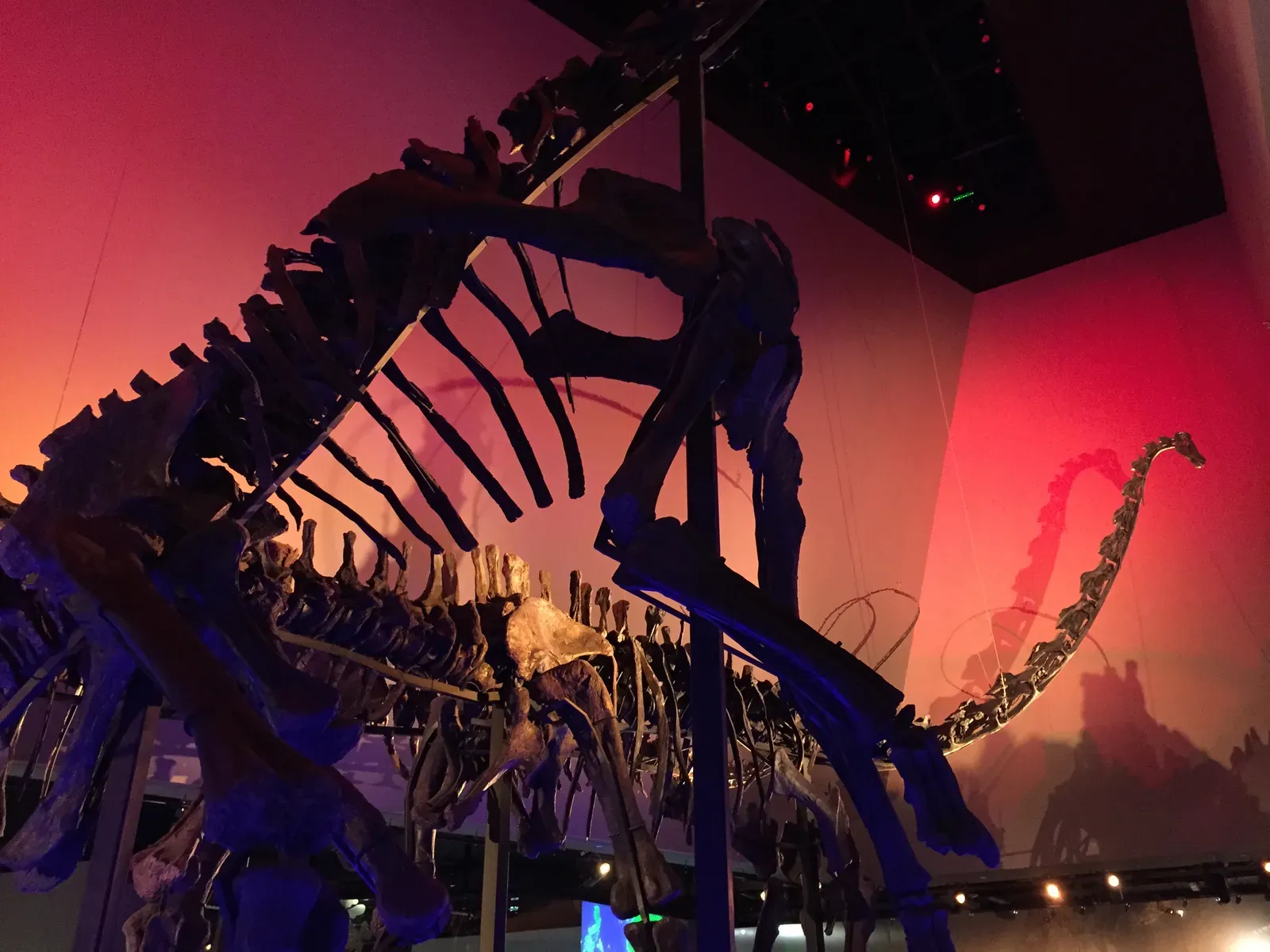
When the first bones of Patagotitan mayorum were pulled from the dusty Badlands of Argentine Patagonia, even seasoned paleontologists were stunned by their sheer bulk. The femurs alone were taller than most of the people studying them, hinting at an animal that may have weighed as much as a convoy of trucks. Yet the scale was not obvious at first glance; many bones were fragmented or deformed by millions of years underground. Reconstructing its true size became a forensic puzzle, one that relied on comparing partial bones with more complete relatives and using digital models to fill gaps.
Those hidden clues have led to a picture of a sauropod around as long as a blue whale, but standing on land with pillar-like legs and an elevated backbone. Researchers now think Patagotitan could have weighed on the order of sixty to seventy metric tons, placing it among the heaviest land animals ever known. The surprise is not just the number, but what it implies: oxygen-rich air, abundant vegetation, and skeletal adaptations that spread weight efficiently through the hips and shoulders. Every new Patagotitan bone found in Patagonia adds another pixel to this giant’s picture, and so far, the image keeps getting bigger rather than smaller.
Colossal Shadows: Argentinosaurus and the Arms Race for Size
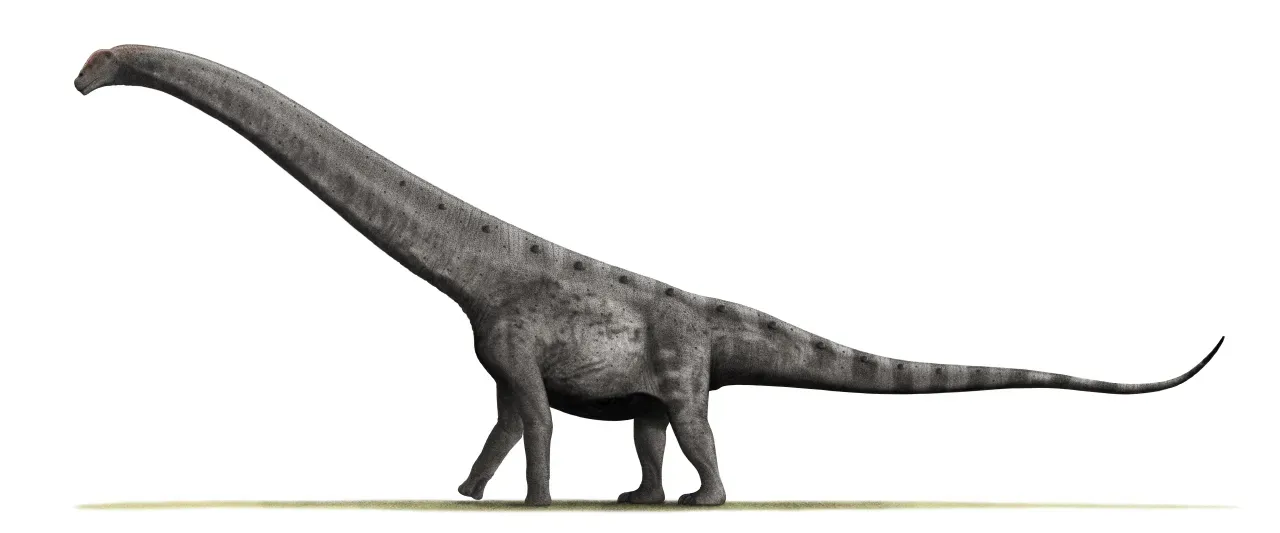
Argentinosaurus huinculensis casts a long shadow over discussions of prehistoric size, partly because its skeleton is frustratingly incomplete. Paleontologists work from a handful of enormous vertebrae and limb bones, making its mass estimates swing within a wide range. Some reconstructions suggest it rivaled or even edged out Patagotitan in weight, while others keep it slightly smaller but still jaw-dropping. This uncertainty has turned Argentinosaurus into a kind of scientific ghost: huge, looming, but always a bit out of focus.
What is becoming clearer is that South America during the Late Cretaceous was a hotbed of gigantic sauropods engaged in an evolutionary arms race in size. Growing taller and heavier may have helped these herbivores reach untouched foliage, process vast amounts of low-quality plant matter, and outgrow potential predators. In that ecosystem, an animal that in any other era would be considered enormous might have been merely average. The rivalry between Argentinosaurus and Patagotitan is less about choosing a winner and more about realizing that nature ran multiple experiments at the extreme end of size, and several of them worked remarkably well.
Predators at the Limit: Spinosaurus, Tyrannosaurs, and the Power of Water
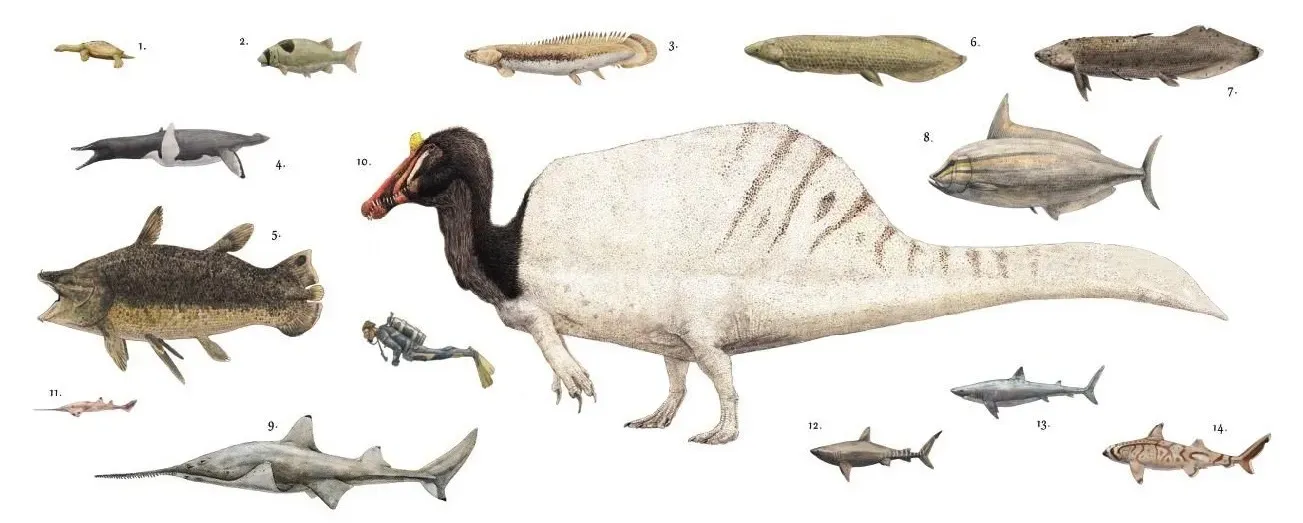
For years, Tyrannosaurus rex held the cultural title of ultimate giant predator, but new research on Spinosaurus aegyptiacus has complicated that story in the best possible way. Revised skeletons from Morocco suggest a long-bodied, sail-backed hunter that may have reached or exceeded T. rex in length, though likely not in sheer mass. What makes Spinosaurus truly unsettling is not only its size, but the growing consensus that it was semi-aquatic, using rivers and deltas as hunting grounds. That makes it one of the few known giant theropods adapted for life in and around water, more like a reptilian mash-up of a grizzly bear and a crocodile than a classic land-bound dinosaur.
This aquatic angle matters for our understanding of size limits in predators. Water can support some of an animal’s weight, allowing bulkier bodies and different hunting strategies than those available on land. Tyrannosaurs may still have ruled terrestrial food webs in North America and Asia, but Spinosaurus hints at a parallel world where the largest threats came from murky channels and floodplains. It is a reminder that “biggest carnivore” is not a single crown to be worn by one species, but a messy, evolving title, shaped by habitat, behavior, and how we define the very idea of a predator.
Giants of the Sky and Sea: Quetzalcoatlus, Blue Whales, and Mosasaurs
On land, gravity punishes bigness, but in air and water, evolution plays by slightly different rules, and the results are astonishing. Quetzalcoatlus northropi, a Late Cretaceous pterosaur, is often described as a flying giraffe: a creature with a wingspan that may have rivaled a small aircraft and a body capable of stalking prey on the ground between flights. Launching something that large into the air seems almost impossible, yet biomechanical modeling suggests it could vault itself skyward with powerful forelimbs. Its size challenges our everyday intuition about flight and forces engineers to rethink what is aerodynamically feasible.
In the oceans, the reigning champion of size is not extinct at all but swimming among us in the form of blue whales, which out-mass any known dinosaur. Yet the Cretaceous seas were hardly modest, with massive mosasaurs and long-necked plesiosaurs dominating marine ecosystems. These animals help scientists explore how food webs support giants, whether through dense plankton blooms, abundant fish stocks, or energy-rich prey. The comparison between ancient sea reptiles and modern whales is not just trivia; it offers a living laboratory to test ideas about how ecosystems produce and maintain giants at the top of the food chain.
Mysterious Mammals: Paraceratherium, Giant Sloths, and the Post-Dinosaur World
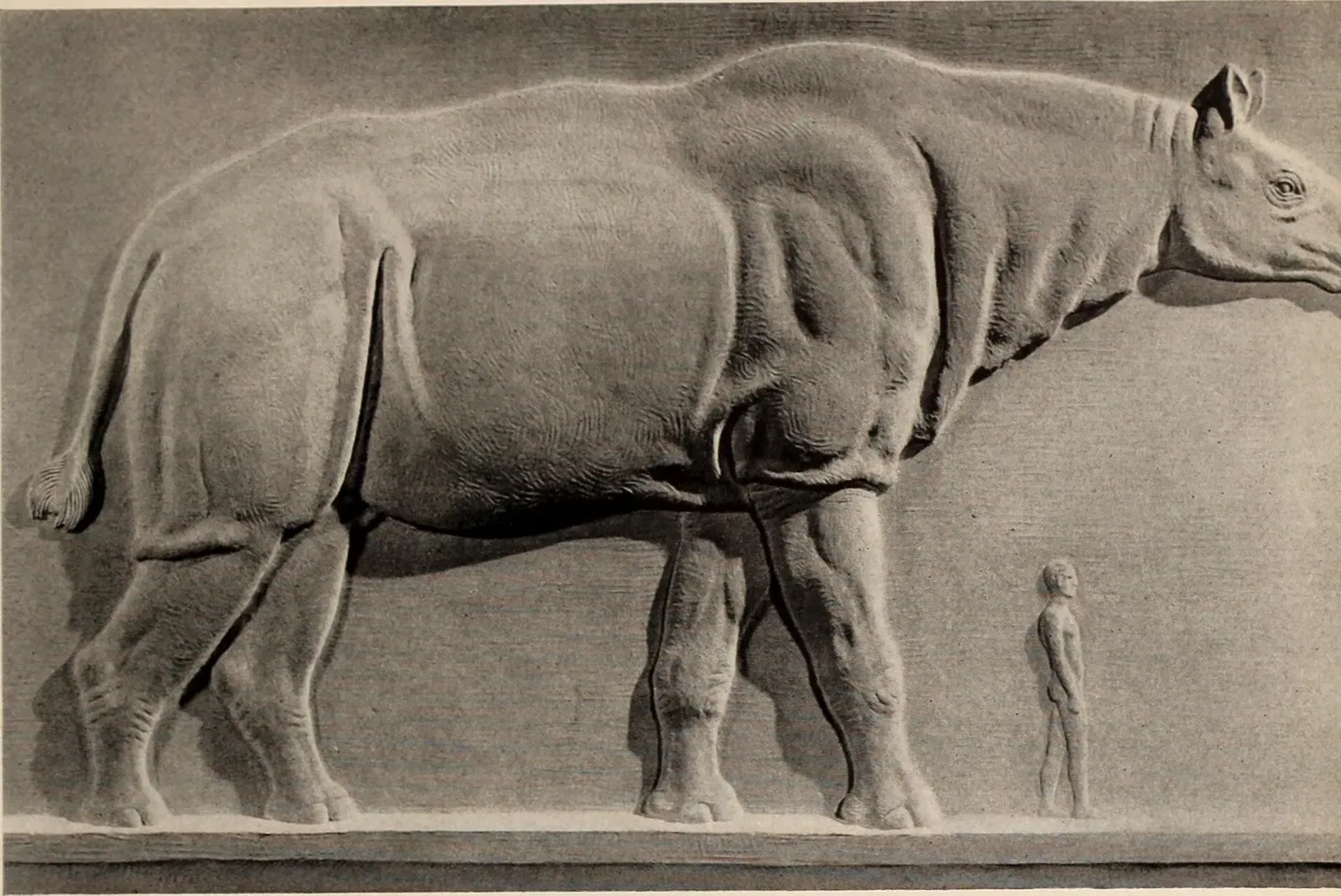
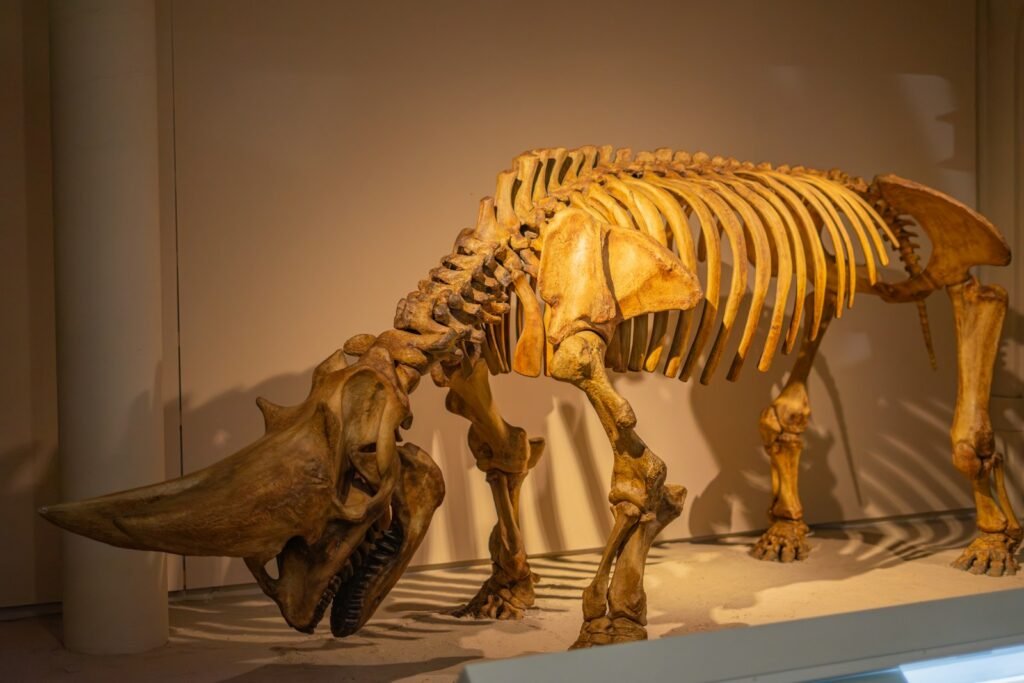
When the dinosaurs (apart from birds) disappeared about sixty-six million years ago, mammals eventually stepped into the vacancy and some grew to extraordinary sizes. Paraceratherium, a hornless relative of modern rhinos, towered over its landscape in Eurasia during the Oligocene, likely weighing roughly comparable to the biggest sauropod juveniles. It was a browser, stretching its long neck to strip leaves from treetops in a way that feels oddly giraffe-like despite its rhino ancestry. This improbable mash-up of traits underlines how evolution reuses and rearranges basic body plans to explore new extremes.
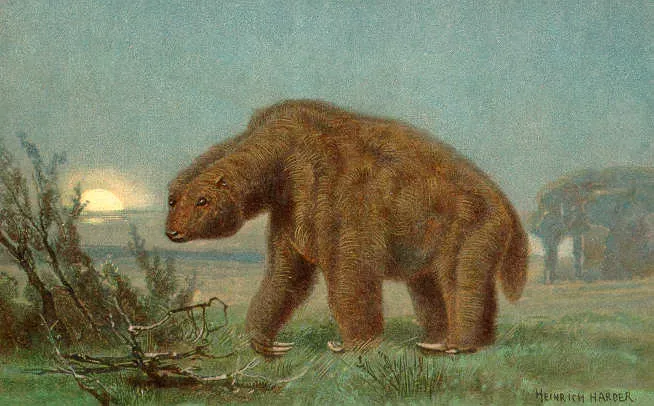
Later, in the Americas, ground sloths like Megatherium reached masses far beyond any of their modern tree-dwelling cousins. They were part of a wider cast of Pleistocene megafauna that included gigantic armadillos, towering bears, and elephant-like gomphotheres. Many of these mammals vanished surprisingly recently in geological terms, overlapping with early human expansion. Their disappearance raises uncomfortable questions about our species’ role in reshaping ecosystems and perhaps truncating the age of giants on land. In a way, the fossils of these mammals feel closer to us than dinosaurs do, as if they belong to a branch of a story we might have actually walked into, had we arrived a little sooner.
Inside the Bones: How New Tech Is Rewriting the Size Records

If you picture paleontologists as people with brushes and shovels, you’re only seeing the opening act of the story. The real revolution in understanding ancient giants is happening later, in labs filled with CT scanners, high-powered computers, and complex modeling software. Researchers can now peer inside massive bones without cutting them, revealing growth rings, internal supports, and patterns of micro-damage that speak to how an animal moved and how fast it grew. By digitally reconstructing skeletons and layering on virtual muscles and organs, teams can test different body shapes and postures to see which makes biomechanical sense.
This technology has already led to dramatic revisions in mass estimates for several famous giants, in some cases trimming earlier overestimates and in other cases quietly adding a few tons. It also helps solve long-running debates, like whether certain sauropods held their necks high like cranes or more horizontally like gigantic vacuum hoses sweeping over ground vegetation. Even details such as lung structure and blood pressure can be modeled to see whether a proposed size is physiologically realistic. As scanning and computing power improve, the line between “reasonable estimate” and “wild guess” keeps moving, and ancient giants are stepping into sharper focus than ever before.
Why It Matters: Giants as Natural Experiments in Evolution
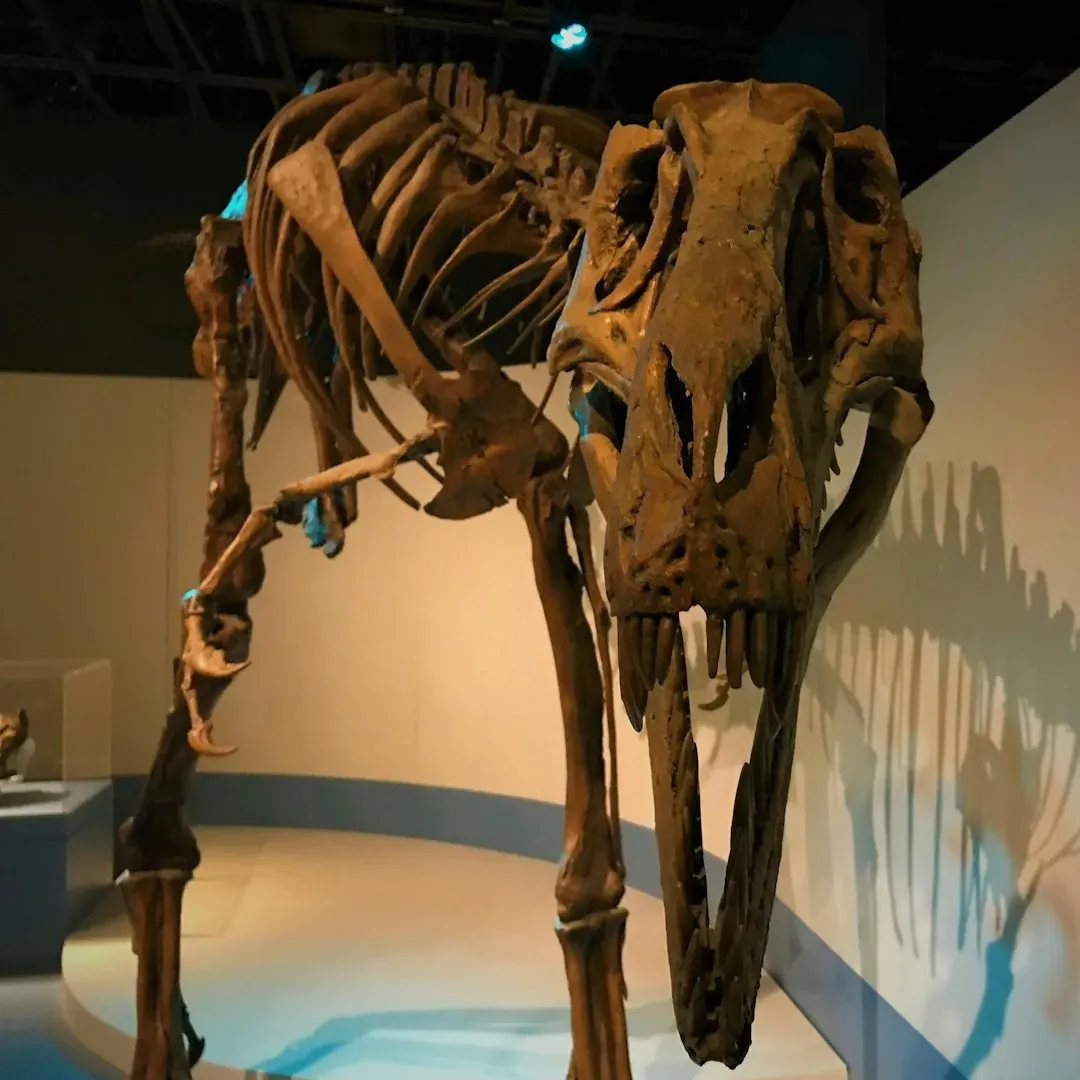
It’s tempting to treat these supersized animals as little more than prehistoric celebrities, but their true value lies in what they teach us about the limits and possibilities of life. Each giant is a natural experiment in pushing physics, physiology, and ecology to extremes. By studying how sauropods supported their necks, or how massive predators maintained body temperature, scientists test fundamental assumptions about metabolism, growth, and biomechanics. These lessons loop back into our understanding of modern animals, from elephants and giraffes to large fish and birds.
There is also a sobering thread that runs through the stories of giants: most of them are gone. Their rise and fall highlight how sensitive large-bodied animals are to changes in climate, habitat, and food supply. Today’s elephants and great whales face pressures that echo past crises, from shrinking ranges to disrupted food webs. Looking at the fossil record, it becomes hard to ignore that when ecosystems are stressed, the largest species often disappear first. Studying ancient giants is not nostalgia; it’s a warning system, reminding us how easily the upper tiers of life’s size pyramid can collapse.
From Bone Fields to Supercomputers: How Science Keeps Getting Bigger
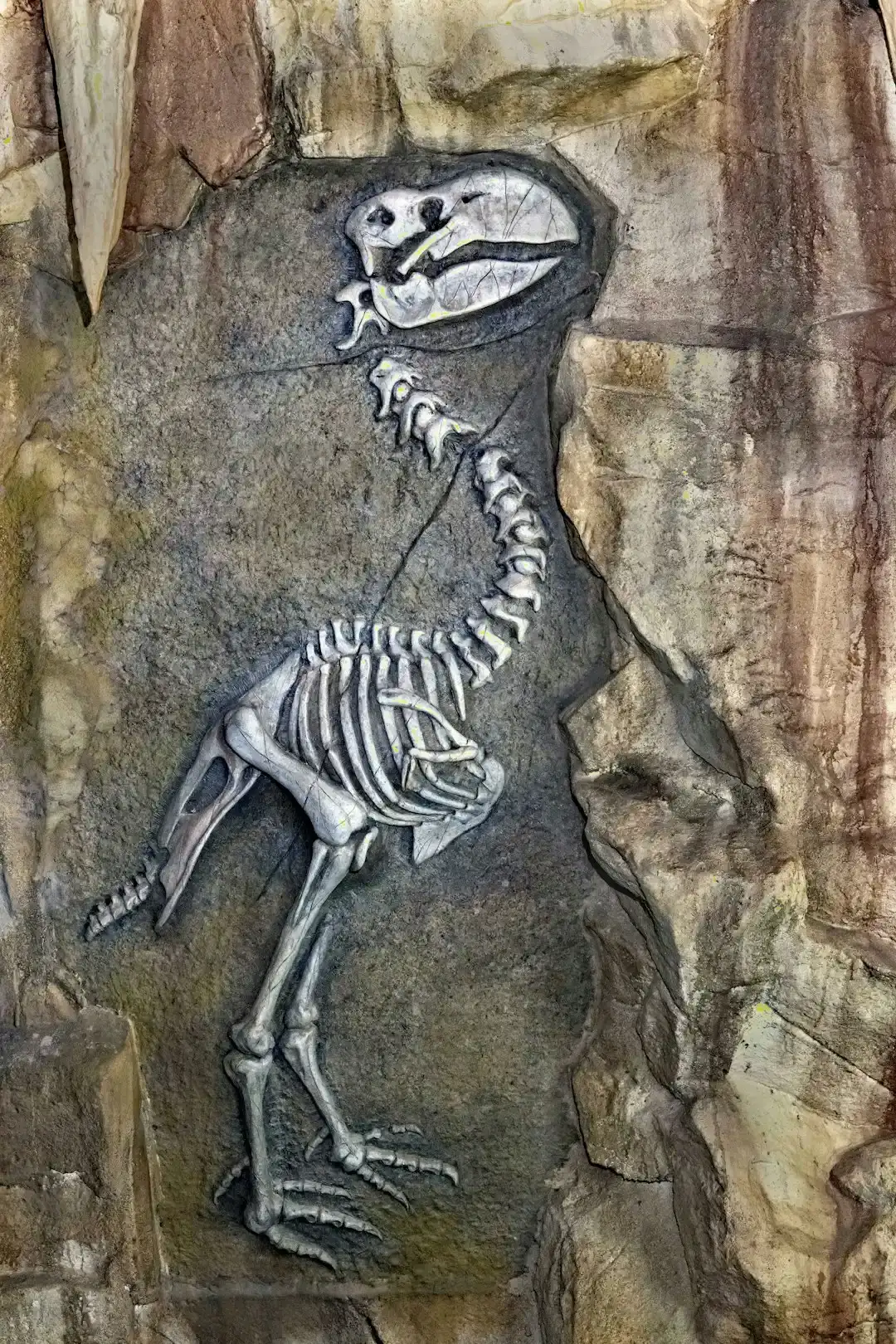
Every new discovery of an outsized bone still starts the old-fashioned way, with someone walking across a remote landscape and noticing something that does not look like rock. Those field seasons are brutal, involving heat, dust, broken tools, and logistics that can go sideways at any moment. Yet they remain the irreplaceable foundation for all later work; no supercomputer can conjure a fossil that has not been dug out of a hillside. What has changed is the seamless pipeline from desert trench to digital model, where interdisciplinary teams of geologists, anatomists, engineers, and data scientists all take turns interrogating the same specimen.
This collaborative approach allows questions that were once unanswerable to be tackled in detail. How many calories did a giant sauropod need in a day, and could its ecosystem realistically supply them? What did trackways and wear patterns on bones tell us about herd behavior or migration in these heavyweights? Even subtle details, like how stress flowed through a vertebra during movement, can now be color-mapped and tested against competing theories. As the tools get better, the science of size moves beyond measuring and into understanding, turning these animals from static monsters into living, breathing organisms in our models.
The Road Ahead: Future Tech, New Fossils, and the Next Record-Breaker
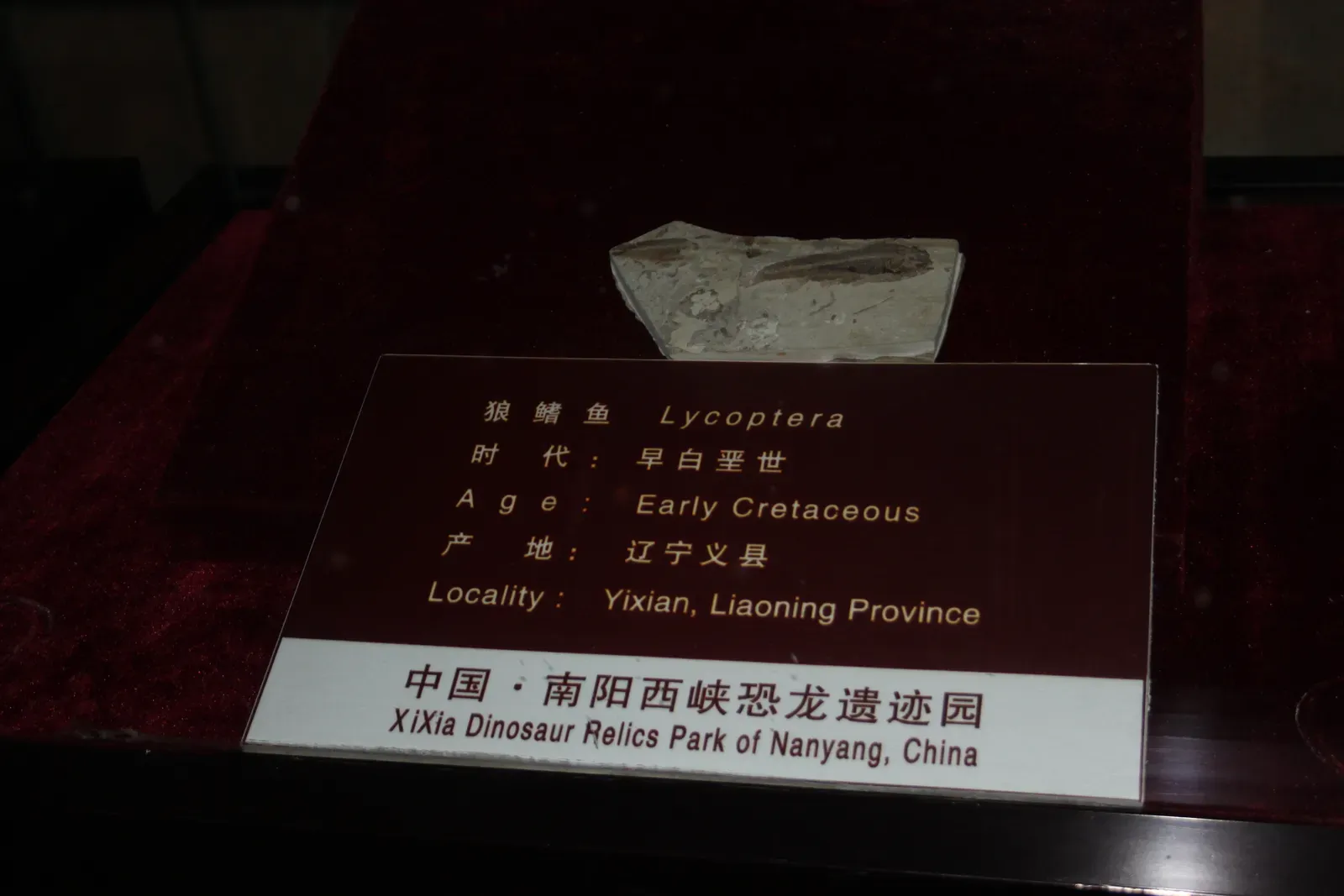
Looking ahead, the study of ancient giants is poised for another growth spurt of its own, driven by technologies that are only just entering paleontology. High-resolution satellite imagery and drone surveys are beginning to flag promising fossil sites in remote regions before a single boot hits the ground. Machine learning tools are being trained to spot bone fragments in field photos and help sort vast museum collections, potentially surfacing overlooked giant specimens that have sat in drawers for decades. At the same time, more refined 3D printing could allow life-sized bones or scaled models of huge skeletons to be shared between labs and displayed in places that could never house the originals.
There are still entire swaths of the planet, from parts of Africa to interior Asia, that are underexplored for large fossils relative to their potential. New discoveries from these areas could easily unseat today’s record-holders, either by revealing completely new lineages or by expanding the size ranges of known groups. Climate change and development are exposing some fossil beds even as they threaten to destroy others, adding urgency to this work. The global implications are not just about adding another “largest ever” headline, but about refining our models of how life responds to changing environments at massive scales. Somewhere out there, in rock that has not yet seen the light of day, the bones of an animal bigger than anything we have measured may already be waiting.
How You Can Engage: From Museum Halls to Citizen Science
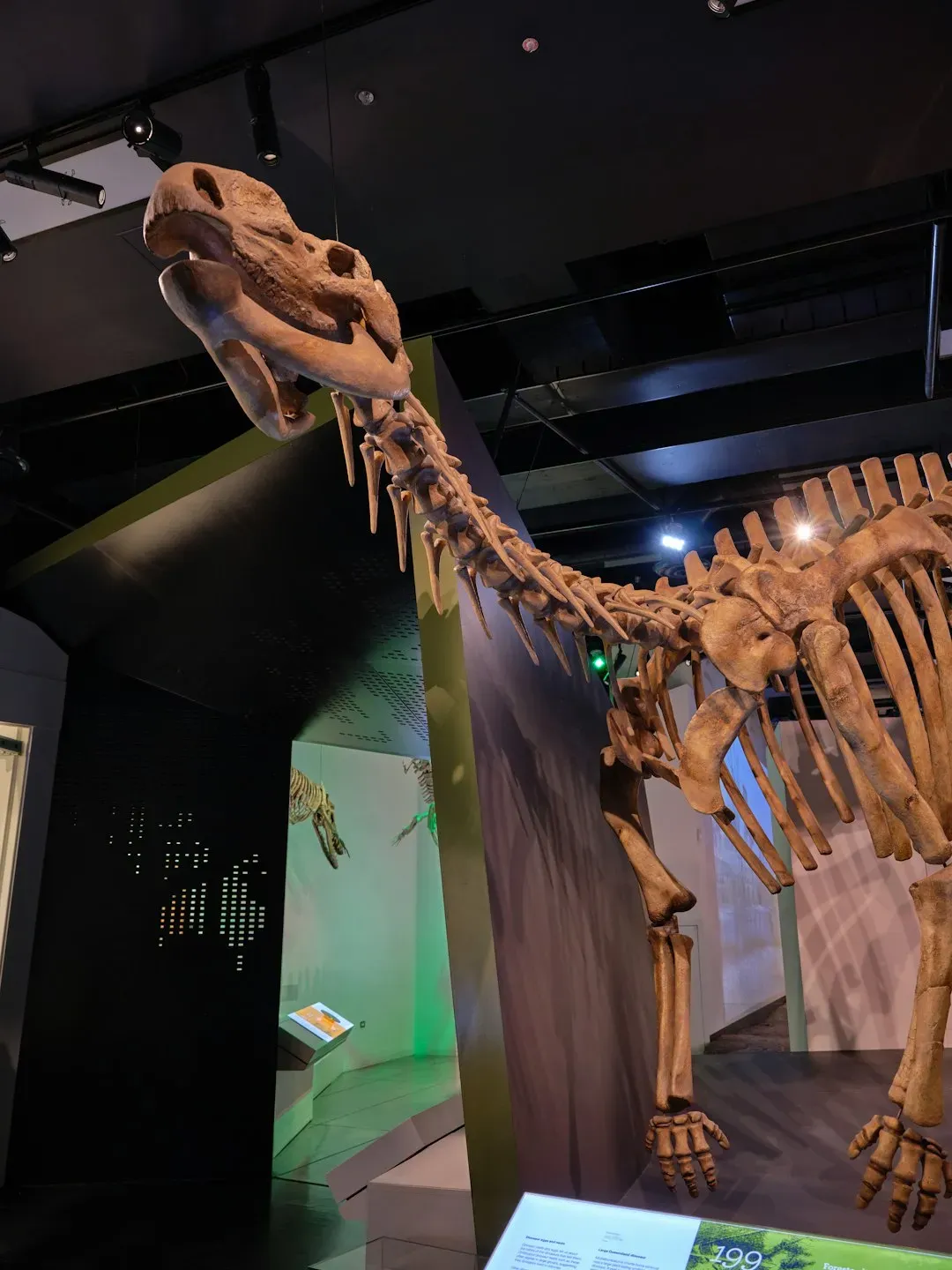
Connecting with the world of ancient giants does not require a degree or a field expedition; it often starts with simply standing under a towering skeleton and letting your perspective stretch. Museums and science centers are more than photo backdrops; they’re active research partners that fund digs, host labs, and provide access to specimens. Buying a ticket, becoming a member, or just taking the time to read the exhibits helps keep that ecosystem alive. Many institutions also run public lectures or behind-the-scenes events where researchers share fresh findings long before they appear in textbooks.
If you want to go a step further, a growing number of projects invite volunteers to help sift through sediment, label digital scans, or even flag fossil-like features in satellite images. Supporting conservation efforts for modern giants, from elephants to great whales, is another powerful way to act on the lessons of the fossil record. You can donate, advocate for habitat protection, or simply stay informed and push back against misinformation about wildlife and climate. The age of giants is not just a chapter in the past; it is a mirror held up to choices we are making now. The question lingering over all these bones is simple and unsettling: what kind of giants, if any, will the distant future inherit from us?
Suhail Ahmed is a passionate digital professional and nature enthusiast with over 8 years of experience in content strategy, SEO, web development, and digital operations. Alongside his freelance journey, Suhail actively contributes to nature and wildlife platforms like Discover Wildlife, where he channels his curiosity for the planet into engaging, educational storytelling.
With a strong background in managing digital ecosystems — from ecommerce stores and WordPress websites to social media and automation — Suhail merges technical precision with creative insight. His content reflects a rare balance: SEO-friendly yet deeply human, data-informed yet emotionally resonant.
Driven by a love for discovery and storytelling, Suhail believes in using digital platforms to amplify causes that matter — especially those protecting Earth’s biodiversity and inspiring sustainable living. Whether he’s managing online projects or crafting wildlife content, his goal remains the same: to inform, inspire, and leave a positive digital footprint.