
You are standing in a doorway mid-conversation when a chill of recognition runs through you: you know you have lived this moment before, down to the angle of the light and the half-finished sentence on your tongue. For a heartbeat, reality feels like a glitching film reel, flickering between now and something almost remembered. Then it’s gone, leaving only a stubborn sense of having brushed against a hidden pattern in your own mind. Deja vu, once dismissed as a curiosity or even a mystical omen, is now the subject of serious neuroscientific inquiry. As researchers trace its roots through memory systems, brain circuits, and tiny timing errors, this everyday strangeness starts to look less like a glitch in the Matrix and more like a revealing test of how our brains construct reality in the first place.
The Hidden Clues Inside a Brain Glitch
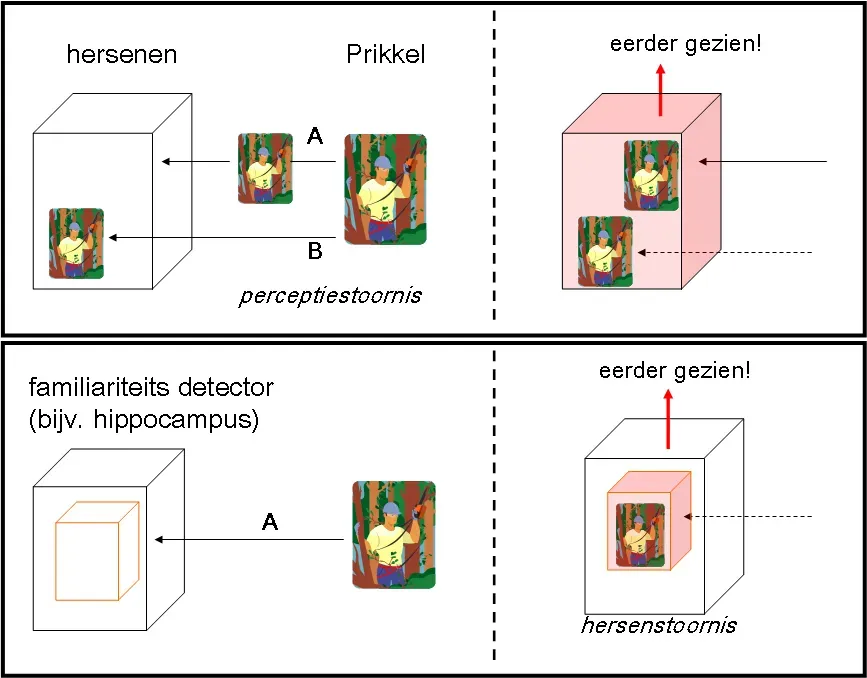
Deja vu often feels like a message from somewhere behind the curtain of consciousness, a sudden whisper that the present has already been filed away. What makes it so striking is that most people know, even in the moment, that the feeling of familiarity is wrong. They recognize the scene and yet also recognize that they have never truly been here before, creating an eerie clash between emotion and logic. Neuroscientists view that clash as a vital clue: it suggests that the brain’s familiarity signal has been triggered without the usual supporting details of an actual memory. In a sense, deja vu exposes the wiring of recognition laid bare, misfiring for just a second where we can see it.
That misfire seems to happen most often when we are tired, stressed, or bombarded with similar environments, like generic hotel lobbies and office corridors. In those moments, the brain’s shortcut systems for detecting patterns and predicting what comes next can become especially active. Researchers suspect that deja vu results when those predictive systems briefly get ahead of verified memory, ringing the alarm of “I know this” in the absence of a true remembered episode. The feeling is unsettling, but it also hints at a deeper truth: much of what we experience as the present is actually a fast, ongoing negotiation between prediction and confirmation inside our heads.
From Ancient Omens to MRI Machines
Long before brain scanners and lab experiments, people tried to explain deja vu with the tools they had: folklore, philosophy, and spiritual belief. In some traditions it was taken as evidence of reincarnation, a leftover fragment from a previous life resurfacing without context. Others saw it as a sign of prophecy or fate, a clue that the current moment was somehow meant to be repeated. Nineteenth-century psychologists brought the phenomenon into scientific language, coining the French term “deja vu,” meaning “already seen,” and cataloging case reports with almost clinical fascination. But for decades, they still had little more than descriptions and speculation.
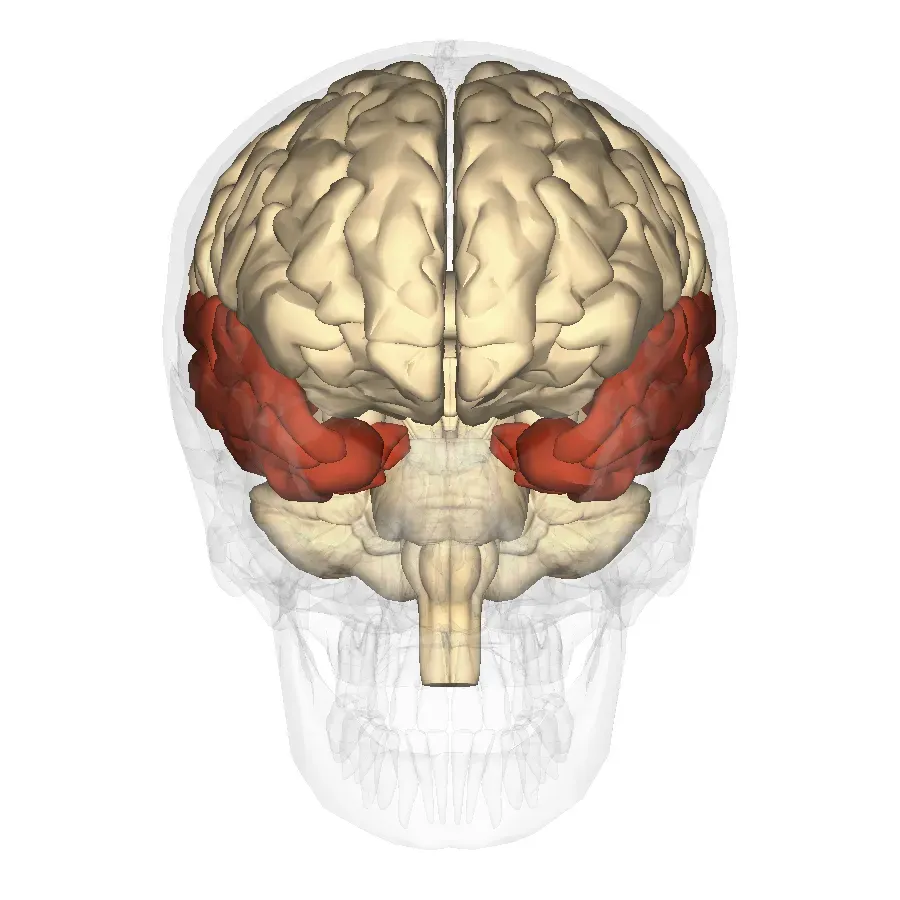
The real change came with advances in neuroscience and neuroimaging in the late twentieth and early twenty-first centuries. As MRI and EEG technologies became more precise, researchers began to link deja vu to activity in brain areas involved in memory, particularly the temporal lobes. Case studies of people with temporal lobe epilepsy proved especially revealing because many reported intense, recurring déjà vu episodes just before a seizure. When doctors mapped these events, they found that abnormal electrical activity in memory-related regions could trigger strong feelings of familiarity detached from real experiences. What had once sounded mystical now looked like an understandable, if strange, misfire in ordinary memory circuits.
How Memory Systems Set the Stage
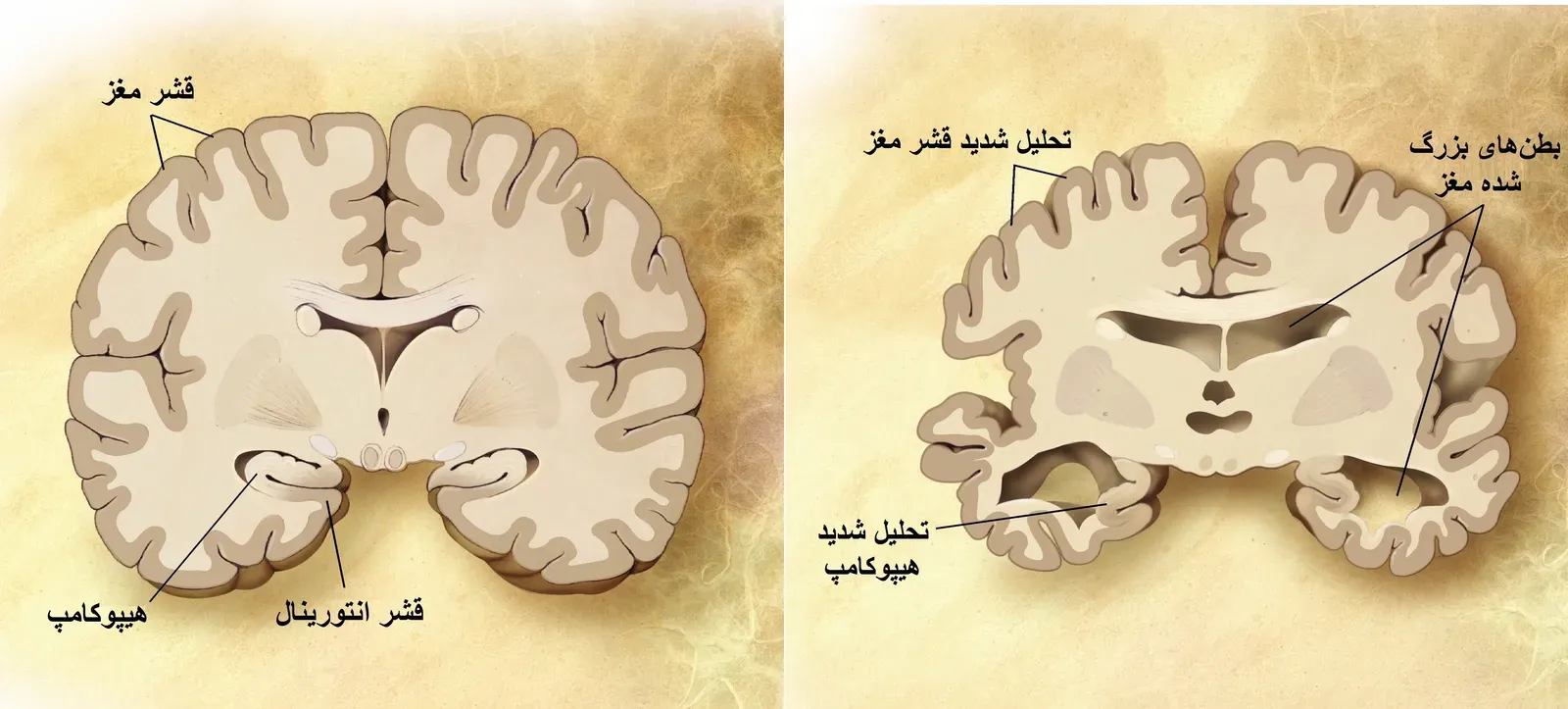
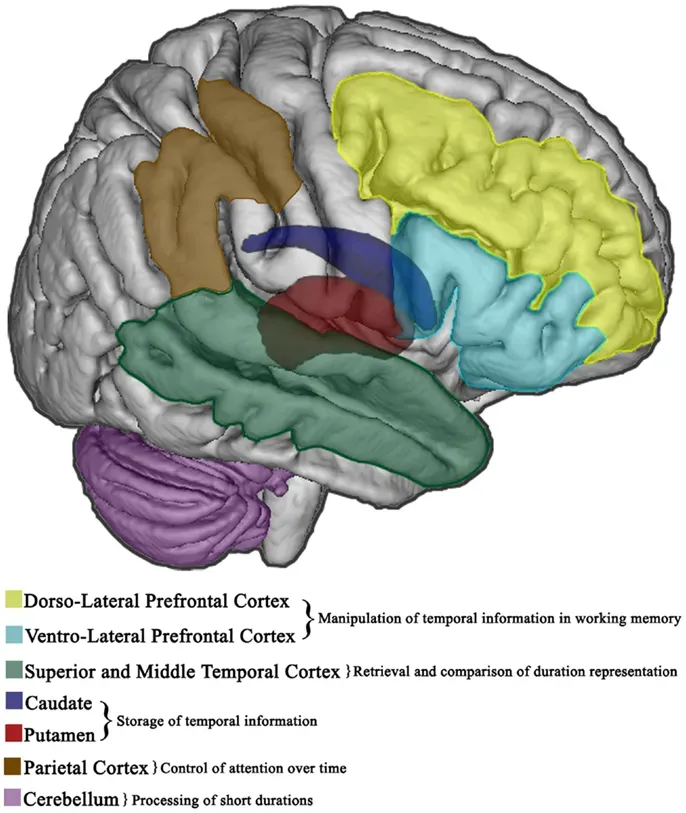
To understand deja vu, it helps to picture memory not as a single filing cabinet but as a network of specialized systems. One part of the brain is especially good at storing the “what, where, and when” of events, while another handles the raw gut-sense that something is familiar. The hippocampus and surrounding medial temporal lobe structures help encode detailed episodic memories, like a birthday party or a first day at work. Meanwhile, regions such as the parahippocampal cortex act more like a familiarity detector, sending a quick yes-or-no signal about whether something has been encountered before. Deja vu appears when this familiarity signal goes rogue.
Most of the time, those systems work together seamlessly, so that a feeling of recognition comes bundled with specific recollection. In a deja vu episode, however, brain imaging and theoretical models suggest that familiarity may flare up alone, without the hippocampus providing the missing details. The result is a strange hybrid state where the brain insists that the scene is known but cannot supply the supporting evidence. Some researchers compare it to an internal quality-control flag, where awareness notices the mismatch and briefly audits its own processes. That internal audit, uncomfortable as it feels, may be one reason why healthy people with intact reality testing experience deja vu as fleeting rather than delusional.
Timing Errors, Neural Echoes, and Pattern Tricks
One of the most compelling ideas about deja vu is that it can stem from tiny timing errors in how the brain processes incoming information. Picture two data streams arriving at a processor a fraction of a second apart; the second can seem like a repeat of the first, even though they are almost simultaneous. Some neurologists propose that similar desynchronization can occur between parallel pathways carrying perceptual input into memory systems. If one pathway delivers its signal slightly earlier, the later one may be tagged as “seen before,” even though both are part of the same continuous moment. In this view, deja vu is not a deep metaphysical message but an artifact of the brain’s split-second logistics.
- Laboratory experiments using virtual reality and similar scene layouts have shown that people can experience deja vu when current environments resemble past ones in structure but not in obvious details.
- Studies of temporal lobe stimulation during brain surgery have occasionally evoked intense feelings of familiarity, underscoring the role of specific neural networks.
- Population surveys suggest that most people experience deja vu at least occasionally, with younger adults reporting it more often than older adults.
Another line of research focuses less on timing and more on pattern recognition. The brain is constantly scanning the environment for familiar configurations, like the arrangement of a room or the rhythm of a conversation. When a new situation matches the underlying structure of a past one, even if the surface details are different, a surge of familiarity can arise without conscious access to the original context. That structural overlap can be enough to trigger the emotional tag of “already seen,” while leaving us scrambling to explain why. Deja vu, in that sense, is the subjective experience of the brain’s powerful but sometimes overenthusiastic pattern-matching systems.
The Emotional Jolt and Why It Matters
It is tempting to treat deja vu as a harmless curiosity, something you mention to a friend and then shrug off. But the phenomenon matters because it pulls back the curtain on how fragile our sense of reality really is. If a simple timing glitch or structural similarity can make the present feel like a repeat, what does that say about how much we rely on intuitive feelings of certainty? Psychologists point out that deja vu is a rare chance to watch your brain make a confident error and then immediately correct it. You feel the firm insistence of familiarity and, almost in the same breath, the rational realization that this cannot be true.
That internal conflict is scientifically valuable, because it shows that the mind has built-in checks and balances between gut feelings and evidence. In conditions like certain psychoses, that safety net can fray, and mistaken feelings of familiarity or meaning might be accepted as literal truth rather than questioned. Studying deja vu in healthy brains can therefore illuminate what goes wrong when reality-testing fails. It also connects to broader questions about false memories, illusions, and the reliability of eyewitness testimony, all of which hinge on the same memory machinery. In a world that increasingly depends on accurate recollection – from courtrooms to digital records – even a strange, fleeting sensation like deja vu turns out to have serious implications.
Deja Vu Across Cultures and Lifetimes

Although the term is French, the experience of deja vu is global. Surveys from different countries have shown that people from a wide range of cultures, religions, and ages report similar episodes of sudden, inexplicable familiarity. Interpretation, however, varies widely. In some cultural contexts, deja vu may be framed as a spiritual sign, a warning, or a moment of alignment with destiny. In more secular or scientifically oriented communities, it is often discussed as a brain quirk, something to joke about while knowing that researchers are still puzzling out the details. Either way, the raw sensation – the quick, uncanny lurch of “I have lived this before” – seems to transcend borders.
Age also plays a quiet but important role. Studies have consistently found that adolescents and young adults tend to report deja vu more frequently than older adults. This may reflect changes in brain plasticity, lifestyle, or even reporting habits, as younger people encounter many new environments and experiences. Over time, as novelty decreases and memory systems shift, the conditions for that sharp clash between new and familiar may arise less often. Yet even in later life, a powerful deja vu episode can still feel like the mind bumping into its own archive, a brief handshake between decades of lived experience and the present moment.
What Deja Vu Reveals About Consciousness
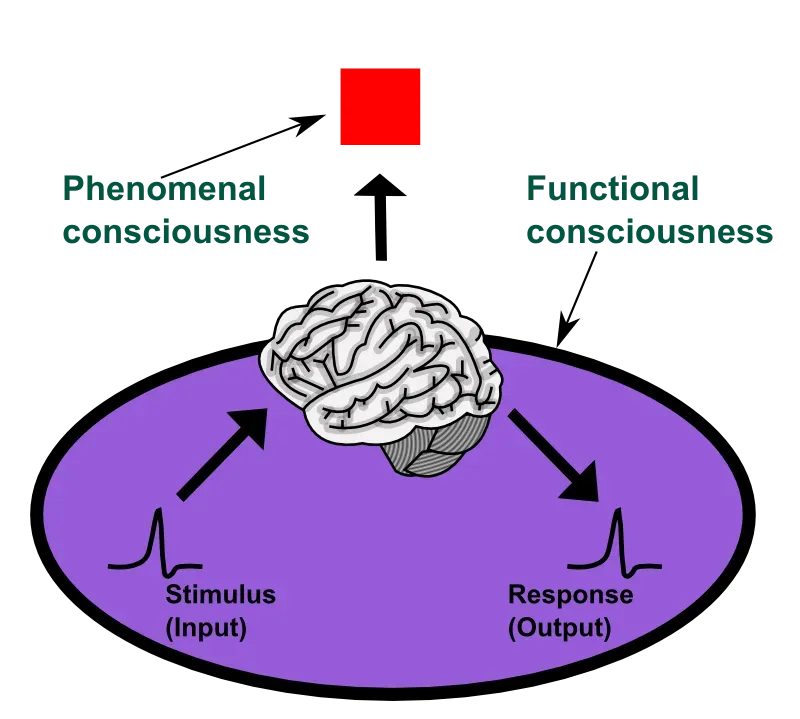
Beyond memory, deja vu nudges at some of the deepest questions in neuroscience: how does the brain construct the feeling of now, and how do we know what we know? Consciousness is not a single spotlight but a composite of many processes that usually agree with one another. When deja vu strikes, that agreement briefly cracks. The familiarity system loudly announces that we have been here before, while the episodic memory system stays silent. Conscious awareness, caught in the middle, experiences that disagreement as a surreal, destabilizing moment. The fact that we can observe this internal argument at all is part of what makes déjà vu scientifically important.
Some researchers see deja vu as a natural side effect of a predictive brain that constantly models the future and compares it with incoming reality. Most of the time, those predictions are so fast and accurate that we simply experience a smooth flow of time. When the system misfires, though, and a prediction is mistaken for a memory, we get an odd sense that the present is echoing itself. That echo may tell us that consciousness is less like a camera recording events and more like a narrator stitching together overlapping drafts. Deja vu inserts a visible seam in that narration, a reminder that our sense of continuity is constructed from fallible parts rather than handed down as a simple, unbroken truth.
The Future Landscape of Deja Vu Research
As brain technologies grow more sophisticated, deja vu is moving from anecdote to measurable data. Researchers are designing virtual reality environments that can be subtly manipulated to evoke structured familiarity without participants realizing it. By tracking brain activity during these engineered episodes, scientists hope to isolate the precise circuits and timing patterns that give rise to the sensation. Advances in high-resolution imaging, machine learning, and noninvasive brain stimulation may soon allow more direct tests of competing theories. Instead of merely asking people if they felt deja vu, future studies could trace the phenomenon frame by frame in neural activity.
This work could have ripple effects far beyond explaining an odd feeling. Understanding how the brain distinguishes genuine memories from mere familiarity could inform therapies for conditions involving memory distortion or intrusive recollections. It might influence how we design learning environments, so that helpful familiarity is reinforced while confusion is minimized. At the same time, there are ethical questions about deliberately inducing powerful feelings of recognition or unreality in research or even entertainment settings. As with many areas of cognitive science, the challenge will be to use these insights to support mental health and understanding, rather than to manipulate or exploit our sense of what is real.
How You Can Engage With Your Own Deja Vu
Most of us experience deja vu alone and move on quickly, but there are simple ways to turn it into a moment of curiosity instead of discomfort. The next time it happens, you might pause – if only for a second – to silently note what you are doing, where you are, and what emotion you are feeling. Treat it like a field observation in an everyday science experiment, a tiny data point in the vast study of how minds work. You could jot down the experience later, building a personal log that might reveal patterns in when and where it occurs. Sharing the story with a trusted friend or family member can also normalize the feeling and spark interesting conversations about memory and perception.
If the topic fascinates you, there are accessible books, lectures, and open-access research summaries on memory, prediction, and consciousness that dive into the science without requiring a neuroscience degree. Supporting public science initiatives, from brain research charities to science communication outlets, helps ensure that these strange, human experiences stay on the research agenda. And if your deja vu experiences ever become extremely frequent, distressing, or accompanied by other unusual symptoms, speaking with a healthcare professional is an important step toward ruling out underlying neurological issues. Engaging with deja vu, rather than fearing it, turns an eerie mental hiccup into a doorway for learning more about the most complex object we know: the human brain.
Suhail Ahmed is a passionate digital professional and nature enthusiast with over 8 years of experience in content strategy, SEO, web development, and digital operations. Alongside his freelance journey, Suhail actively contributes to nature and wildlife platforms like Discover Wildlife, where he channels his curiosity for the planet into engaging, educational storytelling.
With a strong background in managing digital ecosystems — from ecommerce stores and WordPress websites to social media and automation — Suhail merges technical precision with creative insight. His content reflects a rare balance: SEO-friendly yet deeply human, data-informed yet emotionally resonant.
Driven by a love for discovery and storytelling, Suhail believes in using digital platforms to amplify causes that matter — especially those protecting Earth’s biodiversity and inspiring sustainable living. Whether he’s managing online projects or crafting wildlife content, his goal remains the same: to inform, inspire, and leave a positive digital footprint.