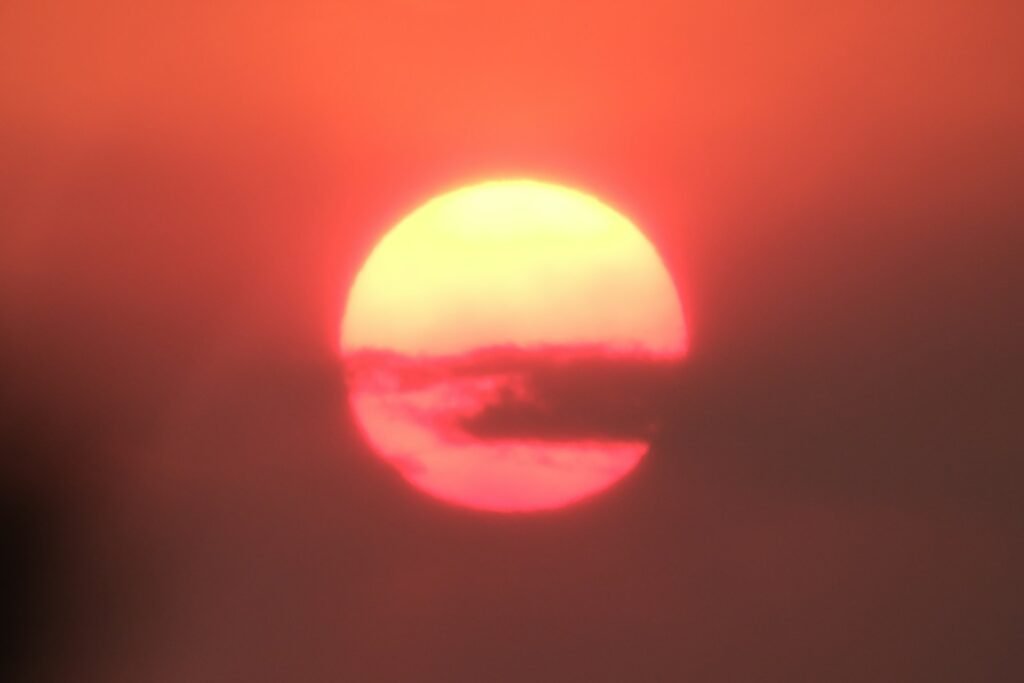

We like to think we know the Sun. It rises, it sets, it burns steadily in our skies, a comforting backdrop to everything else that changes. But in observatories from Hawaii to space-based platforms trailing Earth’s orbit, scientists are discovering that our star is far stranger, more dynamic, and more finely tuned than our everyday experience suggests. Hidden currents, sudden magnetic contortions, and subtle shifts in brightness are rewriting what we thought we knew even a decade ago. As new instruments peel back the Sun’s layers, a surprising picture is emerging: our familiar star is living a secret life, and the stakes for understanding it reach from satellite safety to long-term climate forecasts.
The Hidden Clues Beneath a “Calm” Surface
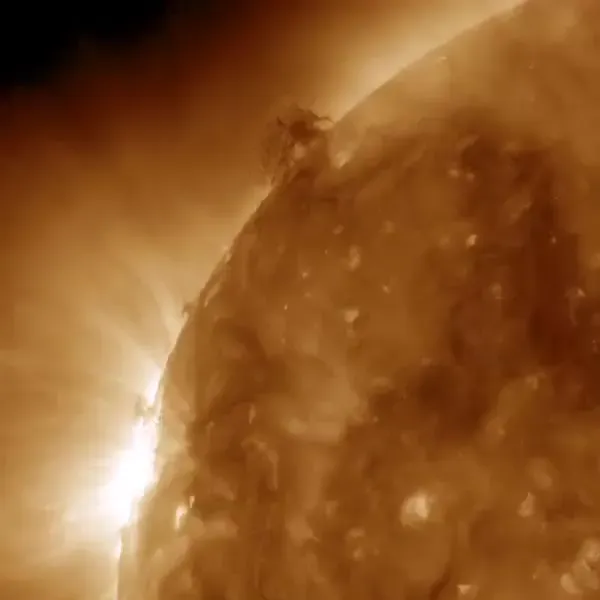
Stand outside on a clear afternoon and the Sun looks almost boring: a smooth, blinding disk with no hint of chaos. Yet high-resolution images from modern solar telescopes reveal a surface that seethes like boiling metal, with cells of hot plasma the size of countries rising and sinking in minutes. Within this churning pattern, scientists have recently cataloged tiny, fleeting magnetic features nicknamed “campfires” and “nanojets,” miniature bursts of energy that flicker in the Sun’s outer atmosphere. These structures are so small and fast that until the past few years, they slipped entirely under the radar of our instruments. Now, they are prime suspects in one of solar physics’ biggest mysteries: why the Sun’s outer atmosphere is hundreds of times hotter than its visible surface.
What looks to us like a static spotlight in the sky is, on close inspection, a violent battlefield of magnetic fields constantly snapping, reconnecting, and hurling particles outward. Some of these microscopic fireworks release energy equivalent to millions of nuclear bombs, but spread over huge areas and short times so they go unnoticed from Earth. In the last few years, spacecraft have begun finding that this “background” crackling might not be background at all, but a major engine for heating and accelerating solar material. The more we zoom in, the more the Sun behaves less like a peaceful light bulb and more like a cosmic storm wrapped in its own invisible wires.
From Ancient Sun-Watchers to Spacecraft That Touch the Star
Humans have been watching the Sun obsessively for thousands of years, carving eclipse records into bones and stones long before telescopes existed. Early astronomers could track sunspots, those dark blemishes that slip across the solar face, and from them they inferred that the Sun waxes and wanes in an eleven-year rhythm of activity. For centuries, though, we were stuck with a view filtered through Earth’s turbulent atmosphere and daylight itself, with just a few safe minutes during rare eclipses to glimpse the Sun’s ghostly outer halo. Even the invention of the telescope only nudged the door open; the heart of the Sun remained impenetrable theory.
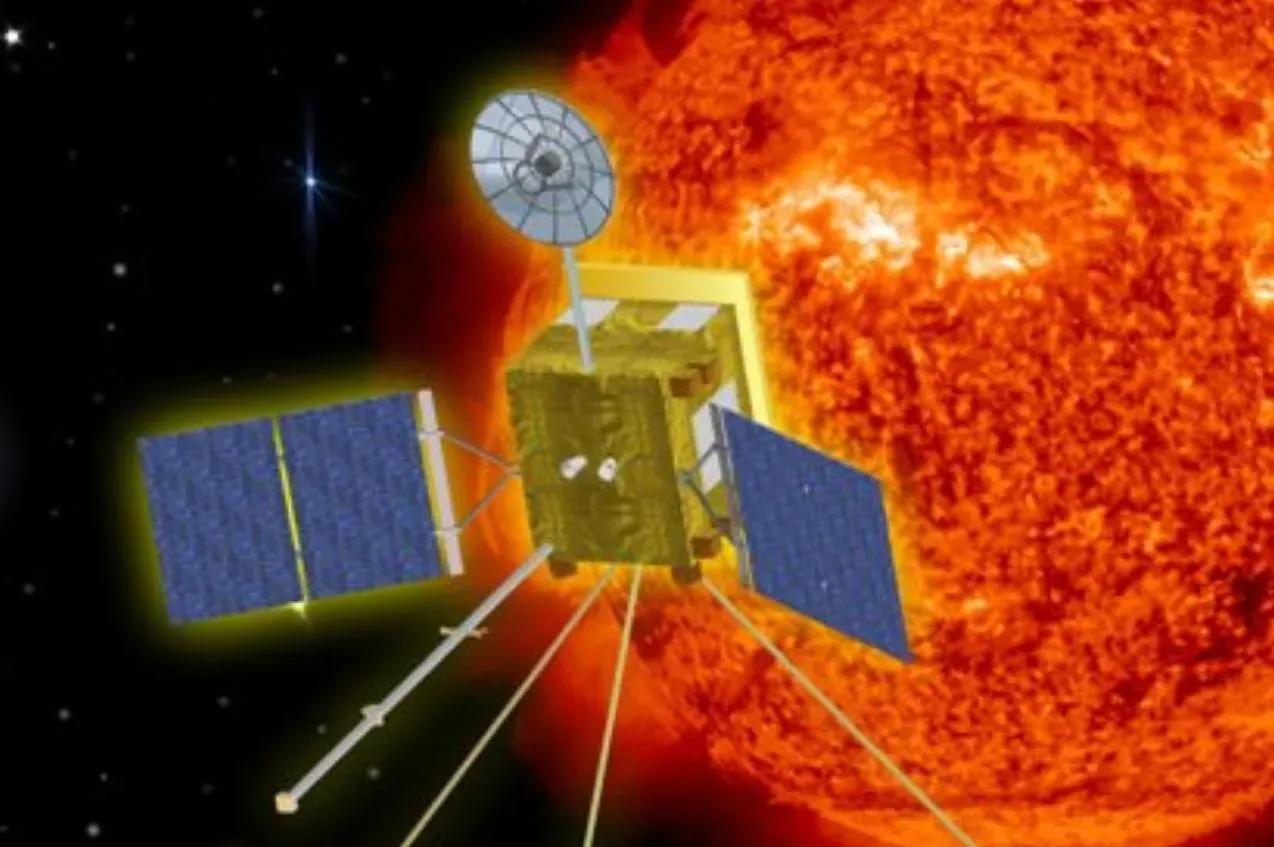
That changed dramatically with devoted solar satellites and, in the last decade, missions designed to practically skim the Sun’s skin. A probe launched in the late 2010s has been looping ever closer, diving into the Sun’s extended atmosphere where the solar wind is still being accelerated. Another mission, a collaboration between space agencies, orbits the Sun off the usual Earth-Sun line, giving us angled views of polar regions we could never see before. These spacecraft have done something that would have sounded like fantasy to ancient sky-watchers: they have begun to “touch” the Sun, sampling its charged particles and magnetic fields from within the storm itself instead of from a safe distance.
Magnetic Knots, Solar Storms, and the Space Weather Forecast
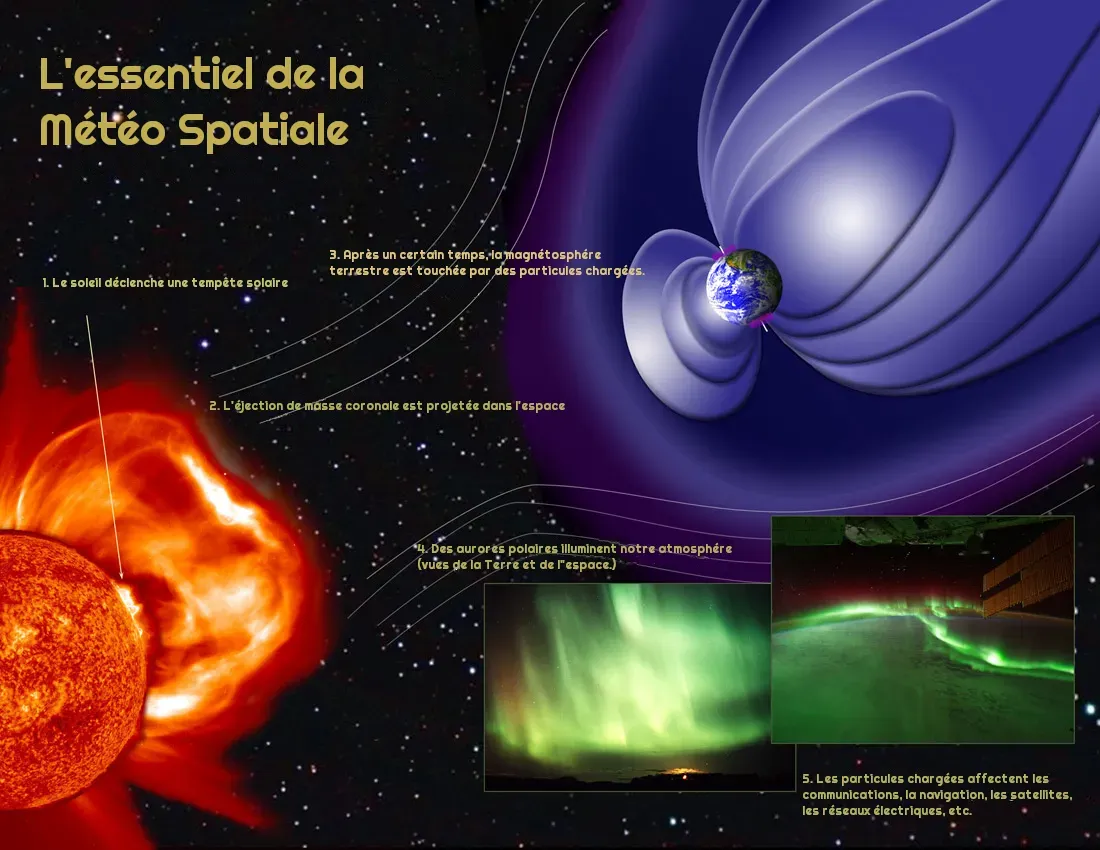
One of the biggest revelations of modern solar science is just how much of the Sun’s personality is driven by magnetism. Imagine an enormous, invisible spiderweb of magnetic loops and whorls threading through a ball of plasma, twisting tighter as the Sun rotates and convects. When these strands of magnetism get too tangled, they snap and reconnect, releasing bursts of energy that we see as flares and often hurling great clouds of plasma into space. Recently, detailed observations have shown that even moderate-looking regions on the solar surface can hide complex magnetic knots that suddenly rearrange and launch powerful eruptions.
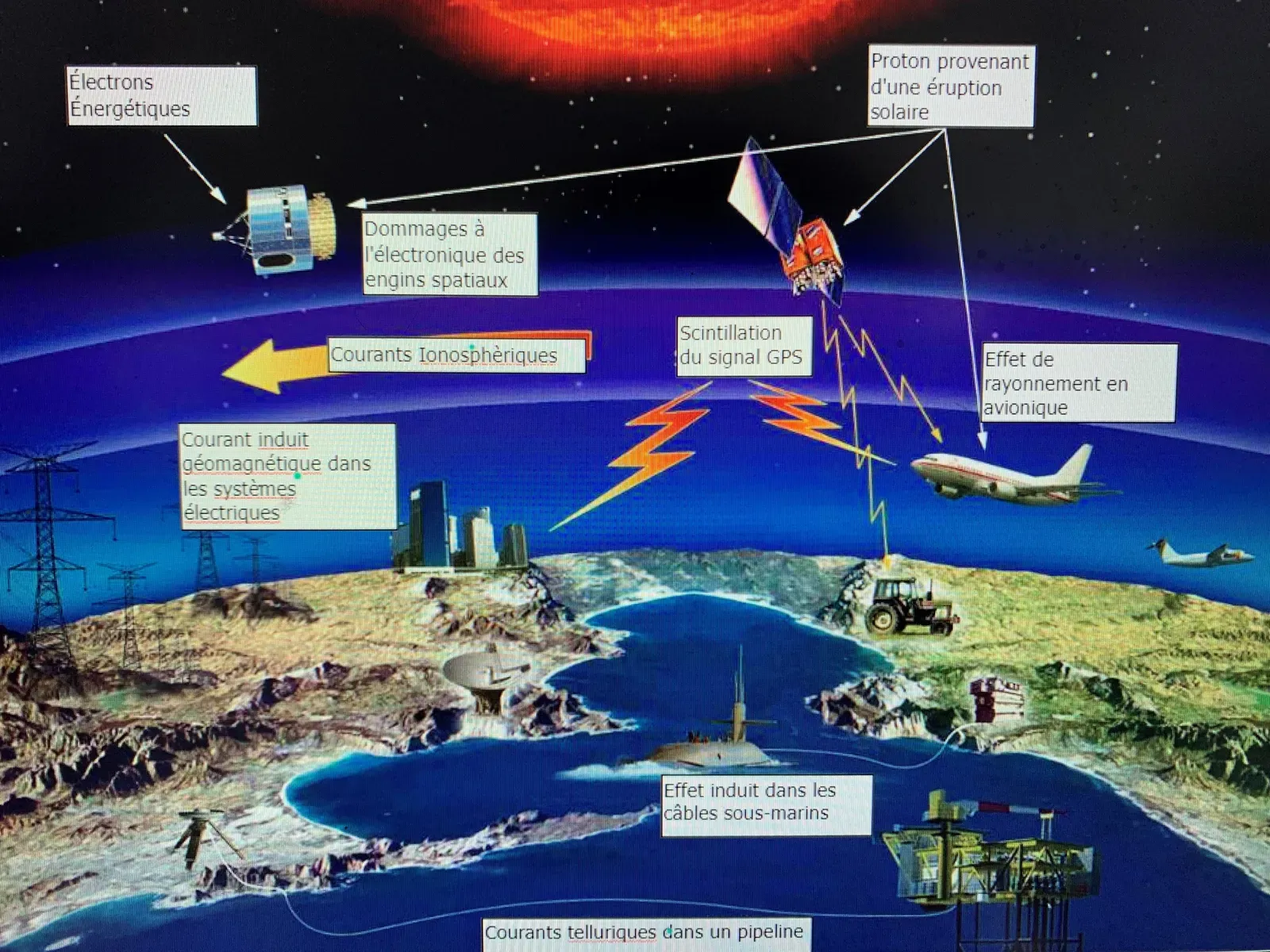
Those eruptions are not just distant fireworks; they are the drivers of what scientists call “space weather,” storms in the stream of charged particles that constantly flows from the Sun. When a massive cloud of solar material slams into Earth’s magnetic field, it can trigger spectacular auroras but also induce currents in power grids and disrupt satellites and radio communications. New data from solar missions are helping researchers map how a disturbance on the Sun propagates all the way to our technological infrastructure. That means we are moving, slowly but steadily, toward better forecasts of solar storms – warnings measured in hours or days instead of learning about an event only after it knocks something offline.
Inside the Sun: A Star That Rings Like a Bell
We will never send a probe into the Sun’s core; it would vaporize long before getting close. Instead, scientists have developed a clever workaround: they “listen” to the Sun’s vibrations. The Sun continuously ripples with sound waves, some lasting minutes, others hours, all racing through its hot interior and slightly shifting the surface up and down. By tracking these tiny oscillations – many far too subtle for the human eye – researchers use a technique called helioseismology to reconstruct what is happening beneath the visible surface. It is a bit like doctors using ultrasound to peer inside the human body without making an incision.
Over the last decade or so, this solar ultrasound has revealed surprises. Measurements suggest complex flows of plasma in the deep interior that differ from earlier models, including jet-like streams that speed up and slow down with the solar cycle. There are hints that the Sun’s magnetic field, which drives so much of its activity, is generated in more than one layer, not just a single dynamo region as textbooks once portrayed. These findings are forcing theorists to revisit long-standing assumptions about how stars like ours spin down, age, and eventually change their behavior. In a sense, we are finally starting to move from a rough sketch of the Sun’s innards to a more detailed, if still evolving, anatomical chart.
Why It Matters: The Sun as Both Lifeline and Threat
It can feel abstract to talk about magnetic reconnection or plasma waves until you realize just how entangled your daily life is with the Sun’s moods. Every time you check your phone, rely on GPS navigation, or board a flight that arcs toward the poles, you are depending on a web of technology that sits beneath the Sun’s particle hailstorm. Strong solar storms have, in the past, knocked out power grids over large regions and forced airlines to reroute flights to avoid communication blackouts and radiation exposure at high altitude. As more of what we do moves into space – from internet satellites to crewed missions – that vulnerability only grows.
On a longer timescale, the Sun anchors Earth’s climate, but not in as simple a way as a dimmer switch being turned up or down. While human-caused greenhouse gases are the dominant factor in current global warming, subtle variations in solar output still weave into the broader pattern, especially over decades and centuries. Improved measurements from space have refined how much the Sun’s brightness actually fluctuates across its activity cycle, helping climate scientists disentangle solar influences from those caused by our own emissions. In that sense, getting the Sun right is a crucial part of getting Earth right. Understanding our star is not a luxury curiosity; it is a necessary foundation for protecting both our technology and our long-term habitability.
The Future Landscape: New Telescopes, Closer Orbits, Deeper Questions
For all the progress of the past few years, solar physicists will be the first to say they are just getting started. A new generation of ground-based telescopes, with mirrors spanning several meters and adaptive optics that tame atmospheric blur, are now resolving the solar surface in unprecedented detail. These instruments show fine-scale magnetic structures that look almost like tangled hair, shedding light on how small features combine to shape giant eruptions. At the same time, ongoing spacecraft missions are tightening their orbits, flying closer to the Sun and venturing out of the Earth-Sun plane to get panoramic views of the polar regions.
Looking ahead, researchers are dreaming up missions that could station observatories in stable positions around the Sun, giving continuous, multi-angle coverage of active regions before they face Earth. There is also growing interest in pairing solar data with sophisticated computer simulations that run on some of the world’s fastest supercomputers. These digital suns can be prodded, spun faster, or given different chemical compositions to see how they behave, helping us understand not only our own star but also the thousands of sunlike stars now being studied around other planets. Each new piece of hardware and software brings fresh questions: How stable is our star compared with others? Could subtle long-term trends in its activity alter the course of life on Earth over millennia?
The Sun Beyond Our Backyard: Lessons for Other Worlds
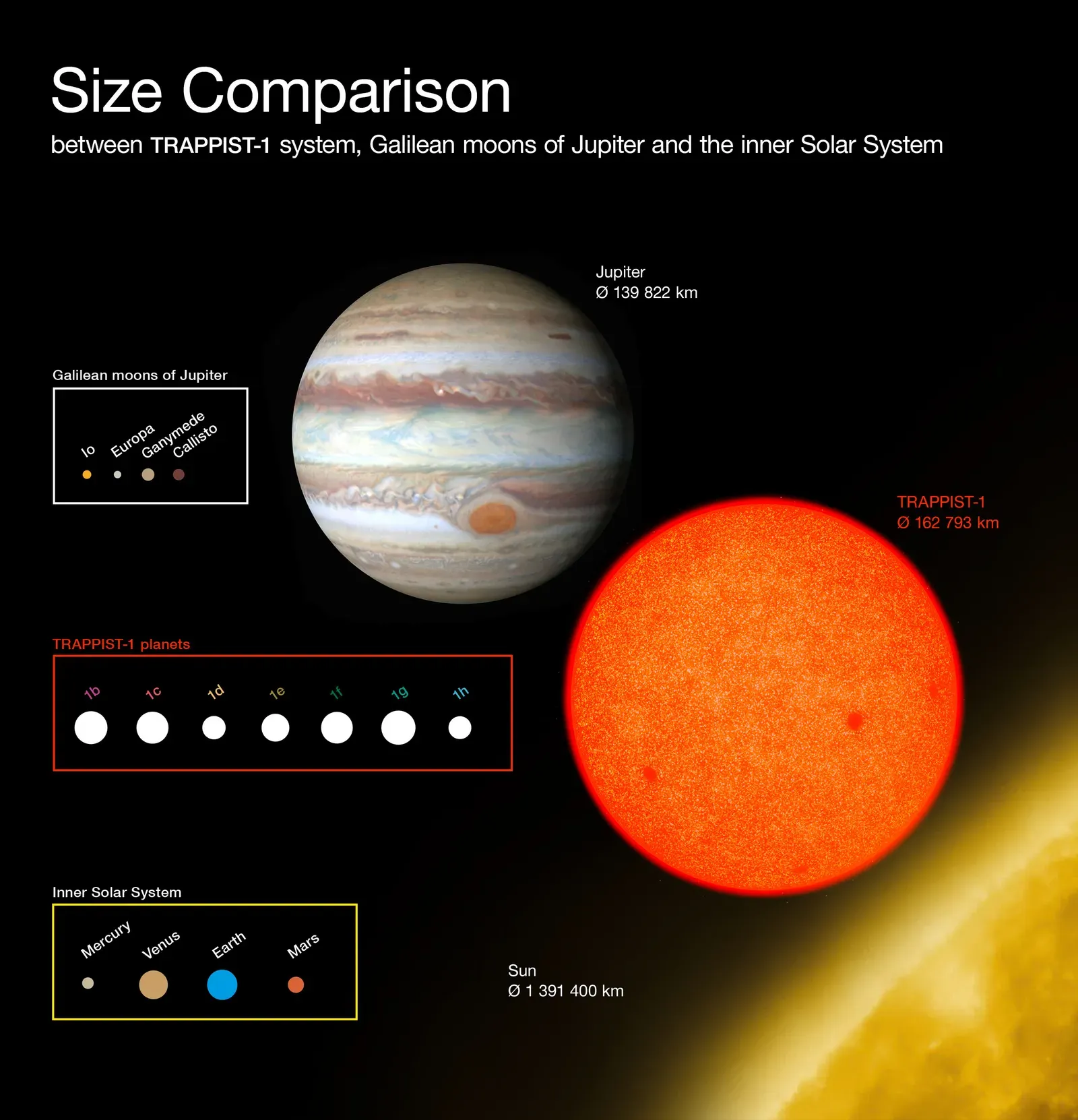
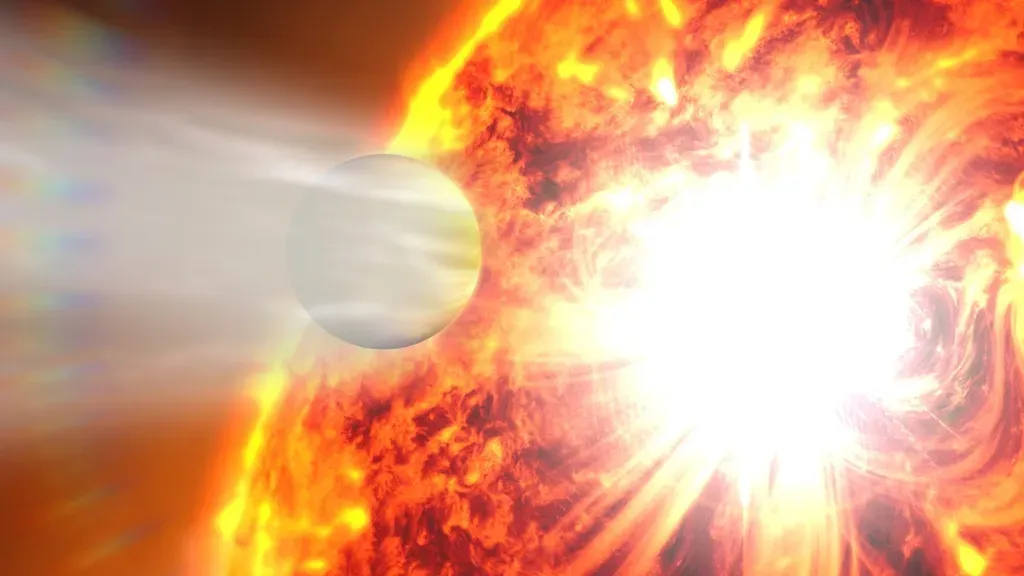
One of the most exciting shifts in solar research is how it connects to the booming study of exoplanets, worlds orbiting distant stars. As astronomers discover planets around stars that flare violently or pulse with intense magnetic activity, they look back to our Sun as a reference case. By understanding how solar storms strip away atmospheres or bathe planets in radiation, we gain insight into which distant worlds might be hospitable and which are likely sterilized. Recent work suggests that even moderate increases in a star’s activity could profoundly reshape a nearby planet’s climate and chemistry over time.
That perspective flips our sense of normal. What we experience from the Sun – a relatively stable output with cycles of activity but few truly catastrophic outbursts – may be more special than we assumed. Some stars of similar size and age appear considerably more volatile, unleashing flares hundreds of times more energetic than anything recorded on the Sun in human history. If our star had behaved that way, early life on Earth might have faced a much harsher gauntlet. In studying the Sun’s secret life, we are not just satisfying local curiosity; we are placing our entire planetary story against a much broader cosmic backdrop.
How You Can Stay Connected to Our Living Star
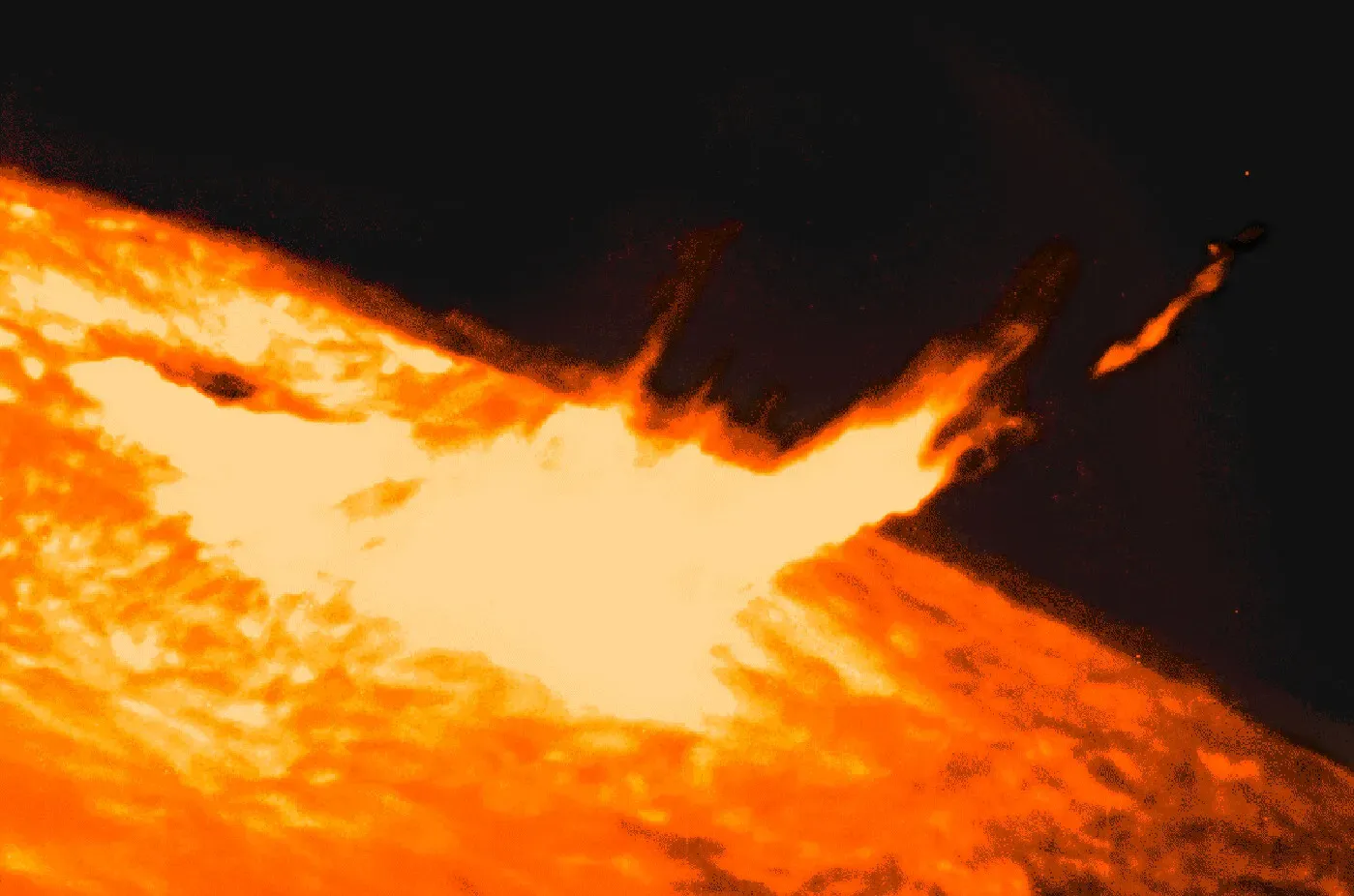
You do not need a telescope in your backyard to be part of this unfolding solar story. Many observatories and space agencies share daily images and movies of the Sun online, letting anyone watch sunspots grow, flares erupt, and the solar disk slowly evolve over hours and days. Space weather centers also publish alerts and forecasts that explain when auroras might be visible farther from the poles or when a strong storm could nudge communication systems. Following these updates turns the Sun from a taken-for-granted backdrop into an active character in your day, a kind of cosmic neighbor whose moods you can track.
If you want to go a step further, there are citizen science projects that invite people to help classify solar features or report auroral sightings, contributing directly to research. Supporting science journalism, museums, and public observatories helps ensure that new discoveries about our star are widely shared and understood, not just locked away in specialist journals. And when big solar events make the news – an unusually large flare, a glowing ribbon of aurora stretching over unfamiliar cities – taking a moment to look up and really notice can reshape your relationship with daylight itself. The Sun is not just a distant furnace; it is a living system we are only just beginning to know. How differently might we see our own world once we fully grasp the restless heart that keeps it lit?
Suhail Ahmed is a passionate digital professional and nature enthusiast with over 8 years of experience in content strategy, SEO, web development, and digital operations. Alongside his freelance journey, Suhail actively contributes to nature and wildlife platforms like Discover Wildlife, where he channels his curiosity for the planet into engaging, educational storytelling.
With a strong background in managing digital ecosystems — from ecommerce stores and WordPress websites to social media and automation — Suhail merges technical precision with creative insight. His content reflects a rare balance: SEO-friendly yet deeply human, data-informed yet emotionally resonant.
Driven by a love for discovery and storytelling, Suhail believes in using digital platforms to amplify causes that matter — especially those protecting Earth’s biodiversity and inspiring sustainable living. Whether he’s managing online projects or crafting wildlife content, his goal remains the same: to inform, inspire, and leave a positive digital footprint.