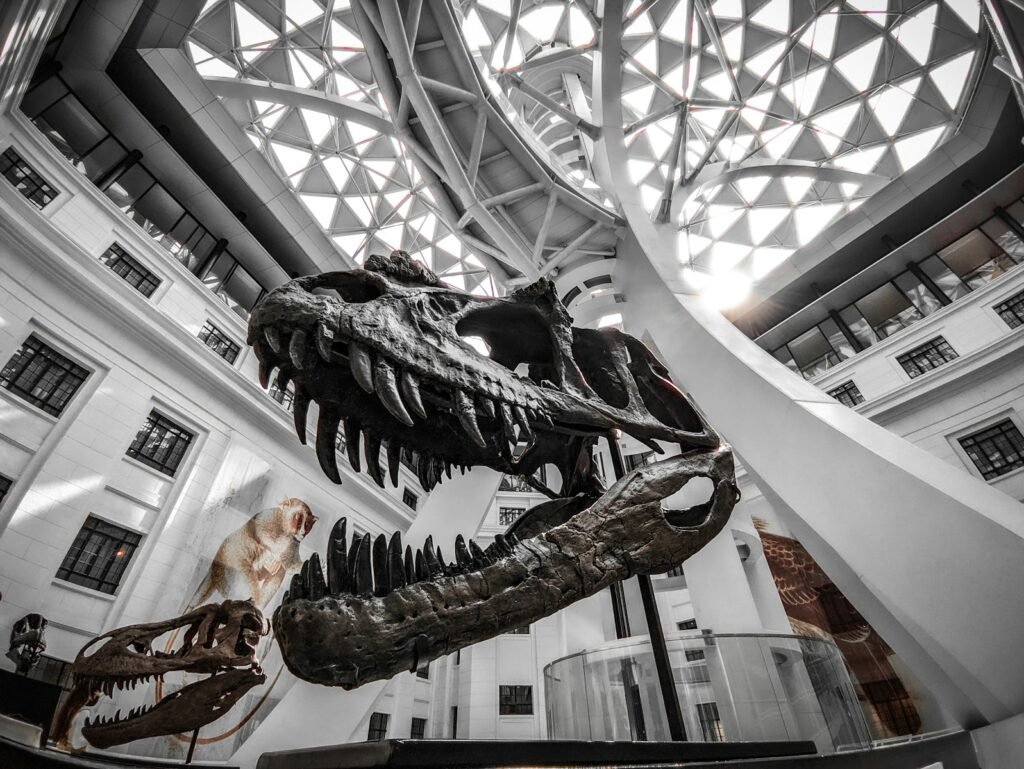

For more than a century, dinosaurs have lived a double life: Hollywood monsters on screen, carefully reconstructed animals in museum halls. Yet a wave of new discoveries is quietly ripping up even those careful reconstructions, revealing creatures that look less like the lizard titans we grew up with and more like surreal mashups from an alien ecosystem. Fossils once dismissed as “too weird” or “poorly preserved” are being reinterpreted with new tools, and they point to dinosaurs with elaborate feathers, inflatable crests, bizarre armor, and color patterns straight out of a tropical bird guide. What we thought we knew – about how they moved, hunted, displayed, and even how they raised their young – is being challenged fossil by fossil. The picture that’s emerging is not just cooler; it is forcing scientists to rethink how evolution itself experiments with extreme body plans over deep time.
The Hidden Clues Locked in Old Bones
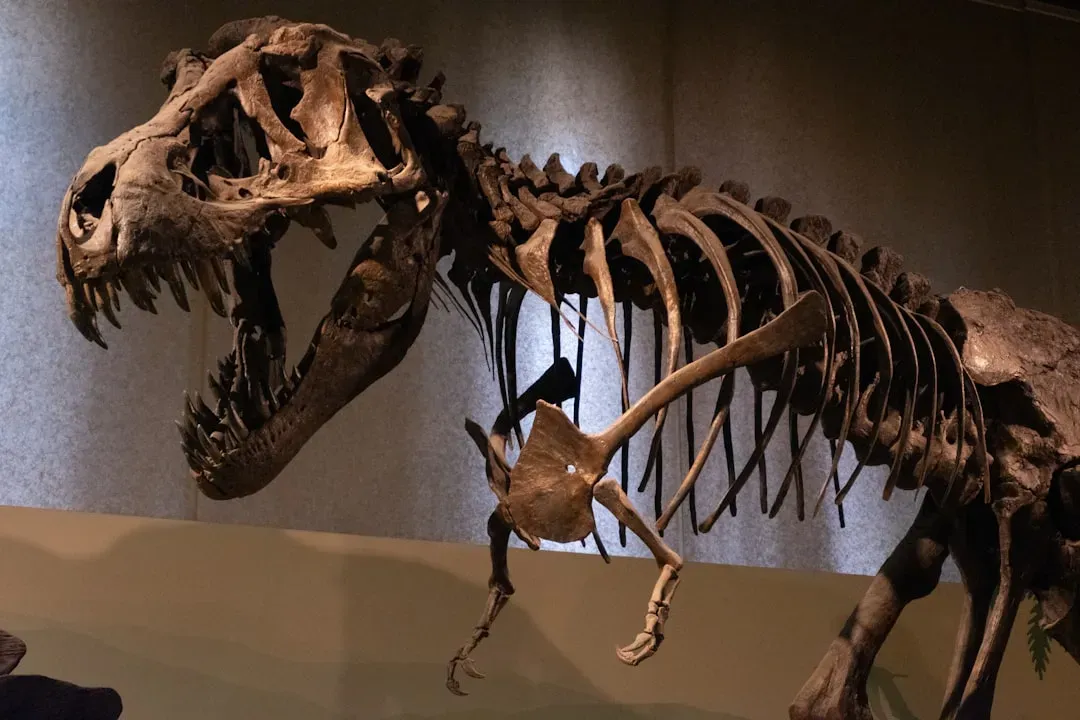
The strangest thing about our new, weirder dinosaurs is that the clues were literally under our noses for decades. Many of the most important fossils sat in museum drawers or poorly lit storage rooms, cataloged but not truly understood, because the tools to study them simply did not exist. When paleontologists began re-examining these specimens with high-resolution CT scanners and powerful microscopes, subtle details leapt into view: tiny feather attachments on bone surfaces, hollow chambers inside crests, or microscopic structures in fossilized skin. What once looked like random bumps or broken edges can now be recognized as anchors for flamboyant display structures or complex soft tissues.
I remember standing behind the scenes at a natural history museum while a researcher showed me CT slices of a duck-billed dinosaur skull; inside what had seemed like a solid crest was a labyrinth of air passages suggesting eerie, low-frequency calls. Similar re-analyses have revealed unexpected quirks in familiar giants: evidence that Tyrannosaurus may have had thick, scaly lips instead of exposed crocodile-style teeth, or that some sauropods carried intricate patterns of keratin and skin ornaments along their necks and backs. These reinterpretations do not come from wild imagination but from small, repeatable anatomical clues that only become obvious when you can digitally peel back layers of rock, bone, and mineralized tissue. It is a bit like cleaning an old painting and discovering the artist hid an entirely different scene beneath the surface.
Feathers, Filaments, and Dinosaur Fashion Experiments
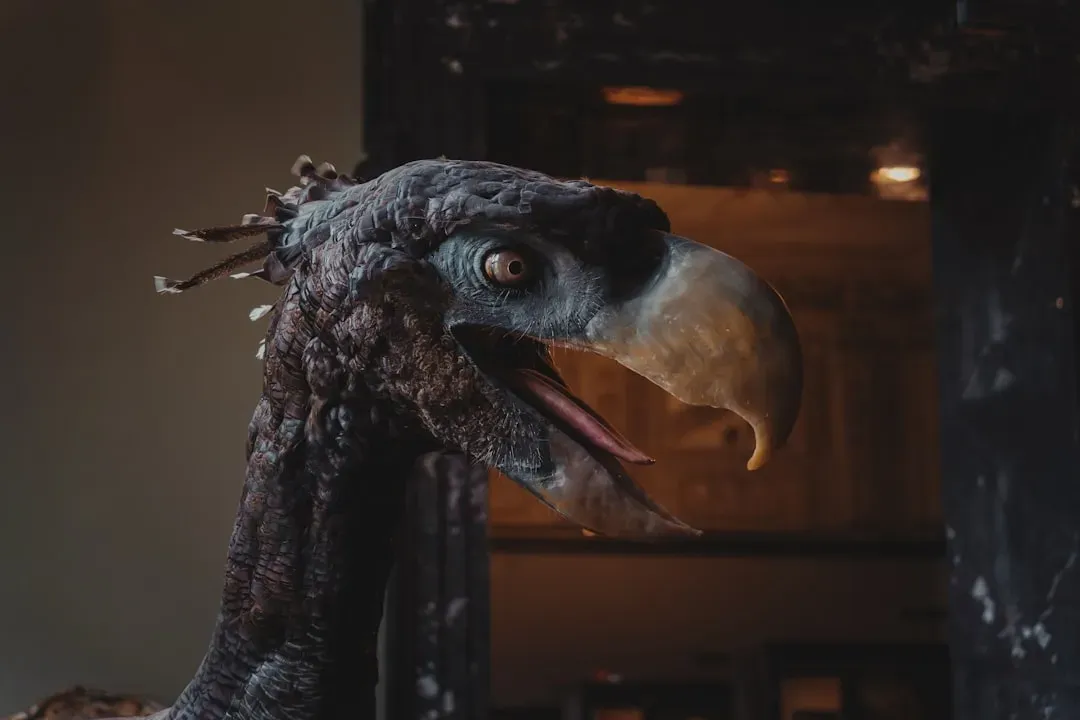
If there is one discovery that has truly warped our sense of what dinosaurs looked like, it is the explosion of feathered fossils. Early finds from China in the 1990s already suggested some predatory dinosaurs wore downy coats, but the last decade has filled out an entire evolutionary fashion catalog. Researchers have now documented everything from simple hair-like filaments on small plant-eaters to complex, branching feathers on creatures closely related to Velociraptor. In a few spectacular specimens, minerals have even preserved the microscopic pigment structures, allowing scientists to infer colors and patterns that range from rusty reds to bold black-and-white banding.
What makes this especially wild is that feathers were not limited to almost-birds. Evidence hints that feather-like coverings emerged multiple times across the dinosaur family tree, and perhaps much earlier than we once thought, suggesting insulation, display, and even tactile sensing roles. Some small theropods, for example, sported long, ribbon-like tail feathers that would have made them look more like ground-hunting birds-of-paradise than classic reptiles. This has led paleontologists to argue that our mental image of a “typical” dinosaur – naked skin, earth tones, lizard-like stance – is badly outdated. Instead, we may need to picture a world where many species were fuzzy, patterned, and vividly ornamented, especially juveniles and males trying desperately to impress potential mates in crowded ecosystems.
Brains, Senses, and Surprising Dinosaur Intelligence

Dinosaur weirdness is not only skin-deep; it is also hidden inside their skulls. By digitally reconstructing brain cavities from CT scans, scientists are gaining fresh insight into how these animals sensed and navigated their world. Some predators, like certain tyrannosaur relatives, appear to have had enlarged regions for processing smell and stabilizing the head, hinting at keen tracking abilities and quick reactions. Meanwhile, some small, bird-like dinosaurs show expanded areas associated with vision and balance, consistent with agile, fast-moving animals that may have hunted in complex environments like forests.
Perhaps the most surprising turn is the growing evidence that at least some dinosaurs were not the lumbering simpletons of old textbooks. Studies on hadrosaurs – duck-billed dinosaurs once thought to be fairly unremarkable – suggest they had relatively large brains for their size and sophisticated inner ears tuned to low-frequency sounds. Combined with intricate crests and possible social structures, this has prompted speculation that they lived in rich vocal worlds, coordinating in herds and maybe even recognizing individuals. While it is risky to project human-like intelligence onto long-extinct animals, these findings make it harder to dismiss dinosaurs as purely instinct-driven machines. Instead, they start to look like complex, behaviorally flexible creatures, perhaps closer in spirit to modern large birds and mammals than we ever expected.
Armor, Crests, and the Logic of Extreme Dinosaur Ornamentation
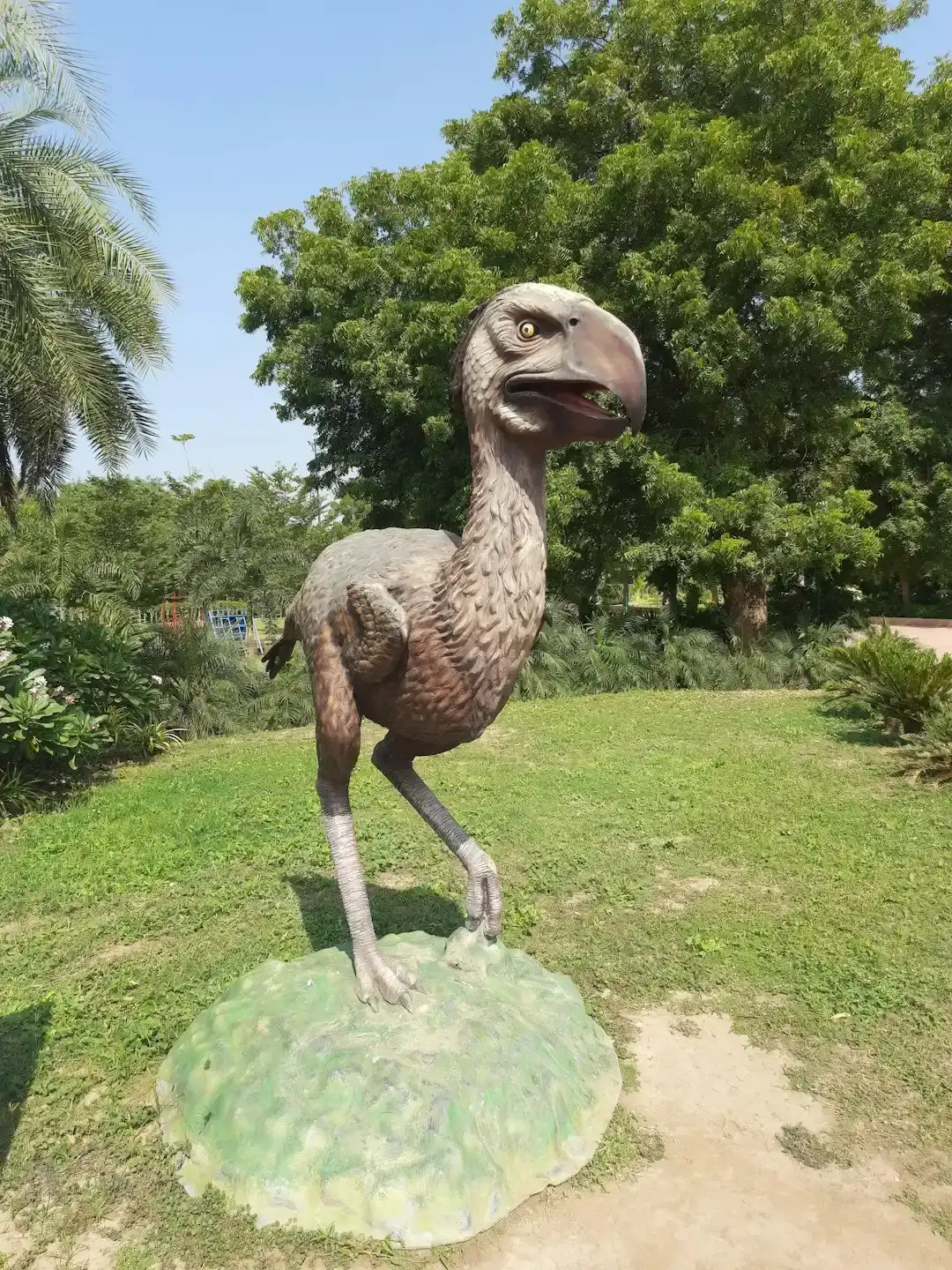
Some of the strangest dinosaur traits fall into a broad category scientists call “ornamentation”: horns, plates, frills, domes, and spikes that seem far too large or fragile to be explained by simple defense. Recent analyses of bone microstructure and growth patterns have strengthened the idea that many of these features were less about surviving predators and more about impressing each other. In horned dinosaurs like Triceratops and its cousins, the frills appear to grow rapidly during adolescence, often out of proportion with the rest of the body. That growth curve looks remarkably similar to the way antlers, manes, or bright plumage develop in modern animals used for display and social signaling.
Some paleontologists argue that dinosaurs may have taken this evolutionary arms race to extremes, especially in environments where predators and climate were relatively stable for long stretches of time. In such settings, sexual selection and social competition can drive traits into the realm of the absurd: think of the extravagant tail of a peacock or the giant antlers of an extinct Irish elk, then scale that logic up to multi-ton reptiles. There is even tentative evidence that some ornaments were brightly colored or covered in keratin sheaths that would have made them more vivid in life than bare bone suggests. The result is a growing picture of dinosaur communities full of visual drama, where headgear and body armor doubled as billboards advertising age, health, and social status.
Rewriting the Dinosaur Family Story
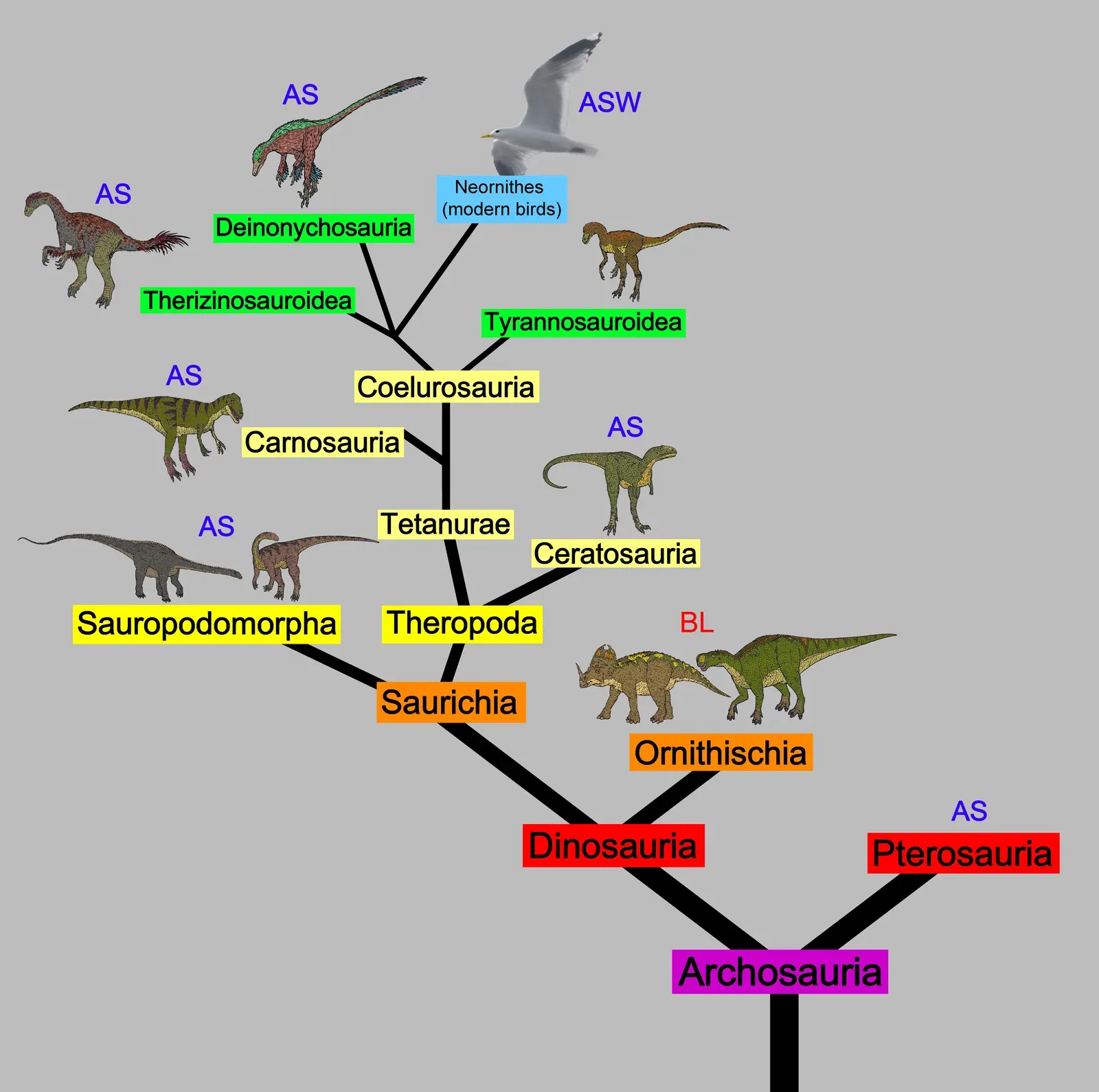
As new fossils and analytical methods pile up, even the dinosaur family tree itself is under revision. In the last several years, competing hypotheses have shaken what looked like a settled diagram of who was related to whom, especially among early theropods and their near relatives. Some studies have proposed grouping traditional “meat-eaters” and some “bird-hipped” dinosaurs differently, challenging textbook categories that went largely unchallenged for decades. While not everyone in the field agrees on the new arrangements, the debate alone underscores how much our understanding is still in motion.
These reshuffles are not just academic housekeeping; they change how we interpret the evolution of key traits like feathers, warm-blooded metabolisms, and parental care. If, for example, feathers arose earlier and in a broader group than once thought, it strengthens the argument that many dinosaurs were warm-blooded or at least had elevated metabolic rates. Likewise, evidence of nest-building, brooding, and complex social behavior in multiple branches suggests that attentive parenting might have been common rather than exceptional. The deeper scientists dig into this family story, the more dinosaur evolution starts to look like a tangled, experimental bush instead of a neat ladder leading to birds. That messiness is precisely what makes the latest discoveries so exciting, because it means there are still fundamental questions in play.
Why These Strange Dinosaurs Matter Far Beyond Jurassic Park
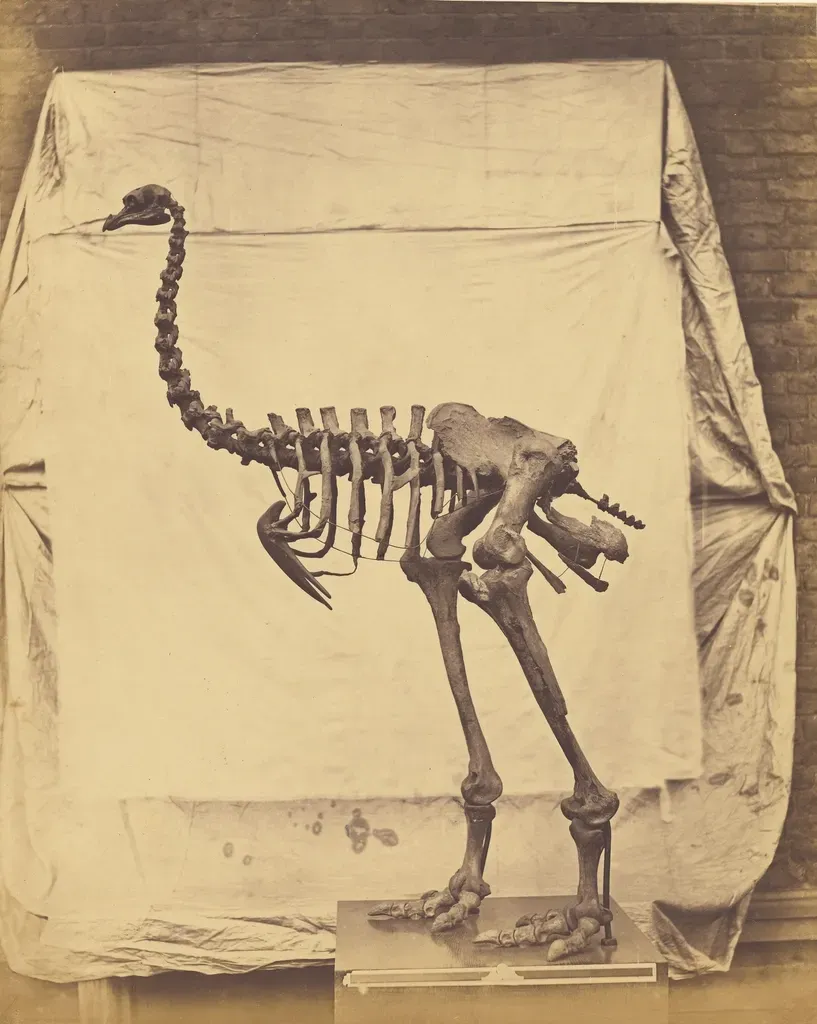
On the surface, arguing over whether a tyrannosaur had lips or a hadrosaur wore stripes might sound like niche trivia, but these debates cut to the heart of how we do science. Reconstructing long-dead creatures from scattered bones and rare soft tissues is one of the most extreme inference problems in all of biology. Every time a new technique overturns an old assumption – like feathers turning “naked” theropods into fluffy hunters – it forces researchers to confront their own biases and methods. In a way, dinosaur science acts as a stress test for how we deal with uncertainty, evidence, and the temptation to fill in gaps with comforting stereotypes.
There is also a deeper relevance: dinosaurs are our most popular gateway into thinking about deep time and mass extinction. When we learn that they were more diverse, complex, and behaviorally rich than we imagined, it pushes back against the idea that evolution just grinds out bigger predators and thicker armor. It reveals a world where signaling, cooperation, and social complexity mattered just as much as teeth and claws, which resonates strongly with how we understand modern ecosystems. And because dinosaurs were wiped out in a global catastrophe linked to rapid environmental change, refining our picture of their biology helps us better model resilience and vulnerability in today’s species. In that sense, every strange new crest or feathered fossil contributes, indirectly but meaningfully, to how we think about life on a warming, rapidly shifting planet.
The Future of Dinosaur Discovery: Lasers, Lakes, and Global Collaborations
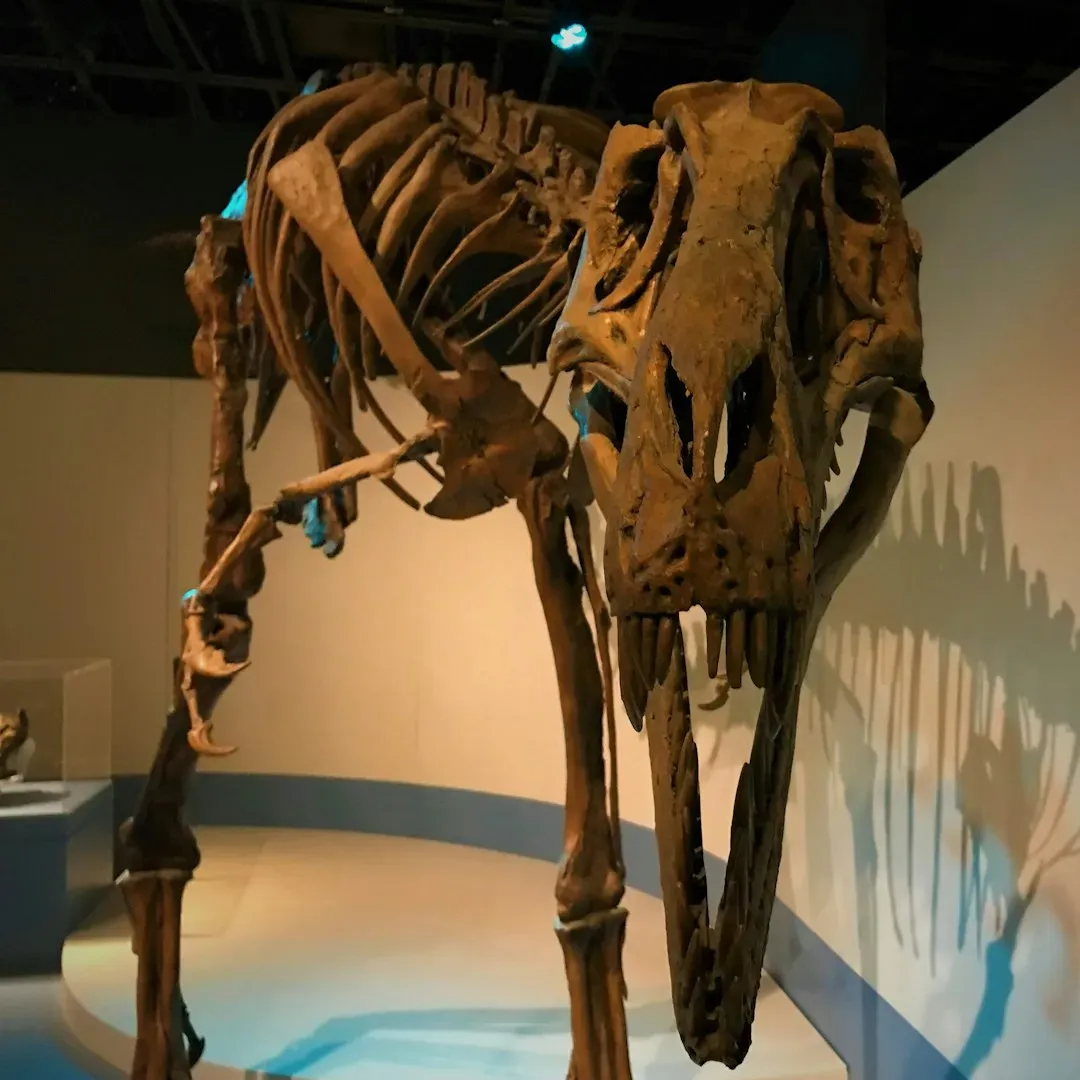
What makes this moment especially thrilling is that we are nowhere near done finding strange dinosaurs; if anything, the tools are just getting started. High-energy synchrotron beams and advanced laser imaging can now scan fossils for chemical traces of original tissues, revealing patterns of pigmentation, soft cartilage, and even remnants of proteins under the right conditions. Drone-based mapping and satellite imagery are helping researchers pinpoint likely fossil-bearing rocks in remote deserts or eroding badlands, turning the search for dinosaurs into a data-driven treasure hunt. Meanwhile, improvements in 3D printing and virtual reality are letting scientists test how bizarre skeletons might have moved, breathed, or displayed in simulated environments.
Equally important is the widening circle of who gets to participate in these discoveries. Countries that were once treated merely as fossil exporters are building their own museums, labs, and research programs, allowing local scientists to lead the study of their own prehistoric heritage. That shift is already paying off in South America, Africa, and Asia, where new digs are revealing unfamiliar ecosystems filled with uniquely adapted species. With each season, the odds increase that some field crew will stumble on a skeleton that forces us to redraw what we thought was settled. In a decade or two, our mental picture of dinosaurs may be as outdated as the scaly movie monsters of the 1950s are today, and that constant overturning is part of the thrill.
How You Can Join the Hunt for Stranger Dinosaurs
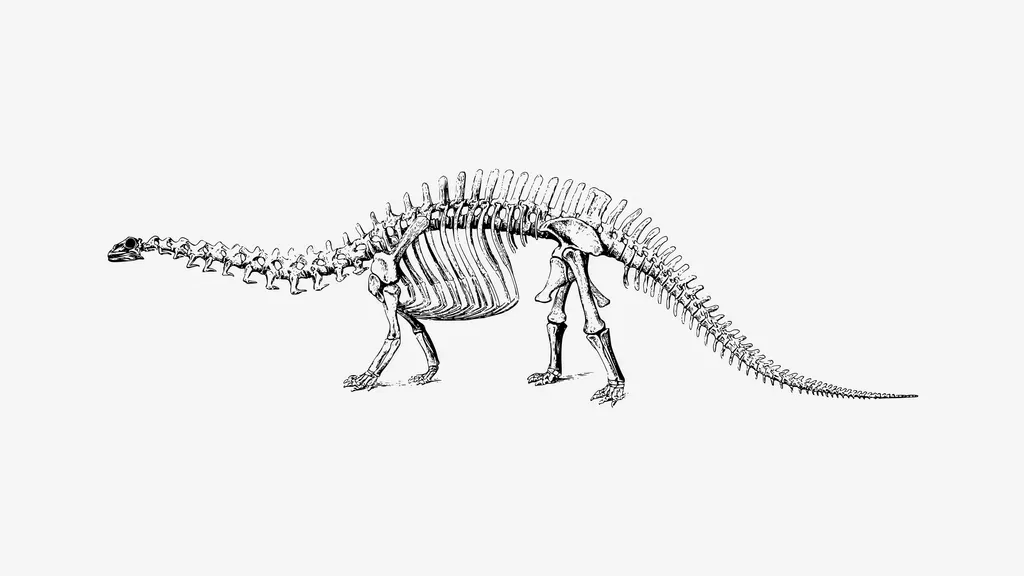
Even if you never hike into a bone-dry canyon with a rock hammer, there are surprisingly direct ways to plug into this unfolding story. Museums increasingly share high-resolution scans of fossils online, inviting teachers, students, and citizen scientists to explore the anatomy of these animals in three dimensions. Some research projects welcome volunteers to help sort microfossils, classify bone fragments, or tag field photos through organized platforms, turning tedious but vital tasks into global collaborations. Supporting local natural history museums, especially smaller regional institutions, can make a direct difference in whether newly unearthed fossils are carefully studied or quietly stored away.
On a more personal level, there is value in simply updating our mental image of dinosaurs when we talk about them with kids, friends, or in classrooms. Swapping out the drab, lizard-skinned giants of old posters for feathered, socially complex, and sometimes downright odd creatures fosters a richer sense of how evolution works. It reminds us that life is not just about survival, but also about extravagance, communication, and unlikely experiments that sometimes run for tens of millions of years. Next time you pass a dinosaur skeleton in a museum, it might be worth pausing to imagine the full animal in color, sound, and motion, rather than as a bare frame. The truth is, the real dinosaurs were almost certainly stranger than the ones in our heads – and that lingering mystery is an open invitation to keep asking questions.
Suhail Ahmed is a passionate digital professional and nature enthusiast with over 8 years of experience in content strategy, SEO, web development, and digital operations. Alongside his freelance journey, Suhail actively contributes to nature and wildlife platforms like Discover Wildlife, where he channels his curiosity for the planet into engaging, educational storytelling.
With a strong background in managing digital ecosystems — from ecommerce stores and WordPress websites to social media and automation — Suhail merges technical precision with creative insight. His content reflects a rare balance: SEO-friendly yet deeply human, data-informed yet emotionally resonant.
Driven by a love for discovery and storytelling, Suhail believes in using digital platforms to amplify causes that matter — especially those protecting Earth’s biodiversity and inspiring sustainable living. Whether he’s managing online projects or crafting wildlife content, his goal remains the same: to inform, inspire, and leave a positive digital footprint.