Across continents and centuries, humans have stared into night skies, pandemics, wars, and silent mornings and asked the same uneasy question: what is any of this for? Today, brain scanners and particle detectors sit alongside ancient temples and worn-out prayer books, all circling the same mystery with different tools. Neuroscientists map purpose in neural networks, while anthropologists sift bones and scrolls for traces of how earlier societies made sense of their short and fragile lives. What is changing now is not the question itself, but the sheer amount of data we can throw at it – from large-scale mental health surveys to cosmic background radiation. The story of meaning is no longer just philosophical or spiritual; it is becoming a live scientific investigation into what makes our lives feel worth living.
The Hidden Clues in Everyday Life

One of the most surprising insights from modern research is that people rarely find meaning during dramatic, movie-worthy events; they mostly report it in small, repetitive moments. Psychologists who track people’s moods using daily phone surveys keep noticing the same pattern: meaning spikes during activities like caring for a child, helping a neighbor, or doing focused creative work, not just during big achievements. In brain imaging studies, such experiences tend to light up networks linked to social connection, memory, and self-reflection, suggesting meaning is less about grand destiny and more about feeling woven into a larger story. This quietly undercuts the modern myth that only extraordinary lives are meaningful, and instead points to something humbler and more accessible. It is often the boring routines – sharing a meal, fixing a broken fence, volunteering for a local project – that do the silent heavy lifting for our sense of purpose.
Researchers have also found that when people feel their lives have meaning, they are more resilient in the face of stress, illness, and uncertainty. Long-term studies following thousands of participants across decades show that those who report a strong sense of purpose tend to live longer, recover better from major life events, and maintain better cognitive health as they age. It is not that meaning is a magic shield, but it seems to work like a psychological anchor in rough seas. When the world feels chaotic, having a “why” makes the “how” feel a little more manageable. This is the first quiet clue that meaning is not just a philosophical luxury; it is a biological and psychological resource.
From Ancient Myths to Modern Brain Scans
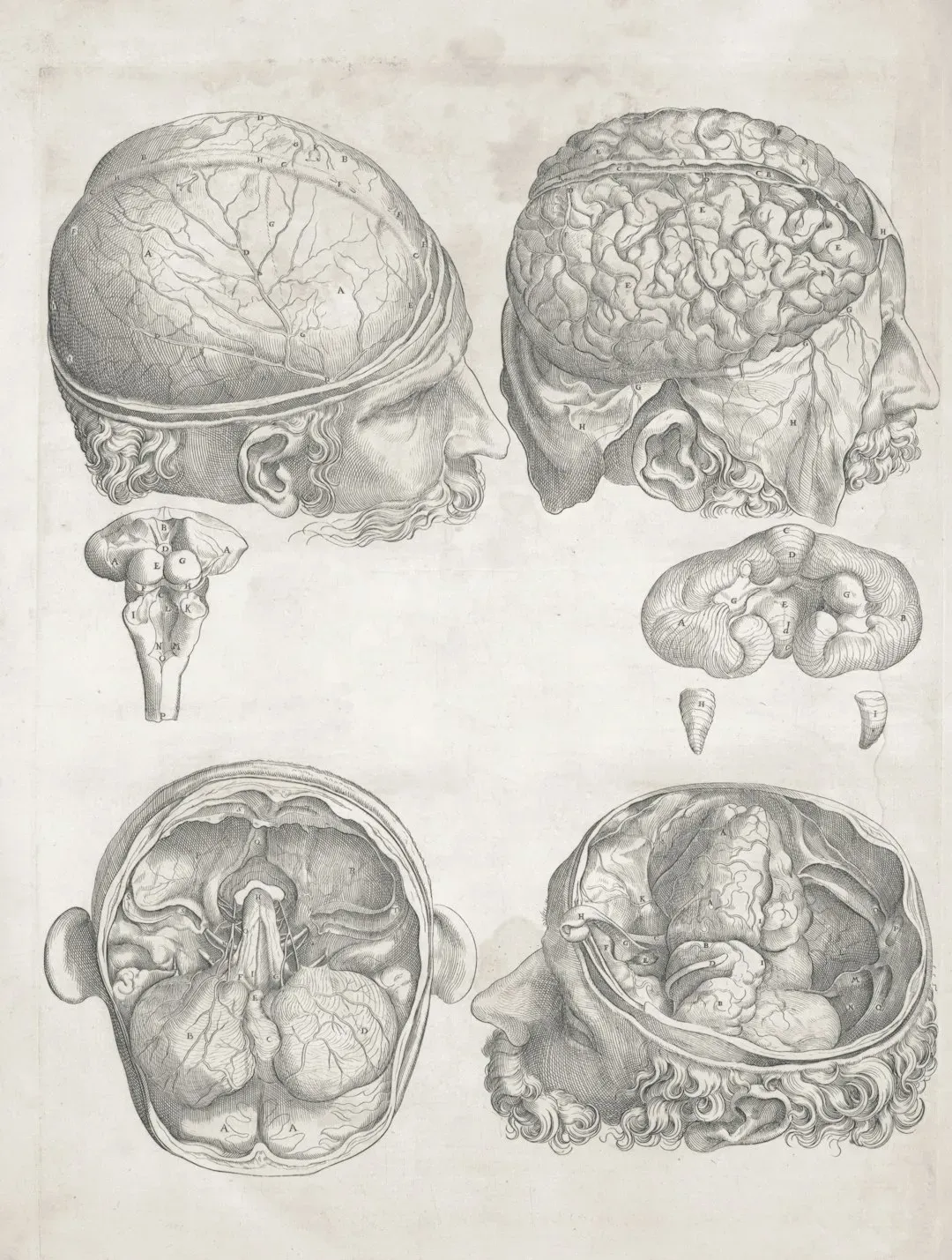
If you jump back a few thousand years, the search for meaning looks almost unrecognizable on the surface, yet strangely familiar underneath. Ancient Mesopotamian epics, early Vedic hymns from South Asia, and oral traditions of Indigenous peoples across the Americas all wrestle with suffering, death, and cosmic order using myth rather than data. These stories assign roles to humans, gods, animals, and nature, drawing sharp symbolic lines between chaos and order. Meaning, in that world, was less a personal project and more a communal script you stepped into at birth. Your life fit into a pattern larger than you, and that pattern gave your struggles a kind of narrative gravity.
Fast-forward to the twenty-first century, and many of those communal scripts have frayed, especially in secular and highly mobile societies. Today, brain imaging labs look at what happens when people think about their life’s purpose or recall meaningful memories, often highlighting regions such as the default mode network that help construct our sense of self and time. Instead of consulting oracles, we now interpret functional MRI heat maps, but the underlying questions – Who am I? What is my role? How do I live with mortality? – have barely budged. There is a strange continuity here: from temple carvings to neuroimaging readouts, human beings keep inventing tools to peer into the invisible architecture of their own significance. The tools change, the urge does not.
The Science of Purpose: What Researchers Are Finding

In the last two decades, purpose and meaning have gone from soft, philosophical terms to rigorous variables in psychological and medical research. Scientists use standardized questionnaires to measure how strongly people agree with statements about direction, significance, and coherence in their lives. These numbers are then cross-checked against health records, sleep patterns, and even mortality data to see what meaning actually does in a body. Repeatedly, the pattern holds: people who report higher life meaning tend to have lower rates of depression, reduced risk of cardiovascular problems, and better overall well-being. The correlations do not prove that meaning alone causes these benefits, but they point to a powerful, consistent linkage that scientists find hard to ignore.
Some of the most surprising studies come from large aging cohorts, where meaning appears to act like a buffer against cognitive decline. People who feel their lives are purposeful often maintain sharper thinking and memory longer than those who feel adrift, even when accounting for education and income. Other research suggests that people with strong purposes are more likely to exercise, maintain social ties, and avoid health-risk behaviors, which may partly explain the health advantage. You could say purpose quietly rewires daily choices in a healthier direction without anyone explicitly noticing. Instead of a mystical force, meaning shows up as a messy but measurable cluster of habits, perceptions, and motivations that shape how a life unfolds across decades.
Existential Crises in the Age of Algorithms
While ancient villagers looked to stars and rituals for their cosmic bearings, many people today turn to something stranger: algorithmically curated feeds, personality quizzes, and yes, zodiac-style content that promises to reveal who they “really are.” The popularity of such material might seem trivial, but psychologists see it as a symptom of something deeper – a hunger to see personal struggles reflected in a larger pattern. In a world where work is unstable, communities are scattered, and climate anxiety hangs in the background, people look for any narrative that tells them they are not just drifting. Online, this plays out in everything from astrology apps to enneagram tests, each offering a frame for fear and hope. Even when users do not fully believe these systems, they often use them as playful mirrors to think about identity and meaning.
At the same time, social media algorithms amplify comparison and highlight extremes, which can quietly erode meaning. When your sense of worth is constantly stacked against the curated successes of millions of strangers, ordinary but meaningful lives start to look small and inadequate. Psychologists studying digital behavior find that heavy, passive scrolling is often associated with loneliness and a reduced sense of purpose, especially among younger users. Yet some online communities flip that script, helping people share stories of recovery, mutual aid, and small daily victories. The digital age, in other words, is not just a crisis for meaning; it is also an experimental lab where millions of people are trying, in real time, to reinvent what a meaningful life looks like.
Why It Matters: The Hidden Cost of a Meaning Gap

Understanding how humans construct meaning is not a philosophical side quest; it is quickly becoming a public health issue. Rising rates of anxiety, depression, and loneliness in many countries are often discussed in terms of social media use or economic pressure, but researchers increasingly point to a quieter factor: the erosion of shared stories about what a good life is. When people feel they lack purpose, they are more vulnerable to despair, radicalization, and harmful escapism, from substance abuse to conspiracy movements. You can think of meaning as a social immune system – when it is weak, harmful ideas and behaviors spread more easily through communities. Strengthening that immune system requires more than individual self-help; it calls for cultural and structural changes that give people real chances to contribute and belong.
On a more intimate level, the search for meaning shapes how we navigate grief, illness, and major transitions. Doctors and palliative care teams are increasingly trained to ask not only about symptoms, but about what makes a patient’s life feel worth living, because honoring those values can change medical decisions. In education, programs that help students connect their learning to personal or social goals tend to see better engagement and persistence. Even in workplaces, research shows that employees who feel their job contributes to something larger than profit are more motivated and less likely to burn out. When you zoom out, a clear pattern emerges: meaning is quietly threaded through mental health, politics, medicine, education, and economics. Ignoring it is like trying to understand climate change while refusing to talk about the atmosphere.
Global Perspectives: Many Paths, Shared Questions

Across cultures, the vocabulary of meaning differs wildly, but the core human concerns rhyme more than they clash. In many Western societies, the idea of purpose often centers on individual fulfillment and self-expression, while in parts of East Asia or sub-Saharan Africa, meaning is more tightly tied to family duties, community roles, or spiritual harmony. Anthropologists studying traditional communities frequently note how rituals – harvest festivals, coming-of-age ceremonies, communal mourning – serve as collective scripts that locate each person in a shared moral universe. These cultural patterns are not just poetic; they seem to influence health and resilience. Communities with strong mutual support networks and intergenerational ties often report a deeper sense of belonging and clearer life roles, even amid economic hardship.
At the same time, globalization and rapid urbanization are blending and sometimes eroding these older frameworks. Young people leaving rural areas for sprawling megacities may suddenly find themselves surrounded by strangers, cut off from the rhythms that once told them who they were. Some respond by adopting hyper-individualistic narratives, others by seeking out new religious movements or online subcultures that offer identity and purpose. Scholars now talk about a global “marketplace of meanings,” where traditional beliefs, secular philosophies, and digital micro-communities all compete to answer the same old questions. This mix can be liberating, allowing people to craft hybrid identities, but it can also be disorienting, especially when political or economic instability removes the basic conditions needed to pursue any kind of meaningful life.
The Future Landscape: Data, Tech, and the Next Chapter of Meaning
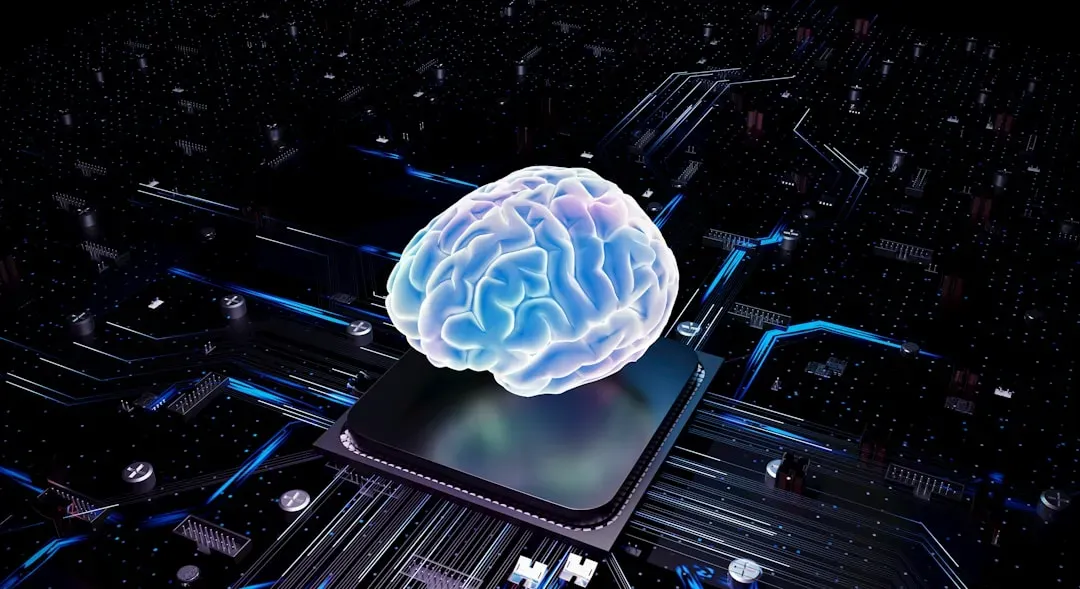
Looking ahead, the search for meaning is likely to become even more entangled with technology and big data. Large-scale surveys and wearable devices are already being used to track how daily experiences, social interactions, and even sleep patterns relate to people’s sense of purpose. Some researchers imagine a future where digital tools could nudge people toward activities that tend to increase meaning – deep conversations, creative projects, acts of service – rather than just maximizing attention or clicks. There is an obvious ethical tension here: do we really want algorithms steering our existential choices, even if they seem to make us feel better? The risk of turning meaning into just another optimization target is real, especially if commercial interests get to define what “better” means.
At the same time, advances in artificial intelligence and robotics are forcing fresh questions about what, if anything, sets human meaning apart. If machines can handle more and more tasks, from manufacturing to administrative decision-making, many people may lose traditional sources of purpose tied to work. This could either deepen a crisis of meaning or open up space for societies to value caregiving, creativity, and community-building far more seriously. Climate change, migration, and geopolitical upheaval will add further pressure, demanding narratives that can hold both loss and responsibility. In that sense, the future of meaning is not something we can passively predict; it is something we are co-authoring now, in policy choices, cultural stories, and the technologies we choose to build.
How You Can Engage With Your Own Search

For all the large-scale studies and sweeping historical arcs, the search for meaning eventually comes down to quiet, personal experiments. One practical step researchers often recommend is simply paying attention to when your days feel most worth it – what you were doing, who you were with, and what values were in play. Keeping a short, regular note of such moments can reveal patterns that are easy to miss in the rush of routine. Another is to look for ways to align even small decisions with those values, whether that means helping a neighbor, mentoring someone younger, or carving out time for a neglected interest. Meaning tends to grow where action and values meet, not in abstract reflection alone.
- Look for one small act each week that clearly aligns with what you care about most.
- Spend time with people or communities that make you feel useful, not just entertained.
- Limit passive scrolling and replace a few minutes with something that feels constructive or kind.
- Support organizations that expand opportunities for others to live meaningful, dignified lives.
The science is clear that meaning is not a prize handed down to a lucky few; it is a living process, shaped by habits, relationships, and the stories we choose to believe about our place in the world. In that sense, every era, including ours, is an experiment in how humans answer the same ancient questions under new conditions. Your own search is part of that larger story, no less real than the myths, temples, or brain scans that came before. The tools have changed, but the work is still ours to do.