Some ideas in cosmology land like a plot twist you never saw coming, and emotional astrology is quietly having one of those moments. For years, people have matched zodiac signs with personalities, careers, even vacation destinations – but now a new wave of research on temperament, attachment, and animal behavior is nudging that conversation toward our pets. If our birth charts sketch out emotional patterns, could certain cat breeds be better companions for the zodiac’s moodiest, most sensitive signs? It sounds whimsical, but underneath the memes and horoscopes lies a serious question about how we choose the animals we live with. In an age of growing loneliness and rising anxiety, scientists and behaviorists are starting to ask whether a tailored human–animal match might do more than soothe our feelings; it might reshape how we understand emotional compatibility itself.
The Hidden Clues: Why Feelings, Not Fluff, Come First
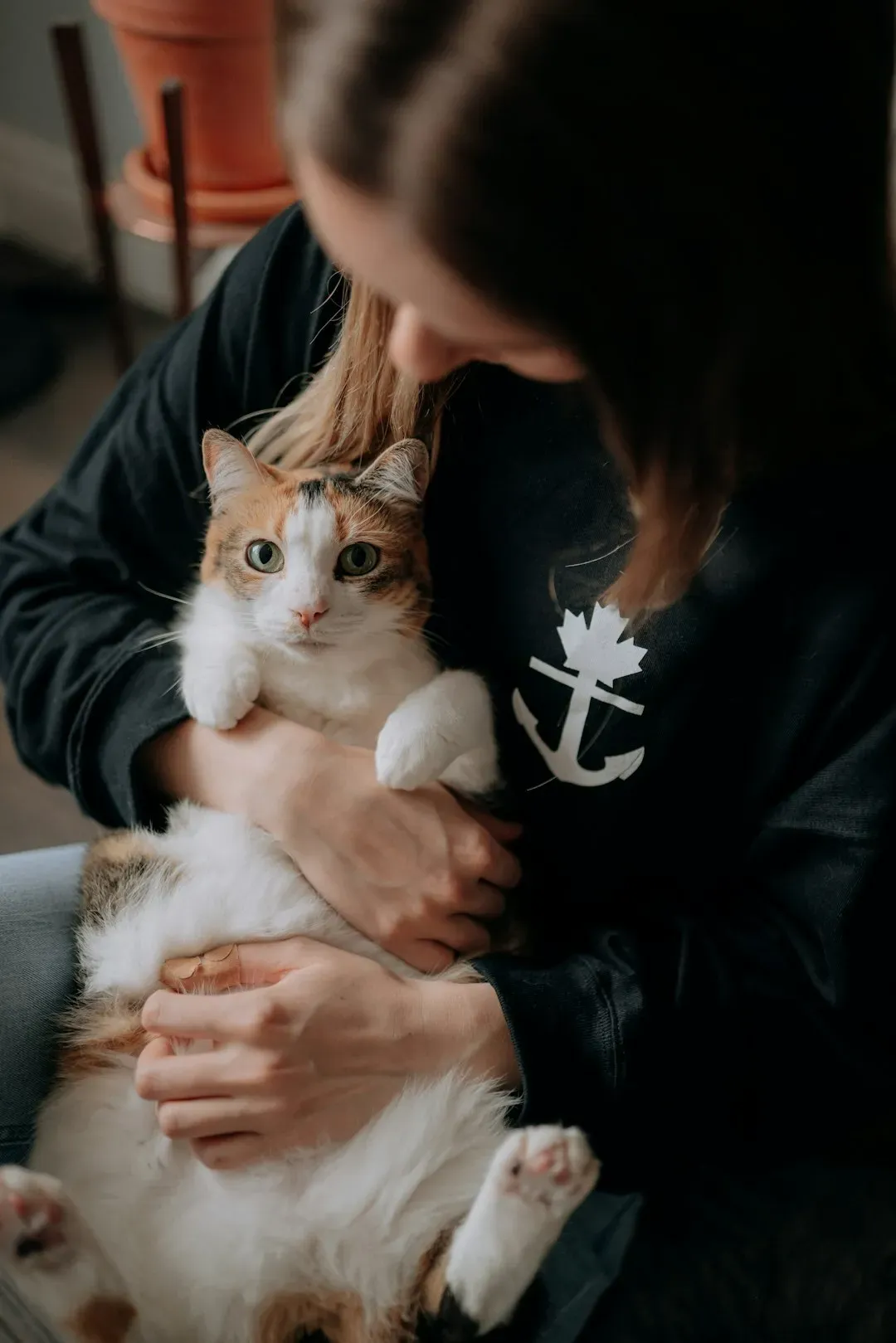
The most emotional zodiac signs – often grouped as the water signs (Cancer, Scorpio, Pisces) plus a few fiery outliers like Aries and Leo – share one big trait: they feel everything at full volume. That might sound like pop-psychology fluff, but it aligns surprisingly well with psychological findings about temperament, sensitivity, and how people respond to stress. Highly sensitive people, for example, process emotional and sensory input more deeply, echoing traits astrologers associate with water signs. When these intense processors adopt pets, they are not just picking something cute; they are choosing a living creature that will tune into their moods, routines, and outbursts. That emotional echo chamber can be healing – or overwhelming – depending on the match.
Animal behavior studies have shown that cats are far from aloof observers of human life; they actually read and respond to our emotional signals. Some research suggests that cats can distinguish between their guardian’s happy and angry expressions, while other work indicates many cats prefer interacting with humans over food in controlled tests. For a person whose emotions flare quickly or sink suddenly, a breed that tolerates – or even softens – those swings can make an enormous day-to-day difference. So while astrology provides the story framework people love, behavioral science quietly supplies the mechanisms that make the story feel true. The upshot is simple: highly emotional signs should be looking beyond fur patterns and toward breeds with specific social and sensory profiles.
Cancer: The Tender Homebody and the Ragdoll’s Gentle Gravity
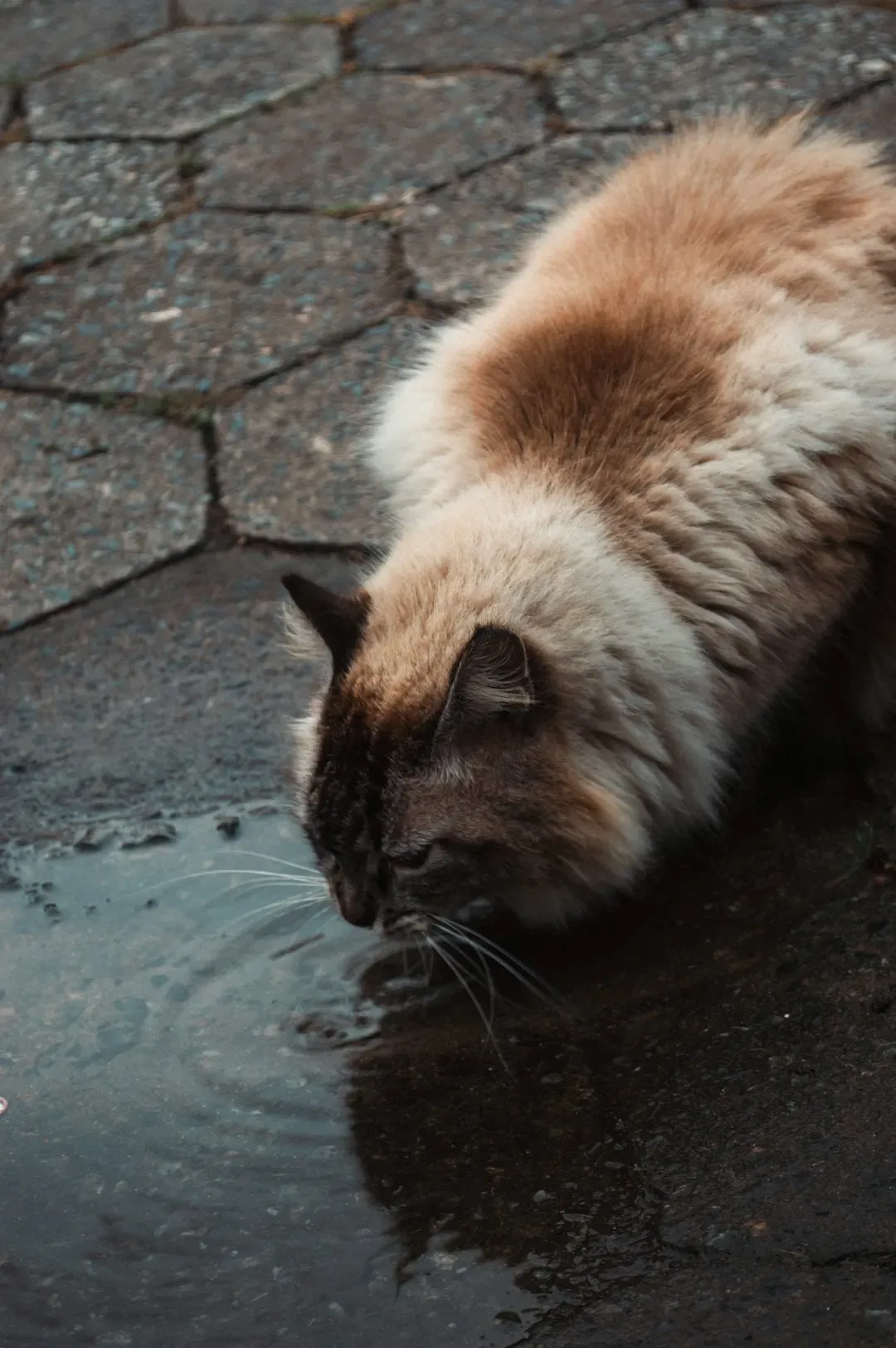
Cancers are often described as the ultimate emotional caregivers, but beneath that nurturing reputation lies a deep need for safety and reassurance. These are people who soak up the energy of a room like a sponge, and when that room is home, they want it calm, predictable, and warmly familiar. The Ragdoll cat fits that script almost unnervingly well, with its famously relaxed demeanor, tendency to go limp when held, and strong inclination to stay close without demanding constant entertainment. For a sign that can veer from domestic bliss to quiet worry in a single afternoon, a big, soft, unflappable companion can become a living emotional anchor. It is hard to catastrophize about the world when a ten-pound purring weight refuses to leave your lap.
What makes the Ragdoll especially aligned with Cancer’s emotional landscape is not just affection, but the way that affection is delivered – steady, physical, and predictable. Behaviorally, many Ragdolls lean toward low reactivity and social tolerance, which reduces the risk of conflict in a sensitive household. They are often content to follow their humans from room to room like a fuzzy shadow, giving Cancers the quiet reassurance of presence without the chaos of a hyperactive breed. For someone whose moods ebb and flow like tides, that kind of constant, gentle gravity can feel like coming back to shore each evening. It is less like owning a cat and more like cohabiting with a living, breathing weighted blanket.
Scorpio: Intensity Meets the Siberian’s Steady Gaze
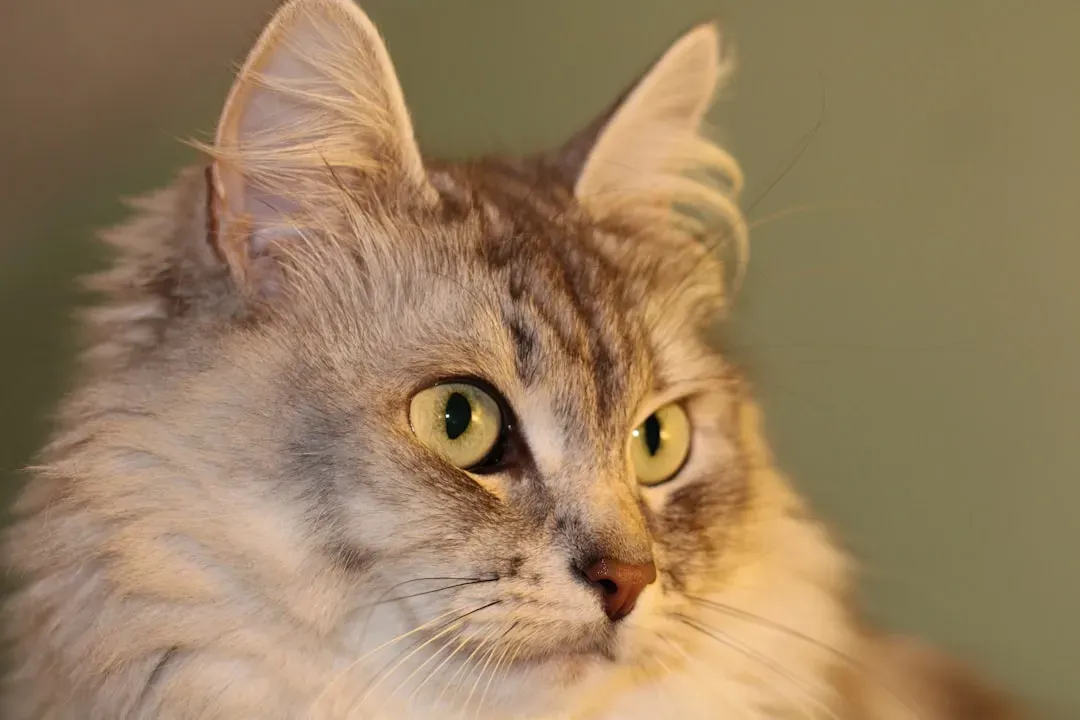
Scorpios get typecast as the zodiac’s brooding detectives, but behind the clichés lies a real pattern: they crave depth, loyalty, and a sense that the beings around them will not flinch at emotional storms. The Siberian cat brings a kind of grounded intensity that mirrors this perfectly, combining athleticism and curiosity with a calm, sturdy temperament. These cats tend to be observant and socially engaged without being clingy, offering Scorpios the respect for boundaries they fiercely protect. At the same time, Siberians often form strong bonds with one or two favorite humans, which speaks to Scorpio’s obsession with trust and inner circles. When you walk into a room and meet that level, fearless feline gaze, you can almost feel the resonance.
From a behavioral perspective, Siberians are a good match for emotionally complex signs because they are adaptable and often less skittish in changing environments. Scorpios, who may experience emotional extremes internally even when they appear calm, benefit from an animal that does not crumble under subtle tension. Instead of amplifying drama, a well-socialized Siberian tends to absorb it, channeling energy into play or exploration rather than reactive behavior. For a Scorpio working through jealousy, grief, or obsession – those classic deep-water states – having a robust, physically capable cat that still chooses to curl up nearby can feel like a wordless affirmation. It is emotional intensity, mirrored, but softened by fur and quiet companionship.
Pisces: Dreamy Empaths and the Magic of the Birman
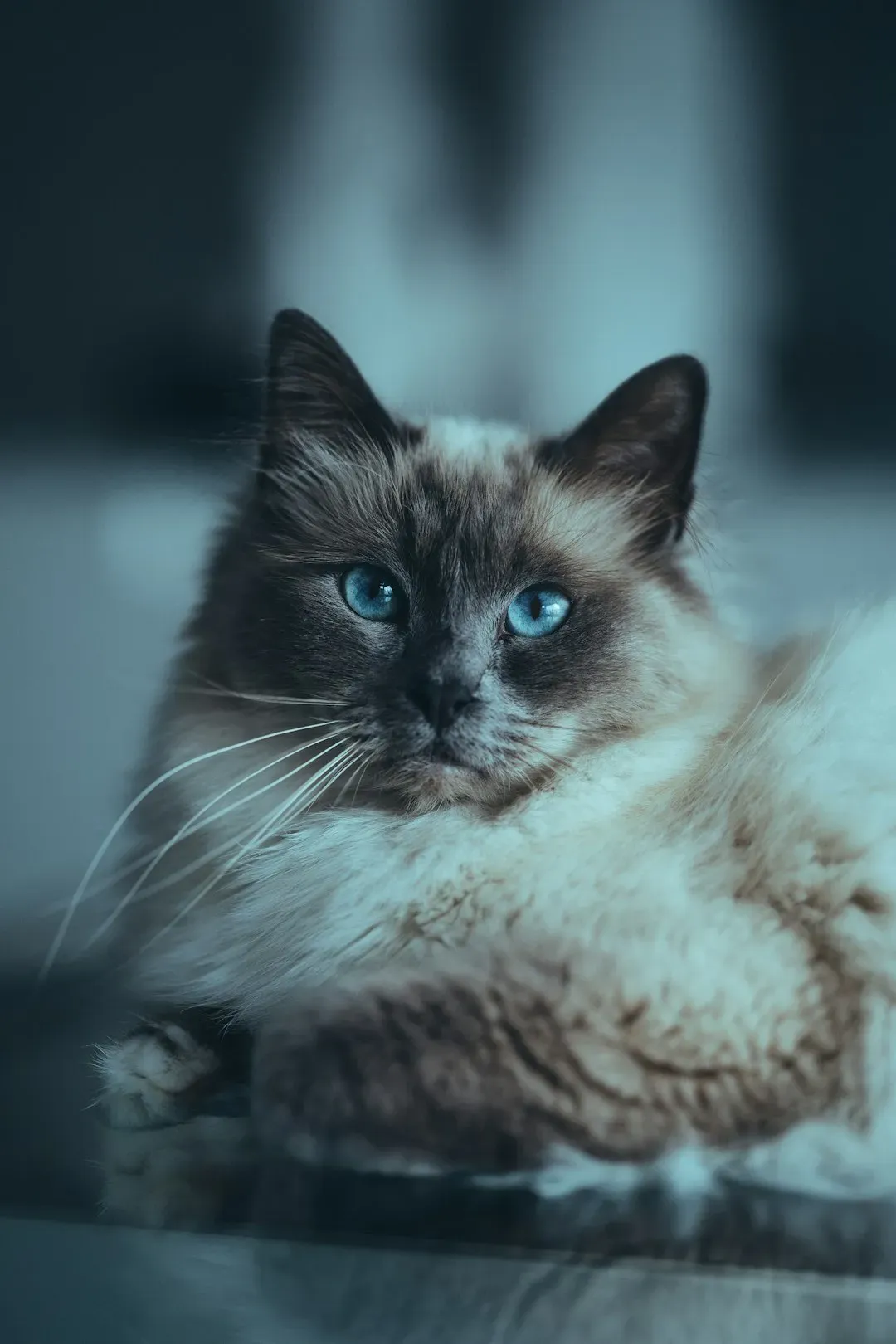
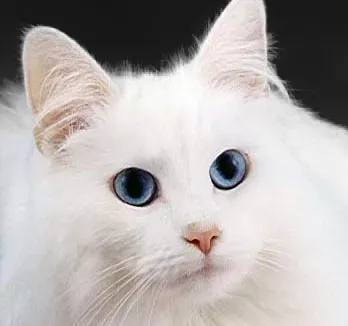
Pisces is the sign astrologers love to call otherworldly, and in psychological terms that often translates to high empathy, vivid imagination, and a risk of emotional overwhelm. These are the people who cry at film scores and feel deeply unsettled by harsh environments. The Birman cat, known for its striking blue eyes and gentle, people-oriented personality, tends to move through a household with a kind of soft-focus grace that suits this temperament. Birmans are often affectionate without being overbearing, content to linger nearby like quiet company in a daydream. For Pisces, who can lose themselves in music, artwork, or pure rumination, a calm, visually striking companion feels less like a pet and more like a co-star in their inner movie.
What matters most for a Pisces guardian is the emotional feedback loop, and Birmans tend to offer one that is soothing rather than stimulating. They are typically social, tolerant cats who handle everyday noise and visitors without dramatic displays, which helps prevent Pisces from absorbing unnecessary stress. At the same time, they usually enjoy gentle play and interactive toys, nudging their humans to re-enter the present moment when they drift too far into fantasy or worry. In that way, the Birman becomes a subtle grounding device, coaxing a highly emotional sign back into their body and back into shared space. It is a quiet, mutual rescue that plays out day after day on the living-room rug.
Leo and Aries: Fiery Hearts and the Bengal’s Electric Energy
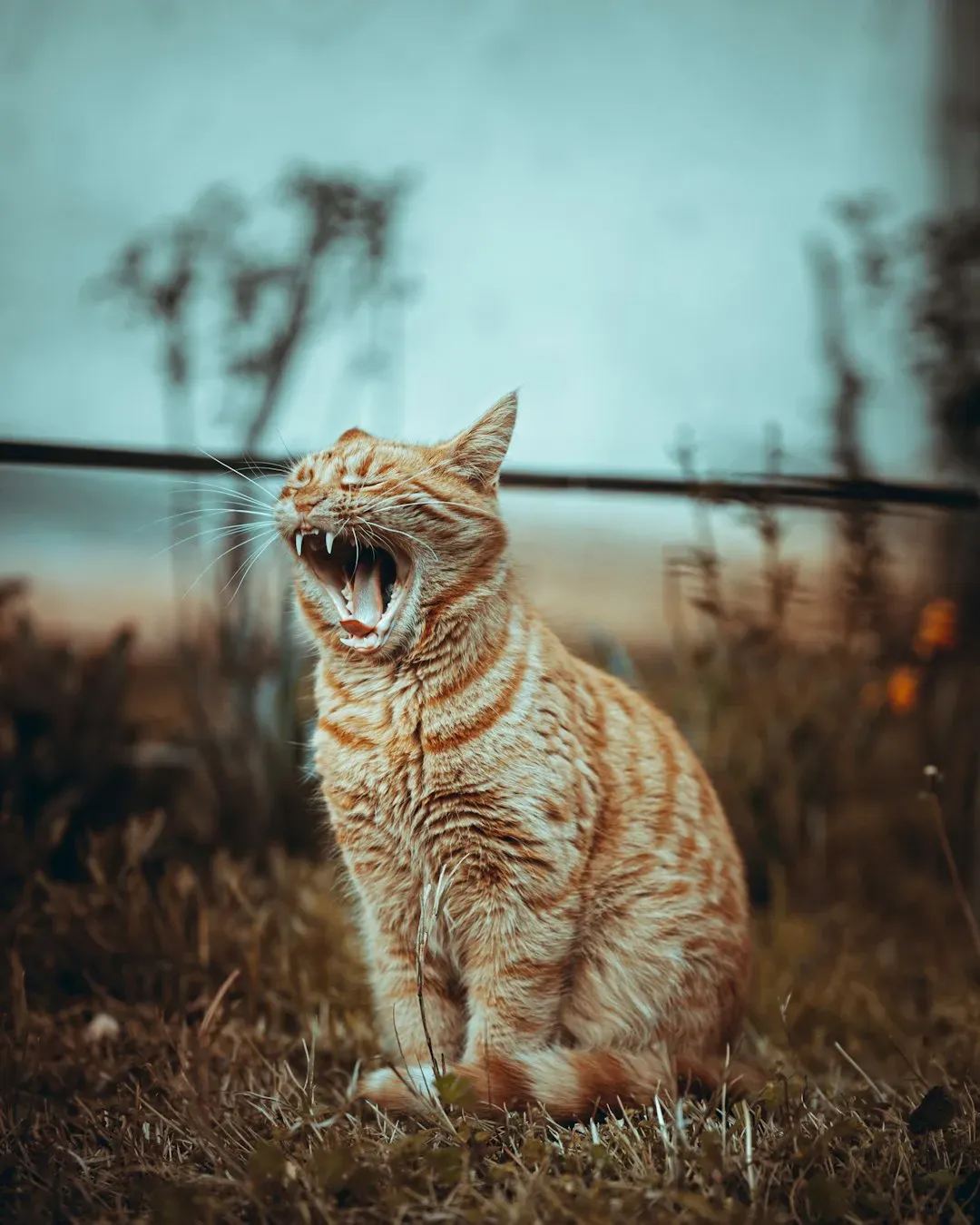
Not all emotional intensity is quiet or inward; for signs like Leo and Aries, feelings often explode outward as enthusiasm, frustration, joy, or impatience. These are big, dramatic personalities that thrive on stimulation and bold expression, and they may find a mirror in the Bengal cat’s high-octane presence. Bengals descend from Asian leopard cat hybrids and carry a visibly wild aesthetic, with striking spotted or marbled coats and a muscular build. Behaviorally, they tend to be active, vocal, and deeply engaged with their surroundings, demanding interaction in ways that match the fire signs’ appetite for excitement. For a Leo or Aries who views life as a stage or a battlefield, a Bengal can feel like a fearless co-pilot.
This match is not for everyone, and that is precisely why it fits these particularly emotional fire signs so well. Bengals can become frustrated or destructive if bored, and they need significant mental and physical enrichment – challenges that resonate with action-driven personalities who enjoy projects and dynamism. When a fiery sign channels their restless energy into clicker training, puzzle feeders, or elaborate climbing setups, both guardian and cat benefit from the shared intensity. The result is a home where emotions run high but are constantly being converted into play, exploration, and athletic display rather than simmering resentment. It is a volatile pairing on paper, but in practice it can be a controlled burn that keeps both species vibrantly alive.
Why It Matters: Beyond Horoscopes to Emotional Fit

On the surface, matching zodiac signs to cat breeds sounds like a playful lifestyle trend, but underneath it lies a deeper question about emotional alignment between humans and companion animals. Psychologists have long noted that people tend to choose pets that reflect aspects of their own personality, whether consciously or not. At the same time, animal welfare groups warn that mismatched expectations – adopting a high-energy breed into a quiet home, for instance – are a major driver of stress, behavioral problems, and even surrender. When you reframe the zodiac as a shorthand for emotional style rather than destiny, it becomes a convenient tool to start serious conversations about these fits and misfits. That is where astrology, for all its mystical framing, brushes against very practical behavioral science.
For highly emotional individuals, this alignment can be especially critical. Emotional volatility, sensory sensitivity, or intense attachment styles can magnify both the joy and the strain of pet ownership. Choosing a breed with traits that complement, rather than clash with, those tendencies may reduce conflict and improve well-being on both sides of the leash – or in this case, the scratching post. It is not about believing the stars command your cat choice, but about using every language available, from horoscopes to scientific studies, to think honestly about how you feel and what you need. In an overstimulated world, a well-matched animal can function as both a buffer and a mirror, and that matters more than any meme suggests.
From Ancient Sky Stories to Modern Behavioral Science
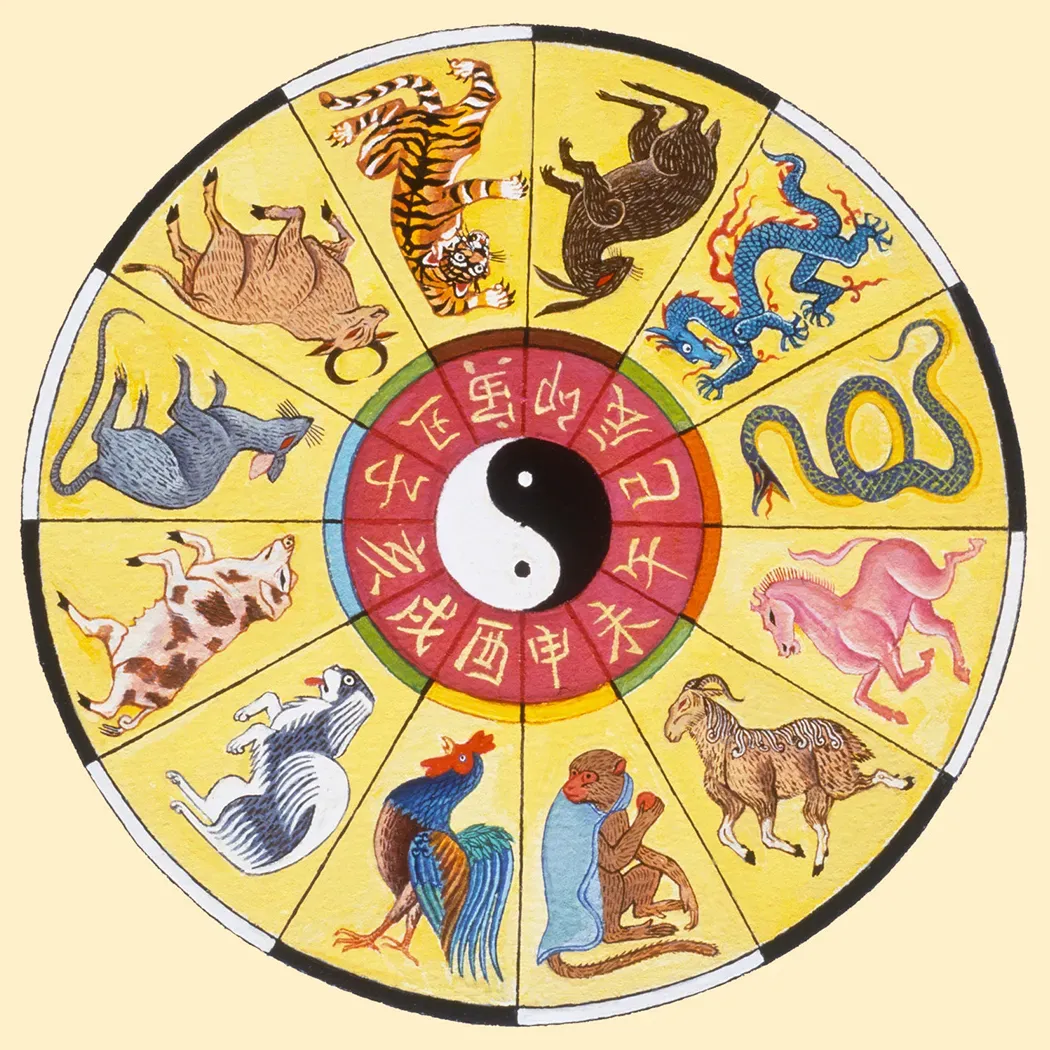
The idea that celestial patterns imprint personality is thousands of years old, tracing from Mesopotamian sky-watching to the intricate zodiac systems of later cultures. For most of that history, animals entered the story as symbols – lions, scorpions, fish – rather than as real, living companions. Today, though, we are living through an odd convergence: astrology has surged in pop culture at the same time that research into animal cognition and human–animal bonds has become more rigorous. Scientists now study how pets influence our cortisol levels, heart rates, and social behaviors, while also mapping out breed-linked tendencies in activity, sociability, and stress responses. Somewhere between those two currents, modern pet guardians are improvising a new language for emotional compatibility.
When someone says their anxious Cancer heart needs a calm Ragdoll, they are not citing double-blind trials; they are blending inherited archetypes with personal experience and a growing body of behavioral data. It is easy to dismiss that as magical thinking, but it also reflects how people actually make decisions in the messy real world, where science, story, and emotion constantly collide. In a sense, the zodiac becomes a narrative framework through which people negotiate present-day questions about mental health, loneliness, and the responsibilities of caring for another species. That fusion might not satisfy a strict empiricist, yet it often leads people to read more about breeds, talk to shelters, and reflect on their own emotional patterns before adopting. If the stars are what get them into that deeper conversation, the outcome may still be grounded and humane.
The Future Landscape: Tech, Genetics, and Hyper-Personalized Pet Matches
Looking ahead, the idea of pairing highly emotional people with specific cat breeds might shift from whimsical internet quiz to something more structured and data-driven. Already, some shelters and adoption platforms experiment with questionnaires that match prospective guardians and animals based on activity level, space, and social needs. It is not hard to imagine those tools evolving into more sophisticated systems that incorporate psychological profiling, genetic breed tendencies, and even wearable data on human stress patterns. A highly sensitive person might be nudged toward breeds shown to remain calm around sudden noises or unpredictable routines, while a thrill-seeking extrovert might be matched with an athletic, vocal cat that craves constant engagement. Astrology would likely remain in the cultural conversation, but the underlying engine would be algorithms, not star charts.
There are, of course, ethical and practical questions lurking in this future. Overemphasizing breed traits can overshadow the huge individual variation within any lineage and reinforce narrow ideas about which animals are “good” or “bad” fits. There is also the risk of turning living beings into lifestyle accessories curated to match human emotional branding. The hopeful scenario is more modest: tools that help emotionally intense people think carefully about their needs, their capacity, and the welfare of the cats they bring home. If that leads to fewer overwhelmed guardians, fewer stressed animals, and fewer returns to shelters, then even a slightly mystical framing could have very concrete benefits. The challenge will be keeping the focus on welfare and mutuality rather than pure customization.
How You Can Engage: Feeling Your Way to the Right Feline Match
If you see yourself in the description of a highly emotional sign, the first step is not to memorize breed lists, but to get honest about your daily life and inner weather. How often do you feel overwhelmed by noise or surprise? Do you crave constant interaction or regular solitude? Answering those questions candidly will tell you more than any meme about whether you should be leaning toward a calm, cuddly companion or a fast-paced feline co-adventurer. Once you have that picture, you can start exploring breeds with behavioral profiles that line up with your answers, whether that means Ragdolls, Siberians, Bengals, Birmans, or mixed-breed shelter cats with similar traits.
Practical ways to engage include visiting local shelters and rescue groups, talking to volunteers about individual cats’ personalities, and spending unhurried time in adoption rooms to see how different animals respond to you. You can also support organizations that prioritize behavioral assessments and careful matchmaking, helping to make emotionally smart placements more common. For those not ready to adopt, fostering offers a low-commitment way to learn how your emotional style meshes with different feline temperaments. In the end, whether you frame your search in the language of stars or science, the goal is the same: a relationship where both you and your cat feel seen, safe, and strangely at home together.
Suhail Ahmed is a passionate digital professional and nature enthusiast with over 8 years of experience in content strategy, SEO, web development, and digital operations. Alongside his freelance journey, Suhail actively contributes to nature and wildlife platforms like Discover Wildlife, where he channels his curiosity for the planet into engaging, educational storytelling.
With a strong background in managing digital ecosystems — from ecommerce stores and WordPress websites to social media and automation — Suhail merges technical precision with creative insight. His content reflects a rare balance: SEO-friendly yet deeply human, data-informed yet emotionally resonant.
Driven by a love for discovery and storytelling, Suhail believes in using digital platforms to amplify causes that matter — especially those protecting Earth’s biodiversity and inspiring sustainable living. Whether he’s managing online projects or crafting wildlife content, his goal remains the same: to inform, inspire, and leave a positive digital footprint.