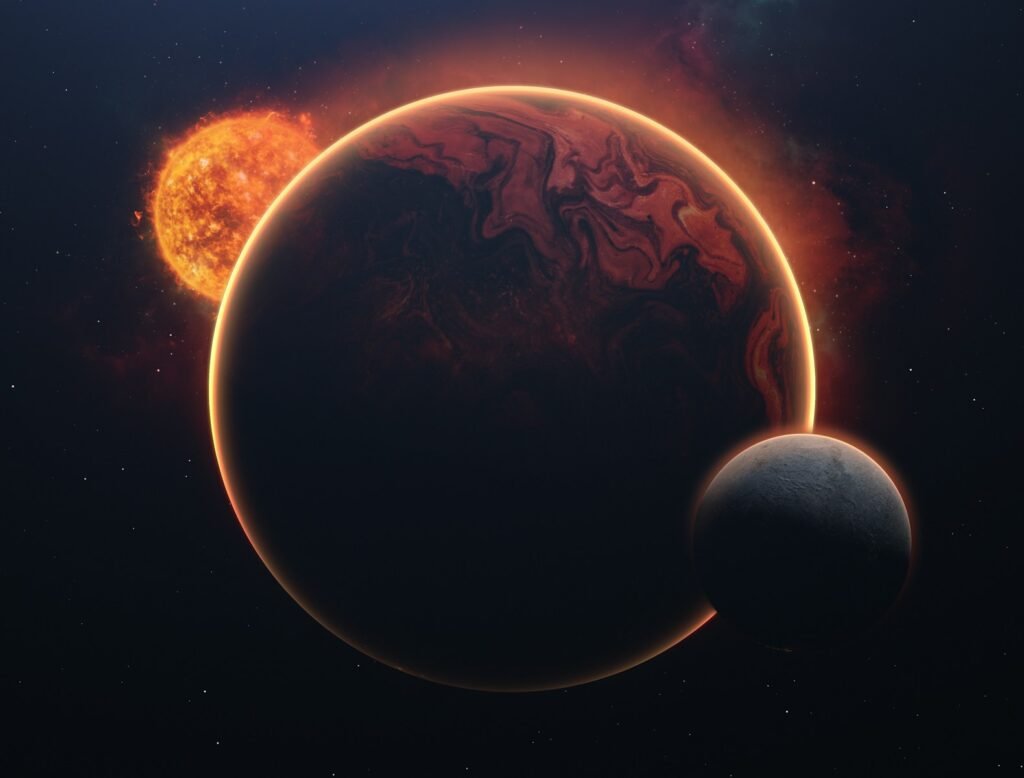
Somewhere beyond the planets we know, past the frozen rubble of Pluto’s realm, something is tugging at our solar system’s edge. Astronomers see its fingerprints in the strange orbits of distant icy worlds, like chairs in a room nudged out of place by an unseen guest. They suspect a new kind of neighbor: a massive, undiscovered planet, lurking in the dark and rewriting what we thought we knew about our cosmic backyard. If it exists, it could reshape our ideas about how planetary systems form, what counts as a “typical” solar system, and even where we might someday search for life. The mystery is simple to state but hard to solve: how do you find a world that doesn’t want to be found?
The Hidden Clues at the Edge of the Solar System
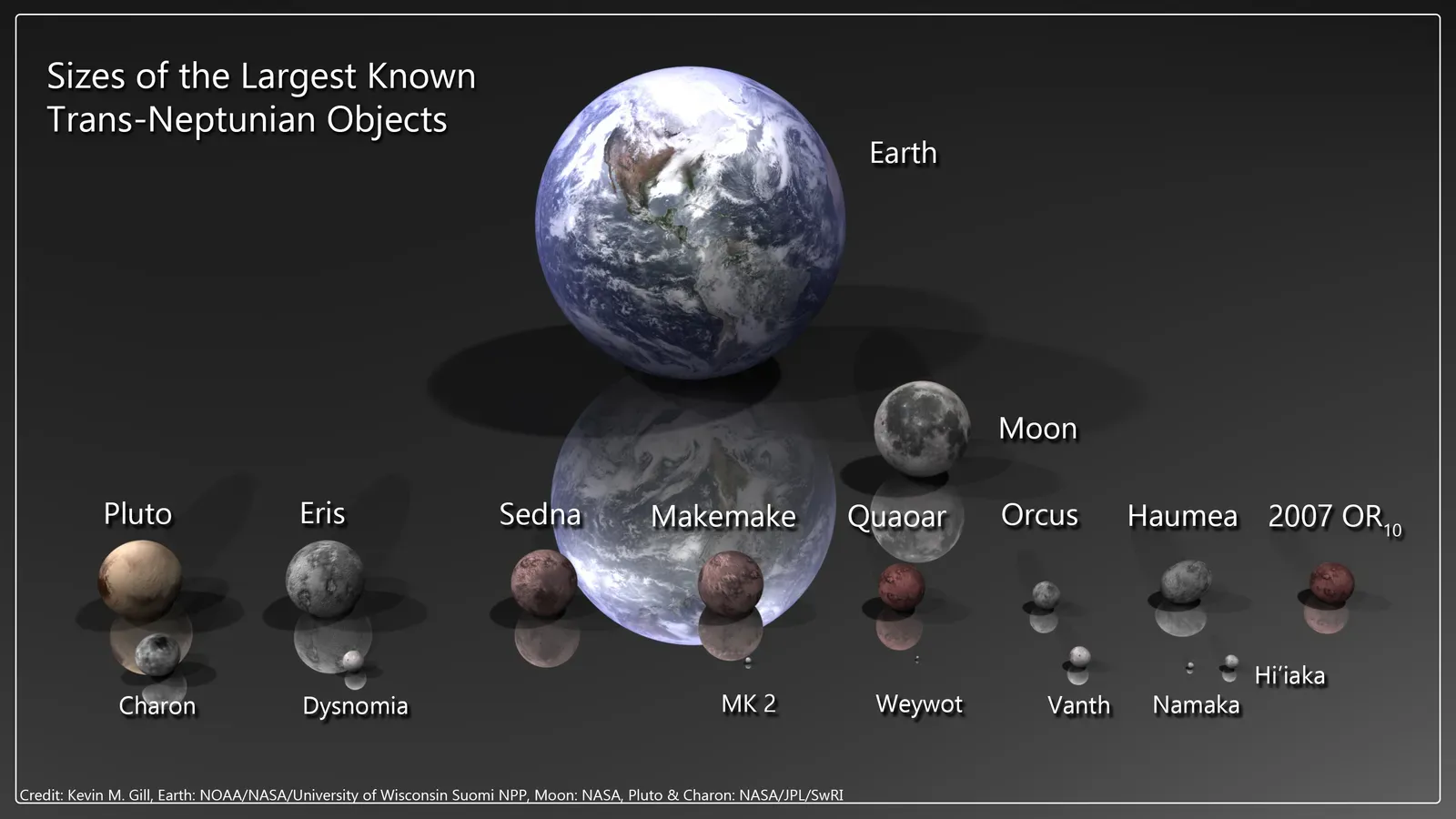
Long before anyone dared to talk seriously about a new planet, astronomers noticed something odd about the far-flung objects beyond Neptune. A handful of icy bodies, called trans-Neptunian objects, followed elongated paths that seemed to tilt and cluster in the same direction, as if pulled into formation by an invisible shepherd. This pattern is not what you’d expect from a solar system where all the heavy hitters are already accounted for and gravity behaves like a well-understood script. Instead, it looks like there is an offstage actor with a powerful gravitational presence, nudging these small bodies into lockstep.
To explain this, some researchers have proposed an undiscovered planet roughly several times the mass of Earth, orbiting far beyond Pluto on an immense, stretched-out path that takes thousands of years to circle the Sun. This hypothetical world has been nicknamed “Planet Nine,” but the name is less important than the implications: something big might be out there. Computer simulations show that such a planet could naturally sculpt the grouped orbits we see, in the same way a hidden moon can herd ring particles around Saturn. Not everyone agrees, and some scientists argue the alignment could be a statistical fluke or the result of observational bias, but the idea refuses to die because the data keep whispering the same story.
From Ancient Skywatchers to Deep-Sky Algorithms
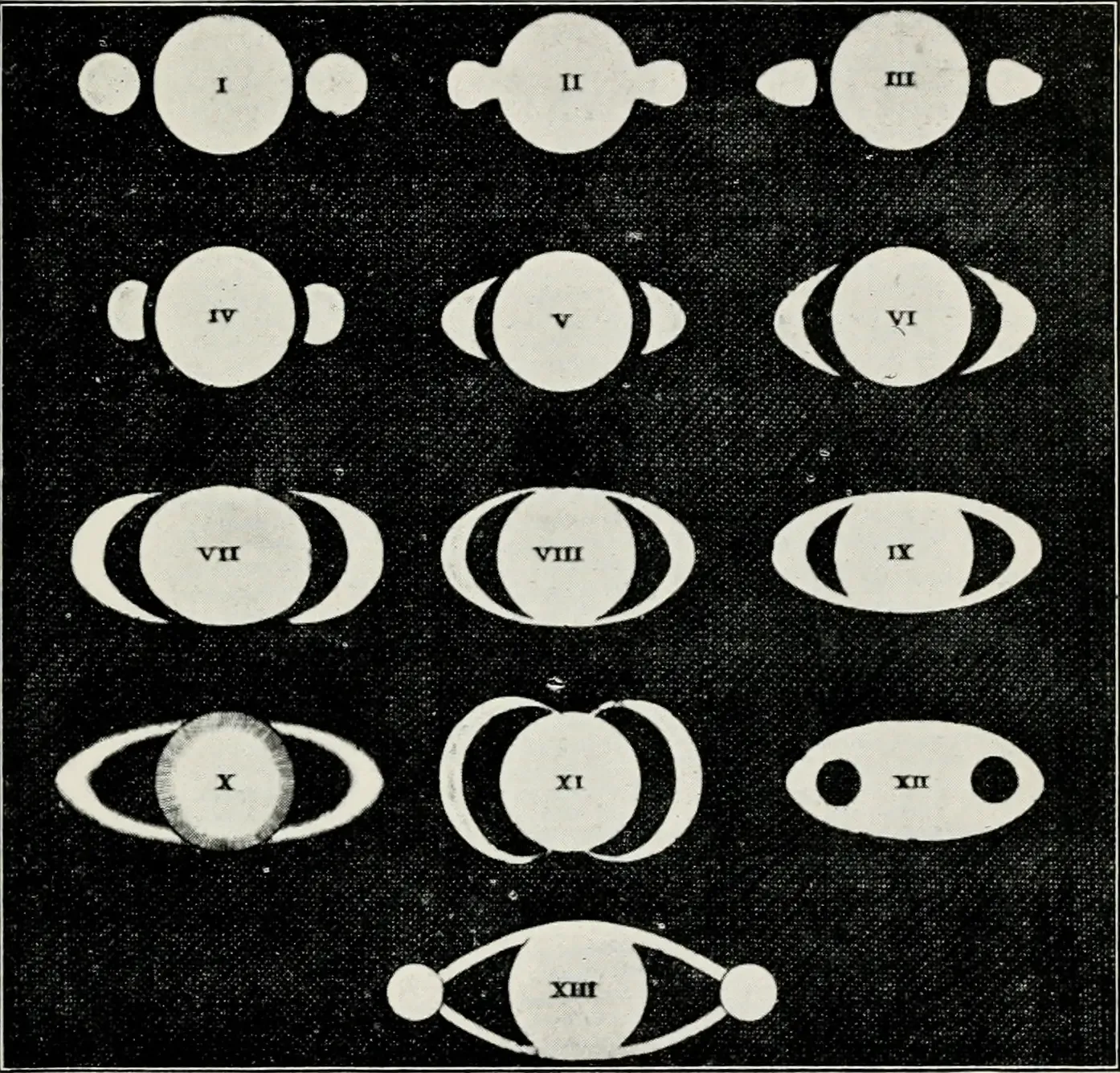
Humanity has been discovering planets long before we understood what a planet really is. Ancient skywatchers tracked the wandering stars they could see with the naked eye, giving us the classical planets from Mercury through Saturn. Then, in the nineteenth century, careful measurements of Uranus’s orbit revealed slight deviations that hinted at another unseen body, leading to the discovery of Neptune through pencil-and-paper calculations. Pluto’s detection in the twentieth century continued that tradition of patient, meticulous work, but even that story turned out more complicated than first advertised.
Today, the tools have changed dramatically, but the core detective work is surprisingly similar. Instead of hand-drawn charts and solo astronomers peering through eyepieces, we now have automated sky surveys sweeping huge swaths of the heavens night after night. Cameras with hundreds of megapixels feed data to algorithms that sift through millions of light sources, flagging the tiny pinpoints that move against the background stars. In effect, we have turned the sky into a searchable database, looking for patterns and anomalies in a way our predecessors could never dream of. The search for a hidden planet sits squarely in this tradition: we’re following the math, watching the motions, and trusting that gravity leaves reliable fingerprints.
A New Kind of Planet in a Very Old System
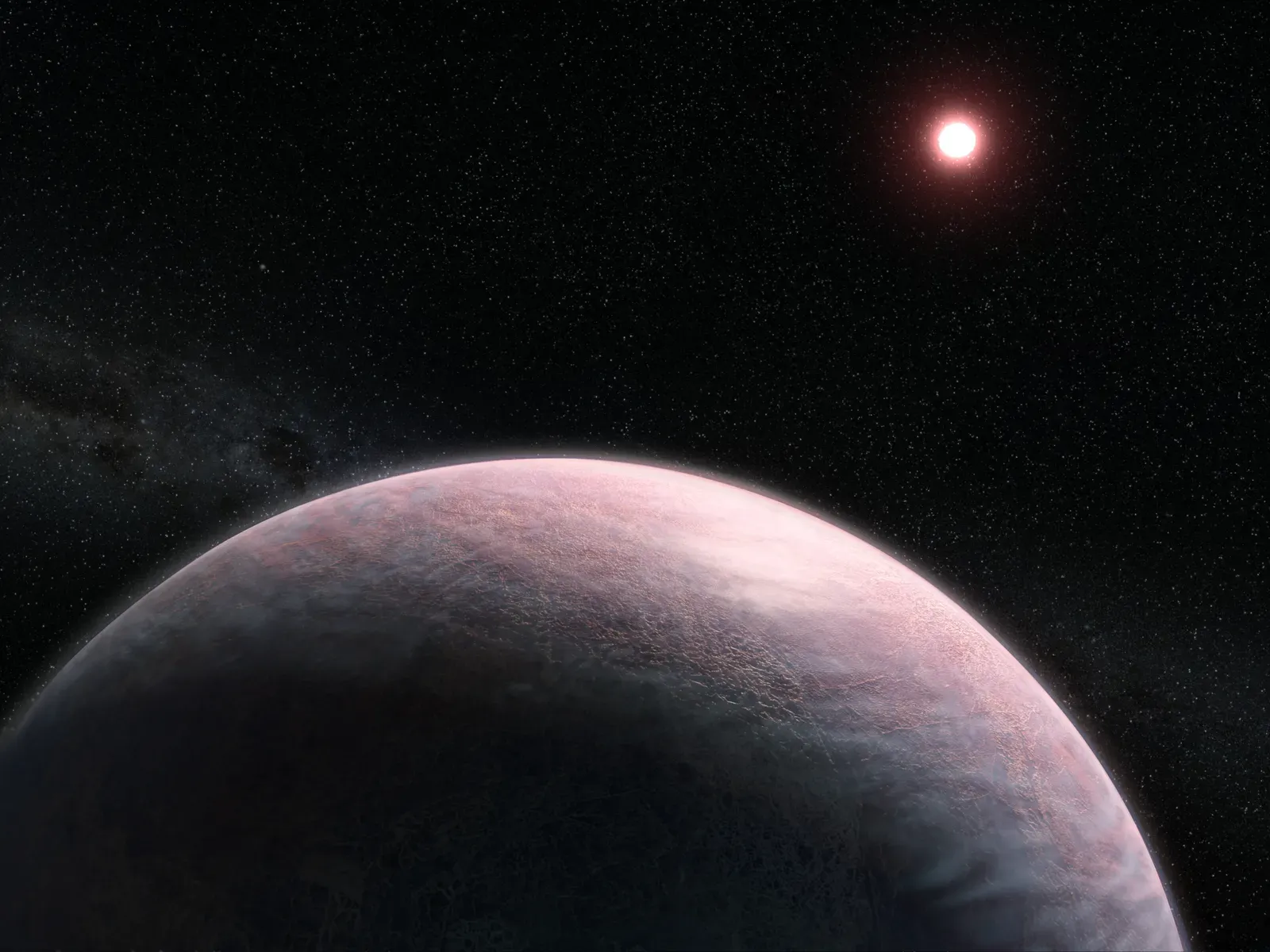
If this undiscovered planet exists, it is not just another version of Jupiter or Neptune sitting a bit farther out. Models suggest it may be something between a super-Earth and a mini-Neptune, a type of world that seems strangely common around other stars but conspicuously absent in our own solar system as we currently know it. Many exoplanet surveys have found that planets a few times the mass of Earth, with thick atmospheres and possibly deep oceans or icy mantles, are almost routine elsewhere. Our system, by contrast, has small rocky planets close in and giant gas worlds far out, with a gap in the middle.
A distant Planet Nine–style world could fill that gap, making our solar system look a bit more like the exoplanet systems we’ve been cataloging for the last few decades. It would also raise pointed questions about how it formed. Did it arise where it is now, in the frigid outskirts, slowly accumulating ices and rock over millions of years, or was it born closer to the Sun and later kicked outward in a gravitational scuffle with Jupiter or Saturn? Either way, it would stand as a fossil of the solar system’s chaotic youth, preserving a record of violent migrations and near-misses that standard textbook diagrams tend to gloss over. In that sense, it would not just be a new planet; it would be a time capsule.
Reading the Solar System Like a Crime Scene
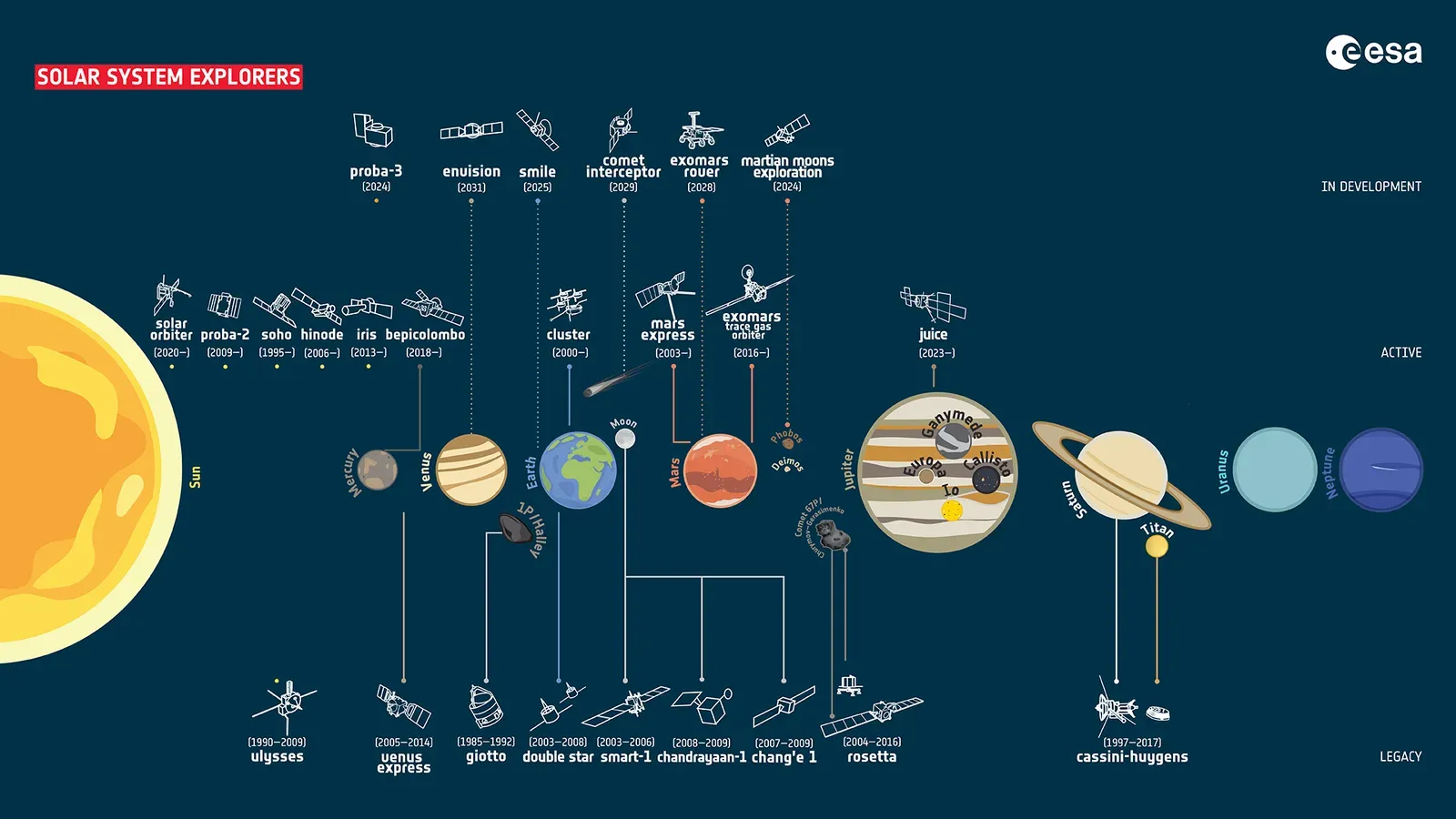
The search for this hidden world feels less like a casual sky scan and more like a forensic investigation. Astronomers are not peering at an empty patch of darkness and hoping something obvious pops into view; they are reconstructing an event from scattered clues, like detectives returning to a crime scene long after the fact. Each newly discovered distant object, each measured orbit and inclination, becomes another piece of circumstantial evidence. Over time, these pieces either fall into a coherent story that demands a massive culprit or dissolve into noise.
Some teams are pushing the idea that the apparent clustering of distant orbits might be an illusion created by where and how we look. Telescopes are not neutral observers; they see more easily in some directions than others, and they favor brighter, closer objects. If you only sweep certain parts of the sky, you can inadvertently fool yourself into believing objects are grouped when you are just seeing a biased sample. The ongoing challenge is to separate observational bias from real gravitational structure, which means more data, deeper surveys, and careful statistical work. In many ways, that process is as thrilling as a discovery itself, because it forces us to test our assumptions about what counts as convincing evidence.
Why It Matters: Redefining Loneliness in the Cosmos
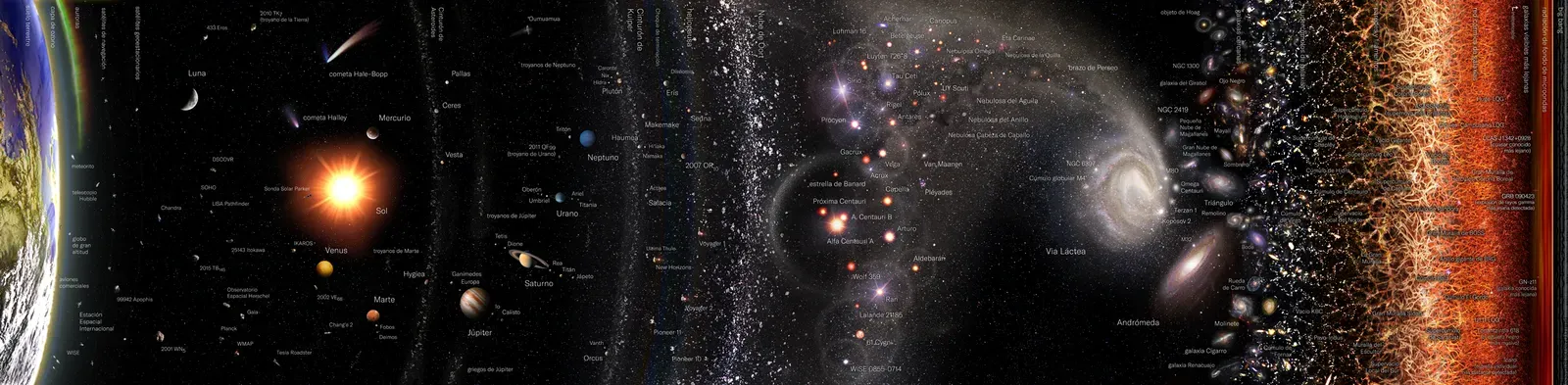
On the surface, finding one more planet in our solar system might sound like a niche concern, the kind of thing only space nerds argue about at conferences. But the stakes are bigger than a name on a chart or a new orb for classroom posters. A confirmed distant planet would transform our understanding of how common complex planetary architectures really are and how often systems reshuffle themselves over time. It would tell us whether our solar system is a strange outlier or just one more example in a vast cosmic lineup.
There is also an emotional dimension that is harder to quantify but impossible to ignore. For many people, the idea of a large, unseen world quietly circling our Sun evokes a sense of eerie companionship, as if we have been sharing our stellar home with a neighbor we never knew. It subtly shifts the question of being “alone” from distant galaxies to our own backyard, suggesting that even here, in a system we thought we had mapped, there are still major surprises. If the solar system can hide something this big, what else might we be missing around other stars? In that way, the hunt for a hidden planet becomes a proxy for a deeper question: how often does the universe keep its best secrets just beyond the edge of our attention?
Beyond Telescopes: The New Tools Probing the Dark
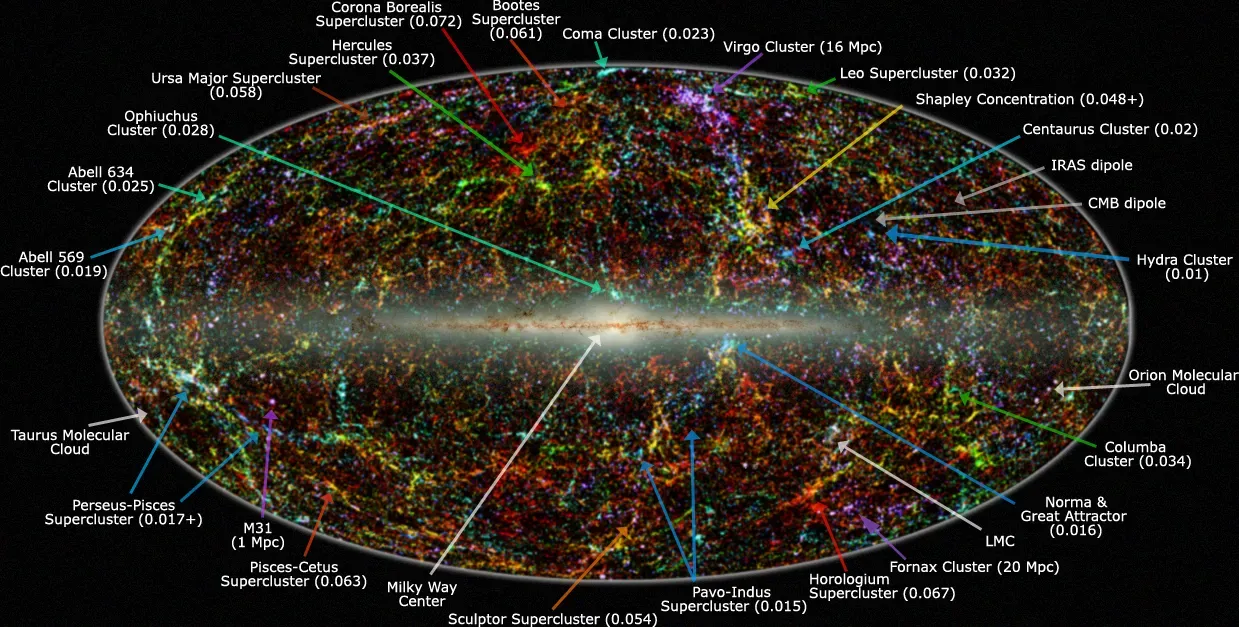
Actually spotting a faint planet tens or even hundreds of times farther from the Sun than Earth is brutally difficult. At those distances, sunlight is weak, reflected light is dim, and even the best telescopes see only a crowded field of stars and galaxies. That is why astronomers are increasingly turning to wide-field surveys and next-generation observatories to tip the odds in their favor. Instruments like the Vera C. Rubin Observatory’s forthcoming survey will scan the sky repeatedly, creating a time-lapse of the heavens that can reveal slow-moving objects that older surveys would miss.
Alongside better optics, advanced data science has quietly become just as crucial as bigger mirrors. Machine-learning algorithms are being trained to comb through immense datasets, picking out subtle motions and unusual patterns that might signal a distant planet. Instead of manually checking each candidate, researchers can let sophisticated software highlight the most promising suspects, then follow up with targeted deep observations. This fusion of classic astronomy and cutting-edge computation is changing how we explore the outer solar system, turning what used to be a painstaking search into something closer to a coordinated global effort. The planet, if it exists, is not just hiding from one observatory; it is trying to dodge a planet-wide network of digital and human eyes.
The Future Landscape: From Hidden Planet to New Frontier
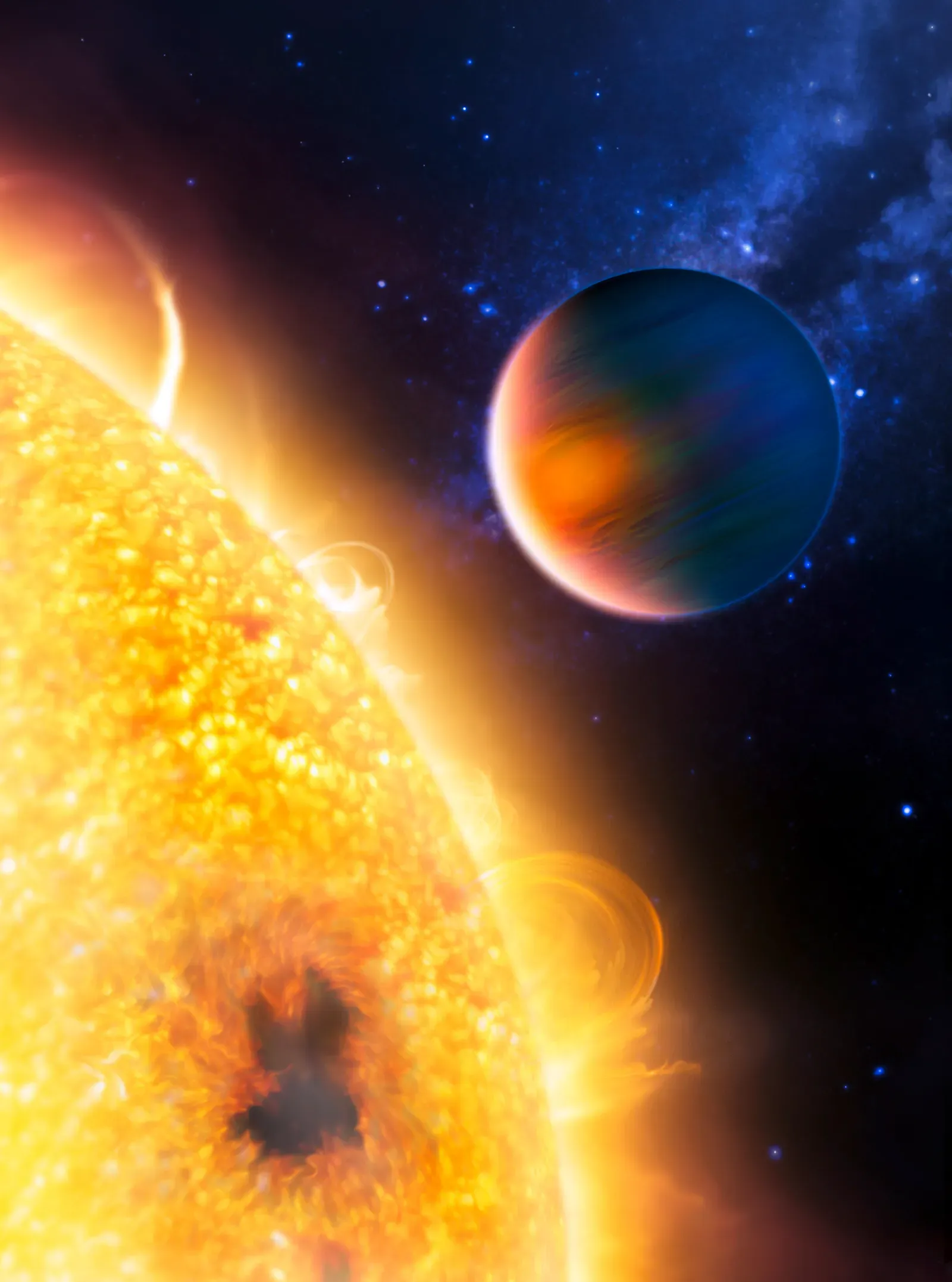
Looking ahead, the next decade of sky surveys will likely decide the fate of this hypothetical planet. If it is out there, future observations should either catch it directly or discover so many new distant objects that the gravitational pattern becomes unmistakable. On the other hand, if increasingly precise data fail to support the clustering, the planet hypothesis may slowly lose ground, replaced by more subtle explanations rooted in survey design and statistics. Either outcome would be scientifically valuable, but only one would redraw schoolroom maps.
If a new planet is confirmed, the story does not end with discovery; in some sense, that is where the real adventure begins. Planetary scientists would immediately start modeling its interior, atmosphere, and potential moons, using every scrap of light and motion they can measure. Future missions – perhaps robotic probes launched late in this century – could one day attempt a flyby, turning a faint dot into a detailed world with weather, chemistry, and a geological history. That shift, from “unknown body” to “familiar place,” is how lonely points of light gradually become part of the human landscape. A hidden planet would not just sit at the edge of the solar system; it would sit at the edge of our imagination, waiting to be crossed.
What You Can Do With a Universe Full of Unknowns

Most of us will never operate a giant telescope or write software that combs starfields for wandering worlds, but that does not mean we are bystanders in this story. Public support, curiosity, and even simple attention help shape which missions get funded and which questions science chooses to chase. Following ongoing surveys, reading mission updates, and sharing discoveries with friends and family keep these searches part of our cultural conversation rather than relegating them to obscure journals. That kind of awareness sounds small, but over time it influences what leaders and agencies see as worth investing in.
If you want to get more involved, there are practical stepping stones. You can support science-focused organizations, museums, and planetariums that bring cutting-edge research to local communities. Many projects also invite volunteers to help classify astronomical images or identify moving objects through citizen-science platforms, turning raw data into meaningful discoveries. Even something as simple as stepping outside on a clear night, pointing out the visible planets, and remembering that there may be another unseen world out there can shift how you feel about your place in the cosmos. In the end, the question of whether we are alone starts with paying attention to what might be hiding in plain, or not-so-plain, sight.