Every time archaeologists think they have the past neatly mapped, the ground does something rude: it gives up an object, a skeleton, or an entire city that rewrites the script. These finds do not just fill gaps; they sometimes rip holes in tidy timelines and long‑held assumptions. From submerged ruins hinting at forgotten coasts to genomes that scramble old migration stories, a quiet revolution is underway in how we understand human history. The mystery is no longer whether the past is incomplete, but how much of it we are still missing – and what that means for the stories we tell about ourselves.
The Hidden Clues: Göbekli Tepe and the First Temples
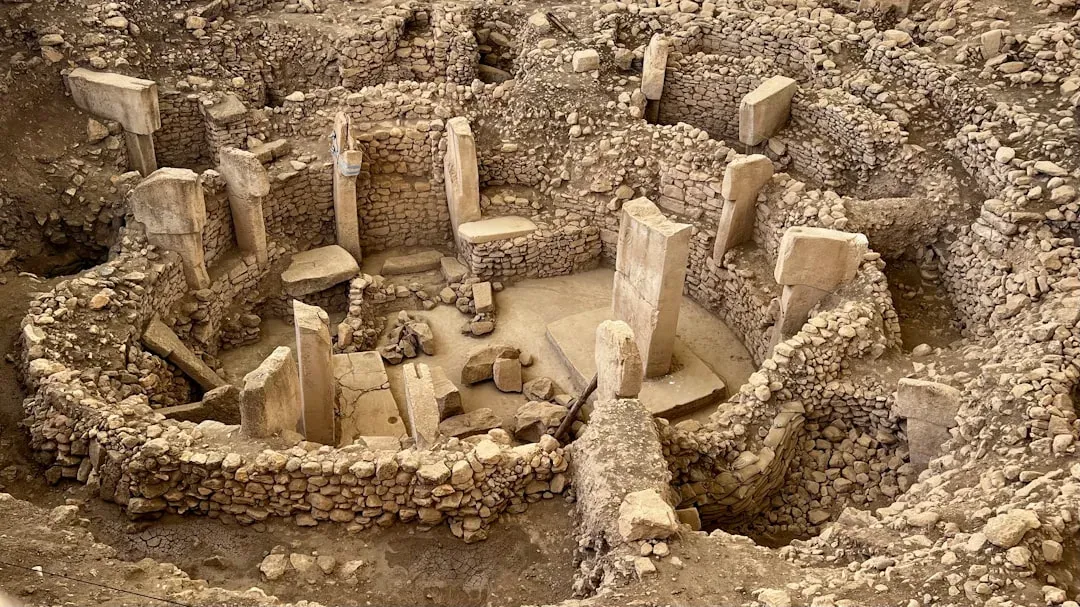
Perched on a windy hill in southeastern Türkiye, Göbekli Tepe looks, at first glance, like a jumble of stone circles and half‑buried pillars. But when archaeologists realized in the 1990s that these T‑shaped monoliths were carved and arranged around eleven and a half thousand years ago – long before pottery, writing, or cities – it sent a shock through the field. The conventional story had always run in one direction: first farming, then villages, then religion and monumental architecture. Göbekli Tepe flipped that logic on its head by suggesting that complex ritual spaces may have come before permanent farming communities.
Some of the pillars are carved with foxes, vultures, snakes, and abstract symbols that no one has fully decoded, turning the site into a kind of prehistoric riddle. What really unsettles researchers is not just the age, but the level of organization required: planning circular enclosures, quarrying and transporting stones that weigh as much as an elephant, and coordinating large groups of people who supposedly still lived as nomadic foragers. For many archaeologists, this raises a provocative idea – that the desire to gather for seasonal rituals might have helped spark agriculture, not the other way around. In other words, belief may have built the first villages.
Beyond the Map: The Indus Cities Without Kings
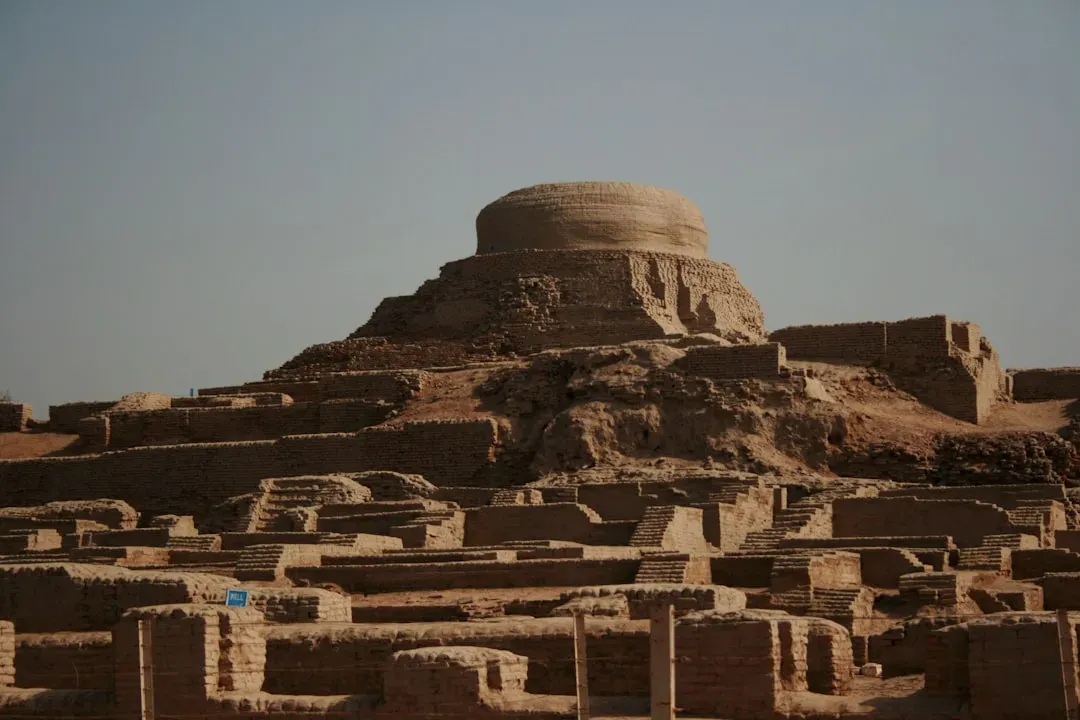
Stretching across what is now Pakistan and northwest India, the Indus – or Harappan – civilization has long puzzled researchers because it seems to break the rules of early urban life. Cities like Mohenjo‑daro and Harappa, flourished roughly four and a half thousand years ago, with straight streets, standardized bricks, elaborately planned drainage, and evidence of long‑distance trade. Yet archaeologists have found no obvious palaces, glorified royal tombs, or giant monuments shouting the names of kings. Compared with Egypt’s pharaohs or Mesopotamia’s god‑kings, the Indus world looks strangely quiet on the propaganda front.
This absence has led some scholars to argue that the Indus cities might have been organized more cooperatively, through councils or shared institutions rather than a single all‑powerful ruler. That idea challenges the once‑dominant theory that complex urban societies almost always rest on top‑down hierarchies and heavy coercion. It also resonates sharply today, when debates about leadership, governance, and inequality are playing out across the globe. Walk through the excavated streets of Mohenjo‑daro and it feels less like a lost empire and more like a social experiment in large‑scale coordination without conspicuous kings.
Ancient DNA, New Stories: The Surprising Genomics of Europe and the Americas

In the last decade, ancient DNA has become archaeology’s most disruptive tool, quietly rewriting chapter after chapter of prehistory. When researchers sequenced genomes from early European farmers and hunter‑gatherers, they discovered that the continent’s past was not a smooth transition from foraging to farming, but a history of repeated migrations, mixtures, and local extinctions. One major study showed that a massive influx of steppe herders several thousand years ago left lasting genetic signatures in many modern Europeans, reshaping how historians think about the spread of languages and ideas. The tidy maps in old textbooks suddenly looked more like tangled webs.
In the Americas, ancient DNA is also overturning earlier, oversimplified migration models. Analyses of remains from sites in Alaska, the interior of North America, and as far south as Brazil point to multiple waves and complex branching patterns rather than a single, one‑time crossing from Siberia. These studies often confirm long‑held oral histories of Indigenous communities that spoke of deep time depth and ancient movement across vast landscapes. But they also raise ethical questions about consent, ownership, and the treatment of ancestral remains, forcing science to grow up as it gains power. The result is a past that is both more scientifically precise and more politically sensitive than ever before.
Sunken Stories: Submerged Landscapes Beneath Rising Seas
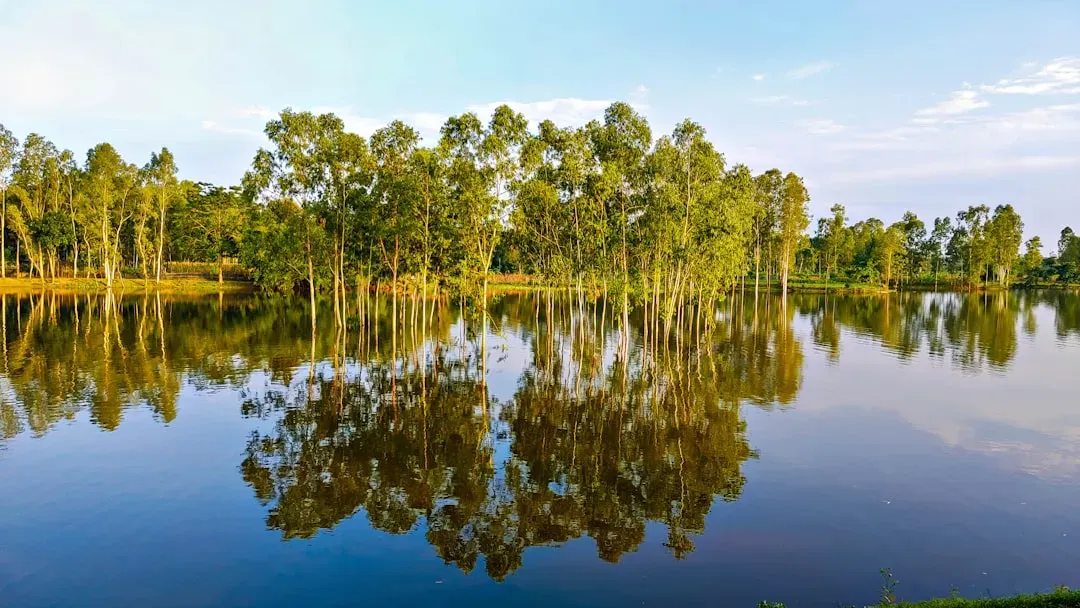
Off the coasts of Britain, the Baltic, and the Mediterranean, sonar scans and underwater excavations are revealing drowned landscapes that challenge our sense of where people once lived. In the North Sea, researchers have mapped traces of the lost landmass known as Doggerland, which connected Britain to mainland Europe after the last Ice Age. This now‑submerged plain once held rivers, wetlands, and likely thousands of human camps and seasonal settlements. Rising seas over several thousand years swallowed it, turning familiar hunting grounds into a vanished country beneath the waves.
Similar discoveries are emerging from India’s Gulf of Khambhat, the coasts of Israel, and around the Aegean, where ancient shorelines hide wells, stone structures, and even roadways. These underwater finds show that entire chapters of human adaptation to sea‑level rise and climate instability are literally out of sight. They also remind us that coastal erosion and marine construction today can destroy irreplaceable evidence of those drowned worlds. Looking at maps of submerged Paleolithic and Neolithic sites, it becomes hard to ignore an uncomfortable parallel with our own rapidly changing coasts.
Lines in the Earth: Nazca, Amazon Geoglyphs, and Landscape Messages
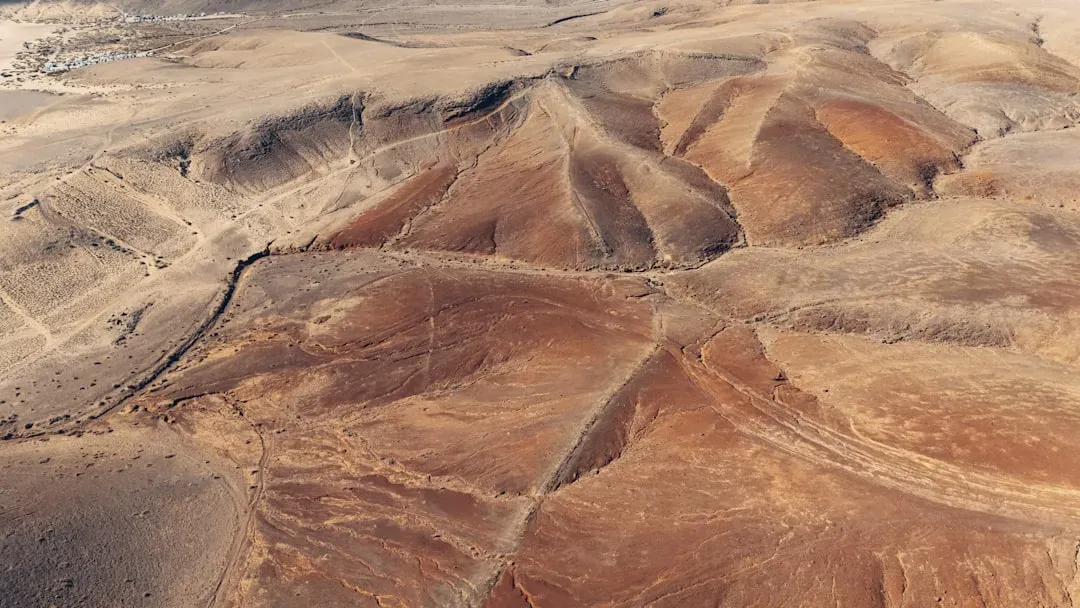
From the air, the famous Nazca Lines in southern Peru look like a series of giant doodles scratched into the desert – hummingbirds, monkeys, and endless geometric paths. For decades, people have speculated wildly about their purpose, but more careful fieldwork and dating have shown that they were created by local cultures over many centuries starting more than two thousand years ago. Far from being random, many of the lines appear to connect ritual platforms, water sources, and pilgrimage routes across a harsh, dry landscape. They turn the desert itself into a kind of ceremonial map that only really makes sense from above nearby hills or elevated vantage points.
Even more surprising, aerial and satellite surveys have uncovered vast numbers of geometric earthworks in the southwestern Amazon, previously assumed to be an untouched wilderness in deep prehistory. These ditches and embankments, often shaped like circles, squares, or complex enclosures, suggest intensive landscape management by Indigenous societies long before European arrival. That finding demands a major rethink of the old idea that the Amazon was simply too fragile or poor in nutrients to support large, organized populations. Instead, the forest may be, in part, a cultural creation shaped by centuries of controlled burning, selective planting, and engineered soils. The rainforest, in this view, is both ecosystem and archive.
From Ancient Tools to Modern Science: Early Americans and the Timeline Shock
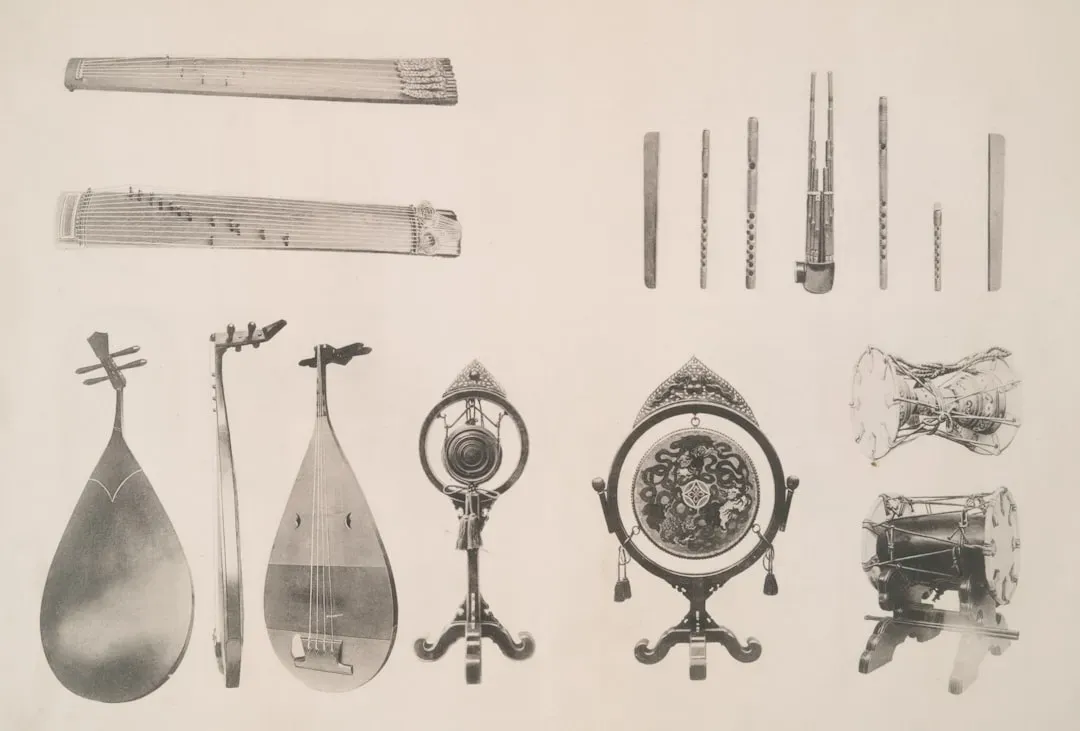
For much of the twentieth century, North American prehistory revolved around a neat starting point: the so‑called Clovis culture, marked by elegant fluted spearpoints dated to around thirteen thousand years ago. Any claim of older human presence was met with intense skepticism or outright dismissal. That story began to unravel as sites like Monte Verde in Chile produced solid evidence of human occupation that predates Clovis by at least a thousand years. Additional sites in Texas, Oregon, and the eastern United States have since joined the list, many supported by improved dating techniques and careful stratigraphic work.
These discoveries suggest that people were exploring and settling the Americas earlier and perhaps along multiple routes, including possible coastal migrations that left few traceable camps. For archaeologists trained on the old model, this shifting timeline has been both thrilling and uncomfortable, because it reveals how much consensus can lag behind new evidence. It also highlights the value of patient, methodical fieldwork at less glamorous sites that rarely make headlines. In a way, the Clovis debate has become a cautionary tale about how strongly established narratives can resist change, even in a data‑driven discipline.
Why It Matters: Challenging the Comfort of Simple Origins
On the surface, these discoveries might sound like debates over dates and obscure stone tools, but they cut to something much deeper: how we imagine human potential and human limits. If a supposedly small, scattered group could build something like Göbekli Tepe, then our assumptions about what early communities could organize and believe need serious revision. If the Indus cities managed dense urban life without obvious kings or towering monuments, then hierarchy is no longer the inevitable cost of complexity. Underneath all the technical arguments is a philosophical question about what kinds of societies are possible.
These finds also challenge long‑standing stereotypes about which regions of the world were supposedly “advanced” and which were “backward.” Discoveries of complex Amazonian earthworks or early coastal navigators off Asia and Oceania reveal innovation in places once written off as peripheral. In classrooms and museums, this can change which stories are centered and whose ancestors are presented as history’s main actors. On a more personal level, realizing that our species has repeatedly adapted, migrated, and reinvented itself can be oddly comforting. It suggests that flexibility, not rigidity, has always been our real tradition.
The Future Landscape: Lasers, Satellites, and Collaborative Archaeology

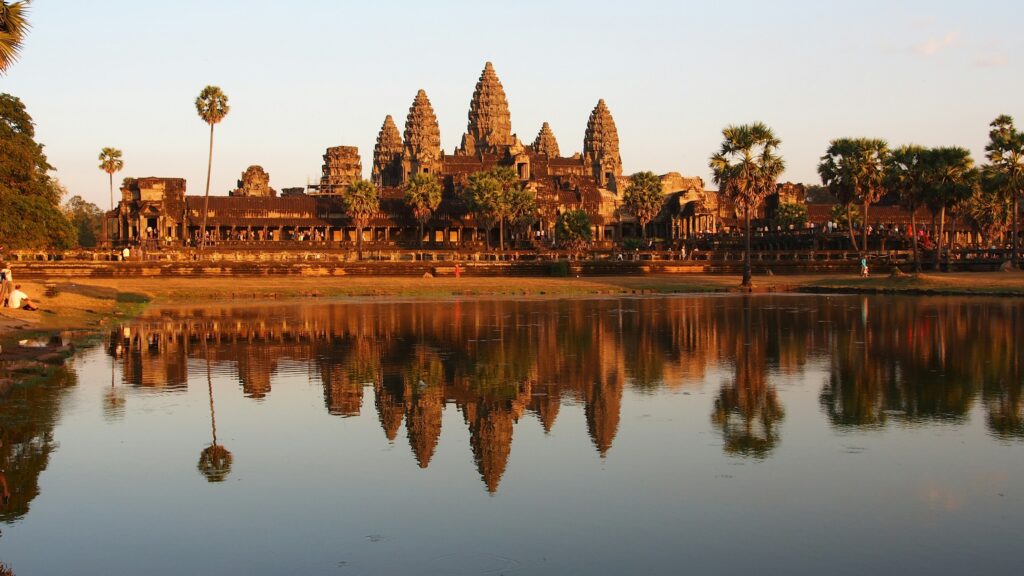
The most disruptive archaeological discoveries of the next few decades may not involve spectacular golden treasures but invisible data coming from the sky and the lab. Airborne laser scanning, known as lidar, has already peeled back forest canopies in places like Cambodia, Guatemala, and Mexico to reveal sprawling ancient cities hidden beneath the trees. Satellite imagery and machine‑learning tools are being trained to spot subtle soil marks, crop patterns, and micro‑topography that hint at buried walls and forgotten roads. This means that regions once written off as “empty” can suddenly light up with signs of past human activity.
At the same time, advances in micro‑archaeology – like analyzing residues on stone tools, reconstructing past diets from dental plaque, or tracing ancient smoke in cave ceilings – are turning tiny traces into big stories. But these high‑tech methods bring new challenges around data ownership, looting risks, and the rights of descendant communities whose heritage is being scanned and sequenced. Increasingly, major projects are moving toward shared decision‑making with Indigenous and local groups, rewriting not only what we know but how we know it. The future of uncovering the past looks less like lone geniuses and more like international, interdisciplinary teams working across borders and cultures.
Call to Action: Becoming Co‑Explorers of the Deep Past
Most of us will never excavate a site at dawn or lower a sonar array into a stormy sea, but that does not mean we are locked out of the adventure. Simple choices – like supporting museums that collaborate with local and Indigenous communities, or reading and sharing nuanced science reporting instead of sensational pseudo‑archaeology – can shape which stories thrive. Many research projects now publish open access summaries, field diaries, and 3D models of artifacts that anyone can explore from a laptop or phone. Some even invite volunteers to help classify satellite images or transcribe old excavation notes, turning the public into real collaborators.
There are also practical ways to protect the fragile record of the past, from discouraging the purchase of unprovenanced antiquities to backing policies that safeguard underwater and coastal sites as seas rise. Even visiting archaeological destinations with a bit more curiosity – asking how local communities are involved, or how climate change is affecting preservation – can shift the conversation. In a sense, every thoughtful question we ask about history pushes back against simplistic myths and easy answers. The ground beneath us is still full of surprises; the real challenge is whether we are willing to let those surprises change our minds.