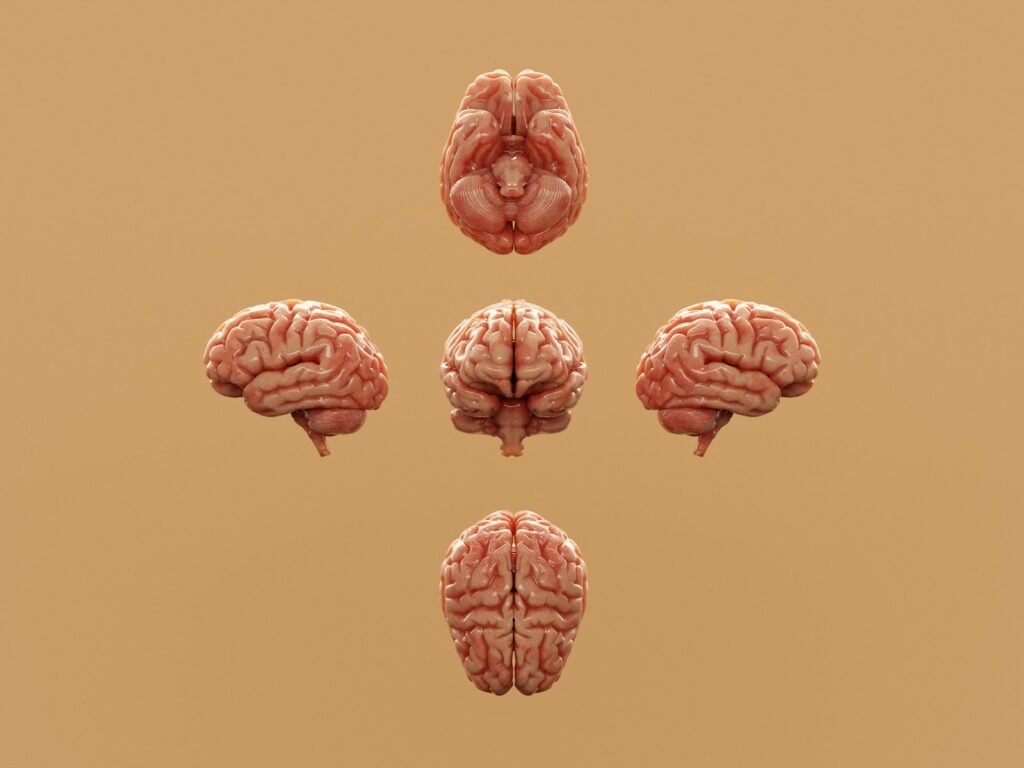

The human brain has a habit of behaving like a magician that refuses to reveal its tricks. Every so often, a case explodes into the medical literature that sounds less like neurology and more like a ghost story, forcing scientists to admit that our models of perception and selfhood are still painfully incomplete. From people who suddenly speak languages they never studied, to patients who feel watched by limbs that are no longer there, these stories travel quickly through social media as “proof” of the supernatural. Yet, looked at closely, they reveal something even more unsettling and beautiful: the brain’s staggering power to invent reality on the fly. What follows is a tour of ten real brain phenomena so bizarre they seem to defy logic, yet each one is slowly rewriting the rules of neuroscience.
The Hidden Clues: When the Brain Sees Things That Are Not There
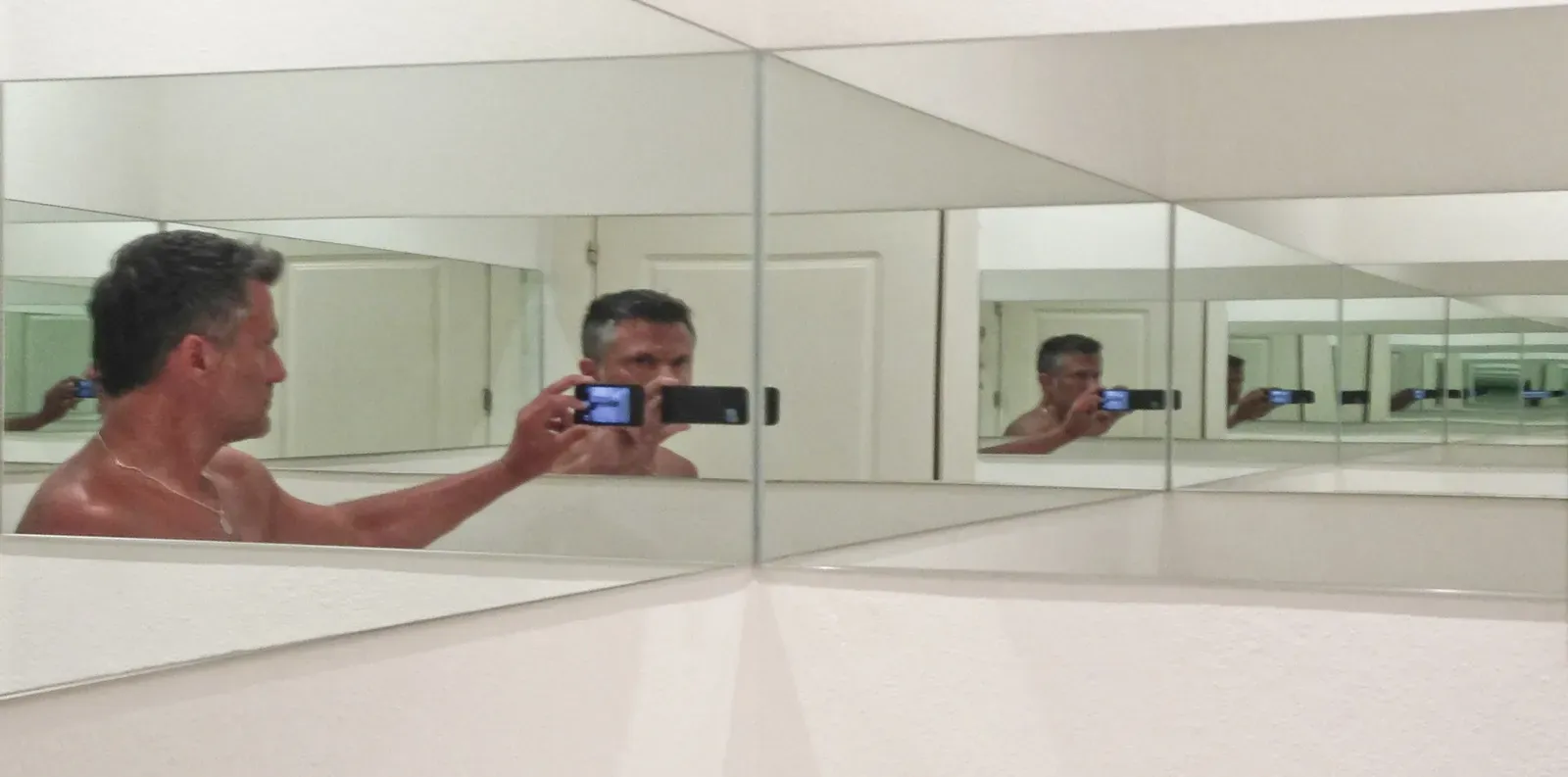
Visual hallucinations are often framed as purely psychiatric, but neurologists know they can arise from exquisitely specific damage to visual circuits. One striking example is Charles Bonnet syndrome, where people with vision loss begin to see vivid, detailed images – faces, patterns, even miniature animals – while fully aware they are not real. Rather than signaling madness, these hallucinations are the brain’s desperate attempt to fill in missing input, like an overzealous photo editor sharpening a picture until new shapes appear. Similar mechanisms can underlie complex visual phenomena in migraine aura, where shimmering zigzags and expanding blind spots march across a person’s field of view. To the person experiencing it for the first time, this can feel utterly uncanny, as if reality itself is glitching in real time.
What looks paranormal is, in many cases, the visual cortex talking to itself with no outside supervision. When photoreceptors or optic nerves fail, higher visual areas lose their usual constraints and begin to free-associate, constructing scenes from fragments of stored memory. Researchers using brain imaging have seen spontaneous activity in the same regions that light up when people see real faces or objects, even though no such stimuli are present. The eerie lesson is that we do not simply “see the world”; we constantly hallucinate it, and normal vision is just the version of that hallucination that happens to be tethered to external light. Once the tether loosens, the illusion shows its seams.
From Ancient Spirits to Neural Storms: Explaining Out-of-Body Experiences
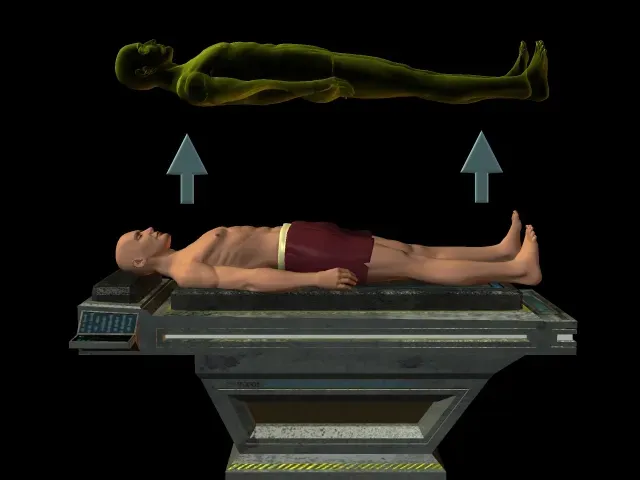
Accounts of floating above one’s own body or watching oneself from the ceiling appear in near-death narratives, religious texts, and modern ER case reports alike. For centuries, these were folded into spiritual frameworks, interpreted as proof that a soul detaches from the body at the moment of crisis. Over the past two decades, however, neurologists have shown that out-of-body experiences can be triggered in surprisingly down-to-earth ways, including electrical stimulation of a region called the temporoparietal junction. This area integrates visual, tactile, and vestibular information to construct a sense of “where I am” in space. When that computation falters, the brain can misplace the self, projecting it into an illusory vantage point above or beside the body.
Virtual reality experiments have pushed this further, using synchronized stroking of a person’s real body and an avatar to shift their felt center of self into the digital double. When the avatar is threatened, the person’s body shows stress responses – heart rate changes, skin conductance shifts – even though they know, intellectually, that nothing in the room is dangerous. In emergency settings with low oxygen, anesthesia drugs, or severe trauma, the same spatial integration systems are destabilized in far messier ways. The result can feel transcendental, and for many people, it remains the most profound event of their lives. Yet the underlying mechanism seems less like a doorway to another realm and more like a fragile software bug in how the brain binds “me” to a body.
Phantom Limbs and Ghost Touch: When the Body Map Refuses to Update
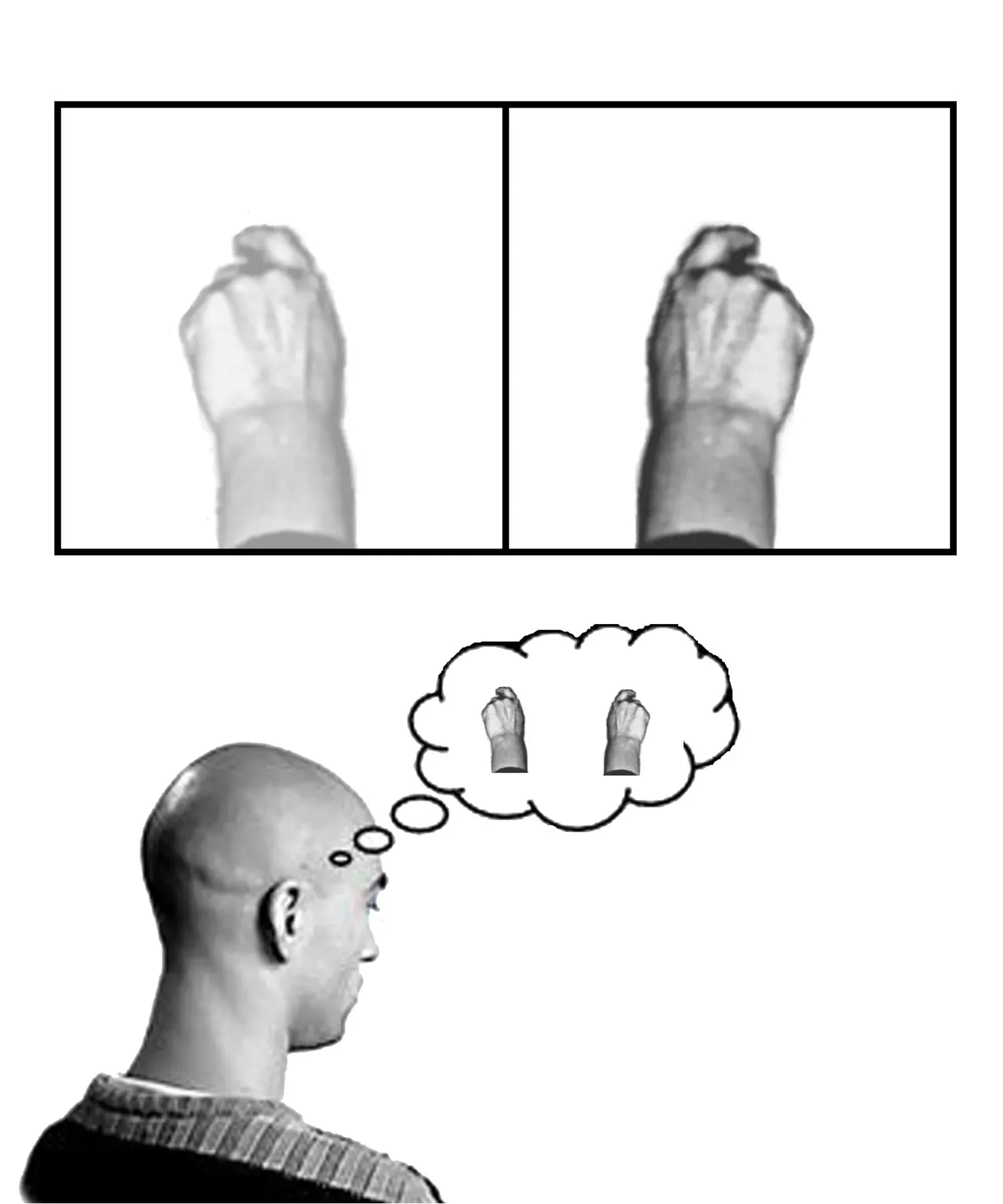
Few neurological stories sound more like a haunting than phantom limb phenomena. After an amputation, a large majority of patients report vivid sensations – itching, warmth, even crushing pain – in a limb that no longer exists. Brain imaging has revealed that the sensory and motor maps of the missing limb remain active in the cortex, sometimes even expanding into neighboring territories. When the skin of the face or shoulder is touched, some patients feel the sensation on their phantom hand or foot, as if the brain has reassigned the wiring but kept the old labels. This mismatch between the body the brain expects and the body it actually has can become agonizingly persistent.
One of the most inventive treatments in modern neurology, the mirror box, was developed to hack that stubborn body map. By placing the intact limb in front of a mirror and moving it, patients receive visual feedback that appears to show the missing limb obeying their commands. Over time, this illusion can quiet the overactive circuits associated with phantom pain, offering relief without drugs or surgery. Emerging therapies pair this approach with virtual reality and augmented reality, building digital limbs that respond to a patient’s attempted movements. What once looked like a supernatural ghost-in-the-body is gradually being reframed as a plastic but error-prone internal model of the self – one that can be retrained with the right illusions.
Foreign Accent and Sudden Savants: Skills and Voices from Nowhere
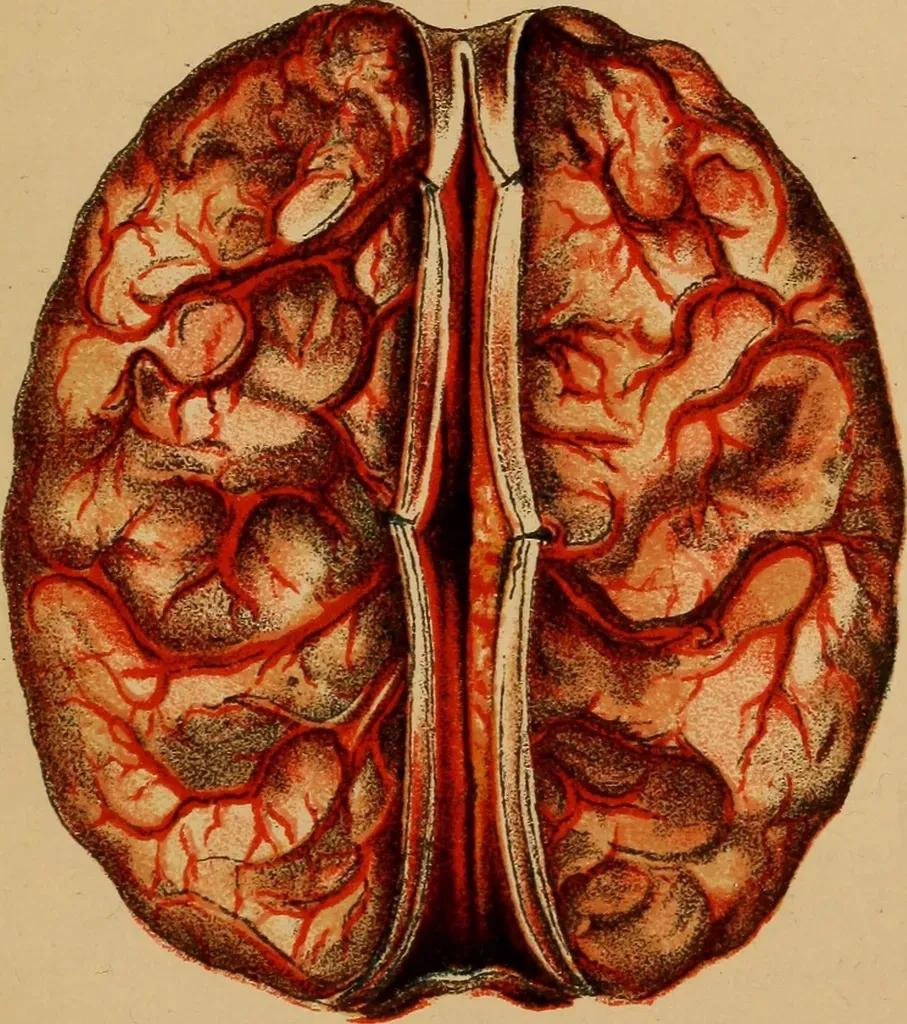
Imagine waking up from a mild head injury only to find that you speak your mother tongue with an unfamiliar rhythm and intonation that everyone insists sounds foreign. That is the unsettling reality of foreign accent syndrome, a rare condition in which tiny lesions or disruptions in speech motor planning areas produce changes that listeners interpret as a new accent. Patients have been described as suddenly “sounding Russian” or “sounding British,” even though linguistic analysis shows that they have not acquired a real second language pattern, only a distorted version of their original speech. Still, to family and friends, it can feel as if a different person is speaking through a familiar face.
Equally uncanny are cases of so-called acquired savant syndrome, where individuals develop exceptional artistic, mathematical, or musical abilities after brain injury or neurological illness. Documented examples include people who, after trauma, become obsessed with prime numbers or begin drawing hyper-detailed cityscapes from memory. One hypothesis is that damage to certain inhibitory networks disinhibits lower-level processing, allowing raw perceptual or pattern-detection abilities to surface unchecked. This idea, though not fully proven, suggests that many latent capacities may be actively suppressed in normal brains in the name of efficiency. In both foreign accent and acquired savant cases, the person does not feel possessed or controlled; they feel like themselves, but with a voice or skill set that “came out of nowhere,” putting them at the center of stories that sound almost supernatural to outside observers.
The Brain’s Hidden Time Machine: Déjà Vu, Jamais Vu, and False Memories
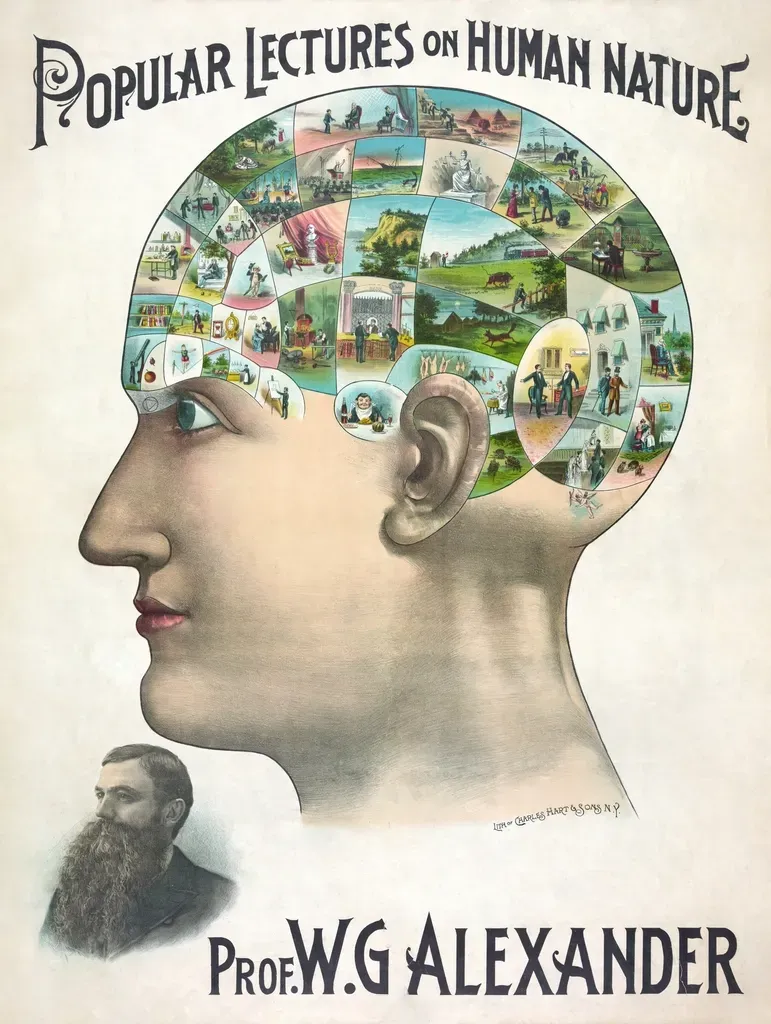
Few everyday experiences feel more eerie than déjà vu – the jolt of certainty that a new moment has already happened before. For a long time, this was relegated to the realm of folklore and intuition, but modern cognitive science has started to pin down some mechanisms. One leading view suggests that déjà vu arises when the brain’s familiarity circuits briefly fire out of sync with detailed recollection, creating a mismatch where a situation feels known without any specific memory attached. This may be more common in people with certain temporal lobe sensitivities, and can be provoked in the lab with virtual environments that subtly repeat spatial layouts without obvious cues. Its uncanny cousin, jamais vu, flips the script: familiar words or faces suddenly feel absurdly strange, as if language or identity has been temporarily defaced.
Perhaps even more disturbing is how easily the brain can be nudged into producing entirely false memories that feel as solid as real ones. Classic experiments have shown that with repeated suggestion and supportive social cues, people can come to “remember” events that never happened, complete with sensory detail and emotion. This has profound implications for eyewitness testimony and for how we reconstruct our own past over time. Roughly about one third to nearly half of participants in some studies have accepted at least one suggested false memory under controlled conditions. The paranormal twist is that if your brain can fabricate episodes with this level of conviction, then many stories of prophetic dreams or shared visions might reflect powerful internal editing rather than external forces.
Why It Matters: Challenging What We Mean by “Reality” and “Self”
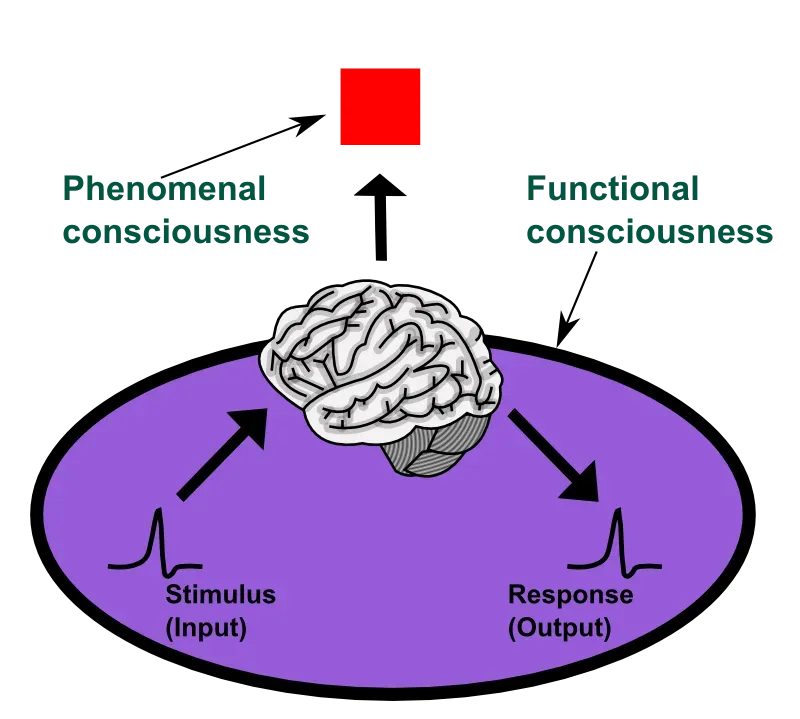
These brain phenomena are not just curiosities to trade at dinner parties; they cut to the core of what we think is real. When a person feels a phantom hand, floats out of their body, or suddenly speaks with an unfamiliar cadence, they are experiencing a direct clash between their internal models and the external world. Traditional medicine often tried to sweep such experiences under broad labels like hysteria or delusion, but modern neuroscience is forcing a more nuanced view. In many of these conditions, the brain is doing exactly what it evolved to do: stitching incomplete, noisy signals into a coherent story fast enough to keep us alive. The price of that speed and coherence is vulnerability to spectacular glitches.
Compared with older, more rigid ideas of brain function – where each area had a fixed, singular job – these phenomena underscore just how dynamic and context-sensitive neural systems are. They also expose the limits of a purely reductionist approach that treats all subjective reports as unreliable side effects. Ignoring a person’s description of feeling split from their body or haunted by a missing limb means throwing away some of the most direct data we have about how consciousness is assembled. The big scientific stakes are clear: if we can reverse-engineer these “paranormal” experiences, we edge closer to testable theories of self, agency, and perception. And in a world where misinformation spreads fast, grounding the eeriest stories in careful neuroscience may be one of the best tools we have to keep both wonder and critical thinking alive.
Between Seizures and Spirits: Epileptic Auras and Religious Visions
Long before anyone could record brain waves, people with temporal lobe epilepsy were often treated as prophets, mystics, or the possessed. Their seizures sometimes begin with intense auras: waves of déjà vu, overwhelming emotions, smells that are not there, or a sudden sense of presence in the room. To the person inside the experience, the feeling can be so powerful and meaningful that supernatural explanations come naturally. Modern EEG and imaging studies have revealed that these auras correspond to abnormal firing in networks that process memory, emotion, and sensory integration. In other words, the brain is flooding itself with internally generated signals so vivid that they override normal reality checks.
This does not cheapen the lived significance of such episodes, but it does put them in a new interpretive light. Historians of science have revisited biographies of famous religious figures and noted symptom clusters that resemble temporal lobe epilepsy, though such posthumous diagnoses remain speculative. Clinically, recognizing an ecstatic or fear-laden aura as a seizure can be lifesaving, guiding patients toward treatment rather than stigma. At the same time, the overlap between epileptic experiences and spiritual narratives forces both scientists and believers to grapple with a messy truth: our deepest feelings of awe, fear, or transcendence may be built on neural processes that are surprisingly fragile. The brain, it seems, is fully capable of generating its own burning bushes.
Global Perspectives: Culture, Belief, and the Shape of the Uncanny

How these strange brain events are interpreted varies dramatically across cultures, and that diversity has become a crucial tool for researchers. In some communities, sleep paralysis – where a person wakes unable to move while sensing a threatening presence – is framed as a demonic attack or night hag; in others, it is explained as a stress-related sleep disorder. Interestingly, the content of the hallucinations often mirrors local legends, suggesting that culture feeds the brain’s imagery even as the underlying physiology remains similar. Anthropologists and neuroscientists working together have found that people who are taught a benign, scientific explanation for sleep paralysis often experience less fear and fewer recurring episodes. Belief, in other words, can modulate not only how we tell the story, but how the brain lives it.
Similar patterns show up with possession states, trance experiences, and anomalous perceptions during grief. Where one culture may see a deceased relative’s voice as a comforting visitation, another may pathologize it as a symptom of psychosis, influencing whether the person seeks a healer, a priest, or a psychiatrist. These choices shape treatment, stigma, and outcome. Researchers are increasingly arguing that any serious theory of brain and mind has to account for this cultural scaffolding, not just raw biology. The paranormal edge of neuroscience is therefore not a fringe topic; it is a window into how societies negotiate the boundary between inner experience and shared reality.
The Future Landscape: Technologies Probing the Edge of the Unexplainable
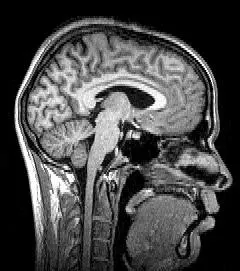
Advances in brain imaging, neuromodulation, and computational modeling are bringing once-mysterious experiences into sharper focus. High-resolution fMRI and invasive recordings in patients undergoing epilepsy surgery now allow scientists to watch hallucinations and out-of-body sensations unfold millisecond by millisecond across networks. Noninvasive tools like transcranial magnetic stimulation and focused ultrasound can nudge specific regions, sometimes inducing subtle distortions in body ownership or perception, offering controlled glimpses of phenomena that used to arise only by accident. Paired with sophisticated virtual reality setups, labs are probing how far a sense of self can be stretched or relocated before it snaps back. These experiments might sound like science fiction, but they are already informing therapies for chronic pain, depression, and trauma.
Looking ahead, one of the biggest challenges will be ethical rather than technical. As brain–computer interfaces mature, the possibility of directly writing information into sensory areas or decoding internal imagery raises unsettling questions about privacy and manipulation. At the same time, large-scale data from wearables and home EEG devices could reveal subtle patterns that precede hallucinations, seizures, or dissociative episodes, allowing earlier intervention. Globally, inequities in access to these technologies risk creating a split where wealthy health systems can demystify and treat uncanny experiences, while others remain bound to more punitive or supernatural explanations. The frontier where neuroscience meets the “paranormal” will not just test our instruments; it will test our willingness to treat strange experiences with curiosity and care rather than fear.
Call to Action: Staying Curious Without Being Misled
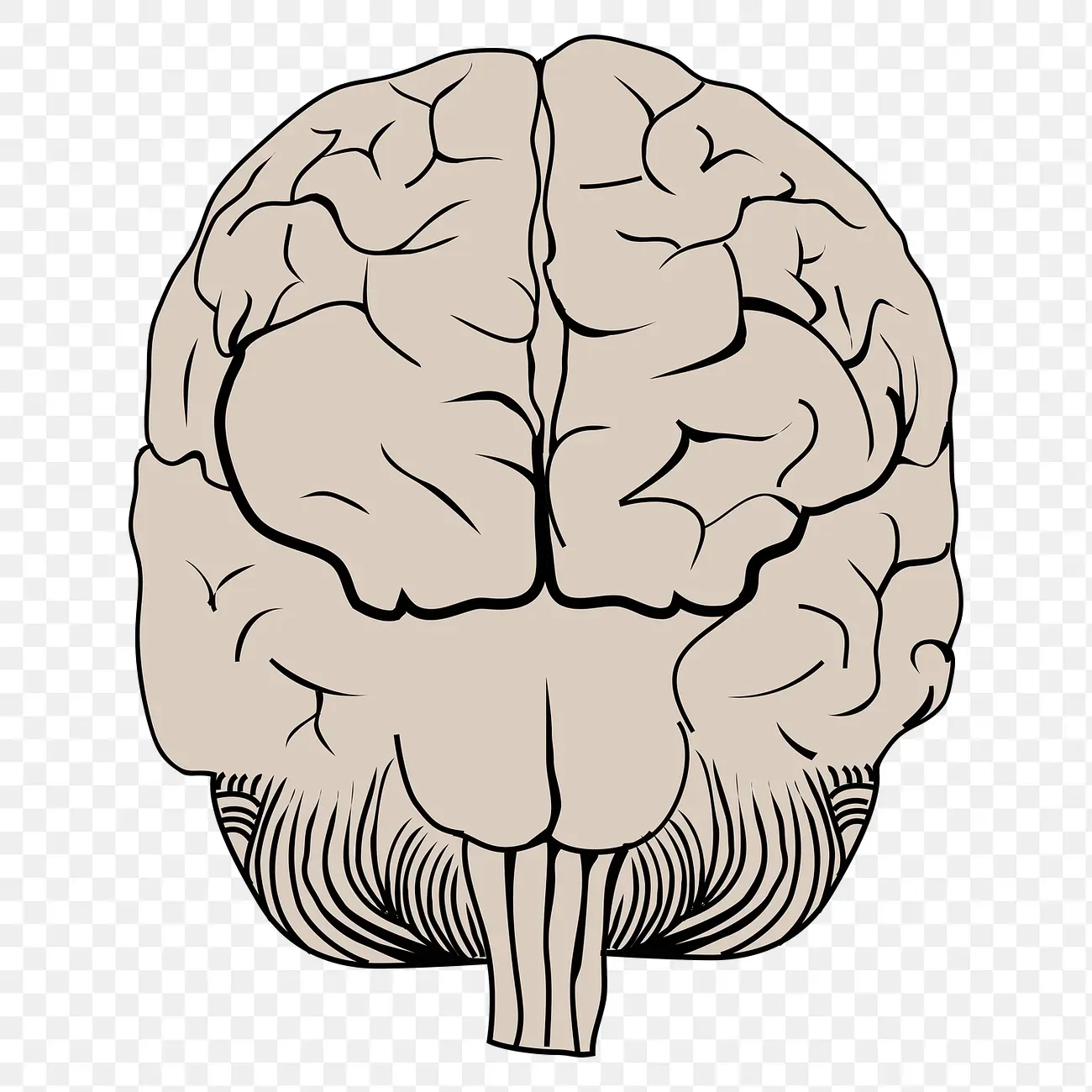
For readers fascinated by these brain-borderline-paranormal stories, the most powerful step is to hold both wonder and skepticism at the same time. When you hear about a miraculous vision, a sudden savant, or a haunting phantom limb, resist the urge to rush either to dismissal or to mystical certainty. Instead, look for research groups, neurologists, and patient advocates who are studying these phenomena with open minds and rigorous methods. Supporting organizations that fund brain research, from national science agencies to disease-specific foundations, helps push the field toward explanations that are both humane and testable. Even simple acts – sharing accurate articles, challenging sensationalized claims, and listening respectfully to people describing strange experiences – can shift the conversation.
On a more personal level, paying attention to your own perception can be its own quiet form of citizen science. Noticing when your memory plays tricks, when a dream bleeds into waking life, or when your sense of time or self briefly wobbles can make the brain’s constructed nature less abstract. If an experience feels frightening or disruptive, especially if it recurs, seeking medical advice is not a sign of weakness or disbelief; it is a way to bring more tools to the table. The line between the natural and the paranormal has always been drawn with incomplete information. By staying engaged, curious, and grounded in evidence, each of us can help redraw that line a little more honestly.
Suhail Ahmed is a passionate digital professional and nature enthusiast with over 8 years of experience in content strategy, SEO, web development, and digital operations. Alongside his freelance journey, Suhail actively contributes to nature and wildlife platforms like Discover Wildlife, where he channels his curiosity for the planet into engaging, educational storytelling.
With a strong background in managing digital ecosystems — from ecommerce stores and WordPress websites to social media and automation — Suhail merges technical precision with creative insight. His content reflects a rare balance: SEO-friendly yet deeply human, data-informed yet emotionally resonant.
Driven by a love for discovery and storytelling, Suhail believes in using digital platforms to amplify causes that matter — especially those protecting Earth’s biodiversity and inspiring sustainable living. Whether he’s managing online projects or crafting wildlife content, his goal remains the same: to inform, inspire, and leave a positive digital footprint.