Across the windswept plains of Iowa, the brick-lined streets of Ohio college towns, and the snowy suburbs of Wisconsin, one quiet constant curls up on couches and sunlit window sills: cats. In a region better known for corn yields and lake-effect snow than feline fame, the Midwest has become an unexpected microcosm for how humans shape animals – and how animals quietly reshape us. Veterinarians and shelter staff from Ohio to Wisconsin report clear favorites among cat breeds, but behind those preferences lies a deeper story about climate, culture, and the way we engineer companion animals to fit our lives. The result is a living archive of domestication, each breed carrying ancient traits honed by farmers, sailors, monks, and geneticists. Looking closely at the Midwest’s favorite cats turns out to be less about cute faces and more about hidden histories and evolving relationships between people and their animals.
The Hidden Clues: Why Midwest Favorites Matter to Science
The Midwest might seem like an unlikely laboratory for understanding feline evolution, yet its mix of urban centers, college towns, farms, and harsh winters acts like a natural filter on which cat traits actually work in the real world. When Ohio suburban families overwhelmingly choose a particular long-haired breed, or Wisconsin farmsteads keep gravitating toward hardy, athletic mousers, they are unconsciously selecting for survival strategies that echo back through centuries. These choices leave a trace in veterinary records, shelter intake data, and breed club registrations, painting a picture of how environmental pressures and human lifestyles steer the future of domestic cats. In a sense, the Midwest becomes an experiment in slow motion, showing what happens when ancient predator meets snow, basements, and backyard bonfires. For scientists studying domestication and behavior, these patterns are as revealing as fossils in a cave or pottery shards in a dig.
Underneath the affection and internet memes, cats here still carry the genetic fingerprints of their Near Eastern wildcat ancestors that first began lingering near grain stores thousands of years ago. The difference now is that instead of granaries, they patrol garages and aging barns outside Des Moines, or sleep on radiators in Chicago walk-ups. The most loved breeds in this region are, in effect, chosen artifacts, selected not by archaeologists but by families responding to modern pressures such as long work hours, small apartments, and frigid winters. When we ask which cats the Midwest loves, we are really asking which ancient traits we are choosing to preserve – and which we are willing to let fade. It is a quiet but powerful form of biological storytelling written in fur, temperament, and the way a cat fits into a busy Tuesday night.
From Barns to Sofas: The Enduring Reign of the Domestic Shorthair
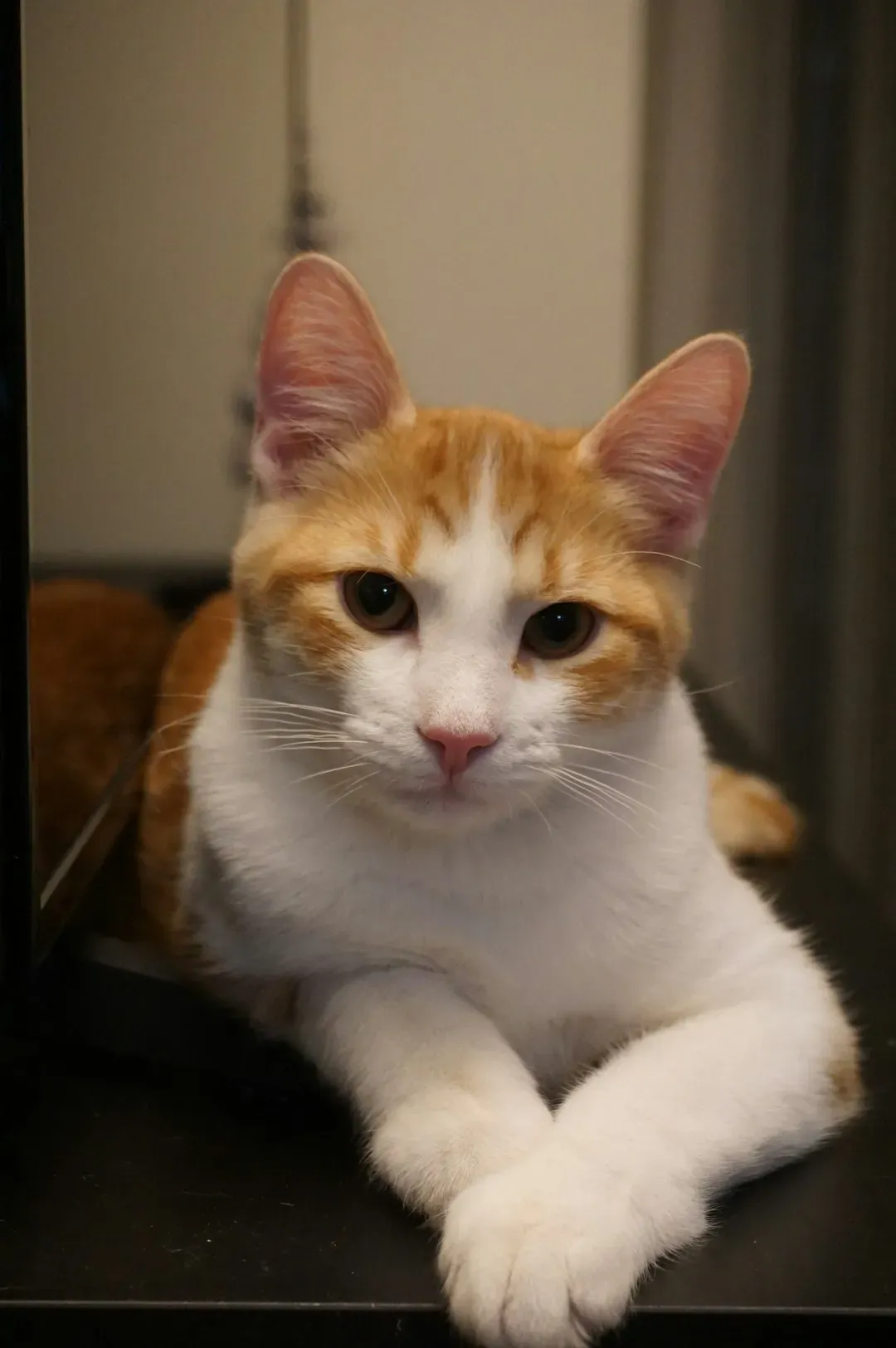
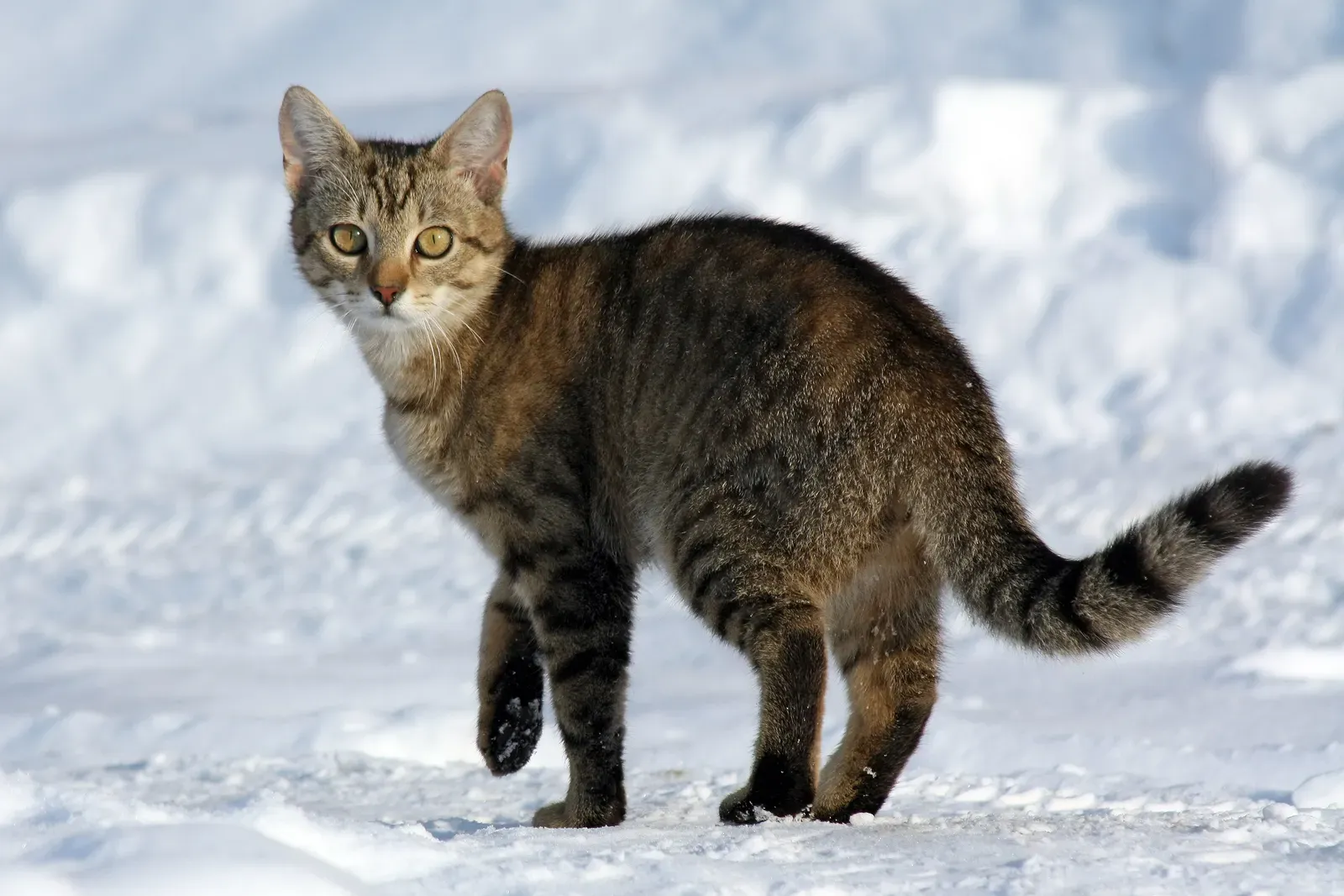
If there were a single feline to represent the Midwest, it would not be a glamorous show cat but the humble domestic shorthair – sometimes called the “mutt” of the cat world. These cats, with their short, dense coats and every possible coat pattern, dominate shelters and neighborhoods from Ohio cul-de-sacs to rural Wisconsin farmhouses. Their popularity is no accident: short hair is easier to manage in homes where people spend long days commuting or dealing with unpredictable weather, and their mixed ancestry often brings robust health. In many Midwestern towns, local animal shelters report that the vast majority of their cat adoptions are domestic shorthairs, simply because that is who shows up. In evolutionary terms, this is natural selection meeting human preference, producing an all-purpose survivor well suited to garages, porches, and sun patches on old wooden floors.
The domestic shorthair is also a living reminder of ancient, unplanned domestication. These cats descend from generations of free-breeding felines that followed humans for food and shelter, not because anyone carefully mapped pedigrees or selected traits. In that sense, every friendly tabby in a Toledo apartment carries echoes of the first cats that crept into early settlements, drawn by rodents and tolerated by farmers. Their genetic diversity, while messy on paper, acts like a buffer against inherited disease and extreme traits. Families from Chicago to Cedar Rapids often describe them as adaptable, street-smart, and surprisingly good at figuring out household routines. In a region that prides itself on practicality and resilience, it is no surprise that the most beloved cat is the one that simply gets on with life.
Norwegian Forest Cats and Maine Coons: Feline Echoes of Ice and Timber
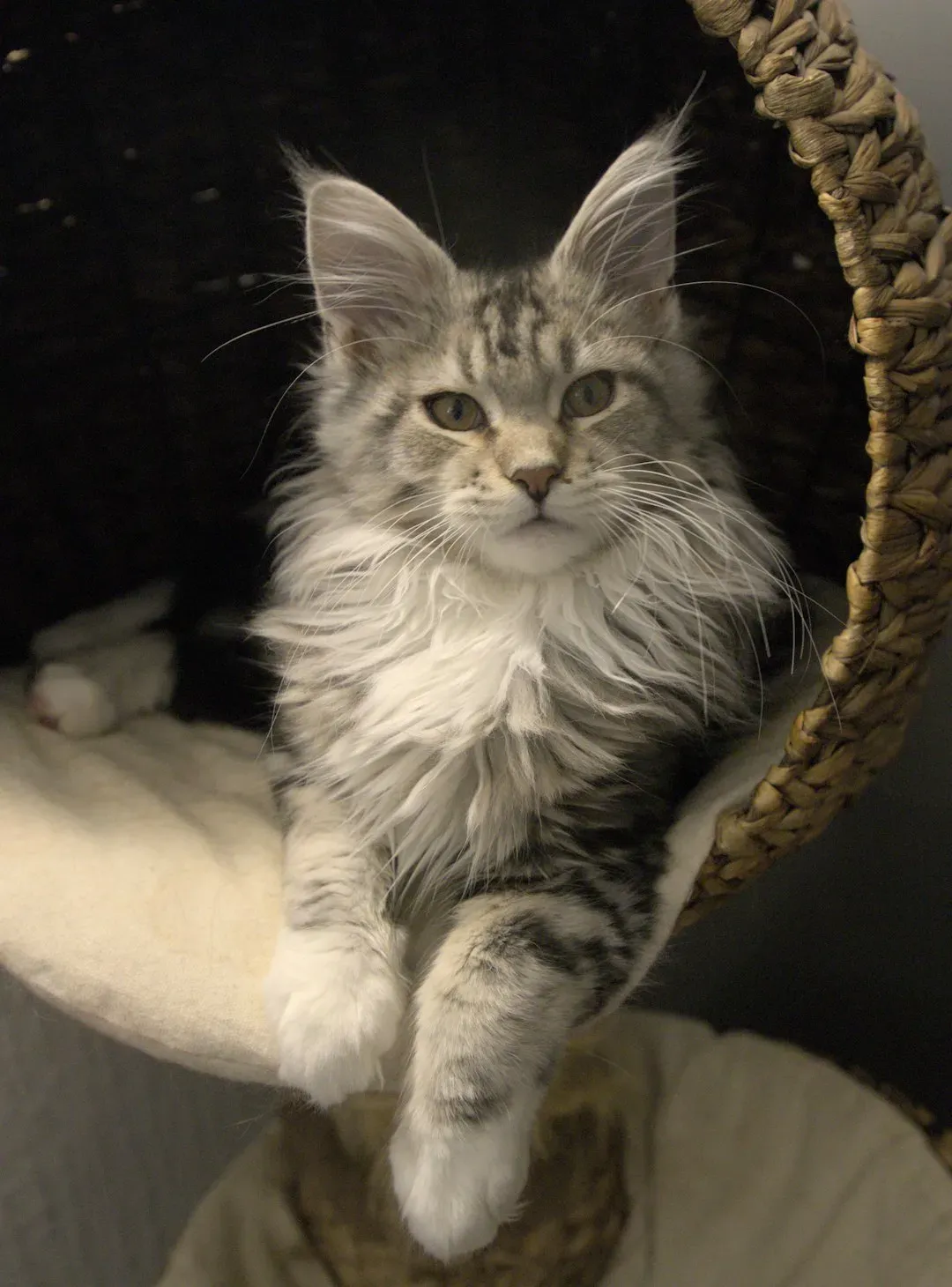
In states where winter can stretch from October flurries to March blizzards, it is almost inevitable that big, rugged, cold-adapted cats win hearts. Among these, the Maine Coon and Norwegian Forest Cat have carved out a special niche in Midwestern homes, particularly in places like Minnesota, Wisconsin, and northern Michigan. Their thick, water-resistant coats, bushy tails, and tufted ears are not just charming – they are textbook examples of adaptation to harsh, cold climates. Owners across the region often mention how these cats will sit by drafty windows or follow them onto snow-dusted porches, seemingly unfazed by the chill. Their large size and steady temperament also make them feel almost like small, indoor lynx, a touch of wilderness in a split-level house.
From a scientific perspective, these breeds are fascinating portraits of convergent evolution and human-guided selection. Long before modern genetic testing, northern peoples were effectively selecting cats that could thrive in forests, fishing villages, and wooden farmhouses where winters were punishing. The Midwest, with its similar seasonal extremes, provides an ideal environment for those same traits to remain useful and appreciated. Veterinarians in cold-weather states often note that thick-coated breeds appear particularly comfortable in drafty older homes where heating is uneven. For families, having a cat that seems built for snow country adds a subtle reassurance, like owning a well-made winter coat that also purrs.
Siamese and Oriental Breeds: Ancient Voices in Urban Apartments
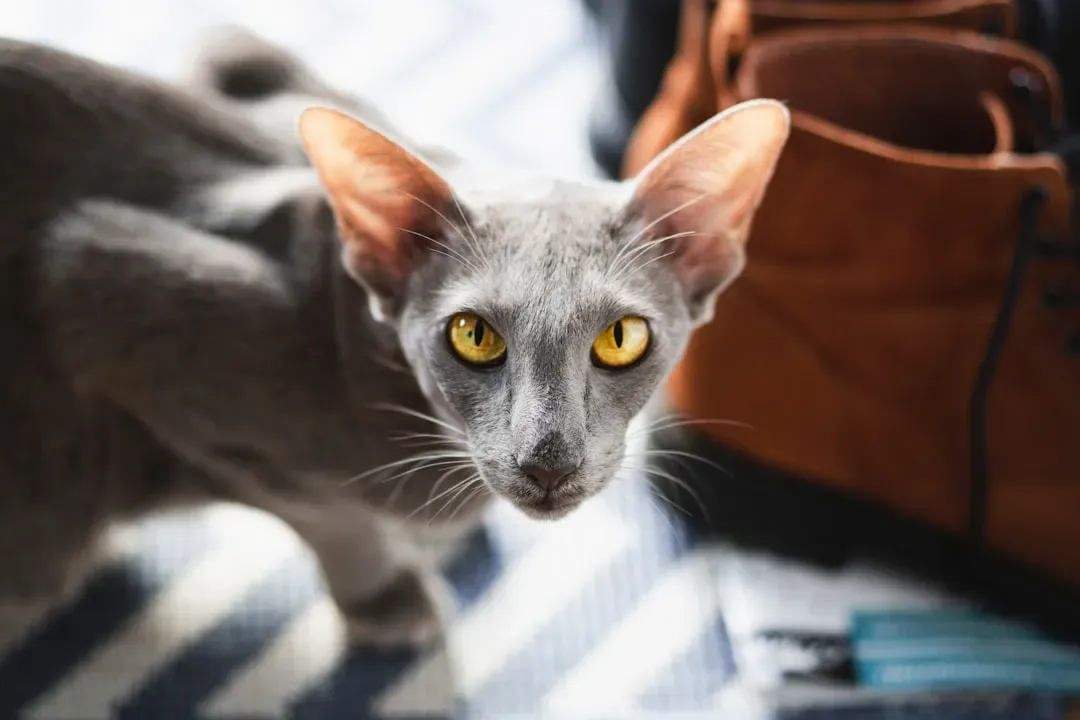
While rugged, fluffy cats rule many rural and suburban areas, city centers like Columbus, Milwaukee, and Minneapolis tell a different story. There, sleek, vocal breeds such as Siamese and related Oriental cats have gained a strong following, especially among younger professionals and students. These cats carry ancient roots from Southeast Asia, where they were once associated with temples and royal households, but today they are more likely to be found in a high-rise overlooking Lake Michigan. Their social, talkative nature tends to suit people who want a companion that feels almost like a tiny roommate instead of a quiet ornament. In studio apartments where every square foot counts, a slender, curious cat that interacts constantly can feel like a comforting, animated presence.
Behavior researchers often point to Siamese and Oriental breeds as case studies in how selective breeding shapes personality as much as physical form. Their tendency to bond closely with one or two humans, follow them from room to room, and respond vocally to attention is the product of generations of human preference for interaction. In the Midwest, where long, dark winters can compress social life indoors, these feline extroverts offer a kind of everyday emotional buffer. Owners frequently adapt their routines around these cats’ needs, playing more interactive games and providing climbing structures in otherwise minimal spaces. It is a subtle feedback loop: the cats’ attention-seeking behavior encourages humans to respond, and in return, their popularity spreads through word-of-mouth among urban friends and neighbors.
Ragdolls and British Shorthairs: Calm Companions for a Slower Pace
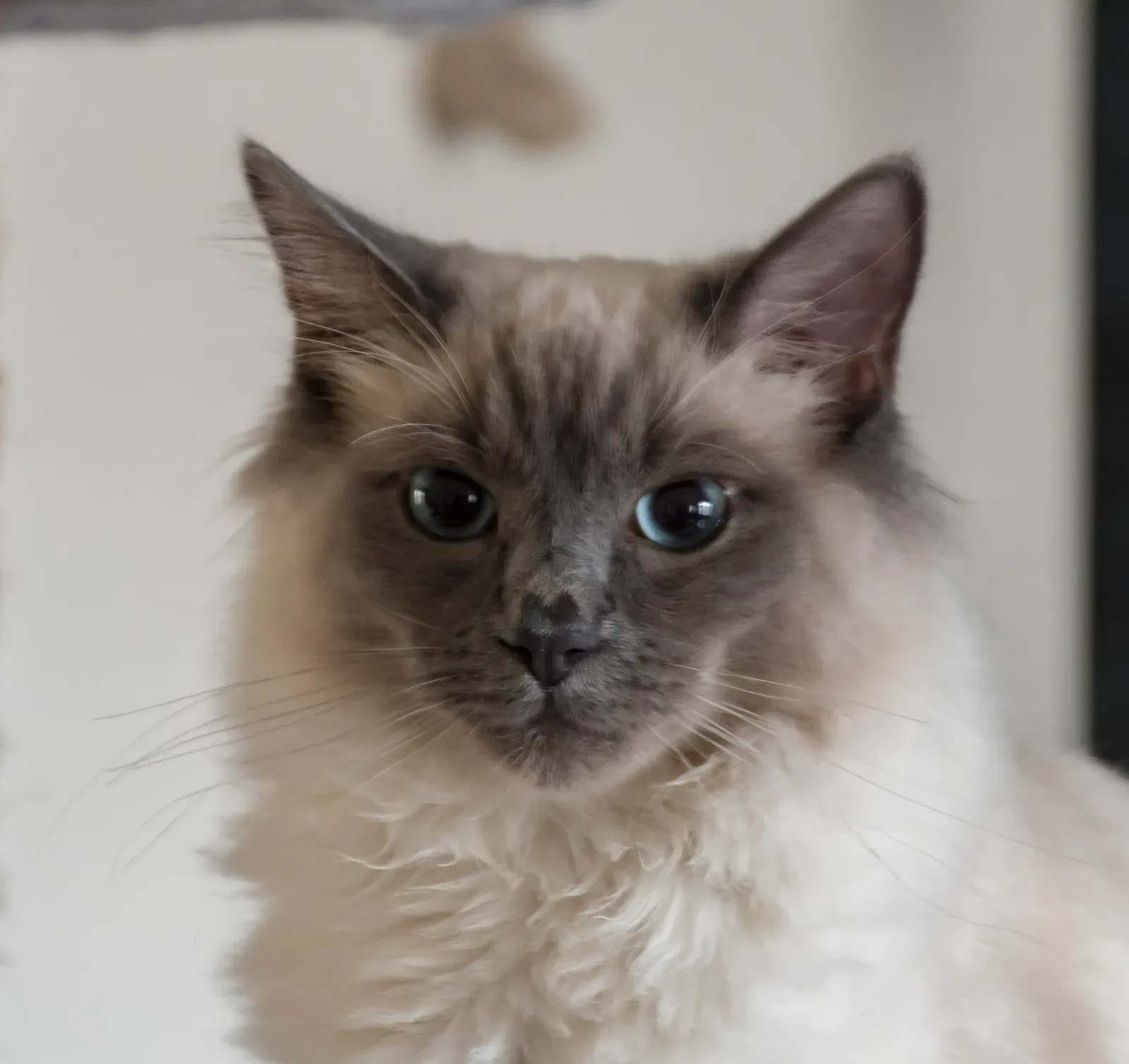
In many Midwestern households, especially those with children or older adults, calmer, more placid breeds have quietly become top choices. Ragdolls, known for their tendency to relax completely when held, and British Shorthairs, with their dense coats and unhurried temperament, fit the lifestyle of quieter suburbs and small towns. These cats often tolerate handling better than more high-strung breeds, an important trait in homes where kids are learning to be gentle. Their steady, almost unflappable demeanor aligns well with evenings spent watching sports, reading by the fireplace, or hosting low-key family gatherings. People often describe these breeds as reassuring presences rather than constant entertainers.
For scientists studying animal-assisted comfort, these gentle breeds illustrate how emotional needs drive selective breeding just as strongly as physical demands. In regions where economic uncertainty, long commutes, and seasonal affective blues can weigh heavily, a calm, affectionate animal becomes more than a pet – it becomes an everyday coping tool. Ragdolls and British Shorthairs are frequently highlighted in surveys of families seeking “easygoing” cats that integrate smoothly with varied schedules. Their energy levels and interaction styles require less intensive playtime than more athletic or vocal breeds, making them uniquely compatible with the Midwestern rhythm of work, school, and weather. They show how the human quest for a little more tranquility can leave a permanent mark on domesticated species.
Working-Class Royals: American Shorthairs, Bengals, and Farm-Bred Hunters
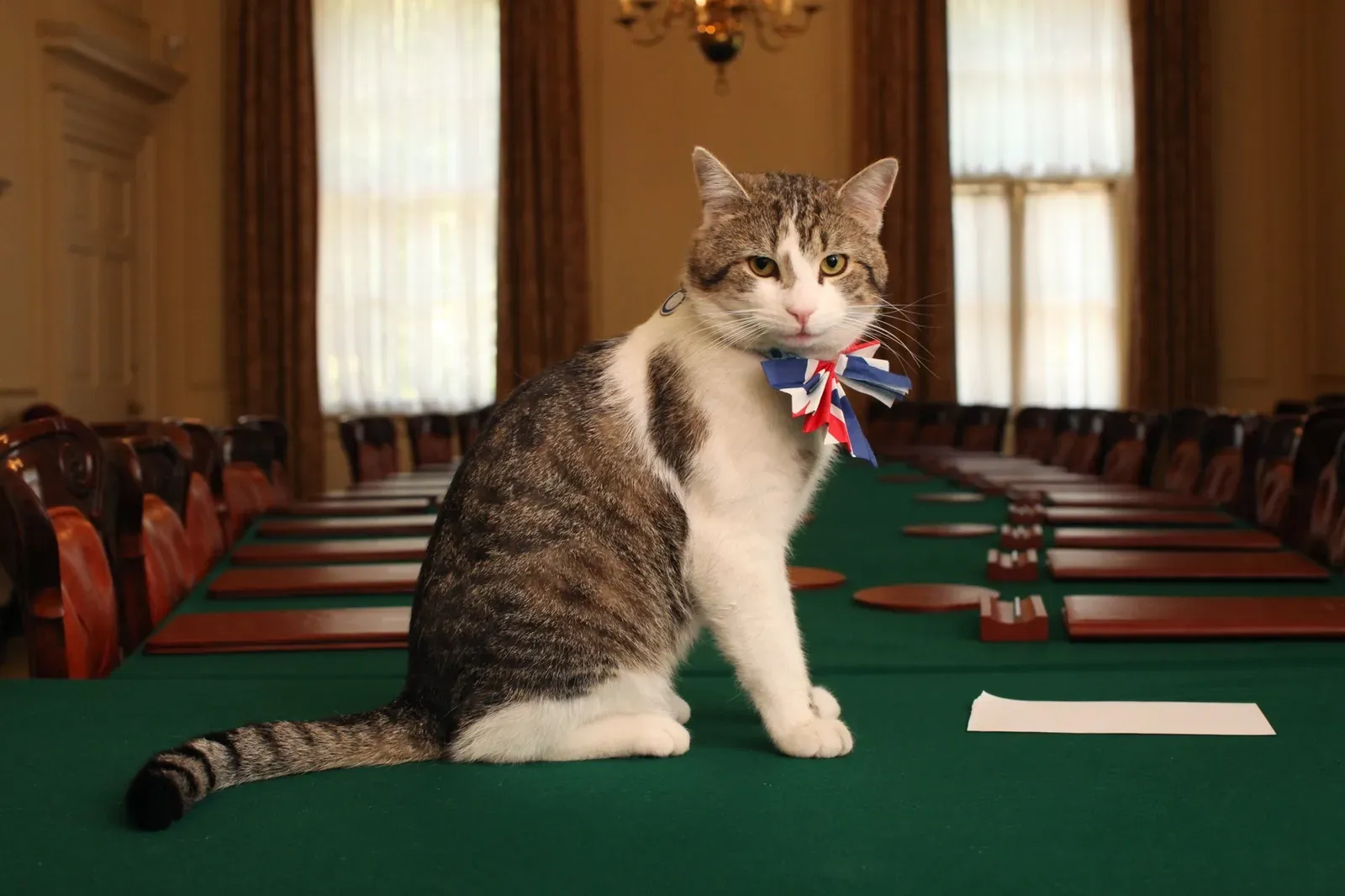
Not all beloved Midwestern cats are couch philosophers; some still work for a living. On farms and in older industrial towns, American Shorthairs, Bengal cats, and even unnamed “barn-bred” mousers continue a long partnership between humans and pest-controlling felines. The American Shorthair, descended from sturdy ship cats that once protected grain stores, remains a favorite where barns, workshops, and grain bins still attract rodents. Bengals, with their striking spotted coats and high drive to climb and stalk, appeal to people who appreciate both a wild aesthetic and a functional hunter. In places where grain, feed, and storage are central to livelihoods, a good mouser can still make a significant difference in losses and contamination.
From an evolutionary and archaeological perspective, these working cats are perhaps the closest modern analogs to the earliest domesticated felines. Thousands of years ago, humans did not intentionally seek lap cats; they tolerated and then encouraged wildcats that were good at controlling vermin around stored food. That same contract is still alive in the Midwest, just wrapped in corrugated metal sheds and machine sheds instead of mud brick granaries. Farmers and rural families frequently report that their best hunters are not the fanciest breeds, but cats with a mix of ancestry shaped by generations of life outdoors. The continued popularity of these cats underscores a simple truth: the ancient deal between humans and cats – food and shelter in exchange for rodent control – has not yet expired.
Why It Matters: Cats as Living Windows Into Ancient Domestication
At first glance, tracking which cat breeds are most loved in the Midwest might sound like a lifestyle survey, not a research priority. But to biologists and anthropologists, these preferences are data points in a much larger story about how humans shape the evolution of animals that share our spaces. Each breed popular from Ohio to Wisconsin represents a different branch on the domestication tree, carrying clues about climate adaptation, behavior selection, and even ancient trade routes. For example, the presence of Asian-origin breeds like the Siamese in Midwestern apartments echoes historical patterns of animal and cultural exchange across continents. Conversely, the success of cold-adapted forest breeds in northern states mirrors environmental pressures that shaped wild species in glacial landscapes.
Studying these patterns also reveals how quickly human tastes and technologies can redirect evolution. Indoor-only lifestyles, advanced veterinary care, and widespread spay-neuter programs have altered reproductive pressures on cats dramatically compared to only a century ago. Yet some of the most popular Midwestern breeds still excel at traits that mattered in early human settlements, such as pest control or social bonding with caregivers. The contrast between a Ragdoll on a Madison sofa and a barn cat stalking mice near an Indiana grain silo is a snapshot of domestication in multiple stages at once. Understanding why certain breeds thrive in this region helps scientists predict how future environmental shifts – like warmer winters or changing urban designs – might further reshape our shared evolutionary path.
The Future Landscape: Genetics, Climate Change, and the Next Generation of Midwest Cats
Looking ahead, the cats that Midwesterners favor are likely to change as climate, technology, and culture evolve. Warmer winters may reduce the clear advantage held by heavily insulated breeds, while increasing summer heat waves could favor cats with lighter coats and better heat tolerance. At the same time, advances in genetic testing are making it easier for breeders and adopters to screen for inherited diseases, which may shift popularity toward breeds with more diverse gene pools or documented health advantages. Urbanization will probably continue to drive demand for cats suited to indoor-only lives – curious, social, but not destructively energetic in confined spaces. This could elevate breeds that blend playfulness with adaptability, as well as well-socialized mixed-breed cats from shelters.
Ethical questions will also shape the next chapter. Breeds that carry extreme physical traits linked to chronic health issues may face growing scrutiny, especially as veterinary groups publish clearer data on welfare concerns. In the Midwest, where practicality tends to outweigh fashion, that could translate into more support for robust, moderate-bodied cats rather than the most visually dramatic ones. As shelters and rescue groups expand genetic tracking and microchipping, scientists will gain richer data on how breed, health, and environment interact over a cat’s lifetime. The region might again become an accidental research frontier, this time for understanding how pet-keeping choices influence biodiversity and animal welfare on a global scale. The cats lounging under Midwestern bay windows today may be quieter, but their genetic stories will echo far into the future.
How Readers Can Engage: Small Actions With Long Shadows
For people living between Ohio’s river valleys and Wisconsin’s dairy country, the easiest way to shape this unfolding story is through conscious choices about pet adoption and care. Visiting local shelters, asking about temperament and health history, and choosing cats whose traits match your real lifestyle – rather than a passing social media trend – helps support sustainable breeding and happier animals. Spaying and neutering companion cats prevents uncontrolled litters that strain rescue systems and complicate genetic tracking efforts. Learning a bit about your cat’s likely ancestry, whether it is a pedigreed Ragdoll or an unassuming domestic shorthair, can deepen appreciation for the long history that produced the animal in your living room. Even sharing accurate information with neighbors about responsible pet care contributes to a healthier local feline population.
For those drawn to the scientific side, supporting community science projects and surveys about pet behavior and health is another powerful avenue. Some veterinary schools and research groups invite cat owners to submit data on diet, activity, and medical history, turning everyday observations into valuable research. Donating to or volunteering with shelters that prioritize behavioral enrichment and transparent health practices helps ensure that future generations of cats are better understood and better cared for. In a region that quietly shapes the fate of so many companion animals, these actions are akin to participating in an ongoing, living excavation. Every adoption, every informed choice, is a tiny chisel tap in the vast archaeological record of our bond with cats.