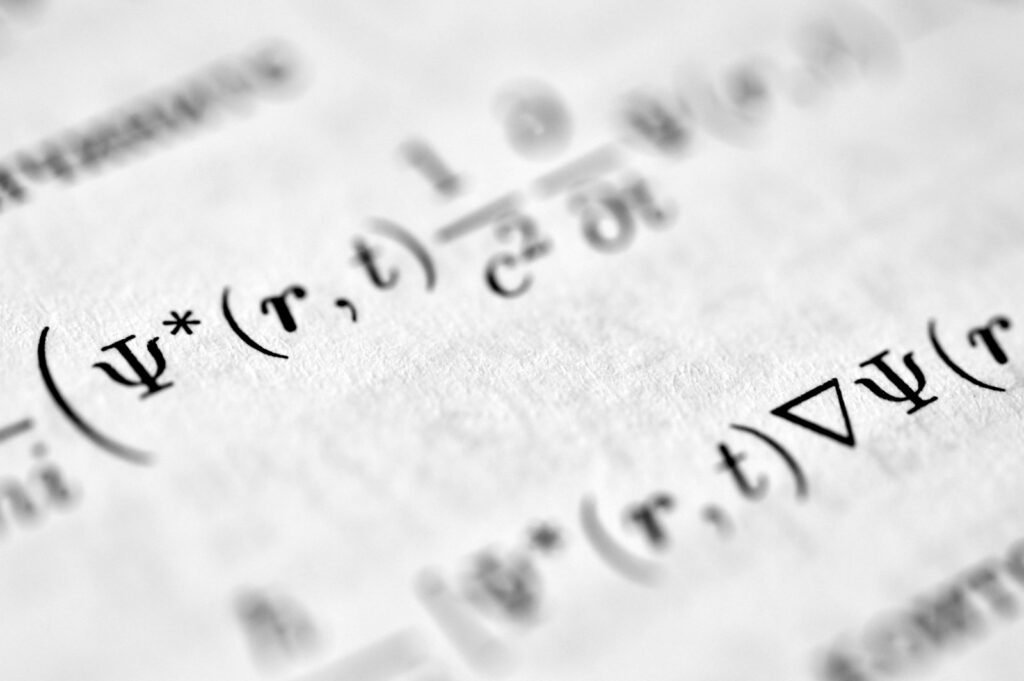

On the surface, the world feels solid, predictable, and almost boringly normal: apples fall, clocks tick, phones buzz, and the sun rises on schedule. But buried beneath that calm is a hidden layer of reality where particles teleport, cats are both alive and dead, and empty space seethes with invisible energy. For more than a century, quantum physics has sounded like the strangest science story most people never quite finished reading. Now, as quantum technologies creep into computing labs, hospitals, and even finance, this once-esoteric theory is quietly becoming the engine of a new technological era. The big twist is that understanding the tiniest pieces of reality is turning out to be one of the most powerful ways to reshape the biggest structures of our lives.
The Hidden Clues: When Everyday Objects Betray a Quantum World
It’s tempting to think quantum physics only lives in particle accelerators and dusty textbooks, but the clues are hiding in plain sight. The color of a neon sign, the way a laser pointer makes a razor-sharp beam, even the red glow of a sunset all trace back to how electrons in atoms jump between specific energy levels. Instead of sliding smoothly like a dimmer switch, those electrons leap in sudden, discrete steps, releasing packets of light called photons when they do. That “all or nothing” behavior is a signature of the quantum realm, and you’re seeing it every time a streetlamp flicks on or a barcode scanner chirps at the grocery store. What feels continuous and smooth at our scale is actually built from tiny, jumpy events underneath.
Another everyday quantum clue sits in your pocket or on your wrist: the precise timing of GPS and modern communication networks. Atomic clocks, which use the quantum vibration frequencies of atoms like cesium or rubidium, keep time so stable that they drift by less than a second over millions of years. Without that mind-bending precision, your maps app would place you hundreds of meters away from where you really are. In other words, the ability to meet a friend at a café or hail a ride to the right corner quietly depends on particles oscillating in ways that obey rules we can’t see, but have learned to describe with brutal accuracy.
From Classical Certainty to Quantum Weirdness
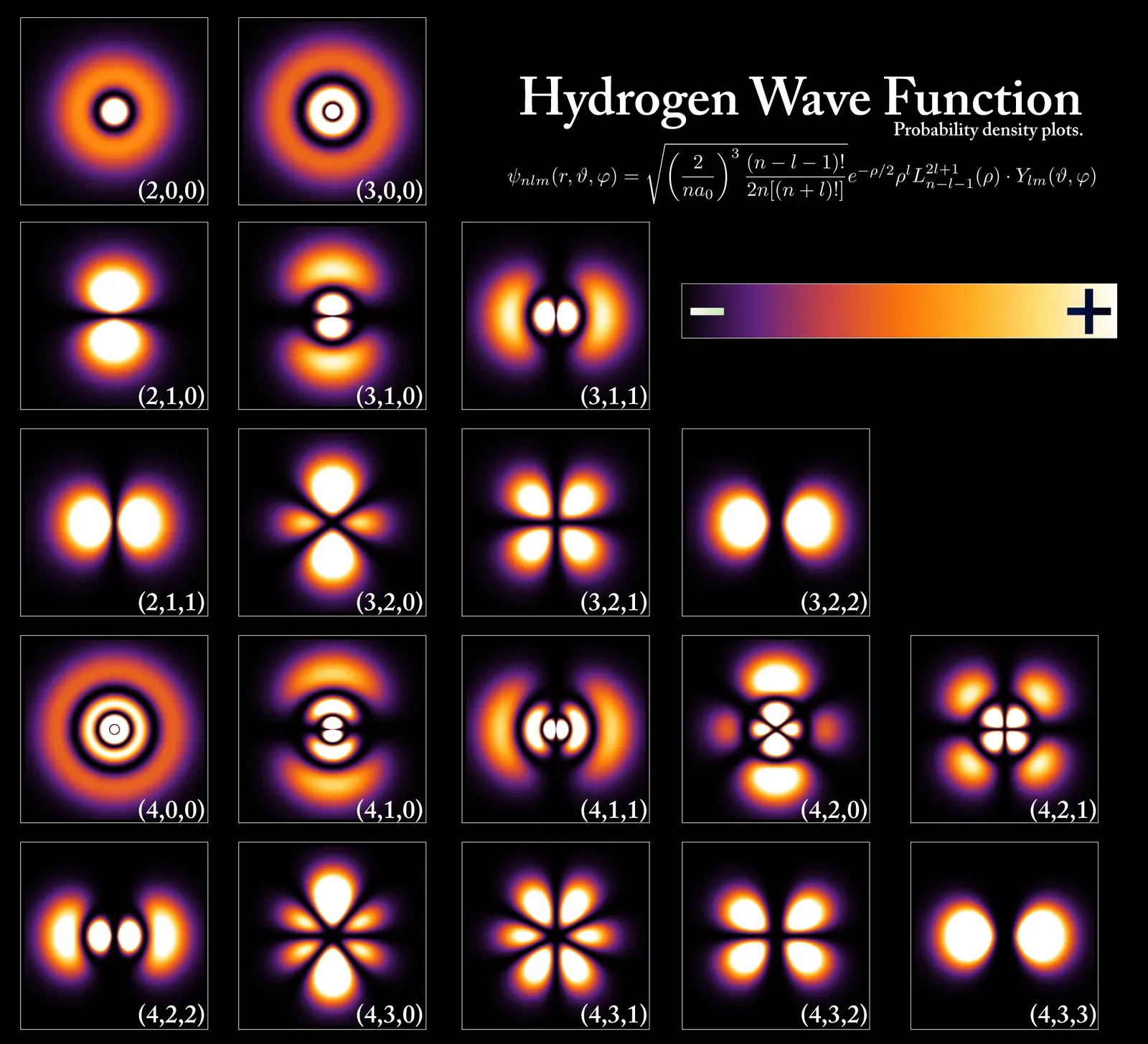
For centuries, physics was the land of certainty. You could, at least in principle, predict the exact path of a cannonball, the motion of a planet, or the swing of a pendulum if you knew their starting conditions. Quantum physics shattered that confidence by insisting that, at the deepest level, nature deals in probabilities, not guarantees. An electron is no longer a tiny billiard ball following a precise track, but a kind of shimmering cloud of possibilities that only “chooses” a location when we measure it. That isn’t just a philosophical twist; it’s a radical shift in how scientists think about cause, effect, and even reality itself.
Experiments like the famous double-slit test still unsettle students and seasoned researchers alike. Fire single particles through two narrow slits and they form an interference pattern, as if each particle traveled through both paths at once like a wave. Try to watch which slit a particle uses, and the pattern vanishes, replaced by more classical behavior. It’s as if reality refuses to reveal all its cards at once. This tension between wave and particle, certainty and probability, lies at the heart of quantum mechanics – and turns out to be the source of many of its most powerful technologies.
Entanglement and Spooky Connections Across the Cosmos
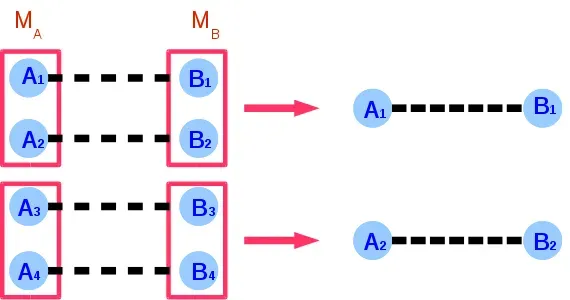
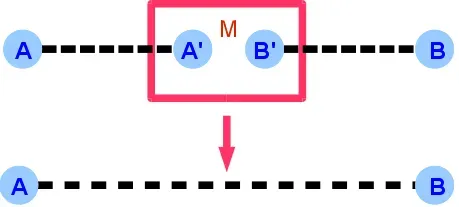
If quantum probabilities are unsettling, quantum entanglement is downright shocking. Entangled particles share a kind of linked fate: measure one here, and you instantaneously know the state of its partner, even if that partner sits on the other side of the planet. Albert Einstein once mocked this as “spooky action at a distance” and suspected some hidden variables were secretly coordinating things. But decades of rigorous experiments have repeatedly shown that entanglement is real and that no classical explanation can fully account for the correlations scientists observe.
This ghostly connection doesn’t let us send messages faster than light, which would break causality, but it does let us create ultra-secure communication channels and test the very foundations of reality. In recent years, researchers have used entanglement to build quantum networks that can detect eavesdropping attempts because any intrusion disrupts the delicate correlations. These systems hint at a coming “quantum internet” that could link distant quantum computers and sensors into something like a nervous system for global information. What began as a philosophical puzzle is now turning into a design principle for real-world infrastructure.
How Tiny Particles Power Today’s Technology
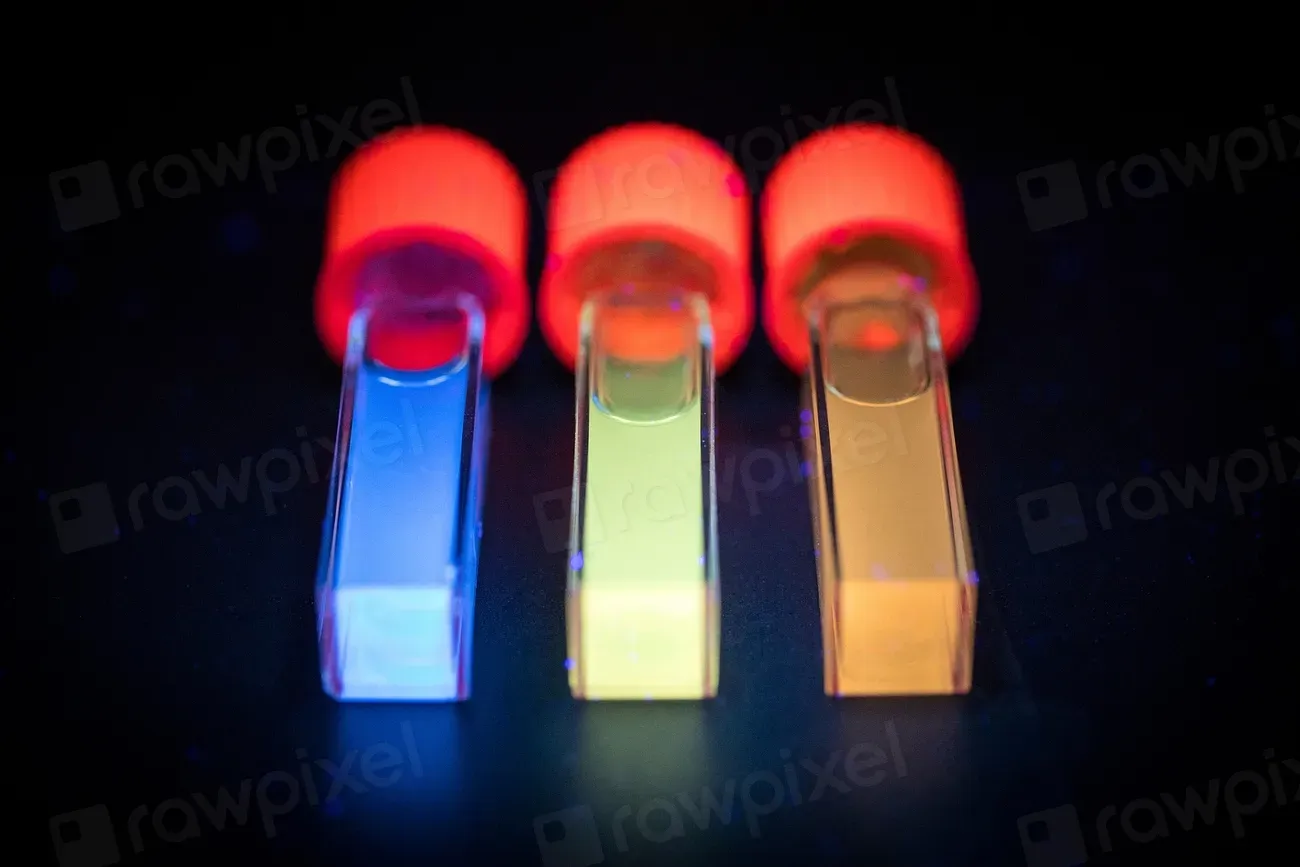
Even if you have never heard the term “Schrödinger equation,” you’re probably relying on it multiple times a day. Quantum mechanics underpins the design of semiconductors, the chips that drive laptops, smartphones, and data centers. Engineers use quantum models to predict how electrons will flow through microscopic circuits carved into silicon, allowing billions of transistors to switch on and off in orchestrated patterns. Without that, our entire digital civilization – from streaming video to online banking – would collapse back into analog chaos.
Other technologies lean so heavily on quantum behavior that they would literally not exist in a classical universe. Lasers rely on carefully arranged atoms that emit photons in lockstep, a quantum process called stimulated emission, to create intense, narrow beams of light. Magnetic resonance imaging (MRI) scanners listen to the quantum spins of protons in your body to create detailed internal images without surgery. Even solar panels depend on quantum rules describing how photons kick electrons loose in special materials so they can be harvested as electric current. Quantum theory is less a niche curiosity and more a hidden operating system for the modern world.
Why It Matters: Quantum Physics as the New Infrastructure of Reality
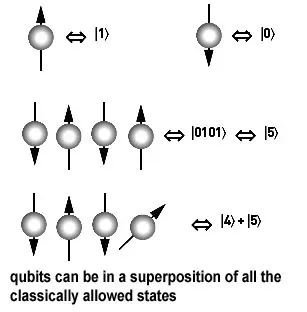
There’s a temptation to treat quantum physics as a glamorous sideshow – cool for sci-fi plots, but not immediately relevant to daily life. That view is rapidly becoming outdated as quantum technologies crawl out of the lab and into serious investment portfolios, government strategies, and industrial roadmaps. Quantum computers, which process information using qubits that can exist in superpositions of states, promise to tackle certain problems that would take classical supercomputers longer than the age of the universe. These include simulating complex molecules for new drugs, optimizing logistics and energy grids, and cracking or replacing current encryption systems. The stakes are enormous, because whoever harnesses these capabilities effectively could gain significant economic and strategic advantages.
Compared with traditional methods that lean on approximations and trial-and-error, quantum approaches can directly exploit the same rules nature uses. Instead of forcing quantum materials to behave in classical ways, we build tools that “speak” their native language. That shift is comparable to moving from trying to understand a foreign culture through rough translations to actually becoming fluent. In a world facing climate pressures, pandemics, and resource constraints, better simulations and smarter optimizations are not luxuries; they are survival tools. Quantum physics matters not just because it is true, but because it may provide some of the most potent levers we have for reshaping the systems we depend on.
From Quantum Labs to Living Rooms: Human Stories Behind the Science
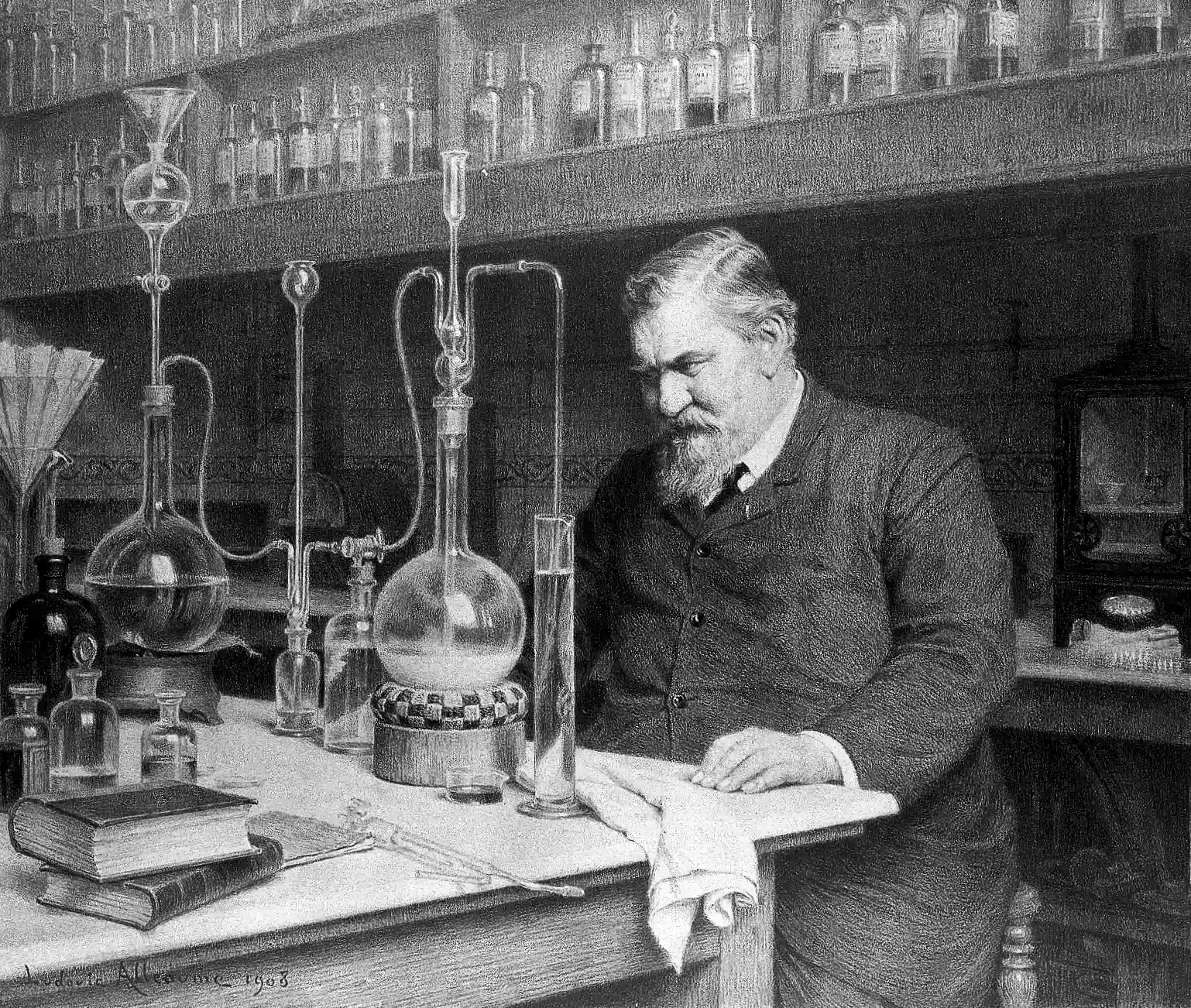
For many researchers, quantum science is less about equations on a chalkboard and more about the emotional roller coaster of chasing something that feels both slippery and profound. I still remember watching a young experimentalist in a university lab coax a single trapped ion – a lonely charged atom – into emitting one photon at a time, like a minimalist lighthouse. The whole room held its breath as a jagged line on the screen turned into a steady series of blips, each blip a tiny announcement that the quantum rules were being obeyed. It felt strangely intimate, as if we were eavesdropping on the universe whispering in its smallest voice. Moments like that make the abstract suddenly personal.
There are also the quieter stories of people who never call themselves physicists but live with quantum technologies every day. The radiologist who trusts MRI scans to guide a diagnosis, the engineer optimizing a solar farm, the cybersecurity analyst tracking early quantum encryption – they’re all working downstream of quantum discoveries. Their decisions affect hospital outcomes, energy costs, and data safety for ordinary families. When quantum leaps turn into better medical images or more efficient batteries, the impact shows up not in physics journals but in reduced anxiety in a waiting room or a lower electricity bill. That human layer is where the quantum realm stops being weird and starts being deeply practical.
The Future Landscape: Quantum Computers, Sensors, and New Risks
Looking ahead, the quantum frontier is both exhilarating and unnerving. Quantum computers are still in their noisy, error-prone childhood, but prototypes have already demonstrated speed-ups on specific tasks compared with classical machines. Companies and governments are quietly racing to scale up qubit numbers, reduce error rates, and develop algorithms that turn raw quantum power into real-world advantages. Alongside computing, quantum sensors – devices that use delicate quantum states to measure tiny changes in gravity, magnetic fields, or time – could revolutionize areas like navigation, mineral exploration, and climate monitoring. These sensors promise to detect patterns that were previously invisible, offering early warnings for environmental changes or structural failures.
But every new capability brings new challenges. Many of today’s encryption systems could be vulnerable to future quantum attacks, pushing researchers to develop “post-quantum” cryptography that can withstand both classical and quantum adversaries. There are geopolitical questions about who controls quantum infrastructure and whether it will deepen global inequalities or help address shared problems. Even on a more philosophical level, we’re confronted with technologies that exploit features of reality we still argue about interpreting. The future quantum landscape is not just a technical roadmap; it is a social, ethical, and political puzzle we’re only beginning to sketch out.
Bringing the Quantum Realm Down to Earth
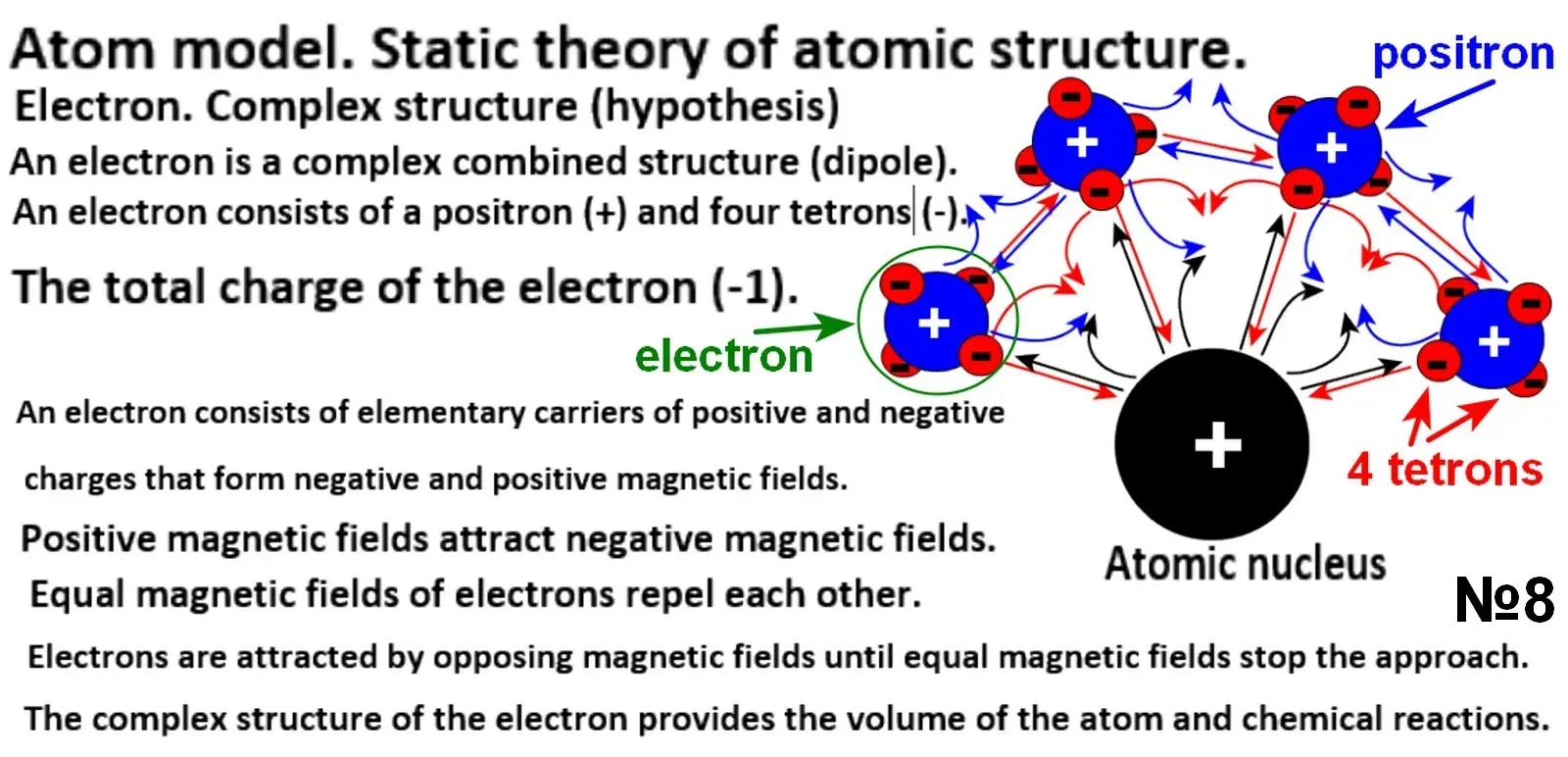
Quantum physics can feel like an exclusive club with a brutal entrance exam, but it doesn’t have to stay that way. Educational projects are increasingly using visualizations, interactive simulations, and hands-on kits to show how superposition, entanglement, and tunneling actually work. Instead of drowning in math, students can explore what happens when particles face energy barriers or how interference patterns emerge from overlapping waves. This shift mirrors what I’ve seen in my own reporting: once people get even a rough intuitive feel for quantum ideas, they start to see connections everywhere – from chemistry and computing to photosynthesis and black holes. The subject stops being a wall and starts being a lens.
There’s also a cultural change underway as artists, writers, and designers weave quantum themes into their work. Installations that visualize entanglement, novels that build plots around branching quantum outcomes, and games that hide quantum puzzles in their mechanics all help bring these ideas into daily conversation. When you can talk about superposition the way you might talk about alternate endings in a TV series, the intimidation factor drops sharply. And when more people feel entitled to ask questions about quantum technologies, it becomes harder for those technologies to develop in a vacuum, shielded from public scrutiny. That kind of grounded curiosity is one of the best safeguards we have.
How You Can Engage With the Quantum Revolution
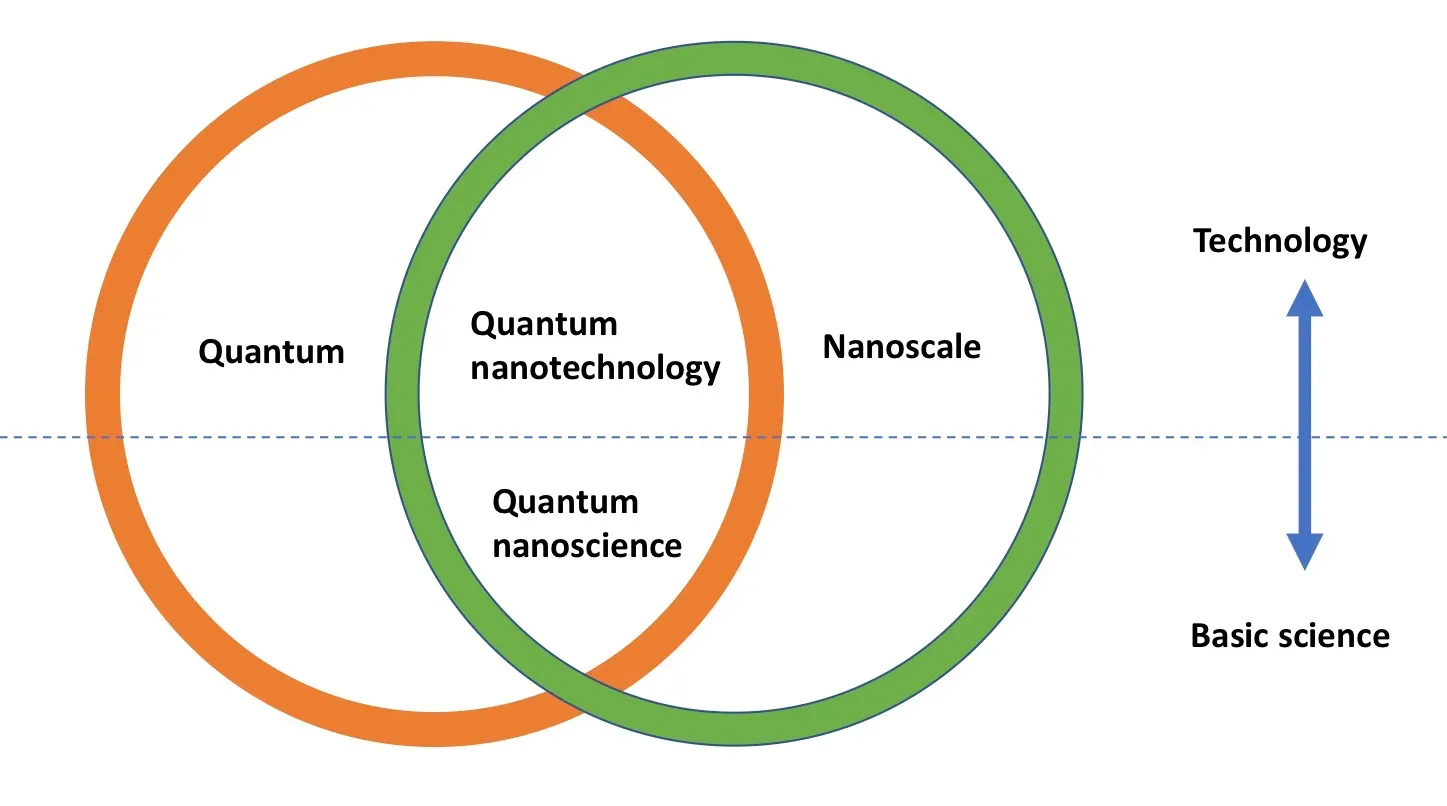
You don’t need a physics degree to play a meaningful role in the quantum story unfolding around us. One simple step is to treat quantum news as something worth following, not just skimming past as too abstract. When you hear about a new quantum computer milestone or a breakthrough in quantum encryption, ask the same questions you would about any major technology: Who benefits, who might be left out, and what problem is this actually solving? Public pressure and informed curiosity can nudge governments and companies to prioritize open standards, responsible use, and broad access over secretive, winner-takes-all strategies. In that sense, your attention is a kind of vote.
There are also concrete ways to support the next wave of discovery and education. You can:
- Support science museums, planetariums, or online courses that create accessible quantum content for kids and adults.
- Encourage schools and community colleges to include modern physics and quantum technology topics in their curricula.
- Back policies and initiatives that fund basic research, not just short-term, market-ready applications.
- Look for citizen-science or outreach projects that invite the public to help analyze data or explore simulations.
Just as the digital revolution was shaped partly by how society chose to adopt, regulate, and question it, the quantum era will be guided by more than lab results. It will reflect what we collectively decide to value: transparency over secrecy, shared tools over walled gardens, curiosity over intimidation. The quantum realm may be invisible to our eyes, but the choices we make about it will be visible everywhere else.
Suhail Ahmed is a passionate digital professional and nature enthusiast with over 8 years of experience in content strategy, SEO, web development, and digital operations. Alongside his freelance journey, Suhail actively contributes to nature and wildlife platforms like Discover Wildlife, where he channels his curiosity for the planet into engaging, educational storytelling.
With a strong background in managing digital ecosystems — from ecommerce stores and WordPress websites to social media and automation — Suhail merges technical precision with creative insight. His content reflects a rare balance: SEO-friendly yet deeply human, data-informed yet emotionally resonant.
Driven by a love for discovery and storytelling, Suhail believes in using digital platforms to amplify causes that matter — especially those protecting Earth’s biodiversity and inspiring sustainable living. Whether he’s managing online projects or crafting wildlife content, his goal remains the same: to inform, inspire, and leave a positive digital footprint.