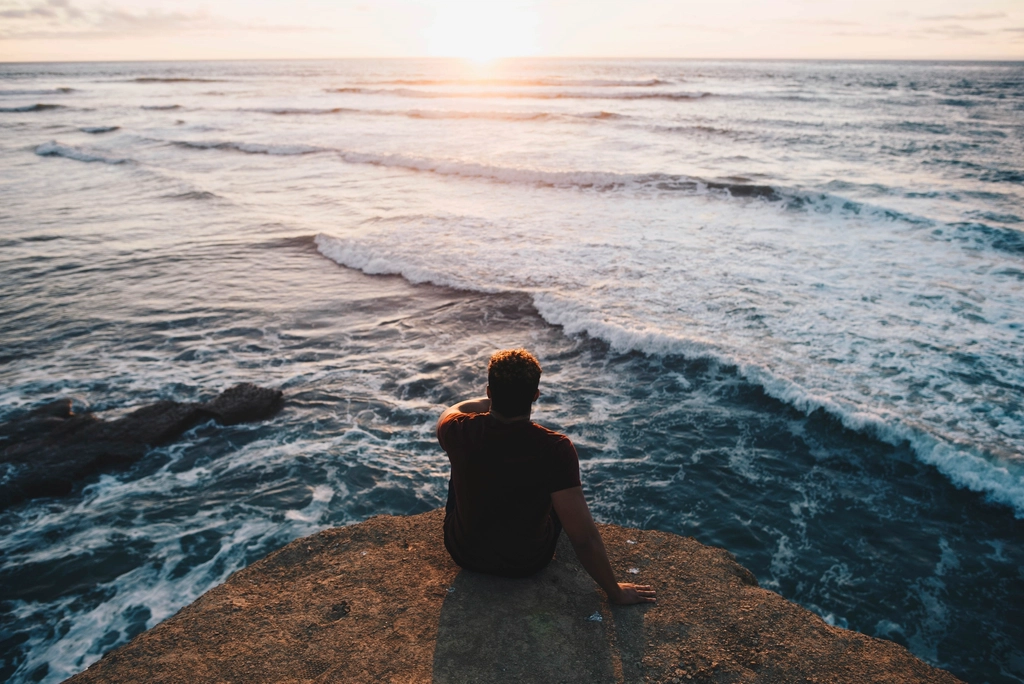

By the time today’s toddlers reach old age, the word “summer” may mean something very different from what you and I grew up with. Climate scientists now warn that, if greenhouse gas emissions continue on their current path, summers in many parts of the world could stretch more than forty days longer by around the year 2100. That sounds like an endless vacation until you remember that this extended season comes with harsher heatwaves, dried-out forests, and rising, warming seas. At the same time, researchers are uncovering eerie new clues from the seafloor – submerged temples, ports, and entire neighborhoods – that show how past societies also faced shifting coastlines and changing climates. Put together, it feels less like a distant forecast and more like a time-twisting mystery: our longer summers are the future, but the warning signs are buried in the past.
The Hidden Clues Beneath a Lengthening Summer
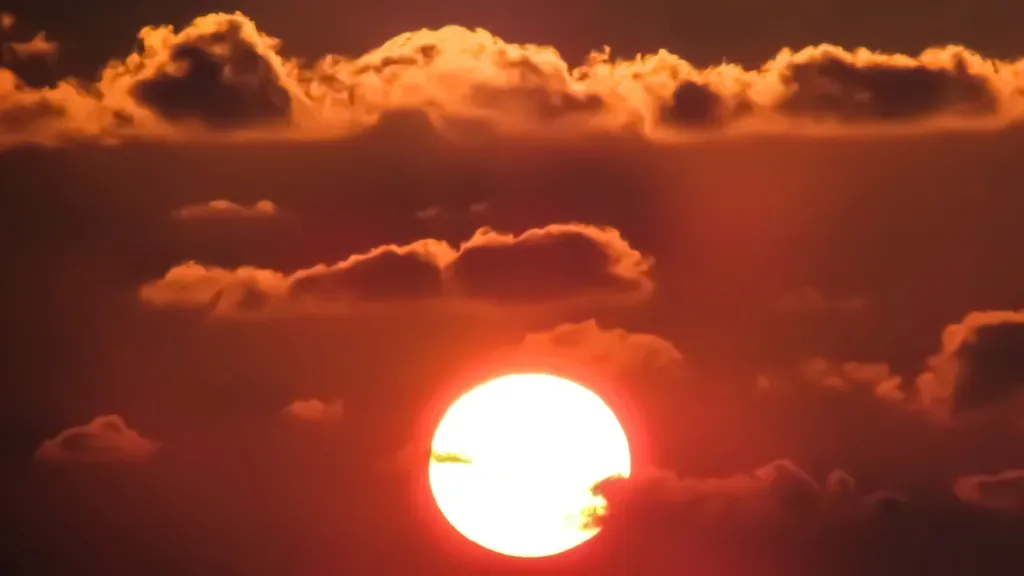
It sounds almost idyllic at first: a year where summer swallows spring and autumn, pushing cool mornings and crisp evenings to the edges of the calendar. But the science behind that forty‑two‑day extension is rooted in a simple, unsettling metric – days that qualify as “summer” based on daily temperatures climbing well above the historical average. Over recent decades, researchers have tracked this shift using long-term weather station data and satellite records, finding that the warm season has already grown by several weeks in many mid‑latitude regions. The threshold for the first and last “summer-like” day has been creeping earlier into spring and later into fall, especially in places like southern Europe, eastern Asia, and the southern United States. What once felt like a brief, bright chapter in the year is starting to read like the main plot.
At the same time, the oceans are quietly archiving their own version of this story. Coastal cities that flourished during cooler, more stable climates now lie submerged under meters of water, their stone walls and harbor works softened by algae and coral. Underwater archaeologists map these ruins with sonar and remote-operated vehicles, discovering drowned quays and staircases that once met the shoreline but now fade into blue. In a strange way, these structures act like tide marks of deep time, showing us where land once breathed above water before seas rose and climates shifted. When scientists talk about a longer, hotter summer this century, they are adding the next line to a story the seafloor has been writing for thousands of years.
From Ancient Shores to Modern Science
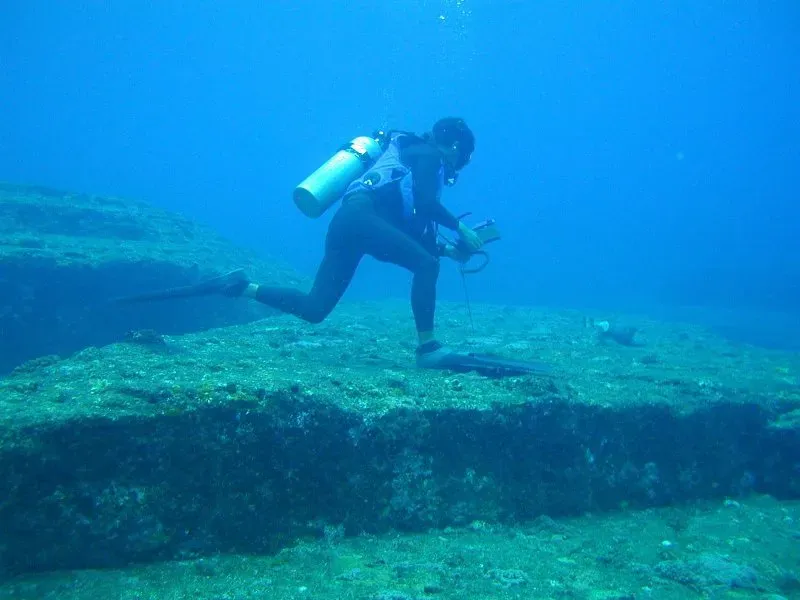
Long before satellites, climate models, and global temperature graphs, coastal communities watched the sea with a kind of practical fear. Many ancient ports were built right at the water’s edge, often on carefully engineered stone platforms that balanced access to trade with the threat of storms and tides. Today, some of those same harbors are completely underwater, found only when divers follow faint outlines on sonar scans. In the Mediterranean, parts of once-busy Roman waterfronts and older Bronze Age towns are now several meters below the surface, their columns and roads draped in marine life. While local land movements and tectonics play a role, long-term sea-level changes linked to climate shifts also helped redraw those shorelines.
Modern climate science approaches the same problem with a different toolkit but similar questions. Researchers now combine historical climate records, tree rings, ice cores, and seafloor sediments to reconstruct how temperatures and sea levels rose and fell over millennia. Computer models then project how today’s rapid warming – driven largely by human emissions – could change the rhythm of the seasons by the end of the century. The idea that summer could stretch forty‑two days longer isn’t a guess pulled from thin air; it emerges from multiple independent simulations that all show a strong trend toward hotter, longer warm seasons if emissions continue. When you overlay those maps of future summer length with coastal elevation maps, you can almost see where new “underwater ruins” could be etched into the landscape for future archaeologists to find.
How Scientists Measure a Forty-Two-Day Summer
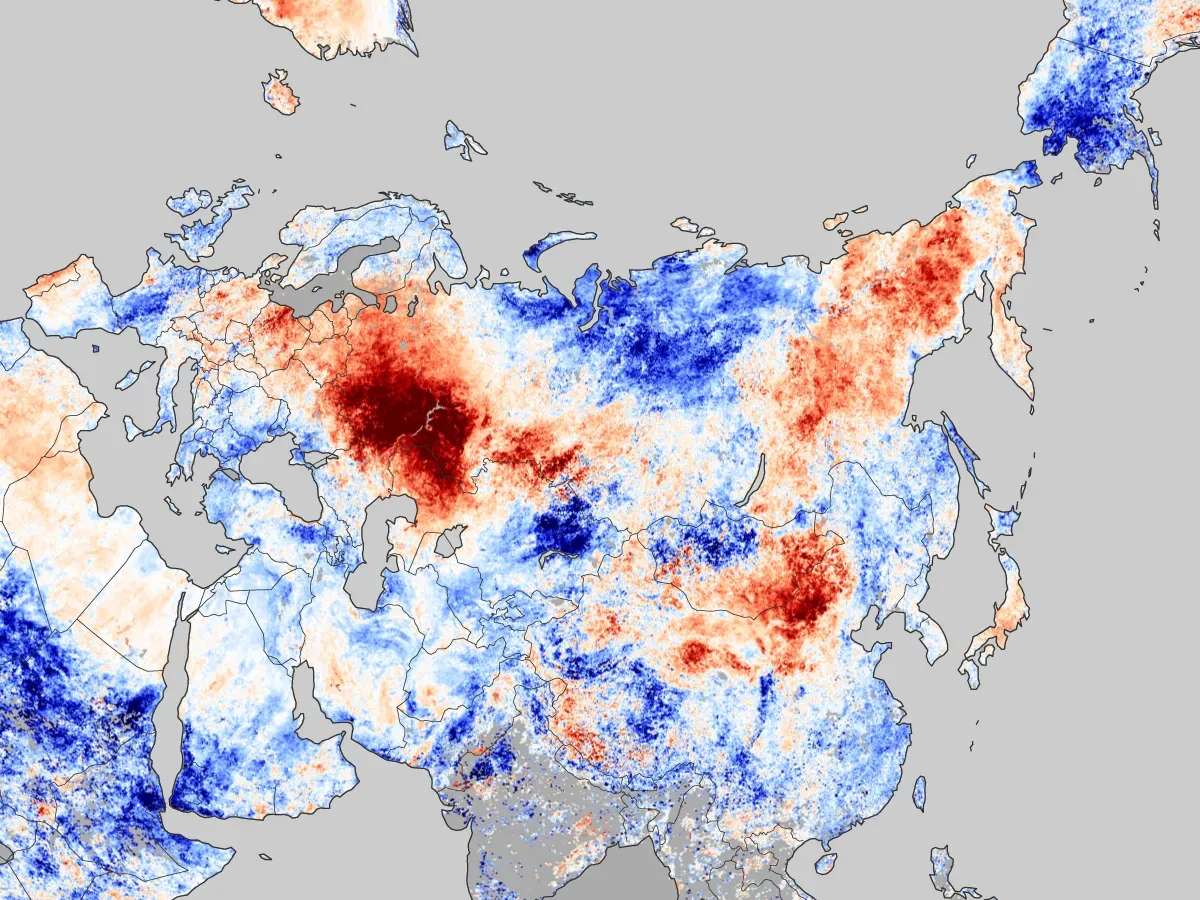
Scientifically, you can’t just declare something “summer” because it feels hot outside; researchers need a consistent rule. One common approach defines the start and end of summer based on when daily average temperatures exceed, and then later fall below, a certain percentile of historical values for that region. Using that benchmark, climatologists have calculated that, compared with the mid‑twentieth century, the number of summer‑like days has already expanded significantly in many areas. In some mid‑latitude regions, what used to be about a three‑month season has nudged closer to four months, particularly over the last few decades. When those trends are extended under high‑emissions scenarios, they add up to roughly forty or more extra summer‑level days by late century.
Behind that headline number lies a lot of careful work. Teams feed greenhouse gas scenarios into global and regional climate models, which simulate how oceans, atmosphere, ice, and land surfaces interact over time. They then look at how frequently temperature thresholds for heatwaves, summer days, and tropical nights are crossed in different futures. The results are often summarized in stark terms: far more very hot days, fewer cold extremes, and a strong contraction of winter in many populated zones. In practical terms, that means school years, planting seasons, and even daily work routines may have to bend around a new reality where intense heat is no longer exceptional but routine.
Sunken Cities and Submerged Clues
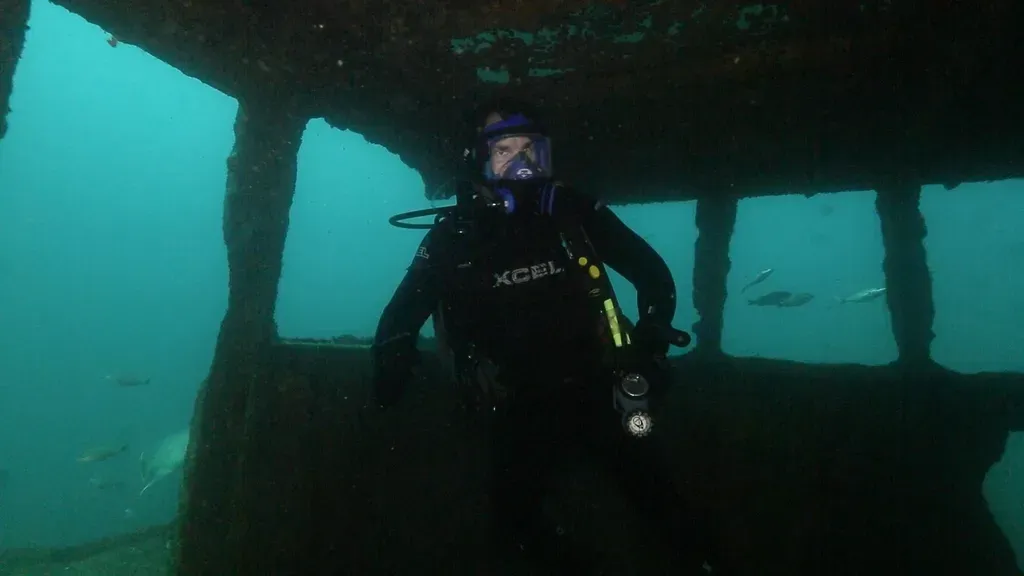
While climate models peer into the future, underwater ruins give us a visceral look at how climate and water reshaped human history in the past. Off coastlines across the world, archaeologists are mapping out drowned settlements: stone foundations, well shafts, roads, and walls that once sat safely above the high tide line. In some places, entire quarters of ancient towns are now home to fish and seagrass, their doorways opening into water instead of streets. These sites often date back to periods when sea level was lower, or when land was not yet subsiding under its own geological stresses. Over centuries, a combination of slow sea rise, local land sinking, and storm-driven erosion gradually pushed these communities below the waves.
What makes these underwater archaeological sites especially haunting is how ordinary they seem. You can sometimes trace alleys, courtyard layouts, or temple precincts that look surprisingly familiar, like a flooded version of a modern old town. Researchers use photogrammetry, side‑scan sonar, and autonomous underwater vehicles to reconstruct these landscapes in three dimensions. That technology transforms them from ghostly shapes on a diver’s camera into detailed digital models that can be studied like living cities. When we talk about modern coastal megacities facing more frequent flooding and sea-level rise in a lengthening summer world, these submerged towns serve as a kind of mirror, reminding us that living with a moving shoreline is not a new problem – just one we are now facing at a much faster pace.
Why It Matters: More Than Just Longer Beach Weather
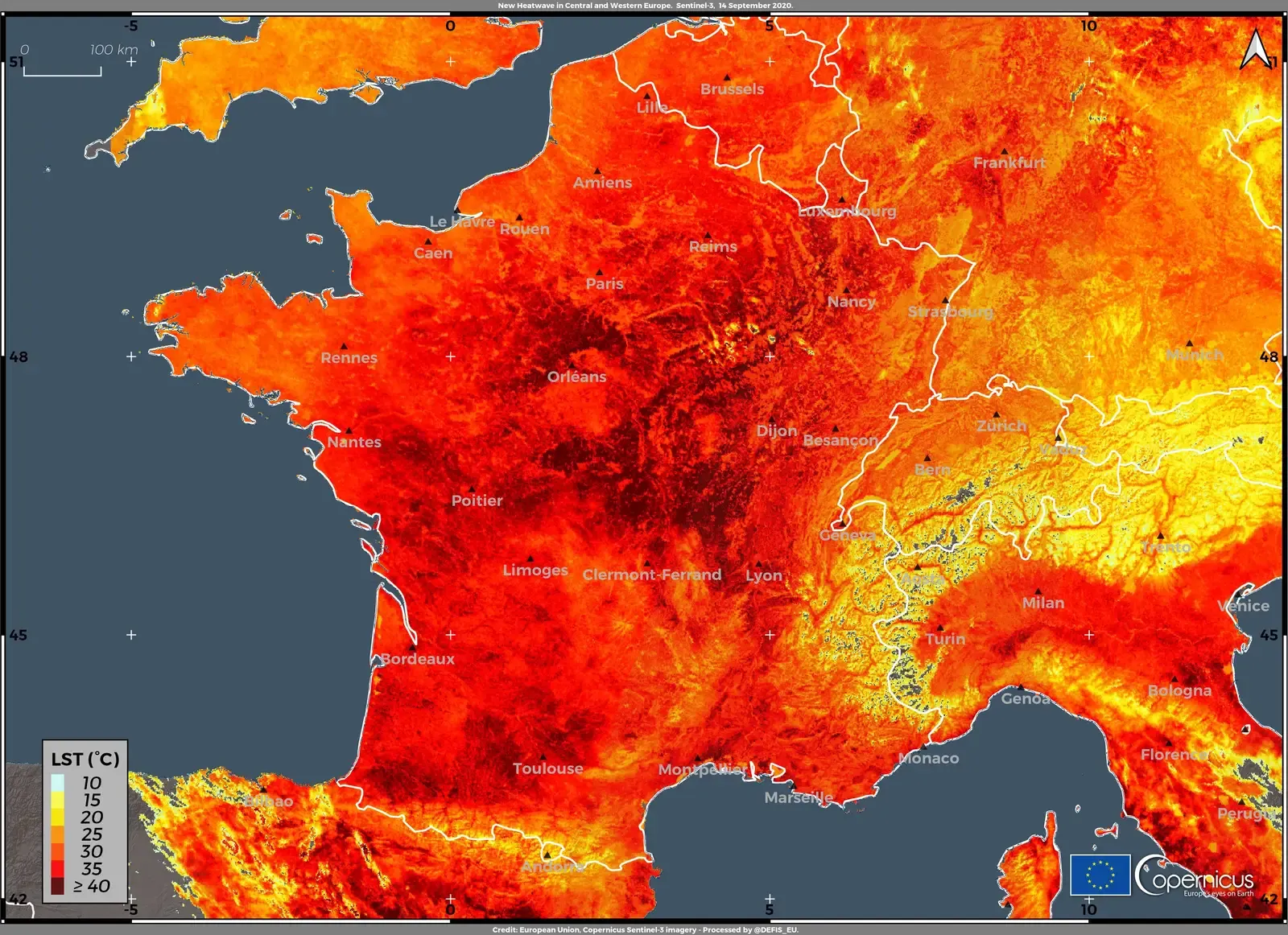
On paper, a longer summer might sound like an invitation to more barbecues, longer vacations, and extra evenings by the water. In reality, what climate scientists are describing is a prolonged period of heat stress for people, crops, and ecosystems. Extended warm seasons mean longer wildfire windows, more frequent and intense heatwaves, and greater strain on power grids as air conditioners run harder and longer. Farmers may see planting schedules thrown off, with crops exposed to heat at sensitive growth stages or to water shortages in regions where rainfall patterns shift. Health systems, too, have to grapple with more heat‑related illnesses, especially in cities where concrete and asphalt trap heat overnight.
There is also a psychological and cultural layer to this change. Seasons structure how we think about time, celebrations, and even our sense of place. When winter shrinks and summer swells, traditional activities – from skiing to specific harvest festivals – can become unreliable or endangered. Longer summers also mean warmer seas for much of the year, fueling stronger storms in some basins and threatening marine life already pushed to the edge. Looking at it through the lens of those drowned ancient ports, there is an uncomfortable echo: societies that failed to adapt fast enough to creeping environmental change were sometimes literally left underwater. The difference now is that the pace of change is faster and the scale is truly global.
Global Perspectives on a Hotter, Longer Season
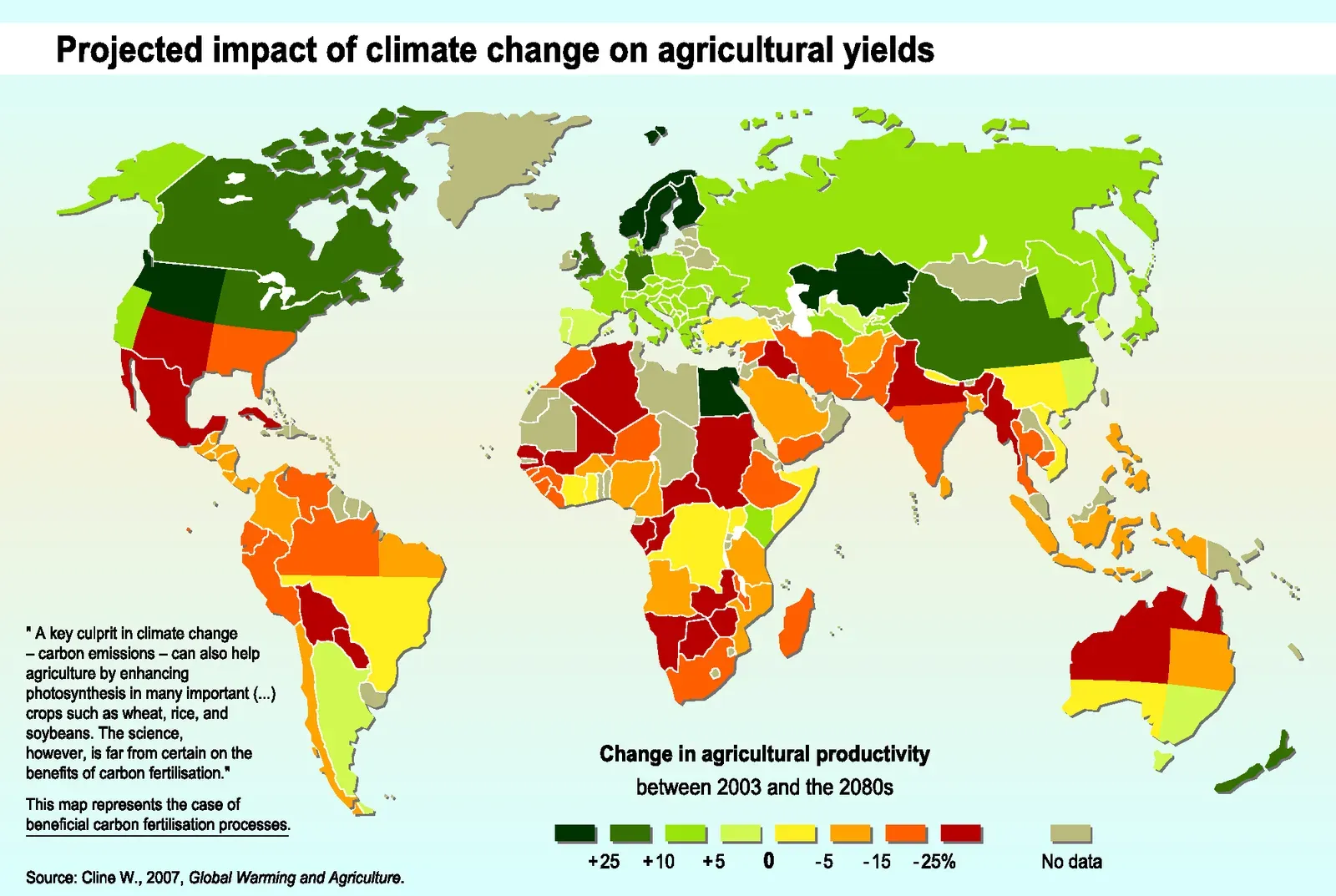
The impacts of a forty‑two‑day longer summer will not land evenly across the globe. In higher‑latitude regions, such as parts of Canada or northern Europe, people might initially welcome milder shoulder seasons and longer frost‑free periods. But those same regions can also face insect outbreaks in forests, shifting wildlife ranges, and uncomfortable heat spikes that buildings and infrastructure were never designed for. In already hot regions – parts of South Asia, the Middle East, and the American Southwest – the extension of summer can push outdoor conditions beyond safe limits for daily labor for significant stretches of the year. For millions of people whose jobs require working outside, even small additional chunks of extremely hot days can mean lost income and heightened health risks.
Coastlines tell an even more sobering story. Many of the world’s largest cities hug the shore, from delta megacities to sprawling port complexes, and they already grapple with periodic flooding and tropical storms. As summers lengthen and average temperatures rise, thermal expansion of seawater accelerates sea‑level rise, squeezing coastal zones between higher seas and more intense heat on land. Small island nations, low‑lying deltas, and coral reef communities are particularly vulnerable, sometimes facing the dual threat of saltwater intrusion into freshwater supplies and the slow erosion of land where people have lived for generations. From a global justice perspective, this raises hard questions, because many of these communities contributed the least to greenhouse gas emissions yet are among the first to confront the hardest consequences.
The Future Landscape: Technologies, Trade‑Offs, and Underwater Legacies
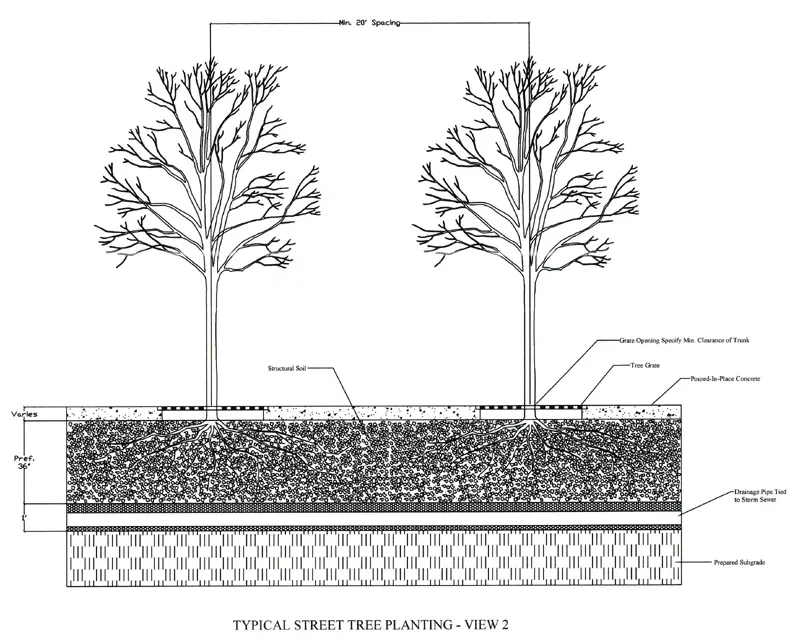
Projecting a future with much longer summers forces scientists and planners to think creatively about adaptation. Cities are experimenting with cool roofs, reflective pavements, expanded tree cover, and redesigned public spaces that offer shade and airflow. Advanced climate models with finer resolution are helping local governments pinpoint which neighborhoods will experience the most extreme heat, and when. In agriculture, researchers are breeding crop varieties better able to tolerate heat and drought, while exploring soil‑moisture conservation techniques and shifting planting calendars. At the same time, coastal engineers are testing hybrid defenses that blend sea walls with restored wetlands and mangroves, hoping to buffer storm surges while still allowing ecosystems to thrive.
Yet technology alone cannot erase the possibility of new underwater ruins in the centuries ahead. Even if the world aggressively cuts emissions, some level of warming and sea‑level rise is locked in by past pollution, meaning adaptation is not optional. In the most optimistic scenarios, future archaeologists might still dive among the remains of a few abandoned neighborhoods or ports, but those could be exceptions rather than the rule. In less hopeful futures, large swaths of present‑day coastline could resemble the submerged quarters of ancient cities we study today. The choices made in the next few decades – about energy, land use, and coastal planning – will heavily influence which version of that underwater map becomes reality.
What You Can Do: Small Actions in a Lengthening Summer World
When you’re staring at projections of summers stretching out by more than a month, it’s easy to feel powerless, like the story is already written. But climate change and its seasonal shifts are fundamentally about the sum of billions of decisions, not a single fate carved in stone. On a personal level, reducing energy use, supporting cleaner transportation, and cutting food waste genuinely helps dial down the long‑term warming that drives longer, harsher summers. Community‑level actions – like pushing for urban tree planting, better building codes for heat resilience, or public cooling centers – can directly soften the impact on your neighbors. Paying attention to where your bank, pension, or investments put money can also shift the larger system toward lower‑carbon choices.
Supporting science itself is another subtle but powerful step. That can mean backing local universities and museums, voting for leaders who listen to climate research, or simply staying informed and sharing accurate information with friends and family. Underwater archaeology projects, climate field stations, and ocean observatories all rely on public interest and funding to keep uncovering the clues we need. The past and future are more connected than they look: every piece of seafloor mapping or temperature record sharpens our picture of what is coming. In a world where summer is stretching its reach, staying curious, engaged, and informed is one way to make sure we are authors in this story, not just characters swept along by the heat.
Suhail Ahmed is a passionate digital professional and nature enthusiast with over 8 years of experience in content strategy, SEO, web development, and digital operations. Alongside his freelance journey, Suhail actively contributes to nature and wildlife platforms like Discover Wildlife, where he channels his curiosity for the planet into engaging, educational storytelling.
With a strong background in managing digital ecosystems — from ecommerce stores and WordPress websites to social media and automation — Suhail merges technical precision with creative insight. His content reflects a rare balance: SEO-friendly yet deeply human, data-informed yet emotionally resonant.
Driven by a love for discovery and storytelling, Suhail believes in using digital platforms to amplify causes that matter — especially those protecting Earth’s biodiversity and inspiring sustainable living. Whether he’s managing online projects or crafting wildlife content, his goal remains the same: to inform, inspire, and leave a positive digital footprint.