
Every few years, an archaeological discovery quietly blows a hole in the story we tell ourselves about progress. We like to imagine a straight line from “primitive past” to “high-tech present,” yet in ruins, shipwrecks, and deserts, we keep stumbling onto devices and methods that feel uncannily modern. Some can be reverse‑engineered; others remain stubborn puzzles, their full purpose still debated in labs and conference halls. What ties them together is a single unsettling question: how did people, thousands of years ago, pull this off without modern tools, computers, or global data networks? As scientists probe these mysteries, they are not just rewriting history – they are also stealing ideas from the past to shape the future.
The Antikythera Mechanism: A Bronze Computer Lost at Sea
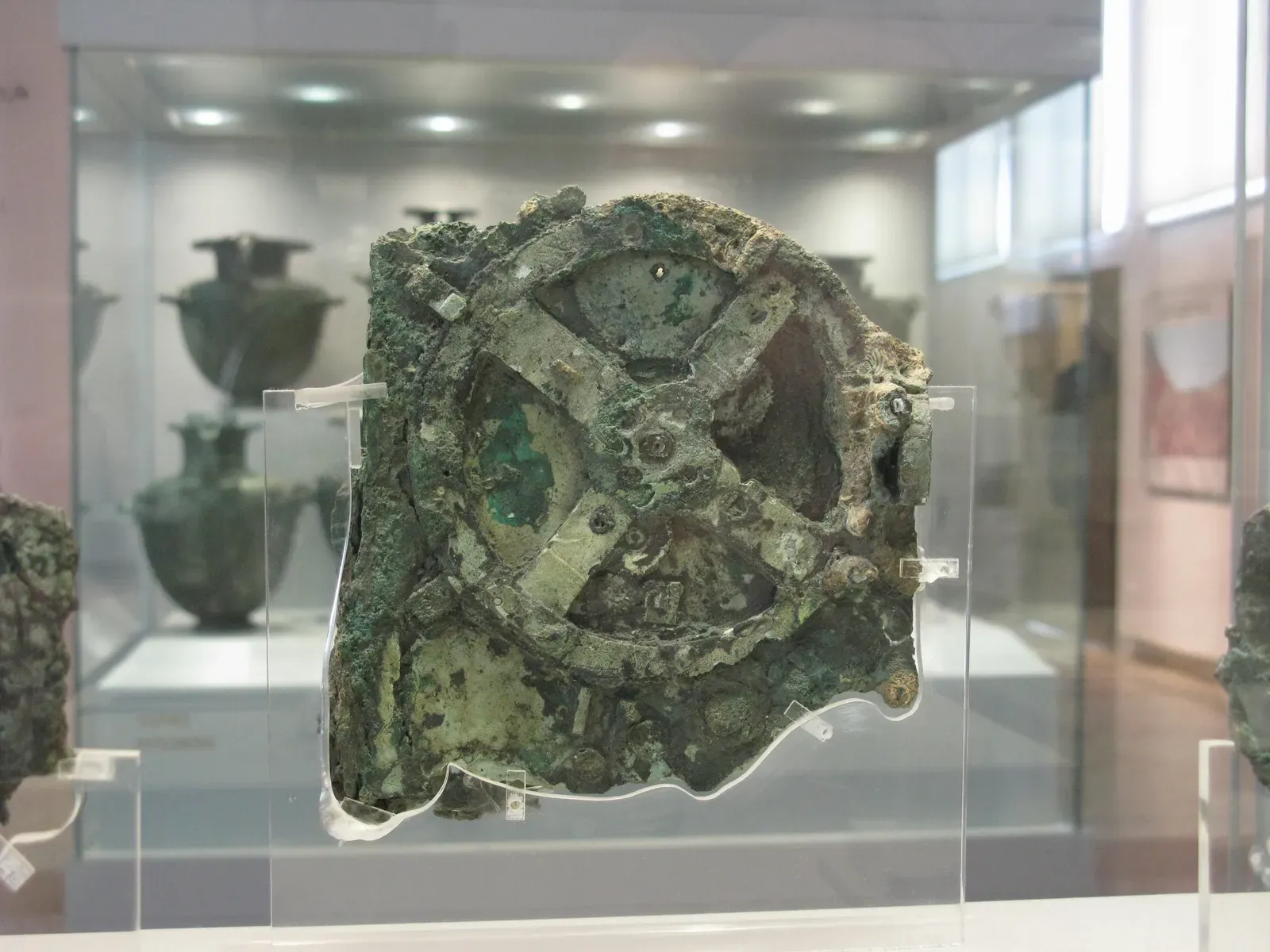
When sponge divers hauled a corroded lump of bronze from a shipwreck off the Greek island of Antikythera in 1901, no one expected it to rewrite the history of technology. Inside that lump was an intricate set of interlocking gears so precise that some researchers now call it the world’s first analog computer. Decades of imaging, X‑ray scans, and digital reconstructions have revealed that the device could predict eclipses, track planetary motions, and model complex astronomical cycles. That level of mechanical sophistication would not appear again in Europe for more than a millennium, which raises an obvious question: was this an isolated marvel, or the lone survivor of a whole lost industry? Even today, experts disagree on how widely such instruments were used and who exactly had access to them.
For engineers, the Antikythera mechanism is a masterclass in doing a lot with very little. Its makers worked with bronze, hand tools, and naked‑eye astronomy, yet achieved gear tolerances that impress modern watchmakers. Researchers use it to study how ancient Greeks encoded mathematical knowledge into hardware, a lesson that resonates in an age obsessed with miniaturization and efficient design. The mystery now fuels new projects in mechanical computing and low‑power devices inspired by pre‑electronic ingenuity. Standing in front of its fragments in a museum, the unsettling thought is hard to avoid: if one shipwreck preserved this, what else have we lost?
Roman Concrete: The Building Material That Gets Stronger With Time

Modern concrete is everywhere, yet it cracks, crumbles, and demands constant repair. Roman concrete, by contrast, has watched empires rise and fall while its harbors and domes stubbornly remain. Structures like the Pantheon’s unreinforced concrete dome and ancient sea walls show a durability that has baffled engineers used to far shorter life spans for today’s materials. For a long time, the secret seemed to be volcanic ash, but recent analyses have shown that the story is more intricate and frankly more ingenious. Small white mineral chunks once dismissed as flaws now appear to be the key to a self‑healing mechanism.
Under the microscope, those chunks reveal a recipe built around quicklime and intentional “hot mixing.” When cracks appear and water seeps in, tiny chemical reactions can slowly re‑seal the damage, almost like a living tissue knitting itself back together. This means Roman builders were not just lucky with ingredients; they were actively engineering durability at the microscopic level. As climate change and aging infrastructure force governments to rethink construction, researchers are racing to adapt these ancient recipes for lower‑carbon, longer‑lasting concrete. The irony is sharp: in trying to build the future, we may end up borrowing directly from an empire that fell nearly two thousand years ago.
Egyptian Pyramid Engineering: Precision on a Planetary Scale

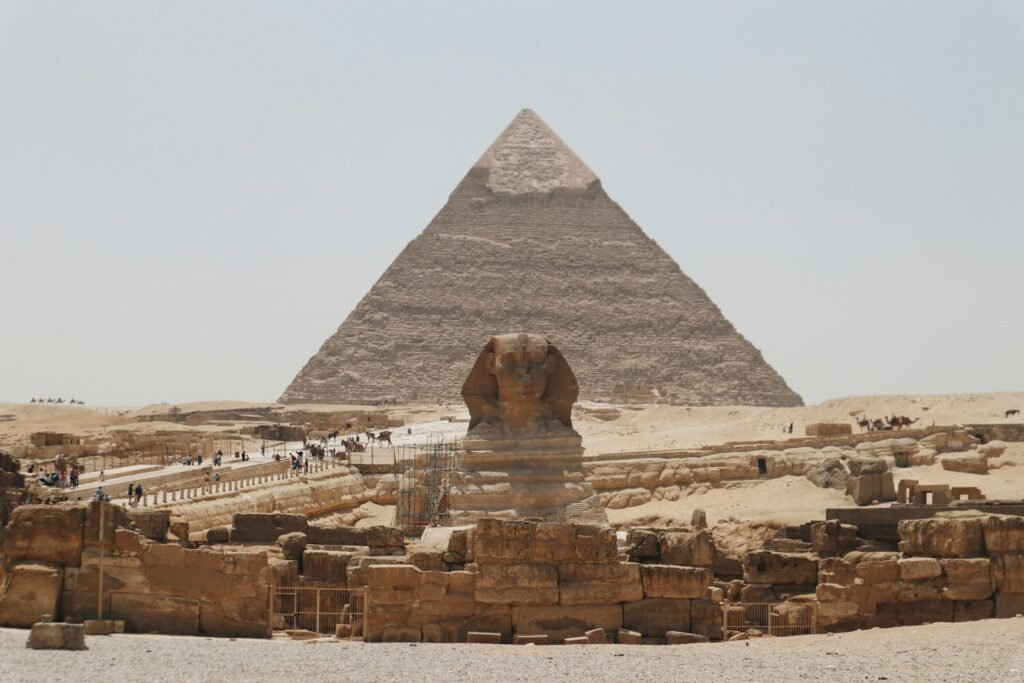
Stand at the base of the Great Pyramid of Giza and the numbers alone feel almost unreasonable. Each side is aligned astonishingly close to true north, and the base is nearly perfectly level across an area large enough to swallow multiple city blocks. The stones – some weighing as much as small trucks – were quarried, transported, and stacked with gaps so fine you cannot easily slip a blade between them. Modern surveys show that the entire structure is oriented with a precision that rivals, and in some ways beats, what many large projects achieve with lasers and GPS. Yet its builders worked with copper tools, sledges, and astronomical observation.
Researchers have proposed everything from water‑leveled channels to clever sighting techniques using stars to explain this level of precision. No single explanation has fully settled the debate, and there is still active argument about the logistics of hauling and placing millions of stones. What fascinates today’s engineers is less any single trick and more the coordination: organizing labor, supply chains, quality control, and alignment over decades without written blueprints in the modern sense. That turns the pyramids into not just architectural wonders but management case studies. In a way, they are early proof that human systems can act as technology too.
Nasca Lines: Giant Geoglyphs That Only Make Sense From the Sky
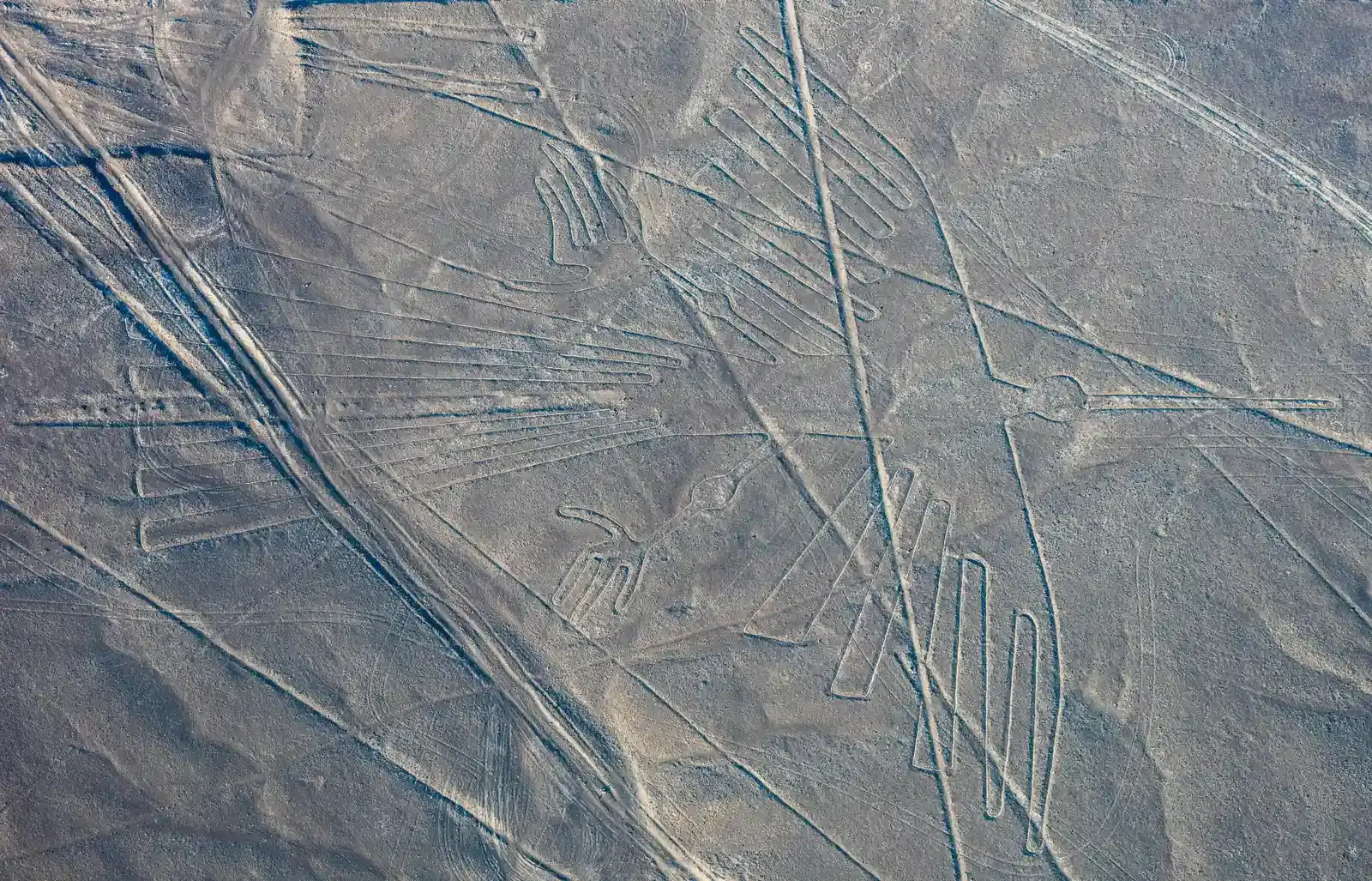
Across the Peruvian desert, enormous lines and figures stretch for kilometers, etched into the ground in strokes as straight as those made with surveying equipment. From up high, they form animals, geometric shapes, and long runways of parallel lines, yet at ground level they are strangely hard to interpret. The Nasca civilization created them roughly two thousand years ago, long before airplanes or satellites made aerial views routine. That mismatch between ground‑level experience and aerial coherence is what still unnerves many scientists today. Who were these designs for, and how did their makers keep them so straight over such distances?
Experimental archaeologists have shown that with simple tools – stakes, ropes, and sight lines – teams can reproduce surprisingly accurate large‑scale figures. But this only deepens the mystery of purpose. Were the lines ritual pathways, astronomical markers, or messages to the gods written at landscape scale? Climate scientists have pointed out that many lines cluster near ancient water sources, suggesting a link between ritual, resource management, and environmental stress. For satellite mappers and landscape planners, the Nasca lines now serve as a reminder that humans have been thinking at planetary scales far longer than our modern technologies might suggest.
Ancient Indian Iron Pillars: Metal That Refuses to Rust

In Delhi stands an iron pillar more than a millennium old that seems to defy basic corrosion. While exposed to heat, humidity, and pollution, its surface has developed only a thin protective layer instead of crumbling to orange dust like most untreated iron. Metallurgists studying this and similar artifacts from ancient India have found an alloy rich in phosphorus and slag, combined with forging techniques that trapped tiny particles of slag throughout the metal. Over centuries, a protective film formed that slows further rust dramatically. This was not modern stainless steel, but it got almost eerily close in its outcome.
What continues to puzzle researchers is the combination of empirical know‑how and long‑term performance. Ancient smiths likely did not know the precise chemistry, yet through repeated practice they arrived at a recipe that modern engineers have only fully explained with electron microscopes. For today’s materials science, these pillars are more than curiosities; they are case studies in low‑tech, high‑performance design under real‑world conditions across centuries. As infrastructure in coastal and industrial regions suffers from relentless corrosion, rust‑resistant techniques inspired by these artifacts are getting a fresh look. Sometimes the most sustainable solution is not to invent a brand‑new alloy, but to refine a very old idea.
Mesoamerican Ball Courts and Rubber Technology: Engineering Sport and Material Science
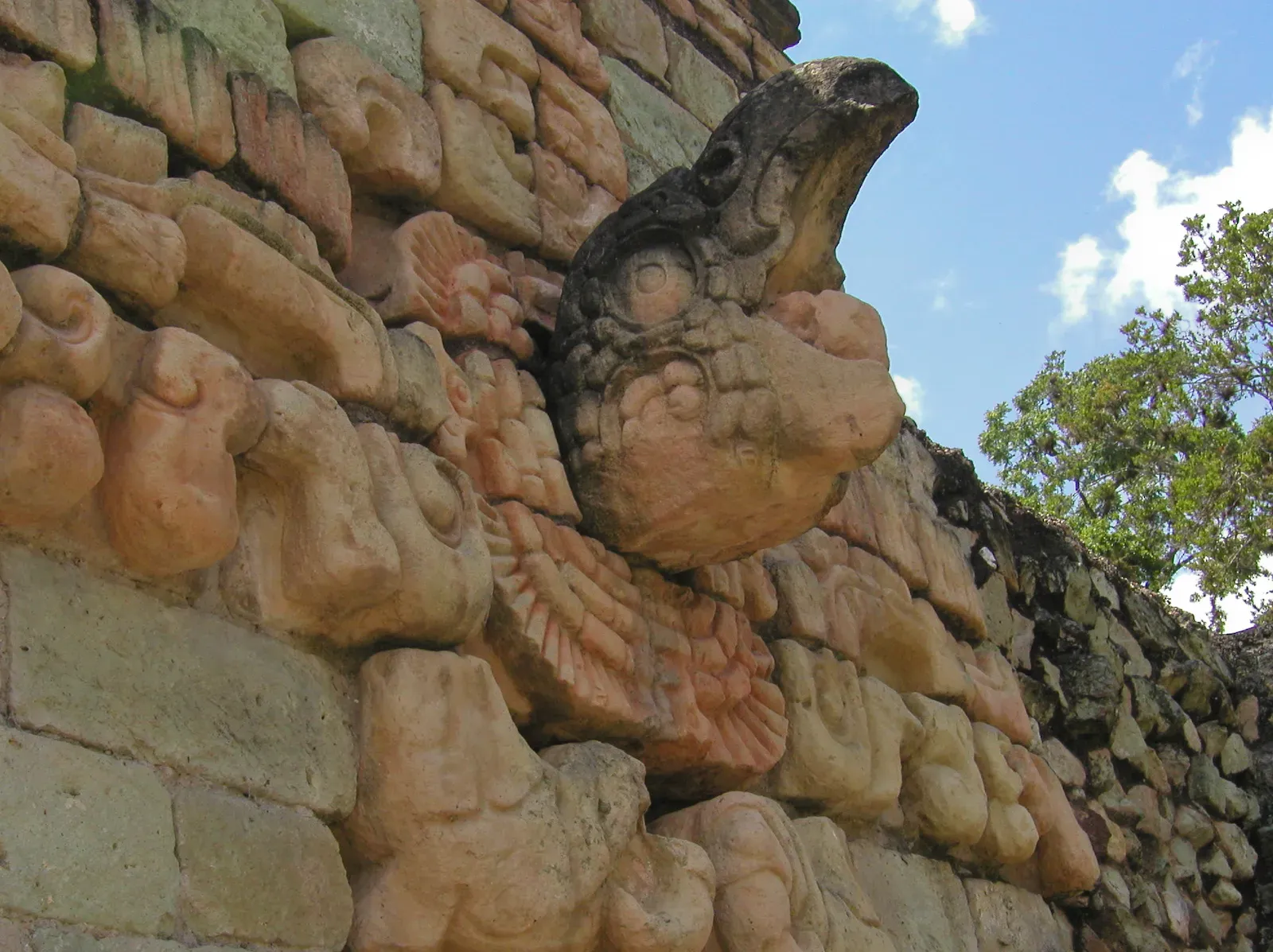
From Mexico to Central America, stone ball courts from pre‑Columbian civilizations form a mysterious network of ancient sports arenas. But the real technological surprise is not just the architecture; it is the ball itself. Cultures such as the Olmec and later the Maya learned to process latex from rubber trees, mixing it with juices from other plants to create bouncy, durable balls. This was a kind of early polymer engineering, achieved without synthetic chemistry labs or industrial reactors. When European observers first encountered these rubber balls, they were reportedly stunned by their springiness because nothing similar existed in their world.
Modern reconstructions show that by tweaking recipes – more of one plant juice, less of another – ancient makers could tune properties like hardness and bounce. That kind of material customization feels very modern, echoing how today’s engineers adjust plasticizers or fillers in synthetic materials. The ball courts themselves, with their standard layouts and acoustically intriguing walls, hint at a shared rule set and cultural importance that blended physics, politics, and ritual. For historians of technology, this is a powerful reminder that innovation in recreation can drive serious advances in materials science. The next time a lab designs a new flexible, impact‑absorbing material, the intellectual lineage traces back, in a small way, to those first rubber balls flying across stone courts.
Stonehenge and Megalithic Soundscapes: Acoustics Before Audio Tech
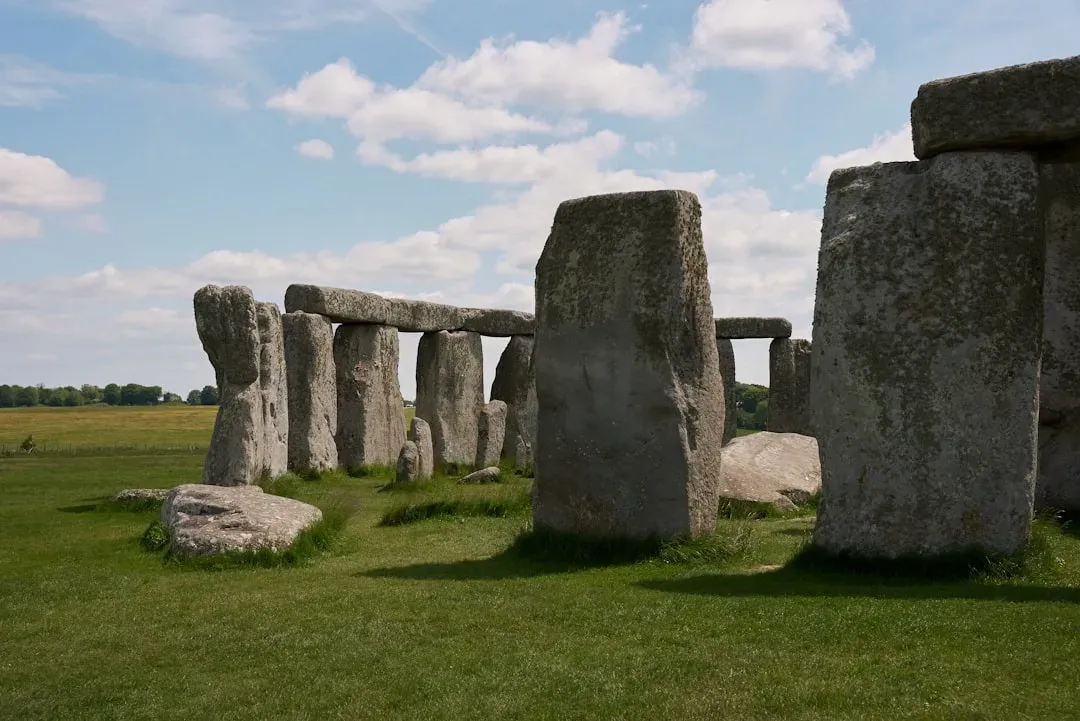
Stonehenge is often framed as an astronomical observatory, a calendar of standing stones pinned to the sky. But in recent years, researchers have started paying closer attention to what it does to sound. Acoustic tests with full‑scale reconstructions and digital models suggest that the arrangement of stones can focus and filter sound in ways that create distinct auditory zones. A drumbeat or chant in the center can carry strongly, while noise from outside fades, producing an almost engineered sense of enclosure. For a monument dating back several thousand years, that kind of acoustic shaping feels surprisingly deliberate.
Similar patterns are emerging at other megalithic sites, where echoes, resonant chambers, and stone placements appear to interact with human voices and instruments. While there is still debate about how intentional this all was, the data point toward at least a sensitive ear for how sound behaves in complex spaces. Today’s concert hall designers rely on powerful simulations to shape acoustics; prehistoric builders had only trial, error, and collective memory. The result, though, can feel oddly similar: a space where sound becomes part of the architecture itself. That challenges the idea that sophisticated acoustic design is a recent invention.
Baghdad Battery and Ancient Electrochemistry: Accident or Early Experiment?
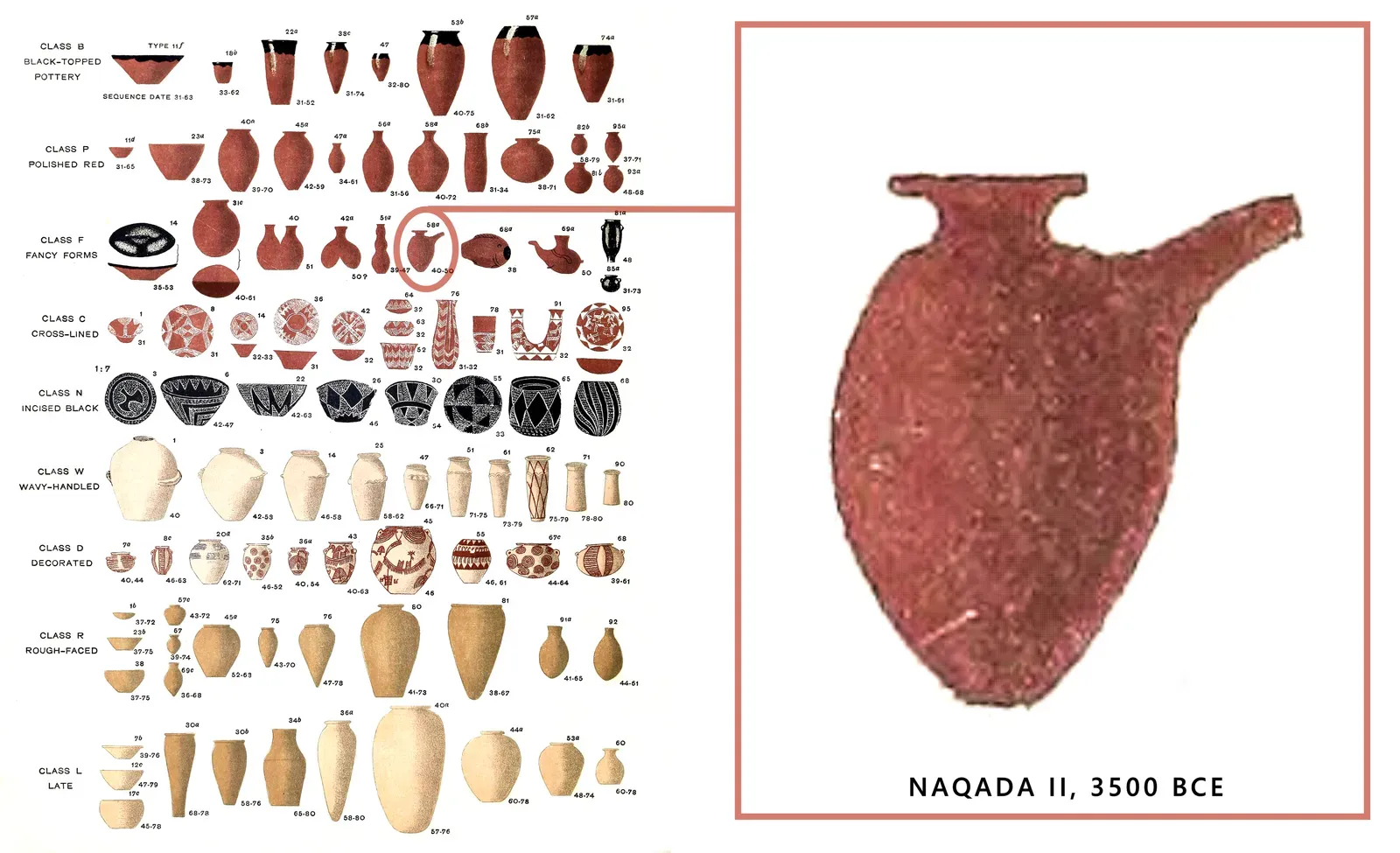
Among the more controversial artifacts in museum cases is the so‑called Baghdad Battery: clay jars with metal rods and copper cylinders, excavated in Iraq and dating to ancient Mesopotamian times. When replicas are filled with acidic liquids like vinegar or grape juice, they can generate small electrical voltages. This has fueled decades of speculation about whether ancient artisans stumbled onto electrochemistry, perhaps for electroplating metals or performing ritual demonstrations. Critics argue these jars may have been nothing more than storage containers repurposed in modern imaginations, but the debate itself has been surprisingly fruitful scientifically.
By building and testing replicas, researchers have learned a great deal about the minimum requirements for simple batteries and how early craftspeople might have accidentally discovered such effects. Even if the original objects were never used as power sources, they highlight a broader point: many technologies hover at the edge of discovery long before they are formalized. In my own visits to labs, I have seen how experiments inspired by the Baghdad Battery encourage students to think about electricity not as a nineteenth‑century invention but as a natural phenomenon people have been brushing up against for millennia. That mindset, in turn, opens the door to more cross‑disciplinary research into what other “almost technologies” the ancient world may have contained.
Why These Ancient Technologies Still Matter Today
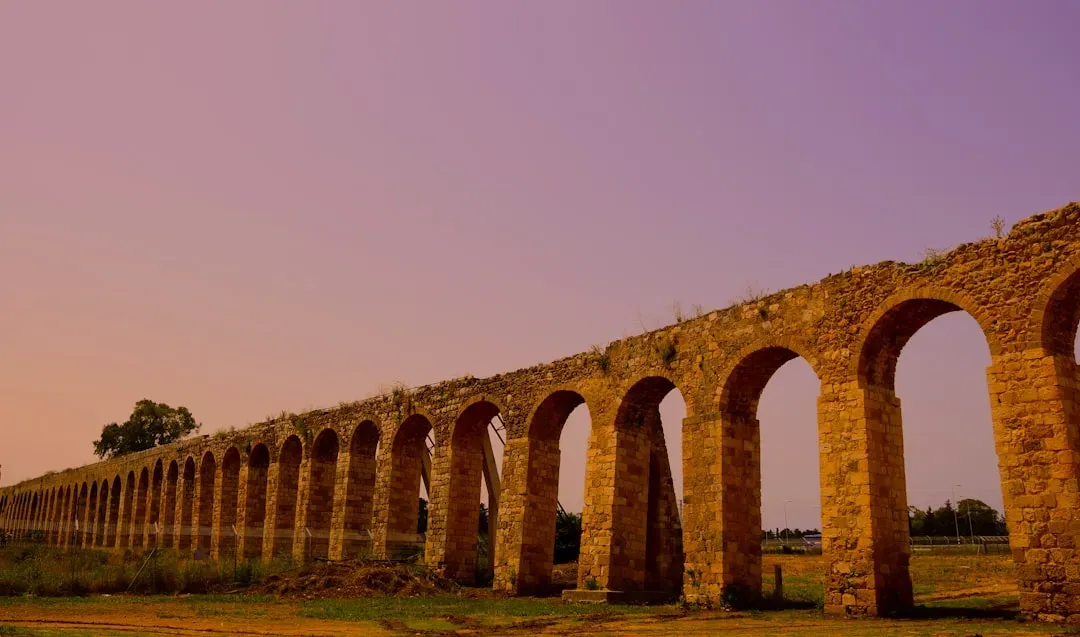
It is tempting to treat all of these discoveries as curiosities, the historical equivalent of viral trivia. But taken together, they pose a serious challenge to our favorite stories about technological progress. We like to imagine a steadily rising curve, where the past is always simpler and the present always smarter. These artifacts tell a different story, one where knowledge can surge in particular places, plateau, and even vanish, leaving future generations scratching their heads over fragmentary evidence. That realization has consequences for how we value and preserve knowledge now.
Compared with many modern methods, ancient techniques often look more sustainable, more durable, and more deeply integrated with local environments. Roman concrete emits far less carbon than today’s standard mixes; ancient iron pillars resist rust without exotic alloys; monumental architecture achieves precision with minimal energy input. When we set these side by side with current, more resource‑hungry approaches, the contrast is uncomfortable. It suggests that high technology is not always about more power or more complexity, but sometimes about better fit with the world around us. Paying attention to these lessons is not nostalgic – it is rational, especially in a century defined by environmental limits.
From Lost Secrets to Future Blueprints
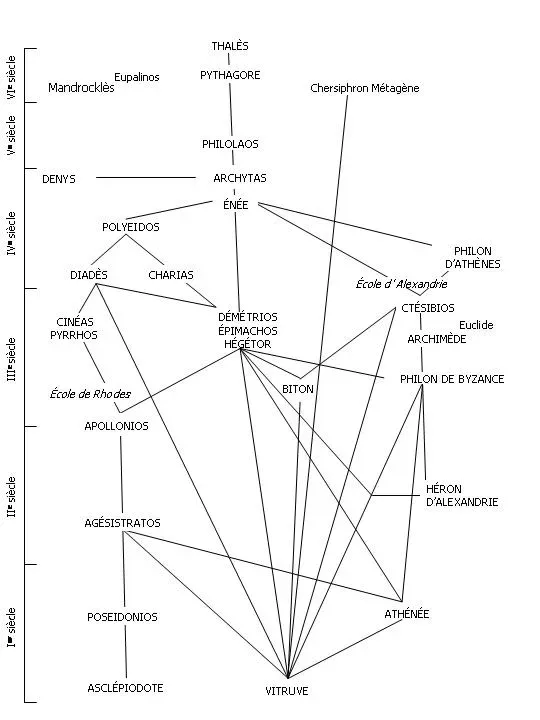
The most intriguing shift in recent years is that ancient technology is no longer just the domain of historians; it is becoming a design resource for engineers and planners. Research groups are experimenting with Roman‑inspired concrete formulas to stretch the lifespan of coastal infrastructure, potentially reducing both maintenance costs and emissions. Architects draw on pyramid‑like passive cooling strategies to craft buildings that stay comfortable without devouring electricity. Materials scientists revisit rust‑resistant iron and natural rubber processing as they look for lower‑impact alternatives to today’s petrochemical‑heavy solutions. These are not museum replicas; they are prototypes aimed squarely at future cities.
At the same time, new tools are changing how we investigate the past itself. High‑resolution satellite imagery is uncovering previously unknown geoglyphs and ruins, while 3‑D scanning lets researchers peer inside corroded machines without destroying them. Computational models can test how megalithic structures respond to sound or stress in ways fieldwork alone never could. But perhaps the biggest change is cultural: scientists are increasingly willing to treat ancient builders as peers in ingenuity, not just as background characters in a modern story. That shift in attitude may prove to be the most transformative technology of all.
How You Can Engage With Ancient Ingenuity

Engaging with these mysteries does not require a research grant or excavation permit. One simple step is to seek out museums, lectures, and documentaries that go beyond the usual “wonders of the world” list and dive into how things were actually made. Many archaeological projects now share open data and field updates online, allowing curious readers to follow digs almost in real time. Supporting institutions that protect vulnerable sites – through memberships, donations, or even just attention – helps ensure that the next Antikythera‑style surprise is not lost to looting or development. Even choosing to read deeply, rather than skimming sensational headlines, is its own quiet form of support for careful science.
On a more personal level, you can treat ancient technology as inspiration for how you design and consume in your own life. Favor materials and products that last, can be repaired, or work with natural forces instead of fighting them at high energy cost. Encourage schools and community makerspaces to include historical engineering in their curricula and projects, so that students learn to see innovation as a long, tangled story rather than a sprint that began with smartphones. And the next time you walk past an old bridge, a stone wall, or a weathered building that has outlived its makers, pause for a moment and ask: what did they know that we are at risk of forgetting?
Suhail Ahmed is a passionate digital professional and nature enthusiast with over 8 years of experience in content strategy, SEO, web development, and digital operations. Alongside his freelance journey, Suhail actively contributes to nature and wildlife platforms like Discover Wildlife, where he channels his curiosity for the planet into engaging, educational storytelling.
With a strong background in managing digital ecosystems — from ecommerce stores and WordPress websites to social media and automation — Suhail merges technical precision with creative insight. His content reflects a rare balance: SEO-friendly yet deeply human, data-informed yet emotionally resonant.
Driven by a love for discovery and storytelling, Suhail believes in using digital platforms to amplify causes that matter — especially those protecting Earth’s biodiversity and inspiring sustainable living. Whether he’s managing online projects or crafting wildlife content, his goal remains the same: to inform, inspire, and leave a positive digital footprint.