
The Jaw-Dropping Find That’s Got Scientists Buzzing (Image Credits: Cdn.mos.cms.futurecdn.net)
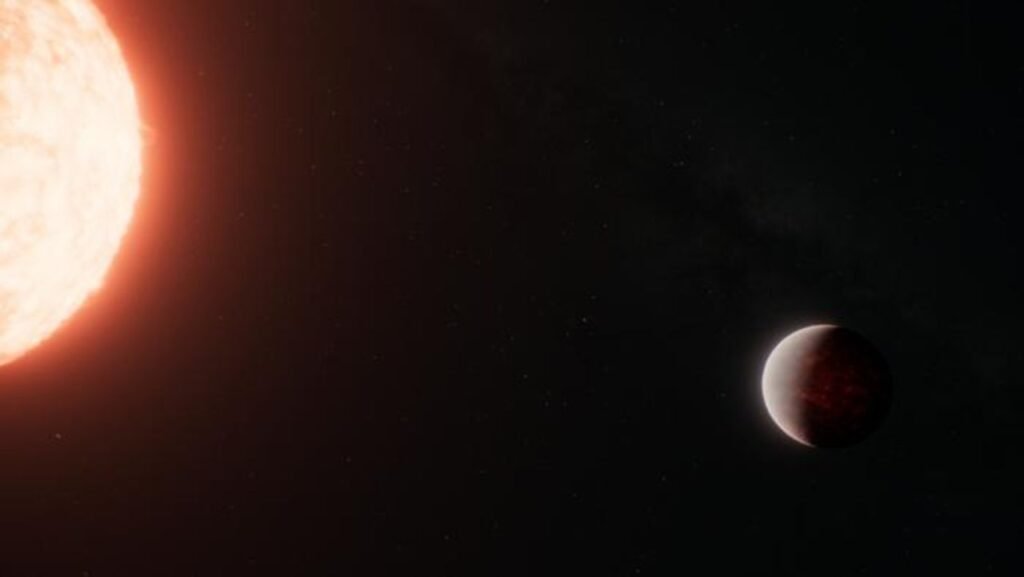
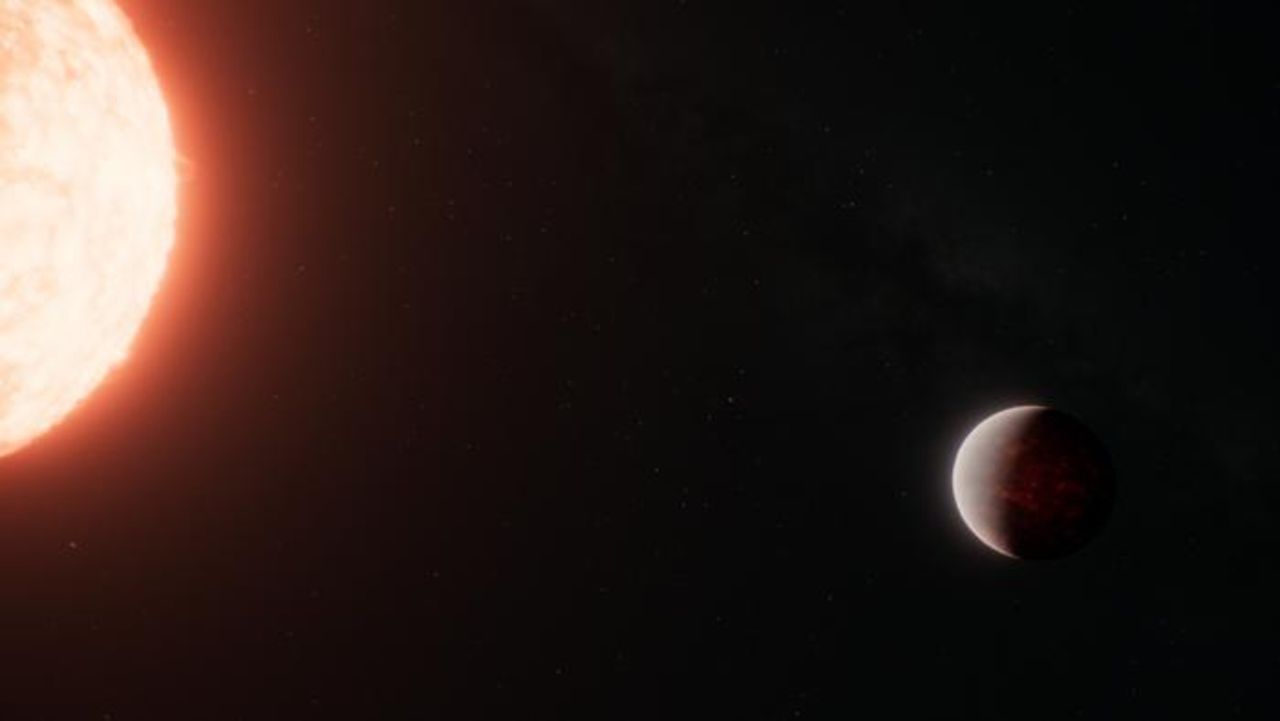
Picture a distant star’s harsh glow casting shadows on a surface bubbling with heat, where rock flows like water under a thin veil of vapor.
The Jaw-Dropping Find That’s Got Scientists Buzzing
Astronomers just hit a milestone with the James Webb Space Telescope spotting what looks like a full-blown atmosphere around a rocky exoplanet. This isn’t some fluffy gas giant; we’re talking a super-Earth scorched by its star. The evidence is the strongest yet for such a setup beyond our solar system.
Teams from NASA and partners pored over data showing signs of thick gases hugging this world tight. It’s a breakthrough because ultra-hot planets like this were thought to lose their air fast. Yet here it is, holding on against all odds.
This discovery challenges old ideas about how these worlds form and survive. Suddenly, the hunt for habitable zones feels wider and wilder.
Zooming In on This Fiery Super-Earth
Meet the star of the show: a planet orbiting close to its sun-like star, baking at temperatures that turn rock to liquid. Dubbed a super-Earth for its size – bigger than ours but smaller than Neptune – it packs a density that screams rocky core.
From 41 light-years away in the constellation Cancer, this world zips around its star in mere days. One side likely stays in perpetual daylight, with lava oceans possible on the dayside. The nightside might cool just enough for some wild chemistry.
Early hints came from previous telescopes, but JWST’s infrared eyes cut through the glare to reveal the real story. It’s not just hot; it’s a dynamic place where magma might be feeding the air above.
Behind the Scenes: JWST’s Superpowers at Work
The James Webb Space Telescope launched with tools built for peering into the infrared, perfect for spotting heat signatures from far-off worlds. During transits – when the planet crosses its star’s face – light filters through the atmosphere, leaving chemical fingerprints.
Researchers analyzed these dips in light for clues like carbon dioxide or monoxide. The data pointed to a substantial envelope of gas, not the bare rock they expected. It’s like finding a cozy blanket on a forge.
This isn’t guesswork; multiple observations stacked up to rule out other explanations, like stellar spots messing with the readings. JWST’s precision is turning “maybe” into “probably” for exoplanet atmospheres.
Unpacking the Atmosphere: What’s Lurking There?
The gases detected suggest a mix that could include volcanic outgassing from below. Think carbon-based molecules rising from a magma sea, creating a steamy layer. It’s been called a “wet lava ball,” evoking a planet soaked in its own molten drama.
Unlike Earth’s gentle air, this one’s under extreme pressure and heat. Still, it persists, hinting at constant replenishment. Models now show these worlds might cycle their atmospheres over time.
Key elements spotted include water vapor traces alongside heavier stuff. This combo paints a picture of a geologically active body, far from lifeless.
Why This Matters for the Search for Life
Finding atmospheres on rocky exoplanets opens doors to studying habitability in harsh spots. If this world can hold air, others in milder orbits might too. It expands our sample of potential life-bearing places.
Previously, we focused on cooler worlds; now, even hellscapes get a look. This could mean more candidates for biosignatures – gases that scream “life” if we spot them right.
Though this planet’s too toasty for us, it teaches how atmospheres evolve. Lessons here apply to Earth-like twins we haven’t found yet.
What’s Next in the Cosmic Detective Game?
Future JWST stares will hunt for more details, like exact gas ratios or weather patterns. Other telescopes might join in for a fuller view. This one’s just the start of a rocky atmosphere boom.
Scientists plan to target similar super-Earths nearby. Each find refines our tools for sifting through thousands of exoplanets discovered so far.
With missions like this, we’re edging closer to answering if we’re alone. The universe feels a bit less empty already.
- Planet size: About twice Earth’s diameter.
- Distance from Earth: 41 light-years.
- Orbital period: Just days, leading to extreme heat.
- Atmosphere clues: Carbon dioxide or monoxide dominance.
- Implication: Challenges models of atmospheric loss on hot worlds.
Key Takeaways
- JWST’s data provides the clearest sign yet of a rocky exoplanet atmosphere.
- This super-Earth’s “wet lava” setup suggests active geology fueling its air.
- Discoveries like this broaden our hunt for habitable worlds across the galaxy.
In a cosmos full of surprises, this lava-wrapped world reminds us that alien planets defy easy categories. It pushes us to rethink what’s possible out there. What do you think this means for finding life beyond Earth? Share in the comments.
Jan loves Wildlife and Animals and is one of the founders of Animals Around The Globe. He holds an MSc in Finance & Economics and is a passionate PADI Open Water Diver. His favorite animals are Mountain Gorillas, Tigers, and Great White Sharks. He lived in South Africa, Germany, the USA, Ireland, Italy, China, and Australia. Before AATG, Jan worked for Google, Axel Springer, BMW and others.