Space should be the ultimate triumph of physics and prediction, yet the deeper we look, the more it behaves like a cosmic riddle box. From stars that refuse to shine the way they “should” to eerie radio signals that switch on and off like broken lighthouses, astronomers keep stumbling across objects that do not fit the textbooks. These anomalies are not just curiosities; they are stress tests for our best theories about how the universe works. Some of them might be solved with better data, others may force us to rewrite entire chapters of cosmology. That tension between what we think we know and what the universe actually does is exactly where modern space science is most alive.
The Star That Blinked Too Strangely: Tabby’s Star
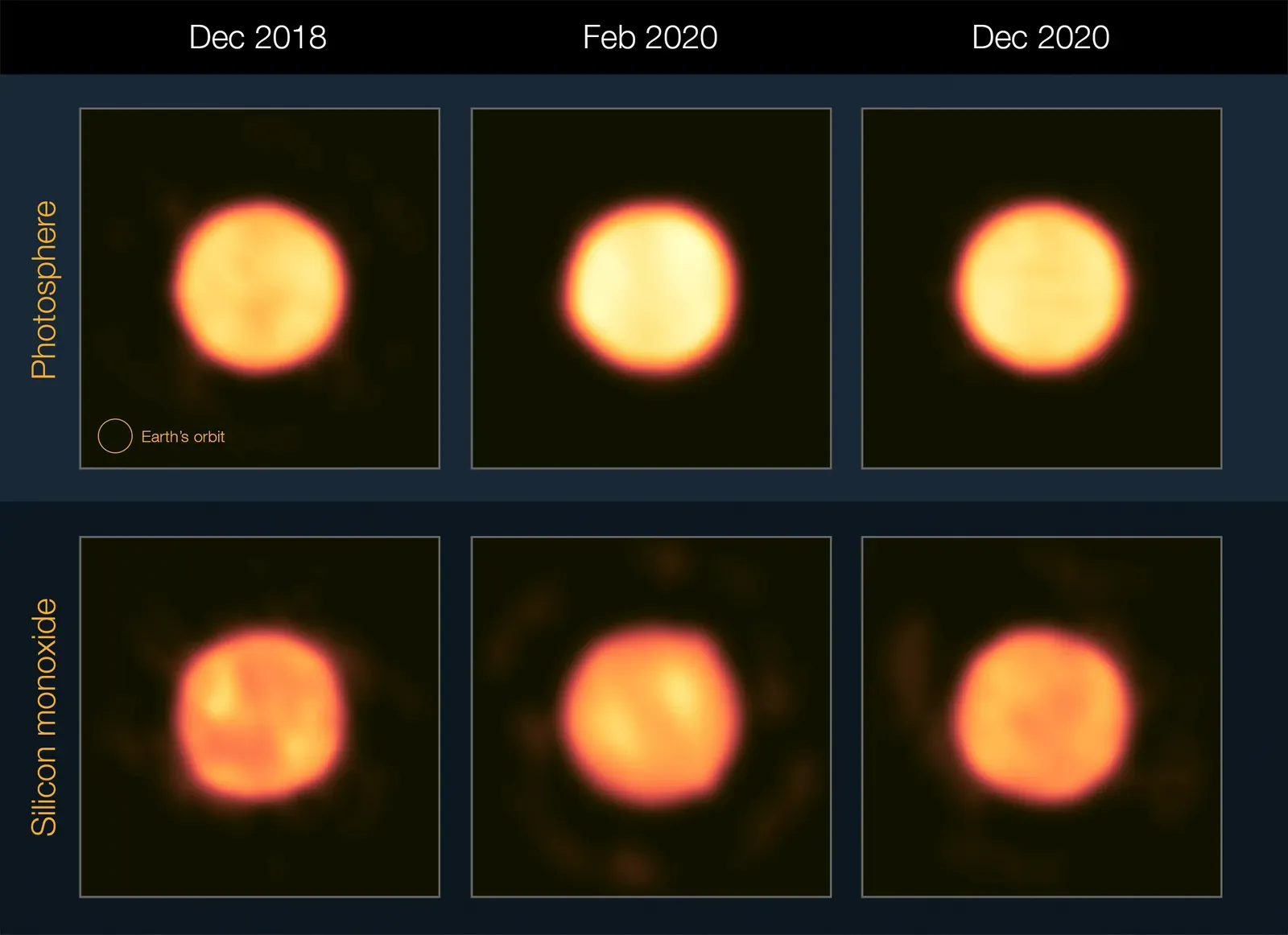
Imagine watching a star and seeing its light drop not by a tiny fraction, but by huge chunks, and not in any regular rhythm – more like someone pulling a dimmer switch at random. That was the shock when astronomers spotted the bizarre behavior of KIC 8462852, better known as Tabby’s Star, in data from NASA’s Kepler mission. Most stars hosting planets dim by a predictable, repeating amount as planets pass in front, but Tabby’s Star shows irregular drops of light that can reach more than a fifth of its brightness. There’s no simple transit pattern, no neat timing, just a messy, unsettling record of something big blocking its light in deeply confusing ways.
Early on, people jumped to exotic ideas, including hypothetical megastructures, but follow-up studies have pointed more toward natural explanations like clouds of dust or swarms of comet fragments – yet none fully match the data. The star also appears to dim gradually over years, which doesn’t line up cleanly with standard models of dust, planetary systems, or stellar evolution. Tabby’s Star has become a kind of Rorschach test for astrophysics, where every new analysis solves one piece and breaks three more. For now, it stands as a daily reminder that even a single awkward star can reveal the limits of our imagination.
The Dark Galaxy with Almost No Dark Matter: NGC 1052-DF2
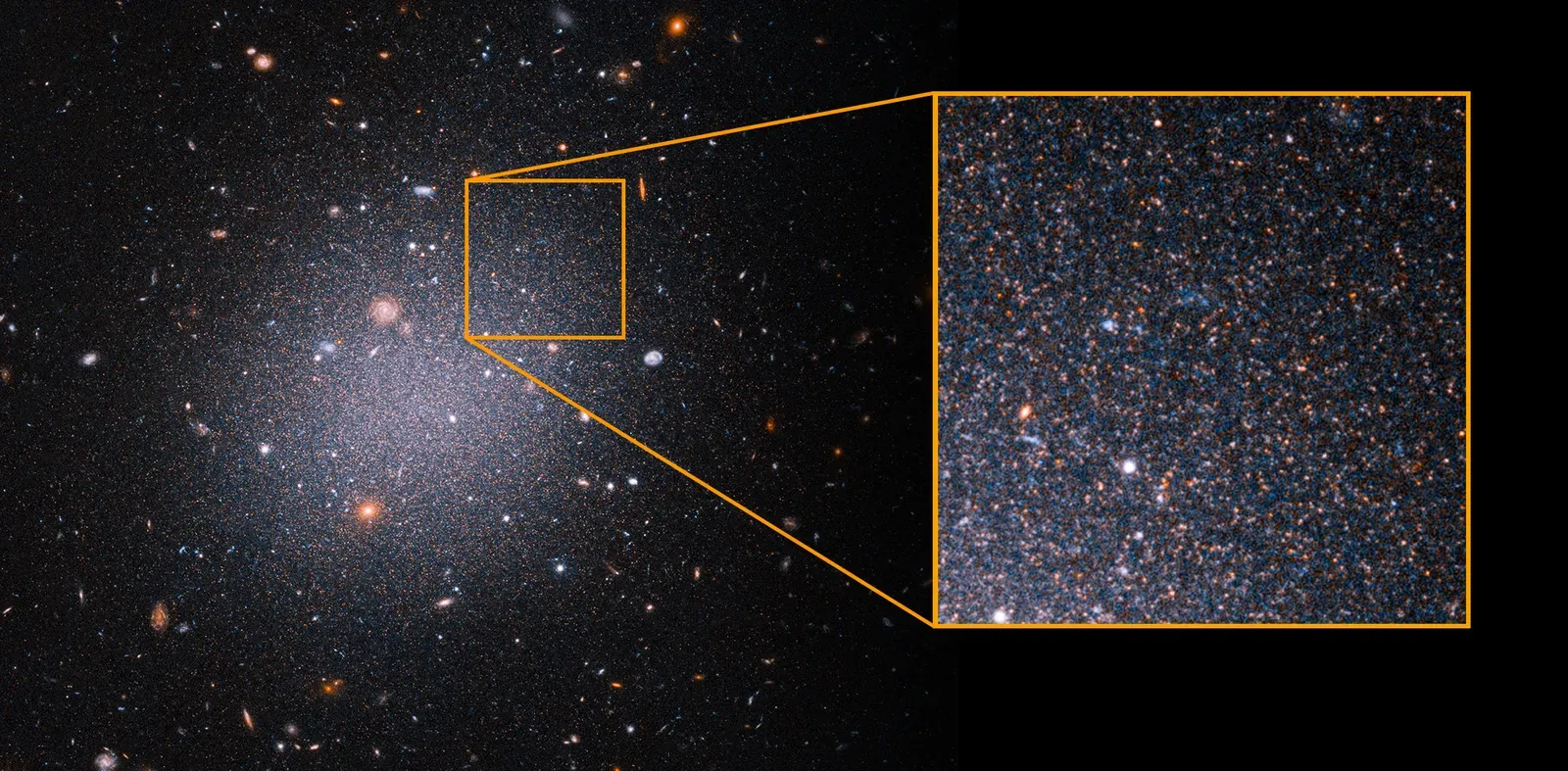
For decades, the story in cosmology has been that galaxies are built inside invisible cocoons of dark matter, a mysterious substance that outweighs normal matter by several times. That is why the 2018 announcement of NGC 1052-DF2, a faint, ghostly galaxy apparently lacking most of its dark matter, landed like a small earthquake in the field. Measurements of the motions of its star clusters suggested they were moving far too slowly to require a large dark matter halo, contradicting what is supposed to be a nearly universal rule. It was as if someone suddenly found a car driving with almost no engine under the hood.
Later studies have argued over the exact amount of dark matter present, with some researchers claiming that revised distances and uncertainties soften the anomaly while others insist the galaxy remains an outlier. A similar object, NGC 1052-DF4, has been flagged as another dark-matter-poor system, hinting this might be a real, if rare, population rather than a one-off fluke. If such galaxies genuinely lack substantial dark matter, then galaxy formation is more flexible – and more confusing – than current simulations allow. Whether this ends up patching our models or ripping a seam in them, DF2 and its kin have forced cosmologists to rethink what “typical” really means.
The Fast Radio Bursts That Arrive Like Cosmic Whispers
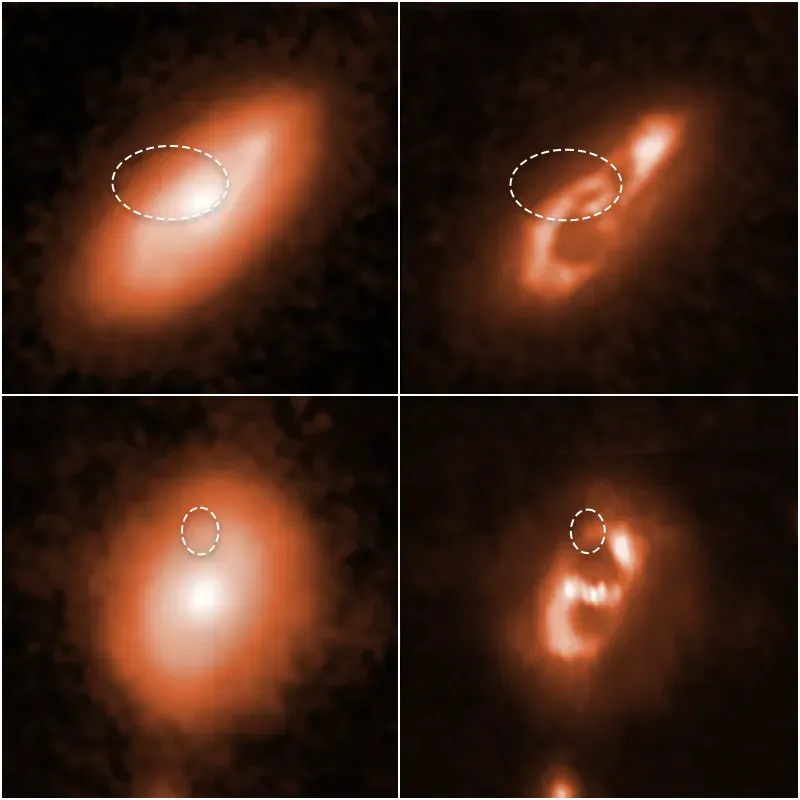
The first fast radio burst, or FRB, was spotted almost by accident in archived data, a single millisecond flash of radio waves from deep space that came and went too quickly to warn anyone. Since then, telescopes around the world have cataloged hundreds of these sudden bursts, some repeating, others seemingly one-time events, many from billions of light-years away. Each one carries an enormous amount of energy compressed into a split-second pulse, so intense that if your phone emitted the same power, it would fry everything in your house in an instant. Yet on the sky, they appear as anonymous points with no obvious signature – no nearby supernova, no bright flare, nothing that screams out an obvious cause.
Leading theories point to highly magnetized neutron stars known as magnetars, supported by a 2020 event in our own galaxy that linked an FRB-like pulse to such an object, but that likely explains only part of the population. Some FRBs repeat with quasi-regular cycles, while others seem chaotically sporadic, and their host galaxies range from tiny dwarfs to massive spirals. Astronomers now use the dispersion of FRBs – the way different radio frequencies arrive at different times – to probe the otherwise invisible gas between galaxies, turning a puzzle into a tool. Still, the underlying engine behind many of these signals remains unclear, making FRBs one of the most tantalizing, and noisy, mysteries in modern radio astronomy.
The Shadow That Shouldn’t Be There: The Cold Spot in the Cosmic Microwave Background
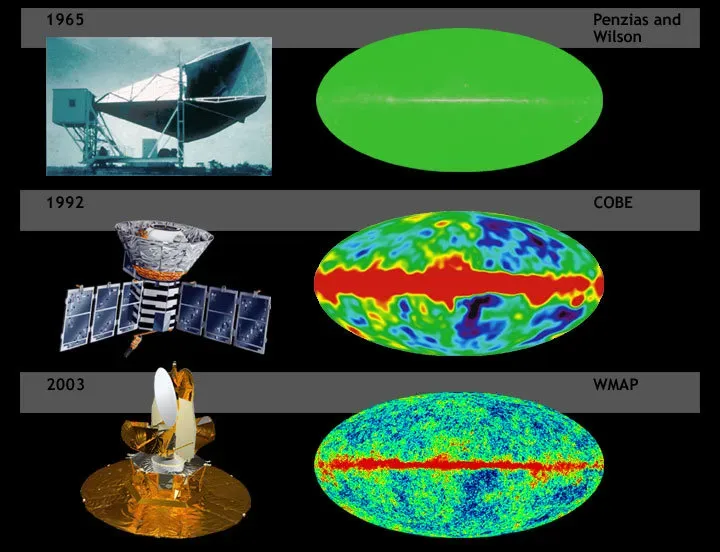
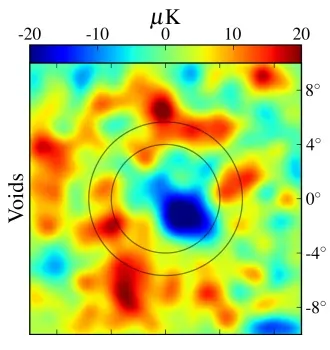
When scientists mapped the afterglow of the Big Bang – the cosmic microwave background, or CMB – they expected a near-perfectly smooth sky with only tiny temperature wiggles, and that is mostly what they found. But one region, now known as the Cold Spot, stands out as an unusually large, unusually cool patch on the cosmic map. Several studies have tried to link it to a gigantic underdense region of space, a so-called supervoid, between us and the early universe that could subtly alter the energy of CMB photons. That explanation, though, has never fully satisfied everyone, because the supervoid alone does not easily account for the size and depth of the anomaly.
The unsettling possibility is that the Cold Spot could be a statistical fluke – a cosmic coincidence that just happens to look striking to human pattern-hunting brains. An even more radical idea is that it might hint at exotic physics such as imprints from other universes or early-universe defects, concepts that sit at the outer edge of testable science. Most cosmologists remain cautious, favoring conservative models unless pushed otherwise by data. But each time a new, more precise CMB map confirms the feature is still there, the Cold Spot nudges us to admit that our origin story, though powerful, still contains awkward details that do not quite line up.
The Galaxy That Refused to Grow Up: R136a1 and Extreme Stellar Clusters
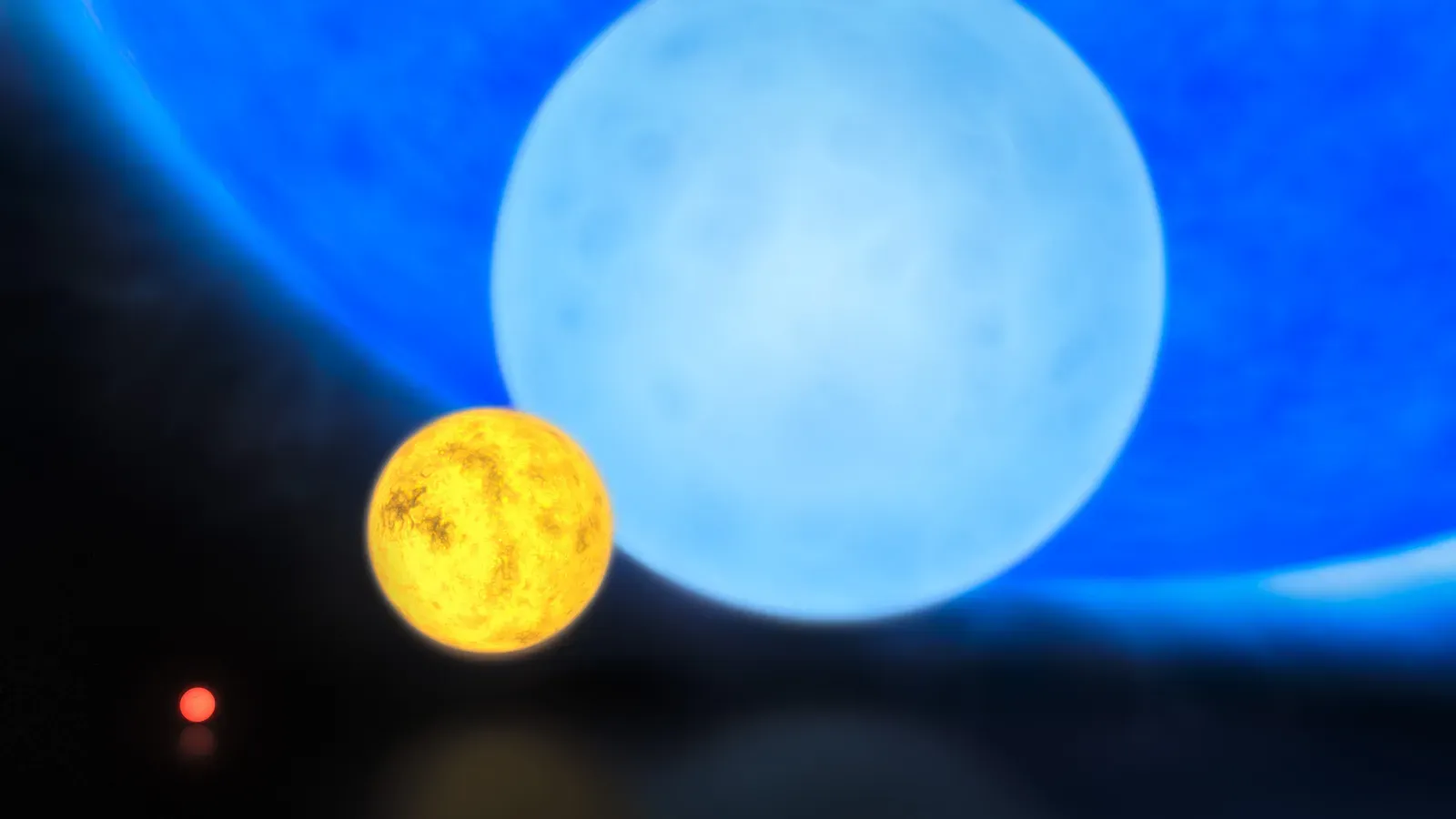
Deep in the Tarantula Nebula in the Large Magellanic Cloud lurks an absurdly massive star, R136a1, nestled in a dense cluster of young, hot suns. Estimates place its birth mass far above what many models once considered possible for a single star, pushing past hundreds of times the mass of our Sun. In principle, radiation pressure during formation should blow away material and cap how big a star can grow, but R136a1 and its siblings seem to have bulldozed right past that limit. This raises uncomfortable questions about how massive stars really form, and whether some of our assumptions about stellar nurseries are too tame.
Such monsters burn through their fuel quickly, flooding their environment with fierce radiation and powerful winds that sculpt surrounding gas clouds. They might also end their lives in extreme supernovae or direct collapses to black holes that seed future gravitational-wave events. Yet the exact paths these giants take, and even their true masses, remain under debate, in part because measuring such crowded systems is brutally difficult. For now, clusters like R136 act as high-energy laboratories in which nature runs experiments we did not think were allowed, forcing theorists to update their playbooks.
The Object That Is Not Quite Planet, Not Quite Star: Rogue Planets and Brown Dwarfs
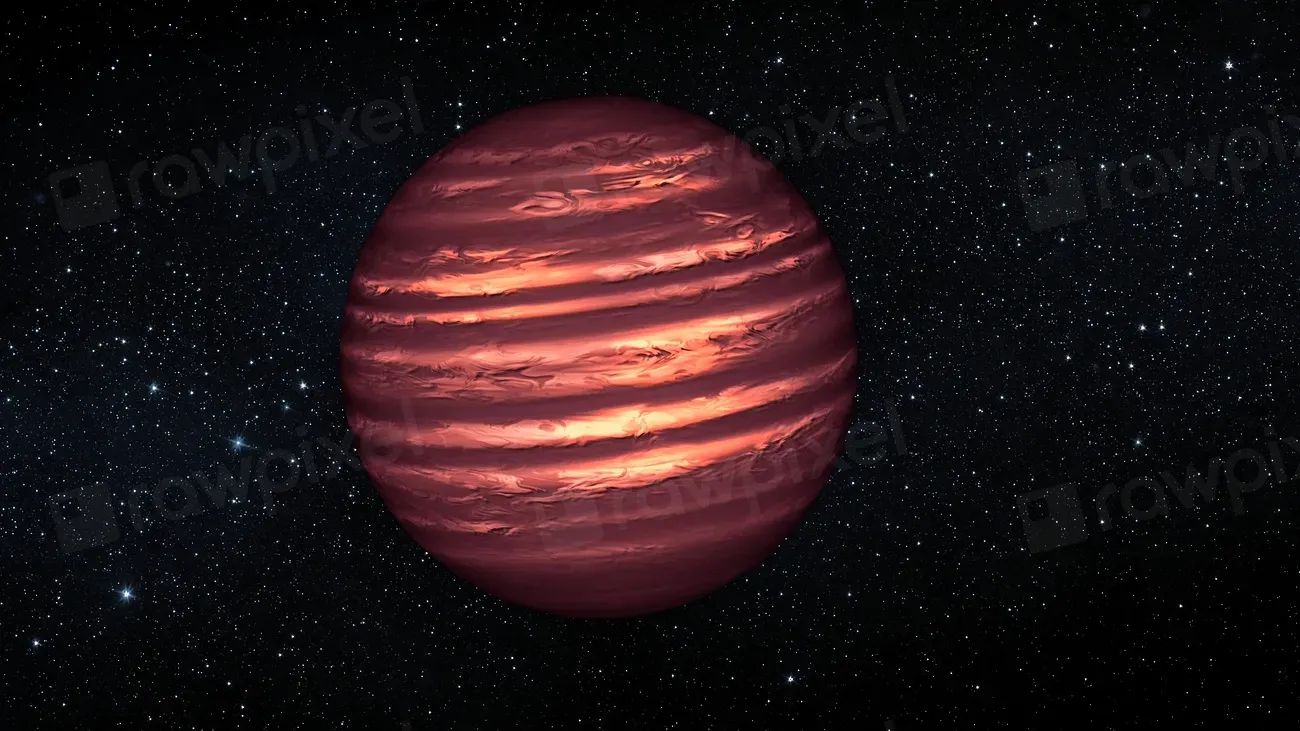
In the dark between stars, astronomers have started to spot loners: objects too small to ignite steady hydrogen fusion like stars, yet apparently not tied to any particular stellar system. Some of these are brown dwarfs, often dubbed failed stars, while others may be true rogue planets ejected from their birth systems through gravitational chaos. Surveys using infrared telescopes have uncovered surprisingly large numbers of these misfits drifting through our galactic neighborhood. That challenges the neat categories we like to draw between planets and stars and hints that planetary systems are far more violent and rearranged than the tidy diagrams in school textbooks.
We still do not fully know how many of these free-floating worlds exist, but some estimates suggest there could be as many of them as there are normal stars, or even more. That raises wild possibilities: frozen, lonely Earth-sized worlds, gas giants wandering in perpetual night, or perhaps subsurface oceans insulated by thick ice where chemistry quietly unfolds far from any sun. From a scientific perspective, these objects push us to refine formation models and think beyond “planet equals orbits a star.” Emotionally, they spark a strange empathy: a reminder that not every world gets a warm, well-lit home.
The Hidden Clues: Strange Motions at the Edge of the Solar System
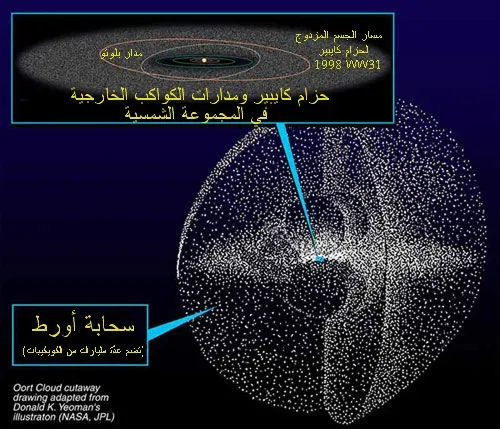
Closer to home, the outer solar system behaves like a detective novel with too many loose threads and not enough suspects. Several distant icy bodies, known as trans-Neptunian objects, seem to have clustered orbits, all tugged into similar alignments that are hard to explain with the known planets alone. This pattern inspired the hypothesis of a yet-undetected massive world, often called Planet Nine, lurking far beyond Neptune on a huge, elongated orbit. Some simulations show that such a planet could neatly corral these distant objects into their observed paths, like a hidden shepherd dog keeping a scattered flock in line.
However, not everyone agrees that Planet Nine is the right answer; some argue that observational biases or alternative gravitational effects could reproduce the same apparent clustering. Deep surveys keep hunting for a faint, slow-moving dot among millions of stars, so far without a confirmed catch. Whether Planet Nine exists or not, the tension plays a crucial role in testing how well we understand orbital dynamics and the long-term stability of planetary systems. The outer solar system, once dismissed as a frozen backwater, has turned into a frontier where each new discovery could either reveal a missing giant or prove we misread the evidence all along.
Why It Matters: Cosmic Oddities as Engines of Discovery
It is tempting to treat these mysterious objects as mere curiosities, fun stories to share but not central to the big picture. In reality, anomalies are often where science makes its sharpest leaps, because they expose the blind spots in otherwise successful theories. Dark-matter-poor galaxies push cosmologists to test how universal their models really are, much as Tabby’s Star prods stellar physicists to reexamine assumptions about dust, disks, and long-term stellar behavior. Fast radio bursts and rogue planets, once dismissed as unlikely or exotic, are now core test cases for understanding compact objects and planetary system evolution across the galaxy.
Compared with the traditional path of astronomy – cataloging stars, mapping galaxies, refining orbital tables – these oddballs feel more like glitches in a vast, cosmic simulation. Yet that is precisely their power: they refuse to be smoothed away, forcing scientists to confront the gaps between theory and observation head-on. Historically, such gaps have led to revolutions, from the realization that Mercury’s orbit hinted at general relativity to the discovery of cosmic expansion from unexpected galaxy redshifts. Today’s unexplained objects could, in time, reveal similarly deep shifts in how we think about gravity, matter, and the origins of structure in the universe.
The Future Landscape: New Eyes and New Questions
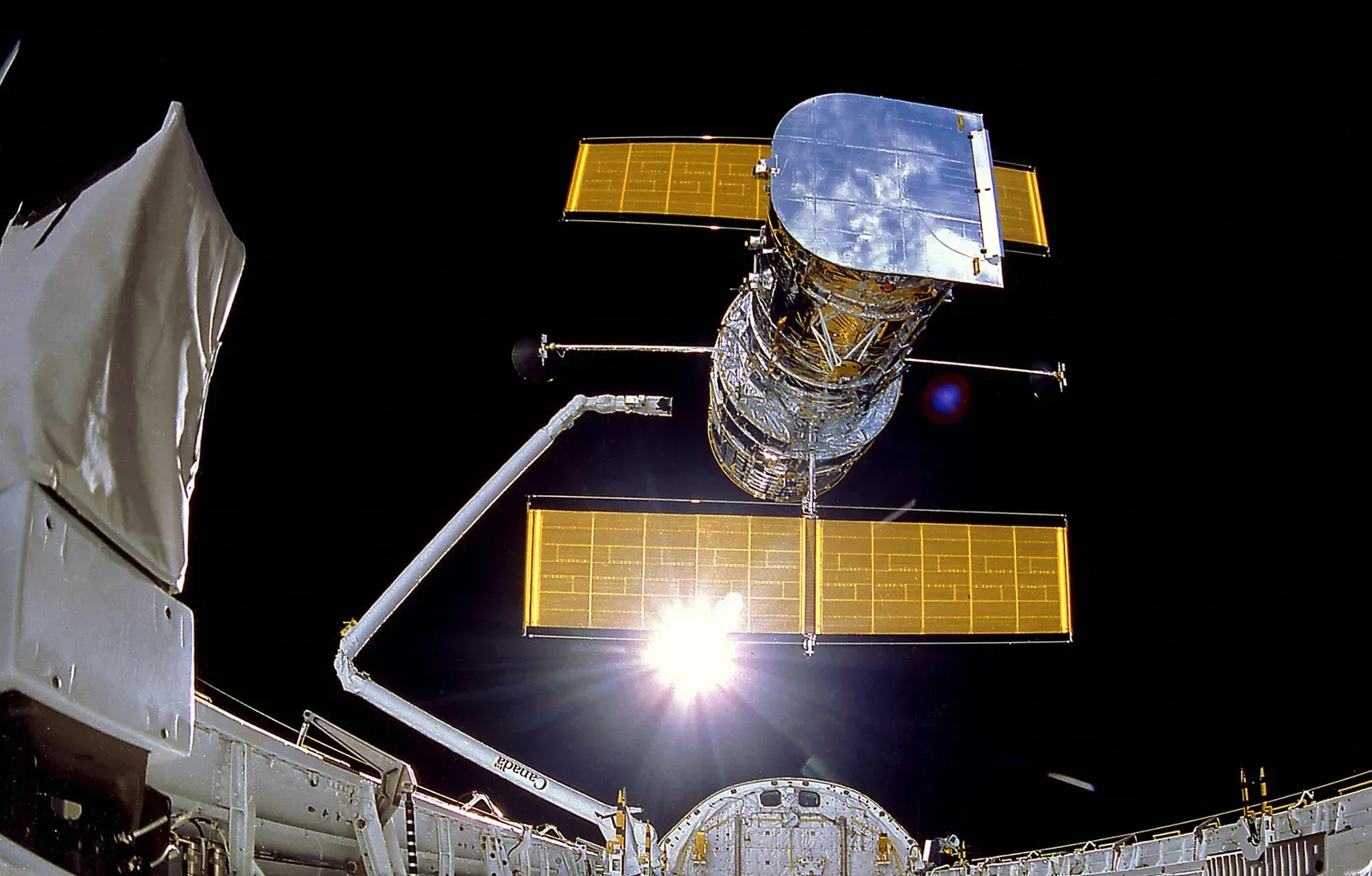
Over the next decade, the tools for probing these mysteries will improve dramatically, and with them, our ability to turn speculation into testable ideas. The Vera C. Rubin Observatory’s Legacy Survey of Space and Time is expected to find countless new transients and moving objects, from fresh fast radio burst hosts to distant solar system bodies that might confirm or kill the Planet Nine hypothesis. Next-generation radio arrays and upgrades to existing telescopes will pinpoint more FRB sources and map the intergalactic medium in unprecedented detail. In parallel, powerful space observatories will refine measurements of odd galaxies and extreme stars, squeezing theoretical models until they either break or adapt.
Yet better data will not necessarily make the universe simpler; it may just reveal that what we once thought were rare exceptions are actually parts of a larger, stranger pattern. I still remember the first time I scrolled through raw survey images and realized how many “weird” objects were quietly hiding in the margins, passed over by automated filters. That experience made it clear that human curiosity, not just better machines, will shape how we interpret the next wave of discoveries. The coming years are likely to deliver more puzzles, not fewer – and that is good news for anyone who wants to see science stretched rather than merely confirmed.
How You Can Stay Curious in a Strange Universe
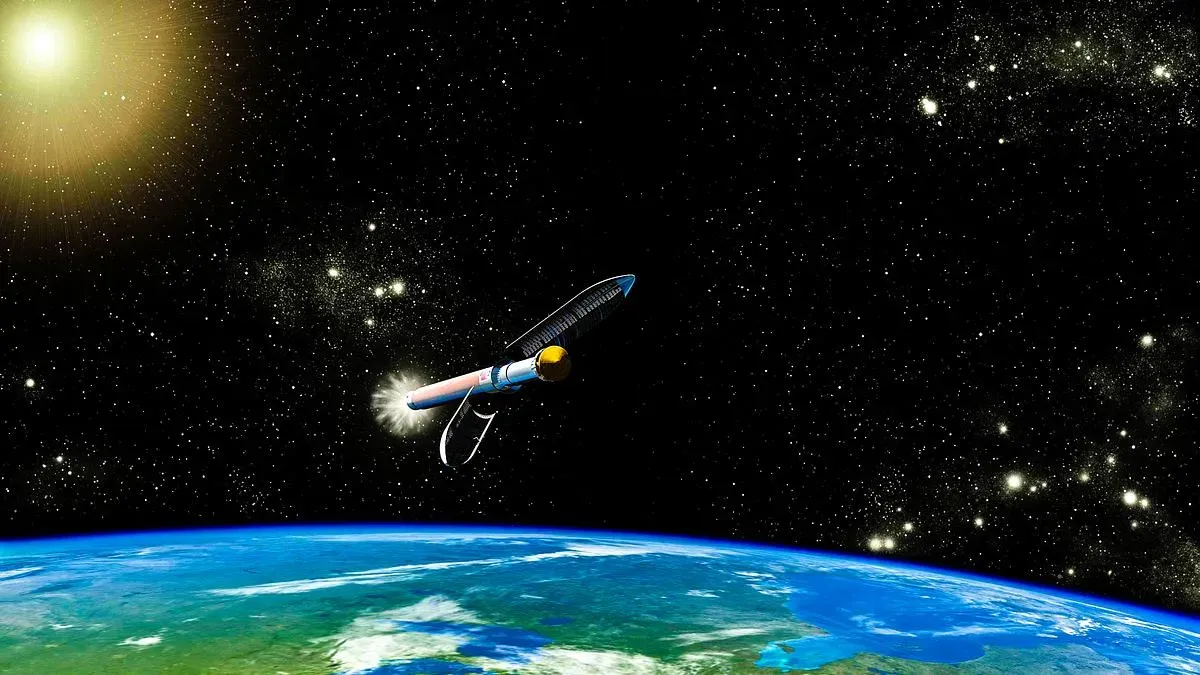
Most of us will never time a fast radio burst or measure the orbit of a distant dwarf planet, but that does not mean we are shut out of the story. Public data from major observatories and surveys are increasingly open, and citizen-science platforms routinely invite volunteers to help spot unusual objects in real sky images. Even something as simple as following mission updates from space agencies, or supporting organizations that fund telescopes and basic research, helps build the ecosystem that makes these discoveries possible. It is also worth remembering that the way we talk about these mysteries – whether we rush to wild explanations or sit with uncertainty – shapes public trust in science.
If you are inclined to dig in, you can explore interactive star maps, join online projects that classify galaxies, or attend local astronomy club nights where members point out faint fuzzies that were once major puzzles themselves. Share the odd stories, but also the careful process behind them: the years of data, the arguments, the revisions. In a universe that keeps confronting us with objects that defy easy explanation, staying curious is not just a hobby; it is a kind of quiet participation in the scientific process. And who knows – somewhere in a messy light curve or a misbehaving galaxy, the next big shift in our understanding might be waiting for an attentive pair of eyes.
Jan loves Wildlife and Animals and is one of the founders of Animals Around The Globe. He holds an MSc in Finance & Economics and is a passionate PADI Open Water Diver. His favorite animals are Mountain Gorillas, Tigers, and Great White Sharks. He lived in South Africa, Germany, the USA, Ireland, Italy, China, and Australia. Before AATG, Jan worked for Google, Axel Springer, BMW and others.