You’ve probably seen the famous Egyptian Museum’s golden treasures and glossy reconstructions of ancient life. The pyramids rise majestically in documentaries, Tutankhamun’s mask gleams under studio lights, and everything seems settled into neat historical chapters. Yet beneath the desert sands, discoveries keep emerging that turn accepted wisdom completely upside down. These aren’t just pretty objects for display cases. They’re puzzles that make Egyptologists pause, rethink, and occasionally admit they’ve been wrong about how this ancient civilization actually worked.
Egypt in 2025 continues to surprise us with finds that challenge the tidy narrative we’ve been taught about pharaohs and their world. Some artifacts suggest power struggles we never knew existed. Others hint at forgotten rulers entirely erased from official records. When you dig into these recent discoveries, you start to realize how much we’ve missed, misunderstood, or simply gotten wrong about this 3,000-year-old empire.
The Pharaoh Who Stole Another King’s Tomb
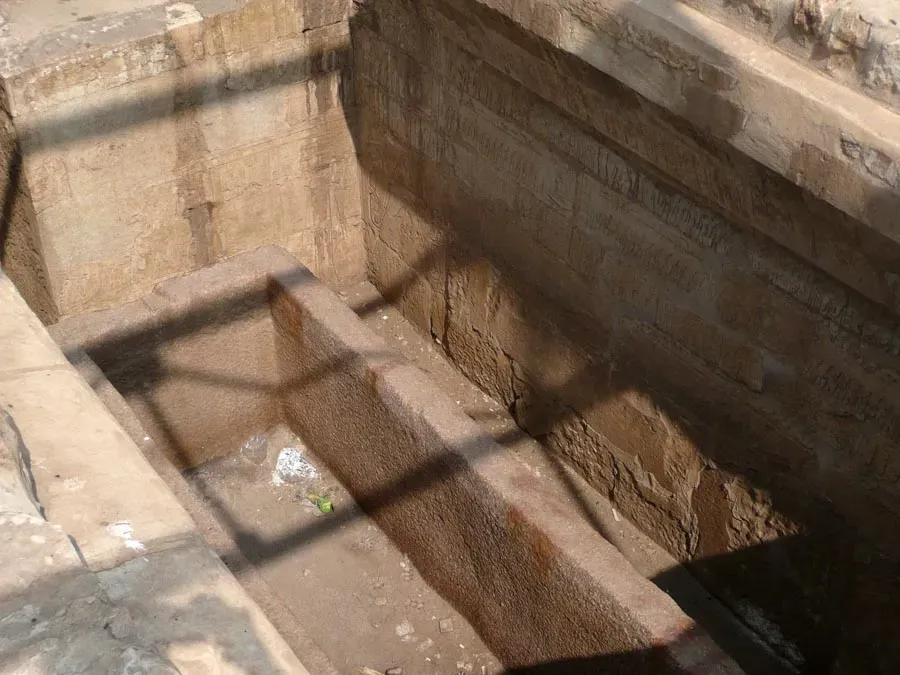
Picture this: archaeologists found 225 figurines belonging to Pharaoh Shoshenq III inside the tomb of a completely different pharaoh, Osorkon II, at the site of Tanis in northern Egypt. These weren’t just random objects left behind. The discovery indicates that Shoshenq III was not buried in his tomb but rather in an unmarked sarcophagus in the tomb of Osorkon II.
Think about what that actually means. A pharaoh built his own elaborate tomb, had everything prepared for his eternal rest, but ended up buried in someone else’s resting place without his name attached. As one Egyptologist noted, building a tomb is a gamble because you can never be sure your successor will bury you there. This discovery happened recently during conservation work, even though the tomb itself was found back in 1939.
More than half of the 225 figurines depict women, an exceptionally rare feature in Egyptian royal tombs. It’s hard to say for sure, but the burial suggests royal succession didn’t go as planned. Maybe there was a power struggle. Perhaps his successor refused to honor him properly. The civil wars and political chaos of that era left pharaohs fighting each other for legitimacy, and Shoshenq III seems to have lost even in death.
The Lost Tomb of Thutmose II Finally Appears
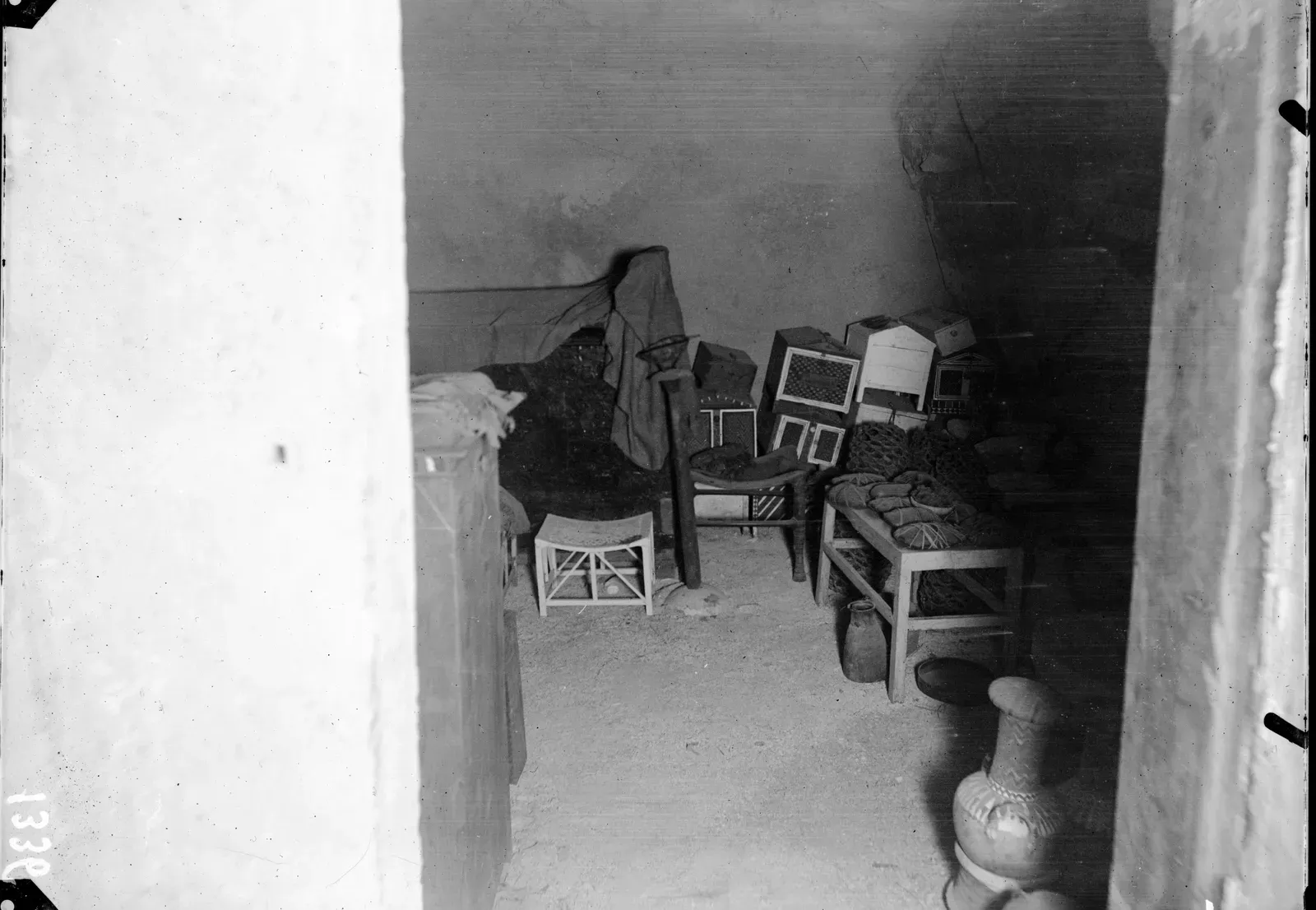
Researchers in Egypt discovered the lost tomb of Thutmose II, a pharaoh who ruled during the 15th century B.C.E., marking the first time archaeologists have unearthed a pharaoh’s tomb since 1922. Let’s be real, finding a royal tomb in 2025 is basically unheard of. Yet here it is, tucked away in an area previously thought to house only royal women.
The tomb was first discovered in October 2022, but researchers couldn’t confirm who it belonged to until the 2024-25 excavation season, when they analyzed fragments of alabaster jars found at the site. The alabaster jar includes a dedication reading the great chief wife, his beloved, Hatshepsut made this monument for her brother, the king of Upper and Lower Egypt, Aa-khpere-en-re, true of voice. The only pharaoh married to Hatshepsut was Thutmose II.
What makes this wild is how little we actually know about this ruler. Researchers don’t know much about Thutmose II, and archaeologists aren’t sure how long his reign lasted, though some think it was less than five years. His mummy was found decades ago in a cache with other pharaohs, but his actual tomb? Gone. Until now. The tomb sits in a location that baffles experts, roughly a mile and a half west of the Valley of the Kings. Some scholars remain skeptical about the identification, but the evidence keeps stacking up.
Over 1,500 Stone Blocks From Hatshepsut’s Lost Temple
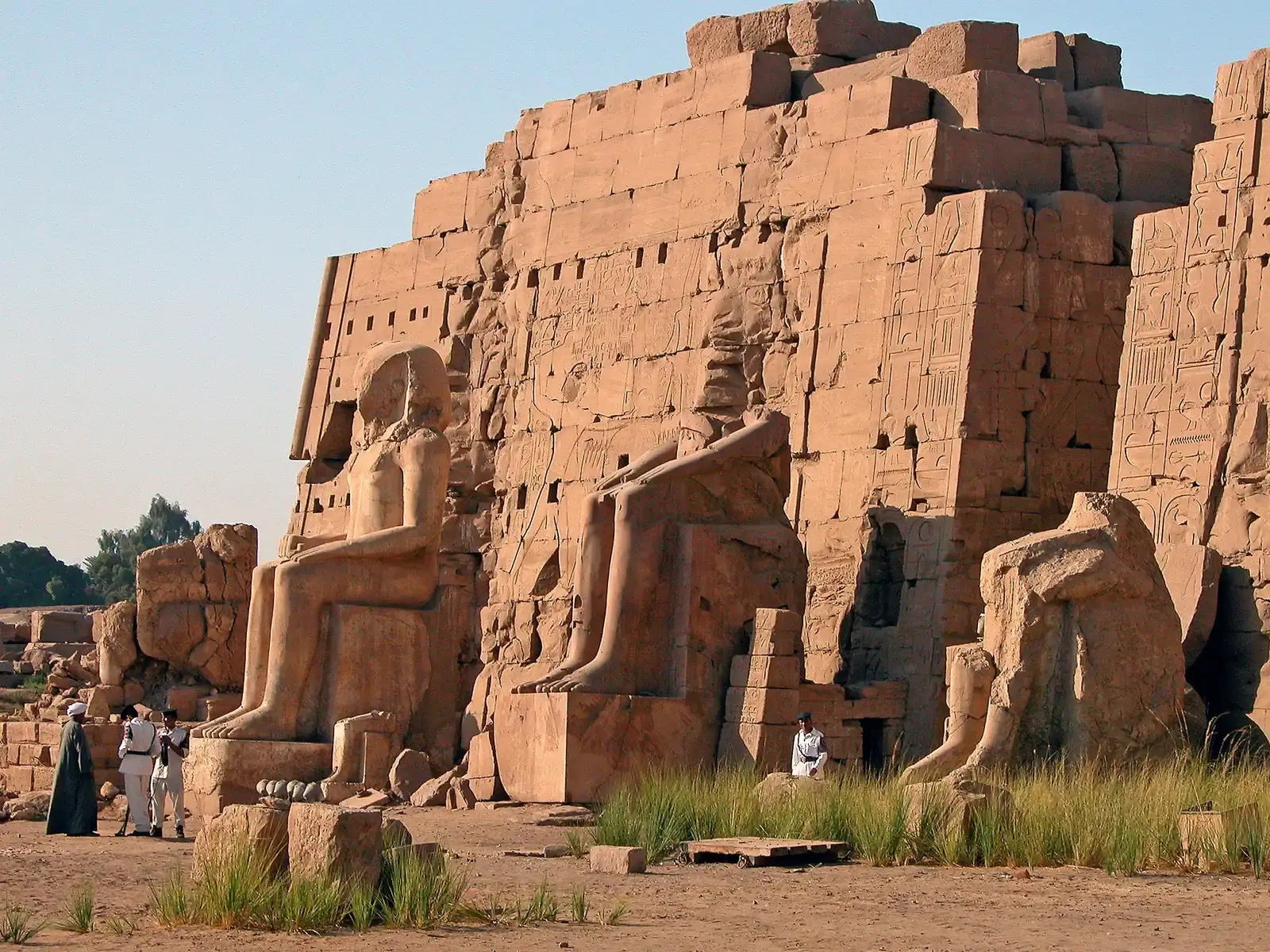
Over 1,500 decorated stone blocks were unearthed on the perimeter of Hatshepsut’s funerary temple in Deir al-Bahari, led by one of Egypt’s most famous archaeologists. The blocks provide rare insights into the ritual and architectural knowledge of the 18th Dynasty. These aren’t random building materials. They’re intricately carved pieces of a structure that was partially destroyed centuries ago, each one telling part of a larger story.
Excavators also found ceremonial implements beneath the foundation of the temple bearing her name and a limestone tablet mentioning Senmut, the queen’s chief architect. Senmut remains one of ancient Egypt’s most intriguing figures, a commoner who rose to extraordinary power under Hatshepsut’s reign. Some historians speculate they were romantically involved, though evidence is circumstantial at best.
The sheer volume of decorated blocks suggests the temple complex was far more extensive than previously understood. The discovery includes more than 100 stone tablets made of limestone, sandstone, and granite, exclusively inscribed with the cartouches of Queen Hatshepsut. Each block needs careful documentation and study. Imagine trying to reconstruct a 3,500-year-old puzzle with over a thousand pieces, many damaged or incomplete.
The Mystery King’s Massive Burial Chamber
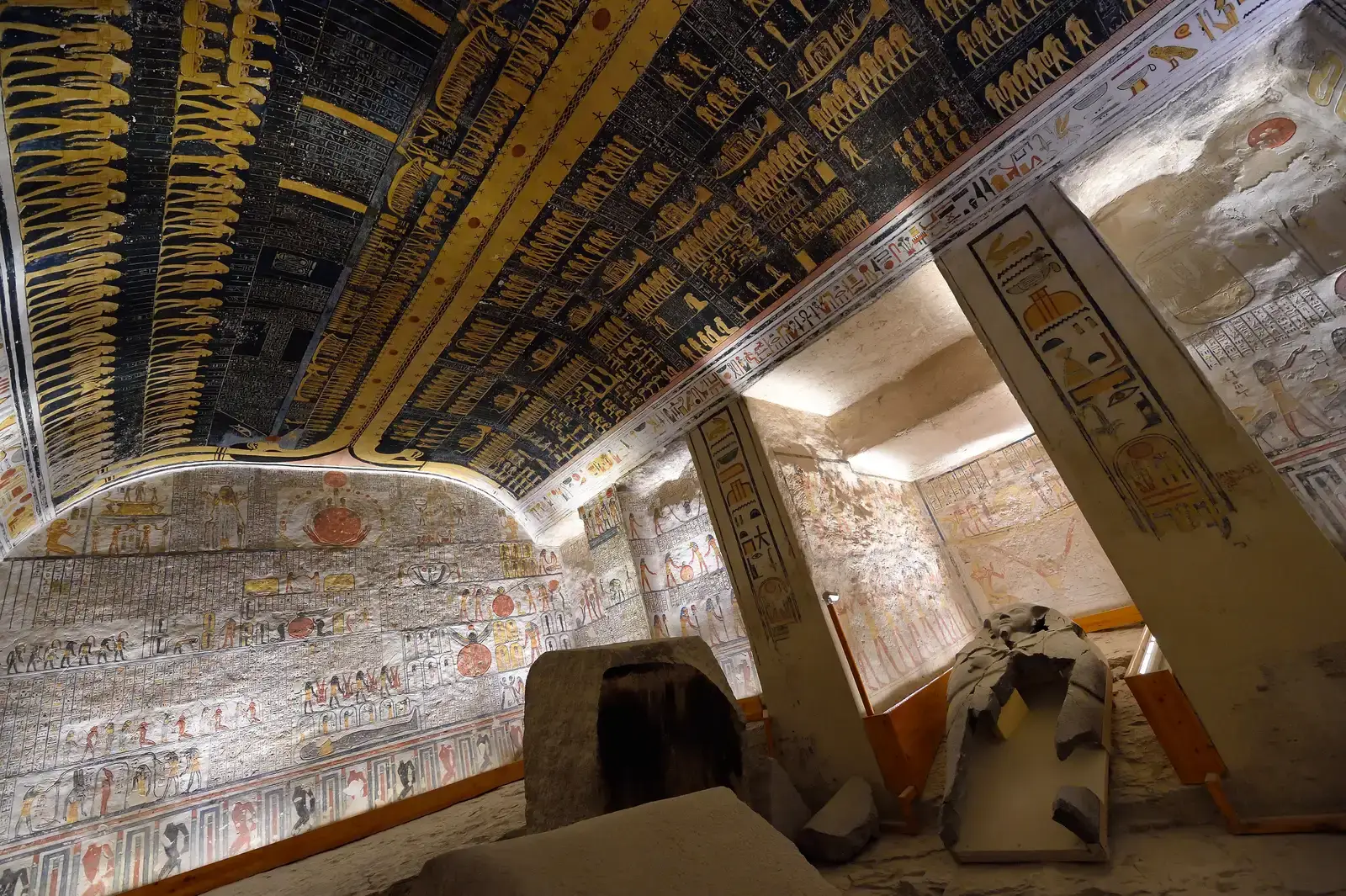
Archaeologists discovered a massive limestone burial chamber, which has multiple rooms and a decorated entryway, in January in Abydos, Egypt. The lavish tomb’s intended occupant remains a mystery as graverobbers had damaged the hieroglyphic text painted on bricks at the entryway, leaving the name unreadable.
The burial chamber is the largest to be discovered from any known ruler from the Abydos Dynasty, illuminating a previously misunderstood period of history. Here’s the thing about the Abydos Dynasty: it’s one of the least understood periods of Egyptian history. The dynasty seems to have basically been sort of forgotten from the ancient records of Egypt, because it was in this period of political decay and fragmentation.
The tomb lies nearly 23 feet underground in a necropolis beneath Anubis Mountain, a natural pyramid-shaped formation the ancient Egyptians considered sacred. The chamber itself is impressive, with decorated walls showing goddesses Isis and Nephthys. Yet without the king’s name, researchers can only speculate. Was he Senaiib? Paentjeni? Both are known from other monuments, but their tombs have never been found. This discovery opens a new avenue of investigation into rulers who were essentially erased from history.
225 Funerary Figurines in Star Formation
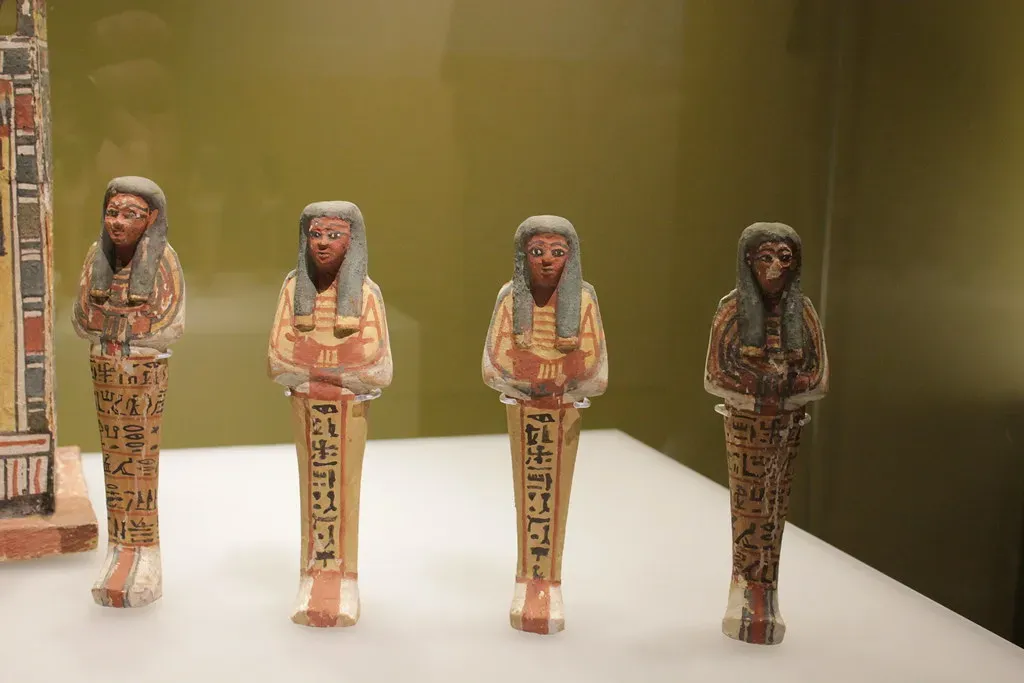
Back to that Tanis discovery. The figurines were discovered arranged in a distinctive star-like pattern alongside perfect horizontal rows, indicating a deliberate ritual design that had remained untouched for approximately three millennia. This wasn’t a hasty burial. Someone took immense care arranging these shabtis, small servant figures meant to work for the deceased in the afterlife.
The scale and significance of the discovery have been described as unmatched in the royal tombs of Tanis since 1946. Comparable undisturbed finds have never occurred in the Valley of the Kings near Luxor, with the sole exception being Tutankhamun’s tomb in 1922. That puts this discovery in truly rare territory.
Why does it matter how figurines were arranged? Because it tells us about ritual practices, beliefs about the afterlife, and the lengths ancient Egyptians went to ensure proper burial. The star pattern might have astronomical significance, or it could represent something entirely different. Researchers are still piecing together what it all means, but the arrangement itself suggests sophisticated ceremonial knowledge we’re only beginning to understand.
The Hallucinogenic Ritual Vase
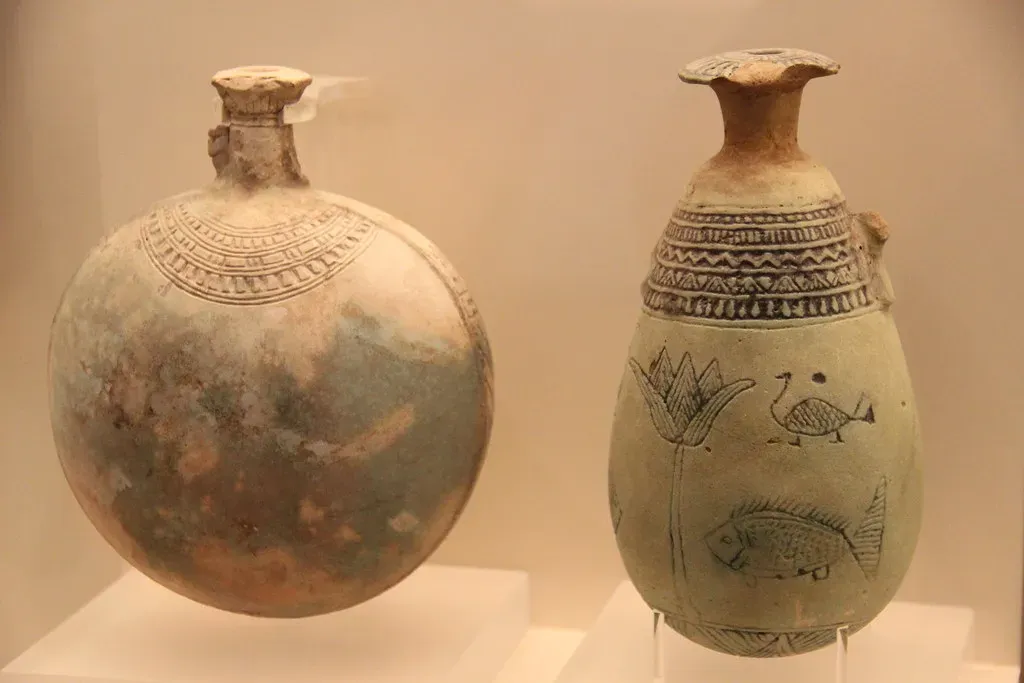
Scientists found a blood-colored hallucinogenic concoction in a 2,200-year-old vase that depicts the dwarf god Bes, evidence that the Egyptians may have engaged in a hallucinogenic ritual that helped reenact a mythical story. This completely changes our understanding of Egyptian religious practices.
In that story, the dwarf god Bes tricks the sky goddess Hathor, who was in a bloodthirsty mood, giving her an alcoholic beverage spiked with a plant-based drug disguised as blood that put her into a deep sleep of forgetfulness. The vase itself depicts Bes, and chemical analysis revealed traces of the actual hallucinogenic mixture inside.
Think about the implications. Ancient Egyptians weren’t just telling myths as bedtime stories. They were actively recreating them through psychoactive rituals. Was this part of temple ceremonies? Did priests drink these concoctions to commune with gods? The vase raises more questions than it answers, but it fundamentally shifts how we view ancient Egyptian spirituality. These people were experimenting with altered states of consciousness in ways we’re only now beginning to document.
Ancient Cancer Surgery Evidence on a 4,500-Year-Old Skull
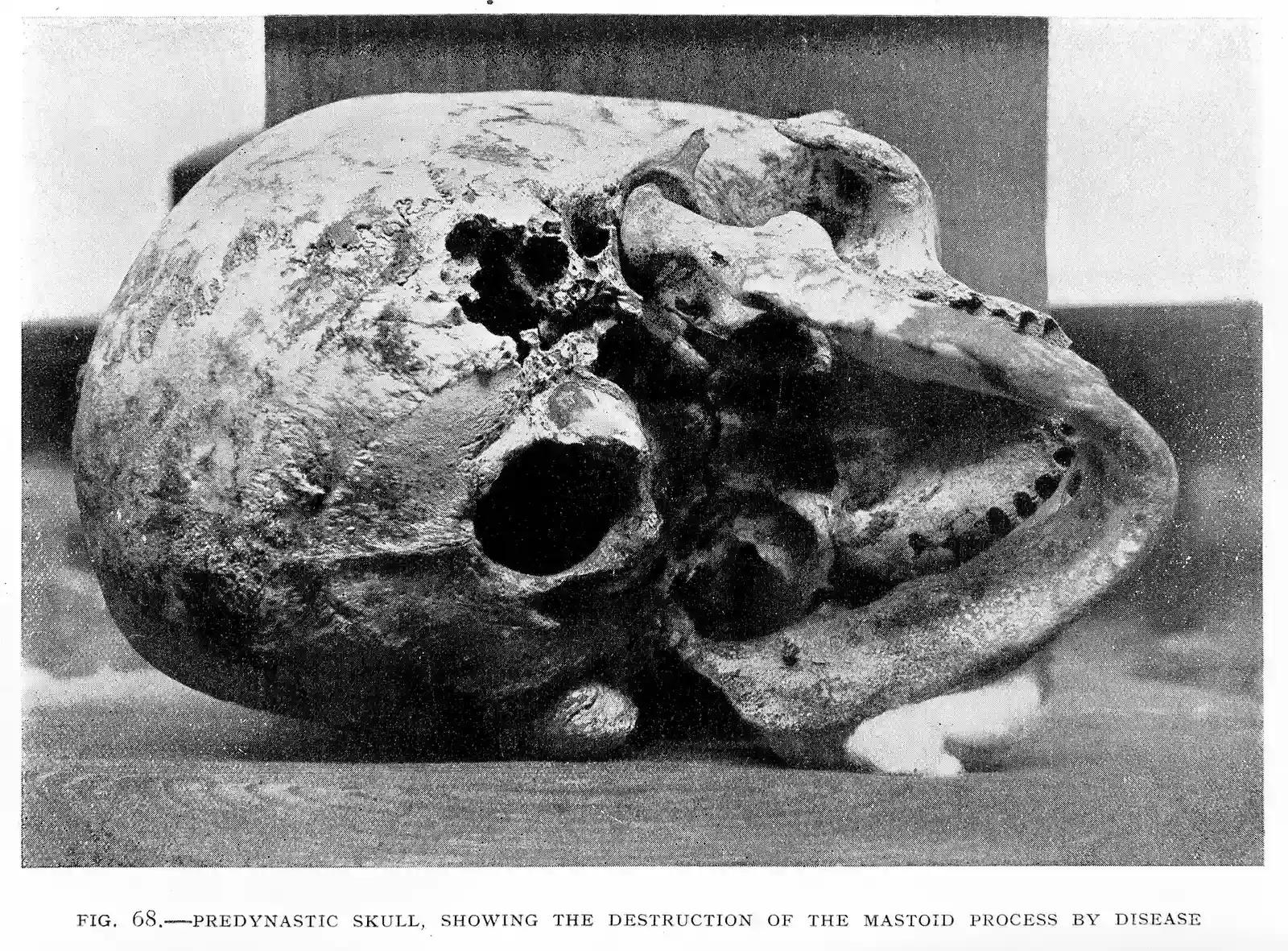
Scientists found evidence that the ancient Egyptians tried to remove a tumor from the skull of a man who lived around 4,500 years ago, with the skull containing evidence of a large primary tumor as well as smaller tumors, and evidence suggesting someone tried to remove the cancer using metal surgical instruments.
Let that sink in for a moment. We’re talking about cancer surgery when the pyramids were being built. While the attempt was unsuccessful, it shows that the ancient Egyptians were trying to develop treatments for cancer. This flies in the face of assumptions that ancient medicine was purely herbal remedies and prayers to gods.
The cut marks on the skull are precise, made with metal tools. Someone with anatomical knowledge attempted a complex procedure that wouldn’t become common practice until thousands of years later. It’s hard to say whether this was an isolated experiment or part of a broader medical tradition. Either way, it demonstrates a level of surgical ambition that rewrites our understanding of ancient Egyptian medicine. They weren’t passive in the face of disease. They fought it with scalpels.
The First Astronomical Observatory in Ancient Egypt
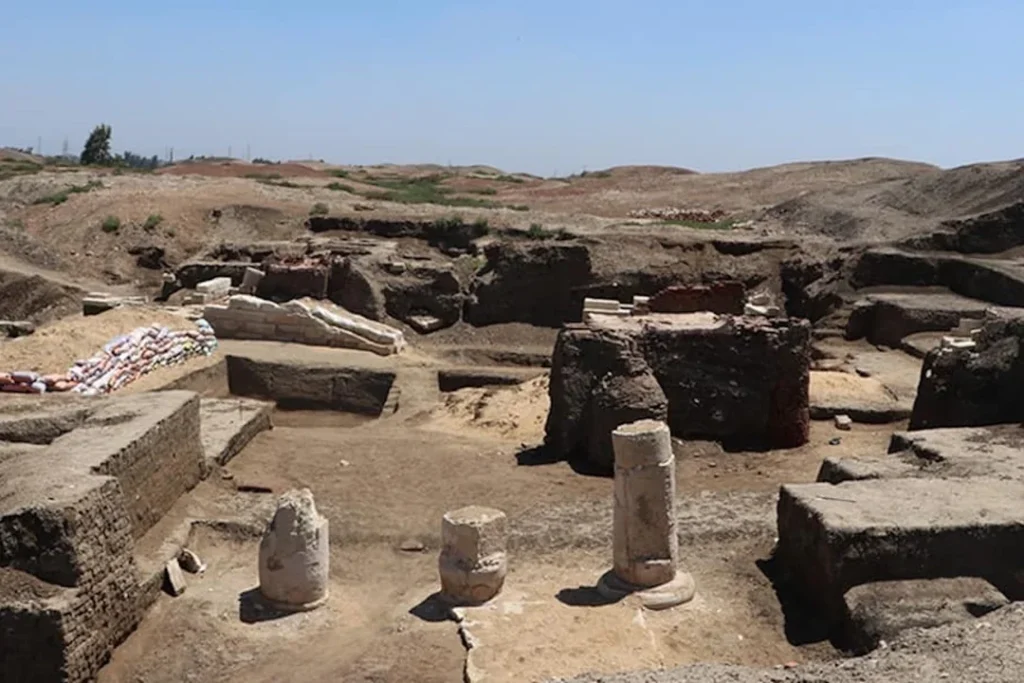
Archaeologists uncovered what they believe is the first astronomical observatory ever identified in ancient Egypt, dating back to the sixth century B.C., an L-shaped structure spanning 9,150 square feet with a gateway to the east from where an observer could track the sun and stars.
Archaeologists also found a large stone sundial and a carving of an observer watching the sun. This isn’t just a building. It’s a dedicated scientific facility designed for celestial observation. We’ve always known the Egyptians were obsessed with astronomy, but finding an actual observatory brings that knowledge into sharp focus.
The structure’s east-facing gateway aligns perfectly for solar observations. The sundial would have tracked daily movements, while the broader facility allowed for long-term star tracking. Ancient Egyptian calendars were remarkably accurate, and sites like this explain how they achieved that precision. Priests and astronomers spent countless hours watching the heavens, recording patterns, and predicting astronomical events. This observatory represents the intersection of science and religion in ancient Egypt, a place where understanding the cosmos meant understanding the will of the gods.
Conclusion
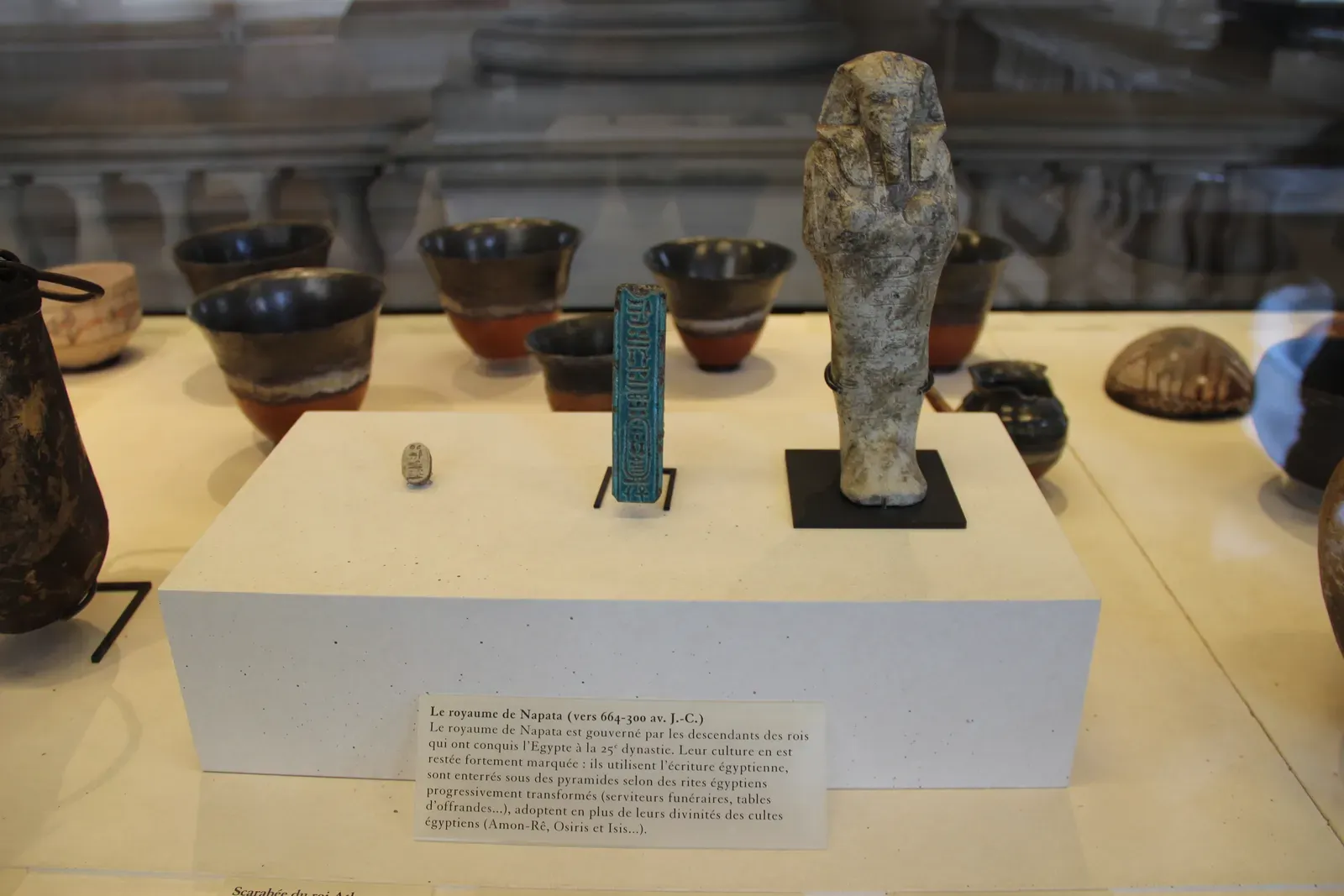
These artifacts don’t just fill gaps in our knowledge. They blow holes through our assumptions. Every pharaoh we thought we understood had secrets. Every period we labeled as peaceful or chaotic holds contradictions. The ancient Egyptians performed brain surgery, engaged in hallucinogenic rituals, stole each other’s tombs, and built observatories to map the heavens.
What else are we missing? How many more forgotten pharaohs lie beneath the sand, their names deliberately erased by successors who wanted them forgotten? Each discovery forces Egyptologists to reconsider textbooks, rewrite museum labels, and admit that maybe this civilization was stranger, more complex, and more brilliant than we ever imagined.
Did any of these surprise you? What do you think we’ll uncover next?