You’ve probably learned about America’s history starting with European settlers and maybe a bit about ancient civilizations in textbooks. Yet beneath your feet lies a story so much older and more mysterious than you ever imagined. Recent discoveries are completely changing what scientists thought they knew about who lived here first, how they arrived, and when they called this land home. The evidence emerging from excavation sites across the continent is challenging decades of established beliefs and opening up new questions about America’s true origins.
What if everything you thought you knew about the first Americans was incomplete? Let’s dive in.
Ancient Footprints Rewrite the Timeline of Human Arrival
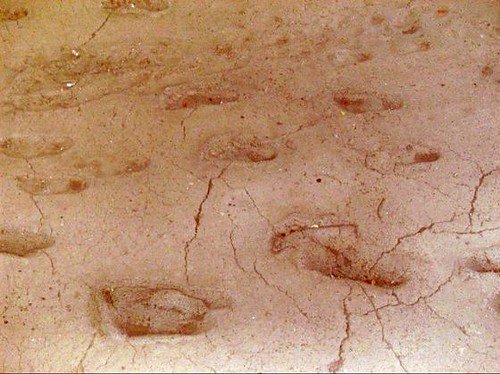
Fossilized footprints discovered at White Sands National Park in New Mexico have been dated to around 21,000 BC, potentially making them the oldest human footprints ever found in North America. Think about that for a moment. People were walking across what is now New Mexico thousands of years before scientists previously believed humans even set foot on this continent.
The footprints were made between 21,000 and 23,000 years ago, probably over a period spanning a few thousand years, and most likely by groups of children and teenagers. Here’s the thing that makes this discovery so mind-bending: these early inhabitants arrived at a time when massive ice sheets completely blocked conventional migration routes from the north. How did they get here?
The Clovis Culture Mystery Gets Even Deeper
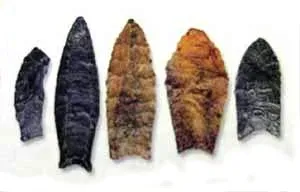
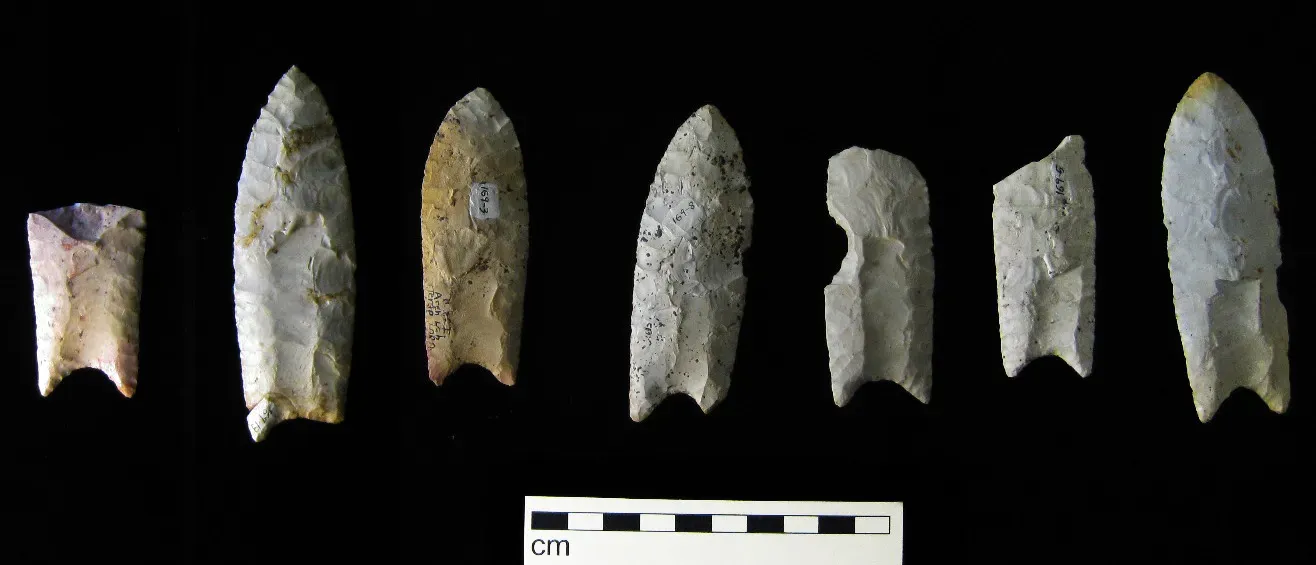
For most of the twentieth century, archaeologists were pretty convinced they had it figured out. The Clovis culture spans around 13,050 to 12,750 years before present, and these people were considered America’s first inhabitants. Clovis points were an American invention, with more than 10,000 discovered across 1,500 locations throughout most of North America.
These beautifully crafted stone spearheads became the benchmark for dating early American settlements. The Clovis culture swept across the continent in less than a thousand years, allowing native peoples to successfully live in different environments. Honestly, that’s an incredible feat of adaptation and survival. Yet newer evidence suggests the Clovis people weren’t the pioneers everyone thought they were.
Cooper’s Ferry Upends Everything We Thought We Knew
Deep in western Idaho, along the confluence of Rock Creek and the Salmon River, lies a site that’s forcing archaeologists to completely rethink their theories. The charcoal and bone left at Cooper’s Ferry are some 16,000 years old, making it the oldest radiocarbon-dated record of human presence in North America. Let’s be real, that’s nearly 3,000 years before the Clovis people supposedly arrived.
Over 10 years of excavations, researchers uncovered dozens of stone spear points, blades, and multipurpose tools called bifaces, as well as hundreds of pieces of debris from their manufacture, along with a hearth and pits dug by ancient residents. The site is actually known to the Nez Perce Tribe as Nipéhe, an ancient village that their oral traditions have preserved for millennia. Sometimes indigenous knowledge knows what science takes centuries to confirm.
Did the First Americans Arrive by Sea?
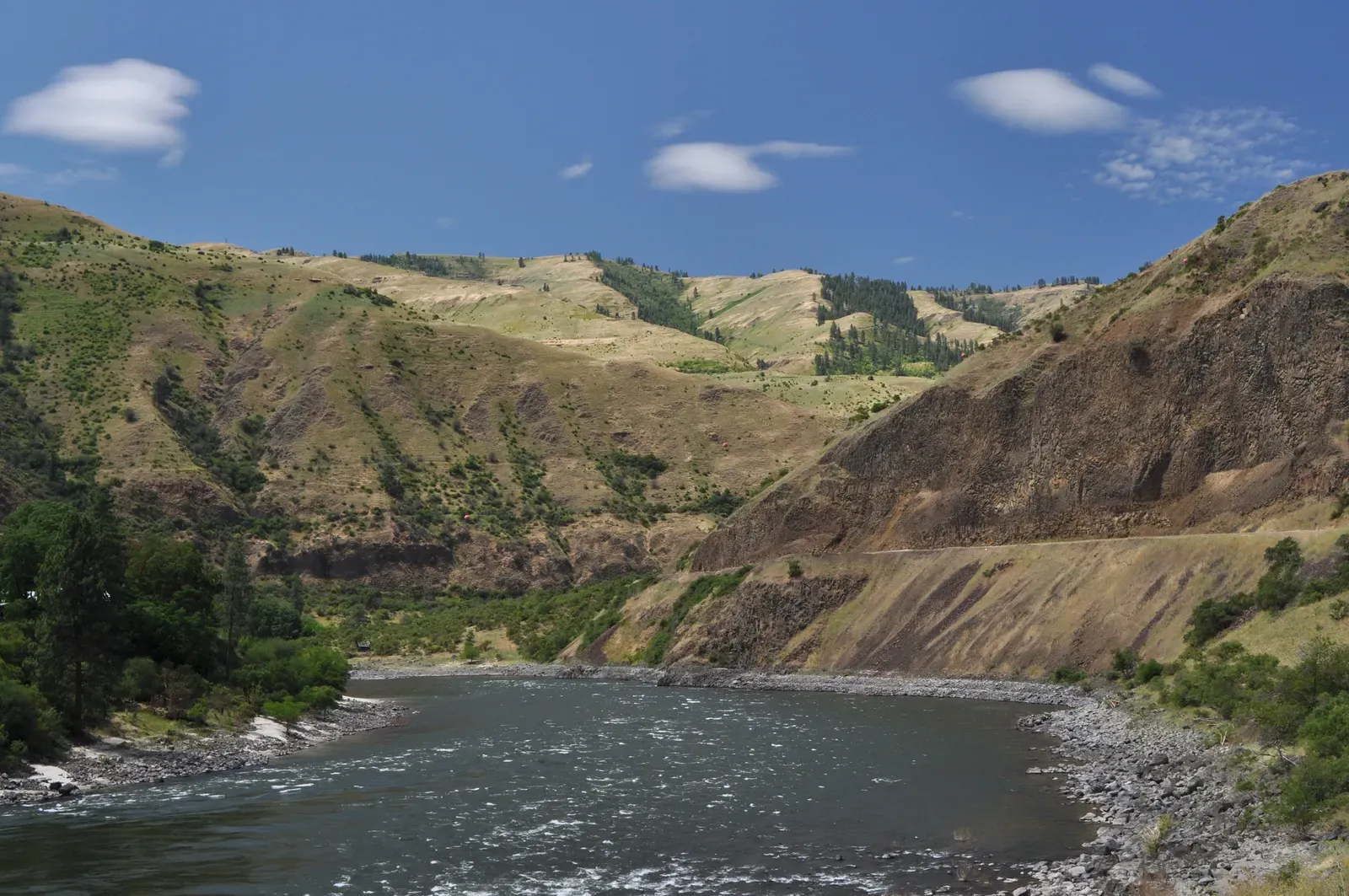
People lived at Cooper’s Ferry more than 1 millennium before melting glaciers opened an ice-free corridor through Canada about 14,800 years ago, which implies the first people in the Americas must have come by sea, moving rapidly down the Pacific coast and up rivers. This changes everything about migration theories that dominated archaeology for decades.
As people came down the coast and encountered the mouth of the Columbia River, they essentially found an off-ramp from this coastal migration and their first viable interior route to areas south of the ice sheet. The idea of seafaring ancient peoples navigating ice-age coastlines sounds almost impossible, yet the evidence keeps mounting. It’s hard to say for sure, but these early Americans might have been far more sophisticated mariners than anyone gave them credit for.
Michigan’s Hidden Agricultural Revolution
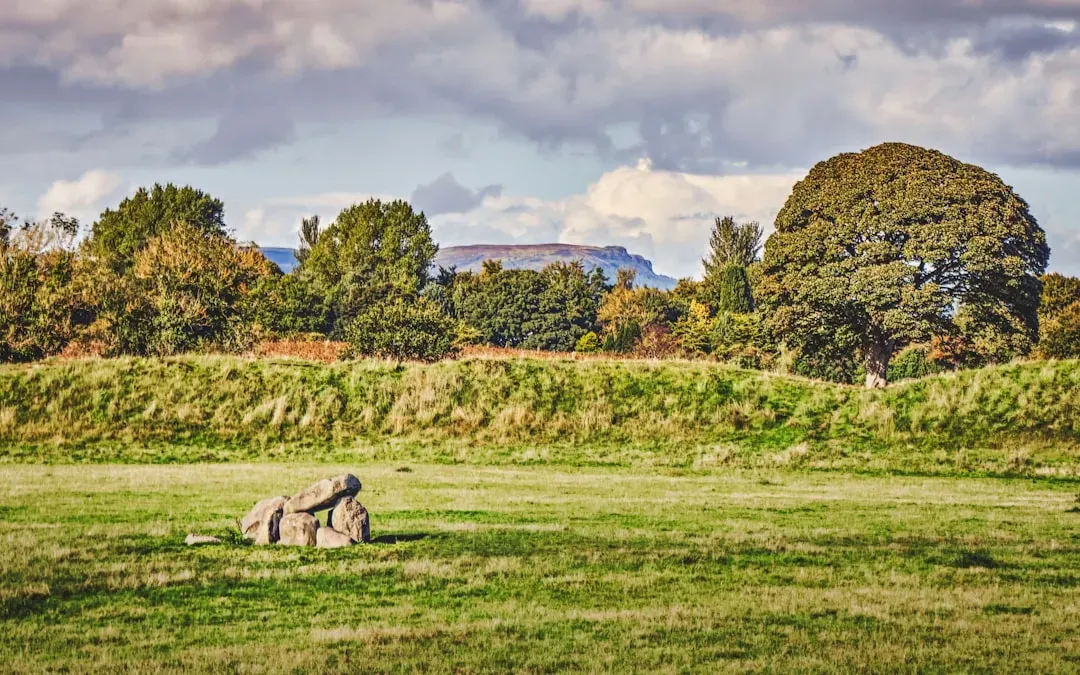
Archaeologists studying a forested area in northern Michigan uncovered what is likely the largest intact remains of an ancient Native American agricultural site in the eastern half of the United States. We’re not talking about small garden plots here. Hundreds of acres in Michigan are covered in parallel rows of earth that are the remains of an ancient Native American agricultural system.
The sheer scale is what shocked researchers. The only sites comparable can be found in arid regions around Phoenix and Tucson in Arizona, where archaeologists have discovered traces of large-scale irrigation systems. This discovery challenges the outdated stereotype of pre-Columbian peoples as primarily nomadic hunter-gatherers. The vision of historical Native Americans as mostly hunter-gatherers or nomads is very incorrect, as by the time colonists arrived, they were encountering many sedentary communities across North America who were practicing various forms of farming.
Cactus Hill and the Pre-Clovis Controversy
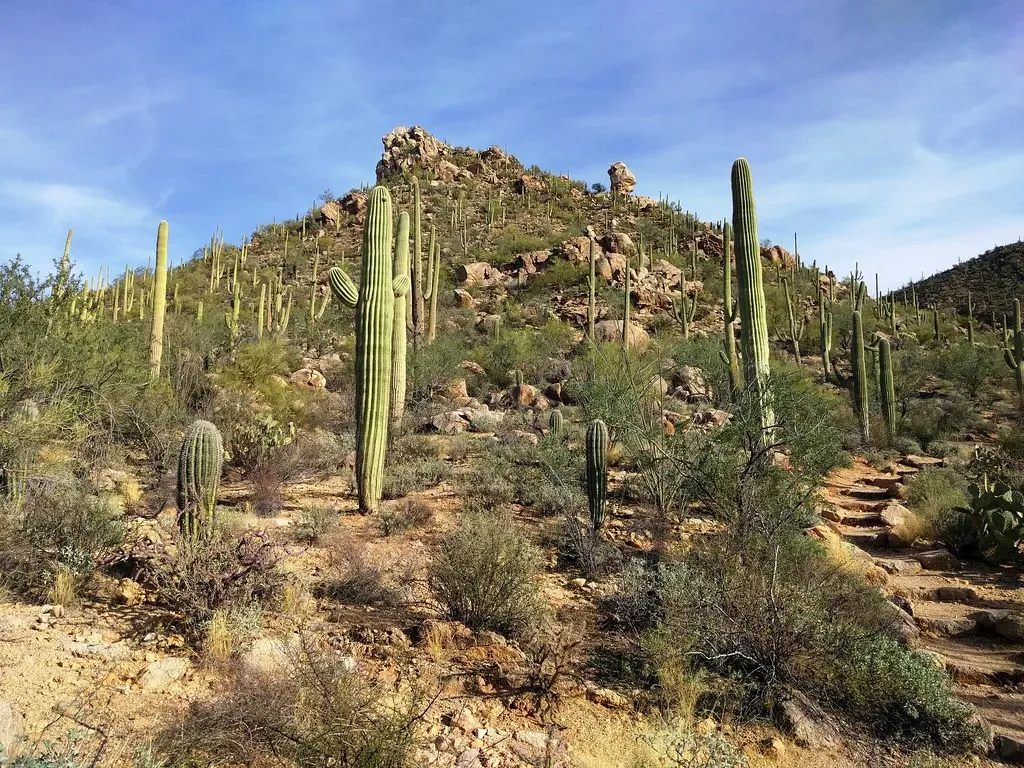
Down in southeastern Virginia, another site has been stirring up heated debates in archaeological circles. Cactus Hill is one of the oldest and most well-dated archaeological sites in the Americas, with the earliest human occupations dating to between 18,000 and 20,000 years ago, and it contains one of the most complete stratified prehistoric archaeological sequences yet discovered in Virginia.
Prior to the discoveries at Cactus Hill in the mid-1990s, most scholars believed that the earliest humans arrived in the Americas approximately 13,000 years ago representing the Clovis culture, but Cactus Hill has since given scholars cause to revise that theory. Some researchers even propose a controversial theory that ancient Europeans might have crossed the North Atlantic on pack ice. Whether or not that particular theory holds water, one thing is certain: the story of how humans populated the Americas is way more complex than a single migration event.
Ancient Copper Smiths of the Great Lakes
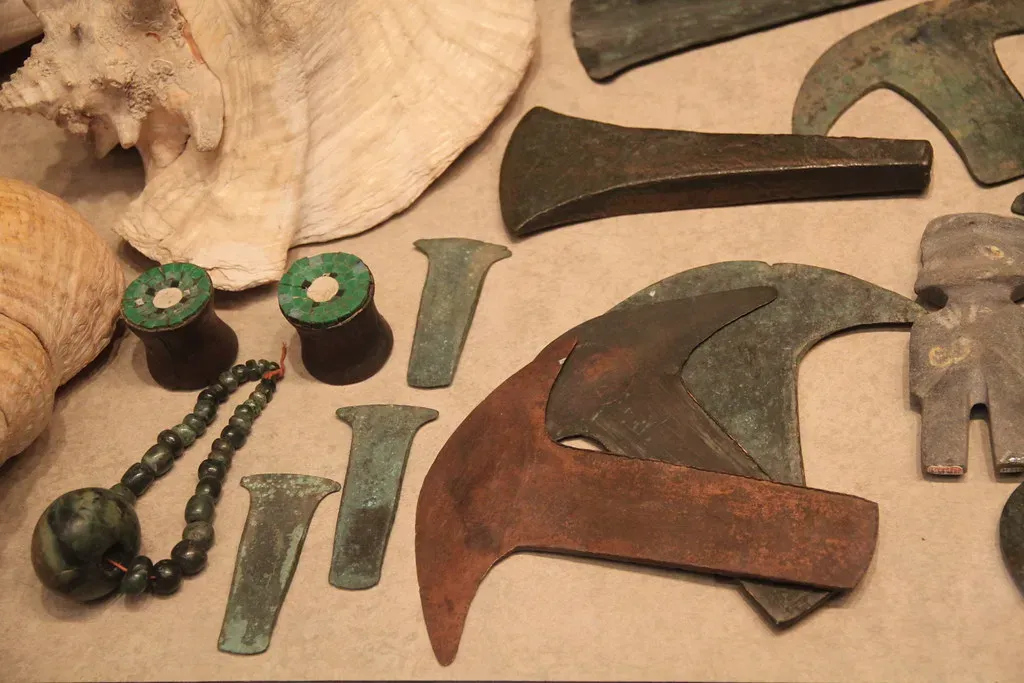
Here’s something that might blow your mind: About 8500 years ago, hunter-gatherers living beside Eagle Lake in Wisconsin hammered out a conical, 10-centimeter-long projectile point made of pure copper. Early Native Americans were among the first people in the world to mine metal and fashion it into tools.
Native Americans learned to harvest copper ore and heat, hammer, and grind it into tools, leaving behind thousands of mines and countless copper artifacts, including lethal projectile points, hefty knives and axes, and petite fish hooks and awls. This Old Copper Culture developed sophisticated metallurgy independently, thousands of years before Europeans arrived. It’s fascinating how they mastered these techniques without any outside influence, though mysteriously, they largely abandoned copper toolmaking after thousands of years.
What This All Means for American History
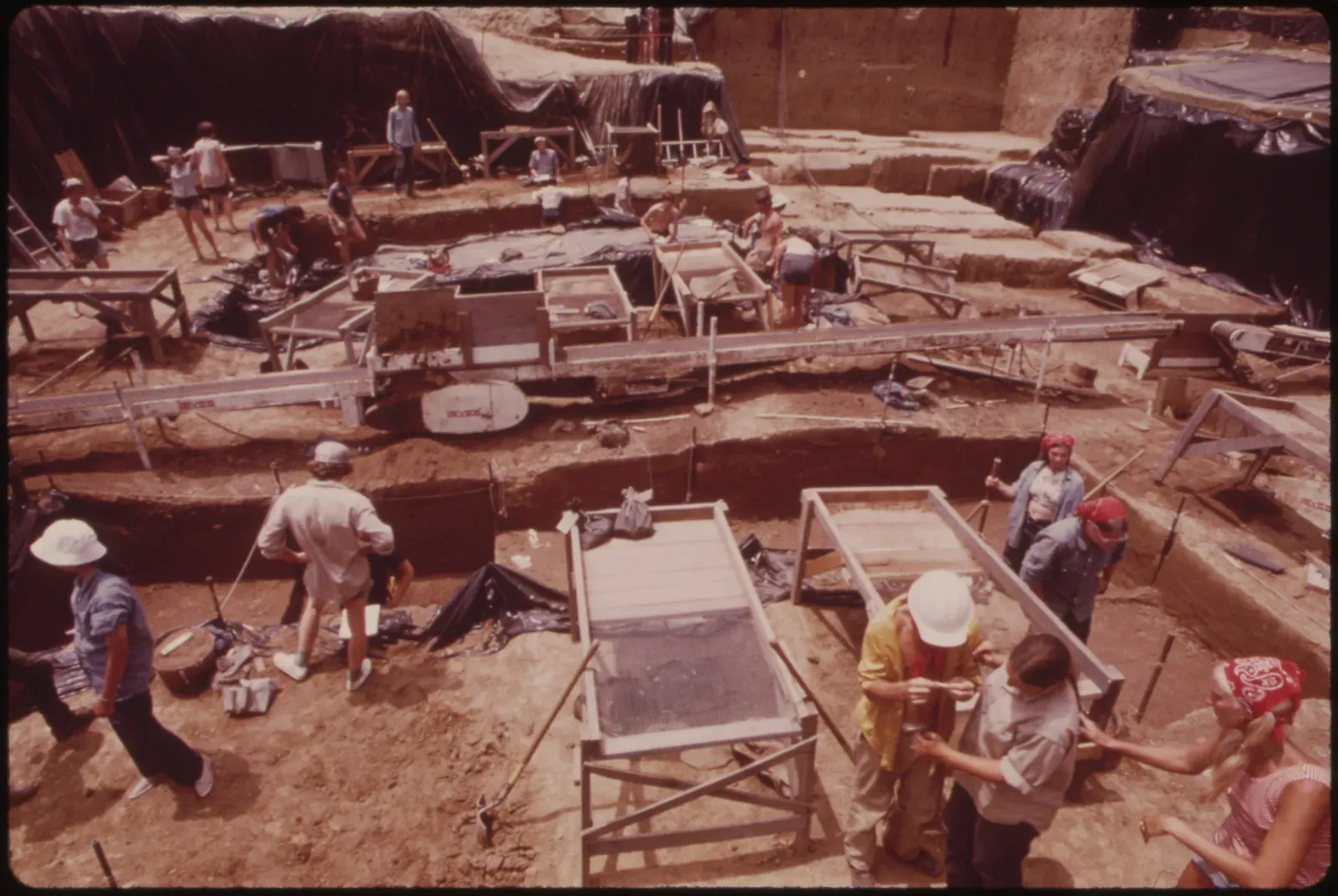
Archaeological and genetic evidence show that people have been here at least 23,000 years and as long as 30,000 years, underscoring American Indians’ oral history that their ancestors lived on these lands from time immemorial. Every new discovery pushes the timeline further back and adds another layer of complexity to the narrative.
Modern methods like DNA analysis and remote sensing technology revealed new evidence of past cultures, technologies, and social structures in 2024. Technologies like lidar are allowing researchers to see beneath dense forests and uncover sites that would have remained hidden for generations. The picture emerging is one of diverse populations arriving at different times, using different routes, and developing distinct cultures across the vast American landscape.
These remind us that history is never truly settled. Each artifact unearthed, each footprint discovered, and each ancient hearth uncovered adds another piece to a puzzle that’s far from complete. The story of the first Americans is turning out to be more fascinating, more mysterious, and infinitely more complex than anyone imagined just a few decades ago. What do you think about these revelations? Does it change how you see the land beneath your feet?