On winter mornings in Florida, when the air is cool and the springs steam like cauldrons, enormous gray shadows drift silently beneath the surface. These are manatees, the so‑called sea cows that tourists coo over and boaters are warned to avoid, but behind their gentle reputation lies a bundle of scientific surprises. Biologists are discovering that these slow, wrinkled mammals are reshaping ecosystems, challenging our assumptions about intelligence, and quietly forcing Florida to confront the realities of warming waters and crowded coasts. Far from being just lovable mascots on “Save the Manatee” bumper stickers, they are now at the center of urgent research, policy debates, and high‑stakes rescue operations. The closer scientists look, the stranger and more remarkable Florida’s manatees become.
The Hidden Clues in a Manatee’s Family Tree
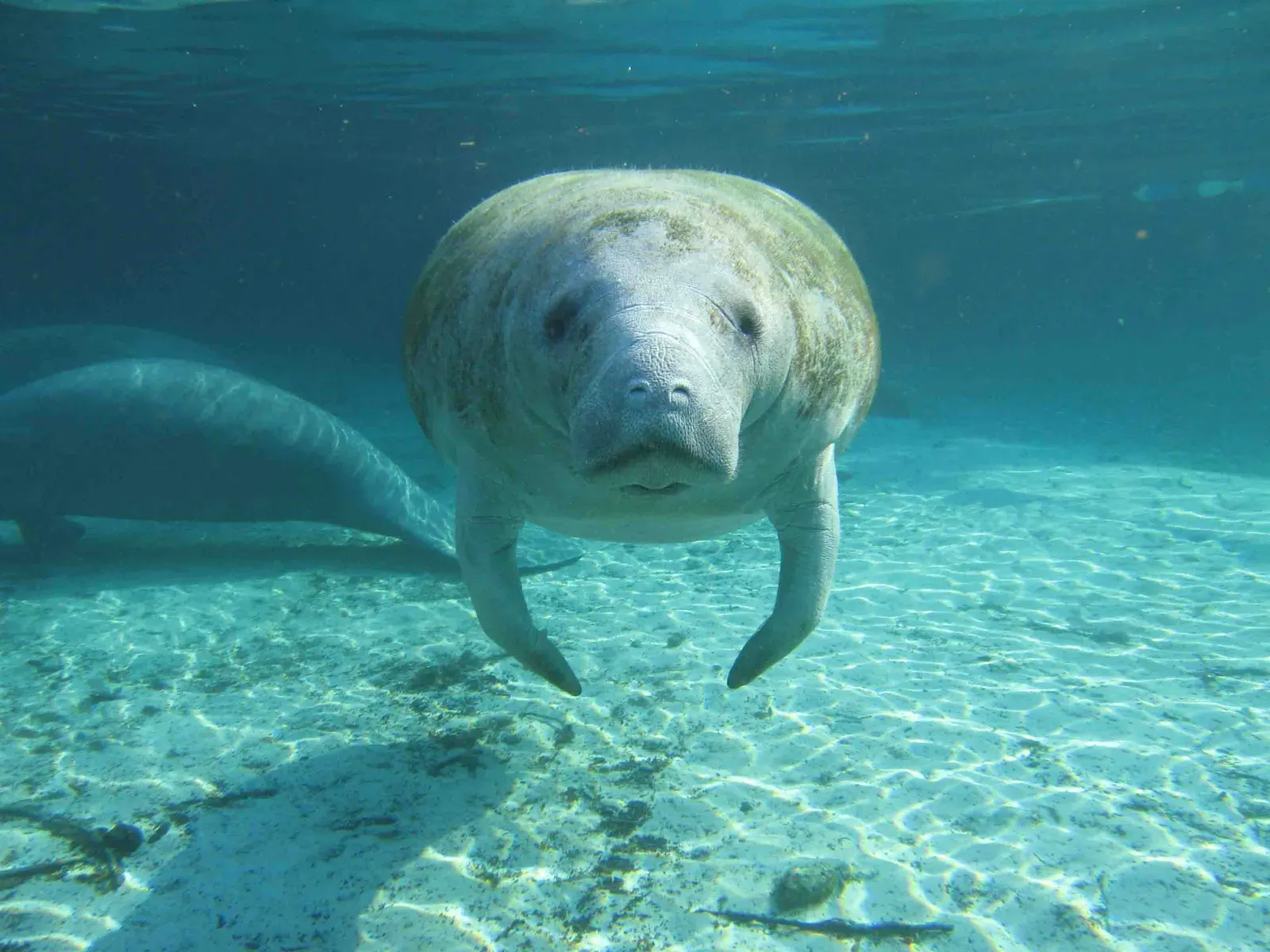
It shocks many people to learn that the manatee’s closest living relatives are not whales or seals, but elephants. Genetic and anatomical studies have confirmed that these rotund, paddling mammals share a distant ancestor with African and Asian elephants, forming a quirky evolutionary branch that also once included now‑extinct sea cows. Look closely and you can see the clues: the manatee’s flexible upper lip works a bit like a tiny trunk, and its toenail‑like structures on the flippers echo the nails on an elephant’s foot. Even their hearts and lungs are arranged in ways that mirror their land‑dwelling cousins more than other marine mammals. Once you know this, a manatee stops looking like a misplaced whale and more like an elephant that traded the savanna for seagrass meadows.
This surprising family connection changes how scientists think about manatee evolution and vulnerability. Ancestry with elephants hints at a shared tendency toward slow reproduction, complex movement patterns, and long lifespans, all traits that make a species more at risk when environments change rapidly. Paleontologists have found fossils of manatee relatives stretching back tens of millions of years, showing how they gradually adapted from land to shallow coastal waters. That long history can give a sense of resilience, but it also underlines a harsher fact: rapid human‑driven change is hitting them faster than any previous shift they survived. Knowing where manatees came from helps explain why their future is so delicately balanced today.
From “Sea Monsters” to Science Icons
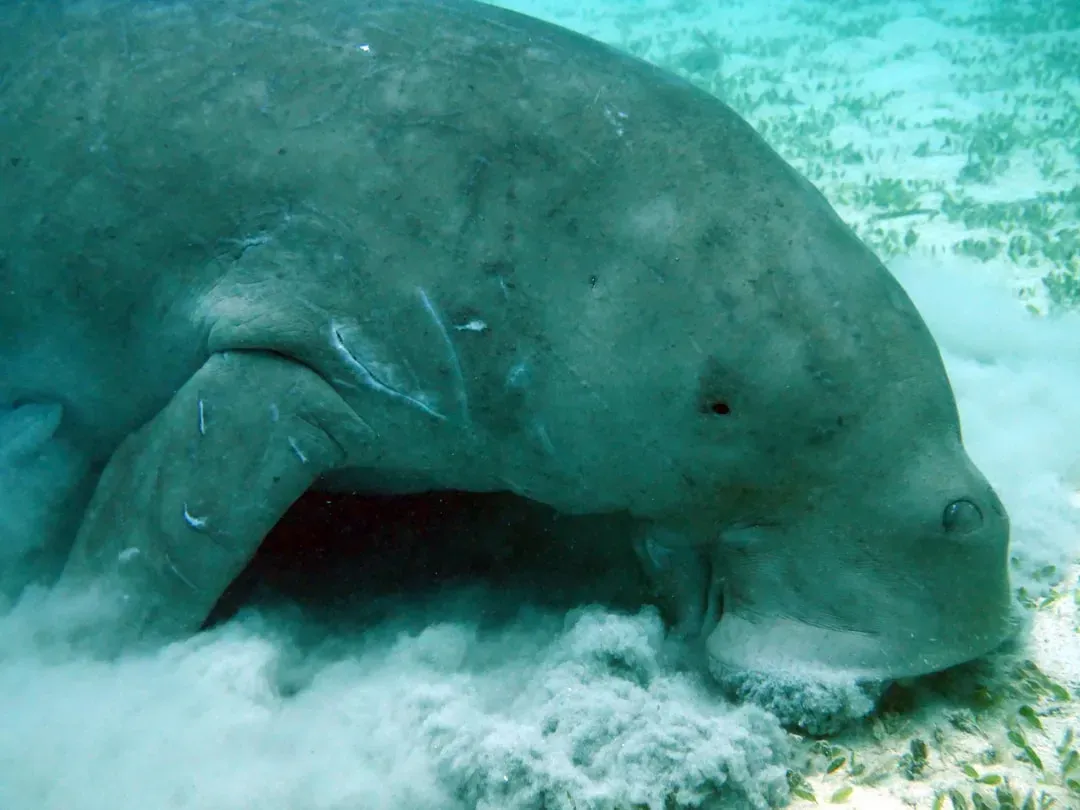
Long before manatees became beloved symbols on Florida license plates, sailors told stories of mysterious human‑like creatures glimpsed in warm coastal waters. Some historians suspect that exhausted, sun‑dazed European mariners in the Caribbean and along the Florida coast may have mistaken manatees for mermaids, helping fuel myths that lasted for centuries. Early European accounts describe strange, blubbery animal‑people with rounded bodies and human‑like eyes, which fits uncannily well with a close, shadowy encounter with a curious manatee. Native peoples in the region, by contrast, knew manatees as part of daily life, incorporating them into stories and subsistence, not fantasy. This collision of myth, survival, and misunderstanding is the cloudy lens through which Western science first “met” the manatee.
By the nineteenth and early twentieth centuries, the story shifted from sea legend to scientific object. Naturalists began cataloging manatees as specimens, often by killing them for museums or studying their bones in collections. For a long time, the species was treated more as a curiosity than a conservation priority, despite clear signs that hunting and habitat changes were taking a toll. Only in the late twentieth century, as Florida’s population exploded and boat traffic surged, did manatees move from the margins of scientific attention to the center of national conservation campaigns. In a sense, they evolved yet again in the public imagination: from mythical sea people to overhunted resource to charismatic ambassadors for fragile coastal ecosystems.
Super Senses: How a “Slow” Animal Stays Alive
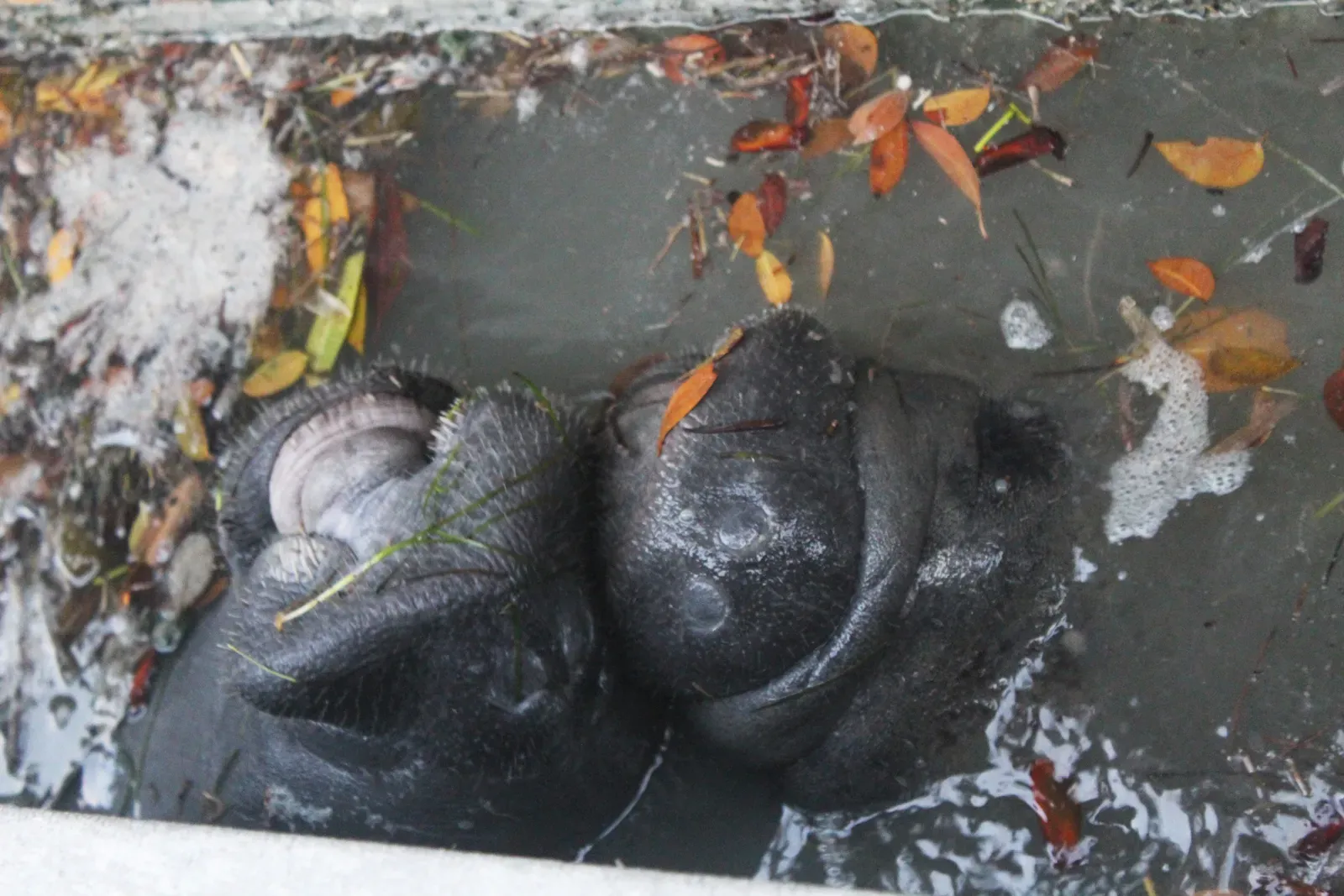
With their sluggish swimming and bulky bodies, manatees look like easy targets in a dangerous world, yet science paints a very different picture of how they survive. Their whisker‑covered snouts and bodies are packed with specialized hairs that act like underwater antennae, able to detect faint currents and vibrations from passing boats, predators, or even other manatees. Researchers have shown that these sensory hairs are so finely tuned that a manatee can feel the tiny wake left by a moving object, a kind of hydrodynamic fingerprint in the water. Their hearing is surprisingly acute too, especially for higher‑pitched sounds, which may help them pick out boat engines and communicate in murky rivers. The more scientists test these senses, the more they find that the manatee’s apparent clumsiness hides a subtle sensory sophistication.
This sensory toolkit is not just a scientific curiosity; it is also a crucial part of how we might better protect them. Boat speed zones, for instance, are typically based on assumptions about visual or basic auditory detection, but manatees may rely far more on those fine‑tuned tactile and acoustic cues. Understanding exactly which sounds they detect best could refine warning devices or influence how and where boat traffic is restricted. Similarly, their sensitivity to water movement helps scientists understand how they navigate crowded spring runs or find warm‑water refuges in winter. For an animal often dismissed as slow and simple, manatees reveal a kind of quiet, body‑wide intelligence that science is only beginning to map.
Winter Refuge or Ecological Trap? The Power Plant Paradox
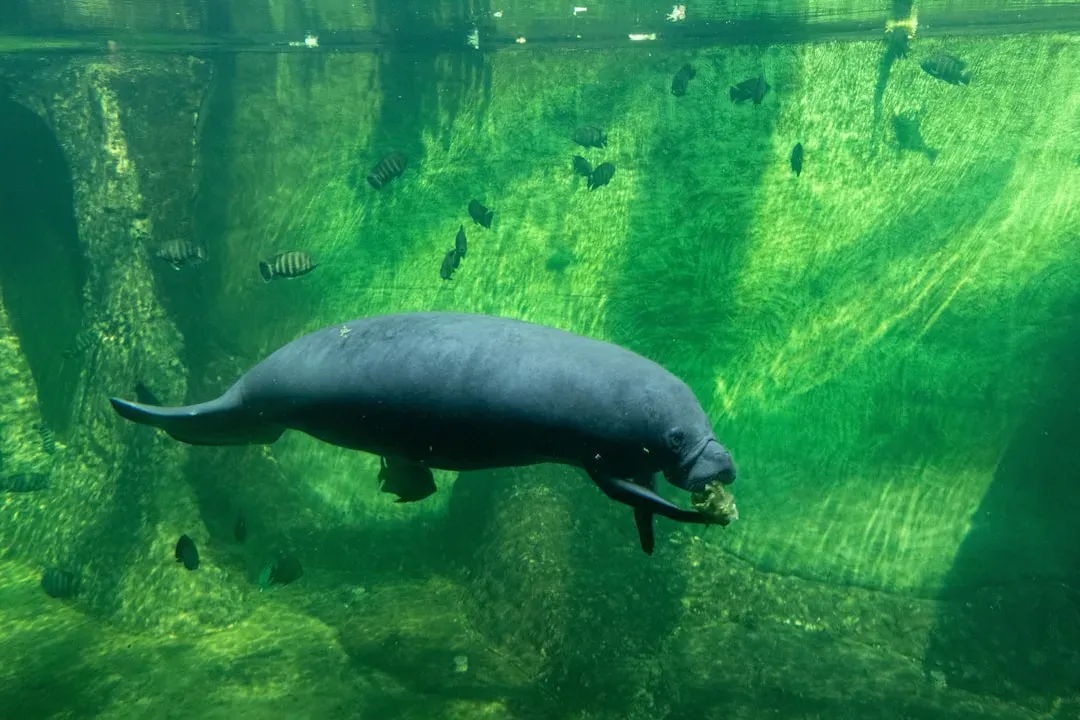
One of the strangest manatee stories in Florida unfolds not in wild springs, but in the industrial shadows of coastal power plants. For decades, manatees have gathered in the warm discharge canals of these plants, where water used for cooling is released back to the sea several degrees warmer than the surrounding environment. These artificial hot tubs became vital winter refuges as natural warm‑water habitats were degraded or crowded, and now a significant portion of the population depends on them to survive cold snaps. When those rare but brutal cold spells hit, manatees that cannot find water warm enough can suffer a deadly condition often called cold stress, essentially a life‑threatening hypothermia. Ironically, the same industrial infrastructure that once harmed coastal ecosystems now props up a key survival strategy for an endangered marine mammal.
This dependence creates a risky paradox for conservation planners. As older power plants retire or switch technologies, their warm discharges may disappear, potentially stranding manatees that have learned to rely on them. Wildlife agencies and researchers are now racing to restore natural springs, protect groundwater flows, and plan for a future where artificial warm‑water outflows are no longer guaranteed. They must balance immediate welfare – keeping animals alive in the short term – with long‑term resilience that does not hinge on aging industrial relics. It is an uncomfortable question: how do you wean a wild population off human‑made heat without triggering new waves of mortality? For Florida, that question cuts across energy policy, water management, and the very shape of its coastal development.
Seagrass Crises and Starving Giants
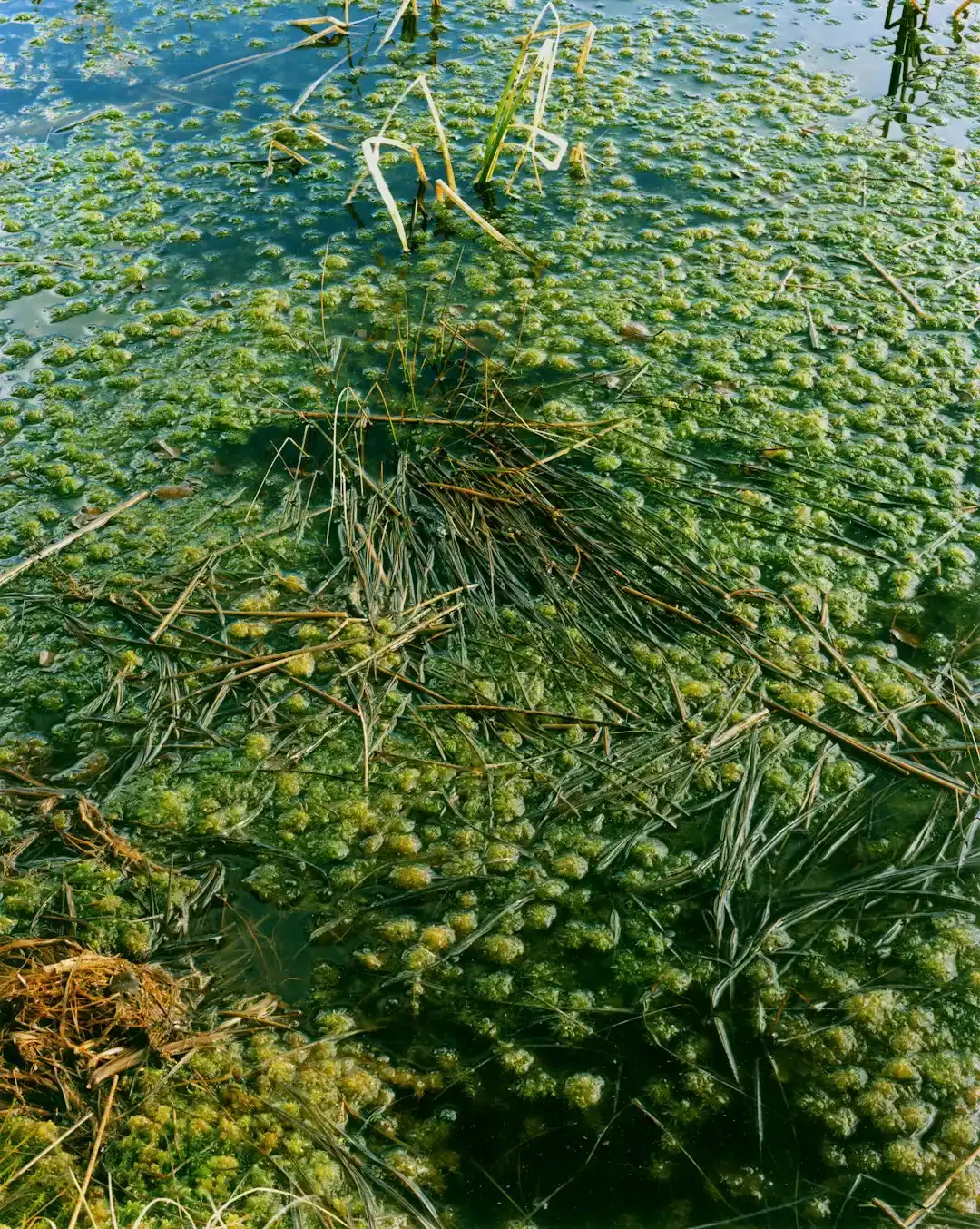
In recent years, one of the most heartbreaking manatee stories has unfolded not in the newsrooms, but on the shallow seagrass beds of the Indian River Lagoon and other estuaries. Pollution from fertilizers, leaky septic systems, and urban runoff has fueled explosive algal blooms that shade out and kill the underwater meadows manatees depend on for food. As those seagrass pastures wither, manatees can find themselves in nutrient deserts, drifting through once lush feeding grounds that have turned into sand flats and murky water. Rescue teams have responded to waves of malnourished and starving animals, sometimes resorting to experimental supplemental feeding just to keep them alive through the season. These scenes have jolted many Floridians who assumed manatees were a conservation success story safely out of danger.
The seagrass crisis exposes how deeply manatees are tied to the health of entire coastal systems. Saving them is not just about slowing boats or banning hunting; it demands rethinking land use, wastewater treatment, and fertilizer practices across huge watersheds. Some restoration projects are showing glimmers of hope, with carefully planted seagrass beginning to take root where water quality improves. But recovery is slow, and manatees cannot easily shift to backup food sources on land or in deeper waters if entire regions lose their grass beds. Their plight turns an invisible water‑quality problem into a very visible, very emotional symbol of what is at stake when coastal ecosystems unravel.
Why It Matters: Manatees as Coastal Barometers
It is easy to see manatees simply as charismatic victims in need of rescue, but ecologists increasingly view them as barometers of coastal health. Because they depend on clear, plant‑rich shallows, manatees thrive when water quality is good, springs are flowing, and seagrass beds are thick and diverse. When pollution clouds the water, or development pinches off springs, or warming and storms change salinity patterns, manatees feel the consequences early and visibly. In that sense, tracking their survival, migration, and body condition gives scientists an early warning system for problems that also threaten fisheries, tourism, and coastal communities. The same forces that starve a manatee can also erode a beach, collapse a shrimp fishery, or fuel toxic algae that closes swimming areas.
Compared to more traditional environmental indicators like water chemistry numbers on a lab report, manatees make the stakes tangible. People are more likely to care about nitrogen levels and septic upgrades when they are linked to an animal they have watched in a spring or seen on a roadside sign. That emotional connection can be powerful, but it also brings a responsibility not to oversimplify their story or turn them into mere mascots. Scientists argue that protecting manatees inherently means protecting a web of habitats and processes that humans also rely on, from groundwater recharge to storm‑buffering wetlands. In a world where climate change and coastal development are accelerating, manatees are a living reminder that the health of wildlife and the security of human communities are far more intertwined than they may first appear.
Learning Their Lives: Tags, Drones, and New Science
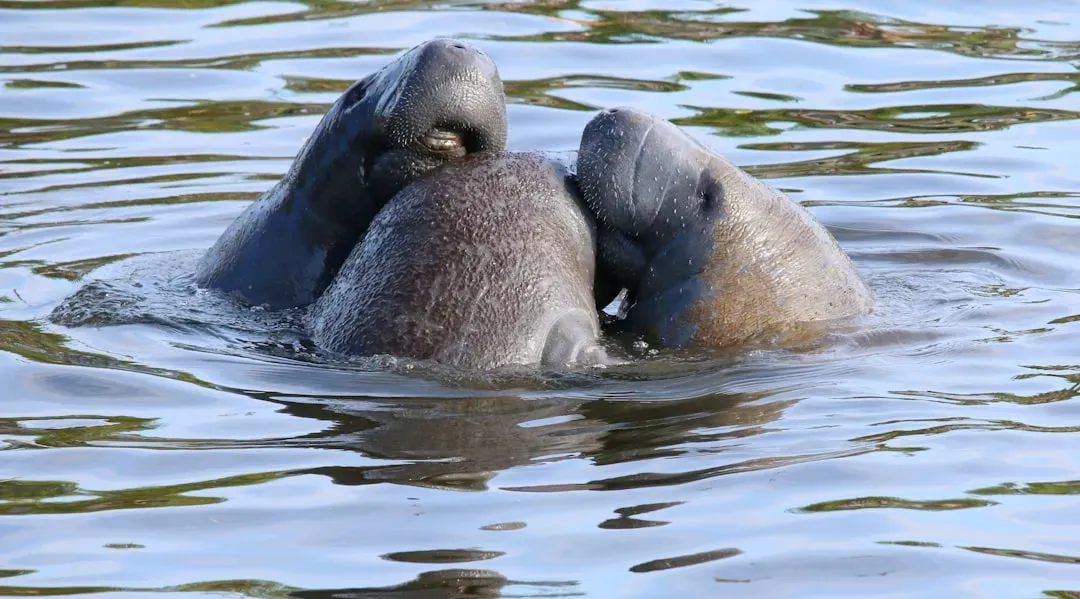
Our understanding of manatees has leapt forward thanks to a wave of new technologies that reveal how they move, feed, and cope with a changing world. Researchers now use noninvasive GPS tags and time‑depth recorders to track individual manatees as they navigate hundreds of miles of rivers, estuaries, and coastlines throughout the year. Each track becomes a map of critical corridors, rest stops, and feeding hotspots that can guide better planning for boat speed zones or restoration projects. Aerial drones and satellite imagery, meanwhile, are helping scientists monitor seagrass beds and count manatees in remote or murky areas where traditional surveys struggle. Those high‑tech eyes in the sky pair with underwater acoustic recorders that capture the soft chirps and squeaks manatees use to stay in touch, especially between mothers and calves.
These tools also open up new frontiers in understanding manatee behavior and stress. Biologists analyze tiny tissue samples and even floating feces to study hormones, toxins, and diet, tracking how pollution, noise, or cold snaps affect their bodies from the inside. Some labs are exploring machine‑learning methods to automatically detect manatee calls in noisy waterways, giving near real‑time data on where animals are congregating. Compared with the slower, often guess‑based approaches of past decades, this new wave of monitoring offers a far more detailed, dynamic picture of manatee lives. It also generates tough ethical and practical questions about how much we should intervene, when to rescue versus observe, and how to share sensitive data without putting animals at risk. Still, for a species once shrouded in myth and murky water, the sheer clarity of modern manatee science is a remarkable shift.
The Future Landscape: Climate Change, Crowded Coasts, and Hard Choices
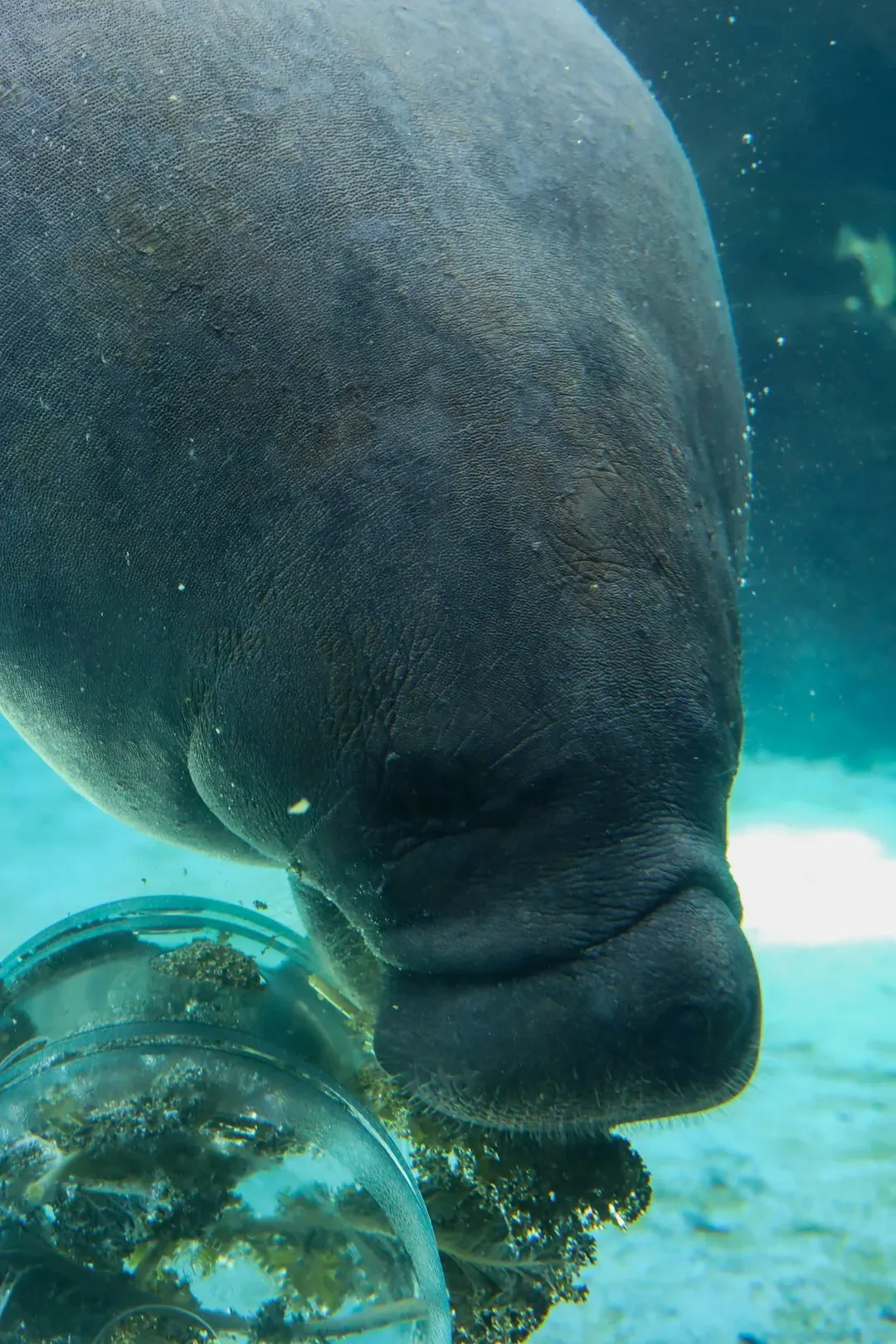
Looking ahead, Florida’s manatees are sailing into a future shaped by two unstoppable forces: climate change and human population growth. Rising sea levels threaten to drown coastal wetlands and alter salinity in estuaries, potentially reshaping or erasing some of the shallow seagrass beds manatees depend on. Warmer winters might reduce some cold‑stress events, but they can also fuel more intense algal blooms and change the timing of plant growth, creating new nutritional bottlenecks. At the same time, more people, more boats, and more waterfront development push manatees into tighter corners, especially around remaining natural springs and sheltered bays. The map of where manatees can safely live is being redrawn in real time, often not in their favor.
Scientists and managers are debating controversial interventions, from expanding protected areas and stricter boat regulations to large‑scale habitat engineering and long‑term supplemental feeding in emergencies. Some proposals envision restoring entire spring systems by tearing out old dams, upgrading water infrastructure, and strictly limiting groundwater withdrawals to keep flows strong. Others focus on better integrating manatee needs into urban planning, embedding wildlife corridors and quiet zones into the design of future waterfronts. Globally, the fate of manatees and their dugong cousins in other regions will test how well humanity can adapt its coastal lifestyles to accommodate large, slow, plant‑eating mammals. The decisions made in Florida over the next decade will ripple far beyond one state’s beloved sea cows.
What You Can Do: Small Actions for Big Animals
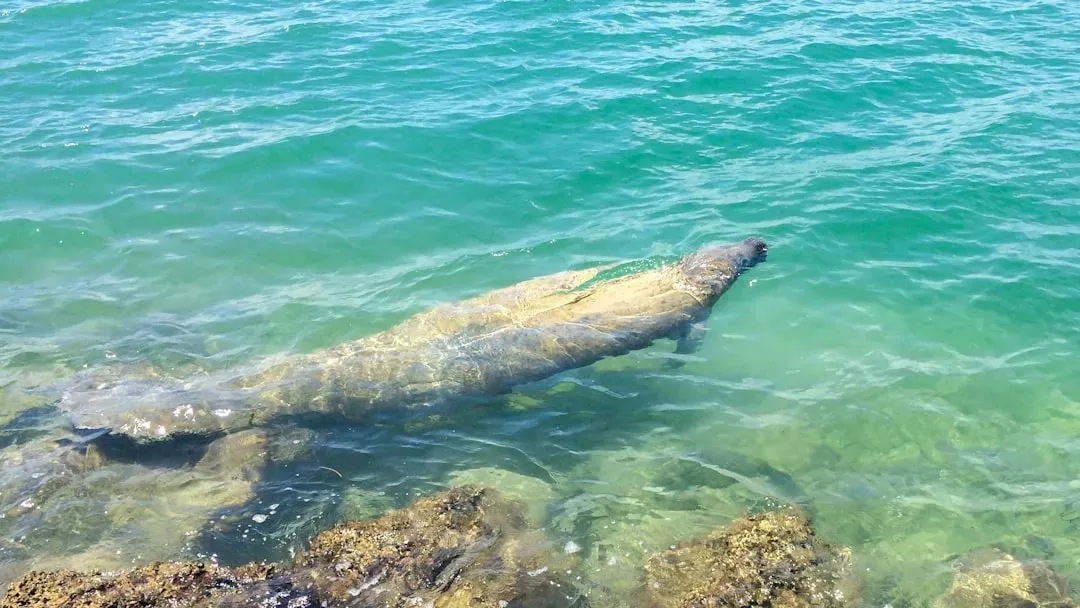
For an animal that can weigh as much as a small car, the most important help often starts with surprisingly small, everyday choices. In Florida, simply following posted boat speed zones, avoiding shallow seagrass flats with propellers, and giving manatees plenty of space when paddling or swimming can reduce injuries and stress. Waterfront homeowners can switch to manatee‑friendly practices, such as minimizing fertilizer use, maintaining septic systems properly, and supporting living shorelines that protect both property and habitat. Even visitors who never get on the water can choose tours and attractions that follow responsible wildlife‑viewing guidelines, rewarding operators who put animal welfare first. Individual decisions may feel tiny, but multiplied across millions of residents and tourists, they become powerful currents steering manatee futures.
Supporting science and advocacy matters too. Donating to reputable conservation organizations, participating in community seagrass plantings or spring cleanups, and staying informed about local water‑quality policies all help shape the political climate that ultimately determines manatee protection. Reporting injured, stranded, or distressed manatees to state hotlines gives wildlife responders a chance to intervene before it is too late. Even sharing accurate information on social media can counter myths – like the idea that they are “safe now” and no longer need protection – that can quietly undermine support. In the end, the story of Florida’s manatees is not just a wildlife tale; it is a test of whether we can live along coasts in a way that leaves room for other large, gentle beings. Knowing what you know now, what part of that story do you want to help write?