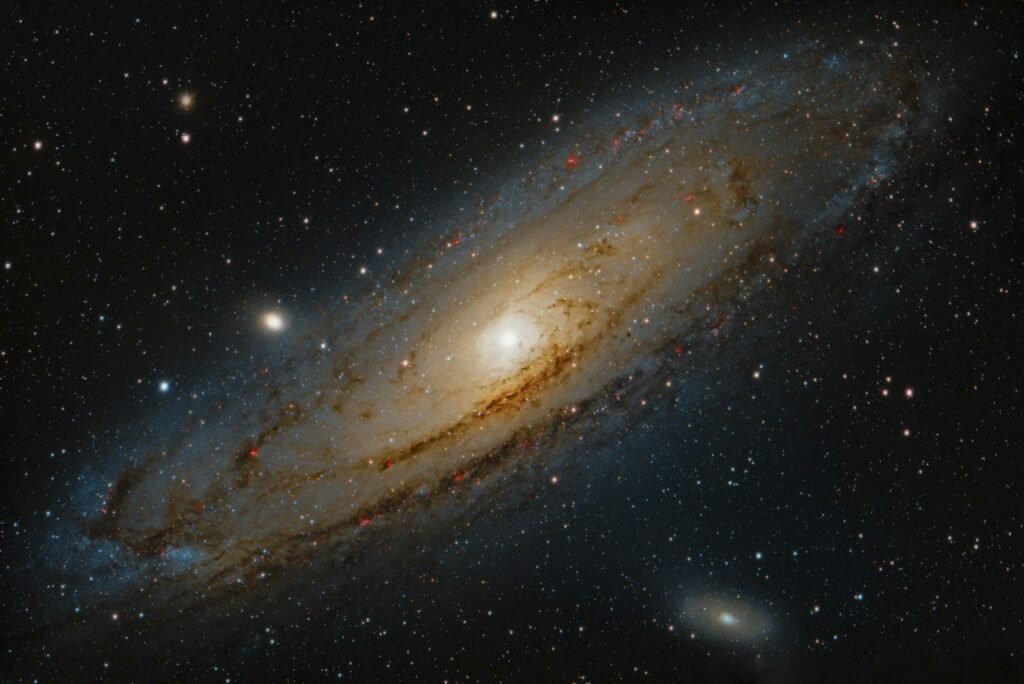

The universe keeps refusing to behave the way we expect, and that’s exactly what makes this moment in astronomy so electric. In just the past few years, a wave of discoveries has forced scientists to redraw cosmic timelines, rethink how galaxies form, and even question whether our cherished “standard model” of cosmology is the full story. Telescopes are peering farther back in time than ever, while particle detectors are listening for whispers from invisible matter. Each breakthrough solves one mystery and instantly opens three more. What we’re left with is not a neat, finished picture of the cosmos, but a wild, shifting frontier where the rules seem to bend at the edges – and that is where science does its best work.
Galaxies Too Big, Too Early: The James Webb Shock
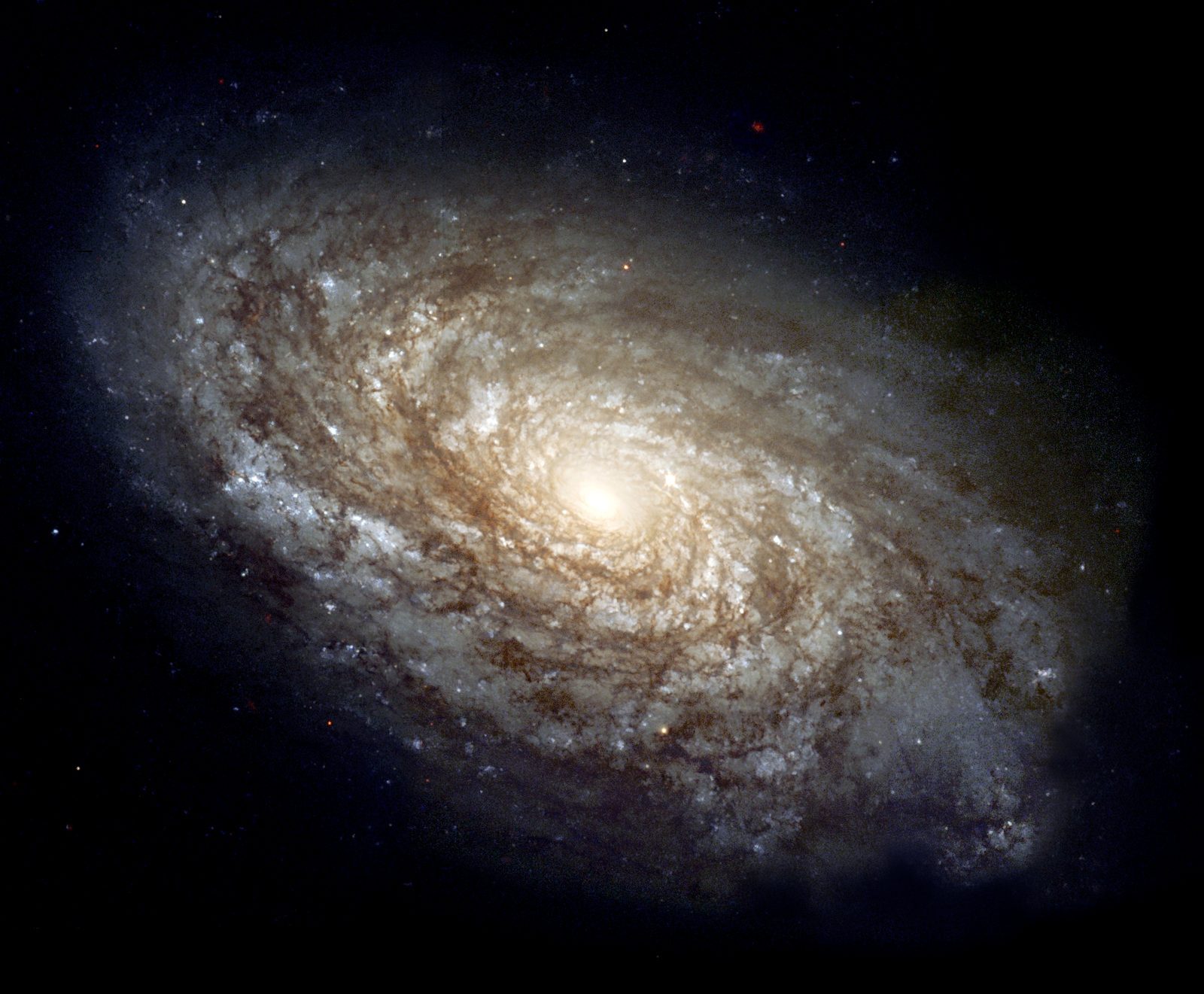
The first truly shocking images from the James Webb Space Telescope were not the pretty nebula portraits but the quiet plots of data hiding behind them. Astronomers expected to find small, scrappy galaxies in the early universe, still assembling like rough prototypes. Instead, they started spotting massive, surprisingly mature galaxies existing only a few hundred million years after the Big Bang, when space should have been more like a cosmic construction site than a finished city. These galaxies seemed to pack in as many stars as the Milky Way in a fraction of the time our models said was possible.
To be clear, this isn’t just an issue of a decimal point in a textbook; it cuts to the heart of how structure grows in the universe. If galaxies can form stars far faster than expected, maybe the dark matter scaffolding that shapes them is different than we thought, or perhaps our understanding of how gas cools and collapses is incomplete. Some of the tension has eased as astronomers refine distance measurements and account for biases, but the basic surprise remains. In a field that prides itself on precise models, the early Webb results were a jolt – a reminder that the universe is under no obligation to follow our simulations.
The Hidden Clues in the Cosmic Microwave Background
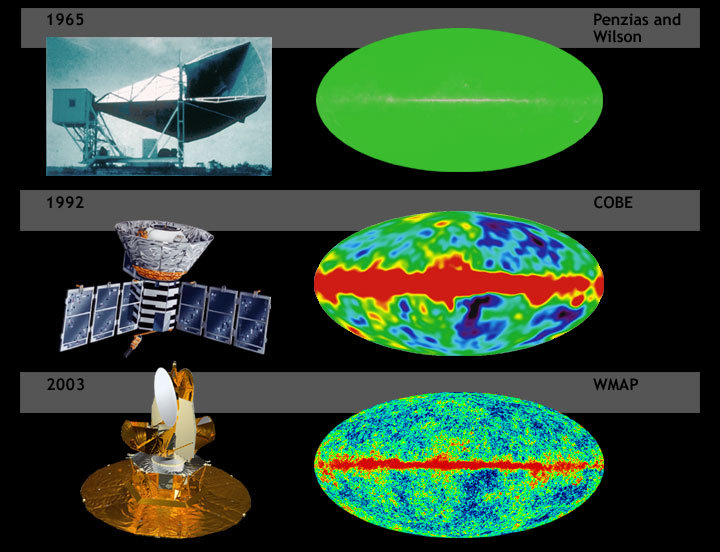
The cosmic microwave background, that faint afterglow of the Big Bang, has long been treated as a finished story: beautifully mapped, neatly fitted to the standard cosmological model, job done. But new high-precision analyses of these ancient photons are hinting at tiny discrepancies, like hairline cracks in an otherwise perfect mirror. Some measurements of how matter clumps on large scales do not quite line up with what the microwave background predicts, suggesting that something subtle is missing from our recipe of dark matter, dark energy, and normal matter. It is not yet a full-blown crisis, but it is more than a rounding error.
What makes these clues so powerful is that the microwave background acts like a fossil snapshot of the infant universe, while modern galaxy surveys show the cosmos in its grown-up phase. When those two pictures disagree, it is as if baby photos and adult portraits did not quite match the same person. Researchers are exploring whether slightly exotic dark matter, evolving dark energy, or unaccounted-for neutrino physics could ease the mismatch. For now, the cosmic microwave background has shifted from a closed chapter to a live detective case, quietly challenging us to look again at the foundations of cosmology.
Dark Matter on Trial: New Limits, Strange Hints
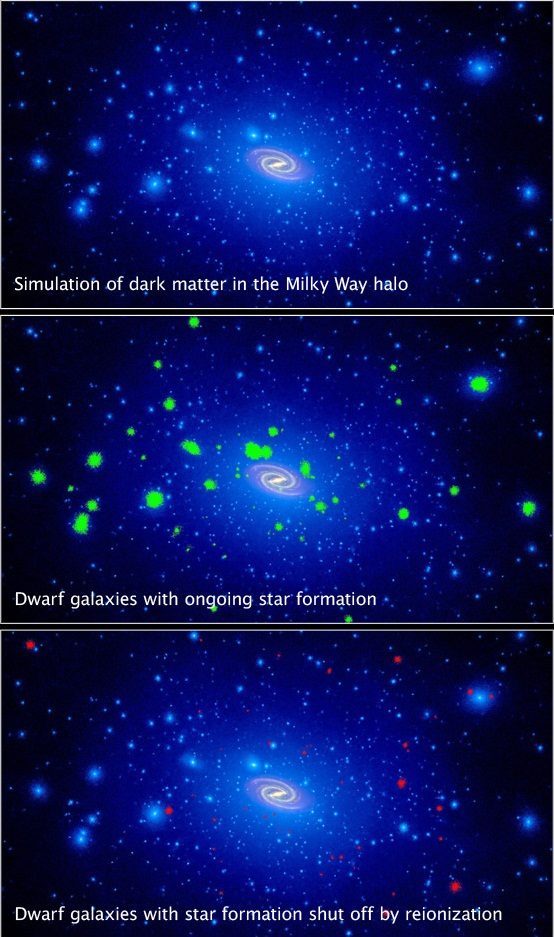
For decades, dark matter has been the polite ghost at the cosmological banquet: unseen but assumed to be there, shaping galaxies and clusters through gravity alone. In underground labs buried under mountains and ice, detectors have been waiting patiently for particles of dark matter to bump into ordinary atoms. Many of the leading candidates, especially the once-fashionable weakly interacting massive particles, have now been squeezed into an increasingly narrow corner by experiments that keep returning null results. Each new generation of detectors pushes the allowed interaction strength lower, almost daring dark matter to show itself.
At the same time, astronomers are uncovering odd behaviors in how stars move within some dwarf galaxies and how dark matter appears to cluster in galaxy clusters. These patterns may be explained by messy astrophysics, but they also leave the door open to more complex types of dark matter that can scatter, self-interact, or even form structures of their own. The picture today is less of a single missing particle and more of a spectrum of possibilities. Dark matter is still the best explanation we have for the universe’s large-scale structure, but its true nature feels less settled than it did twenty years ago – like a suspect we are sure is guilty, but whose fingerprints keep smudging under the microscope.
From Ancient Light to New Physics: Fast Radio Bursts and Cosmic Cartography
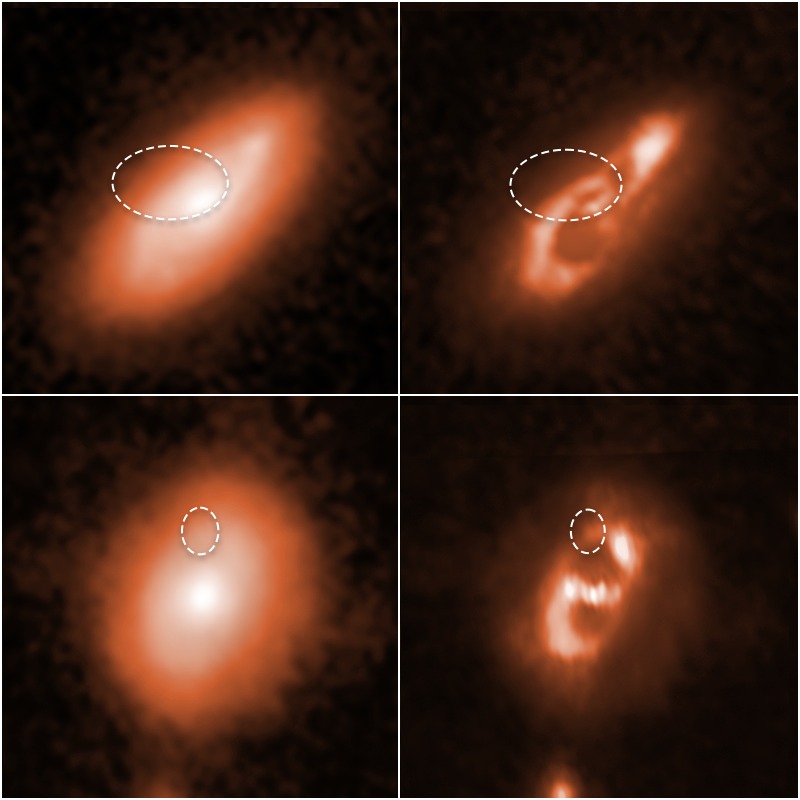
Fast radio bursts were once the astrophysical equivalent of prank phone calls: sudden, millisecond-long flashes of radio waves from deep space that appeared without warning and vanished before anyone could trace them. Over the past few years, however, astronomers have gone from guessing at their origins to using them as precision tools. By catching more of these bursts and pinning them to host galaxies, researchers can measure how much material the radio waves passed through on their journey. That turns each burst into a probe of the diffuse, previously hard-to-map gas between galaxies.
This is quietly transforming our cosmic cartography. The elusive “missing” normal matter that theory predicted, but telescopes struggled to count, is now being tallied in the vast cosmic web using these bursts as backlights. On top of that, the extreme conditions that produce fast radio bursts – likely magnetars, ultra-magnetized dead stars – are laboratories for physics at densities and magnetic fields far beyond anything Earth can recreate. What started as a curious anomaly is evolving into both a cosmic census tool and a workshop for fundamental physics, showing how often the universe hands us unexpected multipurpose instruments.
Why It Matters: Cracks in the Cosmic Story We Tell Ourselves
At first glance, these breakthroughs might sound like academic squabbles over obscure parameters, but they cut much deeper than that. The standard cosmological model is one of humanity’s boldest stories: a simple set of ingredients and equations that claims to describe the entire observable universe from its first fraction of a second to its distant future. When we find galaxies that form too fast, structures that grow too slowly, or dark matter that refuses to appear on cue, we are not just tweaking a formula – we are testing whether the story itself needs new characters or a rewritten plot. In that sense, the current tension-filled moment in cosmology is a sign of health, not decay.
It also matters because the tools and techniques built to probe these puzzles spill over into other parts of science and society. The detectors designed to sense rare particles can end up monitoring nuclear activity or improving medical imaging. The algorithms developed to sift telescope data can sharpen climate models or help decode biological patterns. On a more philosophical level, how we understand the universe shapes how we think about our own place within it. When our cosmic origin story shifts, even subtly, it ripples into culture, art, and the way we talk about time, fate, and possibility.
Gravitational Waves: Listening to the Dark Side of the Universe
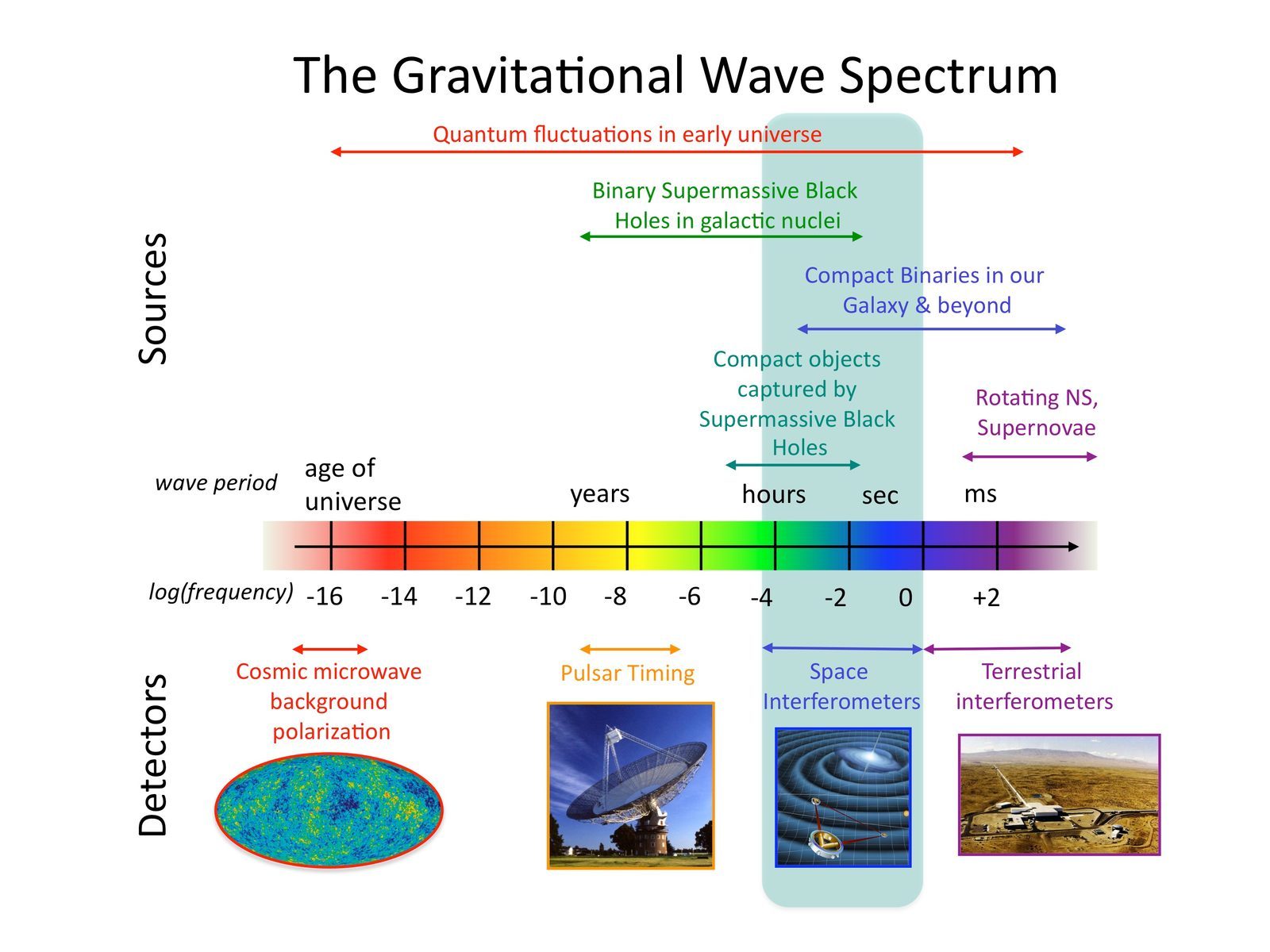
The first detections of gravitational waves a decade ago were rightly hailed as a triumph, but the past few years have shown that they were only the opening chords of a much richer symphony. Observatories like LIGO and Virgo have now recorded dozens of black hole and neutron star mergers, building a census of the most extreme objects in the universe. Recently, a different kind of signal emerged: a gentle, long-wavelength gravitational wave background detected through tiny timing distortions in networks of pulsars. Instead of single, cataclysmic events, this background reflects the hum of countless distant supermassive black hole pairs slowly spiraling together.
This changes our understanding of how galaxies grow and merge over cosmic time. It confirms that supermassive black holes are not static monsters lurking at galactic centers but active participants in a long-running gravitational dance. At the same time, gravitational waves have given astronomers a new way to measure the expansion of the universe, by treating some mergers as “standard sirens” whose distance can be inferred from their waveforms. Combining these measurements with traditional light-based methods offers another check on the puzzling differences in the inferred expansion rate. In a field once dominated by what we could see, we are now firmly in an era where we also listen to the universe – and the soundtrack is full of surprises.
Exoplanet Atmospheres and the Search for Life’s Chemical Footprints
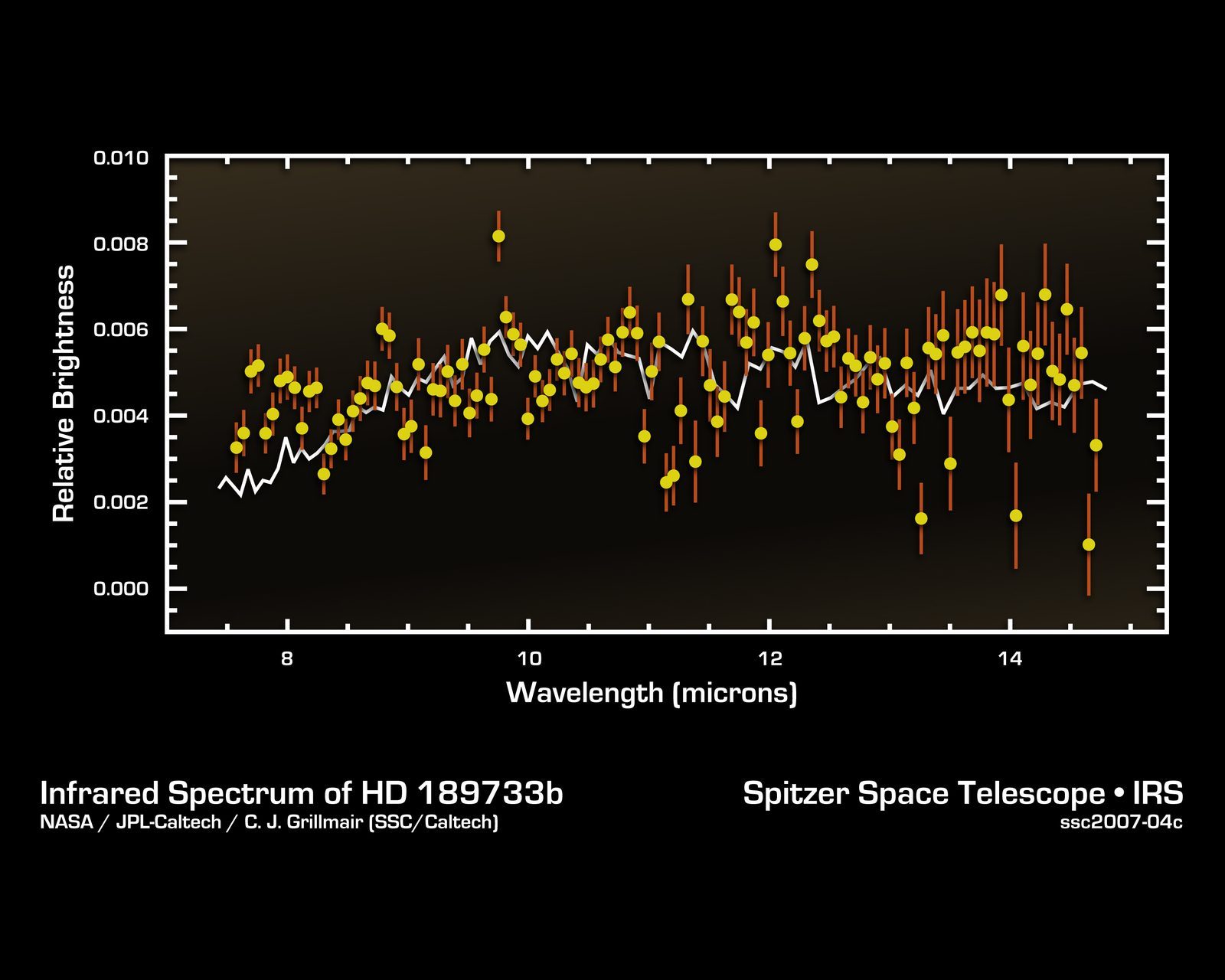
When the first exoplanets were discovered in the 1990s, the main surprise was that they existed at all; now the frontier has shifted to what their skies are made of. With powerful new telescopes, researchers are beginning to read the chemical fingerprints of exoplanet atmospheres as starlight filters through them. Detecting molecules such as water vapor, methane, carbon dioxide, and more exotic species allows scientists to reconstruct temperatures, weather patterns, and even hints of volcanic activity on worlds dozens or hundreds of light-years away. Each new atmospheric profile adds another tile to an emerging mosaic of planetary diversity.
The bold hope, of course, is to eventually find biosignatures – chemical combinations that are hard to explain without some form of life shaping them. Recent observations have sparked heated debate over potential hints of such chemistry, underscoring how tricky it is to separate life-made patterns from geologic or photochemical tricks. What is clear is that we have moved from imagining distant worlds in science fiction to interrogating their climates with real data. This shift forces us to reframe a very old question: is Earth’s life-bearing status a cosmic fluke, or just one example in a vast, varied gallery of living planets?
The Future Landscape: Next-Generation Eyes, Ears, and Minds
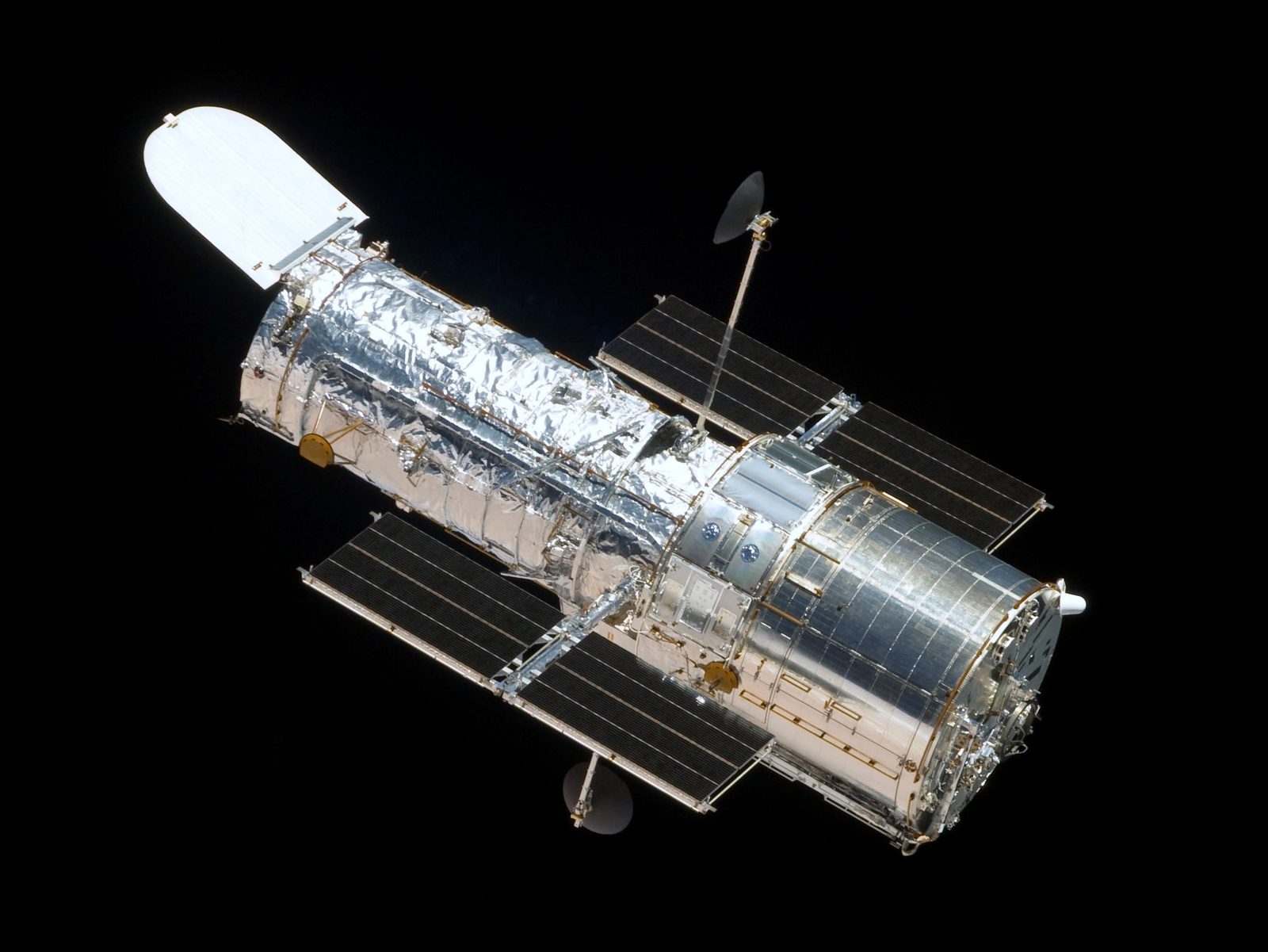
If the past few years have been disruptive, the next decade of cosmic exploration looks downright unruly in the best possible way. New ground-based telescopes will soon scan the sky night after night, catching transient events and mapping billions of galaxies with an almost casual regularity. Planned space missions aim to measure dark energy’s effects with unprecedented precision, test whether gravity behaves differently on the largest scales, and search for primordial gravitational waves that would carry signatures from the universe’s first instants. Together, these projects will either lock the current cosmological model more firmly into place or pry it open further.
On top of hardware, the software revolution is equally important. Machine-learning tools are already helping astronomers spot rare events in oceans of data, and they may uncover subtle patterns that human eyes would miss altogether. This flood of information will also bring challenges: false alarms, misinterpretations, and the temptation to see anomalies everywhere. Still, that is the trade-off of pushing into new territory. The future cosmos will not be a serene, well-mapped landscape but an active construction zone, where every new instrument acts like lifting another floorboard and discovering there is a basement we never knew existed.
Conclusion: Staying Curious in a Universe That Keeps Changing
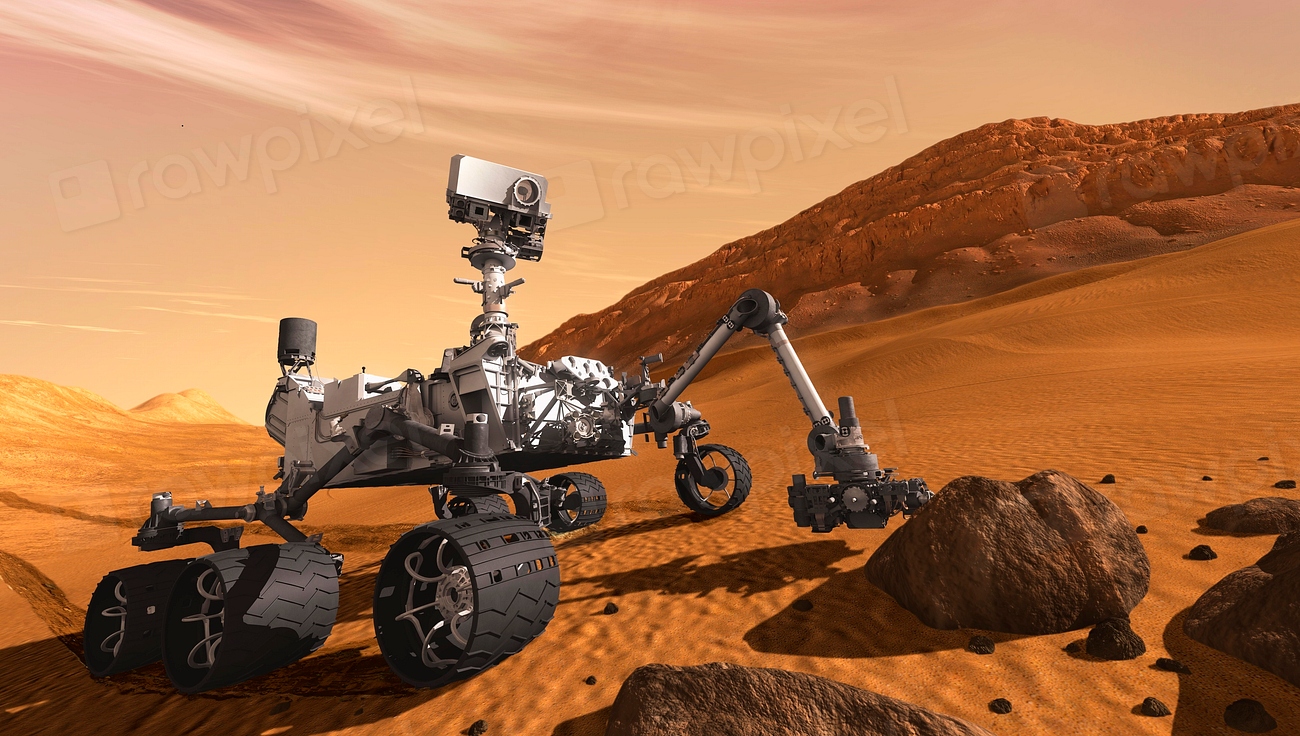
Most of us will never tune a radio telescope or align a gravitational-wave interferometer, but that does not mean we are locked out of this unfolding story. Public data releases, citizen science platforms, and astronomy outreach programs make it easier than ever to help classify galaxies, spot transient events, or simply follow along with the latest results in an informed way. Supporting science funding, even in small ways through advocacy or local initiatives, helps keep the observatories running and the next generation of instruments on the drawing board. Something as simple as attending a local star party or planetarium talk can turn abstract headlines into a tangible sense of connection with the sky.
On a personal level, there is value in letting these discoveries stretch our sense of scale and possibility. When we accept that our best models are provisional, not sacred, it encourages a kind of intellectual humility that is badly needed beyond science as well. You can start small: subscribe to a reputable astronomy newsletter, join an online project that uses your spare computing power for space research, or share a new cosmic image with someone who has never seen the universe that way before. The cosmos is changing only in the sense that our understanding of it is deepening. The real question is whether we are willing to change with it.
Suhail Ahmed is a passionate digital professional and nature enthusiast with over 8 years of experience in content strategy, SEO, web development, and digital operations. Alongside his freelance journey, Suhail actively contributes to nature and wildlife platforms like Discover Wildlife, where he channels his curiosity for the planet into engaging, educational storytelling.
With a strong background in managing digital ecosystems — from ecommerce stores and WordPress websites to social media and automation — Suhail merges technical precision with creative insight. His content reflects a rare balance: SEO-friendly yet deeply human, data-informed yet emotionally resonant.
Driven by a love for discovery and storytelling, Suhail believes in using digital platforms to amplify causes that matter — especially those protecting Earth’s biodiversity and inspiring sustainable living. Whether he’s managing online projects or crafting wildlife content, his goal remains the same: to inform, inspire, and leave a positive digital footprint.