
For more than three thousand years, the pharaohs of ancient Egypt ruled a civilization so dazzling that even today it feels half real, half myth. Schoolbook versions flatten them into golden masks and stone statues, but new scientific work is revealing something far stranger and more human. Bioarchaeologists are reading family dramas in ancient DNA, climate scientists are tracking Nile floods in buried lake mud, and laser scanners are mapping hidden chambers behind hieroglyph-covered walls. Piece by piece, the pharaohs are stepping off their pedestals and back into the messy, unpredictable world they actually inhabited. What we are uncovering is not just the story of a few famous kings, but a laboratory of power, environment, and belief that still speaks to our own world.
The Hidden Clues: Pharaohs Were Part-God, Part-Political Performance
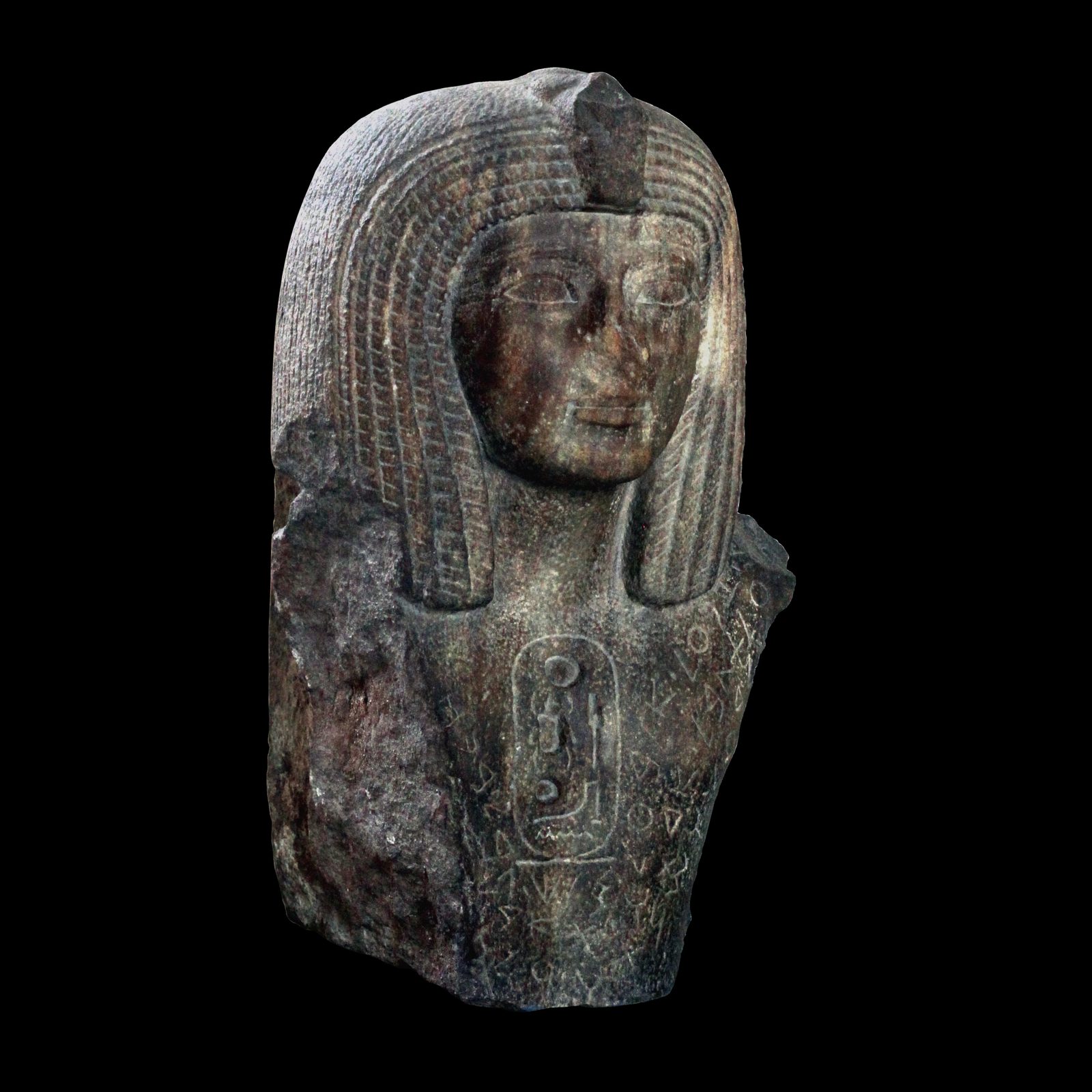
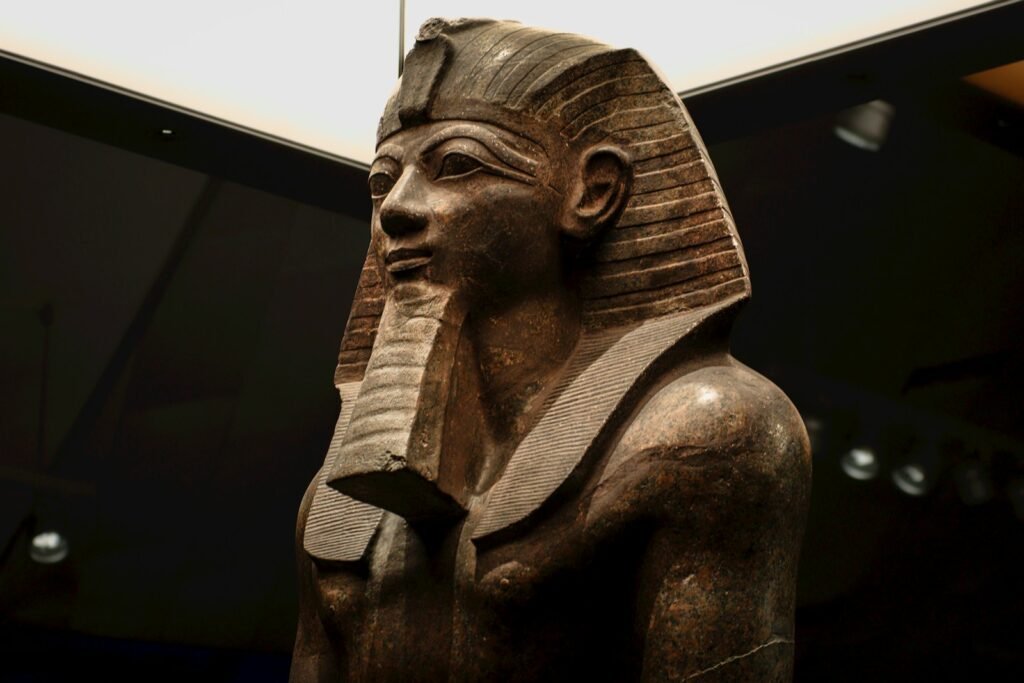
One of the most surprising truths about pharaohs is that their divinity was, in many ways, a carefully constructed public performance. Official texts described the ruler as a living god, the vital link between people, land, and the cosmic order of Ma’at, but this divine status had to be constantly proven through rituals, festivals, and colossal building projects. Archaeologists have found evidence that even in ancient times, ordinary Egyptians gossiped and grumbled about taxes and labor demands, which suggests they were not blindly overawed by the king’s sacred aura. That tension between propaganda and reality is visible in temple walls, where perfectly composed scenes of victorious pharaohs contrast sharply with the chaos and compromise revealed in administrative papyri. To me, it feels oddly familiar – less like an untouchable god and more like a head of state locked in a never-ending campaign season.
In modern terms, you could think of pharaohs as running a hybrid of a theocracy and a media empire. Every inscription, public monument, and festival procession worked like a broadcast channel, repeating the same message: the king is powerful, pious, and indispensable. But the very need for such relentless messaging hints at anxiety beneath the surface, as if the system knew that belief was fragile and had to be renewed generation after generation. When you stand in a hypostyle hall thick with carved royal images, you are not just seeing piety carved in stone; you are walking through one of history’s longest-running political PR campaigns.
From Ancient Tools to Modern Science: DNA Is Rewriting Royal Family Trees
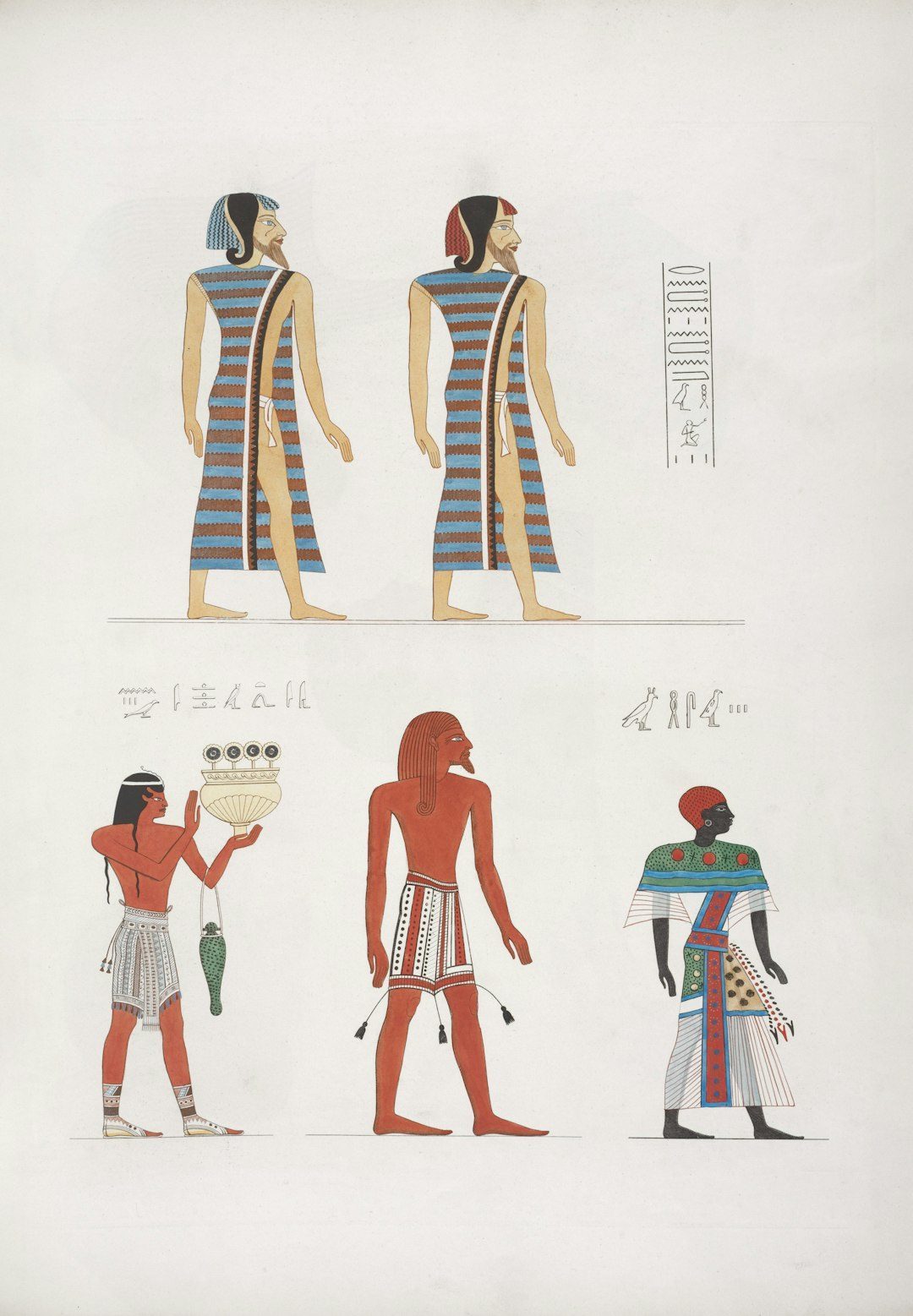
For centuries, historians relied on temple lists, Greek writers, and fragmentary papyri to piece together who ruled when, and who was related to whom. Now, genetic analysis is quietly upending parts of that story. Teams working with carefully selected royal mummies have extracted ancient DNA, revealing family connections, hereditary diseases, and patterns of inbreeding that pharaohs used to keep power concentrated within a narrow elite. In some cases, famous rulers once thought to be political rivals turn out to share surprisingly close kinship, suggesting that court intrigue played out more like an extended family dispute than a distant clash of dynasties. It is like discovering that your favorite historical saga was actually a complicated family group chat, with all the drama that implies.
These genetic insights do not arrive easily. Ancient DNA from Egypt is notoriously fragile, degraded by heat, humidity, and millennia of handling, so labs use ultra-clean rooms and strict contamination controls before they dare publish results. Even then, the findings are statistical, not absolute, which has sparked lively debate among Egyptologists and geneticists about how far we can push the data. Yet the broad pattern is clear: royal bloodlines were both a strength and a weakness, concentrating wealth and legitimacy while quietly accumulating genetic risks. When we talk about the “house of the pharaoh,” we now mean not just a palace, but a biological experiment unfolding over generations.
Buried in Plain Sight: Some Pharaohs Were Erased on Purpose
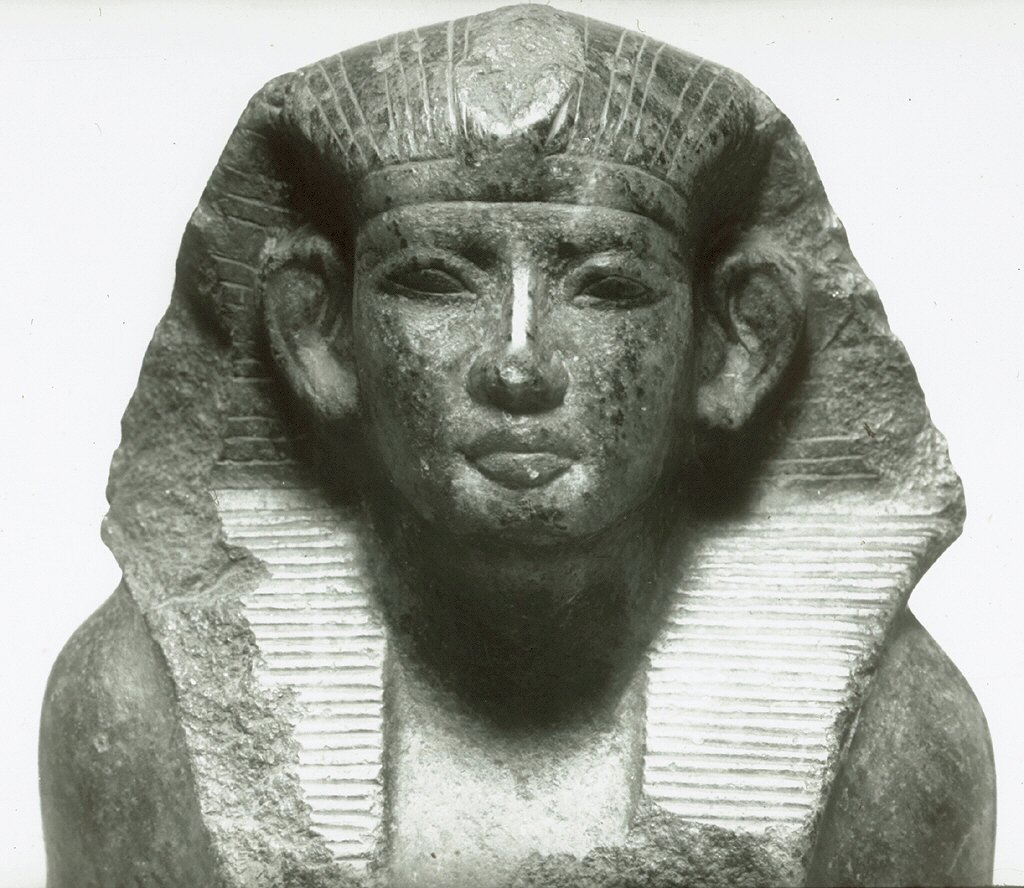
It is tempting to think that if someone was a pharaoh, we would automatically know about them, but the archaeological record tells a more unsettling story. Several rulers, most famously the revolutionary king Akhenaten and, later, the powerful female pharaoh Hatshepsut, were systematically chiseled out of history by their successors. Names were hacked off monuments, faces erased from reliefs, and lists of kings carefully rewritten to skip over those who displeased later regimes. Standing in front of a damaged wall where every other cartouche is violently scraped away, you can feel the intensity of that political rage even across three thousand years.
Ironically, this attempt to delete rulers has made them some of the most intriguing figures to modern researchers. Scholars reconstruct their reigns like forensic specialists working a cold case: re-reading broken statues, reassembling shattered stelae hidden in temple foundations, and reanalyzing tomb fragments dug a century ago with fresh eyes and better technology. This process has revealed, for example, how Hatshepsut presented herself with both masculine and feminine symbols of kingship, a subtle balancing act that challenged strict gender expectations. The lesson here is sharp and modern: whenever you see gaps in an official record, whether on stone or on a digital server, it is worth asking who wanted those absences – and why.
The Science of the Sacred: Pharaohs as Climate Managers of the Nile
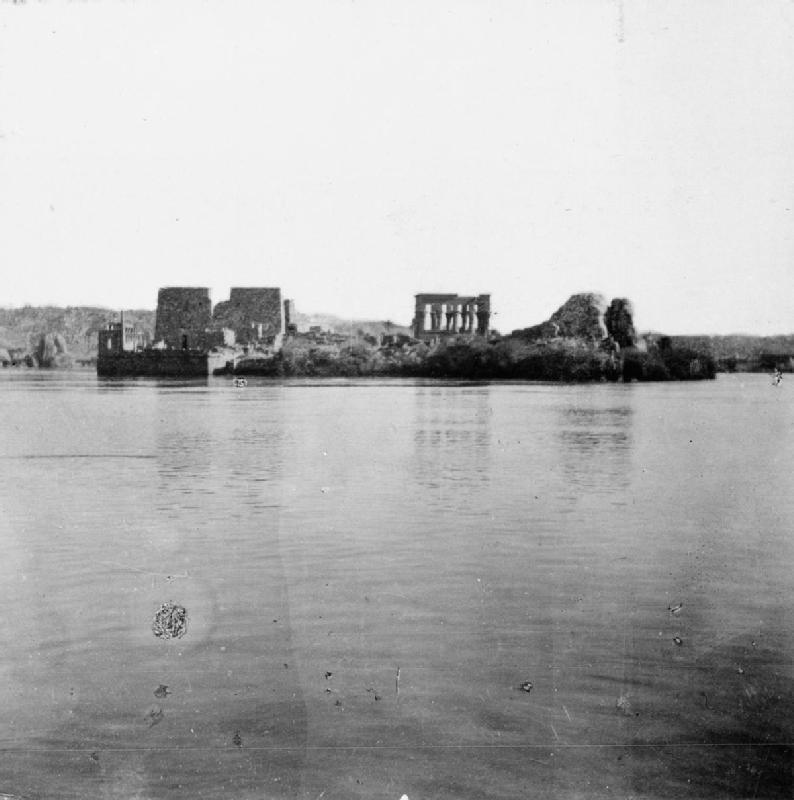
The power of a pharaoh rested not only on armies and monuments, but on something as basic as river water. Egypt truly was, as later writers said, the “gift of the Nile,” and modern climate science is revealing how intimately royal fortunes were tied to that river’s moods. Sediment cores from lakes and the Nile delta, along with isotopic studies of stalagmites, show shifts in rainfall patterns over centuries, including prolonged droughts that line up eerily well with periods of political instability. When the annual flood fell short, harvests suffered, grain prices spiked, and faith in royal ability to maintain Ma’at was shaken. The pharaoh’s job description, in other words, included being a kind of proto-climate manager, held spiritually and politically responsible for a planetary system he could not actually control.
Ancient records suggest that rulers tried to manage this risk with policy as well as ritual. Granaries were built as state insurance against bad years, and tax systems flexed to absorb shocks, at least for favored regions. When those buffers failed or were pushed too hard, revolts, invasions, or simple fragmentation often followed. There is a chilly familiarity in that story if you live in a world now wrestling with climate change and water scarcity. The pharaohs remind us that power built on environmental stability can look unshakable – right up until the moment the river falls silent.
Beyond the Golden Mask: Mummies Reveal Real Bodies, Real Diseases
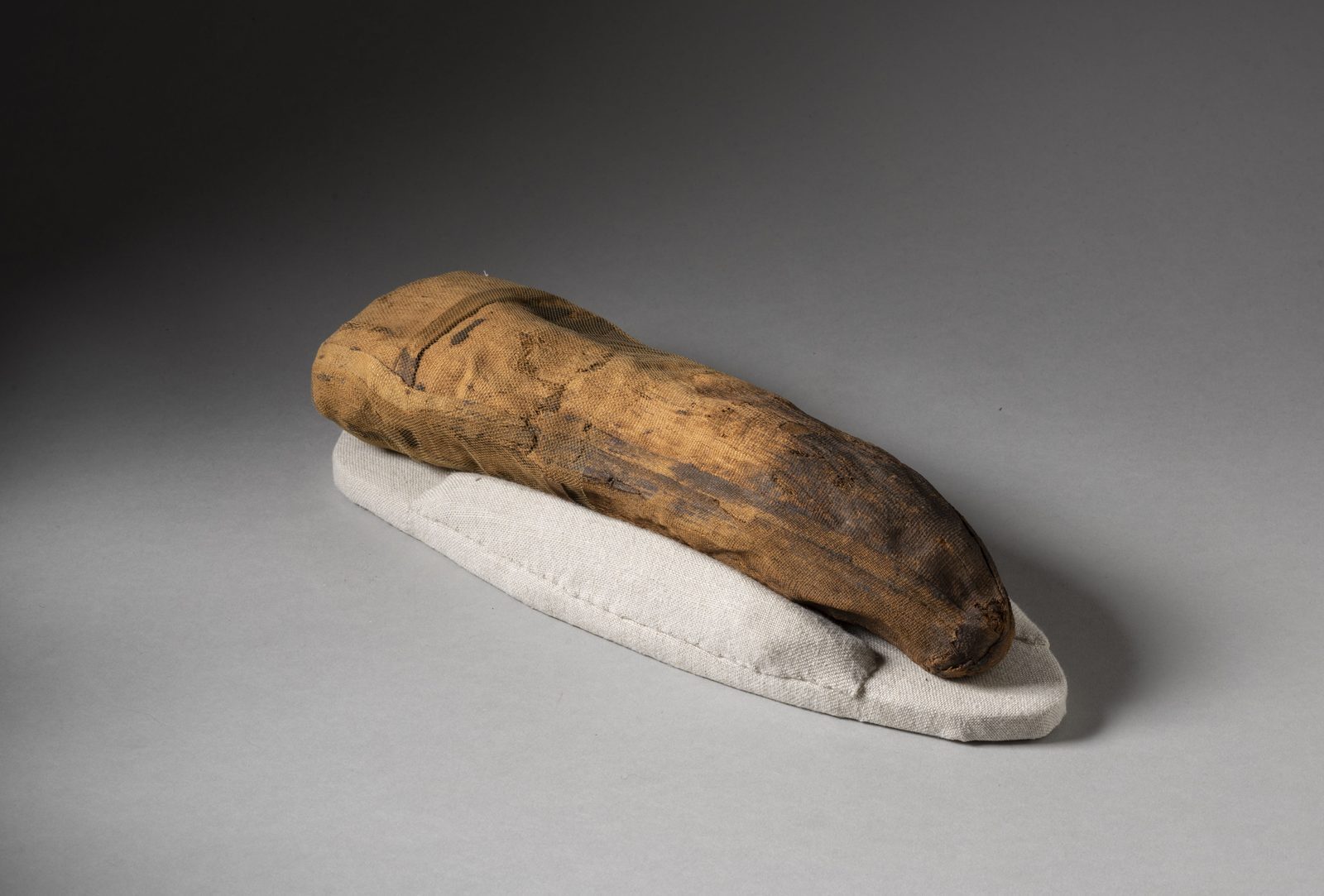
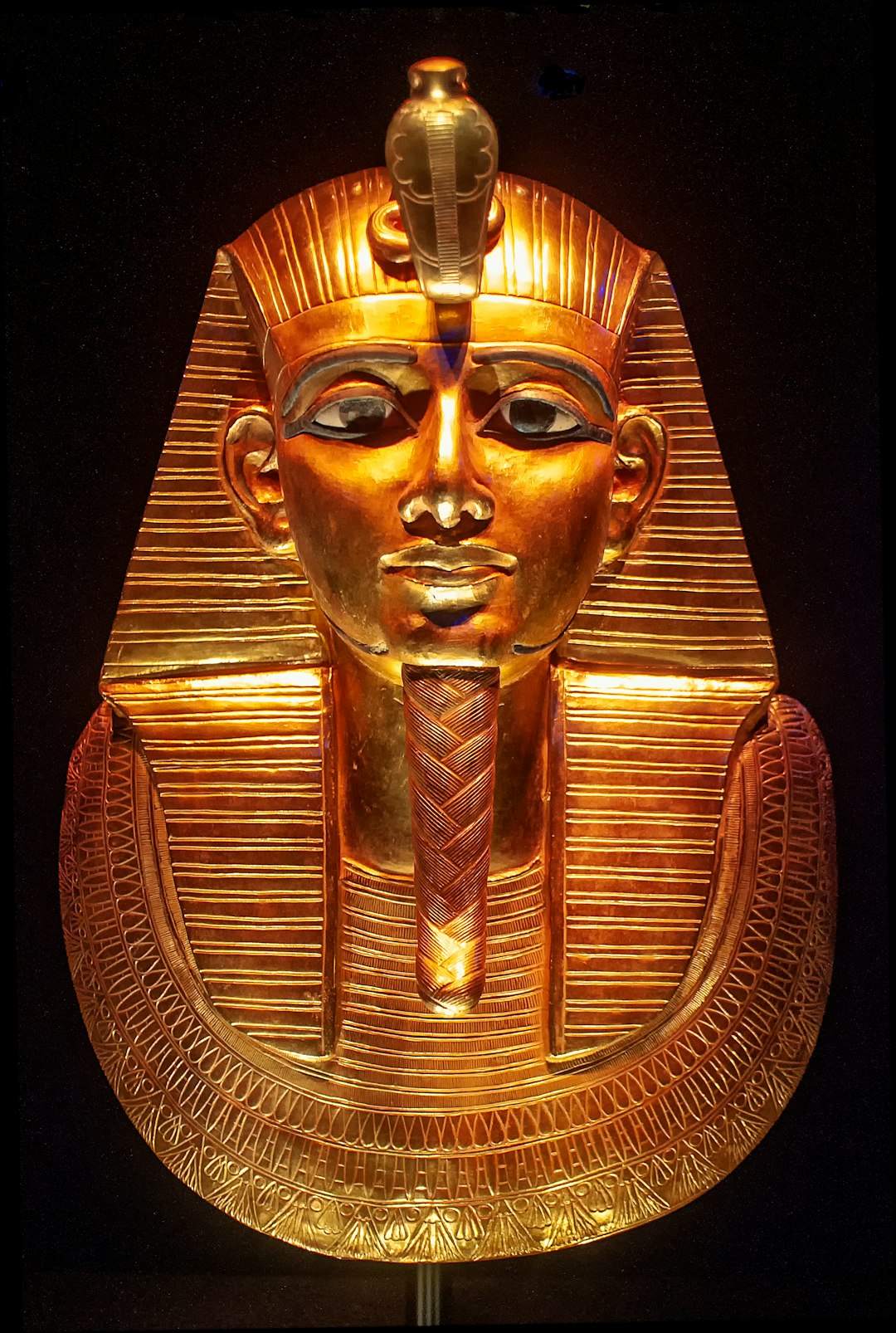
Golden masks and idealized statues give the impression that pharaohs glided through life as near-perfect beings, but medical imaging paints a far more vulnerable picture. Using CT scans, X-rays, and 3D reconstructions, scientists have detected arthritis in royal knees, dental abscesses in regal jaws, and possible malaria parasites lurking in ancient tissue. These are not abstract ailments; they are reminders that the bodies under all that linen and gold ached, limped, and sometimes died young. Some pharaohs show signs of injuries from battle or accidents, while others bear markers of congenital problems likely linked to close-kin marriages. I still remember the first time I saw a CT slice of a famous royal skull: the beauty of the funerary mask vanished, replaced by the unmistakable fragility of bone.
This wave of “mummy medicine” has also forced researchers to refine their ethics. Scanning and sampling remains that were once sacred royal ancestors is not a neutral act, and Egyptian authorities have increasingly pushed for stricter oversight and better public communication about why such work matters. The scientific payoffs are real. Studies of ancient pathogens help us track the deep history of diseases that still affect people today, while skeletal markers of stress add hard data to textual accounts of famine or warfare. In a way, the pharaohs have become unwilling participants in a vast medical trial unfolding across millennia, their preserved tissues offering a time capsule of human biology under extreme social and environmental pressures.
Why It Matters: Pharaohs as a Long-Term Experiment in Power
It is fair to ask why, in a century crowded with urgent problems, we should still invest so much effort in decoding the lives of people who ruled thousands of years ago. One answer is that the pharaonic state is one of the longest-running experiments in centralized power, religion, and bureaucracy that humanity has ever conducted. Over roughly three millennia, its rulers tried nearly every trick in the political playbook: divine kingship, military coups, theological revolutions, foreign alliances, and periods of shared or rival rule. By studying what worked, what failed, and how ordinary people responded, we gain a deep-time perspective on issues that still haunt modern societies: how to balance authority with accountability, tradition with innovation, faith with evidence.
There is also a more personal dimension. When you realize that a pharaoh worried about rebellious generals, failing harvests, and the health of their children, that aura of remote majesty shrinks to human scale. Long-term climate reconstructions give us context for today’s warming planet, and ancient disease profiles help us understand how pathogens evolve in response to changing environments and dense urban life. In that sense, the sands of Egypt function like an enormous archive, preserving not just artifacts, but experiments in how to be human under conditions of extreme inequality and concentrated power. Ignoring that archive would be like deleting the first several chapters of our species’ political and medical history.
Global Perspectives: Foreign Pharaohs, Traveling Artifacts, and Shared Heritage
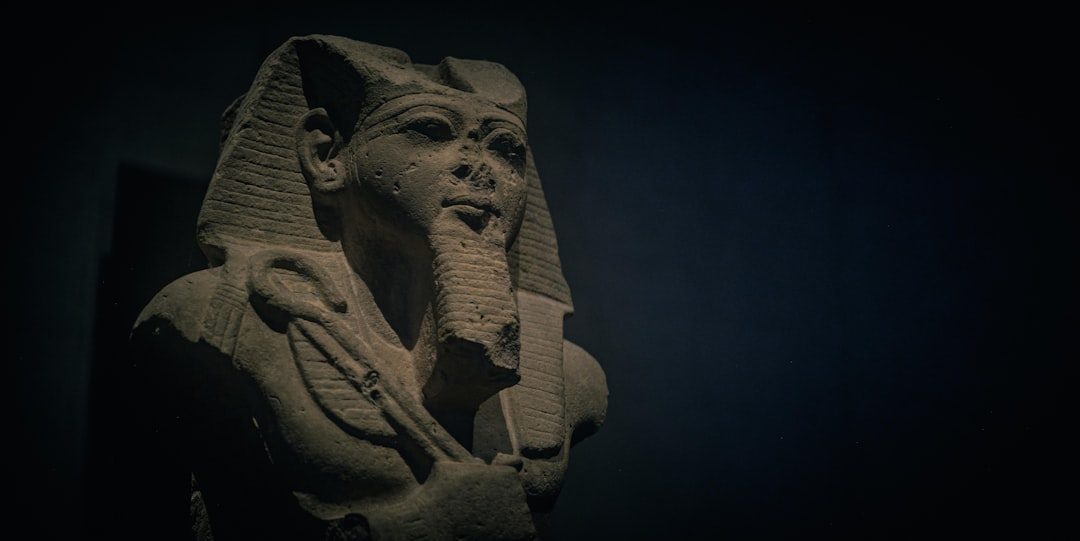
Another underappreciated fact is that not all pharaohs were ethnically Egyptian in the narrow sense we might imagine. During later periods, rulers from Nubia, Libya, and even distant Macedonia took the throne, adopting Egyptian titles and iconography while blending in their own traditions. This cosmopolitan stew is written into art styles, burial customs, and temple inscriptions that quietly reference foreign gods and languages. Far from being a sealed-off civilization, Egypt sat at a crossroads of Africa, the Mediterranean, and the Near East, and its kings knew how to leverage that position for trade, diplomacy, and sometimes conquest. When we talk about “ancient Egyptian pharaohs,” we are really talking about a rolling experiment in cultural fusion on an imperial scale.
The modern fate of pharaonic artifacts adds another global twist. Museums on several continents hold mummies, statues, and everyday objects removed during eras of aggressive colonial archaeology, and debates over repatriation have intensified in recent years. On one side are arguments that global display spreads knowledge and appreciation; on the other is the basic ethical claim that a nation and its descendants should have a primary say over their ancestors’ remains and heritage. In a way, this mirrors the ancient world, where control over royal images and bodies was a core element of legitimacy. Today, the question is not just who tells the story of the pharaohs – but who gets to hold the script.
The Future Landscape: Lasers, AI, and the Next Wave of Pharaoh Discoveries
Despite more than two centuries of intensive research, the science of the pharaohs is nowhere near finished. New tools are transforming the field: satellite imagery and ground-penetrating radar are mapping buried structures, while laser scanning is recording tomb walls in microscopic detail before pigments flake away. Artificial intelligence is being trained to recognize patterns in hieroglyphic texts, helping to reconstruct missing passages or flag unusual phrases that merit closer human study. Meanwhile, non-invasive chemical techniques, such as portable X-ray fluorescence, allow researchers to analyze pigments and metals on-site without cutting or scraping. The image of archaeology as a lone figure with a trowel is giving way to a multidisciplinary team that looks more like a field science lab than a treasure hunt.
The next few decades are likely to bring both spectacular finds and quieter revolutions in understanding. Undiscovered royal tombs remain a real possibility, especially in lesser-explored regions and under modern settlements, but equally important will be reinterpretations of objects that have sat in museum drawers for a hundred years. As climate change, urban expansion, and looting threaten sites across Egypt, there is pressure to document, conserve, and interpret faster than ever before. That urgency adds a bittersweet edge to each new breakthrough: we are racing against the same forces of erosion and upheaval that once toppled pharaonic statues. What we learn – or fail to learn – over the coming years will shape how future generations see one of humanity’s most iconic experiments in civilization.
How You Can Engage: From Museum Visits to Citizen Science
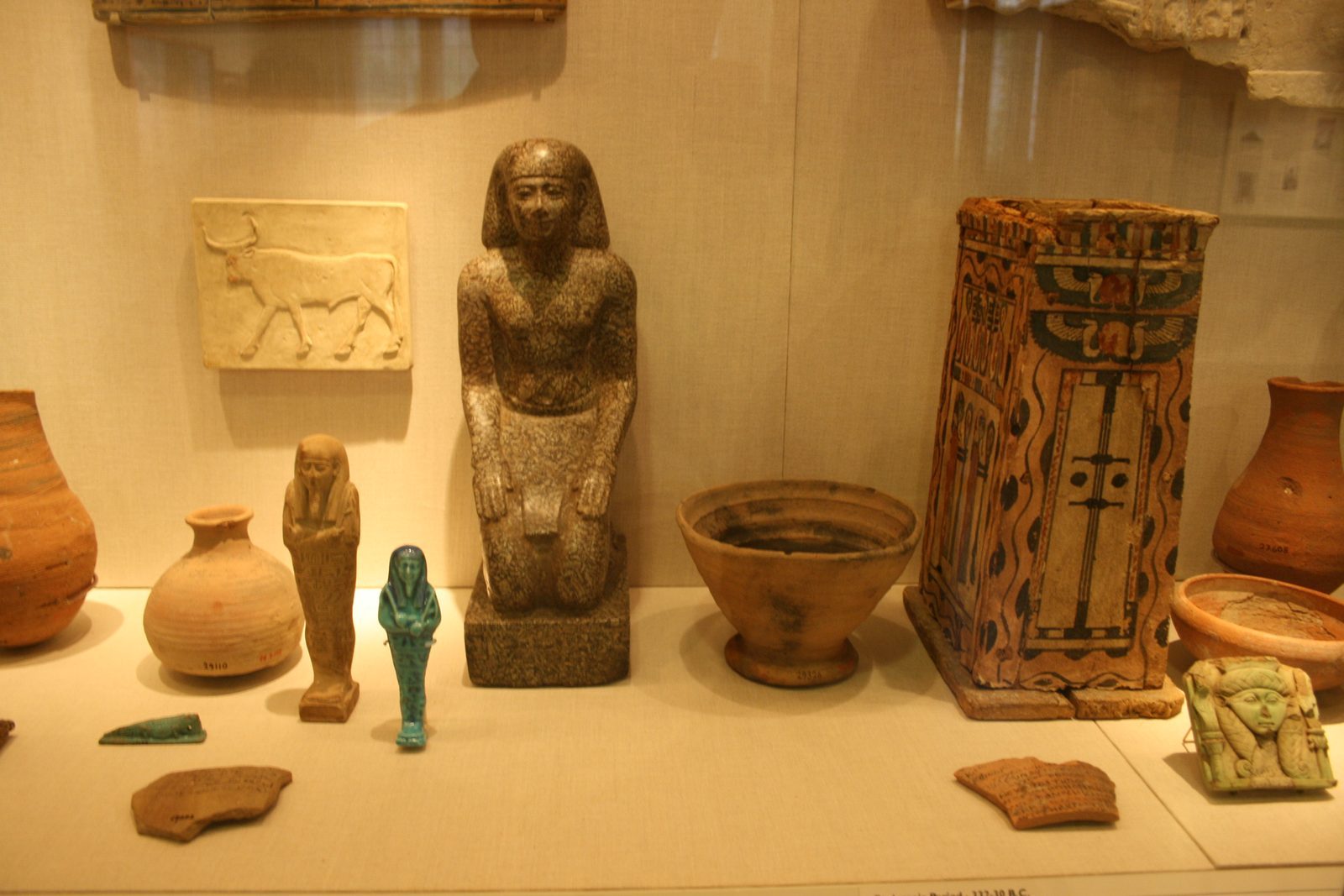
Engaging with the world of the pharaohs no longer requires a plane ticket to Cairo or a specialist degree, and that democratization might be one of the quiet revolutions of our time. Many museums now provide high-resolution digital access to their Egyptian collections, allowing you to zoom in on hieroglyphs, coffins, and tiny amulets from your laptop or phone. Some institutions and research projects run citizen-science platforms where volunteers help transcribe ancient texts or tag features on aerial photos, turning spare minutes into real contributions to scholarship. If you do visit physical exhibits, taking the time to read curatorial notes about provenance, conservation, and repatriation can deepen your understanding far beyond the usual “gold and mummies” spectacle. Even something as simple as discussing these issues with friends or on social platforms can push public conversations toward more nuanced, ethical views of the ancient world.
There are also concrete ways to support the science behind the headlines. Donations to reputable archaeological institutes, conservation labs, or Egyptian heritage organizations help fund meticulous work that rarely makes the news but quietly saves sites and artifacts from decay. Paying attention to how media stories frame new discoveries – asking what is confirmed, what is speculative, and whose voices are centered – builds the kind of critical literacy that complex histories deserve. In the end, the story of the pharaohs is not frozen in stone; it keeps evolving as new data, technologies, and perspectives come into play. The more thoughtfully we engage, the richer that story becomes, and the better equipped we are to recognize the echoes of ancient power and vulnerability in our own world.
Suhail Ahmed is a passionate digital professional and nature enthusiast with over 8 years of experience in content strategy, SEO, web development, and digital operations. Alongside his freelance journey, Suhail actively contributes to nature and wildlife platforms like Discover Wildlife, where he channels his curiosity for the planet into engaging, educational storytelling.
With a strong background in managing digital ecosystems — from ecommerce stores and WordPress websites to social media and automation — Suhail merges technical precision with creative insight. His content reflects a rare balance: SEO-friendly yet deeply human, data-informed yet emotionally resonant.
Driven by a love for discovery and storytelling, Suhail believes in using digital platforms to amplify causes that matter — especially those protecting Earth’s biodiversity and inspiring sustainable living. Whether he’s managing online projects or crafting wildlife content, his goal remains the same: to inform, inspire, and leave a positive digital footprint.