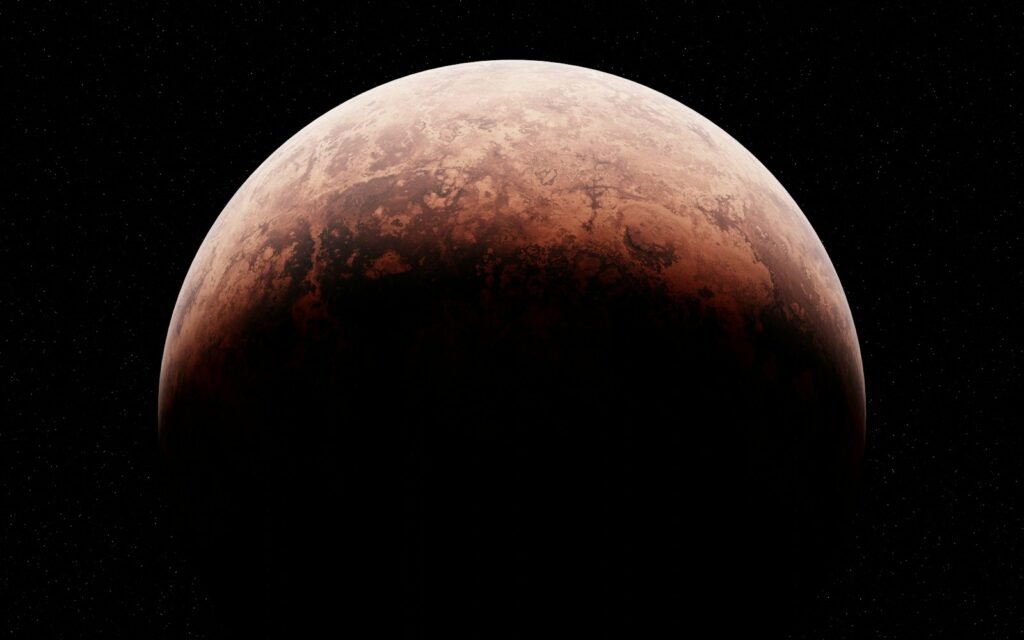

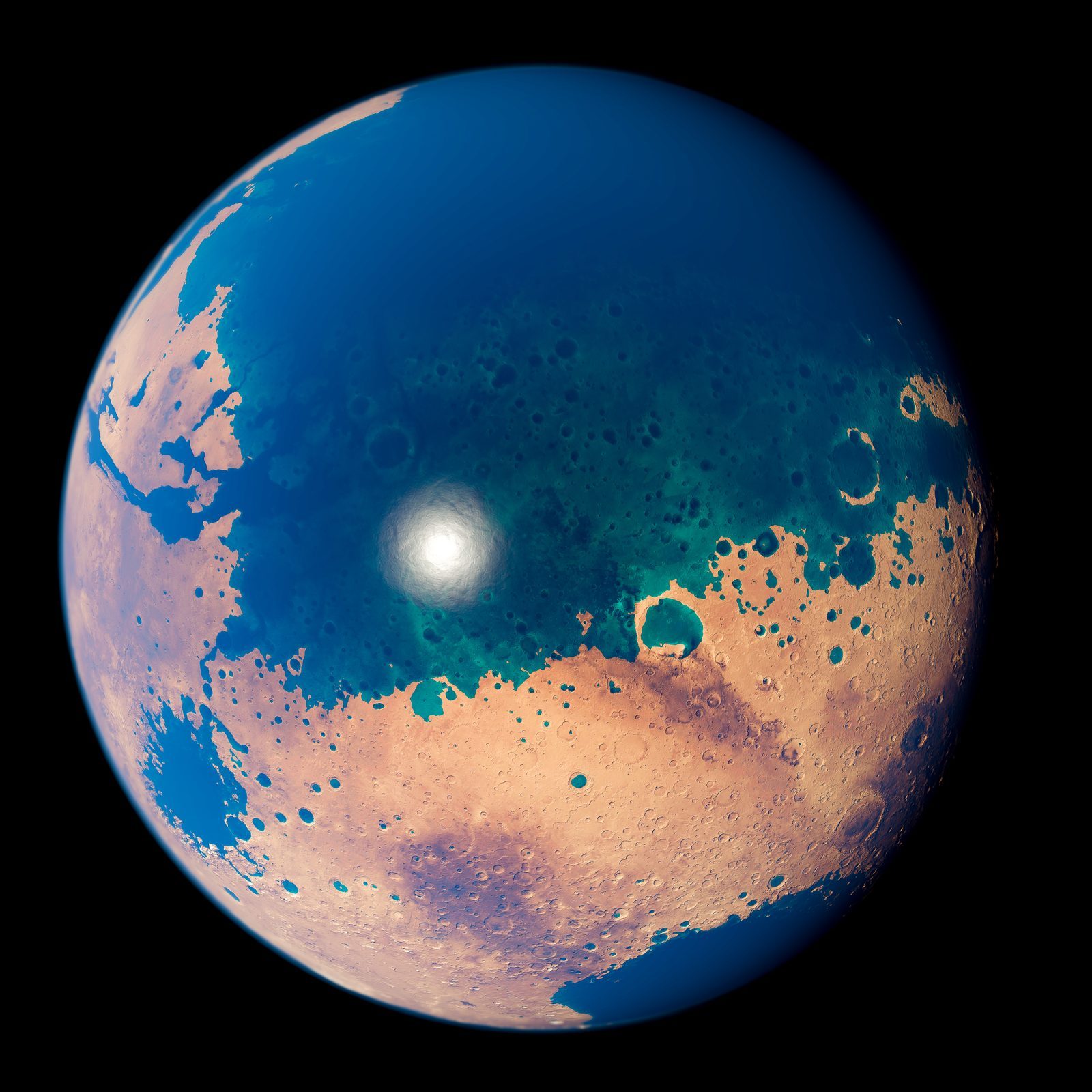
Picture this: instead of a dry, dusty desert world, Mars shimmers with a steel-blue northern ocean, storms rolling over waves, shorelines scalloping into red rock like a rusted version of the Mediterranean coast. For decades, scientists have suspected that such an ocean may not be pure fantasy but a real chapter in Mars’s ancient past. Now, a mix of orbiter maps, rover chemistry, and computer models is forcing a harder question: if Mars once hosted a global ocean, how close did it come to hosting life? And if it did, could any trace of that watery era still be hiding in its rocks, its ice, or even underground today?
The Ocean That Might Have Been
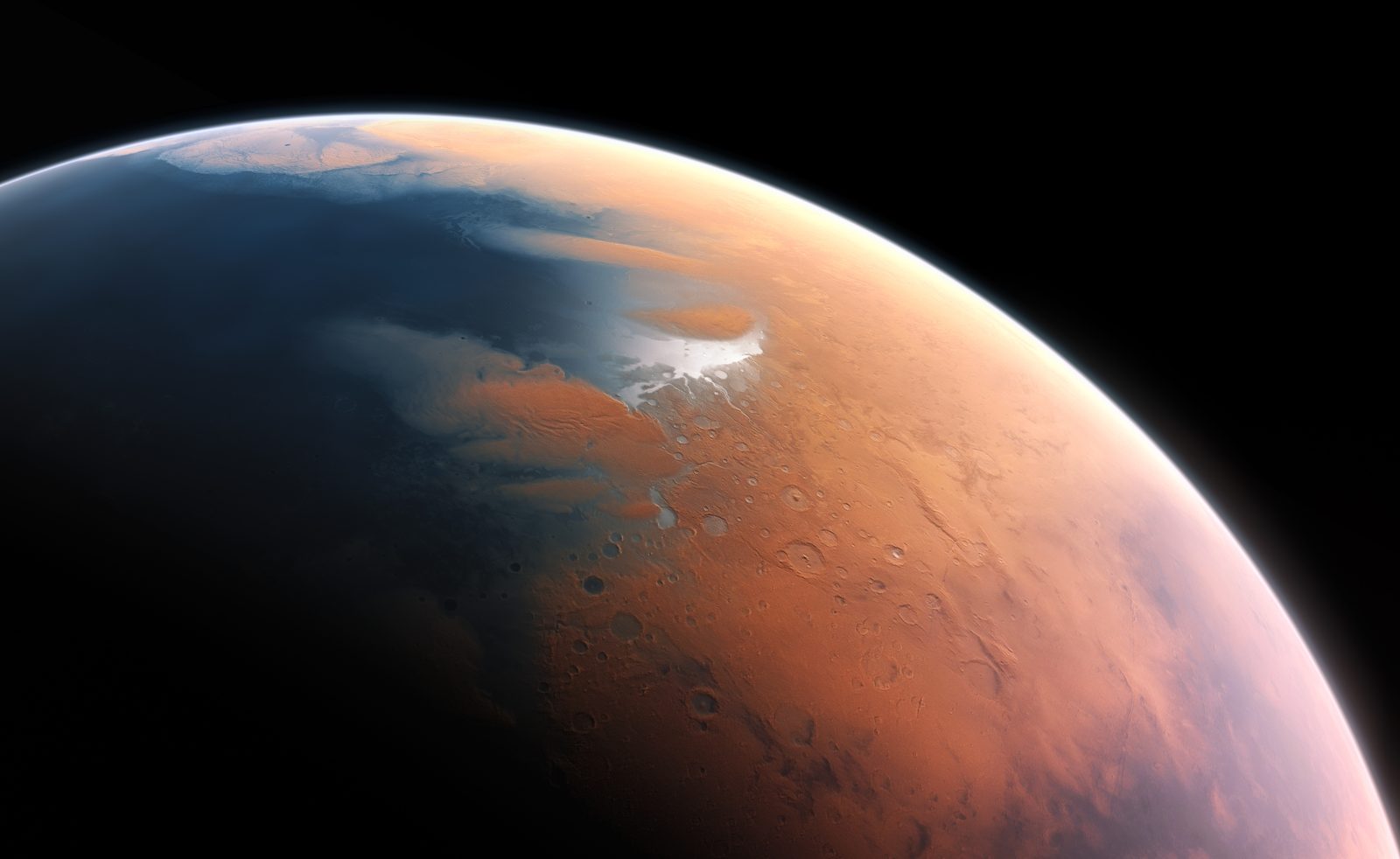
The most startling idea about Mars’s ocean is how ordinary it once might have looked from orbit. Planetary geologists have mapped what appears to be an ancient shoreline ringing the planet’s northern lowlands, a kind of fossil beach that wraps around craters and plains in a pattern that stubbornly resembles an old sea coast. Add in evidence of valley networks that appear to drain downhill into that basin, and the image that emerges is not of isolated lakes, but of a connected hydrological system feeding a true northern ocean. In some reconstructions, this body of water may have covered an area comparable to the Atlantic Ocean, a staggering change to the way we picture the Red Planet. It challenges the cliché of Mars as simply cold, dead, and unchanging, and instead paints it as a world that once breathed water.
What makes this so compelling is that Mars’s lowlands are shaped like a basin just begging to be filled. If you mentally flood the topographic maps with water, those northern plains become a natural ocean floor, bordered by higher, older crust to the south that would have formed a rugged highland continent. The contrast is as dramatic as turning a black-and-white photo into color: dry channels suddenly become river mouths, sediment fans become deltas, and crater rims turn into island chains. In that imagined view, Mars stops looking like an alien wasteland and starts looking uncomfortably familiar – like a smaller, colder cousin of Earth that simply ran out of time.
The Hidden Clues Written in Rock and Ice
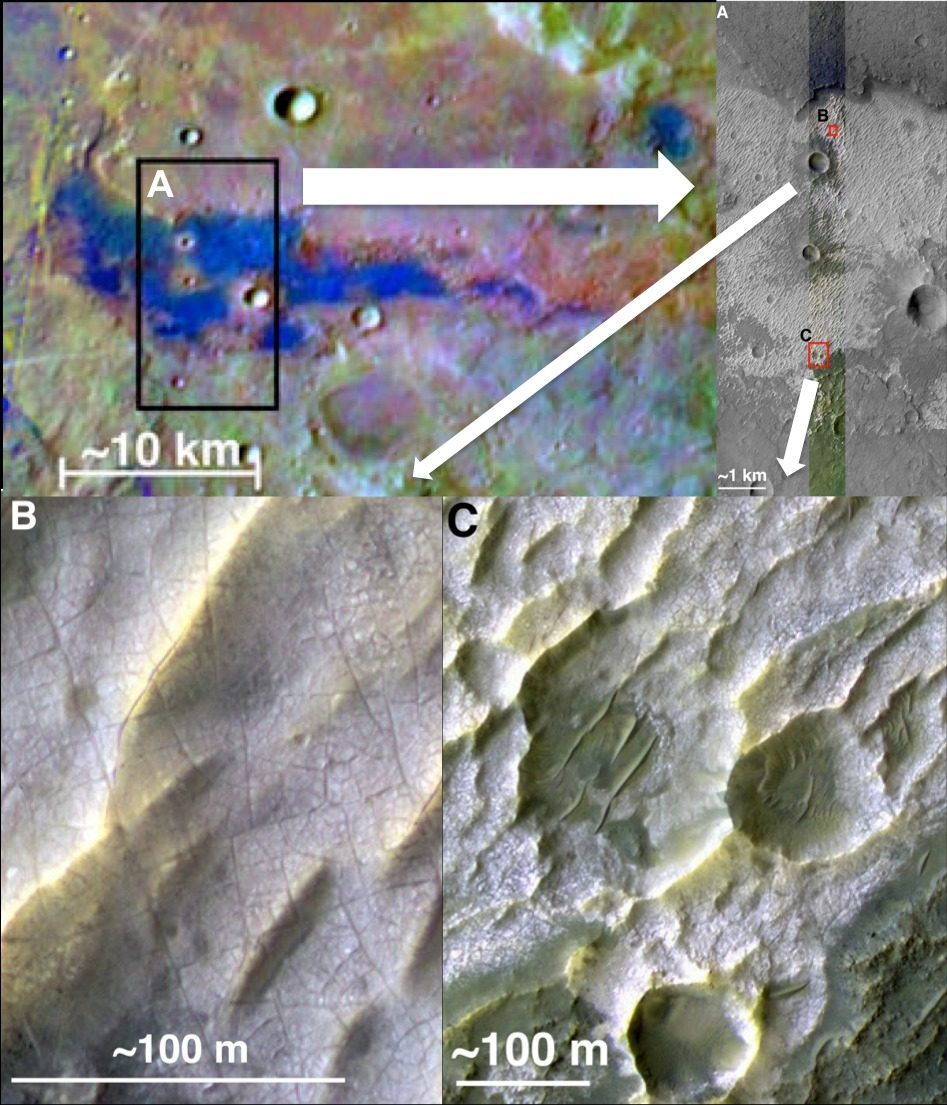
None of this is guesswork pulled out of thin air; it is carved into the landscape and locked into the chemistry of Martian rocks and ice. Orbiters have spotted minerals that only form in the presence of persistent water, such as clays and certain sulfates, scattered across old terrains that appear to predate the planet’s great drying-out. In some places, sedimentary layers in crater walls resemble the stacked deposits you might see in terrestrial lakebeds or coastal plains, hinting at slow, repeated deposition by water rather than brief, catastrophic floods. Even the distribution of boulders and fine sediments along certain slopes looks eerily like coastal erosion and wave action on Earth.
Then there is the ice. Radar measurements have revealed thick, buried deposits of water ice in the Martian mid-latitudes, and the polar caps contain vast frozen reservoirs that together represent a ghostly echo of past oceans and lakes. Isotope measurements suggest that Mars has lost a tremendous amount of water to space over billions of years, implying that the planet once held enough to cover its surface with a global layer of water dozens to hundreds of meters deep. Taken together, the rocks, the ice, and the atmosphere tell a consistent story: Mars did not always wear its famous dryness as proudly as it does now.
From Ancient Tools to Modern Science
Our ideas about a Martian ocean trace back further than you might think, starting with early telescopic observations that hinted at darker and lighter regions on the planet’s surface. Nineteenth-century astronomers speculated wildly about seas and canals, armed with sketchy maps and fertile imaginations but lacking any real data. Those early “oceans” were products of optical illusions and wishful thinking rather than science, yet the intuition that Mars might once have held water turned out to be strangely prescient. The difference is that now, instead of fuzzy drawings, we have high-resolution topographic maps, mineral fingerprints, and climate models to test the hypothesis.
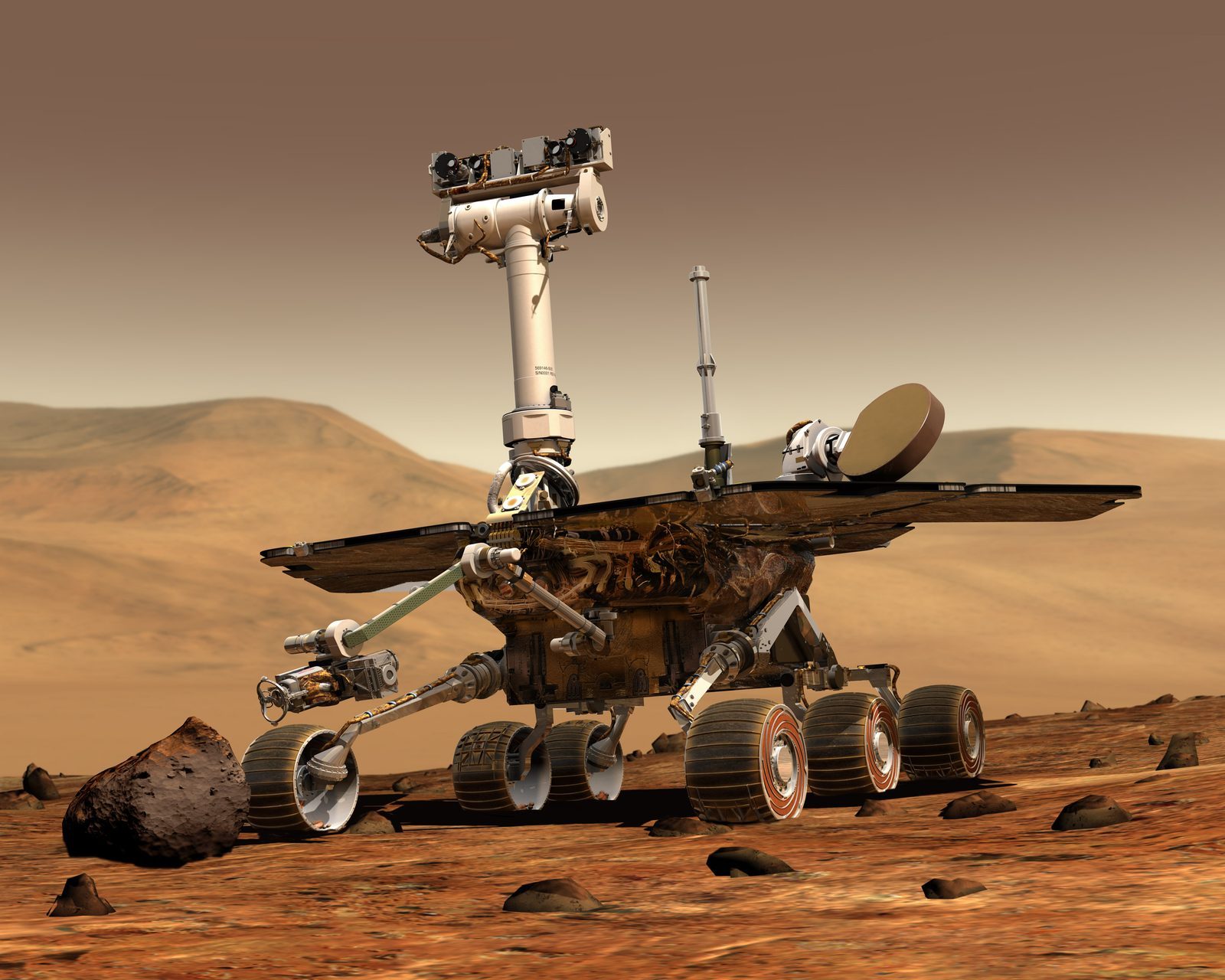
Modern missions – NASA’s orbiters like Mars Reconnaissance Orbiter, landers like Phoenix, and rovers such as Curiosity and Perseverance – function as the tools that our predecessors could only dream about. High-resolution cameras can spot layered deposits a few meters thick from hundreds of kilometers up, while spectrometers read mineral signatures that reveal whether rocks formed in acidic ponds, alkaline lakes, or perhaps coastal environments. Climate modelers, armed with supercomputers, can simulate ancient Martian atmospheres thick enough to keep water liquid, tracking storm systems over hypothetical oceans like meteorologists forecasting a world that no longer exists. The transformation from hand-drawn maps to multi-wavelength planetary datasets has turned a romantic idea into a testable scientific theory.
Could Mars’s Ocean Have Harbored Life?
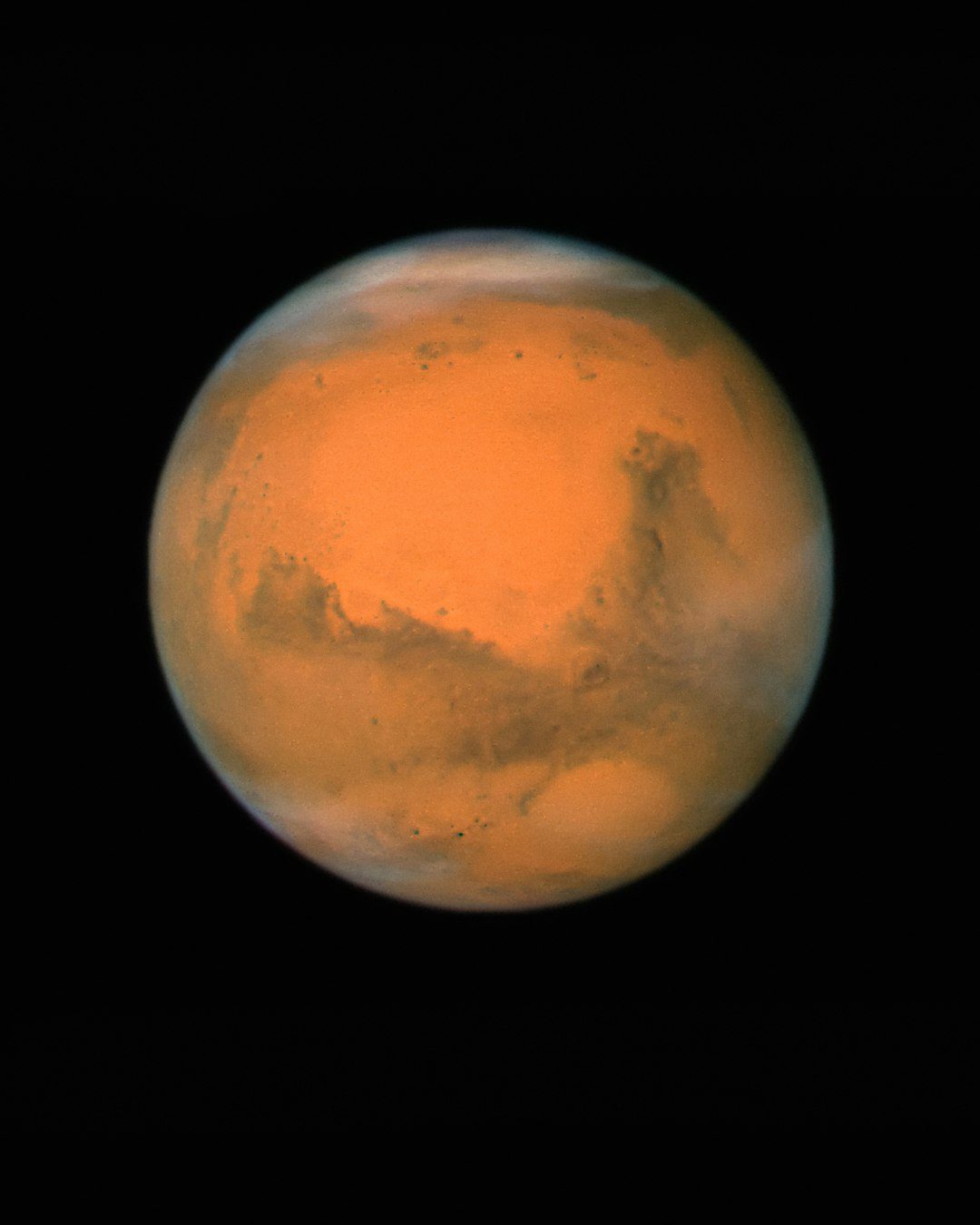
Here is where the thought experiment gets truly unsettling: if Mars had an ocean, that means it had one of the core ingredients for life, and not just for a geological instant. Long-lived bodies of water provide time stability, chemical gradients, and shelter from harsh surface conditions – exactly the kinds of environments where many scientists suspect life first emerged on Earth. If Mars’s northern ocean was salty, mineral-rich, and warmed by geothermal heat from below and a thicker atmosphere above, there is no obvious reason simple microbial life could not have taken hold. The idea of Martian tidepools rich with chemistry but perhaps never evolving beyond microscopic communities is as haunting as it is plausible.
To be clear, there is no confirmed evidence of life from that era, only an accumulation of circumstantial hints. Organics have been detected in Martian rocks, but those molecules can be produced by non-biological processes as well. Seasonal changes in atmospheric methane have sparked intense debate, with some researchers arguing for subsurface biology and others pointing to geologic explanations. What transforms the ocean hypothesis from idle daydream into a serious astrobiological question is the combination of factors: standing water, energy sources, and time. On Earth, whenever those conditions appear, life seems to follow with almost suspicious enthusiasm.
Why It Matters: Mars as a Mirror for Earth
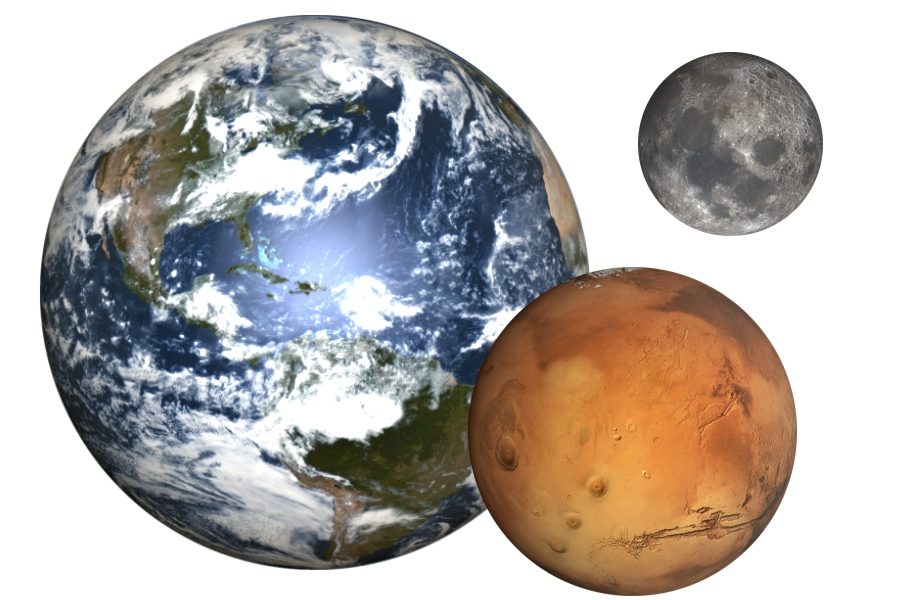
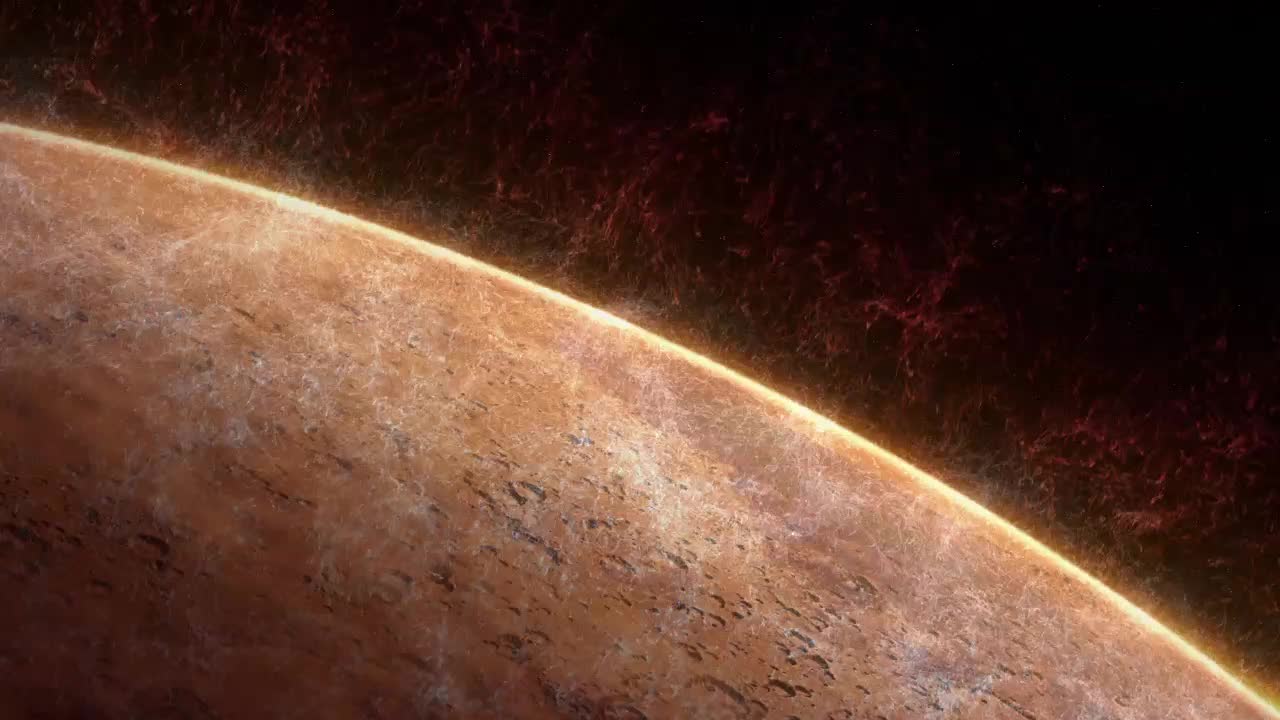
Speculating about oceans on Mars is not just a planetary parlor game; it is a way of stress-testing our understanding of habitability and climate. Compared with Earth, Mars started smaller, cooled faster, and lost its protective magnetic field early, allowing the solar wind to strip away much of its atmosphere. In that sense, Mars is like a cautionary time-lapse of what happens when a once-friendly world slips out of the narrow window where liquid water can persist on the surface. Studying how quickly its ocean, if it existed, disappeared can sharpen our models for atmospheric escape, greenhouse warming, and long-term climate stability.
That matters for more than cosmic curiosity. It feeds directly into how we assess the habitability of exoplanets orbiting other stars, many of which may be Mars-sized worlds hovering at the edge of their star’s habitable zone. Did they hold onto their oceans, or did they dry out early like Mars? On a more introspective note, comparing Earth’s stubbornly persistent oceans to Mars’s likely vanished one reminds us just how contingent our own habitability is. Our oceans feel permanent because they have always been there in human memory, but Mars whispers a different message: seas can come and go on cosmic timescales. That realization has a way of shrinking human politics and expanding the stakes of planetary stewardship.
Reimagining Mars: Coasts, Storms, and Alien Weather
It is strangely fun to reimagine Mars not as a bare desert but as a coastal world and then let your mind wander through the details. With a thicker atmosphere, clouds would have piled up along the boundary between ocean and highlands, likely delivering rain and snow that carved the valley networks we see today. Dust storms might have been tempered by humidity, replaced instead by massive oceanic storms spinning over the northern basin, their cloud tops visible from orbit like pale spirals over rusty water. Shorelines may have shifted over time as climate cycles waxed and waned, leaving behind terraces and stranded deposits that geologists are only now untangling.
In such a scenario, the Mars we know today would be the final snapshot of a long drying-out process, like catching Earth in the far future after its own oceans have boiled away. River deltas now preserved in craters such as Jezero could once have been river mouths opening into a cold northern sea, rich in sediments and perhaps organic matter washing down from the highlands. Even the iconic Olympus Mons, the largest volcano in the solar system, might have towered over a distant shoreline, its flanks feeding lava and ash into nearby waters. Thinking this way does not just add drama; it suggests specific places where layers of sediment could still preserve a detailed archive of that oceanic past, from climate rhythms to, potentially, signs of ancient biology.
The Future Landscape: Oceans, Terraforming, and Human Footprints
Whenever the topic of a Martian ocean comes up, it takes about five minutes before someone asks whether we could ever bring it back. The notion of terraforming Mars – thickening its atmosphere, warming its surface, and refilling its ancient basins – sits at the fuzzy border between audacious engineering and science fiction. Even the most optimistic studies acknowledge staggering technical and ethical hurdles: Mars lacks sufficient accessible carbon dioxide to rebuild a thick greenhouse atmosphere using current technology, and importing volatiles from comets or icy moons would demand truly planetary-scale infrastructure. Still, the mere fact that Mars once held an ocean makes the idea feel less absurd than it would on, say, the Moon or Mercury.
In the nearer term, though, the more realistic future landscape is one where human explorers and robots prioritize those paleo-shorelines and former deltas as prime science targets, not future beaches. If we ever do build long-term habitats, they might cluster around buried ice deposits that represent the fossil remains of that lost hydrosphere. Imagining an ocean helps mission planners identify the most promising places to drill, sample, and perhaps someday return cores to Earth labs. It also raises thorny questions: if we eventually find evidence of long-dead Martian microbes, what obligations do we have to preserve their habitats, even if the ocean that nurtured them vanished billions of years ago?
What Comes Next: Missions, Technologies, and the Global Hunt for Ancient Seas
The next few decades of Mars exploration will treat the ocean question less like a fantasy and more like a solvable scientific puzzle. Sample-return missions are being designed to bring carefully selected rocks – especially from ancient delta and shoreline environments – back to Earth, where entire laboratories can hunt for subtle biosignatures that rovers could never detect on their own. Advanced ground-penetrating radar will refine maps of buried ice and sediment layers, revealing the true thickness and distribution of water-related deposits beneath the dust. Future orbiters equipped with more sensitive spectrometers may be able to pinpoint specific mineral assemblages that scream long-term interaction with standing water.
This is not just a U.S. project; space agencies from Europe, China, the United Arab Emirates, and others are all eyeing Mars with increasing ambition. A kind of informal global consortium of Mars data is forming, where each mission’s strengths fill in gaps left by the others. New technologies – smarter autonomous rovers, lighter drills, better contamination control – push the frontier of where and how we can sample potential ancient shorelines. The stakes are high: confirming a long-lived ocean on Mars, and especially any hint of life within it, would instantly become one of the most transformative scientific discoveries of this century.
How You Can Stay Engaged with Mars’s Watery Past
You do not need a rocket or a Ph.D. to be part of this unfolding story about Mars and its possible ocean. One simple step is to follow mission updates directly from space agencies and research institutions, where raw images, data visualizations, and explainers are freely shared with the public. Many missions run citizen science projects that let volunteers help classify terrain, track dust storms, or flag interesting geological features, turning thousands of casual clicks into real contributions. Supporting science journalism, museums, and planetariums also matters, because those are the places where complex planetary science gets translated into stories that stick with people of all ages.
If you are the kind of person who likes to think long-term, you can also advocate for sustained investment in planetary exploration, education, and climate research here on Earth. Our understanding of Mars’s vanished ocean feeds back into how we treat our own planet’s oceans, climate systems, and fragile habitability. Reading, talking, and even arguing about whether Mars ever had shorelines and storms is not just idle speculation; it keeps the bigger questions of planetary futures alive in public conversation. The next time you look up at that rusty dot in the night sky, it might be worth asking yourself: are we staring at a dead desert, or the faded memory of a blue world that once was?
Suhail Ahmed is a passionate digital professional and nature enthusiast with over 8 years of experience in content strategy, SEO, web development, and digital operations. Alongside his freelance journey, Suhail actively contributes to nature and wildlife platforms like Discover Wildlife, where he channels his curiosity for the planet into engaging, educational storytelling.
With a strong background in managing digital ecosystems — from ecommerce stores and WordPress websites to social media and automation — Suhail merges technical precision with creative insight. His content reflects a rare balance: SEO-friendly yet deeply human, data-informed yet emotionally resonant.
Driven by a love for discovery and storytelling, Suhail believes in using digital platforms to amplify causes that matter — especially those protecting Earth’s biodiversity and inspiring sustainable living. Whether he’s managing online projects or crafting wildlife content, his goal remains the same: to inform, inspire, and leave a positive digital footprint.