
Have you ever wondered what keeps the planet breathing? It’s not just the rainforests you’re picturing. Right now, beneath the waves, trillions of microscopic organisms are working overtime to produce the very air filling your lungs. If they vanished tomorrow, you’d be facing a catastrophe beyond anything humanity has ever witnessed.
Picture this scenario: Every fish, whale, coral, plankton, and sea creature suddenly gone. The oceans stand empty, lifeless, silent. Sounds like the premise of a dystopian movie, right? Honestly, the reality would be far more terrifying than any Hollywood script. What follows is a domino effect so severe it would fundamentally alter every system keeping Earth habitable.
The Oxygen Crisis Would Strike First
Scientists estimate that roughly half of Earth’s oxygen production comes from oceanic plankton, including drifting plants, algae, and bacteria capable of photosynthesis. You’re breathing ocean air more than you realize. One particular species, Prochlorococcus, is the smallest photosynthetic organism on Earth yet produces up to twenty percent of the oxygen in our entire biosphere, surpassing all tropical rainforests combined.
If marine life disappeared, your oxygen supply wouldn’t vanish overnight, but it would begin a steady, irreversible decline. The atmosphere currently holds oxygen accumulated over hundreds of millions of years. Yet without marine organisms continuously replenishing it, you’d eventually face a world where every breath becomes precious. Through biogeochemistry, the oceans have been transformed into a vital source of at least half of atmospheric oxygen, enabling terrestrial life to thrive, making the ocean essentially the lungs of planet Earth.
Earth’s Thermostat Would Shatter Completely
With seventy percent of the planet covered in water, the seas are important drivers of the global climate. The ocean doesn’t just sit there looking pretty. It actively moderates your weather, distributes heat across the globe, and prevents temperature extremes that would make most places uninhabitable. Without the ocean and its diversity of service provision, Earth’s maximum temperature would exceed one hundred degrees Celsius, and the average surface temperature, currently around fifteen degrees Celsius, would instead be around fifty degrees Celsius.
Let’s be real here: you’d be living on a planet careening toward Venus-like conditions. The ocean absorbs and redistributes solar energy, keeping coastal regions temperate and preventing wild temperature swings. Marine life plays a crucial role in this system through the biological carbon pump. Without it, climate regulation collapses. Your summers would become unbearable, winters unpredictable, and the entire agricultural system humanity depends on would crumble.
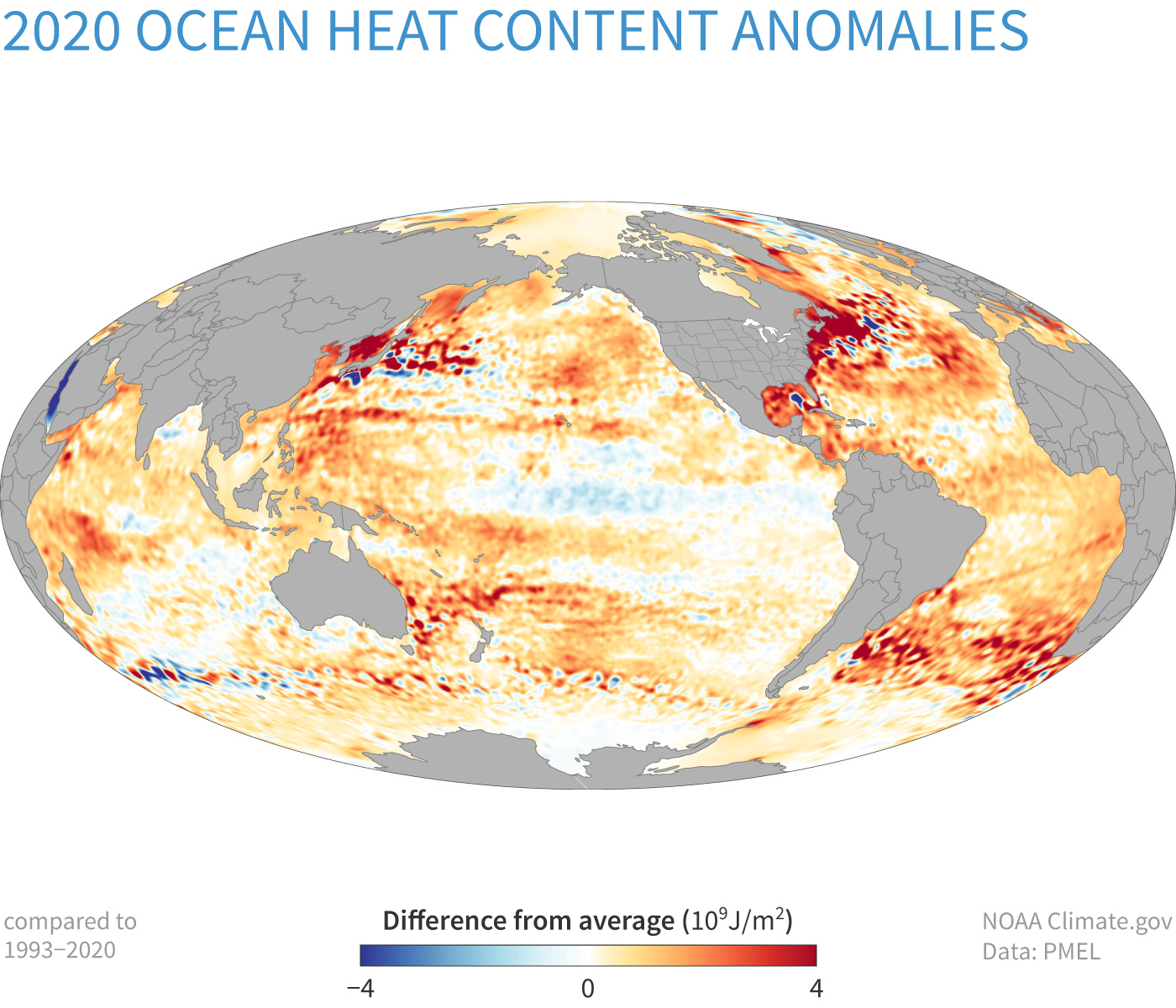
Research shows that around ninety percent of the excess heat from global warming is being absorbed by the ocean. Remove marine ecosystems from the equation, and all that heat stays in the atmosphere.
The Carbon Dioxide Catastrophe Begins
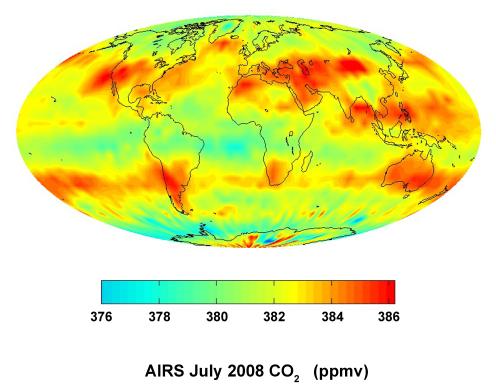
Here’s where things get genuinely frightening. The ocean absorbs around twenty-three percent of annual carbon dioxide emissions generated by human activity and helps mitigate the impacts of climate change. Right now, the seas are doing humanity an enormous favor by soaking up massive quantities of the greenhouse gases we’re pumping out. The oceans contribute to climate regulation by absorbing over a quarter of human-caused carbon dioxide emissions and around ninety percent of excess heat.
Without marine life, particularly phytoplankton and other photosynthesizing organisms, this carbon sequestration system breaks down entirely. Microscopic plants called phytoplankton reproduce on the ocean’s sunlit surface waters, converting dissolved carbon dioxide into around fifty billion net tonnes of organic matter every year, while producing oxygen as a byproduct. That’s a staggering amount of carbon being pulled from the air constantly. When these organisms die and sink, they transport carbon to the deep ocean where it stays locked away for centuries.
Imagine atmospheric carbon dioxide levels skyrocketing without this natural buffer. The greenhouse effect would intensify dramatically, accelerating global warming at a pace that would make current climate projections look optimistic.
The Complete Collapse of Global Food Webs
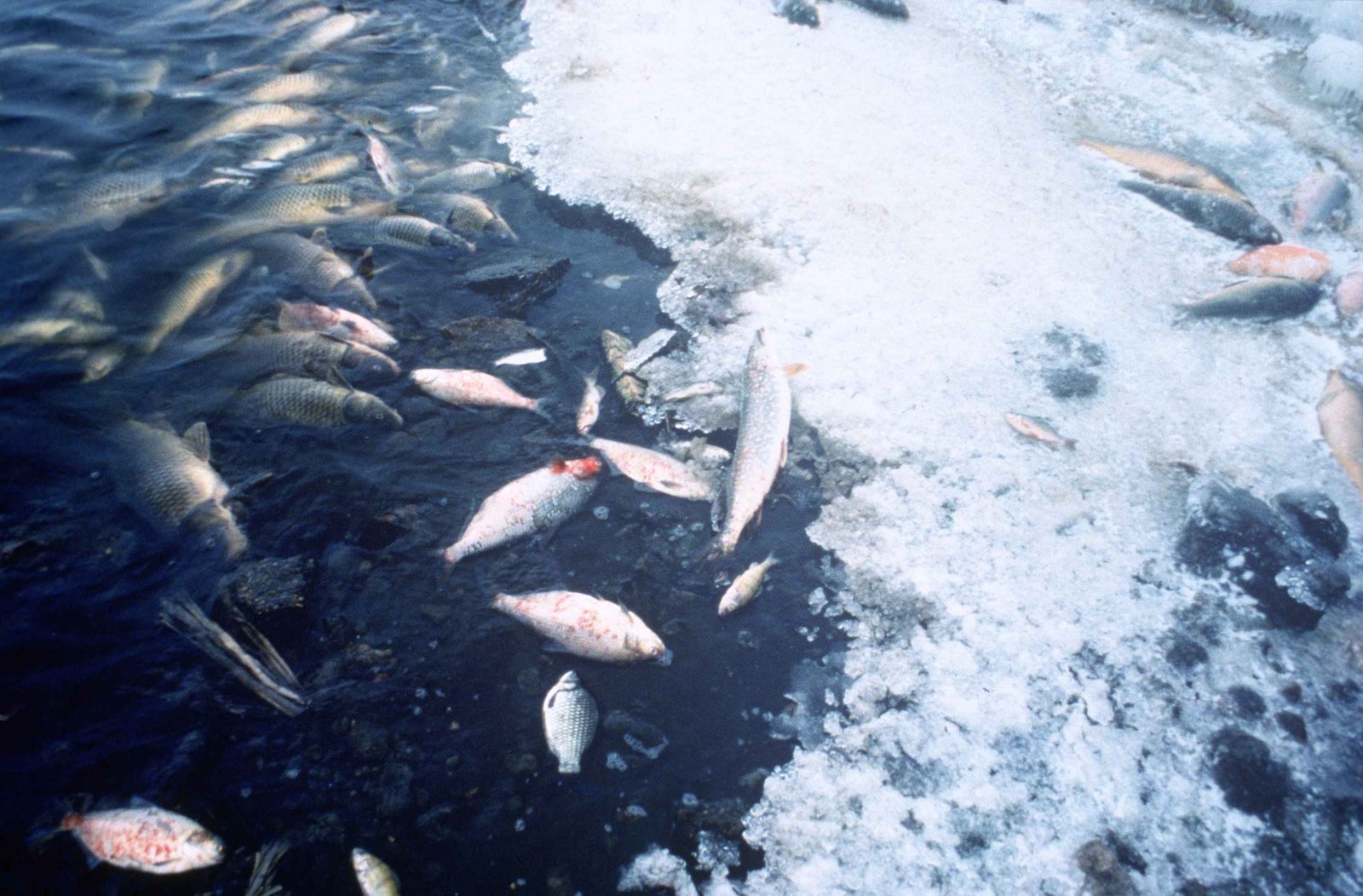
Research shows that warming can constrain productivity to the bottom of the food web by enhancing cyanobacterial biomass and reducing energy flow to higher trophic levels, and future warming could drive marine food web collapses to potentially simplified and less productive coastal systems. But we’re talking about something more extreme: total elimination of marine ecosystems. A study reviewing data from six hundred thirty-two published experiments covering tropical to arctic waters concludes that very few species will escape the negative effects, and the global marine food chain could collapse.
You need to understand that ocean food webs support terrestrial ecosystems in ways you probably don’t even realize. Seabirds depend on fish. Coastal predators hunt marine prey. Nutrients from the ocean fertilize coastal lands through natural cycles. The oceans are an important source of animal protein for billions of people and of associated livelihoods in the blue economy, as well as providing crucial wildlife habitat.
Remove marine life, and you’re looking at mass starvation for hundreds of millions who rely on seafood as their primary protein source. Commercial fisheries would obviously disappear. But the cascading effects would devastate agriculture through disrupted nutrient cycles and climate chaos. The ecological connections between land and sea run deeper than most people appreciate.
Dead Zones Would Become the Entire Ocean
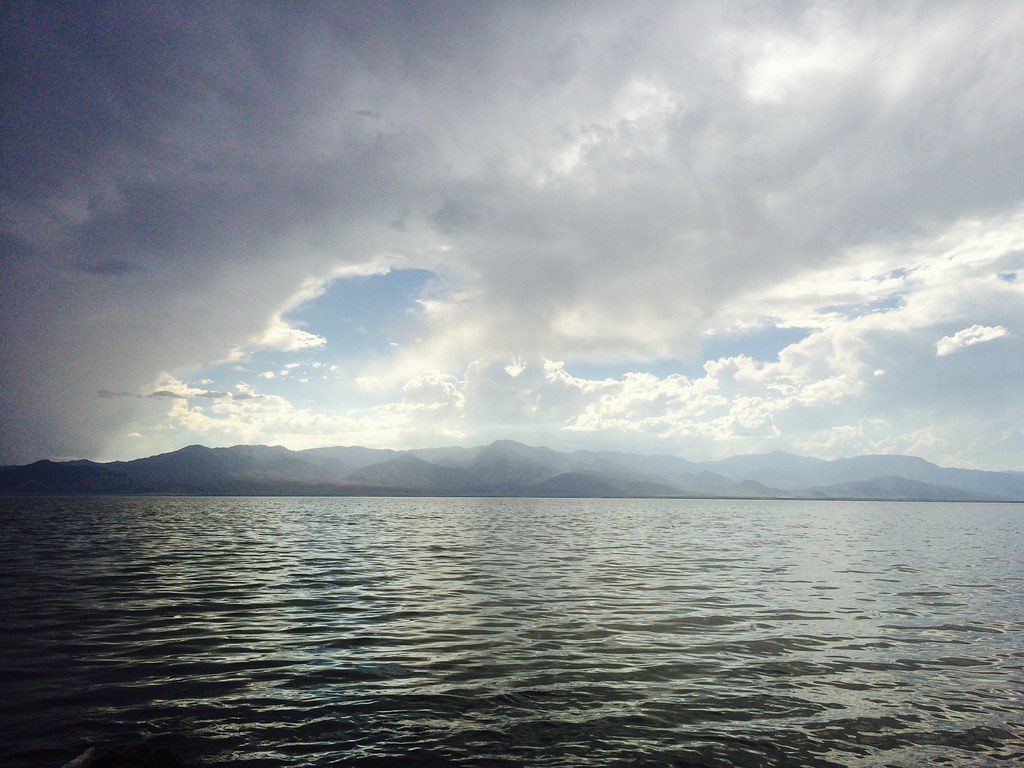
Ironically, without living marine organisms, the ocean wouldn’t stay empty for long. It would transform into something far worse. Dead zones arise when oxygen levels in seawater drop too low to support life, a condition called hypoxia, with the primary cause being nutrient pollution by nitrogen and phosphorus entering the ocean from farm fertilizers, sewage, and industrial waste. Currently, these zones are localized disasters.
In nineteen fifty, fewer than fifty hypoxic sites existed in Earth’s coastal areas, but today scientists know of at least five hundred, and as of twenty eighteen, the total area of open ocean water devoid of oxygen had increased fourfold, growing by more than four point five million square kilometers in just fifty years. Imagine that expansion continuing unchecked. Without phytoplankton producing oxygen, without marine animals maintaining biogeochemical cycles, the entire ocean becomes one massive dead zone.
The seafloor would become a graveyard of accumulated organic matter, undergoing anaerobic decomposition and releasing toxic gases. Bacteria would thrive in the absence of oxygen, fundamentally altering ocean chemistry in ways that make recovery nearly impossible.
The Loss of Earth’s Greatest Carbon Sink
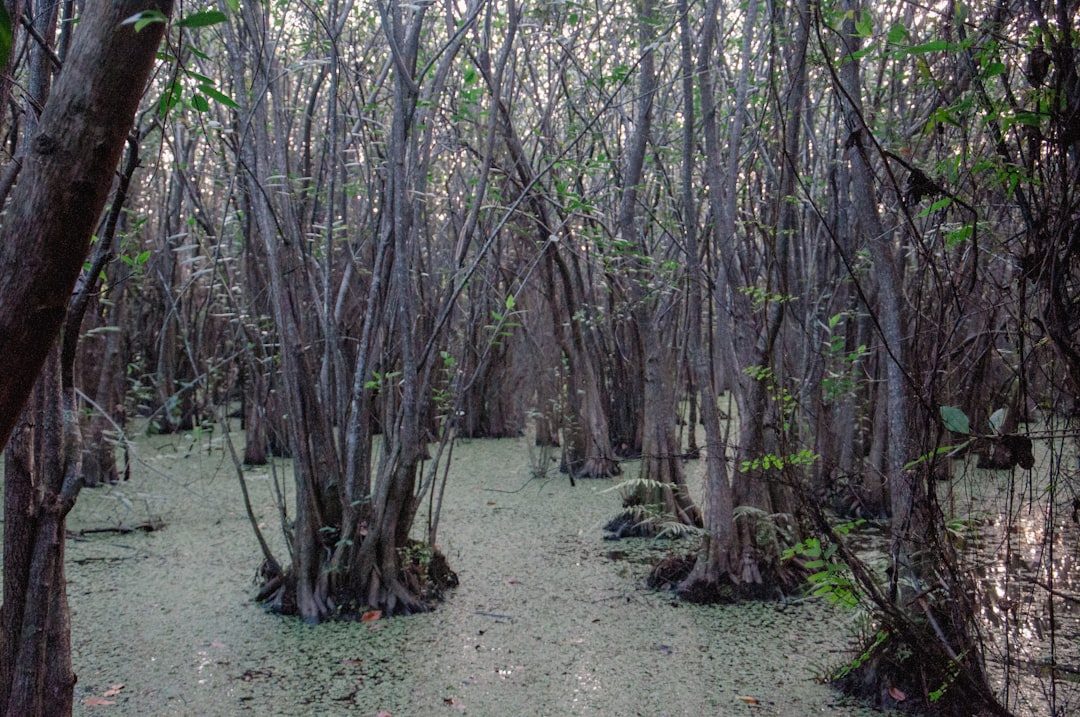
Think about this: Ocean habitats such as seagrasses and mangroves, along with their associated food webs, can sequester carbon dioxide from the atmosphere at rates up to four times higher than terrestrial forests. By some estimates, marine environments sequester up to thirty percent of human-caused carbon emissions annually, making them indispensable allies in the fight against climate change.
Without these blue carbon systems, you lose one of the planet’s most effective tools for fighting climate change. The Blue Carbon Initiative currently focuses on coastal ecosystems including mangroves, tidal marshes and seagrasses, which sequester and store large quantities of blue carbon in both the plants and the sediment below. These ecosystems don’t just store carbon, they actively pull it from the air and lock it away for millennia.
Marine animals themselves play a surprising role. Using a marine ecosystem model, scientists estimate that each degree of warming reduces macrofauna biomass and carbon export by four point two percent and two point four six percent respectively, and under a high emission scenario, fishing further amplifies reduction by up to fifty-six point seven percent, creating a sequestration deficit of fourteen point six gigatonnes of carbon by twenty one hundred. Lose all marine life, and that deficit becomes catastrophic.
Coastal Ecosystems Would Experience Total Destruction
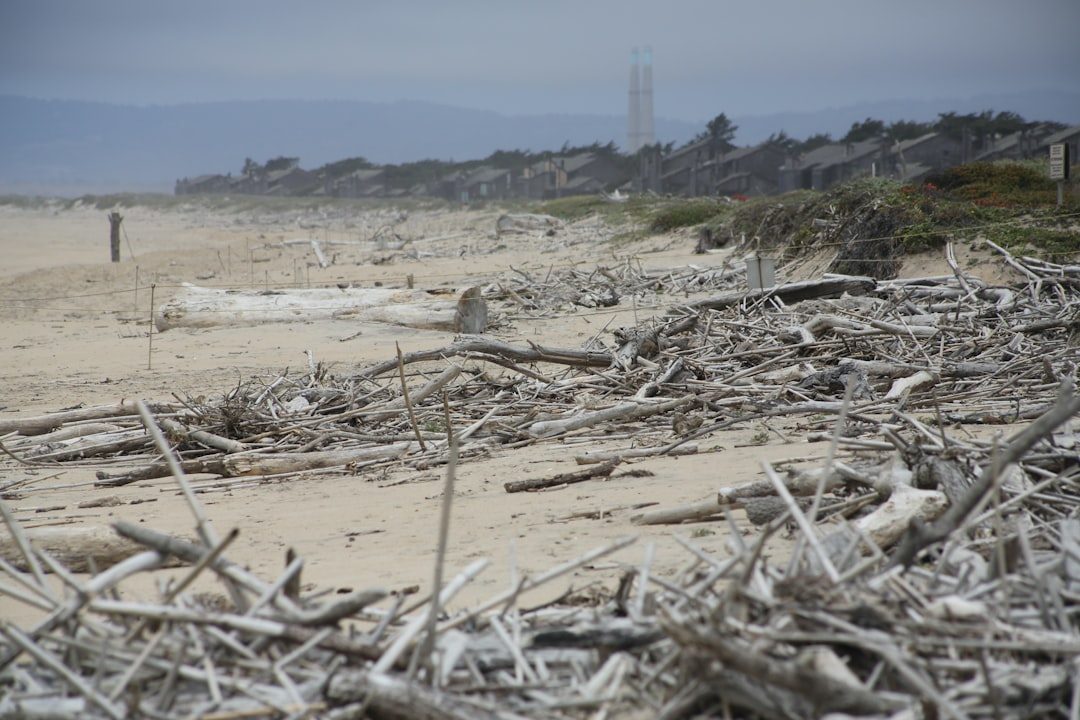
Coral reefs, mangrove forests, seagrass meadows. These aren’t just pretty postcards from tropical vacations. They’re critical infrastructure protecting coastlines from storms, filtering pollutants, and providing nursery grounds for countless species. Around six million people depend on coral reef fisheries, and these ecosystems offer essential services including shoreline protection, nitrogen fixation, waste assimilation, and tourism opportunities, yet repairing and regrowing corals takes many years or decades.
With all marine life gone, these protective barriers disappear. Storm surges would devastate coastal cities with nothing to break their force. Erosion would accelerate dramatically. Coastal lands would face saltwater intrusion, poisoning freshwater aquifers and agricultural fields. You’re looking at millions of climate refugees fleeing uninhabitable coastlines.
Mangroves are being lost at a rate of two percent per year, and experts estimate that carbon emissions from mangrove deforestation account for up to ten percent of emissions from deforestation globally, despite covering just zero point seven percent of land coverage. Now imagine losing them entirely, everywhere, all at once. The consequences would be immediate and devastating.
The Pharmaceutical and Biotechnology Disaster
Here’s something you might not have considered: marine organisms are a treasure trove of unique compounds that modern medicine depends on. Numerous antibiotics, antivirals, and anticancer drugs have been derived from marine species. Research into marine biotechnology constantly yields new discoveries with potential medical applications.
Lose ocean life, and you lose an entire pharmaceutical frontier. The genetic diversity found in marine ecosystems represents millions of years of evolutionary innovation. Compounds that help sea creatures survive extreme pressure, temperature, and chemical conditions often have applications in human medicine. Without marine biodiversity, you’re closing the door on countless potential cures and treatments for diseases that haven’t even emerged yet.
The biotechnology sector relies heavily on enzymes and proteins from marine organisms for everything from industrial processes to genetic research. Marine bacteria, for instance, have provided critical tools for molecular biology. This isn’t abstract science, it’s technology that touches your daily life in ways you probably don’t even recognize.
The Freshwater Crisis Nobody Saw Coming
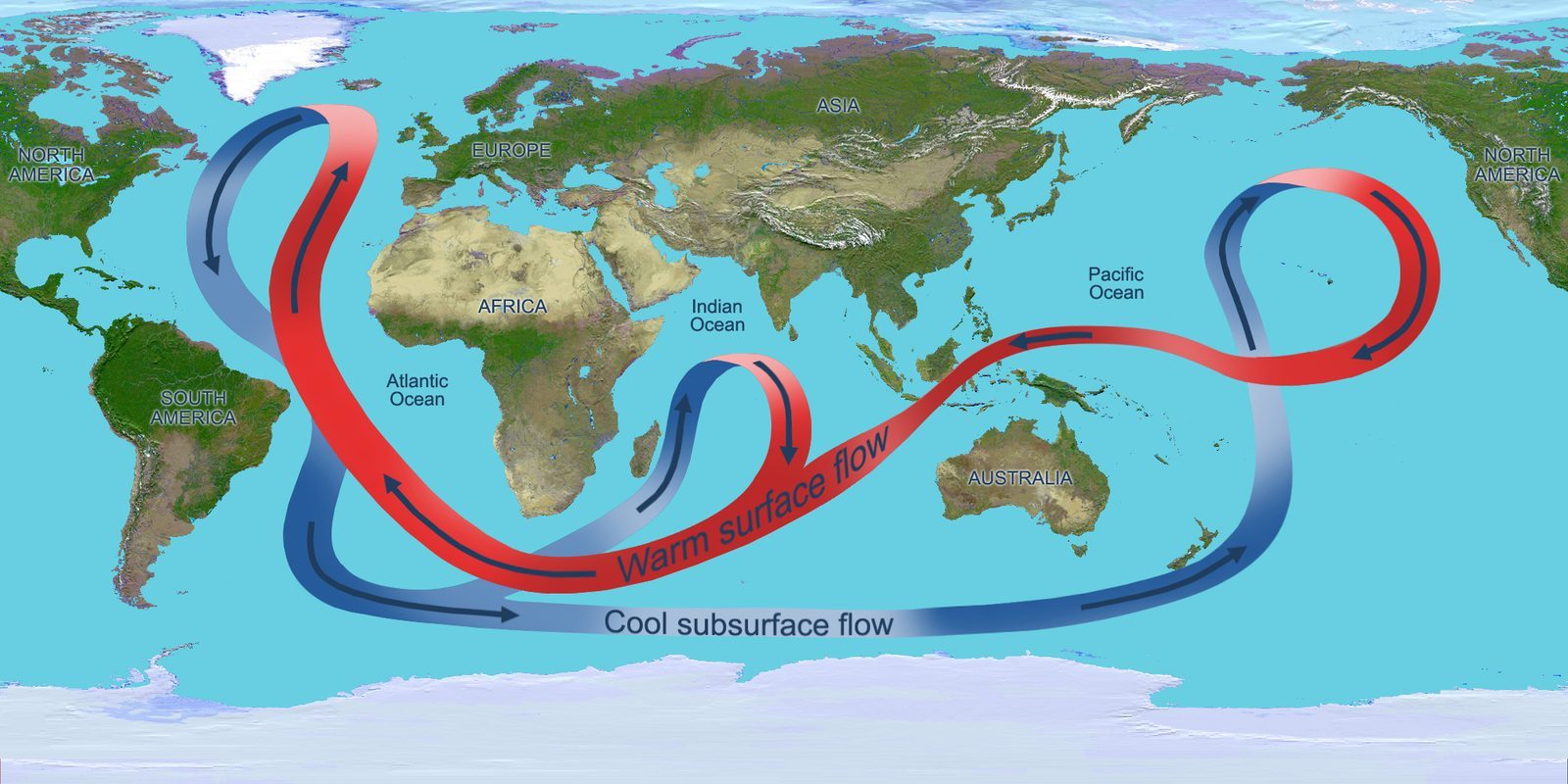
Ocean circulation patterns drive the water cycle that brings rain to continents. Marine life influences these patterns through complex interactions with ocean chemistry and temperature regulation. Without phytoplankton affecting surface temperatures, without whales stirring nutrient-rich deep waters toward the surface, without the countless small contributions every marine organism makes, ocean circulation would fundamentally change.
Rainfall patterns worldwide would shift dramatically and unpredictably. Regions that currently receive reliable precipitation might become deserts. Others could face devastating floods. Agriculture depends on predictable seasonal rains. Without marine life maintaining the oceanic systems that drive weather, you’re looking at global food production collapsing from the dual assault of climate chaos and water scarcity.
Coastal communities also depend on the ocean for desalination operations that provide drinking water. But without marine ecosystems to process nutrients and maintain water quality, the ocean becomes increasingly toxic and difficult to treat. The cost and complexity of producing freshwater would skyrocket just when demand peaks due to disrupted rainfall.
The Economic Implosion That Would Follow
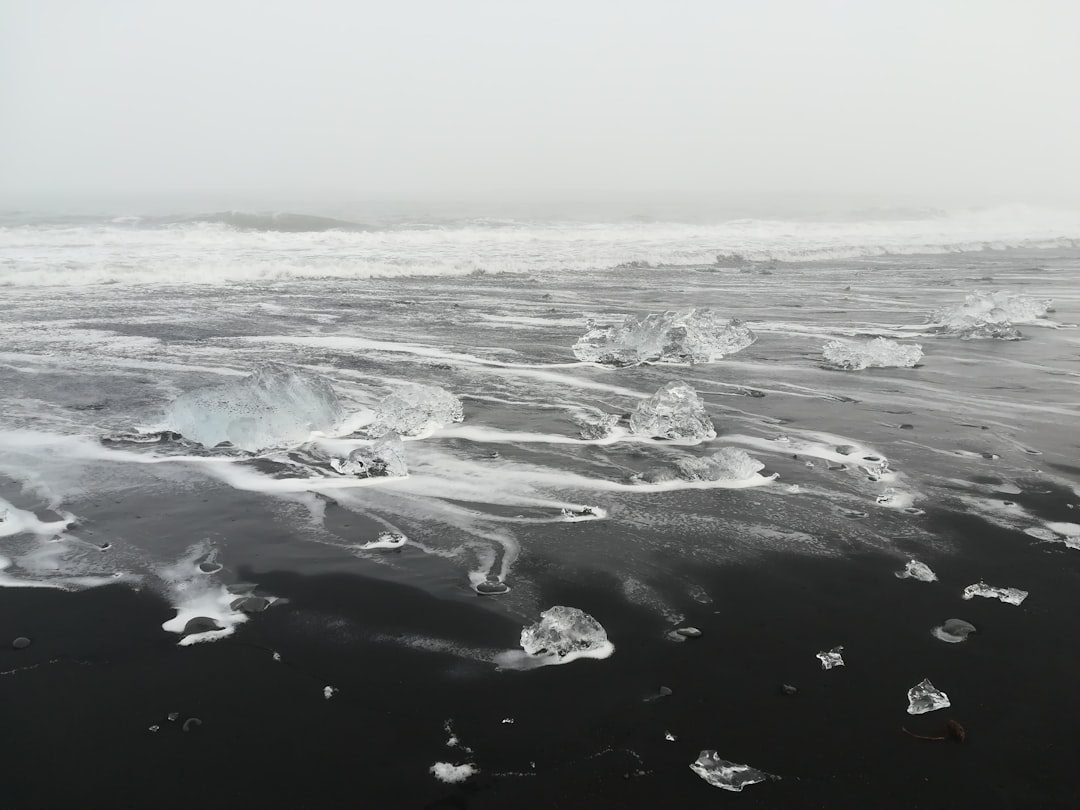
Dead zones have significant negative economic impacts, with coastal regions facing losses in fishing and tourism industries because destroyed marine life and undesirable coastal vistas decimate species like crabs, oysters, and fish that support the fishing industry, leading to reduced income for fishers, while algal blooms and poor water quality harm the hospitality industry. Now multiply that by every ocean on Earth.
Global fisheries currently provide livelihoods for hundreds of millions of people and food security for billions. Shipping routes cross oceans, and maritime trade forms the backbone of global commerce. Coastal tourism generates trillions in economic activity. All of this disappears overnight when ocean life vanishes. You’re talking about an economic collapse that makes the Great Depression look like a minor recession.
The insurance industry would implode under claims from coastal property damage. Real estate values along coastlines would crater. Entire nations whose economies depend on maritime activities would face bankruptcy. The global financial system, already interconnected and fragile, would spiral into chaos as these losses cascade through markets.
The challenges facing ocean food chains are significant for the hundreds of millions who depend on seafood for their livelihoods and nutrition, while degradation of coral reefs also threatens coastal protection, increasing vulnerability to storms and erosion. Extend this to complete ecosystem loss, and you’re looking at civilization-threatening disruption.
Can This Nightmare Scenario Be Prevented?
Let’s be honest, the complete disappearance of all ocean life is extremely unlikely. It would require catastrophic events on a scale beyond current threats. However, understanding this hypothetical scenario illuminates just how dependent you are on healthy marine ecosystems. A comprehensive analysis involving six hundred thirty-two studies on marine environments reveals that climate change is severely diminishing marine diversity and abundance.
The real danger isn’t sudden disappearance but gradual degradation. Research demonstrates that future warming could drive marine food web collapses to potentially simplified and less productive coastal systems. You’re watching this happen in slow motion right now. Overfishing, pollution, ocean acidification, warming waters. Each problem chips away at marine ecosystems, moving you closer to tipping points from which recovery becomes impossible.
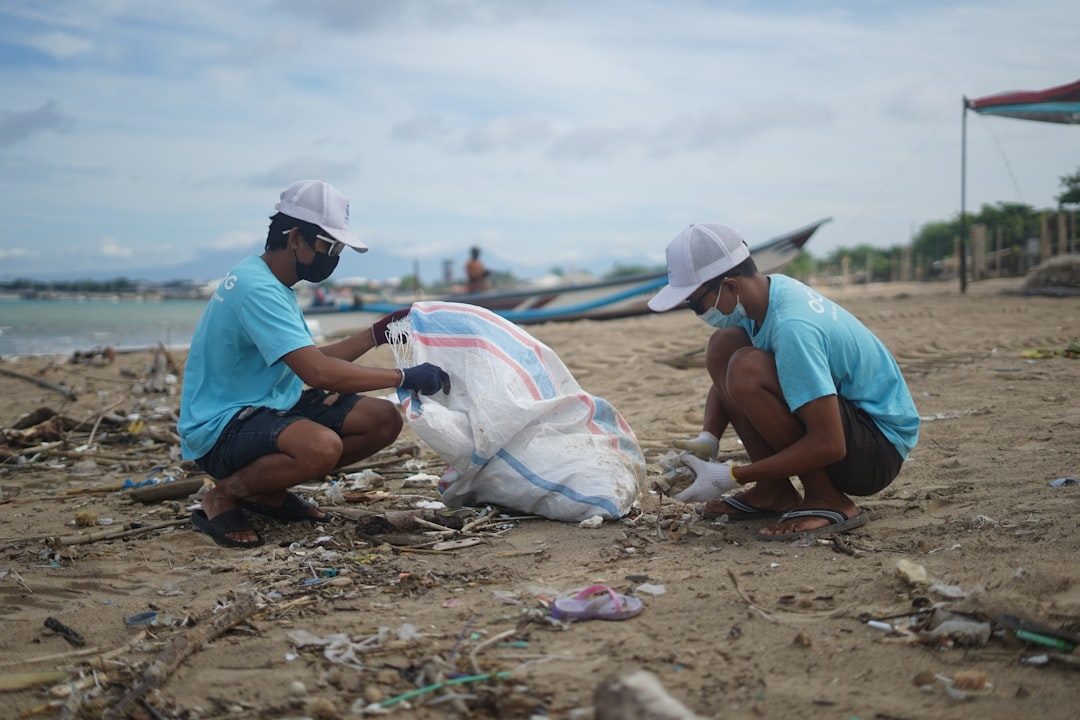
Protection requires action on multiple fronts: reducing greenhouse gas emissions, ending overfishing, creating marine protected areas, stopping pollution at its source, and restoring damaged habitats. The ocean has remarkable resilience when given a chance to recover. The good news is that ocean dead zones can recover. But that window of opportunity won’t stay open forever.
The catastrophic scenario we’ve explored here serves as a stark reminder: you cannot take the ocean for granted. Every fish, every microscopic organism, every coral polyp plays a role in maintaining the planet’s habitability. Lose them, and you lose the Earth as you know it. The question isn’t whether you can afford to protect marine life. It’s whether you can afford not to. What kind of world do you want to leave behind?