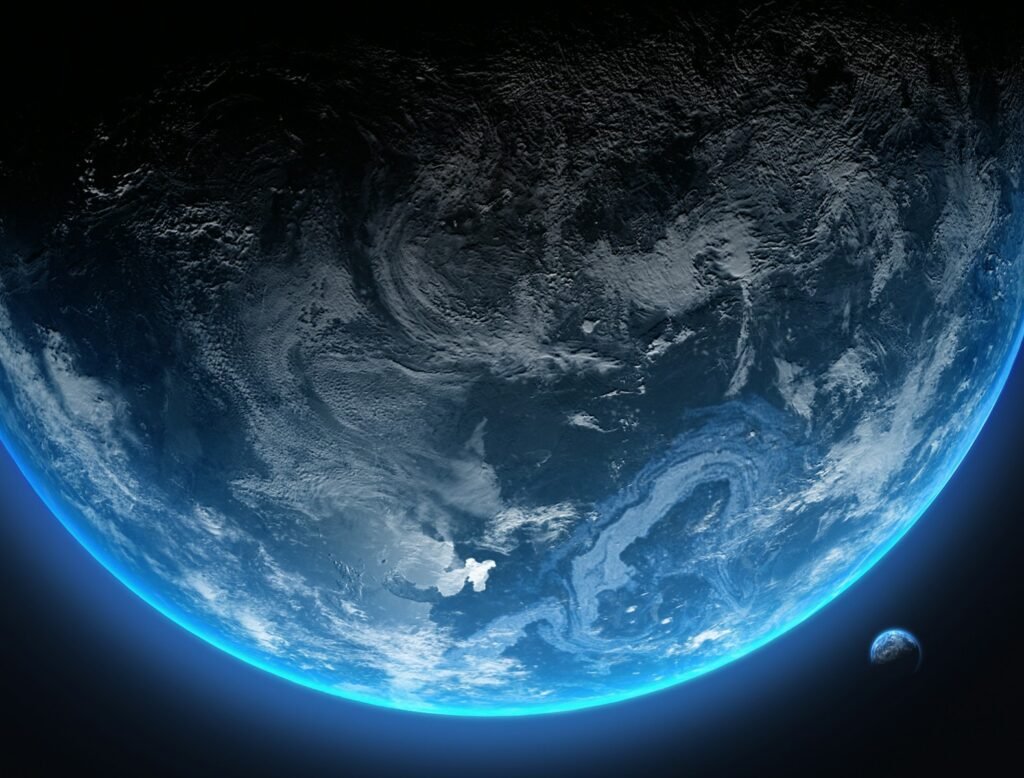

If you walked outside tonight and saw not one, but two bright moons hanging in the sky, it wouldn’t just be a pretty cosmic upgrade. It would be a planet-wide disruption, quietly rewriting the rules that have shaped life, climate, and oceans for billions of years. A second moon would tug at Earth’s crust and seas, scramble our calendar, and reshape coastlines in ways that feel more like slow-motion disaster than poetic science fiction. Yet it would also unlock new possibilities for exploration, energy, and perhaps even habitability. This is not about tearing the Sun from the sky; it is about a subtler, more unnerving shift: changing the very clockwork that Earth has grown used to. So what, exactly, would two moons do to our world – and could we survive the chaos that follows?
The First Night: A Planet Realizes Its Sky Has Changed
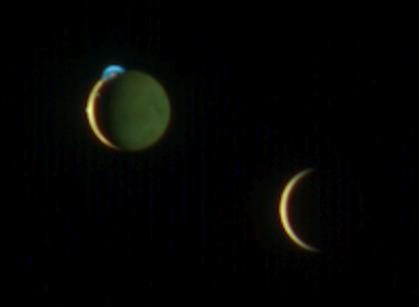
The first thing we’d notice is emotional, not scientific: the sky would simply feel wrong. A second moon – let’s imagine it smaller than our current one, perhaps about the size of Mars’s moon Phobos but brought in much closer – would rise and set on its own schedule, painting the night with twin glowing orbs. People who already struggle to sleep under bright full moons would find their nights increasingly washed in pale light, sometimes from two directions at once. Nocturnal animals that evolved to move, hunt, or hide in the cover of darkness would suddenly be forced to adapt to a world where darkness is rarer and less predictable. The psychological effect would be immediate, the biological consequences only beginning to unfold.
Within days, tides would reveal that this is not just a cosmetic makeover. Our existing Moon already raises the seas by several feet in many places; adding another gravitational partner would create tide combinations that range from mildly higher to brutally extreme. Coastal communities that time their lives around high tide and low tide would watch the old patterns go off the rails. There would be days when both moons line up and drag the oceans outward together, causing supertides that slam shorelines with water levels not seen in recorded history. This is the first sign that two moons do not simply share the sky – they compete for control of the entire Earth system.
Tides on Overdrive: When the Oceans Refuse to Behave
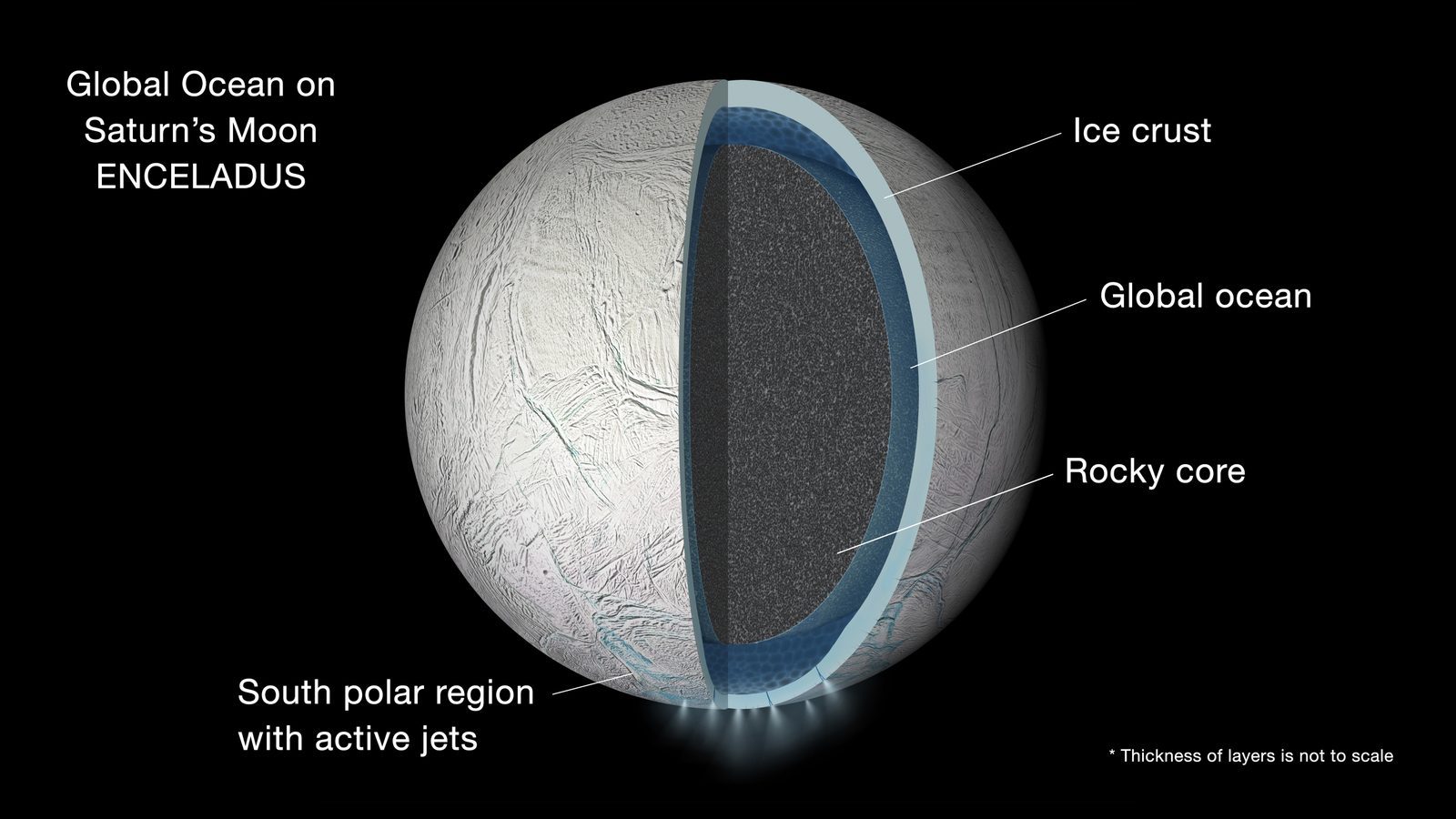
The biggest, most immediate physical change from a second moon would be in the tides, and it would be relentless. Instead of the relatively regular rhythm of two high tides and two low tides each day, coastal regions could experience complex, shifting patterns depending on where each moon is in its orbit. When both moons line up on the same side of Earth, their combined pull could raise tides dramatically higher than anything we plan for today, flooding low-lying neighborhoods and wetlands on a recurring basis. When they pull in opposite directions, the effect could partially cancel out, briefly calming the seas before the next alignment. The oceans would become less like a slow, breathing lung and more like a nervous system constantly spiking and crashing.
In practical terms, this means that harbors, ports, and coastal defenses built for current tidal ranges would be badly undersized. Imagine shipping lanes in places like the Gulf Coast, Bay of Fundy, or the Thames Estuary having to adjust to not just one predictable high tide, but a shifting schedule of extreme tides that sometimes arrive at inconvenient or dangerous hours. Coastal erosion would accelerate, biting away beaches and cliffs at a pace that outstrips what we see under today’s climate-driven sea level rise alone. Saltwater would intrude farther upriver and into groundwater, threatening drinking supplies and farmland. It is not an exaggeration to say that a second moon could make current debates about coastal resilience look almost conservative in hindsight.
The Moon’s gravity does not just move water; it very slightly flexes Earth’s solid crust, like a slow, invisible heartbeat. Add another moon, and you dial up those subtle stresses, especially if the new companion is close enough or follows an eccentric orbit. Over long timescales, this extra gravitational kneading could increase tectonic strain in some regions, particularly along already active fault lines and volcanic hotspots. While it probably wouldn’t turn stable continents into disaster zones overnight, it could change where and how often energy gets released. Places already on edge – like the Pacific Ring of Fire – might experience more frequent or differently timed quakes and eruptions.
Scientists would watch for tiny but telling shifts: slight changes in the timing of microquakes, the uplift or subsidence of land, or variations in magma movement under volcanoes. Just as we use today’s Moon tides to study subsurface processes, a second moon would become a kind of natural stress-test for Earth’s interior. The planet might respond unevenly, with some regions becoming more geologically restless while others quiet down as stresses redistribute. Over millions of years, that extra flexing could influence mountain building, basin formation, and even long-term volcanic gas release, subtly feeding back into climate. The clues would be written not only in the night sky, but in the cracked rocks beneath our feet.
From Ancient Rhythms to New Calendars: Life Under Double Moons
Our Moon has been a timekeeper for life almost as long as Earth has had oceans. Many marine species spawn, feed, or migrate based on the lunar cycle, and even some land animals and plants respond to moonlight in their behavior and growth. With two moons, that ancient rhythm would fracture into overlapping cycles that sometimes reinforce and sometimes conflict with one another. Sea turtles might crawl ashore under unexpectedly bright twin full moons, increasing their exposure to predators and human activity. Coral that rely on one precise bright night for mass spawning could find their reproductive signal drowned out or mistimed by the shifting dance of lunar light and tides.
Humans would not be immune to this disruption, either. Some studies suggest our sleep patterns may be subtly affected by the phase of the Moon, with people sleeping slightly less soundly near a full moon even in urban environments. Two moons means more nights of persistent brightness, and more irregular intervals when true darkness arrives. Astronomers would grit their teeth as deep, dark skies become rarer, complicating observations of faint galaxies and exoplanets. Calendars, traditionally based on a compromise between lunar cycles and Earth’s orbit around the Sun, would need rewriting – do you track the big moon, the small moon, or an average of the two? Religion, culture, agriculture, and navigation, all historically tied to the Moon, would be pulled into a new, confusing conversation about time.
Why It Matters: A Laboratory for Planetary and Climate Science
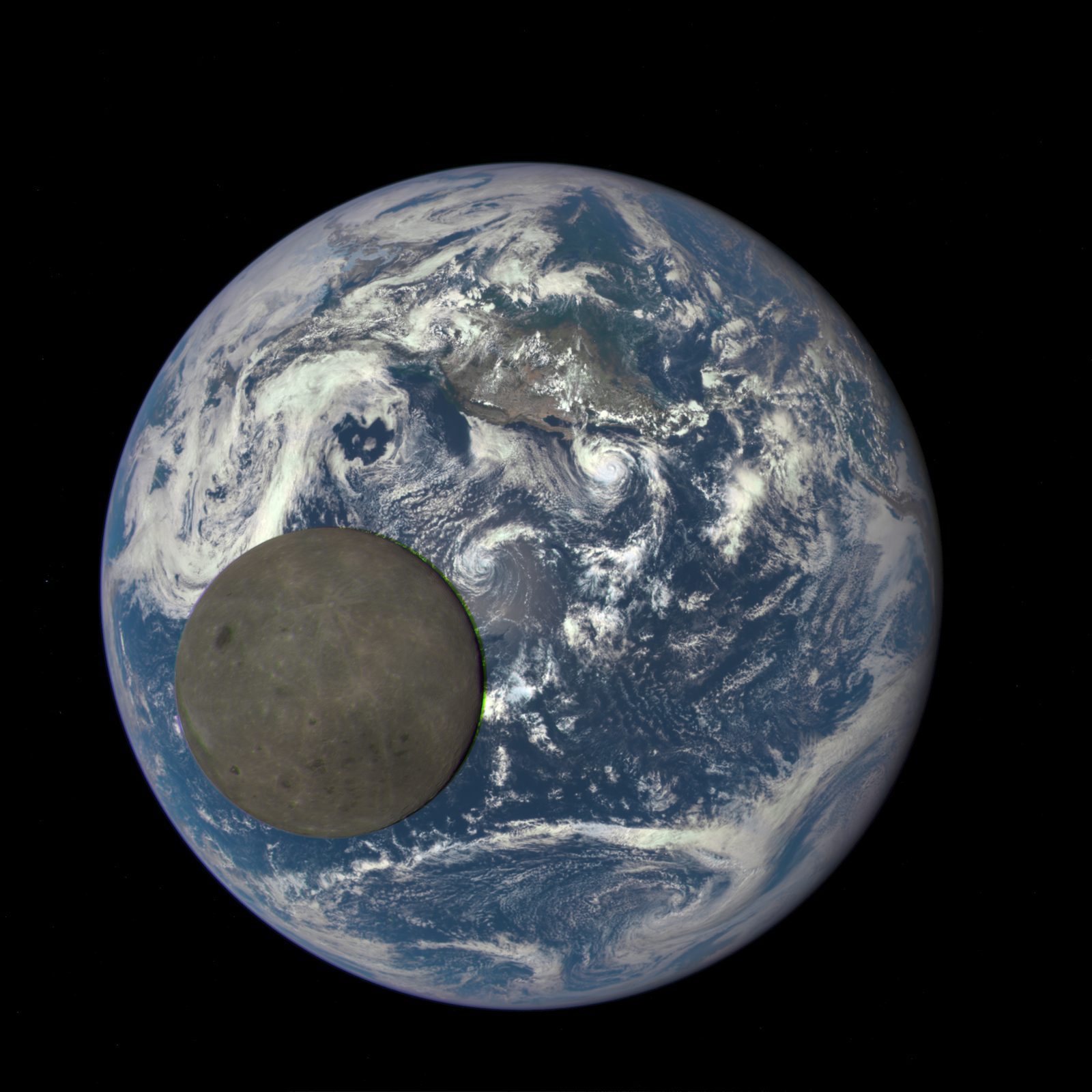
At first glance, the question of two moons might sound like pure speculation, the kind of thought experiment best left to science fiction. But it cuts to the core of how we understand planetary habitability and the delicate balance that makes Earth stable enough for complex life. A second moon would amplify the forces that already drive tides, tectonics, and climate, essentially turning Earth into a more extreme version of itself. In a universe where many exoplanets likely have multiple moons or entirely different moon systems, studying such a scenario helps scientists avoid assuming Earth’s current setup is the default. It reminds us that our stable, single-moon world is not guaranteed, but rather one specific outcome among many possible arrangements.
There is also a very practical angle: climate and coastal planning. Much of our infrastructure and long-term modeling implicitly assumes that the basic gravitational architecture of the Earth–Moon–Sun system is fixed. Thinking carefully about what would happen if that changed forces us to stress-test our assumptions about resilience. It reinforces the idea that even small shifts in external forcing – whether from gravity, solar output, or atmospheric composition – can have outsized and non-linear consequences. In that sense, the two-moon thought experiment doubles as a warning: if we struggle to cope with rising seas now, how would we handle a world where nature cranks the dial even higher?
Global Perspectives: Winners, Losers, and the Geography of Two Moons
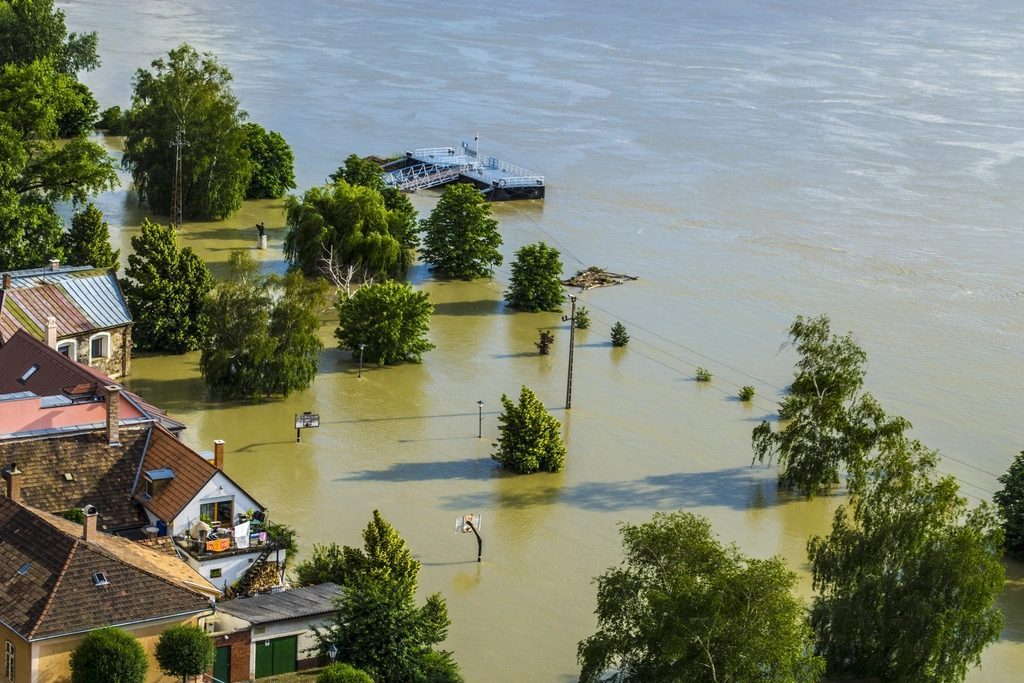
Not every region would feel the impact of a second moon in the same way. Just as today’s tidal ranges vary dramatically – from modest changes in the Mediterranean to astonishing swings in places like the Bay of Fundy – some coastlines would become far more hazardous than others. Low-lying delta systems, such as those in Bangladesh or the Mississippi River region, would likely suffer repeated flooding and saltwater intrusion as the extreme tides push farther inland. Island nations that already face sea level rise would be caught between shifting shorelines and increasingly unpredictable storm surges piled on top of amplified tides. For many communities, relocation might move from a long-term concern to an urgent reality.
Yet there could also be regions that quietly benefit, or at least adapt in opportunistic ways. Stronger tidal flows could enhance natural flushing in some polluted estuaries, helping break down contaminants and restore oxygen to stagnant waters. Certain coastal areas might harness the more powerful tides to generate tidal energy on a scale that makes today’s efforts look small, using turbines anchored in channels where the currents roar. Fishing communities might adjust their practices to new seasonal or tidal patterns of fish migration. As always, geography would decide who faces disaster and who finds ways to turn a changed world into a new kind of normal.
Engineering the Double Moon: Could Humans Ever Do This on Purpose?
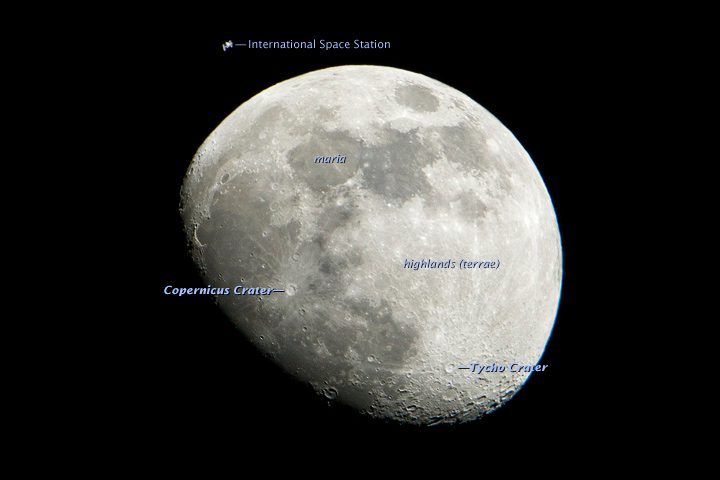
The idea of adding a moon is not entirely confined to fantasy; planetary engineers have occasionally toyed with scenarios where an asteroid or captured body is nudged into stable orbit around Earth. In practice, moving anything large enough to matter would be an astronomical engineering challenge, orders of magnitude beyond even our most ambitious space projects. The energy required to steer a sizeable object into a safe, long-term orbit without risking impact is simply staggering, and the potential unintended consequences are enormous. A small miscalculation could turn a theoretical second moon into a planet-killer. No serious space agency is proposing this as a real plan, and for good reason.
Still, the conversation around mega-engineering – terraforming Mars, building space-based solar power, or redirecting asteroids – often returns to the question of how much we should reshape planetary systems at all. Two moons become a cautionary tale about tinkering with gravitational balances we barely understand in full. Even if we someday possess the raw power to move small moons or icy bodies, the second-order effects on climate, tectonics, and biology would be dizzyingly complex. It is hard enough to manage the consequences of greenhouse gas emissions; deliberately altering Earth’s orbital companions would be like swapping out pieces in a clock while it is still running. The stakes, and the uncertainties, could not be higher.
The Future Landscape: Technology, Modeling, and Watching Other Worlds
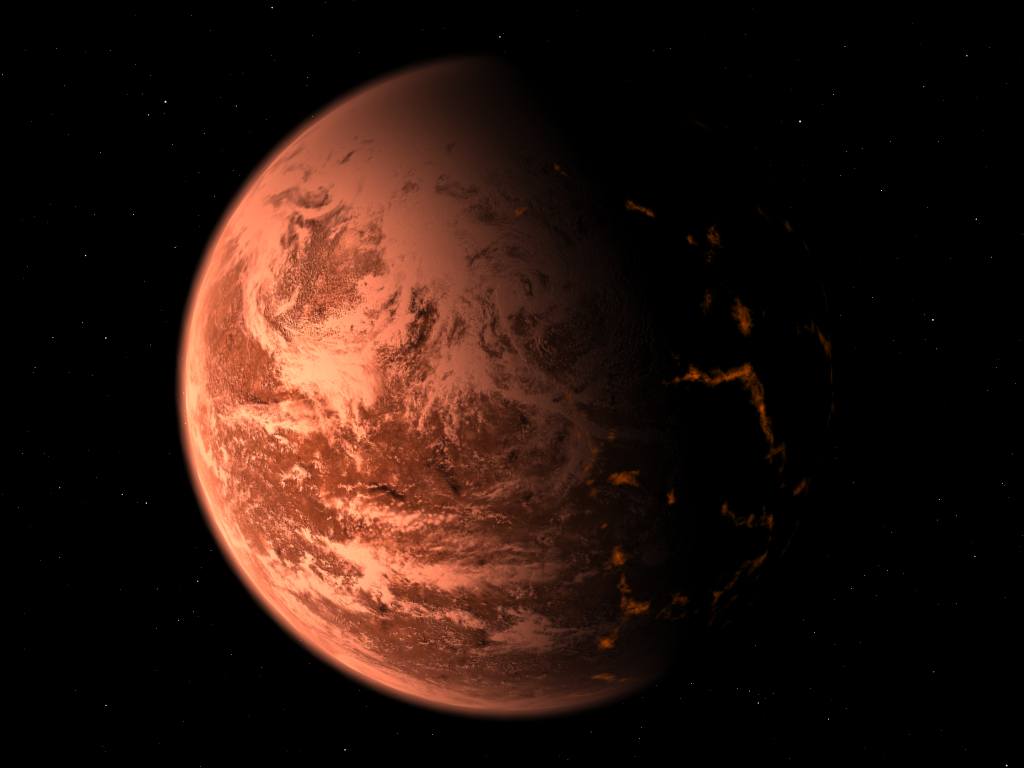
While we are not about to wake up under twin moons, our tools for understanding such a world are improving rapidly. High-resolution climate and ocean models can already simulate how changes in gravity and orbital parameters would ripple through tides, currents, and weather systems. By tweaking model inputs to mimic a second moon’s pull, scientists can explore which coastlines crumble first, which ecosystems bend or break, and how global circulation patterns might reorganize. These simulations do more than satisfy curiosity; they refine how we think about multi-moon exoplanets that telescopes are beginning to detect indirectly through their wobbles and shadows. As those observations get sharper, we may soon find real planets living under skyfuls of moons.
Future space missions could even focus on studying these multi-moon systems as analogs for alternate Earth histories. By measuring their atmospheres, climates, and perhaps even hints of biological activity, we gain a better sense of how robust – or fragile – habitability really is under more extreme tidal forcing. Back home, better Earth observation satellites will keep tracking our own tides, crustal movements, and biological responses to smaller-scale changes. In a sense, we are already running constant experiments on how a complex planet responds to shifting pressures. The double-moon scenario simply pushes that thinking to its logical, slightly unnerving frontier.
What You Can Do: Staying Curious on a Restless Planet
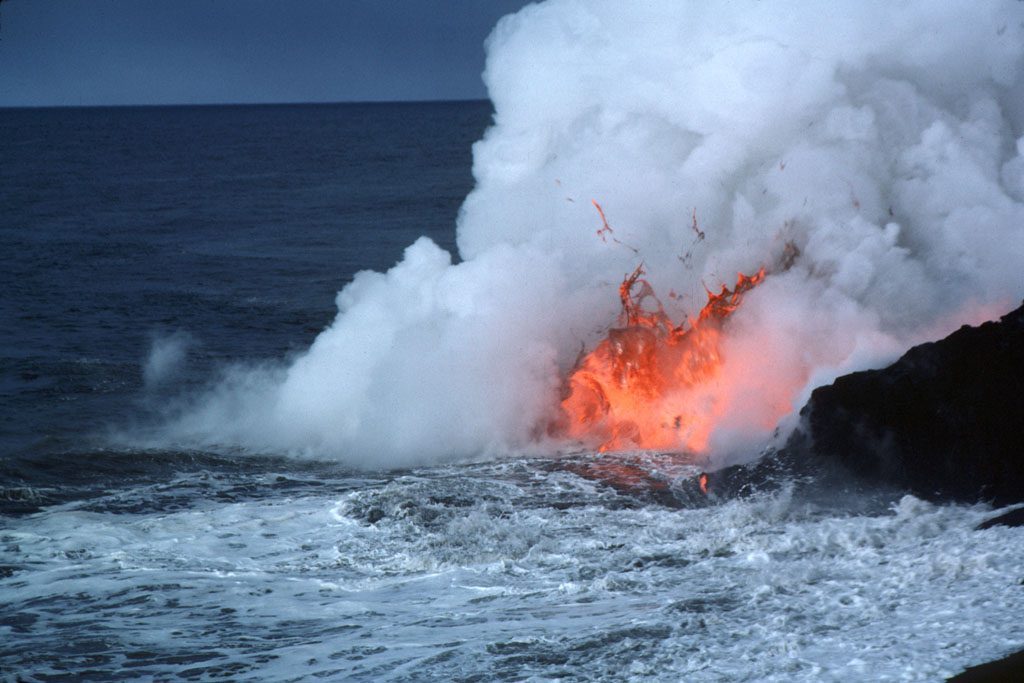
Most of us will never design a lunar-orbit model or write code for a climate simulation, but we are all living inside the experiment called Earth. Engaging with these what-if scenarios is not just entertainment; it sharpens our intuition for how interconnected everything is. A tug in the sky changes the pull on the seas, the stress in the crust, and the timing of a coral’s spawn – that is the sort of chain reaction worth understanding. You can start small by following research from space agencies, geological surveys, and ocean institutes that study tides, quakes, and planetary systems. Paying attention to how scientists piece together these puzzles makes it easier to spot when our world is shifting in ways that matter.
If you want to go further, support organizations that monitor coasts, fund earthquake and climate research, or advocate for resilient infrastructure. Encourage science education that includes planetary science and astrophysics, not just as distant trivia but as context for our own place in the universe. Most of all, stay curious about the sky above and the ground beneath you – they are talking to each other more than we realize. A second moon might never appear, but the forces it represents are already at work, silently reshaping our world day by day. The question is not just what would happen if Earth had two moons, but whether we are paying close enough attention to the one we already have.
Suhail Ahmed is a passionate digital professional and nature enthusiast with over 8 years of experience in content strategy, SEO, web development, and digital operations. Alongside his freelance journey, Suhail actively contributes to nature and wildlife platforms like Discover Wildlife, where he channels his curiosity for the planet into engaging, educational storytelling.
With a strong background in managing digital ecosystems — from ecommerce stores and WordPress websites to social media and automation — Suhail merges technical precision with creative insight. His content reflects a rare balance: SEO-friendly yet deeply human, data-informed yet emotionally resonant.
Driven by a love for discovery and storytelling, Suhail believes in using digital platforms to amplify causes that matter — especially those protecting Earth’s biodiversity and inspiring sustainable living. Whether he’s managing online projects or crafting wildlife content, his goal remains the same: to inform, inspire, and leave a positive digital footprint.