The United States is often pictured as a land of soaring eagles, wide-open plains, and big charismatic mammals, but some of its most imperiled citizens move quietly under rocks, in swamps, and through desert sand. While most people never see them, several of the nation’s reptiles are now teetering at the edge of extinction, squeezed by habitat loss, climate shifts, and human indifference. These animals are not just background creatures; they are predators, seed dispersers, and ecological engineers that help keep ecosystems stable. Scientists are now racing to map their last strongholds, decode their biology, and figure out how to pull them back from the brink before silence falls over the habitats they’ve ruled for millennia.
The Hidden Clues: Kemp’s Ridley Sea Turtle’s Vanishing Nesting Beaches
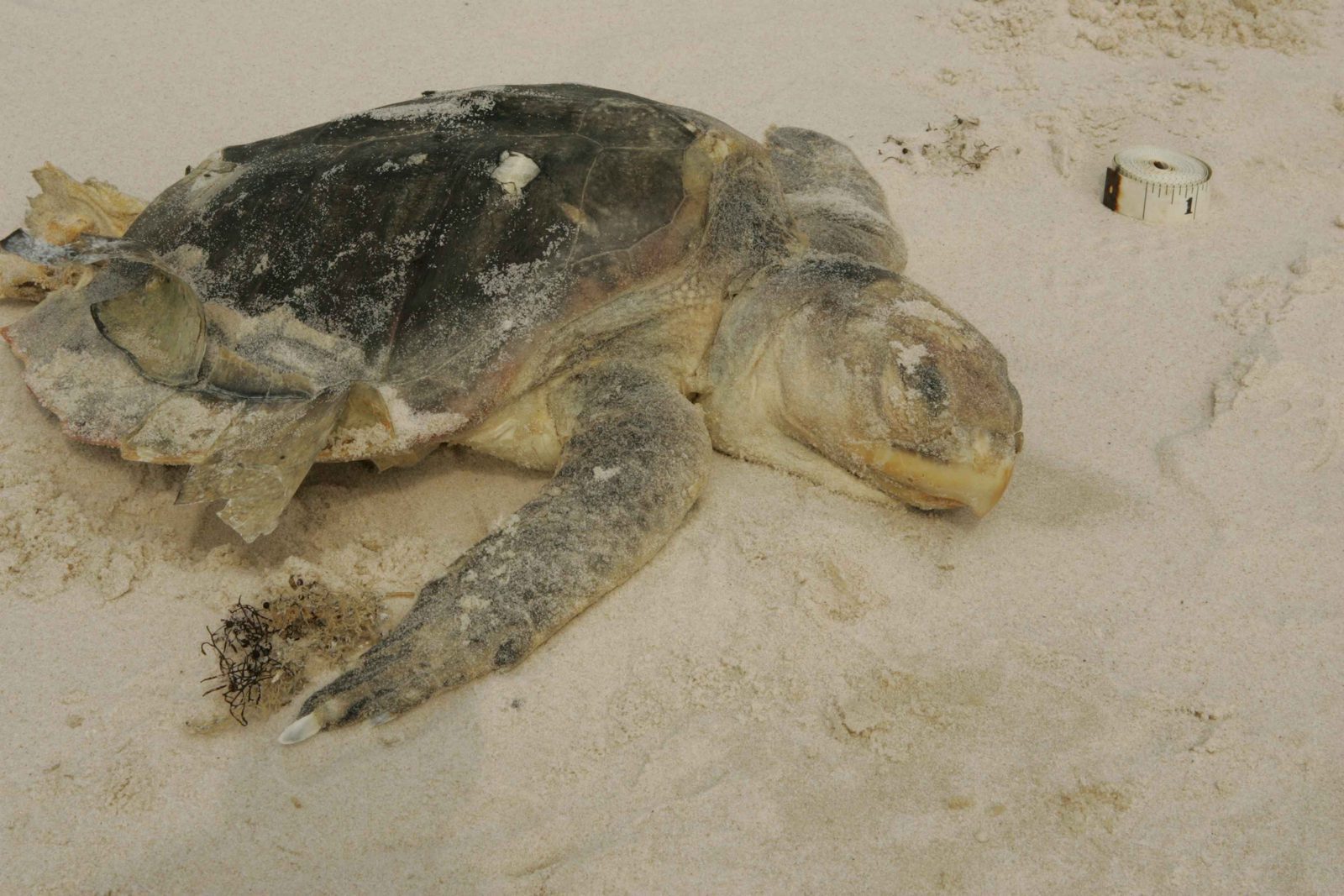
Of all the sea turtles found in US waters, the Kemp’s ridley is the smallest and one of the most endangered, with most of its nesting concentrated in the Gulf of Mexico. For decades, scientists have watched the number of females crawling onto sandy beaches rise and fall like a fragile heartbeat, tied directly to human pressures from fishing, coastal development, and pollution. In Texas, places like Padre Island National Seashore have become both a sanctuary and a frontline, where biologists patrol the sand at dawn searching for track marks that might be the only evidence a turtle has survived long enough to lay eggs. The clues they find are sometimes heartbreaking: collapsed dunes from storms, tire tracks through nesting zones, and clutches destroyed by predators emboldened by human-altered landscapes.
The story is not pure tragedy, though, and that nuance matters for understanding how conservation works. Intensive protection of nesting females and relocation of vulnerable clutches into safer, fenced incubation sites have helped some numbers inch upward since the darkest days of the late twentieth century. Still, this recovery is precarious, because climate-driven sea level rise and stronger hurricanes threaten to strip away the very beaches that turtles need. The Kemp’s ridley has become a living barometer for the health of the Gulf, revealing how tightly tied marine life is to decisions made by coastal planners, fisheries managers, and ordinary beachgoers.
From Ancient Sands: Gila Monsters and the Fragile Desert Web
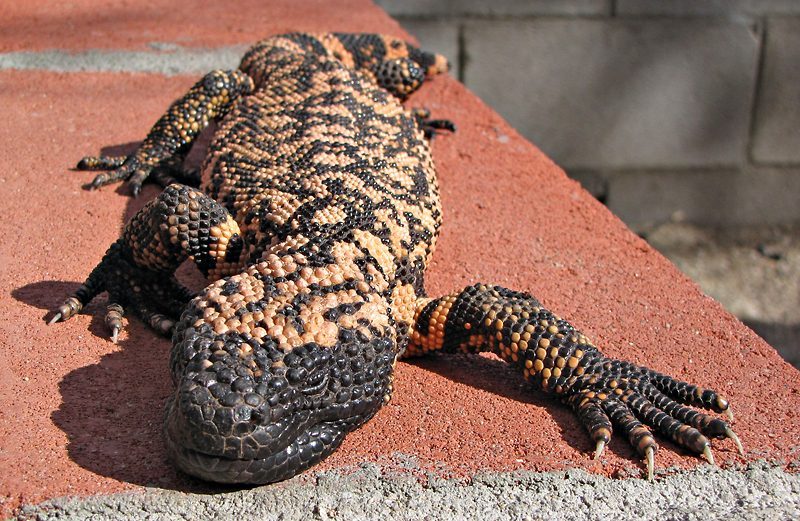
The Gila monster, native to the American Southwest, is one of the few venomous lizards on Earth, and it lives a life so secretive that many locals have never seen one in the wild. This species spends most of its time hidden underground, emerging mainly in the spring to feed on bird eggs, small mammals, and other reptiles, making it a slow-moving but important desert predator. Urban expansion around cities like Phoenix and Las Vegas has steadily carved up its habitat, fragmenting the creosote scrub and rocky washes where it once roamed relatively undisturbed. Roads slice the landscape into risky corridors, and Gila monsters, already naturally slow, are no match for fast-moving vehicles.
There’s a twist here that often surprises people who see reptiles as expendable: compounds derived from Gila monster saliva helped inspire drugs for treating type 2 diabetes, turning this lizard into an unlikely contributor to modern medicine. That alone should be enough to make policymakers pause before allowing yet another housing development to eat into intact desert. Even where the species is not yet formally listed as endangered, regional populations are declining, signaling that the desert web is under intense stress. The fate of the Gila monster hints at a larger question: if we cannot protect an animal that has given us life-changing medicine, what does that say about our priorities?
Swamp Ghosts: American Crocodiles at the Edge of Salt and Fresh Water
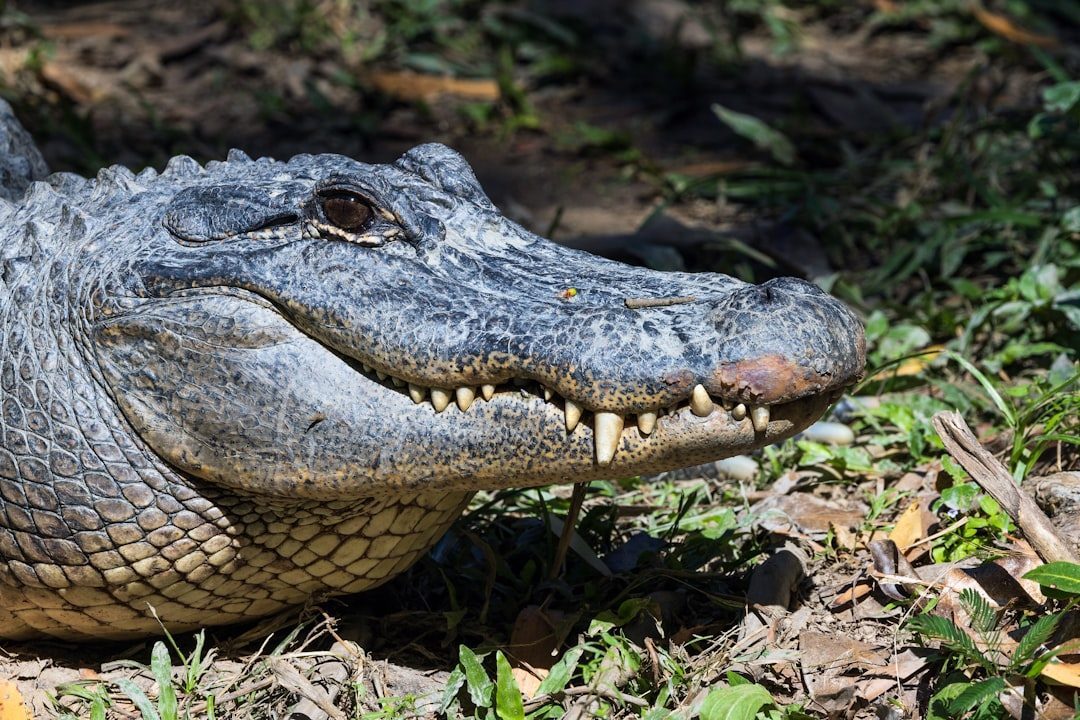
Along the southern tip of Florida, at the razor-thin boundary where salt water, brackish creeks, and freshwater marsh collide, the American crocodile clings to a foothold in the United States. Unlike its more famous cousin, the American alligator, this crocodile has a narrower range and far smaller population on US soil, making every nesting female critical. For years, biologists monitored nests along canals, causeways, and mangrove islands, finding that babies were often lost to fluctuating water levels, predators, or simple human disturbance. Coastal development and the straightening of waterways changed how fresh and salt water mixed, which in turn altered the delicate nesting microhabitats crocodiles rely on.
Ironically, the massive network of cooling canals used by power plants in South Florida has become a sort of accidental refuge, giving crocodiles calm, warm water where they can sometimes thrive. But this odd dependence on industrial infrastructure is a reminder that their natural world has shrunk dramatically. Rising seas and stronger storm surges threaten nesting banks, while changes in water management could alter salinity levels beyond the tolerance of eggs and hatchlings. The American crocodile’s struggle is a warning signal about coastal resilience, showing how engineering decisions built for humans can either quietly support or quickly erase other species.
Forest Relics: Bog Turtles and the Disappearing Wetlands
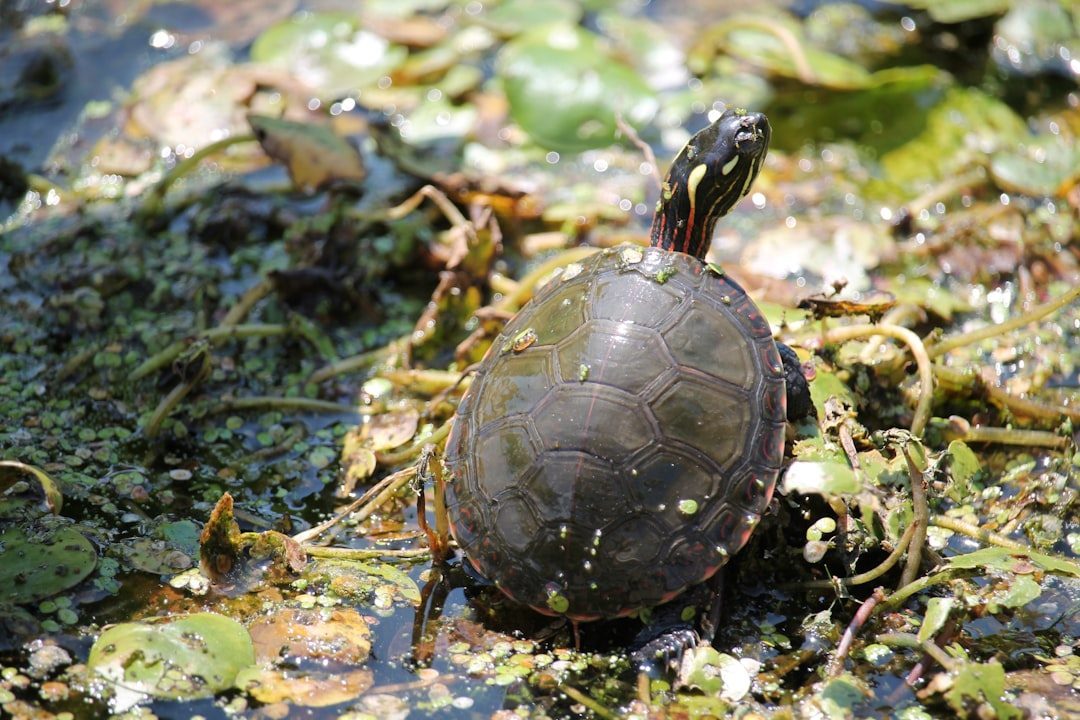
The bog turtle is the smallest turtle in North America, with adults small enough to sit easily in a human palm, and it has become a symbol of vanishing wetlands from Georgia to New York. These turtles rely on spring-fed fens and marshes with soft, mucky soils rich in sedges and sphagnum moss, habitats that are highly vulnerable to drainage for agriculture, development, and road building. When a wetland is ditched or filled, bog turtles lose not only their home but also the intricate network of tunnels and runways they use to move, feed, and escape predators. As a result, many remaining populations are isolated in tiny pockets of habitat, cut off from each other like islands in a dry, cultivated sea.
Conservation biologists often describe bog turtles as umbrella species, because protecting their fens also safeguards a host of rare plants, insects, and amphibians. Their decline has pushed agencies to rethink how they regulate wetlands, since small, patchy fens can be overlooked by broad policies that focus on larger lakes or marshes. Land trusts and private landowners now sometimes work together to keep cattle out of fragile areas, restore natural hydrology, and control invasive plants that crowd out native sedges. The bog turtle’s story proves that even a shy, fist-sized reptile can force a broader conversation about how much of the pre-settlement landscape we are willing to let vanish.
Island Secrets: San Francisco Gartersnakes on the Urban Fringe

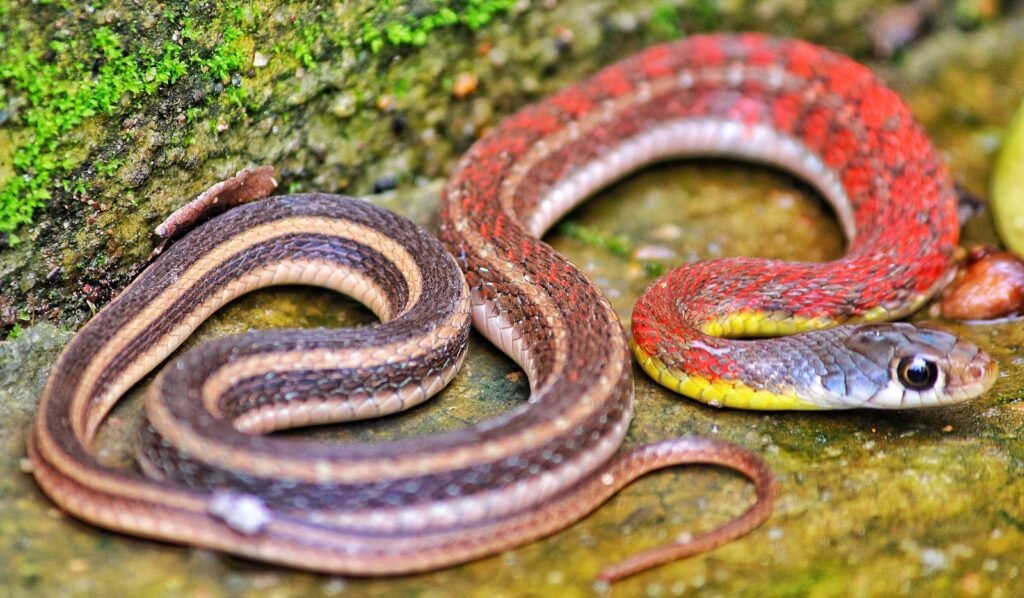
Just a short drive from one of the busiest tech hubs on Earth lives one of the most striking snakes in North America: the San Francisco gartersnake. With electric blue-green sides, red racing stripes, and a sharply patterned head, this snake looks like it escaped from an artist’s palette rather than a wetland fringe. Historically found in wet meadows and marshes on the San Francisco Peninsula, it has been hammered by urban sprawl, road construction, and the draining of ponds that once supported abundant amphibians, its primary prey. Illegal collection for the pet trade has piled on yet another threat for an animal already struggling to find safe space.
Today, many of the remaining populations exist in or near protected lands and reservoirs, but that safety is never absolute. Changes in water management, invasive bullfrogs, and fluctuating populations of native frogs can all ripple through the food web, hitting gartersnakes hard. Conservationists have responded with detailed habitat models and careful monitoring, sometimes using environmental DNA in water samples to detect the presence of rare snakes without ever seeing them. The San Francisco gartersnake is a vivid example of how a species can be both geographically close to millions of people and almost totally invisible in everyday life.
Why It Matters: Reptiles as Climate Barometers and Ecosystem Engineers
Reptiles tend to be overlooked in conservation priorities compared with birds and mammals, but ecologists increasingly see them as vital climate barometers and ecosystem engineers. Many of the sit at key points in food webs, controlling pest species, consuming carrion, and influencing vegetation by what they eat and where they move. Because their body temperatures and reproductive cycles are so closely linked to environmental conditions, shifts in nesting success or activity timing can signal subtle climate disruptions long before we notice them in larger animals. In that sense, a declining turtle or lizard population can act like a cracked gauge on a dashboard, warning that something is fundamentally off.
Compared with traditional conservation narratives that focus on single flagship species, reptiles force scientists and policymakers to think more deeply about habitat networks, microclimates, and long-term landscape planning. A bog turtle fen cannot simply be swapped for an artificial pond, and a sea turtle nesting beach cannot be fully replaced by a hatchery. Protecting these animals means tackling land use decisions, emissions, water management, and even night lighting that disorients hatchlings on shorelines. When we make room for reptiles, we are really making room for functioning ecosystems that can better withstand the shocks of the coming decades.
From Ancient Tools to Modern Science: New Ways to Track Old Survivors
For most of human history, learning about reptiles meant watching tracks in sand, listening for rustles in the grass, and peering under logs, a kind of slow detective work that many field biologists still love. Today, that ancient tracking instinct has been supercharged by satellite tags, tiny radio transmitters, and genetic tools that can reveal family trees and hidden movement patterns. For example, satellite telemetry on sea turtles has mapped migration routes stretching from the Gulf of Mexico to the Atlantic, exposing hotspots where fisheries bycatch is especially deadly. In wetlands and rivers, researchers increasingly use environmental DNA, filtering water samples to detect the genetic traces of turtles and snakes that might never surface while humans are watching.
This blend of old and new is transforming how quickly scientists can detect declines and respond. Instead of waiting years for visual surveys to confirm that a population is fading, managers can spot warning signs in a single field season using a mix of on-the-ground observation and lab analysis. Data from these tools feed into sophisticated computer models that predict how reptiles will respond to different climate scenarios or development plans. That means conservation strategies no longer have to rely solely on intuition; they can be stress-tested like engineering designs before being rolled out on real landscapes.
Global Perspectives: US Reptiles in a Worldwide Extinction Crisis

The plight of does not exist in isolation; it is part of a much larger global pattern in which reptiles are disappearing at an alarming rate. International assessments suggest that roughly about one fifth of reptile species worldwide are at risk of extinction, with habitat destruction and invasive species topping the list of drivers. American species like the Kemp’s ridley sea turtle, American crocodile, or bog turtle are therefore both local conservation stories and pieces of a global puzzle. When biologists share data across borders, they can compare how similar threats play out in different regions and see which solutions might transfer.
In practical terms, that might mean US researchers collaborating with colleagues in Mexico or the Caribbean to design cross-border marine protected areas, or sharing captive-breeding strategies for critically endangered turtles. It also shapes trade regulations, since many reptiles suffer from illegal collection for the pet and skin trades, markets that seldom respect national boundaries. The United States, as both a consumer and protector, has a complicated role to play in tightening enforcement while supporting sustainable livelihoods in exporting countries. Framing American reptile conservation within this global context helps shift the narrative from one of isolated crises to a shared, planetary responsibility.
The Future Landscape: Climate Shifts, Assisted Migration, and Tough Choices

Looking ahead, the biggest wildcard for endangered reptiles in the US is how quickly and unevenly the climate will change across their ranges. Rising temperatures can skew sex ratios in species like sea turtles, where incubation temperature determines whether hatchlings are mostly male or female, while altered rainfall patterns can dry out bogs and fens critical for turtles and snakes. Sea level rise threatens to drown coastal nesting sites faster than natural sedimentation can rebuild them, forcing hard conversations about whether to armor shorelines for houses or retreat to protect habitat. In mountain and desert systems, reptiles may find themselves with nowhere cooler or wetter to move as lower elevations become inhospitable.
These pressures are pushing scientists to consider more controversial tools, such as assisted migration, where species are deliberately moved to new areas that may be more suitable in the future. That kind of intervention carries real risks, including unforeseen impacts on existing ecosystems, but doing nothing also carries the risk of watching unique lineages vanish. Emerging technologies, from more precise climate models to genomic tools that might help identify traits linked to resilience, will shape which options are realistic. The choices society makes in the next few decades will determine whether these reptiles remain rare but living threads in the country’s ecological fabric or fade into museum specimens and field notes.
Conclusion: How Everyday Decisions Shape Reptile Survival
For readers who live far from sea turtle beaches or desert canyons, it can be tempting to assume that endangered reptiles are someone else’s problem, managed by distant agencies and scientists. But the truth is that everyday choices about energy use, land development, and even outdoor recreation ripple outward to affect these species. Supporting land trusts and conservation organizations, showing up to local planning meetings, and backing policies that protect wetlands and coastlines all create political space for stronger protections. Even simple steps like keeping dogs leashed in sensitive areas, staying on marked trails, and avoiding disturbance of nesting beaches can reduce direct harm.
On a broader level, pushing for climate action, from improving public transit options to backing clean energy projects, strikes at one of the root drivers of reptile decline. Citizen science projects that invite people to report turtle crossings, snake sightings, or nesting activity can feed valuable data back into research programs. Schools, museums, and zoos can use these species as case studies, turning fear or indifference into curiosity and respect. The question each of us faces is deceptively simple: when future generations ask what we did while these ancient reptiles were slipping away, what story do we want to tell?