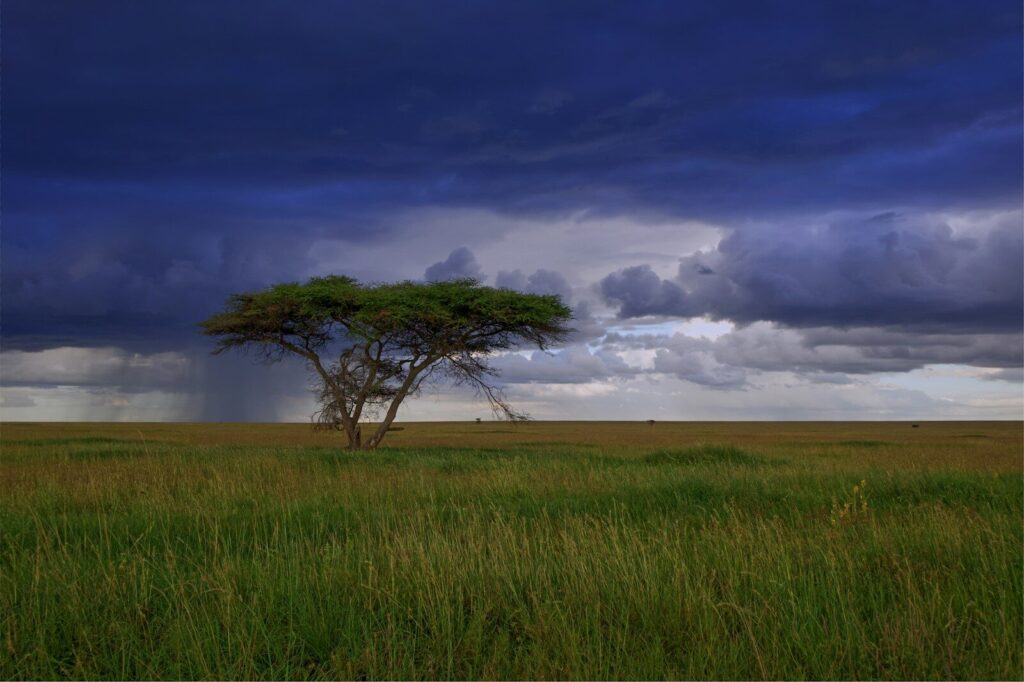
Across thousands of years, entire societies have risen, flourished, and then disappeared – not only because of war or politics, but because the planet itself turned against them. From megadroughts that emptied once-mighty rivers to volcanic winters that darkened the sky, Earth’s forces have repeatedly reshaped the human story. Today, scientists armed with ice cores, lake sediments, radiocarbon dates, and satellite imagery are revisiting these collapses and finding a striking pattern: when the environment shifted too fast or too far, even the most sophisticated cultures could not cope. These ancient disasters are no longer just curiosities; they are case studies in what happens when climate stress meets social fragility. And as we confront our own era of rapid change, their stories feel less like distant myths and more like unsettling mirrors.
The Akkadian Empire: When Rain Stopped Falling
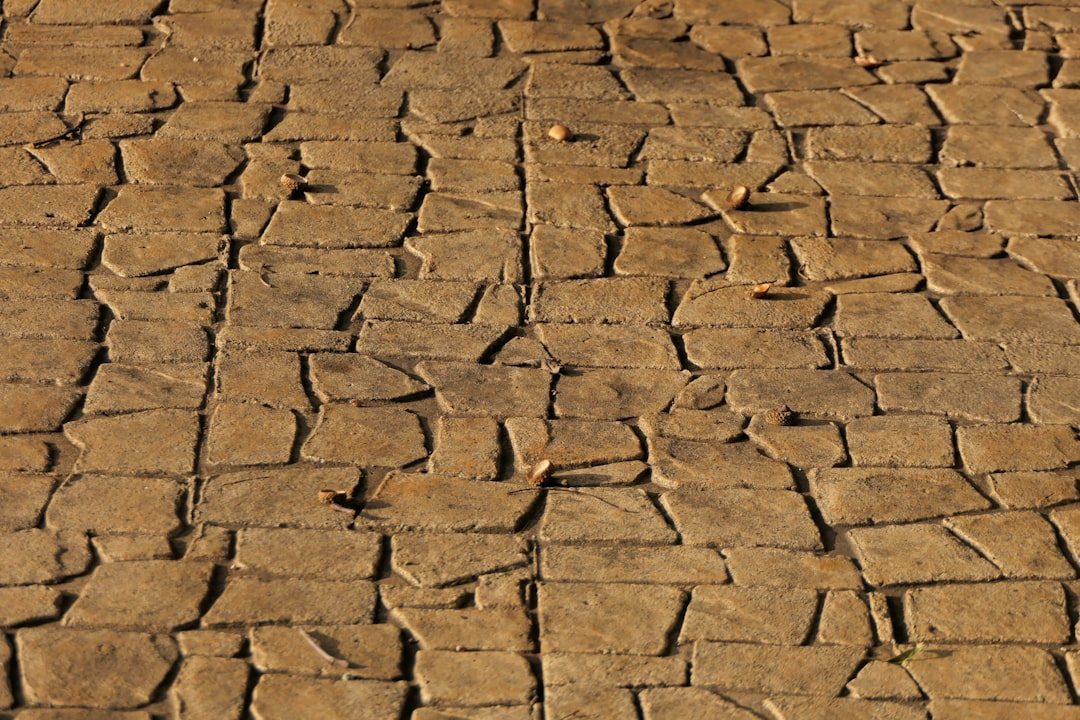
Imagine the world’s first true empire, stretching across much of Mesopotamia, unraveling not under invading armies, but under a sky that simply stopped delivering rain. Around 4,200 years ago, the Akkadian Empire – centered in what is now Iraq and Syria – collapsed during what scientists now call the 4.2-kiloyear event, a period of widespread aridity across the Middle East and beyond. Cuneiform tablets hint at famine and migration, but it is modern paleoclimate work, reading dust layers in Syrian and Iraqi sediments, that reveals a sharp, prolonged drought. Inland cities that relied on rain-fed agriculture and marginal lands were hit first and hardest, while irrigation along major rivers could not fully make up the loss. The empire’s political machinery, which had bound together distant regions through tribute and grain, began to seize up when there was not enough harvest to tax.
In a way, the Akkadians suffered from success: they had pushed cities into semi-arid zones that were highly vulnerable to even small shifts in rainfall. Archaeologists have uncovered evidence of abandoned settlements, windblown sands encroaching on once-productive fields, and population movements toward more stable water sources. The story feels eerily modern – centralized power, complex trade networks, and infrastructure all depending on a relatively stable climate baseline that suddenly vanished. While scholars still debate how fast the empire collapsed, the consensus is that environmental stress was a key trigger that magnified internal tensions and border conflicts. It is a stark reminder that when the rain stops, even superpowers can fall surprisingly quickly.
Old Kingdom Egypt: The Nile’s Broken Rhythm
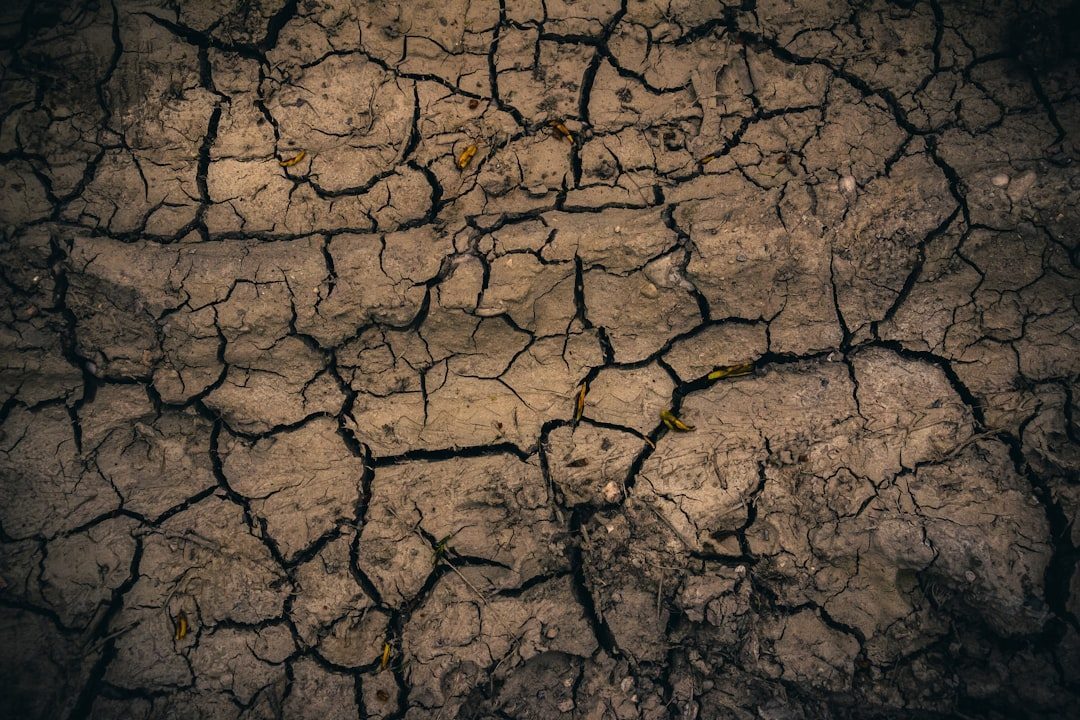
For centuries, ancient Egypt’s Old Kingdom seemed almost invincible, built on the reliable pulse of the Nile’s annual flood. Then, toward the end of the third millennium BCE, that rhythm faltered. Climate records from Nile sediments and nearby lakes indicate that the same 4.2-kiloyear drought that hit Mesopotamia also disrupted the river’s floods, leaving harvests stunted or ruined. Official inscriptions grow scarce, while later texts speak of chaos, hunger, and social breakdown in the period that followed the pyramid age. The centralized state, heavily dependent on predictable agricultural surplus to feed workers and fund monumental projects, suddenly faced a brutal math problem: too many mouths, not enough grain.
Unlike many civilizations, Egypt did not disappear entirely; it fragmented, then reassembled in new political forms. But the Old Kingdom as a system collapsed under the strain of environmental volatility. Archaeological evidence suggests local elites hoarded food, while rural communities sometimes turned inward, prioritizing immediate survival over the grand state projects of earlier generations. As the Nile’s reliability wavered, faith in divine kingship – and its promise to maintain cosmic and natural order – was shaken as well. The lesson here is subtle but powerful: even a society intricately tuned to its river can be blindsided when large-scale climate patterns shift in ways no one has seen before.
The Maya Lowlands: Cities Swallowed by Drought and Forest
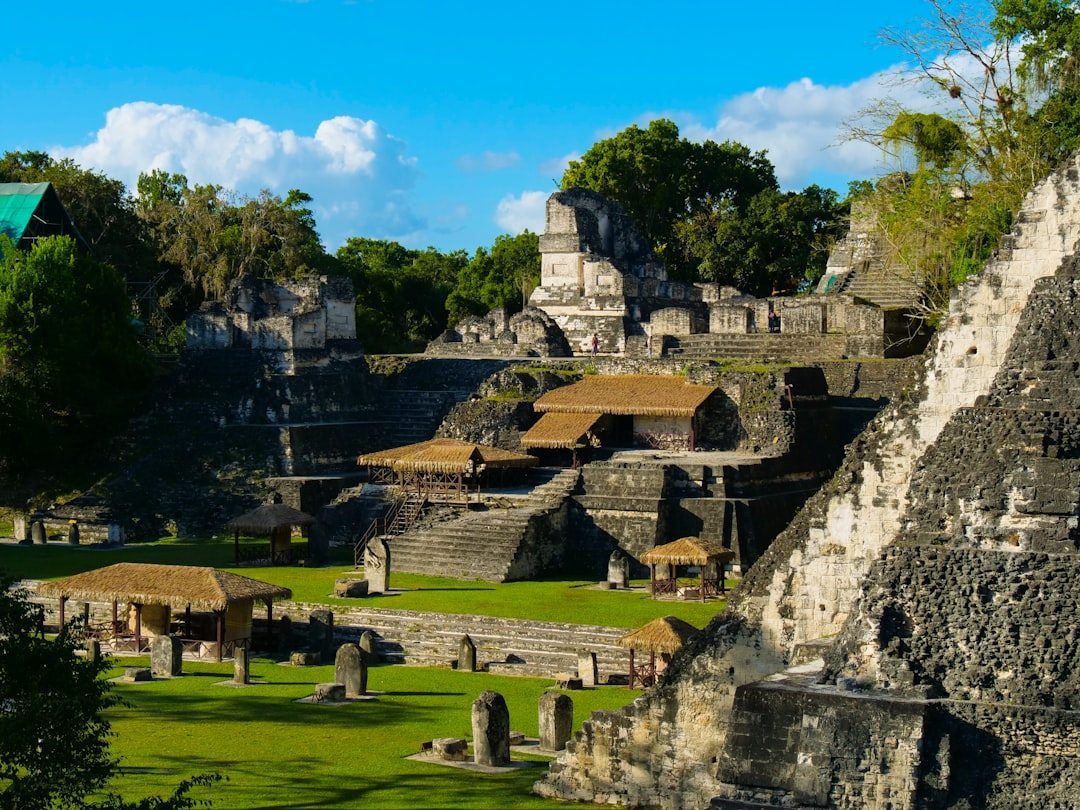
Few vanished worlds capture the imagination like the Classic Maya cities of the Central American lowlands, where towering pyramids now peek out from dense jungle. For decades, popular stories blamed mysterious wars or sudden invasions, but climate science has added a sharper edge to the narrative. Lake sediments, cave stalagmites, and other paleoclimate records from the Yucatán and Guatemala show repeated drought episodes between roughly 800 and 1000 CE, with several severe dry spells lining up with population decline and political upheaval. Many major city-states had already pushed their landscapes hard – clearing forests, intensively farming thin tropical soils, and building elaborate water reservoirs. When rainfall faltered, that system started to crack.
Archaeologists find signs of increasing conflict, fortifications, and desperate efforts to manage scarce water, suggesting that environmental stress fueled political fragmentation. Some regions hung on by reconfiguring trade routes and shifting crops, but in many of the great lowland centers, people eventually walked away. What is striking is that Maya civilization did not end everywhere; highland and northern groups adapted in different ways, highlighting that environment is fate only if society has no room to maneuver. Still, for the heavily urbanized, water-sensitive lowlands, the combination of prolonged drought and intensive land use was devastating. The ruins tourists marvel at today are not just remnants of a lost culture, but monuments to what happens when climate variability outruns local resilience.
Indus Valley Cities: Rivers on the Move
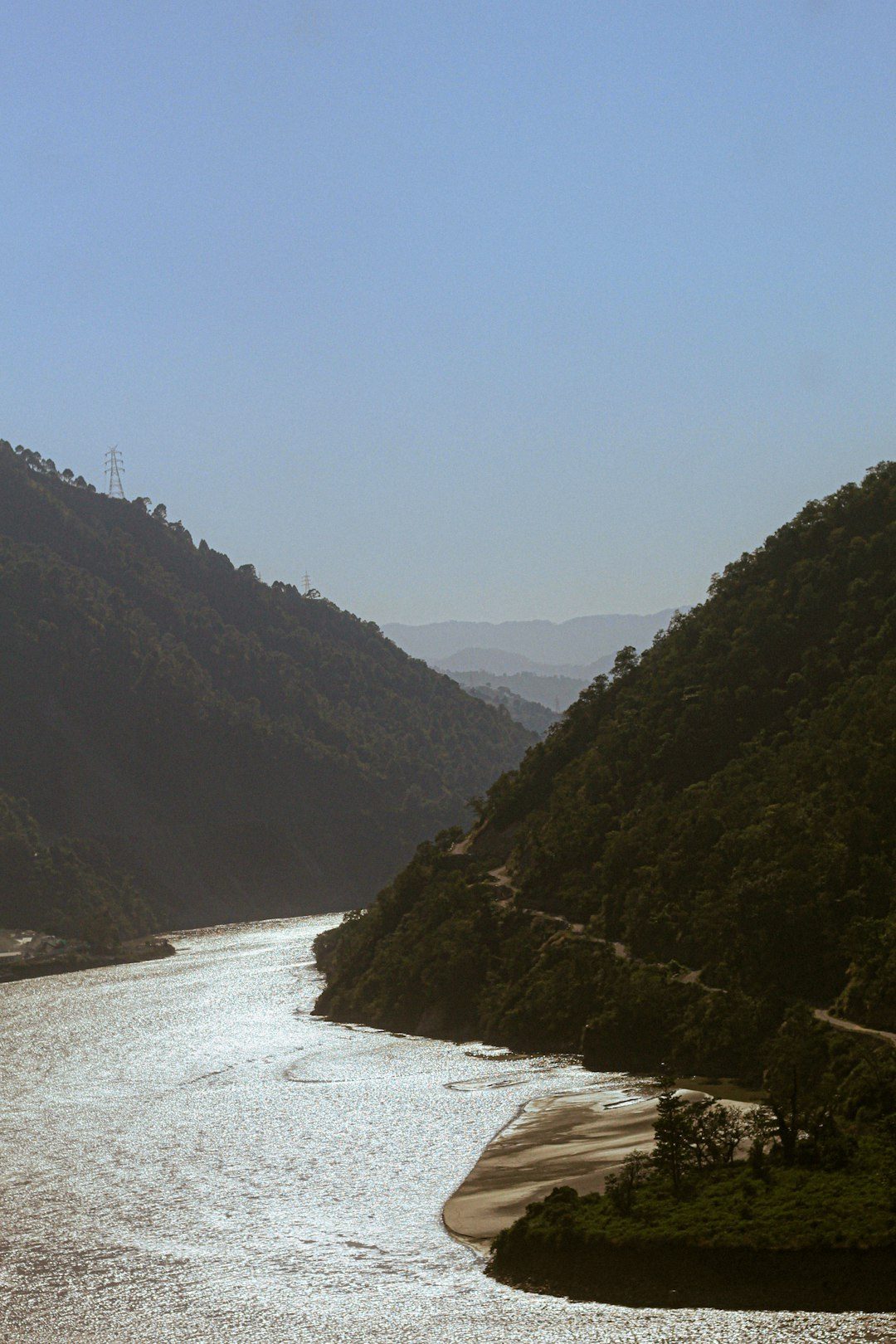
The urban centers of the Indus Valley Civilization – places like Mohenjo-daro and Harappa – were once home to tens of thousands of people, boasting sophisticated drainage, standardized brickwork, and long-distance trade links. Yet by around 1900 BCE, these cities were shrinking or being abandoned, and the civilization’s hallmark urban lifestyle faded. For a long time, the cause was unclear, partly because the Indus script remains undeciphered. Over the past two decades, however, geologists and climate scientists have traced major changes in the region’s river systems and monsoon patterns. Evidence suggests that key rivers feeding Indus cities weakened or shifted course, and overall monsoon rainfall became less reliable.
Rather than a single catastrophic event, the Indus decline appears to have been a drawn-out adjustment to a drier, more unstable climate. People gradually moved from large, centralized cities to smaller, rural settlements away from floodplains that had become less predictable. You could think of it as a slow-motion retreat from urban life as the watery foundation of that lifestyle eroded. Unlike more dramatic collapses, this one looks more like a controlled landing than a crash, but it still represents the end of one of humanity’s earliest urban experiments. The quiet, river-driven transformation of the Indus world offers a sobering counterpoint to our own dependence on stable monsoon and snowmelt-fed rivers across Asia.
Minoan Crete: Shaken by Eruptions and the Sea
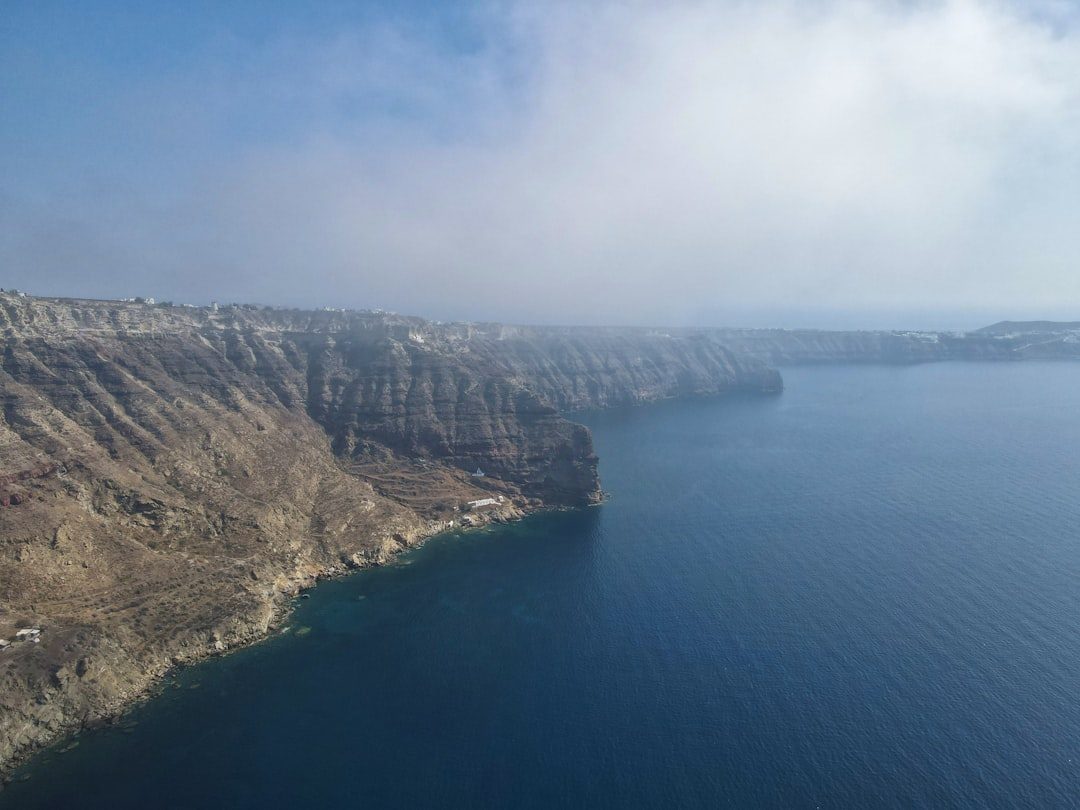
On the island of Crete, the Bronze Age Minoans built palaces rich with art, trade goods, and complex social organization, all connected across the Aegean Sea. Then, in the mid–second millennium BCE, a massive volcanic eruption on the nearby island of Thera (modern Santorini) ripped through the region. The eruption likely triggered tsunamis, hurled ash across the eastern Mediterranean, and disrupted climate patterns for years. Coastal Minoan settlements show evidence of destruction and rapid rebuilding in some cases, followed by a more permanent decline. While the Minoans did not vanish overnight, the combined impacts of seismic activity, possible crop failures, and coastal devastation seem to have deeply weakened their society.
Scholars still debate how much of the Minoan collapse was due to environmental disaster versus later political and military pressure from Mycenaean Greeks. But from a geoscience perspective, it is a rare case where a single volcanic event appears as a major turning point in a civilization’s trajectory. The eruption’s ash layers have been traced in ice cores and sediments far from the Aegean, showing just how far-reaching a regional disaster can be. To me, the Minoan story feels like an ancient warning about coastal vulnerability: a reminder that the same sea that powers trade and cultural exchange can, in a single bad day, become the delivery system for civilization-level shock.
Ancestral Puebloans: Drying Skies Over the American Southwest
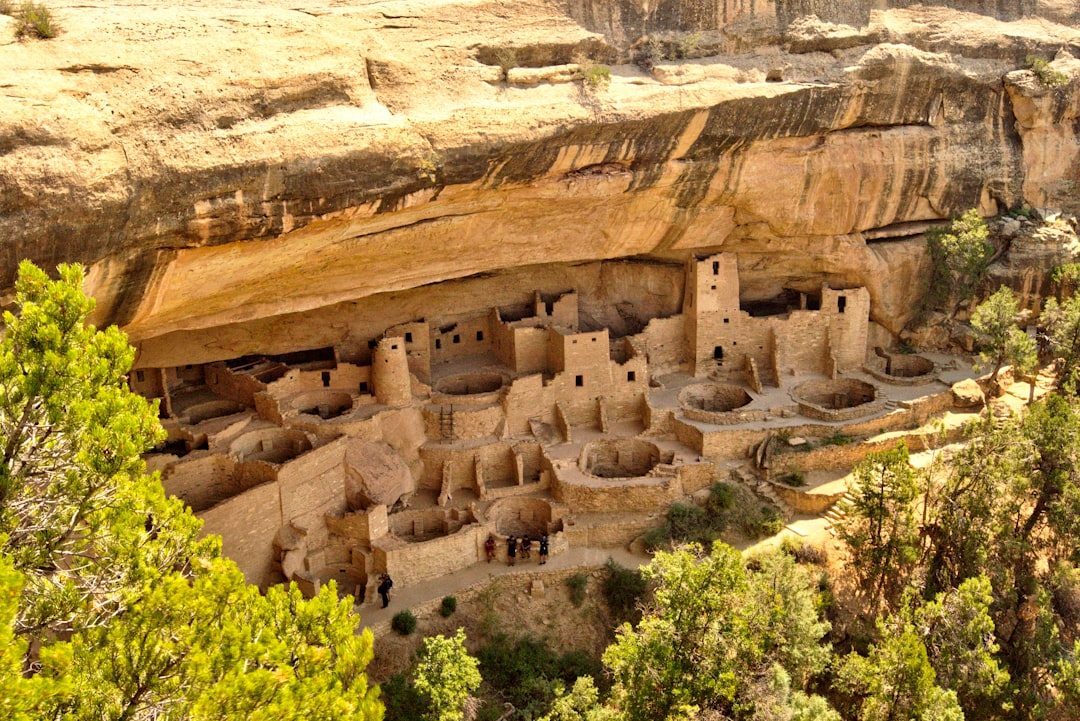
In the canyons and mesas of what is now the American Southwest, the Ancestral Puebloans (often linked to sites like Mesa Verde and Chaco Canyon) engineered intricate cliff dwellings, roads, and irrigation features. Between roughly the twelfth and thirteenth centuries CE, many of these settlements were abandoned, with populations dispersing across the region. Tree-ring records, which act as annual climate diaries, show prolonged droughts during this period, including a so-called Great Drought that lasted several decades. For communities farming maize in marginal environments, this was not just inconvenient – it was existential. Crop failures, food shortages, and competition for reliable water sources would have made long-term occupation of some major centers untenable.
What stands out here is the precision of the climate data; we can see year-by-year how bad the drought was and line that up with archaeological evidence of migration and changing settlement patterns. Descendant communities, including modern Pueblo peoples, maintain oral histories of migration and adaptation, offering a human dimension to the tree rings and potsherds. The Ancestral Puebloans did not disappear as a people, but their iconic stone cities did, largely because the climate boundary they depended on shifted too often to sustain dense, permanent populations. As someone who has hiked in those landscapes, it is easy to feel how close to the edge water and food can be even in a good year. Add several bad decades in a row, and leaving starts to look less like collapse and more like survival strategy.
The Khmer Empire at Angkor: Monsoons Gone Wild
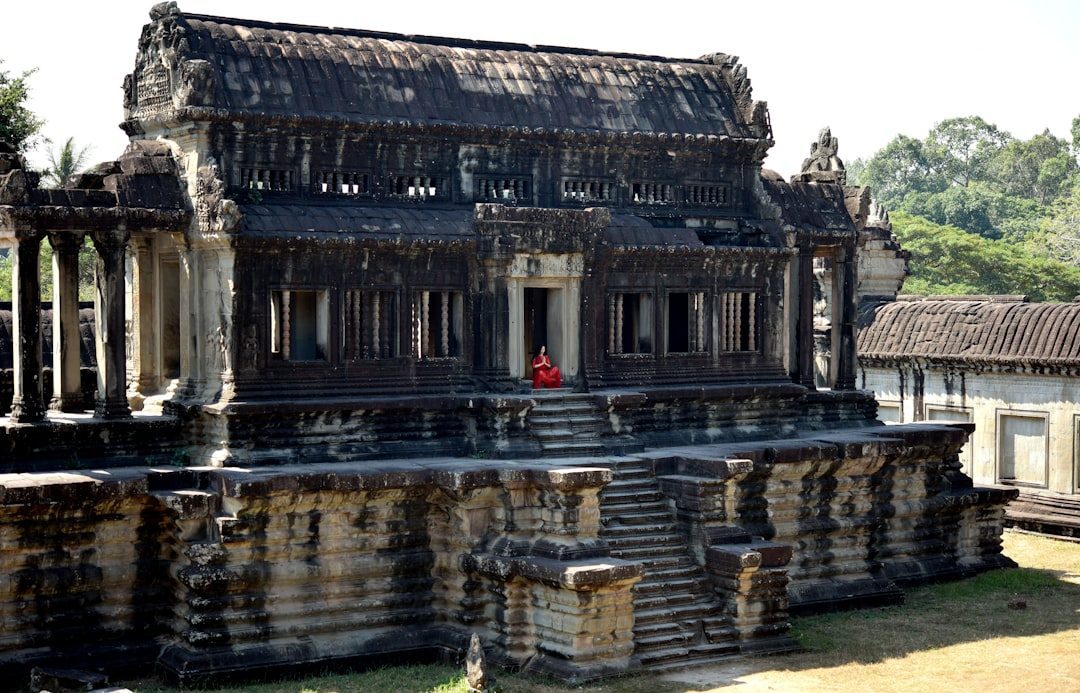
Angkor, the heart of the medieval Khmer Empire in what is now Cambodia, was once among the largest urban complexes on Earth, laced with canals, reservoirs, and rice fields. For centuries, its engineers managed the seasonal monsoon with an almost uncanny finesse, storing water in gigantic barays and channeling it to support dense populations. Then, between the thirteenth and fifteenth centuries, climate records suggest that monsoon patterns became more extreme, swinging between intense floods and severe droughts. Archaeological surveys of Angkor’s hydraulic system reveal repair work, diversions, and emergency modifications that hint at a city constantly trying to stay ahead of water chaos. Eventually, the system appears to have become too brittle and overextended to adapt.
By the time political pressures and regional conflicts intensified, Angkor’s environmental resilience was already frayed. Urban cores thinned out, religious and political centers shifted, and the once-dominant city became a ghost of its former self. The Angkor case is especially resonant today because it looks so much like a sophisticated, infrastructure-heavy society overwhelmed by the increasing volatility of its own climate. It is not just about having enough water, but about having it at the right times and in the right places. When the monsoon went from predictable metronome to erratic drummer, Angkor’s finely tuned machine struggled to keep tempo – and eventually fell out of rhythm altogether.
Why These Ancient Collapses Still Matter Today
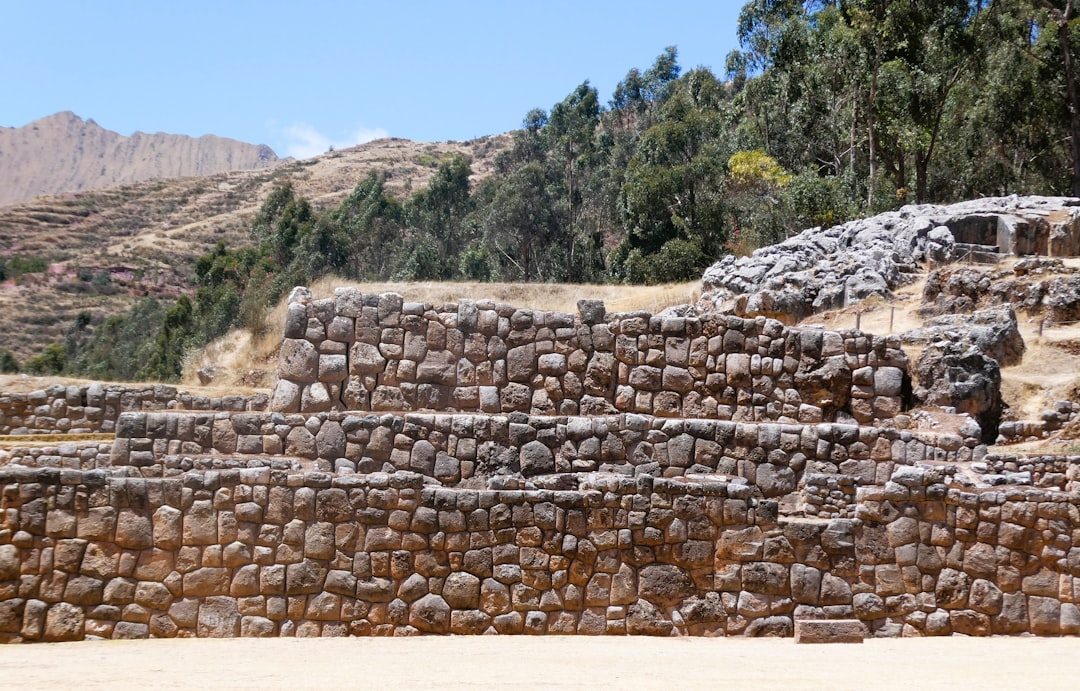
It is tempting to treat these stories as distant tragedies, the kind of thing that happened back when people did not understand climate or geology. But in many ways, what doomed the Akkadians, Classic Maya, or Angkor is uncomfortably familiar: overreliance on a narrow range of environmental conditions, expansion into marginal lands, and complex systems that work brilliantly – until they suddenly do not. The scientific tools we now use to reconstruct these collapses, from isotope analysis to satellite mapping of buried canals, also reinforce a key point: climate change and environmental stress are not new threats. What is relatively new is the sheer scale and speed at which humans are now driving change. When we compare ancient megadroughts or volcanic winters to modern warming and shifting rainfall, the parallels are less about identical events and more about shared vulnerabilities.
Traditional historical narratives often emphasize charismatic leaders, decisive battles, or clever technologies, but environmental history widens the frame. It asks how societies store risk, buffer shocks, and distribute hardship when things go wrong. In many of these ancient cases, environmental downturns acted like stress tests, exposing existing inequalities, political fragilities, and infrastructure flaws. That lens is invaluable today as we evaluate our own cities, food systems, and water networks under rising climate pressure. Studying vanished civilizations is not about predicting exact repeats, but about understanding the patterns of failure – and, just as importantly, the strategies of adaptation that helped some communities endure.
The Future Landscape: Learning From Past Disasters
Looking forward, the science that has illuminated these past collapses is turning into a kind of early warning system for our own world. High-resolution climate reconstructions help planners understand how bad drought, floods, or heat waves can realistically get in vulnerable regions. Archaeological insights into water management, crop diversity, and social adaptation offer practical lessons: societies that relied on a single staple crop, a single water source, or a rigid political structure were often the first to falter. Today, we are experimenting with drought-resilient crops, diversified energy systems, and nature-based solutions like wetland restoration, but the challenges are steep. Our infrastructure is immensely powerful, yet also deeply intertwined and globally exposed.
Future technologies – better climate modeling, satellite-based soil moisture tracking, AI-assisted disaster forecasting – will not magically shield us if we ignore the underlying social dynamics. The fall of Angkor or the emptying of Chaco Canyon show that even advanced engineering can fail if it is not paired with flexible governance and an honest reckoning with environmental limits. Globally, the stakes are much higher now; instead of one region facing drought, entire interconnected supply chains can falter, rippling across continents. Learning from ancient environmental disasters means treating them as case files in planetary risk management, not just as atmospheric horror stories. The real innovation lies in using that long memory of Earth’s past to widen the range of futures we can still choose.
What You Can Do: Turning Old Warnings Into Modern Action
It is easy to read about vanished civilizations and feel small, as if the big moves belong only to empires and empires always fall. But one of the clearer lessons from this research is that everyday choices – how communities use water, what they plant, where they build – add up over decades into resilience or fragility. On a personal level, supporting water conservation, sustainable agriculture, and urban planning that respects floodplains and fire risk is not abstract idealism; it is how we avoid becoming a future case study. You can pay attention to which local leaders treat climate risk as a real planning factor and support science-based policies at the ballot box. You can also back organizations that protect wetlands, forests, and watersheds, because those natural systems have been humanity’s shock absorbers for thousands of years.
There is also value in simply changing how we think about history and the environment. When you visit ruins or read about ancient cultures, look for the water systems, the fields, the forests around them – imagine what the sky and rivers were doing in their final decades. Share that perspective with friends, kids, or students so that environmental context becomes part of our default way of seeing the past and the present. If enough of us internalize that connection, it becomes harder to shrug off warnings about climate stress as someone else’s problem or some distant future. The civilizations in this story did not have our level of data or technology, but we do not have their excuse. The question now is whether we will treat their losses as mere curiosities or as the clearest kind of advice Earth can give.