
Picture this: you step outside one evening and, instead of the familiar single moon hanging over your neighborhood, two bright moons glide across the sky like a slow, silent duet. Tides shift in strange rhythms, nights are rarely truly dark, and entire cultures grow up under twin lunar shadows. It sounds like pure science fiction, but the physics of a two-moon Earth isn’t as far-fetched as it seems. Astronomers already suspect that Earth had more than one moon in the distant past, and simulations show that additional large moons can orbit a planet – if they survive the violent gravitational politics. So what would really happen to our world if a second moon took up permanent residence above us?
The First Night Under Two Moons
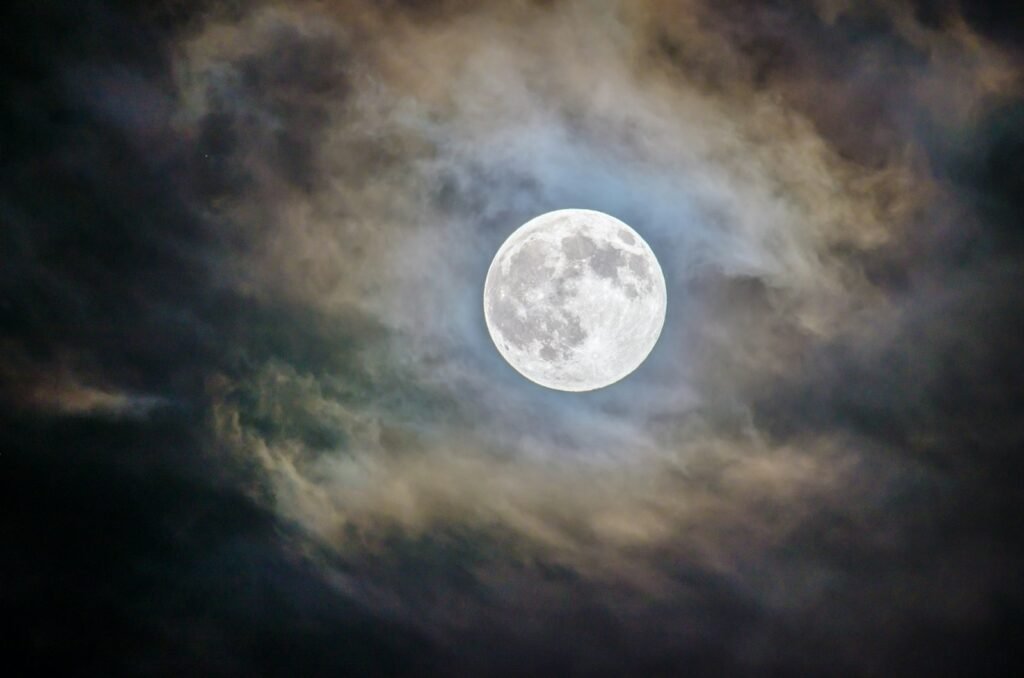
The very first thing we’d notice would be the sky itself. A second moon, even if it were only half the size of our current one, would fundamentally change what nighttime looks like almost everywhere on Earth. On many nights, when both moons are above the horizon, true darkness would be rare; the landscape could glow with a silvery, almost alien twilight that stretches well past midnight. Astronomers talk about sky brightness as if it’s just a number, but for wildlife, human sleep, and even crime rates, that extra light would be a profound shock.
The spectacle would be breathtaking and disorienting at the same time. Imagine eclipses where one moon partially hides the other, casting strange overlapping shadows, or a lunar conjunction when both moons rise together over the ocean like a pair of glowing eyes. People would gather on hillsides and rooftops, the way we crowd around screens today, just to watch the changing geometry of the heavens. This isn’t just a new backdrop; it’s a new stage set for every story humans tell after that first night. The sky would stop feeling like a simple clock and start feeling like a living, shifting machine overhead.
Gravitational Chaos: Tides, Storms, and Shifting Seas
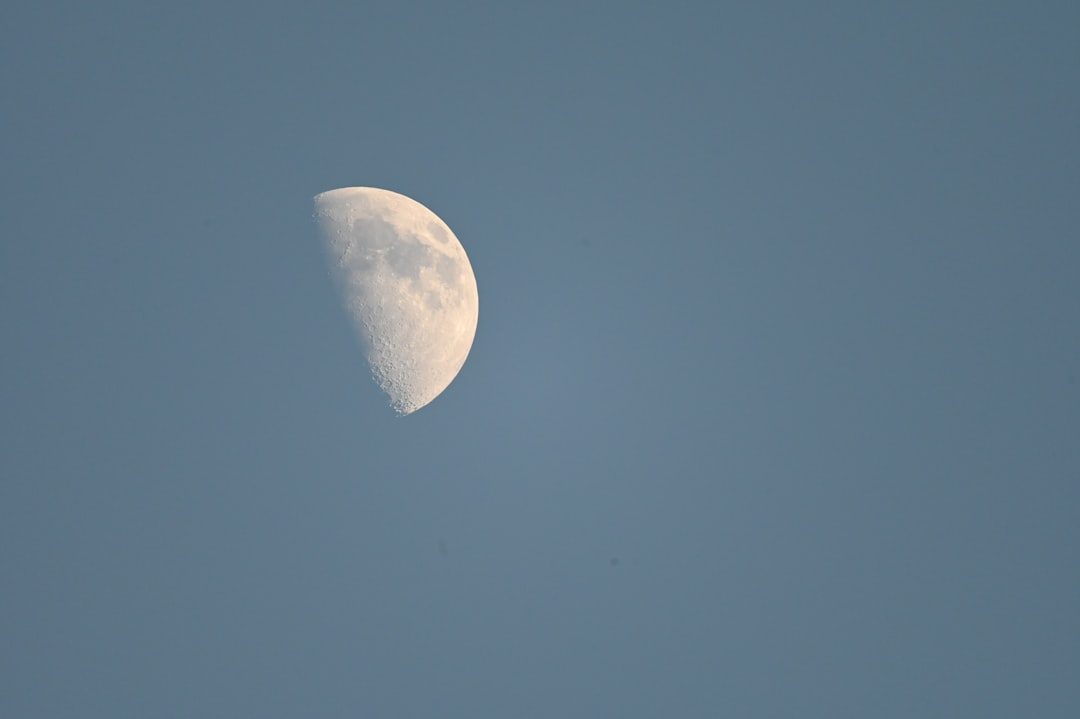
The gentle pull you feel when you stand by the ocean is not something you notice – until it changes. Our current tides are a delicate balance between the moon’s gravity, the sun’s gravity, and the shape of coastlines. Add a second moon, and that balance turns into a complex three-body conversation, where water is constantly being tugged in slightly conflicting directions. In some regions, high tides could grow dramatically taller, especially when both moons line up with the sun to create supercharged tidal forces. In others, tidal patterns could become irregular, with odd cycles of extra-high and extra-low tides that no one has ever had to plan around before.
This matters far beyond a pretty tide chart. Coastal cities, from New York to Mumbai, already live on the edge between ordinary high tide and dangerous flood. With stronger and more frequent extreme tides, storm surges could ride in on a higher baseline, pushing water farther inland during hurricanes and cyclones. Estuaries and wetlands that act as natural buffers might flood more often, then erode or drown entirely. Even shipping patterns could change, as ports adapt to new windows of safe water depth. A second moon would not just re-sculpt shorelines slowly; it would rewrite the daily logic of where it is safe to build, farm, and travel.
The Hidden Clues in Earth’s Past
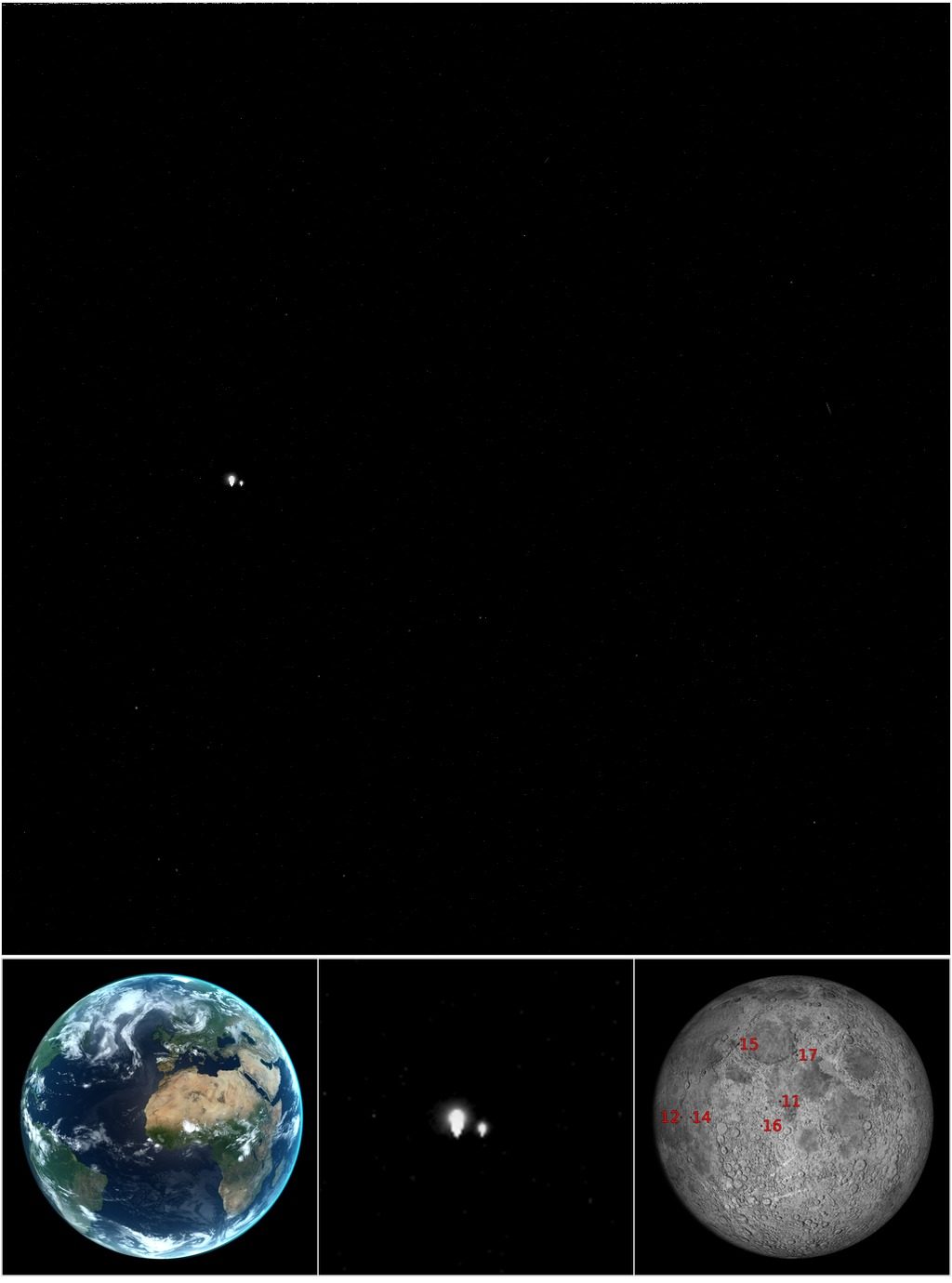
The idea of multiple moons sounds wild, but our own planet hints that it might have happened before. Many planetary scientists support the giant impact hypothesis: a Mars-sized body slammed into the young Earth billions of years ago, throwing out a disk of molten rock that eventually clumped together to form the moon. Some computer simulations suggest that this debris could have produced several moonlets at first, which later merged or fell back to Earth. In other words, a multi-moon Earth might not be a fantasy; it might be a lost chapter of our planet’s early history.
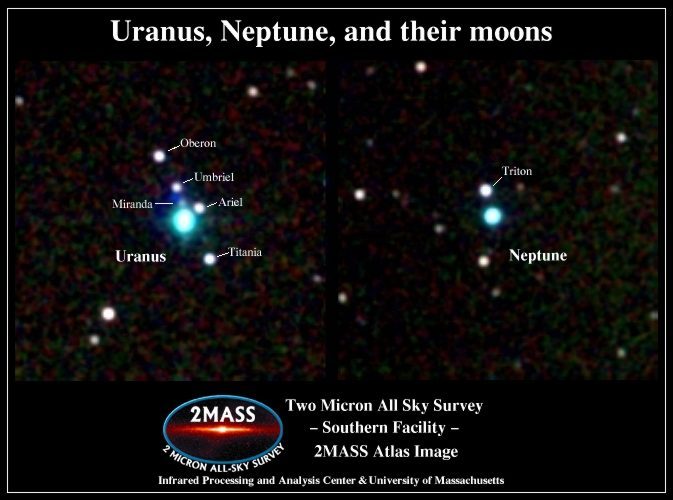
Evidence also comes from looking outward at other worlds. Mars has two small moons, and the outer planets host intricate systems of many moons, some of them captured, others born from rings or impacts. When scientists model those systems, they see a pattern: multiple moons are dynamically messy, and over long periods, gravitational nudges tend to eliminate the least stable ones. That Earth ended up with one large, relatively stable moon might be the exception rather than the rule. If we had frozen the clock earlier, perhaps there really were two or three moons painting strange patterns in the young Earth’s sky.
Two Moons, Two Calendars: Cultures Under a Double Sky
If you want to understand how deeply the moon shapes us, just look at a calendar. Months, religious festivals, harvest times – so many are tuned to the current moon’s predictable cycle of roughly about four weeks. Now imagine two different lunar cycles drifting in and out of sync across the year. One moon might complete a circuit faster, the other slower, creating a beautiful but confusing overlay of phases. Entire cultures could divide themselves by which moon they follow, with one used for agriculture and the other for ritual life.
Art, mythology, and storytelling would explode with duality. Instead of speaking about the moon as a singular symbol of romance, madness, or mystery, we might argue over the “gentle” moon and the “fierce” one, or the “old” and “young” sisters in the sky. Ancient navigators might learn to steer not by a single lunar beacon but by the changing triangle formed with bright stars and whichever moon is visible that night. Standing under two moons, you would feel, in a very literal way, that the universe is more complicated than the stories you grew up with – and that might make human curiosity burn even brighter.
Why It Matters: A Crash Course in Planetary Fragility
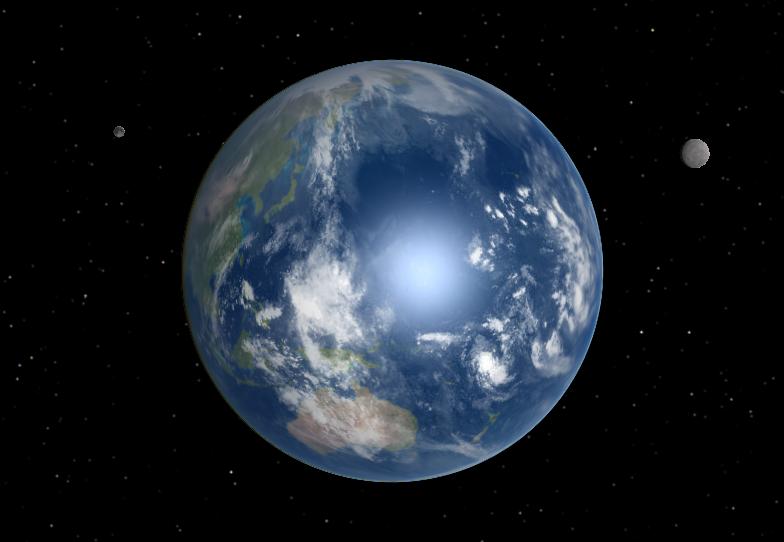
At first glance, a second moon feels like a neat thought experiment and nothing more. But the science underneath it forces us to confront how precarious our planetary setup really is. The single moon we have today helps stabilize Earth’s axial tilt, smoothing out the extremes of ice ages and scorching epochs over long timescales. Change the mass or orbit of that lunar companion, or add another one with its own gravitational tug, and you risk altering that stability. Even modest shifts could mean more erratic climates over tens of thousands of years, reshaping where humans can comfortably live.
This comparison matters because it highlights a sobering truth: our climate, tides, and seasons are not guaranteed. They are outcomes of specific cosmic accidents, like that ancient giant impact and the orbital dance that followed. Thinking through a two-moon Earth is really a way of asking how small changes in space can cascade into big changes on the ground. It sharpens our appreciation of how a seemingly distant object – about 240,000 miles away – quietly shapes our weather patterns, our biodiversity, and even the rise and fall of civilizations. By imagining a different moon, we see our own, and our own planet, with a sharper, more protective gaze.
From Ancient Tools to Modern Science: How We’d Study a Second Moon
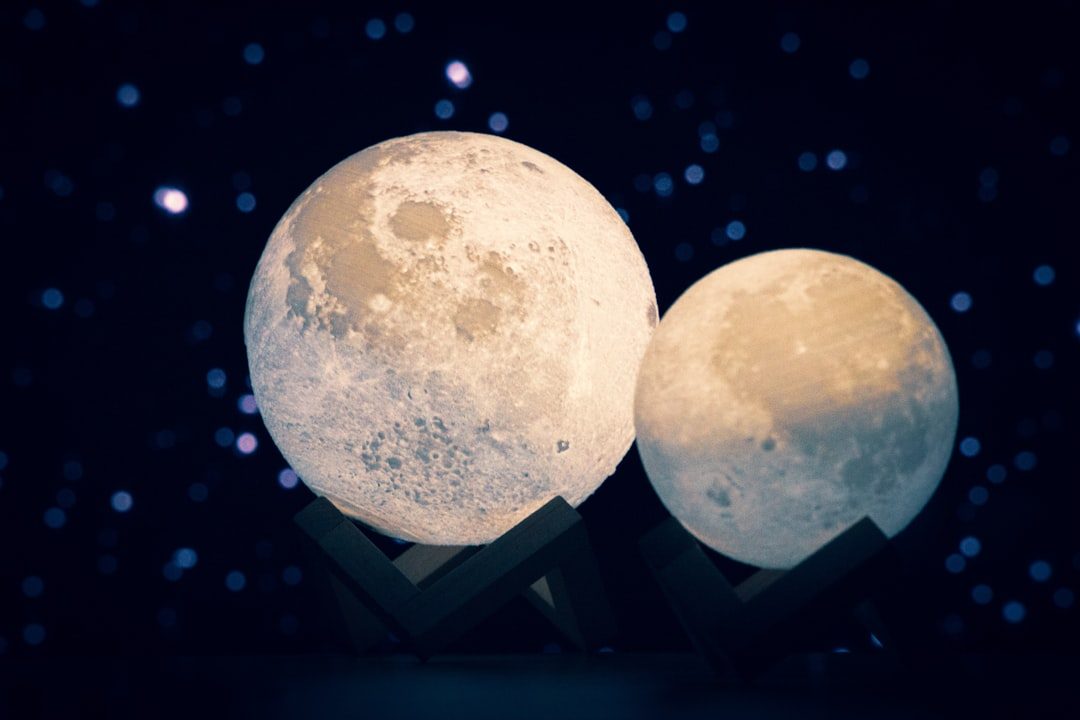
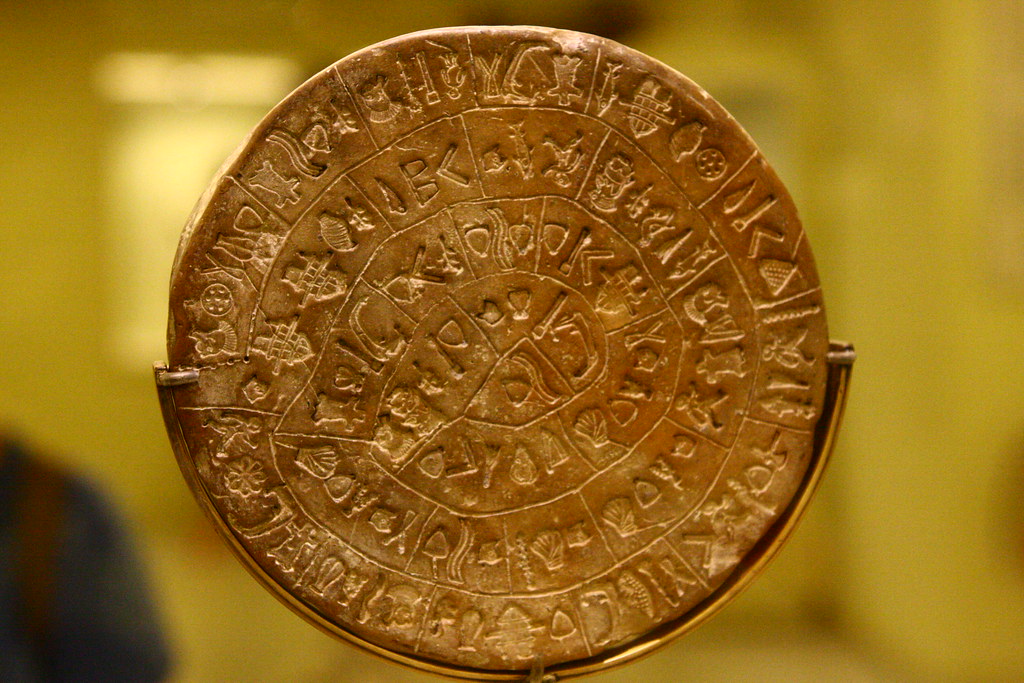
Humans have always used the night sky as a tool, long before telescopes or rockets. With two moons, the earliest astronomers would probably have developed more sophisticated tracking techniques just to keep up. Carved bones and stone tablets might carry dual sets of notches, one following each lunar cycle, as people tried to predict when floods would arrive or when animals would migrate. Over time, patterns in eclipses involving both moons could become some of the earliest celestial puzzles, driving communities to invent better models of the heavens.
In a modern era, planetary scientists would treat a second moon as a natural laboratory in orbit. Space probes could hop between the two, comparing how surface geology changes with size, distance, and tidal stress from Earth. We’d map out:
- Differences in crater density that reveal separate histories of bombardment.
- Subtle wobbles in their orbits that expose Earth’s interior structure through gravity.
- How each moon’s pull combines to affect volcanic hotspots and earthquakes on Earth.
For kids growing up under two moons, going into space science might feel less like a niche interest and more like studying the most obvious, fascinating thing anyone can see just by stepping outside.
Weather, Wildlife, and the Night That Never Quite Sleeps
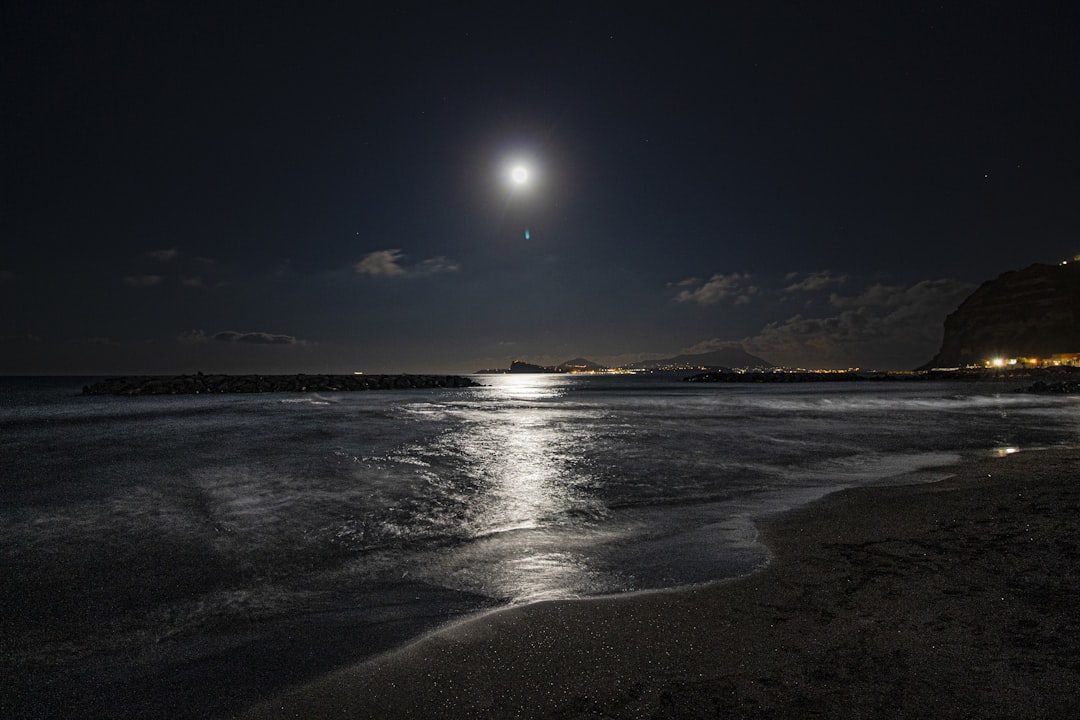
One thing I think we underestimate is how much life on Earth depends on the pattern of dark and light. Many animals feed, breed, or migrate based on moonlight levels; a second moon would push that subtle environmental signal into overdrive. Nocturnal predators that currently rely on shadows might struggle when many nights are half as dark as they used to be, while prey species could change their activity windows to dodge those bright times. Over generations, you might see more animals evolve darker coloration or new behaviors to cope with the perpetual glow. Even plants that respond to faint night light could shift the timing of their flowering and growth cycles.
Humans would be caught up in these shifts too. We already know that artificial light at night interferes with sleep, hormone levels, and mental health, and a brighter natural night sky would layer on top of that. Some communities might welcome the extra light for safety and travel, while others would fight to preserve remaining pockets of true darkness. Weather patterns might also feel subtly different; tiny changes in the way oceans absorb and release heat, driven by new tidal patterns, could nudge storm tracks and rainfall. The result would not be a cartoonishly unrecognizable Earth, but a familiar planet where everything feels just a little bit off-kilter, like a song played in a slightly different key.
The Future Landscape: Technology, Space Travel, and New Risks
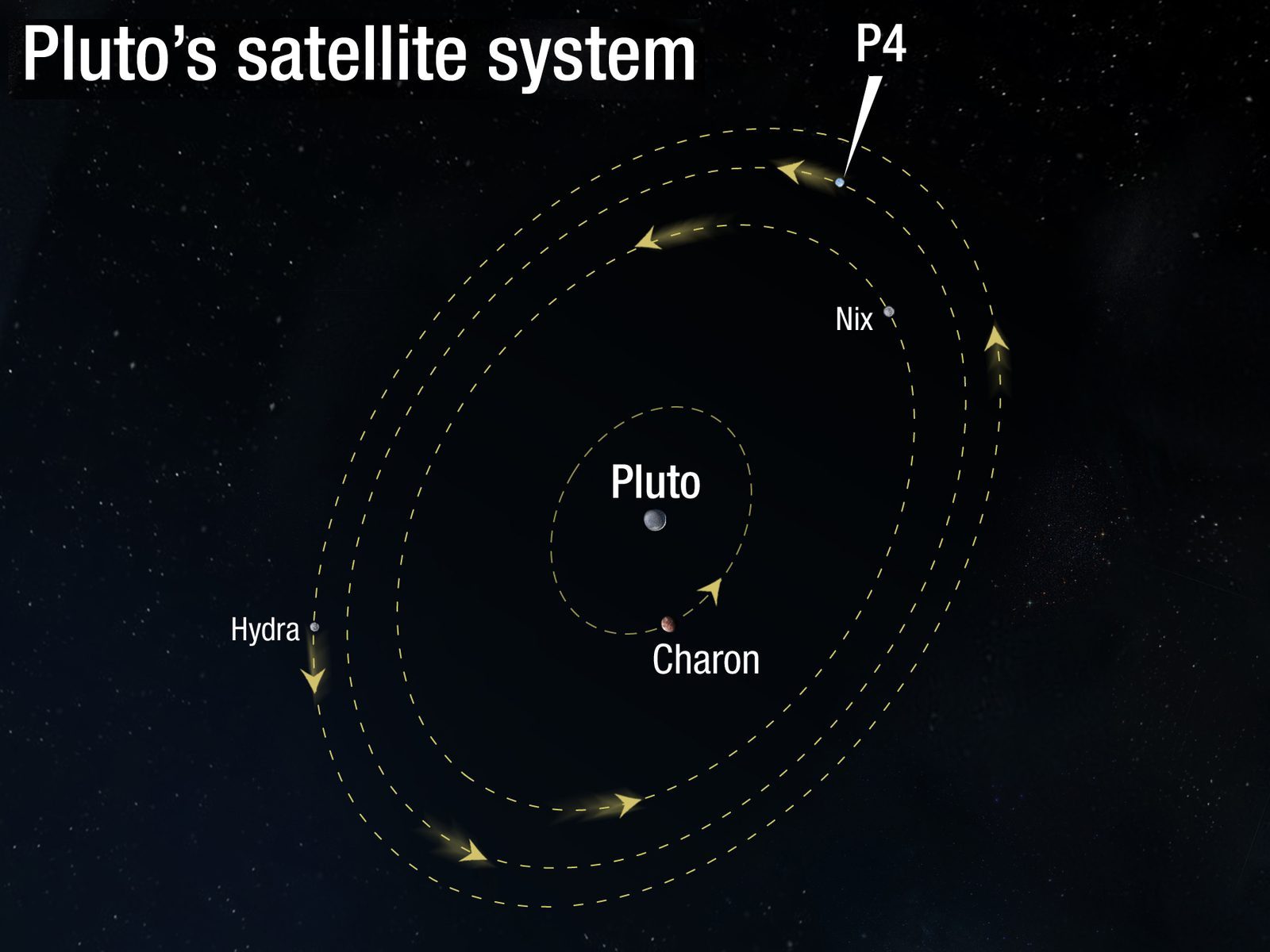
Fast-forward a few centuries into this two-moon future, and you can almost see the engineering projects taking shape in orbit. Both moons would be prime targets for mining water ice, rare metals, and building materials to support space stations or even off-world habitats. Launching spacecraft might become slightly trickier, as mission planners account for extra gravitational influences and changing tidal stresses on Earth’s crust and oceans. But the payoff could be enormous: two nearby bodies to test life-support systems, radiation shielding, and closed-loop ecosystems long before we leap to Mars or beyond.
Alongside those opportunities come new vulnerabilities. Additional moons mean more surfaces that can be destabilized by impacts or mining, sending debris into complex orbits that threaten satellites and space stations. The risk of resonance effects – subtle rhythmic gravitational pushes building over time – could complicate the long-term stability of orbits we rely on for communication and navigation. On the ground, nations might debate ownership and access rights to each moon, turning them into geopolitical flashpoints rather than purely scientific playgrounds. A two-moon Earth would not just be a scientific marvel; it would be a test of whether our politics and ethics can keep up with our expanding reach into space.
How You Can Engage With Our Real, Single Moon
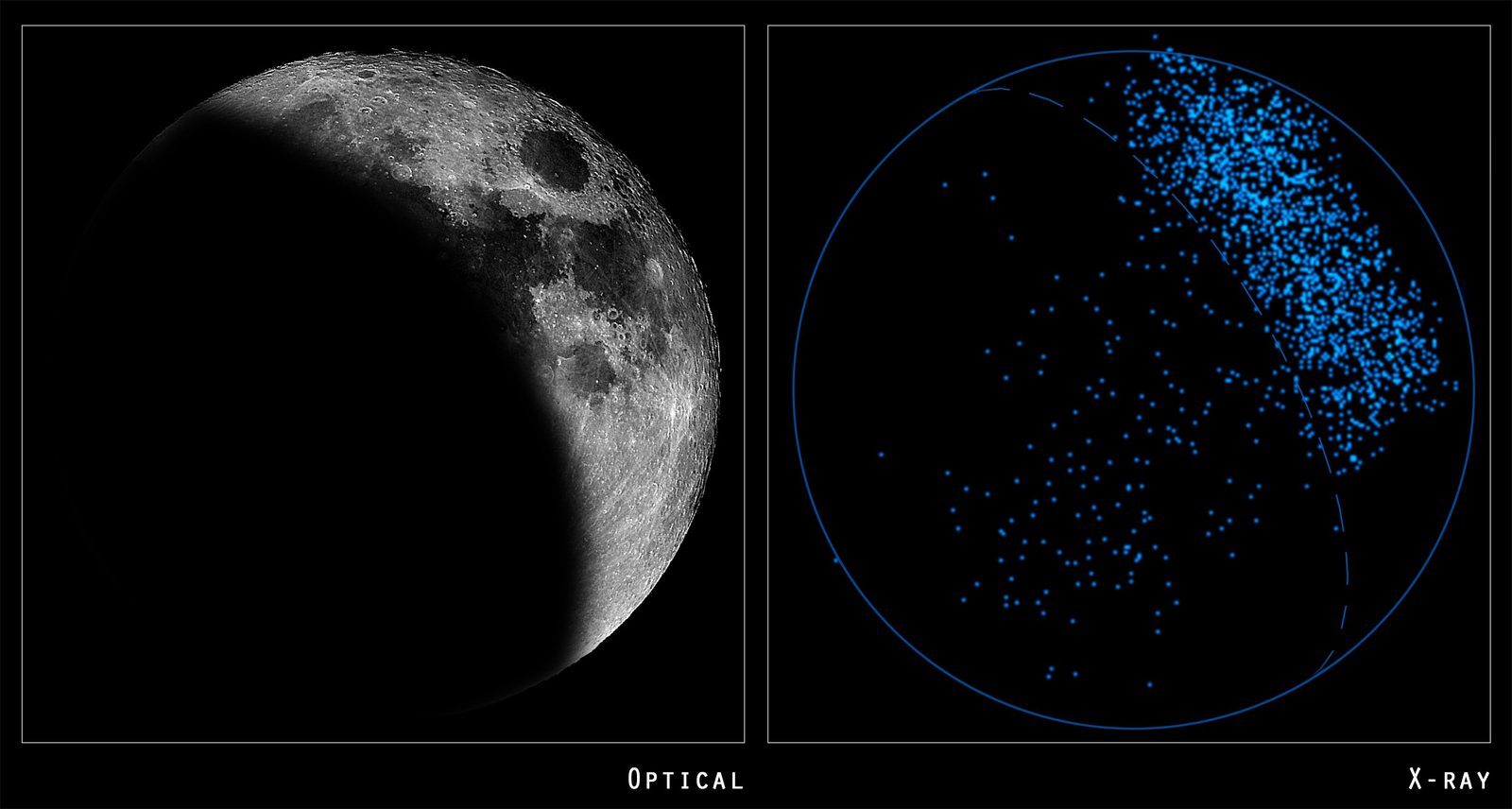
We may not live under twin moons, but our single moon is already a richer, stranger world than most of us appreciate. One simple way to engage is to actually watch it: track its phase every night for a month, notice how its position on the horizon changes, and pay attention to how bright your surroundings feel. Sharing those small observations with kids, friends, or online communities turns the moon from background scenery into a live experiment you can participate in. If you’re able, visiting a local observatory or astronomy club can also plug you into people who are quietly obsessed with these questions and eager to share.
There are also practical ways to support the science that makes these thought experiments meaningful. You can follow upcoming lunar missions, advocate for space science education in local schools, or support citizen-science projects that track near-Earth objects and light pollution. Even small shifts, like choosing outdoor lighting that points down instead of up, help preserve dark skies so more people can connect with the night. We may never see a second moon rise, but by paying closer attention to the one we have, we tap into the same curiosity that drives scientists to ask wild questions about worlds that could have been – and the fragile, remarkable one we actually inhabit.
Suhail Ahmed is a passionate digital professional and nature enthusiast with over 8 years of experience in content strategy, SEO, web development, and digital operations. Alongside his freelance journey, Suhail actively contributes to nature and wildlife platforms like Discover Wildlife, where he channels his curiosity for the planet into engaging, educational storytelling.
With a strong background in managing digital ecosystems — from ecommerce stores and WordPress websites to social media and automation — Suhail merges technical precision with creative insight. His content reflects a rare balance: SEO-friendly yet deeply human, data-informed yet emotionally resonant.
Driven by a love for discovery and storytelling, Suhail believes in using digital platforms to amplify causes that matter — especially those protecting Earth’s biodiversity and inspiring sustainable living. Whether he’s managing online projects or crafting wildlife content, his goal remains the same: to inform, inspire, and leave a positive digital footprint.