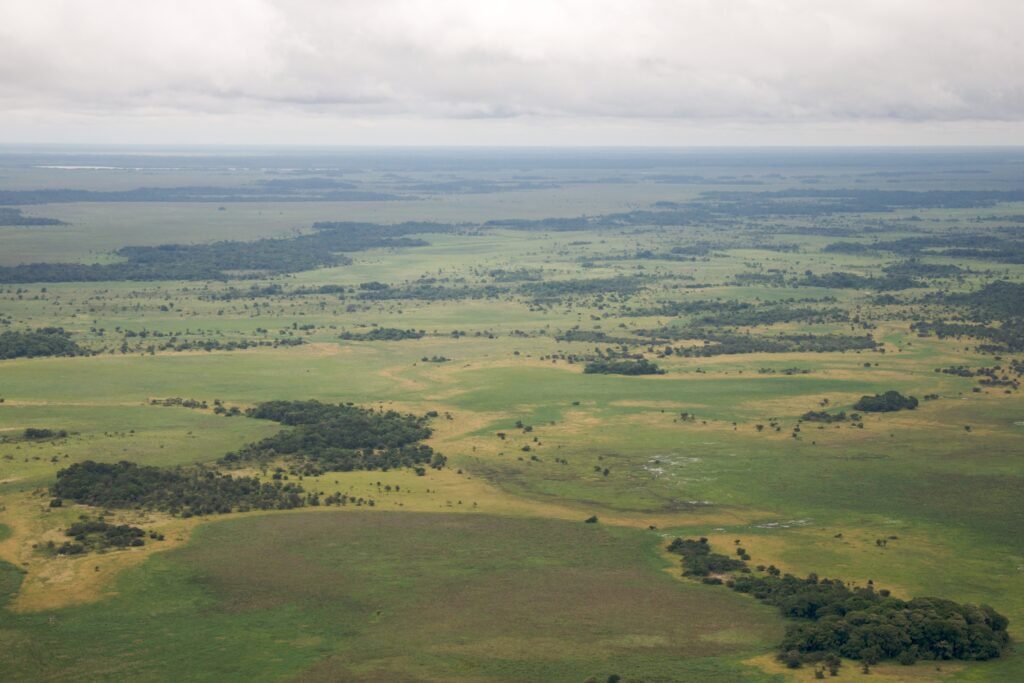

You might think the Amazon is just an endless green maze of trees and wildlife, but beneath that canopy lies something extraordinary. Hidden for centuries under thick vegetation are the remains of entire civilizations that once thrived in what we wrongly assumed was untouched wilderness. Today’s cutting-edge technology has finally pulled back the jungle’s curtain to reveal a shocking truth about our planet’s most famous rainforest.
These discoveries completely shatter everything we thought we knew about ancient South America. Sophisticated urban networks, advanced engineering, and complex societies flourished here thousands of years ago. Let’s explore seven remarkable ancient cities that have emerged from the depths of the Amazon.
The Upano Valley Network – Ecuador’s Lost Valley of Cities
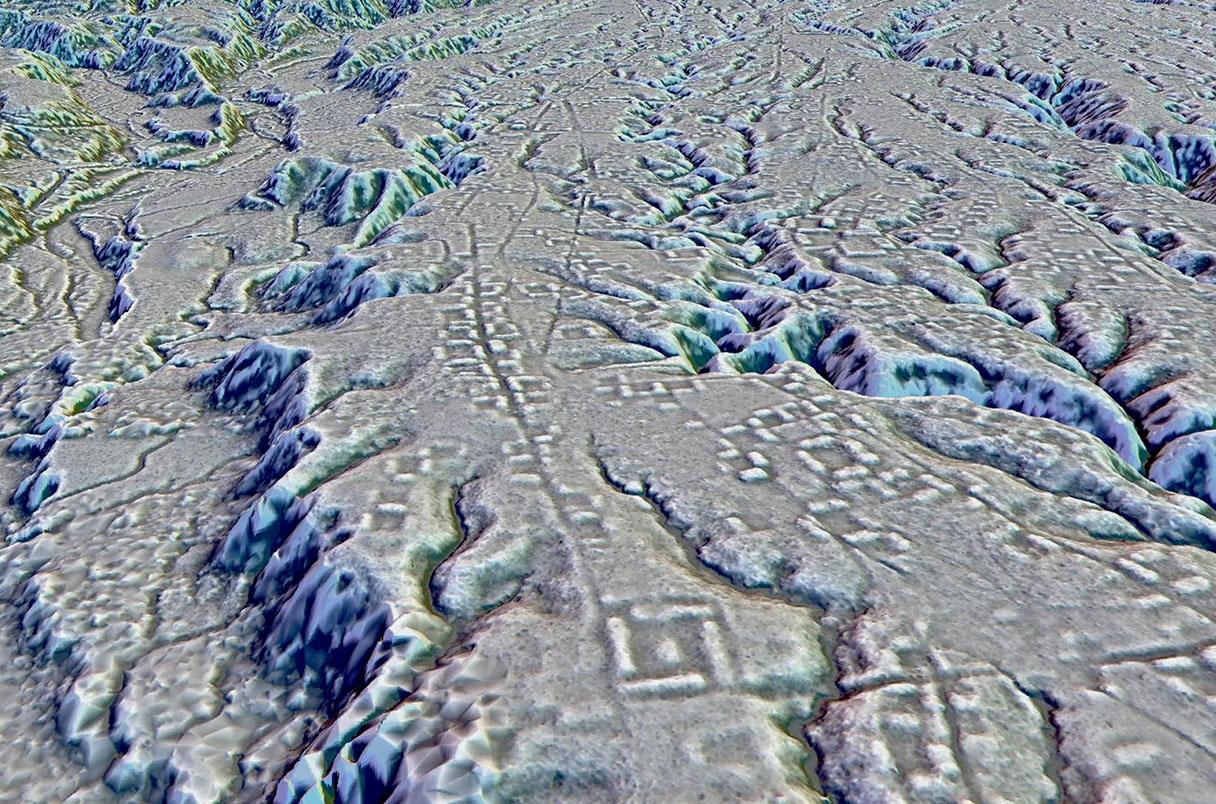
Archaeologists working have discovered an extensive network of cities dating back 2,500 years. The highly structured pre-Hispanic settlements, with wide streets and long, straight roads, plazas and clusters of monumental platforms were found in the Upano Valley of Amazonian Ecuador, in the eastern foothills of the Andes, according to a study published in the journal Science on Thursday. “It was really a lost valley of cities,” said Stéphen Rostain, the study’s lead author and director of Research at the National Center for Scientific Research in France (CNRS).
This remarkable discovery challenges every assumption about ancient Amazonian societies. The settlements, described today in Science, are at least 2500 years old, more than 1000 years older than any other known complex Amazonian society. Although the researchers don’t yet know how many people lived in the Upano Valley, the settlements were large: The core area of Kilamope, for example, covers an area comparable in size to the pyramid-studded Giza Plateau in Egypt or the main avenue of Teotihuacan in Mexico. The research began with fieldwork before deploying a remote sensing method called light detection and ranging, or lidar, which used laser light to detect structures below the thick tree canopies.
Llanos de Mojos – Bolivia’s Monumental Complex
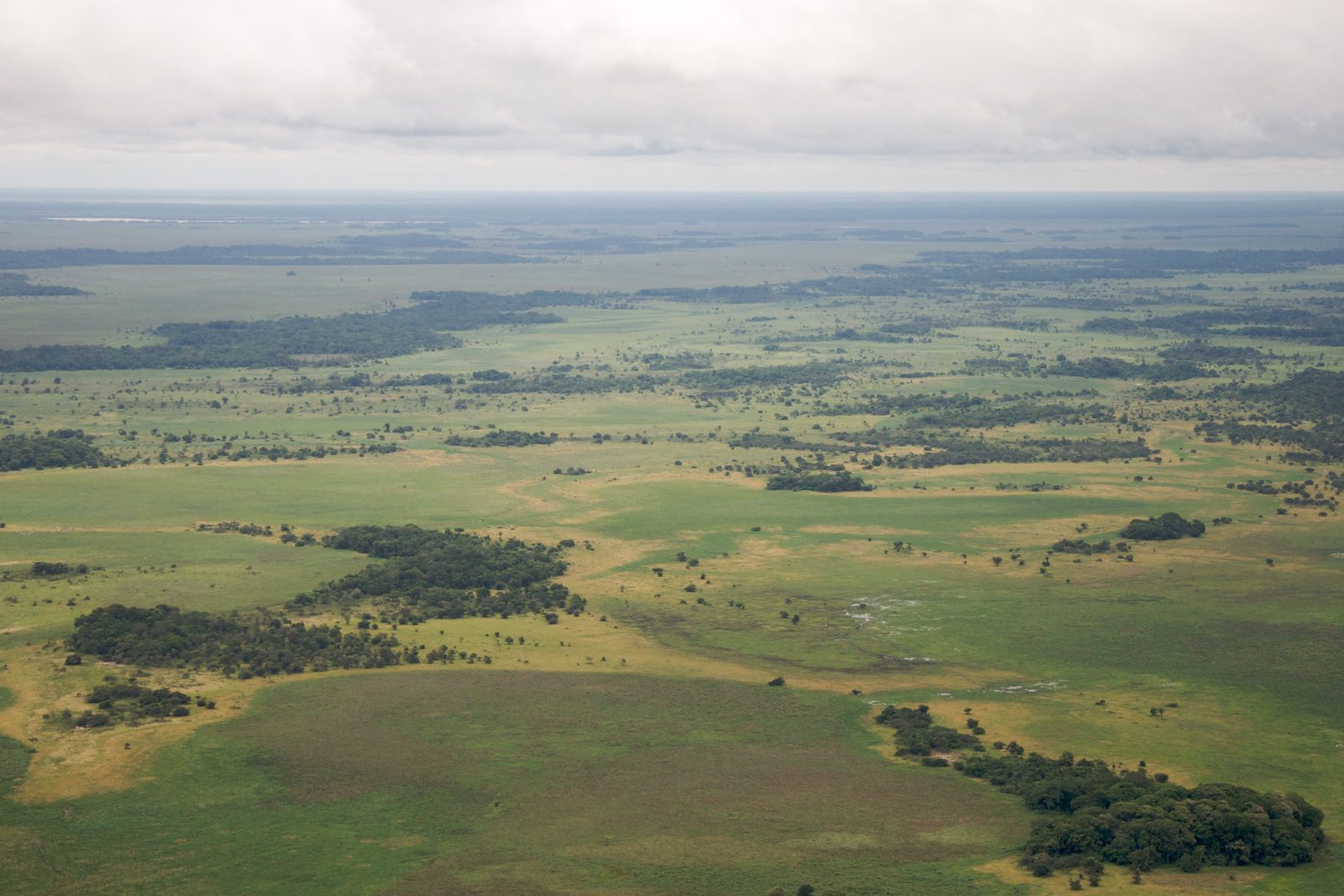
Perched in a helicopter some 650 feet up, scientists used light-based remote sensing technology (lidar) to digitally deforest the canopy and identify the ancient ruins of a vast urban settlement around Llanos de Mojos in the Bolivian Amazon that was abandoned some 600 years ago. The new images reveal, in detail, a stronghold of the socially complex Casarabe Culture (500-1400 C.E.) with urban centers boasting monumental platform and pyramid architecture. Raised causeways connected a constellation of suburban-like settlements, which stretched for miles across a landscape that was shaped by a massive water control and distribution system with reservoirs and canals.
This extraordinary site demonstrates the sophisticated engineering capabilities of ancient Amazonian peoples. In 2022, the archaeologist Carla Jaimes Betancourt from Bonn University and colleagues unveiled the contours of monumental settlements up to 1,400 years old. With intricate geometrically patterned structures, roads radiating out, rings of moats and ramparts, the site had terraces and pyramid-like 21-metre-high cones. What makes this discovery even more remarkable is the advanced water management infrastructure that archaeologists found throughout the complex.
Kuhikugu – The Garden Cities of the Xingu
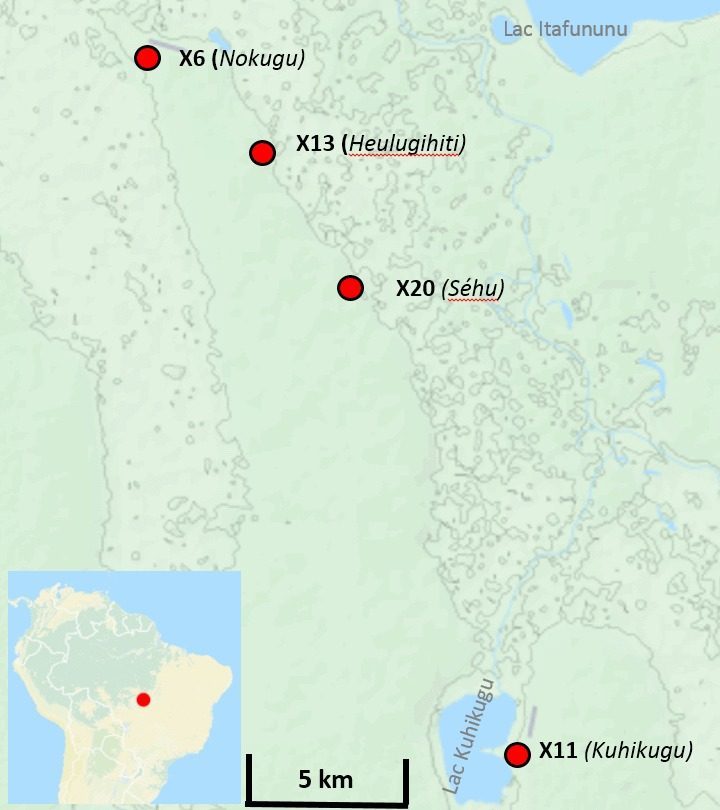
Kuhikugu is an archaeological site located in Brazil, at the headwaters of the Xingu River, in the Amazon rainforest. Kuhikugu was first uncovered by anthropologist Michael Heckenberger, working alongside the local Kuikuro people, who are the likely descendants of the original inhabitants of Kuhikugu. In the broad sense, the name refers to an archaeological complex including twenty towns and villages, spread out over an area of around 7,700 square miles (20,000 km2), where close to 50,000 people may have once lived.
Much of the early 21st-century spadework fell to the University of Florida anthropologist Michael Heckenberger, whose three decades of excavations centred on the ancient fortified town of Kuhikugu on Brazil’s Upper Xingu River revealed a surprisingly intricate network of “low-density garden cities,” dating from at least 1,500 years ago, replete with homes and gardens, broad roads, central plazas, a palatial dwelling fit for a chief, with a log palisade and defensive ditches surrounding it, as well as orchards and managed forest on the outside. What sets the people that would have inhabited Kuhikugu apart from other South American civilizations are their horizontal monuments. Unlike Aztec and Maya peoples who built pyramids, these people built long monuments on the ground for their gods.
Monte Alegre – Brazil’s Ancient Rock Art Sanctuary
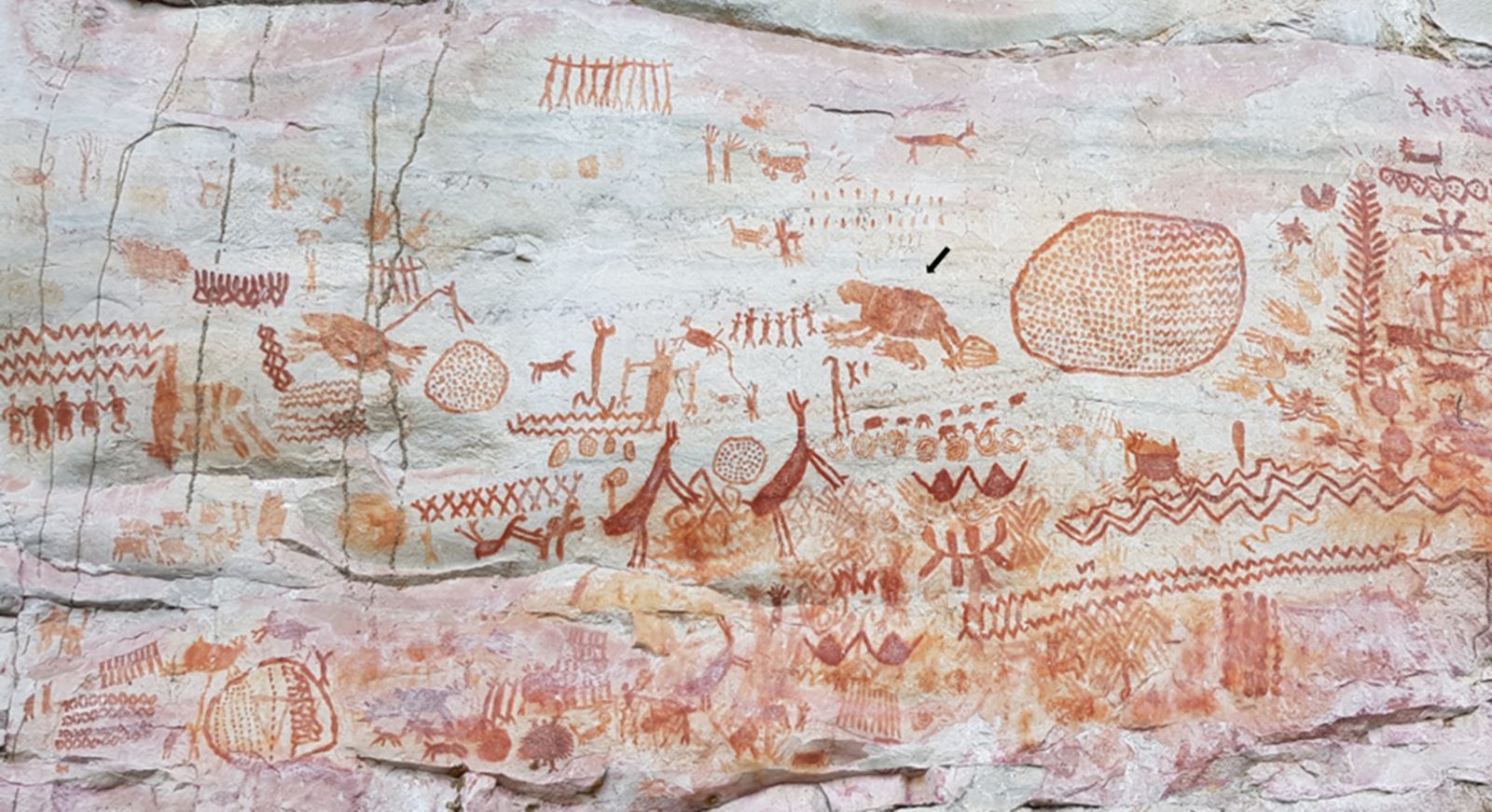
In the early 1990s, Anna Roosevelt found the remains of stone tools, charcoal, food and painting materials near Monte Alegre, 120 kilometers (75 miles) from Santarém. The items dated back approximately 11,000 years. The archaeological sites near Monte Alegre, along Brazil’s lower Amazon River, provide new information on the little-known activities and symbolism of South American Paleoindians toward the end of the Ice Age. With excavated wood charcoal radiocarbon dated as early as 13,200 calibrated years ago, the hill – as a source of sandstone and quartz lithics – supplied early pioneers with adequate tools needed for colonizing the interior of the continent.
Boasting hundreds of ancient rock paintings, Monte Alegre State Park (PEMA) in northern Brazil is a natural and cultural marvel, yet it barely attracts 4,000 visitors a year. Founded as a conservation area in 2001, the Monte Alegre State Park (PEMA in Portuguese), protects a forested complex of canyons, valleys and caves, home to some 600 prehistoric rock paintings dating back some 11,000 y This incredible site represents one of the earliest records of human artistic expression in the Americas. This research suggests that Monte Alegre paleoindians delimited the azimuthal range of the sun in a solar year with notational pictographs aligned to horizon sightings at Painel do Pilão, and leaving a painted grid of tally marks that might have served as a rudimentary early calendar.
Santarém Complex – The Ancient Trading Hub
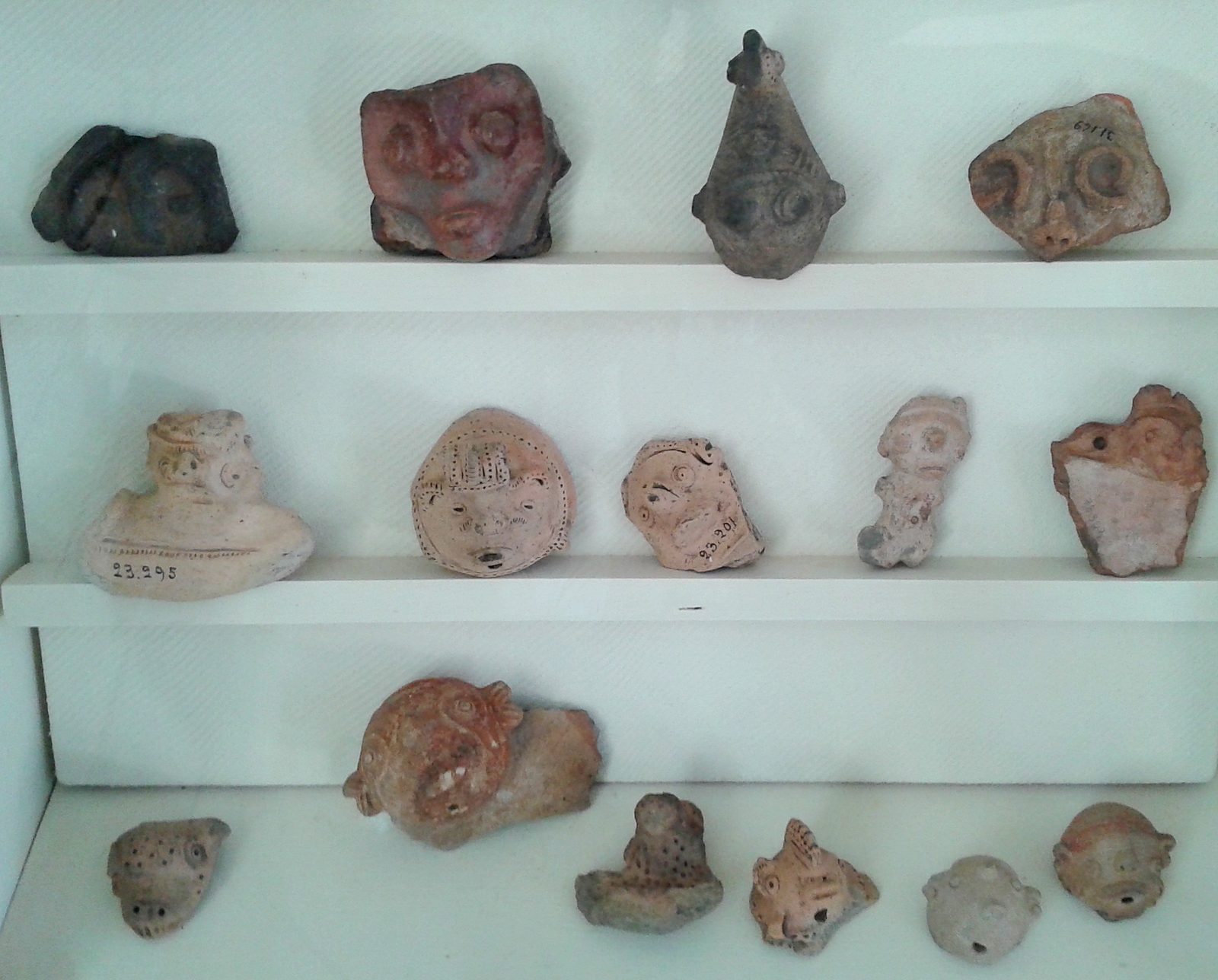
“Yet, today we believe it used to be one big settlement some 3 kilometers [nearly 2 mi] long. “Ocara-Açu was arguably home to some 3,000 to 5,000 people prior to the European conquest,” Amaral says. The Santarém archaeological complex reveals one of the most important pre-Columbian trading centers in the Amazon region. In the 1870s, U.S. naturalist Herbert Smith and Canadian geologist Charles Hartt noted the overwhelming presence of terra preta (black earth) in the Santarém region. For thousands of years, Indigenous people have produced a type of very fertile dark soil by adding things such as charcoal, organic material manure and pottery to plant trees and grow crops.
This massive settlement demonstrates the sophisticated trade networks that existed throughout the Amazon basin long before European contact. The presence of terra preta across the region indicates intensive agricultural activities that supported large populations for centuries. Archaeological evidence suggests this was a major hub where different cultures converged to exchange goods, ideas, and technologies across vast distances of the rainforest.
The Acre Geoglyph Cities – Geometric Earthwork Marvels
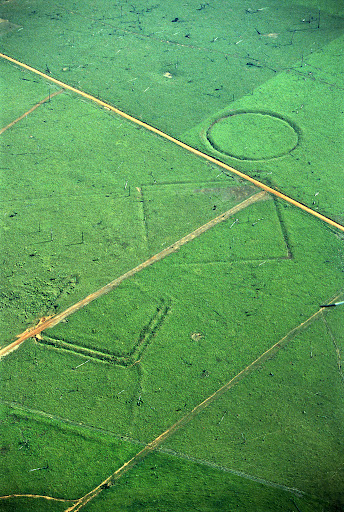
Parts of the Amazon rainforest that were long believed to be almost uninhabited were actually home to a thriving, ancient civilization buried for centuries by jungle growth, according to a new discovery by archaeologists. At their height, substantial populations may have lived in these settlements, according to the study published Tuesday in the journal Nature Communications. The perfectly symmetrical carvings tattooed into the landscape are crucial to understanding the region’s history: The geoglyphs are proof of an ancient and sophisticated civilization that aligned its agricultural calendar with summer and winter solstices and introduced fruit and nut trees, further proof that the Amazon is not only pristine wilderness, but also vast swaths of ancient orchards.
As of 2015, Iphan had identified more than 300 geoglyphs in the broader state for Unesco to consider as world heritage sites. Another estimated 24,000 earthworks are yet to be found in the southwestern Amazon and neighboring Bolivia, according to research in the journal Science last year. This is casually erasing evidence of a civilization that took off around the time of Christ and flourished for about 1,000 years, about as long as ancient Greece. These geometric earthworks represent one of the most enigmatic aspects of pre-Columbian South America, with their massive scale and precise construction pointing to highly organized societies.
Upper Tapajos Basin Complex – The Fortified Settlements
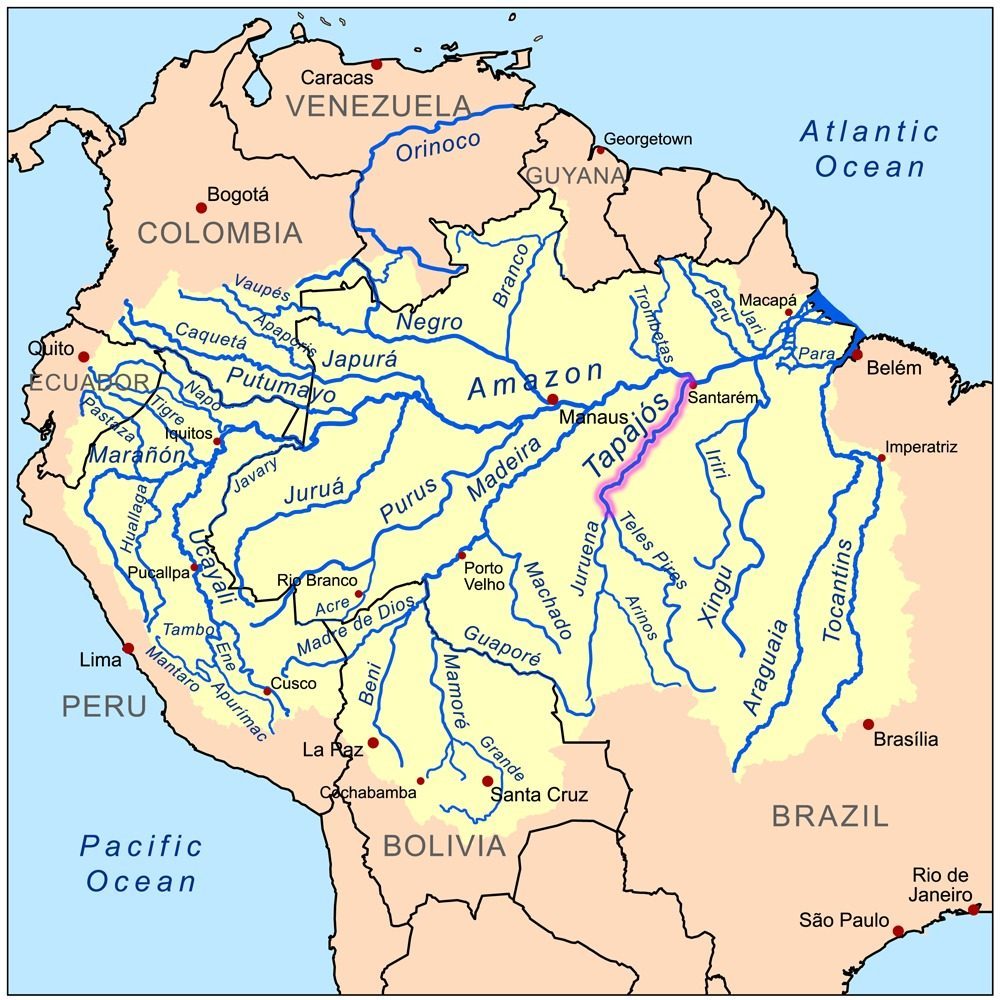
Underneath the flora, they found pottery shards, charcoal and other fragments of a forgotten society. “It is likely that many of these sites were fortified settlements,” archaeologist and lead author of the study Jonas Gregorio de Souza, an archaeologist at the University of Exeter, told the Journal. The Upper Tapajos Basin reveals another layer of ancient Amazonian complexity, where defensive strategies played a crucial role in settlement planning.
These fortified sites suggest that ancient Amazonian societies faced significant challenges that required sophisticated military engineering. The defensive earthworks and strategic positioning of settlements indicate a highly organized social structure capable of coordinating large-scale construction projects. Archaeological evidence shows these communities engaged in complex trade relationships while maintaining strong defensive positions, revealing the delicate balance between cooperation and conflict that shaped pre-Columbian Amazon life. By the time colonists reached the region in the 16th and 17th centuries, epidemics had already swept through the interior, carried along trade networks long before direct contact. Diseases like smallpox and measles devastated Amazonian populations, reducing communities by as much as 90 percent within decades.
Conclusion
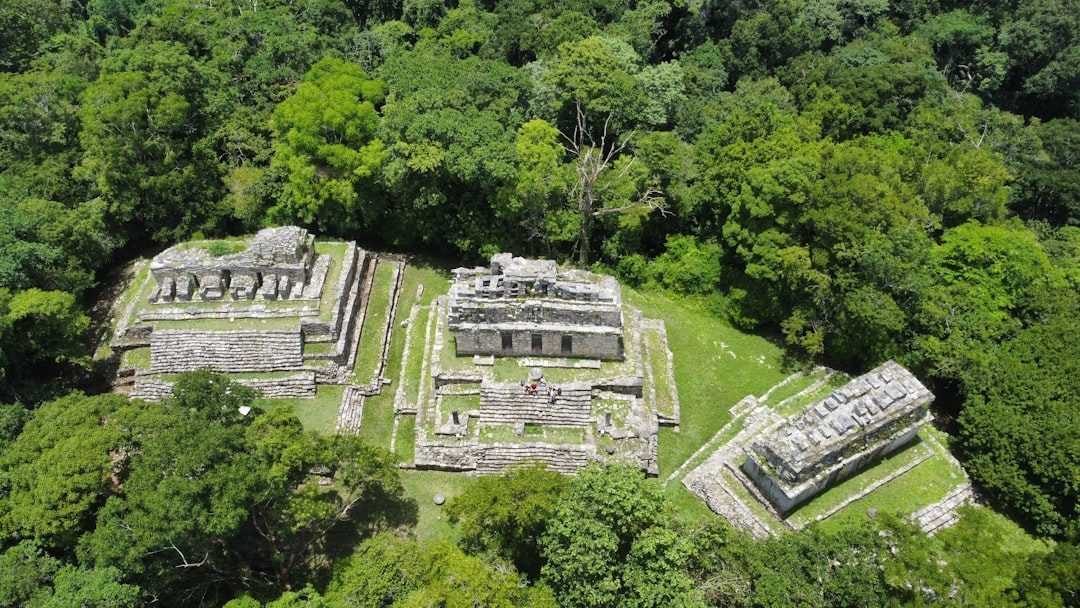
These seven remarkable ancient cities fundamentally transform our understanding of pre-Columbian America. The organization of the cities reveals the sophistication and engineering capabilities of these ancient cultures, according to the researchers, who concluded that the ‘garden urbanism’ of the Upano Valley provides further proof that Amazonia is not the pristine forest once depicted. Still, he says, “It’s amazing that we can still make these kinds of discoveries on our planet and find new complex cultures in the 21st century.”
What strikes me most about these discoveries is how they completely rewrite the narrative about indigenous capabilities and the Amazon’s history. These weren’t simple villages or nomadic tribes struggling to survive in hostile jungle conditions. Instead, we’re looking at evidence of sophisticated urban planning, advanced agricultural systems, and complex social organizations that thrived for centuries. The fact that we’re only now uncovering these civilizations with modern technology makes you wonder what other secrets the rainforest still holds. What do you think about it? Tell us in the comments.
Jan loves Wildlife and Animals and is one of the founders of Animals Around The Globe. He holds an MSc in Finance & Economics and is a passionate PADI Open Water Diver. His favorite animals are Mountain Gorillas, Tigers, and Great White Sharks. He lived in South Africa, Germany, the USA, Ireland, Italy, China, and Australia. Before AATG, Jan worked for Google, Axel Springer, BMW and others.