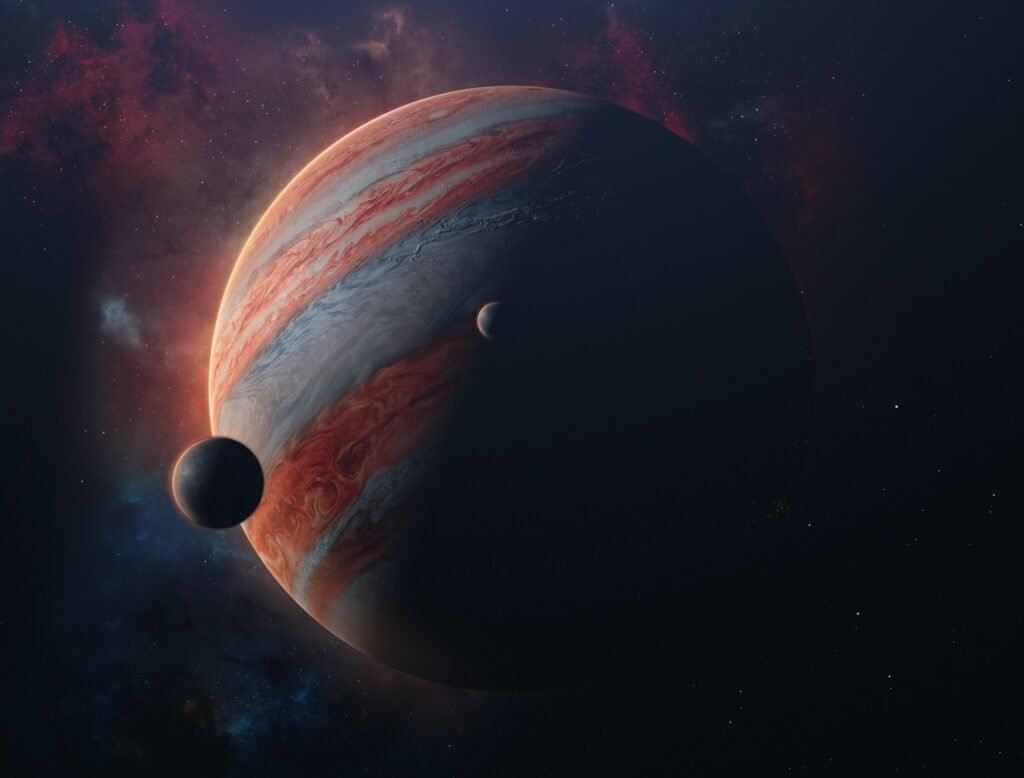

On the frozen outskirts of our solar system, far beyond the warm comfort zone of Earth, a set of small worlds orbits a violent gas giant. At first glance, Jupiter’s moons look utterly hostile: locked in ice, blasted by radiation, and bathed in darkness where sunlight is a distant glow. Yet over the past few decades, these moons have gone from cosmic afterthoughts to some of the most exciting places to search for life. Beneath their fractured crusts, scientists now suspect there may be entire oceans – deep, salty, and possibly habitable. The mystery is no longer whether these oceans exist, but whether anything might be swimming, burrowing, or drifting within them.
The Hidden Clues Beneath the Ice
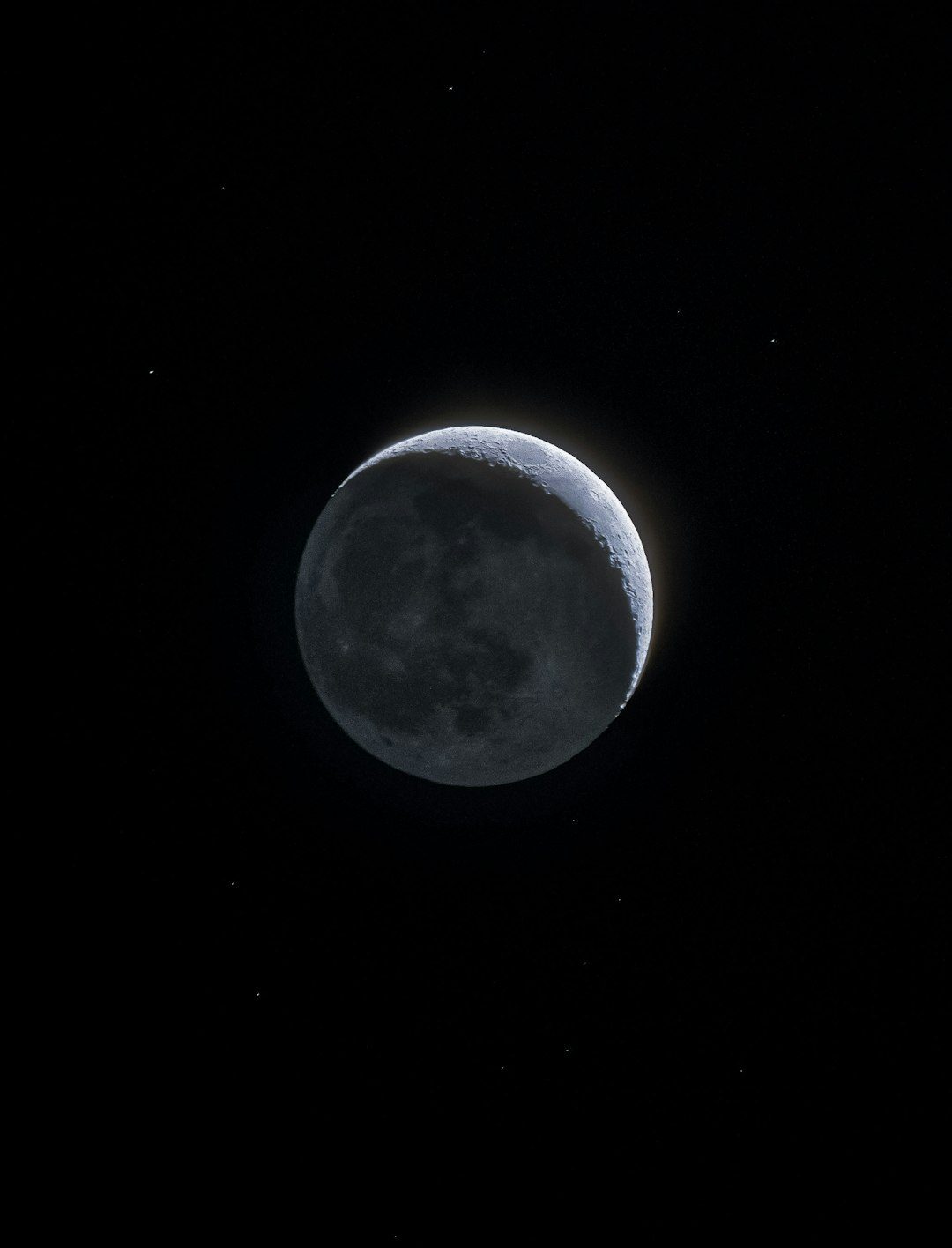
It’s almost unsettling to realize that some of the best places to look for alien life are not lush blue planets, but frozen spheres wrapped in ice. Europa, one of Jupiter’s largest moons, looks like a cracked billiard ball in telescope images, its surface crisscrossed with reddish-brown lines and scars. Those lines are our first major clue: they suggest that the ice is being tugged, stretched, and broken by tides raised by Jupiter’s immense gravity. That kind of flexing generates heat inside the moon, and heat is exactly what you need if you want to keep water liquid in the cold outer solar system.
Measurements of Europa’s magnetic field have hinted that a global ocean of salty water lies beneath its icy shell, likely tens of kilometers deep. Similar clues have emerged from Ganymede and Callisto, the two other large icy moons, suggesting they also may hide layered oceans under their crusts. If even one of these worlds has the right mix of chemicals and energy, then the building blocks for life as we know it could be present. Instead of a rare oasis, the outer solar system might be riddled with hidden habitats waiting to be explored.
Europa: The Ocean World That Refuses to Be Ignored
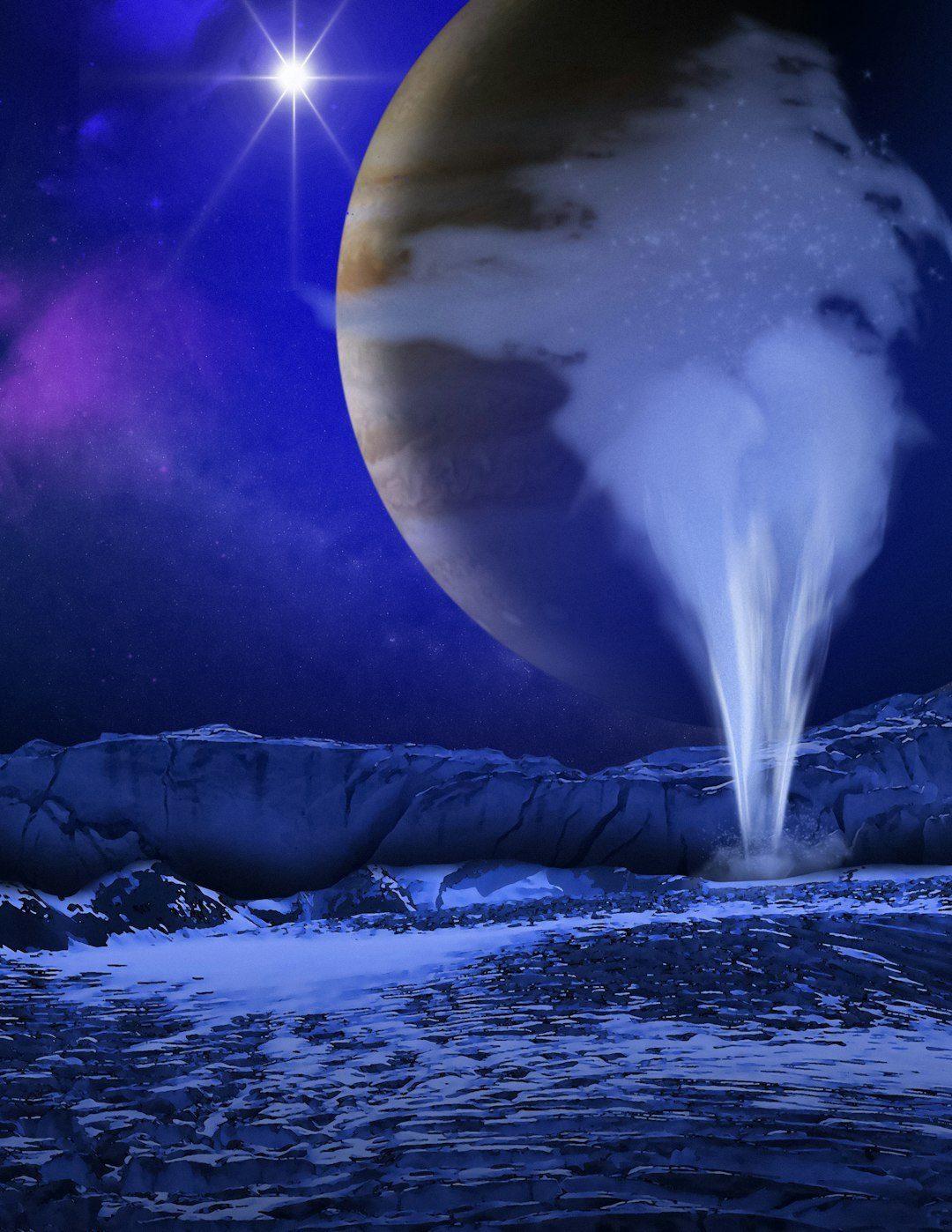
If there is a celebrity among Jupiter’s moons, it is Europa. For years, planetary scientists have quietly referred to it as one of the top places to search for life, sometimes ranking it above Mars. The reason is brutally simple: Europa almost certainly has liquid water, and not just a shallow puddle, but an ocean that may contain more water than all of Earth’s oceans combined. Above that ocean sits an ice shell, perhaps a dozen to a few dozen kilometers thick, which could protect anything beneath from harsh radiation and micrometeorite impacts.
Hints of recent activity make Europa even more intriguing. Spacecraft observations have suggested that plumes of water vapor might occasionally erupt through cracks in the ice, spraying material hundreds of kilometers into space. If confirmed, those plumes would act like natural drilling rigs, tossing samples of the subsurface ocean into space where a passing spacecraft could scoop them up. That possibility has reshaped mission planning, because it means we might not need to land and bore through the ice to search for organic molecules or other signs of habitability. In a sense, Europa is offering us a shortcut, if we are clever enough to take it.
Io, Ganymede, and Callisto: A Cast of Extreme Characters
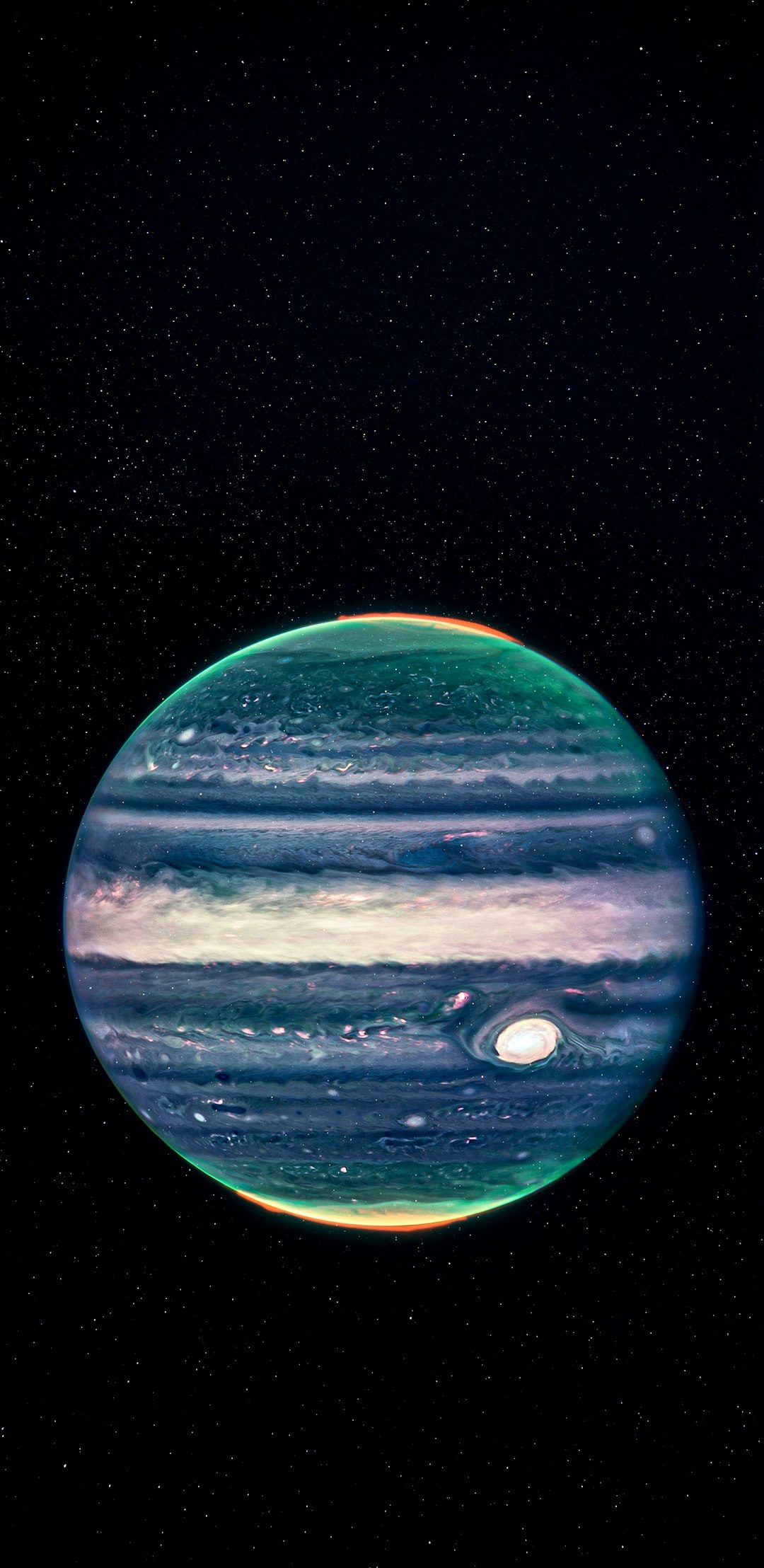
Europa may steal the spotlight, but Jupiter’s other major moons add important pieces to the puzzle of life in the outer solar system. Io, the innermost of the large moons, is a volcanic hellscape, its surface constantly reshaped by erupting lava and sulfurous plumes. At first glance, Io seems like the last place to look for life, yet its extreme volcanism reveals how powerful tidal heating can be in this system. The same forces that melt rock on Io likely warm the interiors of its colder siblings, creating oceans instead of lava seas.
Ganymede, the largest moon in the entire solar system, and Callisto, a heavily cratered ancient world, are more subdued but quietly fascinating. Evidence suggests both may harbor internal oceans sandwiched between layers of ice. Ganymede even possesses its own magnetic field, which is rare for a moon and hints at a complex interior with a liquid, metallic core. Callisto’s ocean, if confirmed, would demonstrate that even a relatively inactive, heavily cratered body can preserve liquid water deep inside. Together, these moons show that ocean worlds might come in many different flavors – some active and youthful, others old and quiet – broadening our idea of where life could persist.
Alien Seas Without Sunlight: How Life Could Survive There
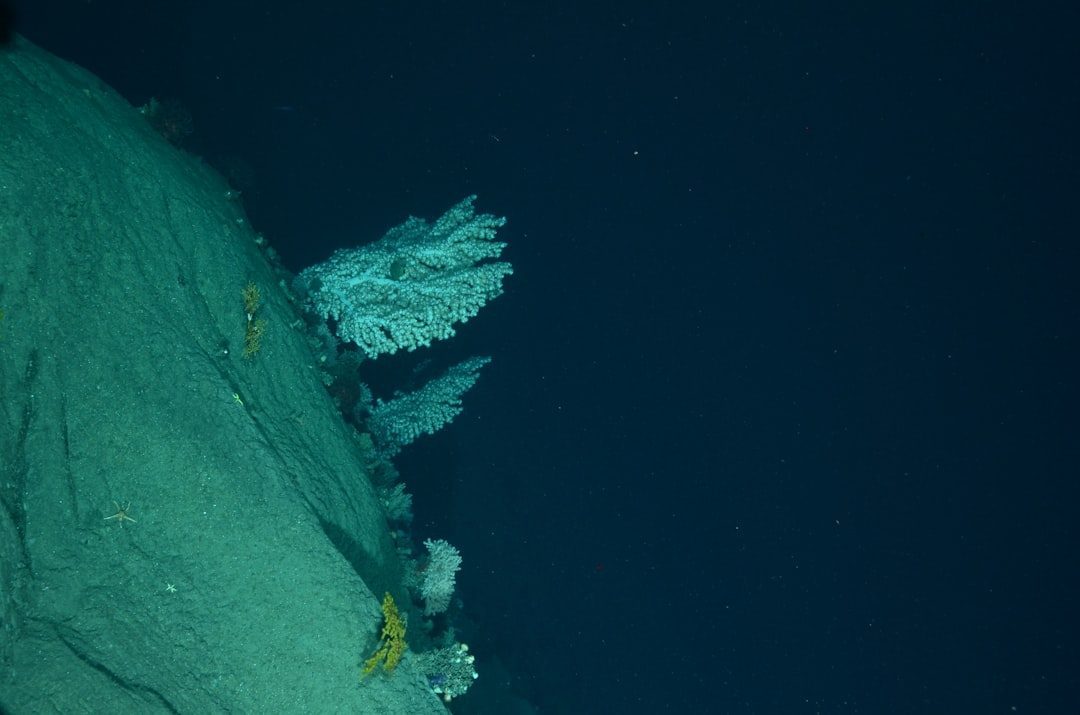
When we imagine life, we tend to picture sunlight streaming through blue water or green forests. But on Jupiter’s moons, sunlight barely penetrates the surface and never reaches the hidden oceans below. That forces scientists to consider darker, stranger ecosystems, more like the deep seafloor vents on Earth than any sunlit coral reef. On our planet, entire communities of organisms thrive around hydrothermal vents, feeding on chemical energy from the interior instead of light from the sky. That discovery flipped our old assumptions about what life needs.
On a moon like Europa, similar vents could be present on the ocean floor where the rocky mantle meets the water. There, minerals and hot water might react in ways that release energy-rich chemicals, just as they do in Earth’s deep oceans. If simple cells could arise in such an environment, they might draw energy from these chemical gradients, gradually evolving into more complex forms over immense stretches of time. The key ingredients – liquid water, a source of energy, and a mix of carbon and other elements – may all be available. The haunting possibility is that alien microbes could have been quietly evolving there, entirely shielded from view, since before humans ever walked on Earth.
Why It Matters: Redefining What a Habitable World Looks Like
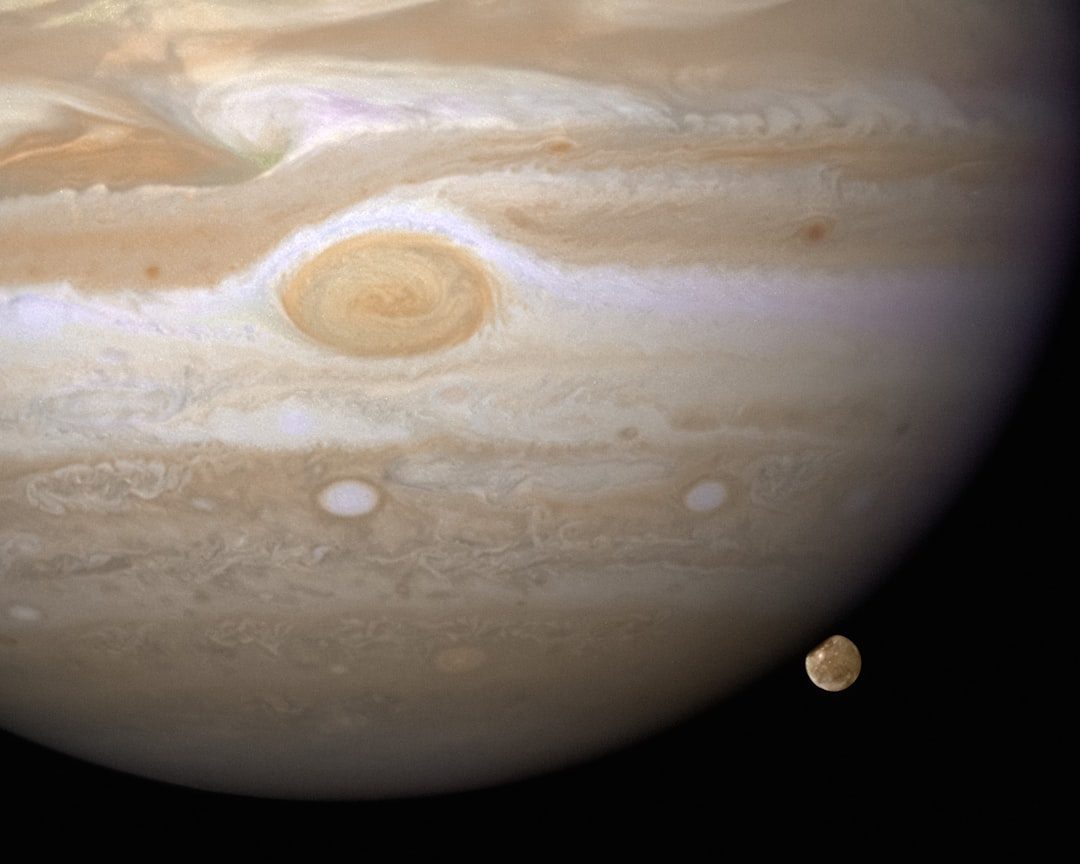
The idea that Jupiter’s icy moons might harbor life is more than just a thrilling science-fiction premise. It forces a genuine shift in how we define a habitable world. For a long time, the focus was on planets like Earth orbiting in a “just right” zone around their star, where surface temperatures allow liquid water. Jupiter’s moons shatter that simple picture by suggesting that worlds far outside the traditional habitable zone can still host deep, stable oceans under ice. Habitability, in other words, is no longer just about distance from a star, but about internal heat and geology.
This shift has ripple effects far beyond our own solar system. Many of the exoplanets discovered around other stars are likely to possess moons, and some of those moons could be icy worlds warmed by tidal forces, just like Europa or Ganymede. When you consider that the number of moons in the galaxy could dwarf the number of planets, the potential habitats for life suddenly multiply dramatically. Searching Jupiter’s moons, then, is not just about local curiosity. It becomes a test of a bigger idea: that life could be common in places we once dismissed as sterile and unremarkable.
The Missions Racing to Answer the Question
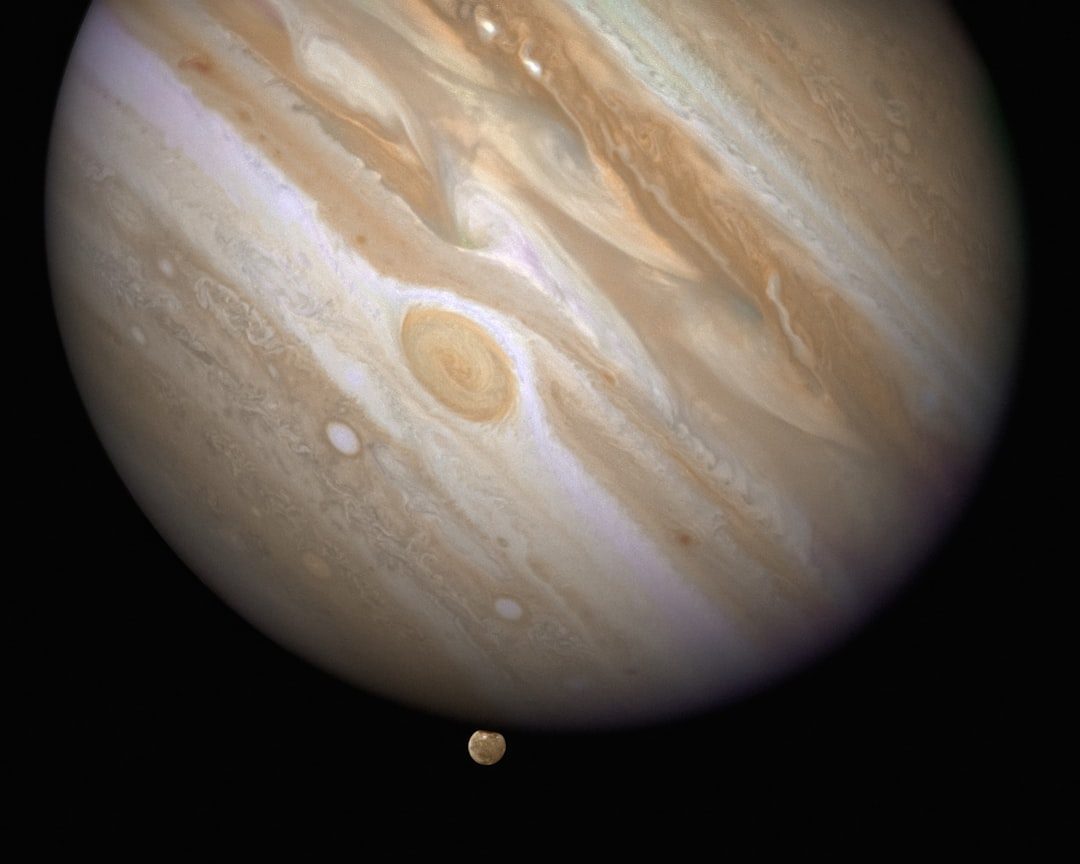
We are no longer just dreaming about visiting these moons; the hardware is already on its way. A new generation of spacecraft has been designed specifically to probe Jupiter’s icy worlds, mapping their surfaces in exquisite detail and measuring their interiors with finely tuned instruments. These missions will fly repeated close passes over Europa, Ganymede, and Callisto, skimming above the ice to sense tiny changes in gravity and magnetic fields that betray the structure below. Radar systems will attempt to peer through the ice shells, while spectrometers sniff for faint traces of water vapor, salts, and organic molecules.
Every flyby will be a high-stakes experiment, because the data could confirm or overturn long-held assumptions about these moons. If plumes are found at Europa, mission planners will scramble to adjust trajectories and sampling strategies. If the oceans turn out to be thicker, saltier, or more chemically rich than expected, our estimates of their habitability will change overnight. Step by step, these spacecraft will turn abstract models into real, testable knowledge, guiding the next wave of exploration that may include landers or even ice-penetrating probes.
The Future Landscape: Technologies, Challenges, and Global Stakes
Getting answers from a world like Europa is brutally hard. Landing softly on an ice field battered by radiation and then drilling or melting through kilometers of frozen crust pushes our current technology to its edge. Engineers are already sketching concepts for nuclear-powered melt probes, autonomous submersibles, and tethered robots that could navigate unknown currents in a dark alien sea. Each idea comes with tough questions about power, communication, contamination, and safety, both for our instruments and for any potential life they might encounter.
There is also a global and ethical dimension to this future exploration. If we suspect these moons may host life, we have a responsibility to avoid seeding them with Earth microbes that could muddy the results or even harm a native ecosystem. That means more stringent planetary protection measures, careful sterilization, and sometimes agonizing trade-offs between scientific ambition and caution. At the same time, the potential payoff is enormous. Confirming life beyond Earth, even a single-celled microbe in a Jovian ocean, would force humanity to rethink its place in the universe and could unite nations around a shared sense of wonder.
How You Can Engage With the Search for Life
It is easy to think that the exploration of Jupiter’s moons belongs only to space agencies and high-tech labs, but ordinary people have more influence than it might seem. Public support shapes which missions get funded, how ambitious they are, and whether bold ideas survive tight budgets and political cycles. Staying informed, sharing credible science stories, and pushing back gently when misinformation spreads all help to keep attention on these long-term quests. Even something as simple as following mission updates or attending public talks at a local planetarium builds a culture that values exploration.
There are also more direct ways to get involved. Some research teams open up mission data to the public, inviting volunteers to help classify images, hunt for plume signatures, or spot new surface features. Supporting science education programs, especially those that bring space science to under-resourced communities, helps shape the next generation of planetary explorers. And, crucially, talking with friends, family, and local representatives about why the search for life matters keeps it from fading into the background noise of everyday news. The question of whether Jupiter’s moons harbor life is not just a scientific puzzle; it is a shared human story, and everyone has a small role in deciding how that story unfolds.
Suhail Ahmed is a passionate digital professional and nature enthusiast with over 8 years of experience in content strategy, SEO, web development, and digital operations. Alongside his freelance journey, Suhail actively contributes to nature and wildlife platforms like Discover Wildlife, where he channels his curiosity for the planet into engaging, educational storytelling.
With a strong background in managing digital ecosystems — from ecommerce stores and WordPress websites to social media and automation — Suhail merges technical precision with creative insight. His content reflects a rare balance: SEO-friendly yet deeply human, data-informed yet emotionally resonant.
Driven by a love for discovery and storytelling, Suhail believes in using digital platforms to amplify causes that matter — especially those protecting Earth’s biodiversity and inspiring sustainable living. Whether he’s managing online projects or crafting wildlife content, his goal remains the same: to inform, inspire, and leave a positive digital footprint.