The idea that people without telescopes, satellites, or supercomputers could predict eclipses, planetary alignments, or seasonal shifts with striking accuracy still feels a bit like a cosmic magic trick. Yet across the ancient world, sky-watchers turned patient observation into powerful forecasting tools that shaped calendars, crops, rituals, and political power. Today, as astronomers model exoplanet orbits and gravitational waves, they’re quietly standing on the shoulders of those early observers who read the heavens with naked eyes and carved results into stone. What we’re now rediscovering is just how advanced some of those early predictions were – and how closely they match what modern astronomy confirms. These eight discoveries do more than showcase historical curiosity; they reveal a deep, almost stubborn human drive to understand what’s coming next in the sky.
The Babylonian Eclipse Diaries: Forecasting Shadows on the Sun and Moon
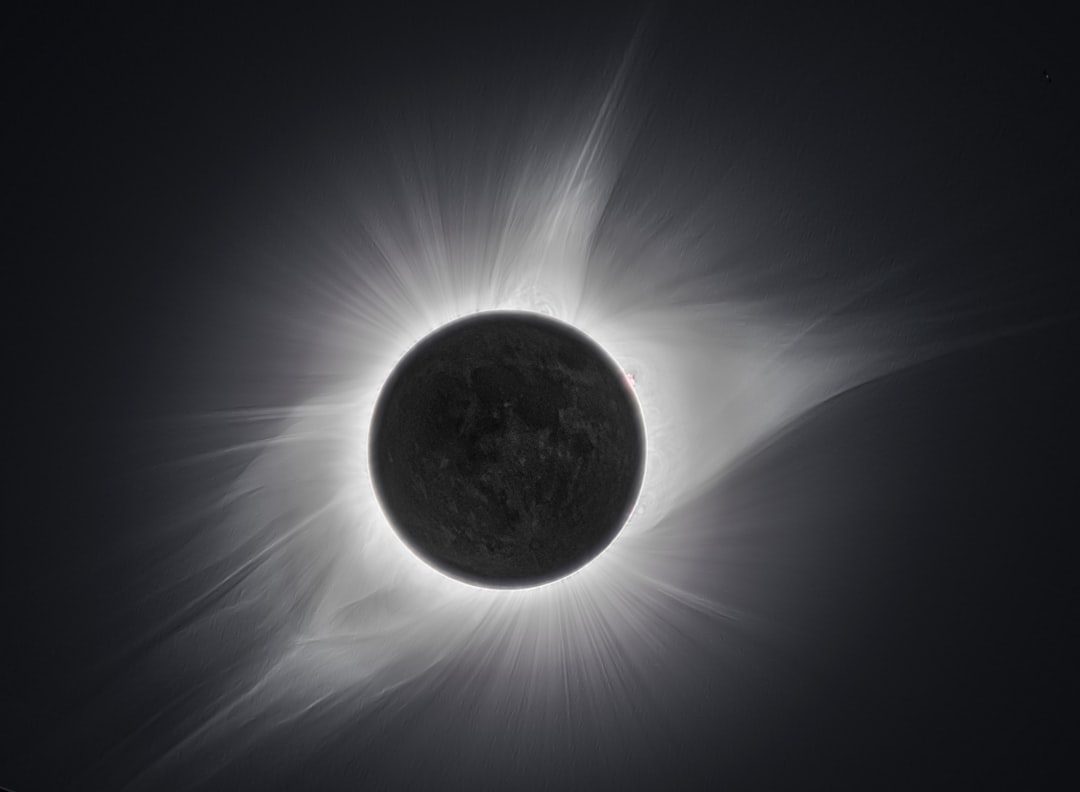
Imagine predicting a total lunar eclipse centuries in advance armed only with clay tablets and patience. That’s essentially what Babylonian astronomer-scribes were doing by the first millennium BCE, carefully logging sky events in what are now known as the Astronomical Diaries. Over generations, they noticed that eclipses occur in repeating patterns, most famously the Saros cycle – just over eighteen years between similar eclipses. They didn’t have the physics of celestial mechanics, but they absolutely had the math of repetition and regularity.
Modern researchers have checked some of these recorded predictions against known eclipse paths and timings, and the match is often impressively tight. Babylonian methods allowed them not only to say that an eclipse was likely, but also to narrow down the month and even rough timing in the night. In a world where an unexpected eclipse could terrify a population or be spun as a divine omen against a king, predictive power was political power. The Babylonians essentially turned the sky into a scheduled program rather than a realm of chaotic portents, and that jump – from surprise to expectation – is the heart of science.
Mayan Venus Tables: Tracking a Planet to Time War and Peace
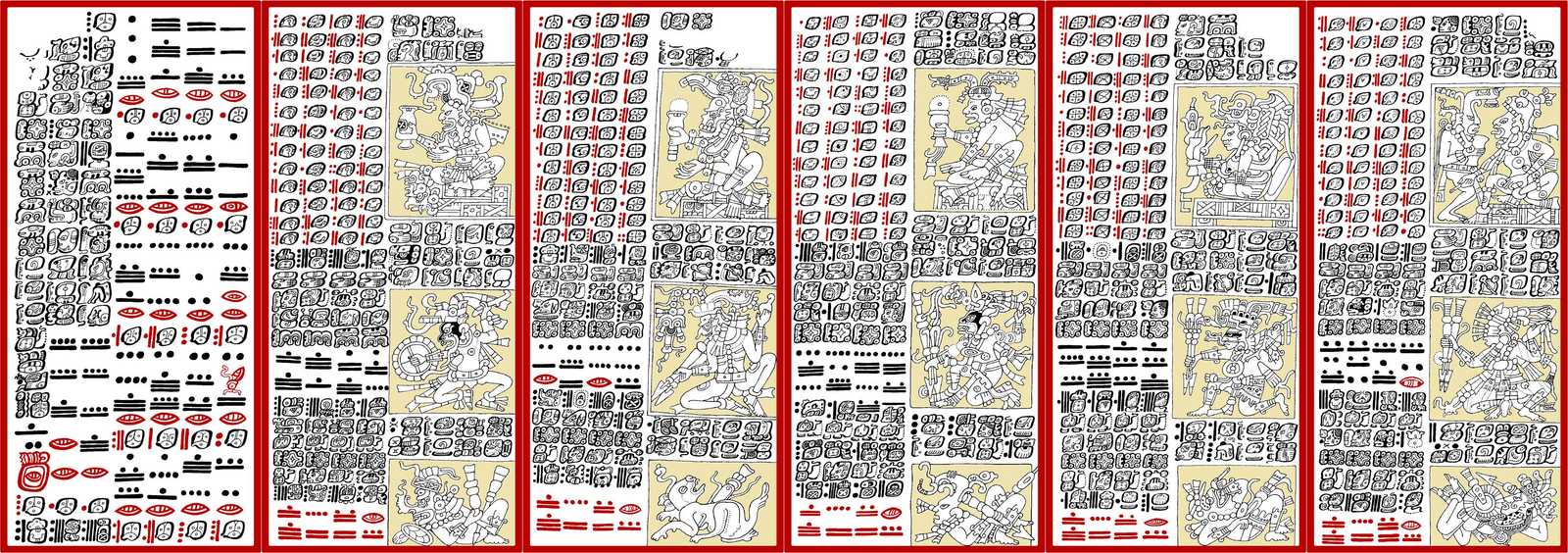
In the Maya world, Venus was more than a bright point of light; it was a clock hand sweeping through cycles of war, ceremony, and kingship. The Dresden Codex, one of the few surviving Maya books, contains extraordinarily detailed Venus tables compiled more than a thousand years ago. These tables track the appearance of Venus as morning star and evening star with a cycle length of 583.9 days, and the overall pattern is fine-tuned with correction intervals to keep predictions aligned over long spans. When modern astronomers run the numbers, they find that the Maya values match Venus’s true synodic period with remarkable precision.
What makes this astonishing is not just the accuracy but the stability: the system is robust enough that, even with minor scribal errors, the underlying cycle still lines up with modern astronomical calculations. The Maya used these predictions to schedule significant events, sometimes launching military campaigns when Venus reappeared after disappearing into the Sun’s glare. To them, the sky was a strategic calendar, and failing to read it correctly could mean missed opportunities or perceived divine disfavor. In a sense, the Dresden Codex functions like an ancient mission control chart, lining up celestial mechanics with human decisions.
Stonehenge and the Solstice Alignments: Reading the Turning of the Year
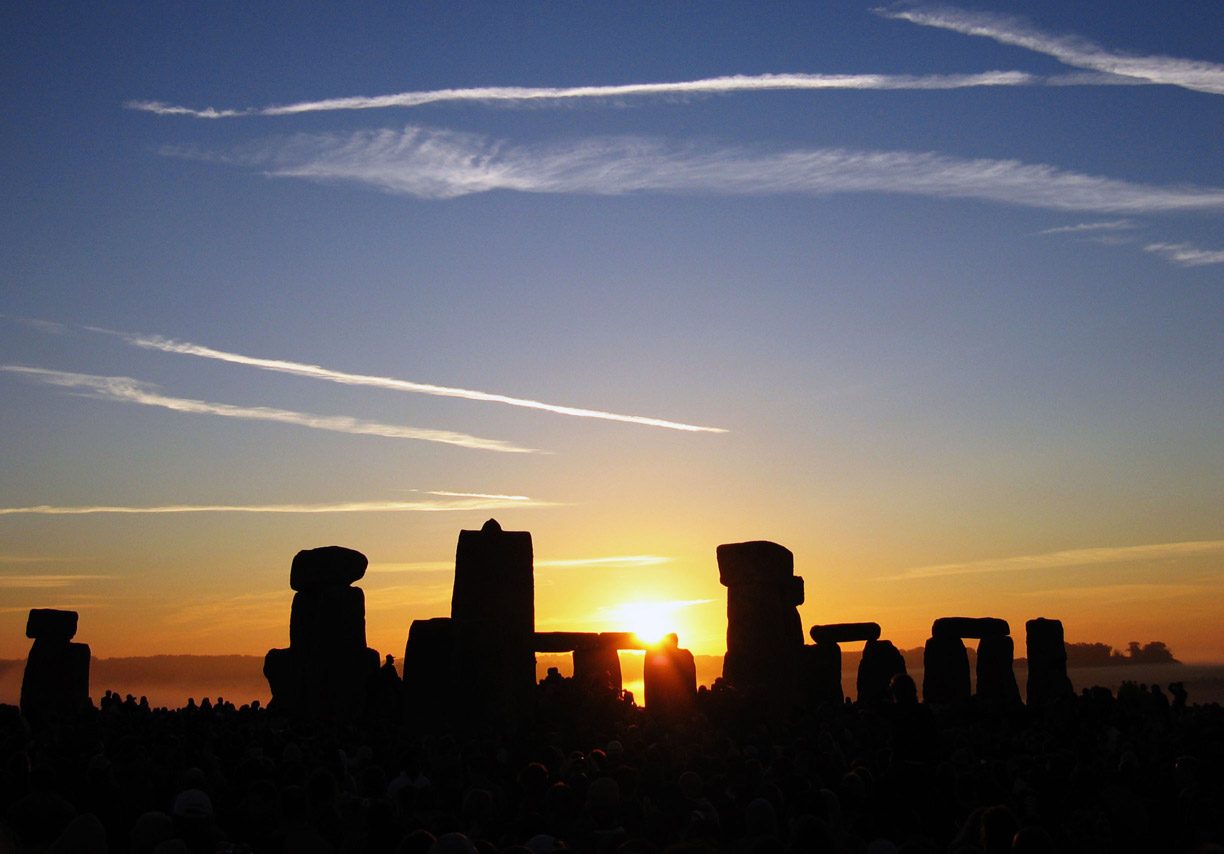
Stonehenge often gets cast as a mysterious stone ring dropped into English fields, but to anyone standing inside its circle at sunrise on the summer solstice, its intent feels almost painfully clear. The central axis of the monument lines up with the point on the horizon where the Sun rises on the longest day of the year. Archaeologists and archaeoastronomers have shown that other stones and features appear to mark sunset and moonrise positions that match key points in the solar and lunar cycles. This means that, thousands of years ago, builders were already thinking in terms of repeatable alignments, not just symbolic shapes.
From a practical standpoint, this gave ancient communities a way to pin down where they were in the annual cycle – crucial for agriculture, animal migrations, and ritual timing. You can think of Stonehenge as a huge, slow-moving clock whose hands are shafts of light and rising moon disks. The precision of the main solstitial alignment, verified today by careful surveying and solar observations, suggests the builders tested and refined their layout rather than placing stones at random. While it’s not an observatory in the modern sense, it undeniably encodes predictions: if you stand here on this day, the Sun will rise right there on that line. Year after year, the sky obligingly proves the point.
Ancient Chinese Guest Stars: Predicting Patterns in a Seemingly Chaotic Sky
Ancient Chinese court astronomers had a different obsession: catching anything in the sky that did not follow the rules. Their meticulous records from more than two thousand years ago include “guest stars” – sudden bright points that appear, linger for weeks or months, and then vanish. Today we recognize several of these records as the first reliable observations of supernovae. One famous example from the year 1054 describes a star bright enough to be seen in daylight, which modern astronomers link to the Crab Nebula, the expanding cloud left by a star’s explosive death. That single line across centuries makes you realize how tightly past and present are stitched together.
Where prediction comes in is subtler than with eclipses or solstices. Chinese sky-watchers built a mental baseline of what the sky should look like by tracking positions and motions over long periods. Once you have a firmly established “normal sky,” any deviation stands out, whether that’s a comet, nova, or planetary conjunction. Over time, this allowed them to anticipate that certain regions of the sky were prone to “change” and gave them the confidence to treat some events as recurring categories rather than one-off miracles. It’s a different form of forecasting: not when a specific explosion will happen, but that the universe is a repeat offender when it comes to dramatic outbursts.
Hipparchus and Precession: Uncovering the Slow Wobble of Earth’s Axis
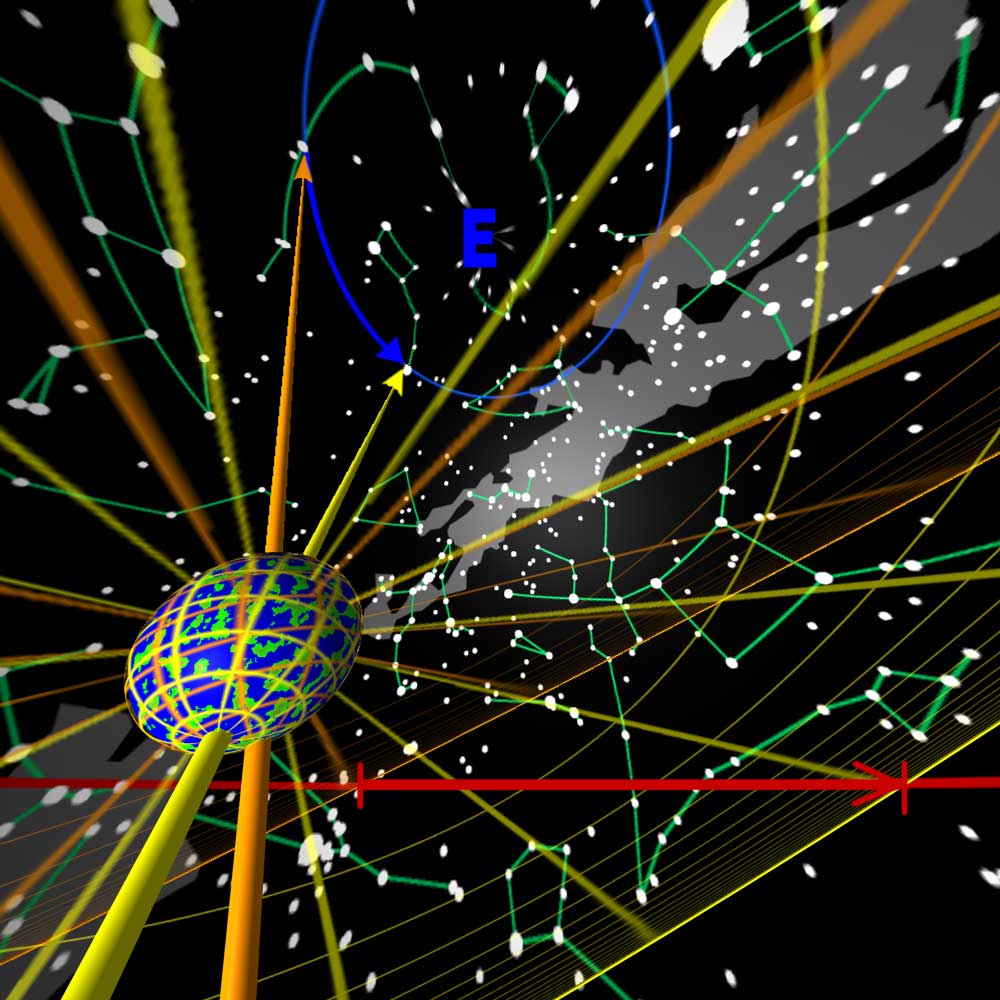
If you’ve ever heard that the “North Star” changes over thousands of years, you’re brushing up against one of the most subtle ancient discoveries: precession. In the second century BCE, the Greek astronomer Hipparchus compared star positions recorded by earlier observers with his own measurements. He realized that the coordinates did not match perfectly, even after accounting for observational error. The simplest explanation was that Earth’s rotational axis itself was slowly shifting relative to the background stars. That’s an abstract, almost shocking conclusion to reach with a basic observational toolkit.
Precession has a cycle of roughly twenty-six thousand years, far longer than a human lifetime, so no single observer could watch a full loop. Hipparchus essentially inferred a cosmic wobble from a snapshot and some archival detective work. Modern calculations based on gravity and Earth’s equatorial bulge match his estimates for the rate of this shift surprisingly closely, validating his leap. This discovery let later astronomers retroactively correct earlier observations and anticipate how the positions of solstices, equinoxes, and constellations would change over millennia. Predicting a future sky no one living would see is a bold intellectual move, and it still underpins modern star catalogs and navigation systems.
Islamic Golden Age Observatories: Refining Planetary Orbits and Calendars
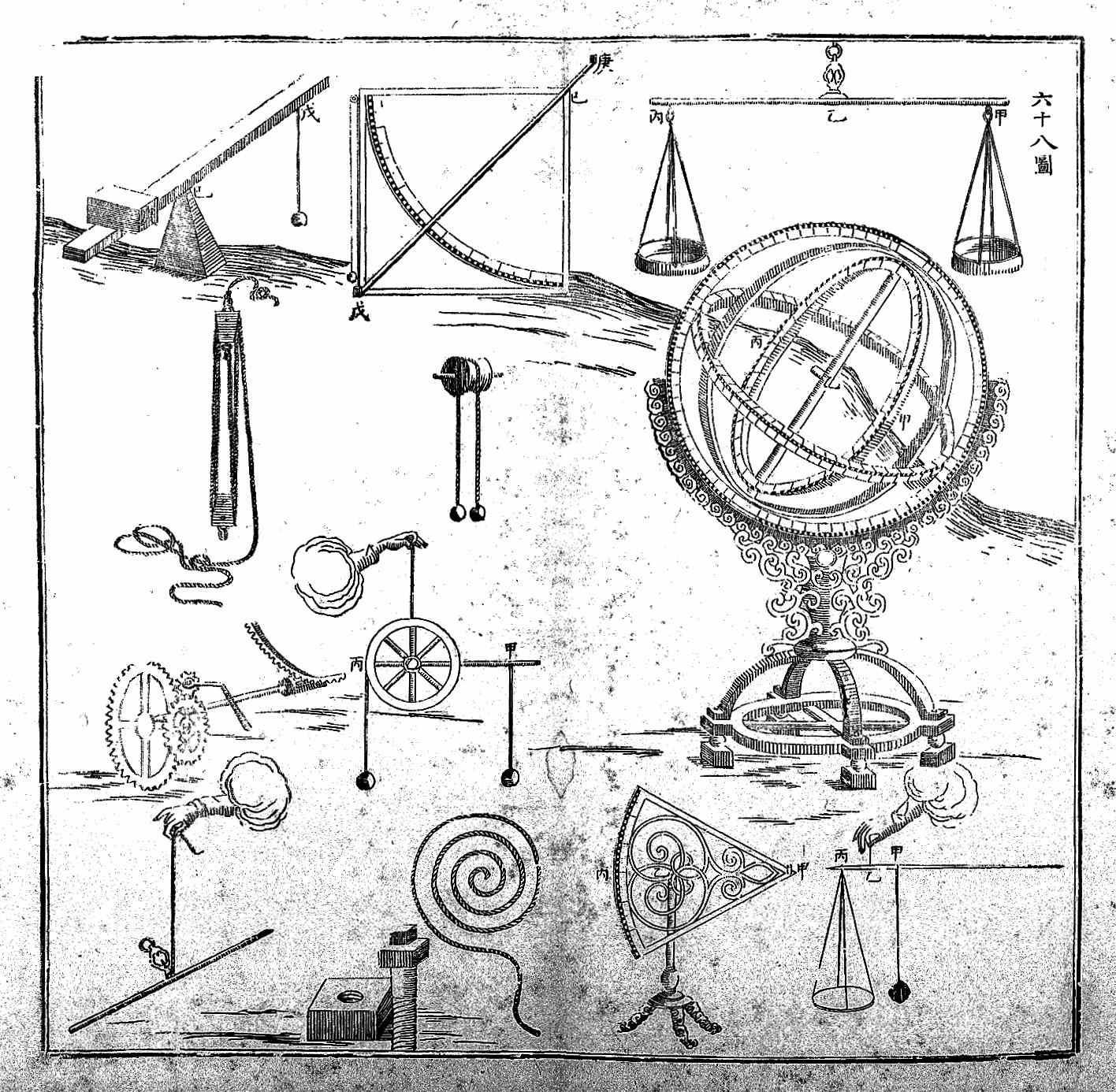
Fast forward to the medieval Islamic world, and astronomy moves into an almost industrial scale of precision. Observatories in places like Baghdad, Maragheh, and Samarkand were equipped with massive sextants, armillary spheres, and mural quadrants carved into stone walls. Astronomers there compiled new star catalogs, measured planetary positions repeatedly, and improved values for the length of the year and the tilt of Earth’s axis. Their goal was not just understanding but prediction: better calendars for religious observances, more accurate times for prayer, and improved models of planetary motion that could anticipate where Mars or Jupiter would appear months or years ahead.
When historians and astronomers compare those medieval tables with modern ephemerides, the match is often within a small fraction of a degree or a tiny slice of a day. For their time, that level of accuracy is almost hard to believe, especially given limitations in materials and optics. These observatories also served as training grounds where observational techniques were standardized and passed on, anchoring prediction in method rather than personality. They pushed astronomy away from purely geometric description and toward something closer to dynamical modeling, laying conceptual groundwork that would later support the Copernican and Newtonian revolutions. In that sense, their predictions helped humanity move from describing the sky to truly explaining it.
Nazca Lines and Andean Skies: Aligning Art, Agriculture, and Celestial Cycles
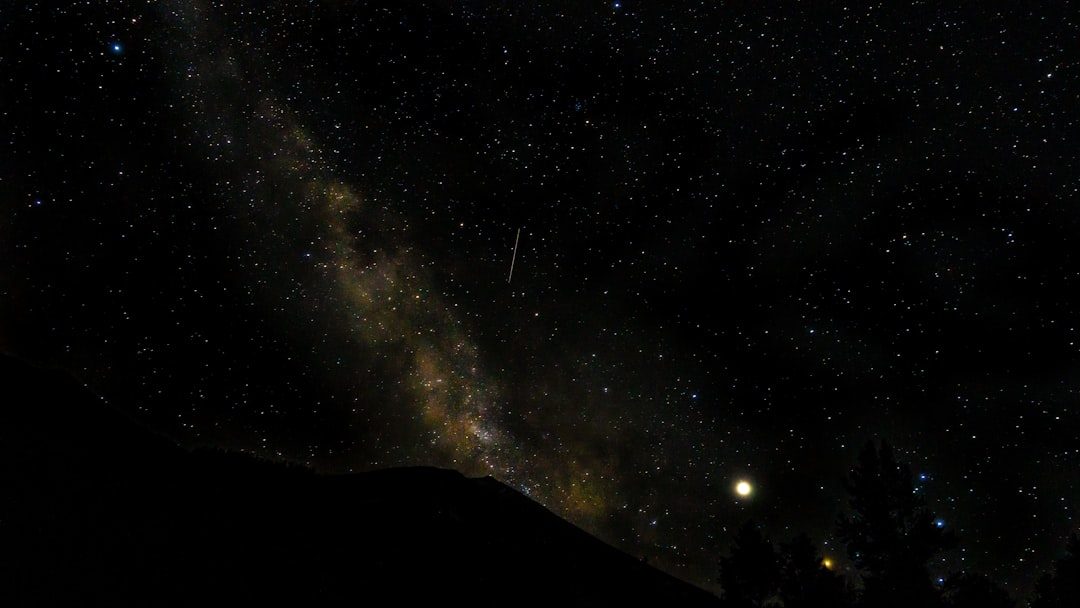
The Nazca Lines in Peru – a network of enormous geoglyphs scratched into the desert – often capture imaginations because of their sheer scale. But look beyond the animal shapes and you find long, arrow-straight lines that some researchers argue align with sunrise and sunset points at solstices and with the rising of certain bright stars. In the broader Andean region, there is clearer evidence that people tracked the Pleiades star cluster and other celestial markers to predict rainfall patterns and adjust planting schedules. When the Pleiades appeared dim or delayed at certain times of the year, it often preceded weaker rainy seasons, allowing farmers to prepare for lower yields.
Modern climatology has shown that high-altitude atmospheric conditions linked to phenomena like El Niño can indeed affect how bright certain stars appear. That makes Andean sky observations an early, remarkably sophisticated form of climate forecasting. Instead of numerical models and satellite data, they used star brightness as a proxy for complex ocean-atmosphere behavior. Alignments on the landscape – whether in Nazca or elsewhere – turned the surrounding terrain into a huge, open-air display tied to these celestial cues. The predictions born from these alignments were not about exact dates and times of eclipses, but about something just as critical: the probability of enough rain to survive the year.
Why These Ancient Predictions Still Matter
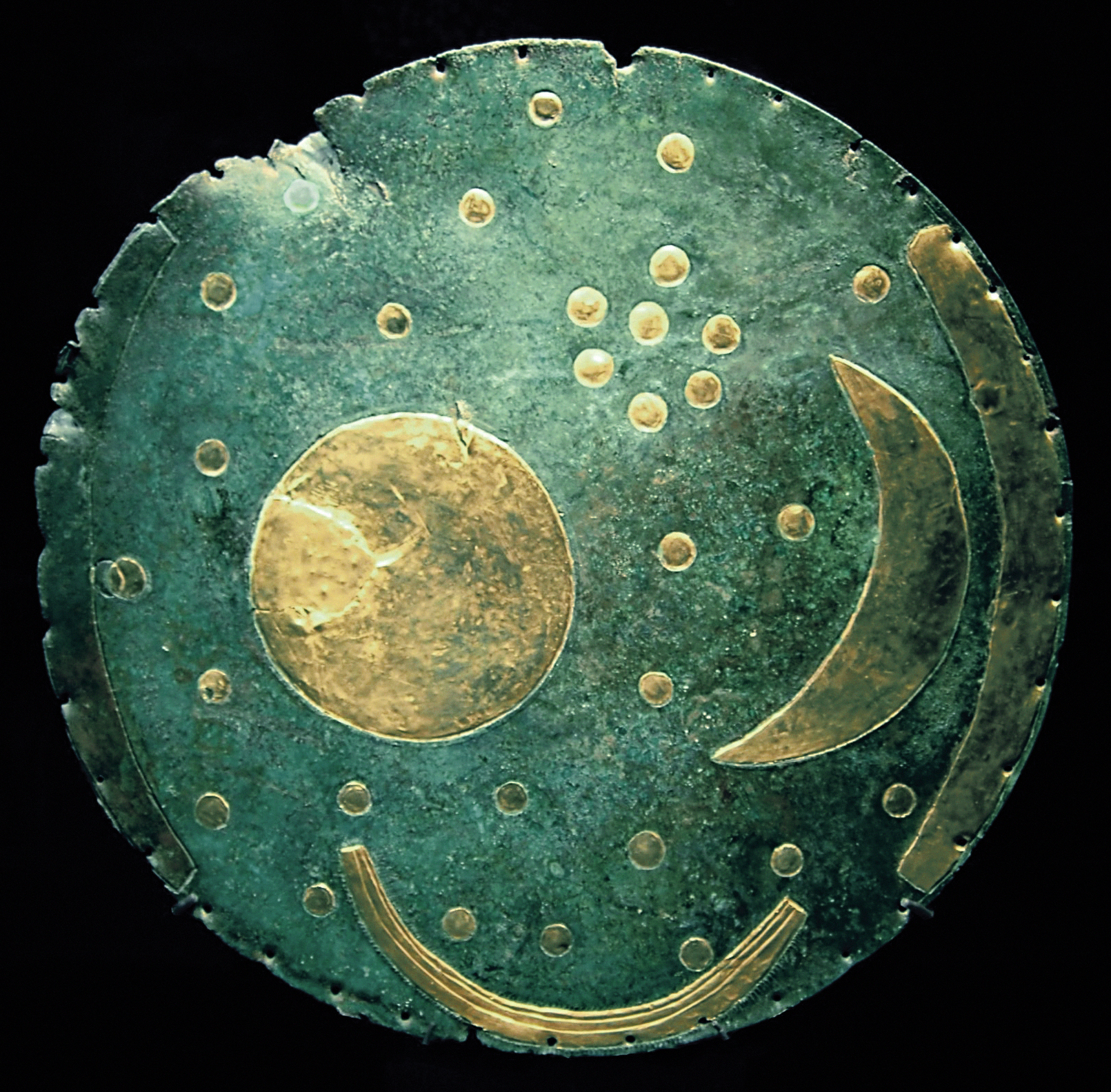
It’s tempting to treat all this as charming historical trivia, but that misses the main point: these ancient prediction systems are early case studies in how humans build reliable knowledge from limited data. Babylonian eclipse cycles, Maya Venus tables, and Andean star-based rainfall forecasts are templates for the basic scientific playbook: observe, find a pattern, test it against future events, and refine. They prove that you do not need advanced technology to reason well about complex systems; you need time, discipline, and the humility to let the sky correct you. When modern astronomers test ancient records against computer models and see them line up, it is a quiet but powerful validation of observational rigor across millennia.
These histories also widen our sense of who counts as a scientist and where science happens. Instead of a narrow story centered on a handful of European figures, we see a global network of sky-watchers – from Mesopotamia, Mesoamerica, China, Europe, the Islamic world, and the Andes – all wrestling with the same question: what will the heavens do next? Their work underpins our calendars, navigation systems, and long-term climate reconstructions. Without their logs of eclipses, comets, and “guest stars,” we would have a thinner timeline for testing models of solar activity or supernova rates. In an era obsessed with real-time data, these ancient predictions remind us that long, patient observation is one of science’s most powerful tools.
The Future of Cosmic Forecasting: From Ancient Sky Logs to AI Models
Today’s astronomers are pushing prediction to scales and precision levels the Babylonians and Maya could never have imagined, but the logic is eerily familiar. Telescopes survey millions of galaxies, satellites monitor the Sun’s moods, and networks of detectors listen for fleeting gravitational waves from colliding black holes. Machine-learning systems are already being trained on vast archives of past observations to flag subtle patterns that might precede events like solar storms or stellar flares. In a strange twist, some of these algorithms benefit from centuries-old records of sunspots, eclipses, and comets originally carved, painted, or inked by hand.
Looking ahead, several frontiers stand out. Astronomers are working on predicting potentially hazardous asteroid paths with better confidence, giving Earth more lead time if a dangerous rock comes our way. Space-weather forecasting aims to anticipate solar eruptions that could damage power grids and satellites, echoing ancient fears of ominous skies but with very concrete economic stakes. Long-term, as we catalog exoplanets in detail, there is a real possibility of mapping out the future orbital evolution of entire planetary systems, predicting not just eclipses but eventual instabilities and collisions. Underneath all of this whirring hardware and code is the same ancient urge: to turn the night sky from a source of surprise into a map of what’s coming.
How Readers Can Stay Connected to the Predictable Cosmos
You don’t need an observatory or a PhD to plug into this story; you just need a bit of curiosity and a clear night. One simple step is to start tracking predictable events yourself: note when the Moon is full, when a predicted meteor shower peaks, or when a well-publicized eclipse happens, and compare what you see to published forecasts. That small act of checking the sky against expectations is exactly what ancient observers were doing, only with fewer smartphone alerts. If you want to go further, many citizen-science projects invite participants to log meteor sightings, variable star brightness, or aurora activity, feeding modern prediction models with more data.
Supporting dark-sky initiatives is another surprisingly powerful way to honor this legacy. Light pollution erases the very canvas on which ancient astronomers painted their discoveries, and it also hampers modern observations. By pushing for shielded lighting in your community or visiting designated dark-sky parks, you help preserve the conditions that allowed humans to build accurate cosmic predictions in the first place. And if you ever find yourself standing in a field or on a rooftop, watching an eclipse follow its timetable down to the minute, take a moment to remember that you are sharing that certainty with countless unknown observers from long ago. Their careful eyes are quietly built into every forecast you now take for granted.
Suhail Ahmed is a passionate digital professional and nature enthusiast with over 8 years of experience in content strategy, SEO, web development, and digital operations. Alongside his freelance journey, Suhail actively contributes to nature and wildlife platforms like Discover Wildlife, where he channels his curiosity for the planet into engaging, educational storytelling.
With a strong background in managing digital ecosystems — from ecommerce stores and WordPress websites to social media and automation — Suhail merges technical precision with creative insight. His content reflects a rare balance: SEO-friendly yet deeply human, data-informed yet emotionally resonant.
Driven by a love for discovery and storytelling, Suhail believes in using digital platforms to amplify causes that matter — especially those protecting Earth’s biodiversity and inspiring sustainable living. Whether he’s managing online projects or crafting wildlife content, his goal remains the same: to inform, inspire, and leave a positive digital footprint.